
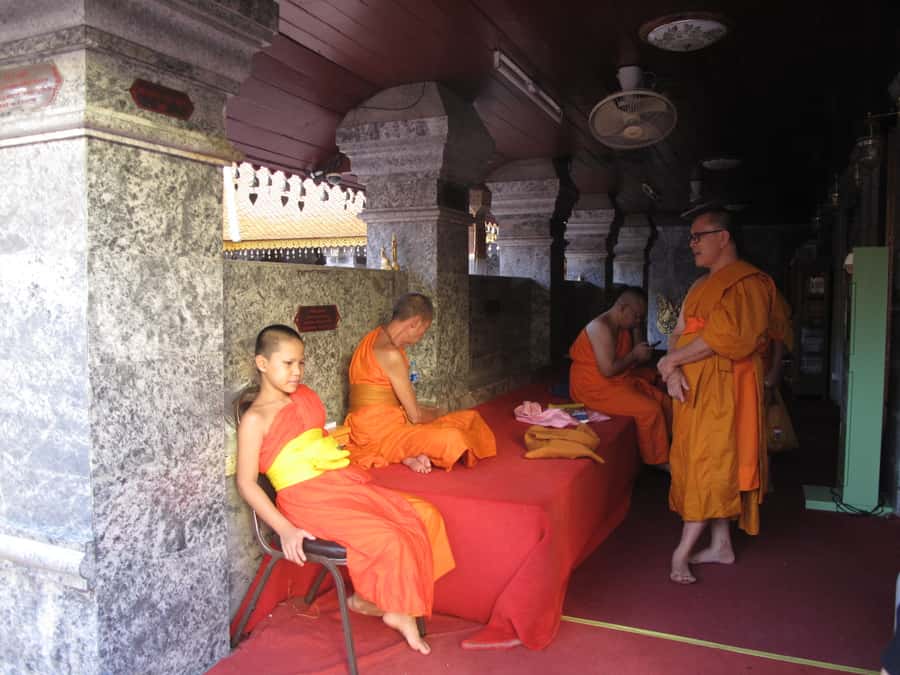
Reviewed · DOI SUTHEP & TEMPLE TOURS
Doi Suthep Hill Tribe Village and Evening Buddhist Service
Two temples, one mountain evening. This tour mixes Wat Phra That Doi Suthep with a real Hmong hill tribe village visit, all in one smooth day. I like how the guide handles both the big-picture meaning of Buddhism and the practical details, like what you’re seeing and why it matters. One thing to consider: it’s not a sit-easy outing—expect walking, steps, and uneven ground around the temple and village.
My favorite part is the evening service. You get the historic complex earlier in the day, then you return later when the light changes and the mood turns quieter at Doi Suthep Temple. If you’re hoping for a strict checklist of sights, this may feel more spiritual than photo-heavy.
And the village stop has a friendly, hands-on human side. At Khun Chang Kien, you can pause for afternoon tea or coffee, and the local primary-school cafe is run with a training program where students learn barista skills using their village coffee. The only drawback is fit: this experience isn’t suitable for wheelchair users or people with back/heart problems, and the dress code requires covered shoulders and knees.
In This Review
- Key highlights to expect
- From Chiang Mai pickup to Doi Suthep Temple
- Dress code matters more than you think
- Wat Phra That Doi Suthep: Guided temple time with context
- Why the guide quality is a big deal here
- The small-truck transfer into Khun Chang Kien
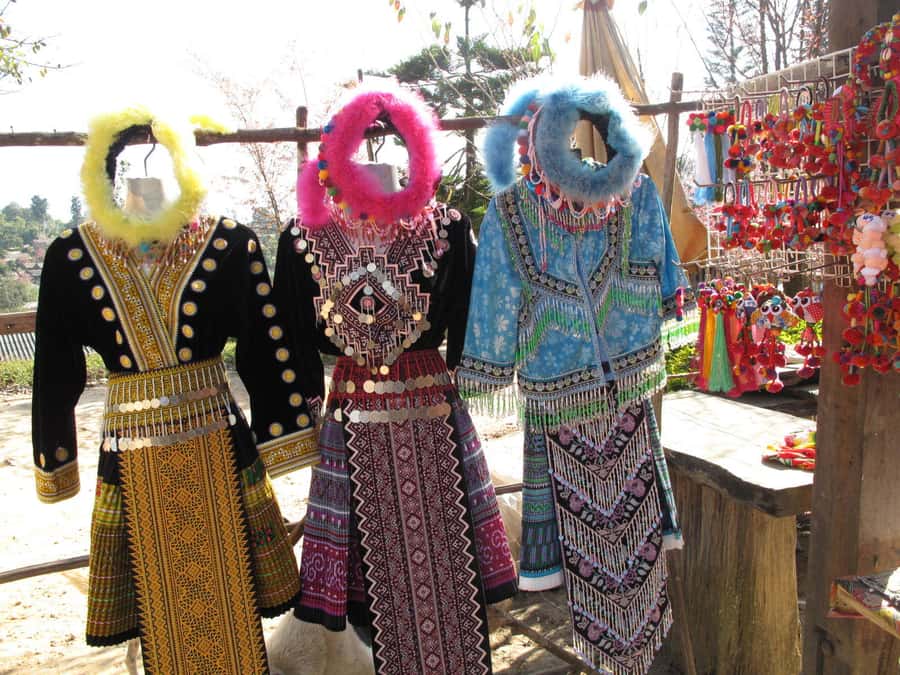
- Khun Chang Kien Hmong village: Learn the mountain way of life
- The student barista cafe is the standout break
- Independent time: how to use it well
- Returning to Doi Suthep for the evening Buddhist service
- What makes the evening different from daytime visits
- Price and value: what you’re actually paying for at $70
- Who this tour fits best (and who should skip it)
- Quick tips to make the day go smoothly
- Should you book this Doi Suthep + Khun Chang Kien evening tour?
- FAQ
- How long is the tour?
- What’s included in the price?
- Is hotel pickup available for all areas of Chiang Mai?
- What should I wear or bring?
- Is this tour suitable for everyone?
- Do I attend the Buddhist service at the temple?
Key highlights to expect
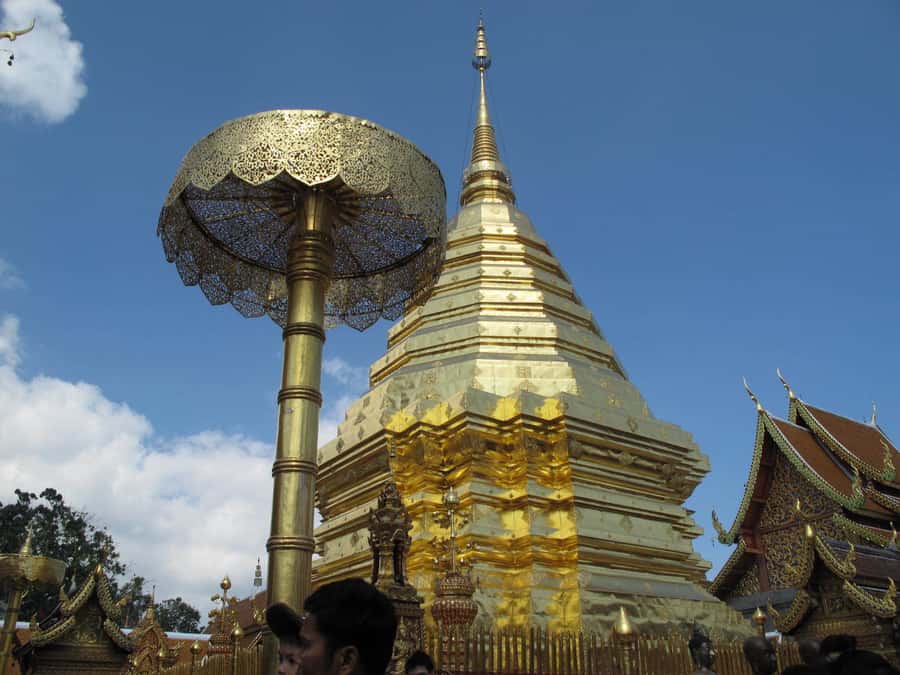
- Wat Phra That Doi Suthep, guided up close with clear explanations of what you’re seeing
- Evening Buddhist service at the temple, timed for the calmer, golden atmosphere
- Small-truck ride into the mountains that gets you beyond the main road
- Khun Chang Kien Hmong village time, including an independent walk
- Student barista cafe break with coffee or tea plus a biscuit
- Small groups (up to 9), which keeps your questions from getting lost
From Chiang Mai pickup to Doi Suthep Temple
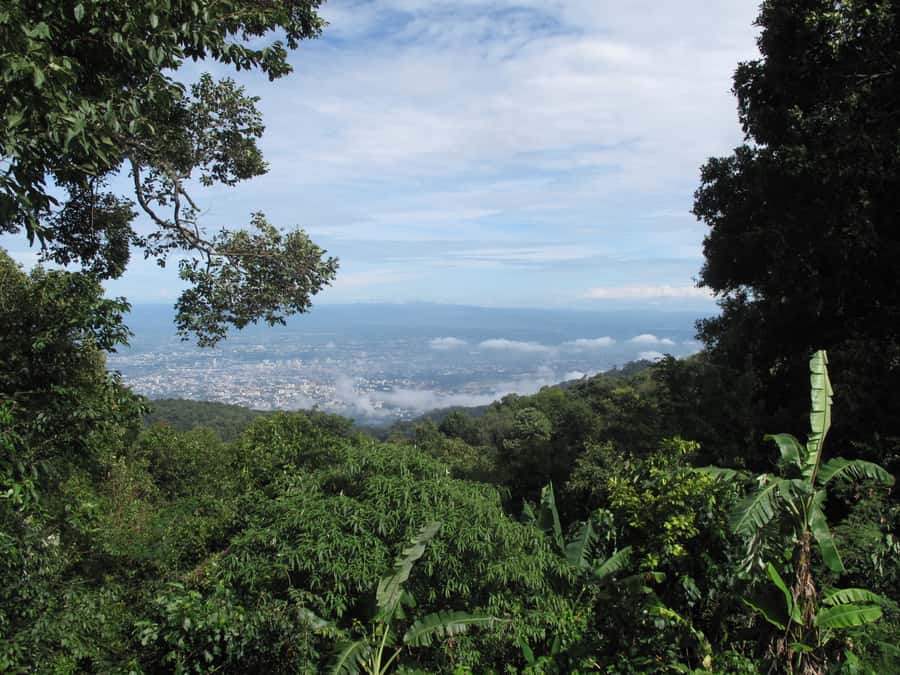
This starts with a hotel pickup in central Chiang Mai. You’ll move as a small group with an experienced driver, and then you’ll meet your English-speaking guide for the day. It’s a good setup if you’d rather spend your energy learning than sorting out transport, tickets, and timing.
There’s a van ride first—about an hour to the temple area. The practical benefit here is pacing: you’re not dragged through the whole day in one long, uncomfortable transfer. Also, if the weather is warm, you’ll be grateful that the ride gets you higher up without you having to coordinate anything.
Dress code matters more than you think
Before you go, plan your outfit. Shorts and sleeveless shirts are not allowed, and you’ll need shoulders and knees covered for entry. Comfortable shoes are a must. If you forget and try to improvise at the last minute, you’ll waste time and energy while others move on.
Wat Phra That Doi Suthep: Guided temple time with context
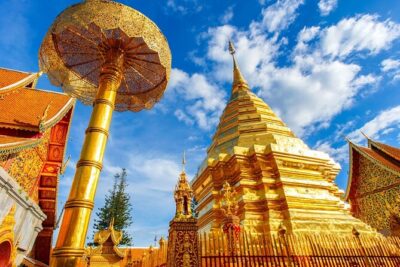
The main temple stop is Wat Phra That Doi Suthep. You’ll get a guided tour and sightseeing time while your guide explains the temple’s significance and the ideals behind Buddhism. This is the kind of context that turns “cool structures” into “I get what I’m looking at.”
You’ll also enjoy scenic viewpoints on the way, but the real value is how the guide connects the visuals to meaning. In the best moments, you’ll notice how people move through the space—respectful, quiet, and focused. That’s hard to pick up if you’re just rushing between landmarks.
Why the guide quality is a big deal here
This tour’s reputation rests heavily on guide skill and warmth. In past bookings, guides named Toy, Mr. Paul, and Tui stood out for being engaging, knowledgeable, and genuinely attentive. You can expect a guide who not only points things out, but also helps you understand the “so what” behind Buddhist practice and temple design.
If you’re the type who loves travel with meaning—not just checklists—this is where you’ll feel it most.
The small-truck transfer into Khun Chang Kien
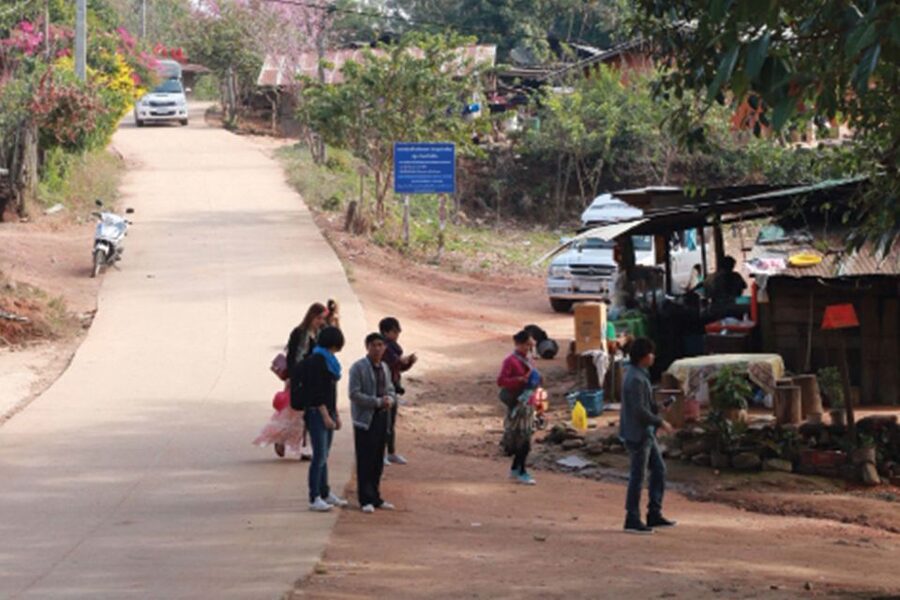
After the first temple visit, you head back briefly and then switch gears. You transfer from the temple area by small truck toward the remote Hmong village of Khun Chang Kien. This part matters because it changes the feel of the day.
A truck ride into the mountains gives you a sense of distance—both physical and cultural—from the city. You’re not just watching a culture; you’re being taken to where people actually live and work. Expect the drive to be part of the experience, not just a transportation gap.
Khun Chang Kien Hmong village: Learn the mountain way of life
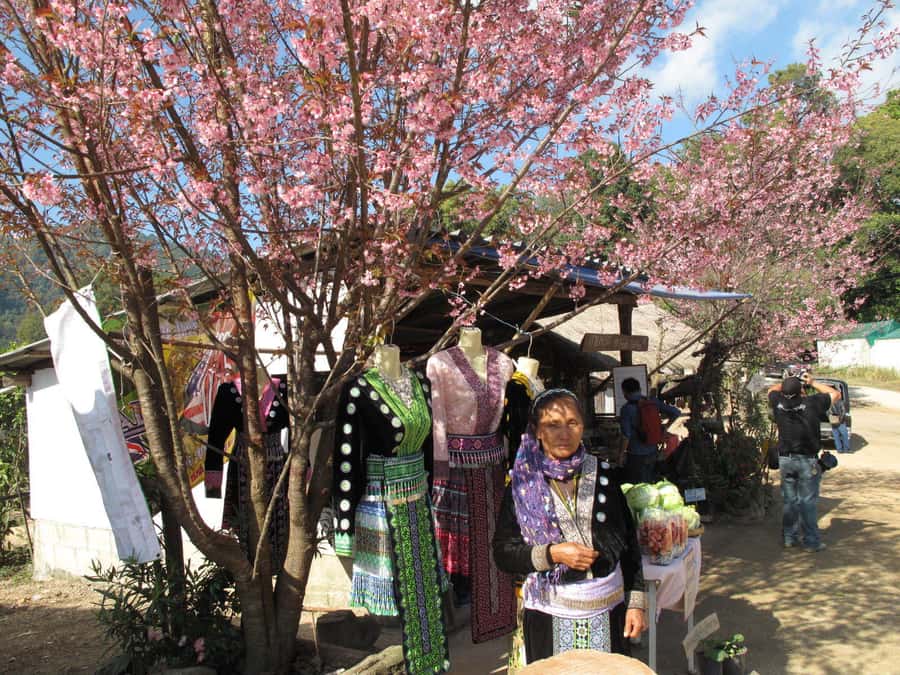
Once you arrive, you’ll explore the Hmong hill tribe village with guidance, then you’ll have time to walk independently. The focus is on the mountain way of life—how everyday rhythms link to nature and community.
You’ll also visit a local primary school. That stop isn’t only about seeing a building; it’s a chance to watch how education connects to daily skills and local enterprise. Many visitors remember this moment because it feels both practical and hopeful rather than staged.
The student barista cafe is the standout break
Here’s the detail that many people end up talking about later: the village cafe connected to the primary school’s training program. Students train as baristas using coffee from Khun Chang Kien. You can stop for afternoon coffee or tea, and it comes with a biscuit.
It’s not just a caffeine break. It’s a small, real example of how a community turns local resources into opportunity. If you drink coffee, it’s a nice moment of tasting a place with a story attached. If you don’t, the tea still makes the break feel earned after the mountain ride and walking.
Independent time: how to use it well
When you’re walking on your own, keep it simple. Look, ask polite questions through your guide when possible, and move slowly. The best village visits feel like respectful observation, not performance. If you rush, you’ll miss the small cues—how people use space, how they chat, how daily tasks show up in plain sight.
Returning to Doi Suthep for the evening Buddhist service
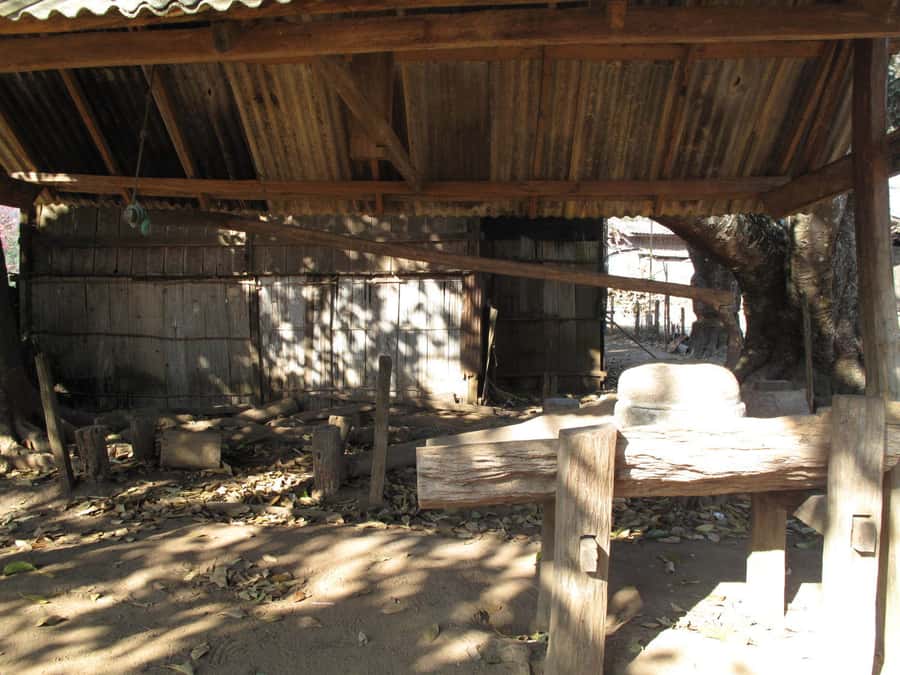
After village time, you head back toward Doi Suthep Temple for the afternoon portion and the evening service. This is a smart plan. You don’t just arrive late and leave right away. You have a chance to understand the setting earlier, then return when the atmosphere changes.
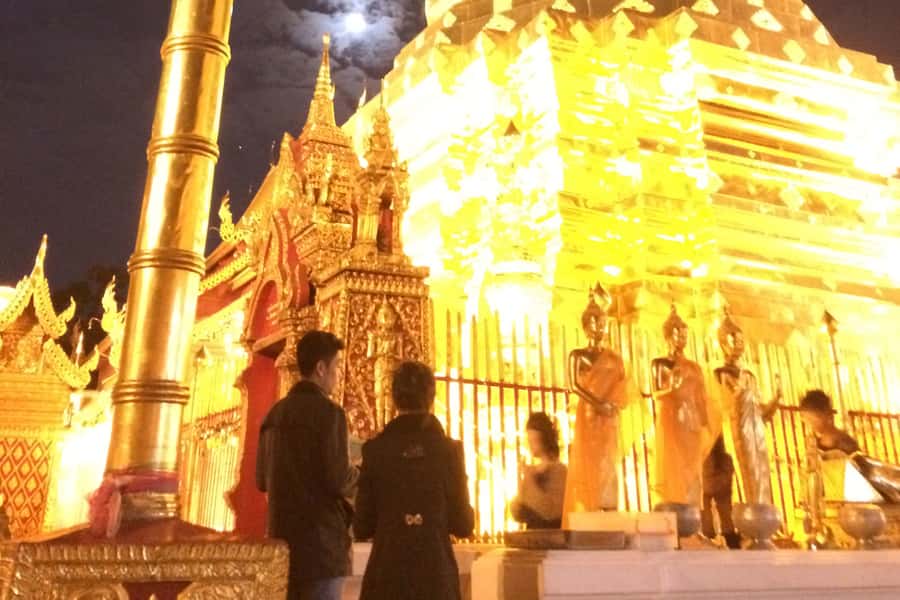
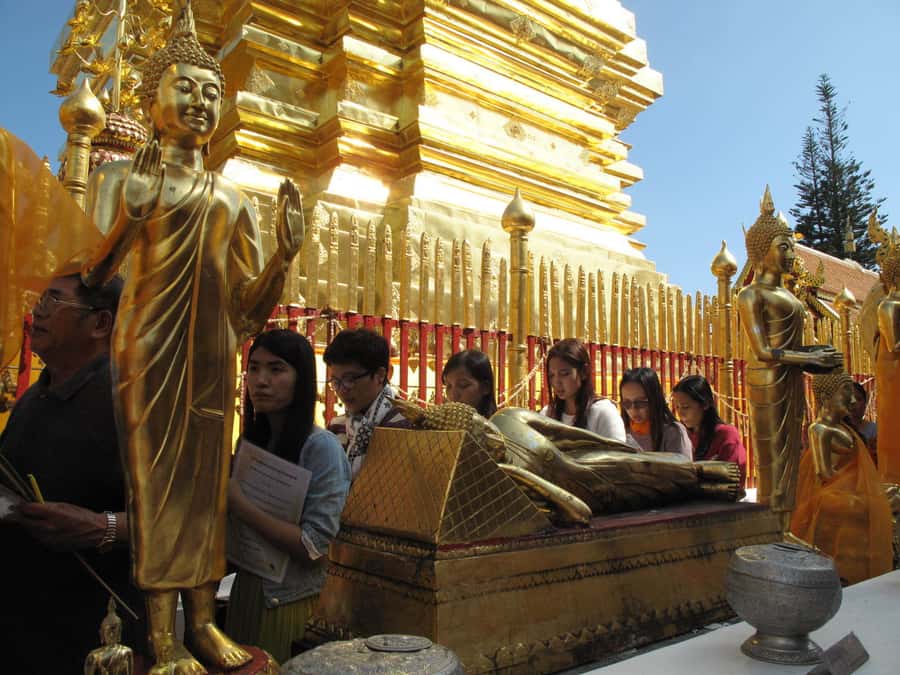
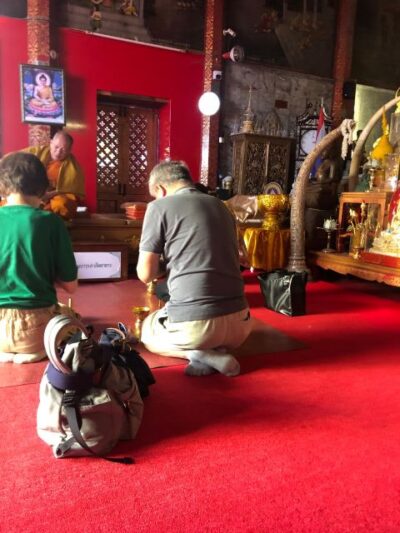
At the evening Buddhist service, you’ll sit in a quieter, more reflective environment—bathed in golden light. Your guide helps you follow what’s happening, so you’re not stuck guessing. This kind of explanation is especially useful for non-Buddhists, because it turns unfamiliar rituals into understandable actions.
What makes the evening different from daytime visits
Daytime temple visits often feel like sightseeing with spiritual visuals. An evening service shifts the tone into something more personal and focused. You’ll likely notice how calm the space feels when people gather with intention.
If you’re hoping for a cultural experience that feels respectful and alive, this is one of the best parts of the day. It also avoids the trap of trying to squeeze too much temple time into daylight only.
Price and value: what you’re actually paying for at $70
The price is $70 per person for about 6 hours. On paper, it’s not the cheapest Chiang Mai outing. In practice, you’re paying for several things that add up:
- Hotel pickup and drop-off (within the central service area)
- An English-speaking guide
- Admission fees
- A small-group setup (limited to 9 participants)
- Transport that includes the small truck segment to the remote village
- A planned food break: coffee or tea with a biscuit
- Water and a cold refreshment towel
Also, the guide quality seems to be the real value driver. Multiple high-rated experiences highlighted guides like Toy, Mr. Paul, and Tui as personable and deeply informed, with explanations that go beyond surface facts. When that happens, you don’t just see sights—you understand them.
One more value note: there’s mention of shared vs. private options depending on what you book. If you want more one-on-one time for questions, the private option can be especially worth it. Past experiences also suggested private touring felt like better use of the day because the guide stayed fully focused.
Who this tour fits best (and who should skip it)
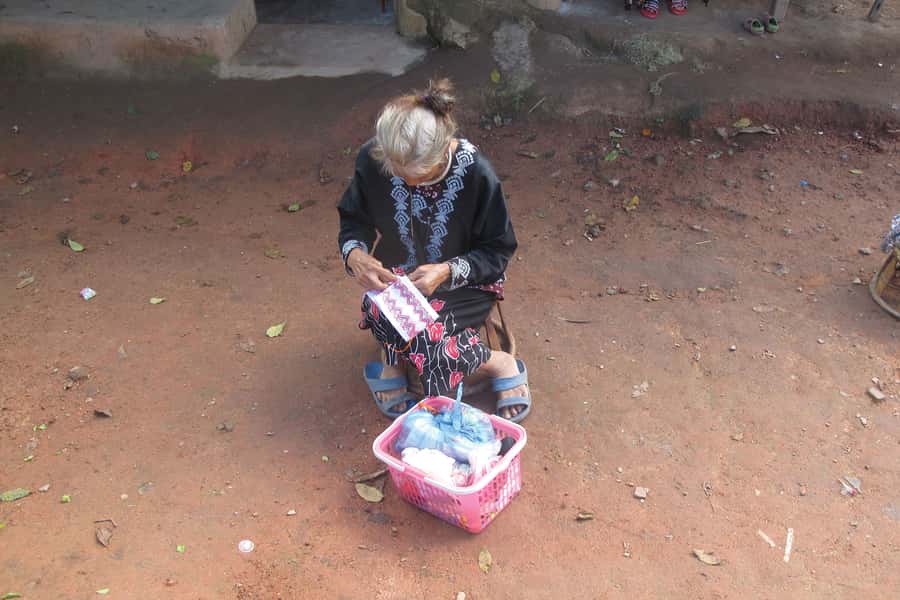
This works well for people who want both culture and comfort. You’ll have guided time at the temple, time in a village with independent walking, and an evening service that feels more meaningful than a quick stop.
It may not work for everyone. It’s listed as not suitable for pregnant women, people with back problems, people with mobility impairments, wheelchair users, and people with heart problems. The mix of steps, uneven ground, and the general physical demands of a hill-and-temple day are the likely reasons.
If you can handle temple footwear rules, walking, and basic stamina, you’ll probably enjoy the day’s flow.
Quick tips to make the day go smoothly
Bring comfortable shoes. Plan clothing that covers shoulders and knees. Pack water, or at least expect the provided water during the tour.
Also, keep expectations realistic. This is not a long sit-down meal day. You’re moving from temple to village to temple service within a single 6-hour block. That’s great if you like a full, focused itinerary. It’s less great if you want hours of free time or a slow pace.
Should you book this Doi Suthep + Khun Chang Kien evening tour?
I think you should book it if you want one of Chiang Mai’s more grounded cultural combos: a guided temple visit with real explanation, a trip into the mountains to meet village life, and a Buddhist service that ends the day with calm instead of chaos.
Skip it if you need full accessibility, have mobility or health limitations that can’t handle steps and uneven paths, or you hate dress-code constraints. Also pass if you’re only looking for quick photo stops—this day rewards curiosity.
If you do book, I’d aim to arrive prepared: covered shoulders and knees, solid shoes, and a mind ready to learn. The biggest payoff here isn’t just the views—it’s that the guide experience, and the village cafe training connection, turns the trip from sightseeing into something you’ll remember.
FAQ
How long is the tour?
The duration is 6 hours.
What’s included in the price?
The tour includes hotel pickup and drop-off (for central Chiang Mai hotels), transportation with an experienced driver, an English-speaking guide, small-truck transportation from Doi Suthep Temple to the Hmong hill tribe village, admission fees, afternoon coffee or tea with a biscuit, drinking water, a cold refreshment towel, and accident insurance.
Is hotel pickup available for all areas of Chiang Mai?
Pickup is included for hotels in central Chiang Mai city within 6km of the 3 Kings Monument. If your hotel is outside the service area, there’s an additional charge based on distance from the center.
What should I wear or bring?
Wear comfortable shoes and plan for a dress code: shorts and sleeveless shirts are not allowed. Keep your shoulders and knees covered to enter the temples.
Is this tour suitable for everyone?
It is not suitable for pregnant women, people with back problems, people with mobility impairments, people with heart problems, or wheelchair users.
Do I attend the Buddhist service at the temple?
Yes. You’ll attend an evening Buddhist service at Wat Phra That Doi Suthep Temple as part of the experience.
Doi Suthep & Temple Tours, compared.
 ★ 4.6Doi Suthep and Wat Umong Enchanting Evening TourFrom $271,811 reviews
 ★ 4.7Doi Suthep, Wat Umong, and Pha Lat Sunrise TourFrom $321,425 reviews
 ★ 4.8Wat Pha Lat & Wat Phra That Doi Suthep TourFrom $241,207 reviews
 ★ 5.0Wat Phra That Doi Suthep spiritual Sunrise Tour with an Ex-monkFrom $64798 reviews
 ★ 4.6Chiang Mai – Doi Suthep Temple & Wat Pha Lat HikeFrom $25740 reviews
 ★ 4.74-Hour Doi Suthep & Hmong Hill Tribe Village from Chiang MaiFrom $36696 reviews
 ★ 4.9Spiritual Sunrise Wat Doi Suthep, Pha Lat, Alms & MeditationFrom $59674 reviews
★ 5.0Chiang Mai – Doi Suthep Temple & Wat Pha Lat HikeFrom $26657 reviews
★ 4.9Spiritual Sunrise Wat Doi Suthep, Pha Lat, Alms & MeditationFrom $59674 reviews
★ 5.0Chiang Mai – Doi Suthep Temple & Wat Pha Lat HikeFrom $26657 reviews
Browse the lists this tour appears in