
Reviewed · DOI SUTHEP & TEMPLE TOURS
4-Hour Doi Suthep & Hmong Hill Tribe Village from Chiang Mai
Temple stairs and big views in four hours. This Doi Suthep tour pairs a sacred hilltop temple with a Doi Pui Hmong hill-tribe village visit, so you see how faith and everyday life meet in northern Thailand.
I especially like the guided climb-and-temple time at Wat Phra That Doi Suthep, with the iconic stupa site reachable by 309 steps (or the included cable car). I also enjoy the Doi Pui stop—there’s a village museum plus time to walk around and get a feel for local routines, crafts, and the market rhythm.
The main downside is physical effort. Even with the cable car choice, temples mean stairs and uneven walking, so it’s not a great match if you have back, heart, or mobility concerns.
In This Review
- Key things to know before you go
- Picking the right half-day: morning or afternoon, and why timing matters
- From the city to the hill tribe village: Doi Pui in real-world context
- Wat Phra That Doi Suthep: the steps, the stupa, and the reason pilgrims climb
- 309 steps—or the cable car—so you control the effort
- Terrace views: when the sky cooperates
- Your guide and the small-group advantage: better questions, fewer bottlenecks
- What the transport is really like (and why it affects your experience)
- Dress code and walking reality: plan for comfort, not just correctness
- Who should skip (or pick a gentler option)
- Price and value: why $36 can feel like a steal here
- Food, shopping, and pacing: how not to rush the good parts
- Should you book this Doi Suthep and Hmong village tour?
- FAQ
- How long is the tour?
- What are the pickup times?
- Where do they pick me up?
- Is the group small?
- What’s included in the price?
- What isn’t included?
- Do I have to climb the 309 steps at Doi Suthep?
- What should I wear for the temples?
- Is the tour wheelchair-friendly?
- What if the tour doesn’t have enough participants?
Key things to know before you go
- Small-group size (max 9) keeps the stops less crowded and makes it easier to ask questions.
- Two major cultural stops in one morning/afternoon saves you from piecing together separate trips.
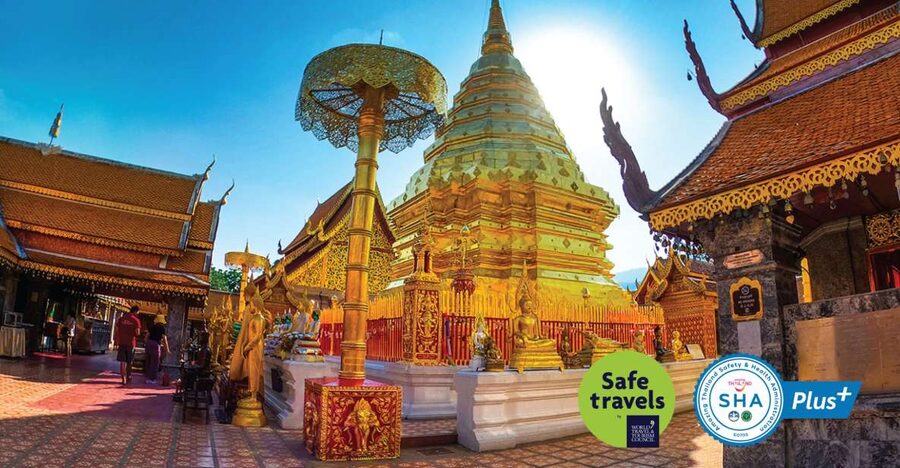
- Wat Phra That Doi Suthep is worth the steps and the terrace views can be stunning when the air is clear.
- Cable car is included, so you can mix walking with recovery time.
- English guidance makes the temple easier to read, from symbols to the Buddha relic stupa.
- Village time includes browsing and snacks (and yes, people love the local food and coffee tastings).
Other ways up to Doi Suthep and the temples on its slopes
- Chiang Mai: Doi Suthep and Wat Umong Enchanting Evening Tour
★ 4.6 · 1,811 reviews - Chiang Mai: Doi Suthep, Wat Umong, and Pha Lat Sunrise Tour
★ 4.7 · 1,425 reviews - Chiang Mai: Wat Pha Lat & Wat Phra That Doi Suthep Tour
★ 4.8 · 1,207 reviews - Chiang Mai – Doi Suthep Temple & Wat Pha Lat Hike
★ 4.6 · 740 reviews
Picking the right half-day: morning or afternoon, and why timing matters
This tour runs about 4 hours, with hotel pickup in either the morning or early afternoon (the pickup window is about 08:00–08:30 or 13:00–13:30). That shorter format is smart in Chiang Mai because you still get a full day for markets, massage, and night bazaars.
The ride up into the hills takes you into cooler air and a different pace from the city. Expect some time on mountain roads in a 9-seat air-conditioned minivan—comfortable enough for a half-day, but still real driving time, not a quick hop.
From the city to the hill tribe village: Doi Pui in real-world context
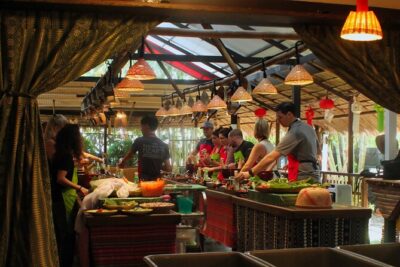
Your first cultural stop is Doi Pui and the Hmong hill-tribe village area, where you start with the village museum and then move into the village itself. This part works because it isn’t only about photos—it’s a chance to understand how people explain their own traditions, daily life, and community structure.
You’ll usually find plenty of small stalls during the village portion. In particular, some people recommend keeping an eye out for local coffee tasting and common snack favorites like dried mango and other sweet treats. It’s also a good moment to slow down, take photos, and ask your guide how to tell the difference between souvenir-style items and what locals actually use.
One practical note: this stop can be shop-heavy. If you’re the type who hates sales pressure, go in with a plan—look first, ask questions, and decide later if you want anything.
Wat Phra That Doi Suthep: the steps, the stupa, and the reason pilgrims climb
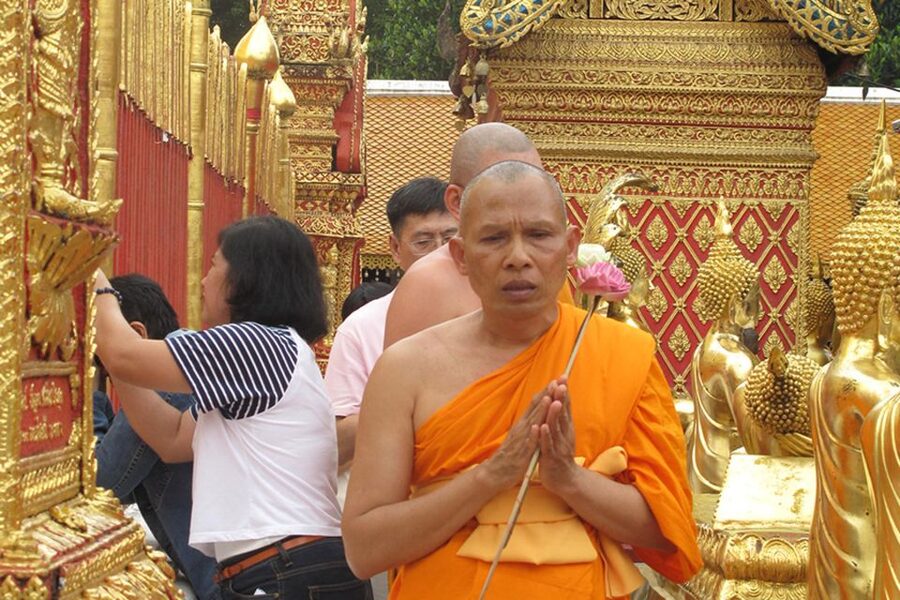
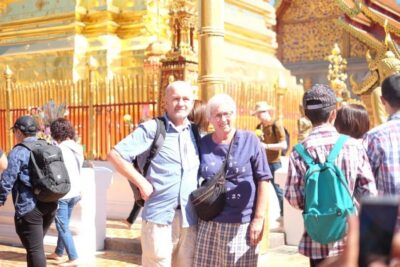
Then you head to Wat Phra That Doi Suthep, one of Chiang Mai’s most famous religious landmarks. The big reason to come is the holy relic stupa on the hilltop and the sense of pilgrimage. Your guide helps you connect what you see—artwork, symbols, and temple layout—with what they mean in Buddhist practice.
Visits to the Karen, Hmong and Akha villages in the hills
309 steps—or the cable car—so you control the effort
The iconic approach includes a climb of 309 steps to the stupa. If you’d rather not go all-in on stairs, you can use the included cable car. This matters because Doi Suthep is visually rewarding at every turn—going too fast can make you miss small details. With the option built in, you can set your own pace.
Terrace views: when the sky cooperates
From the temple terrace, you get sweeping views over Chiang Mai City and the surrounding area. This is one of the most memorable parts—especially in the morning hours when haze is less heavy. That said, the views depend on conditions, and fog or smoky air can dull the panorama on some days.
Also keep your eyes open for visible construction. One guide-led visit included temple restoration scaffolding, so don’t panic if you see sections under repair.
Your guide and the small-group advantage: better questions, fewer bottlenecks
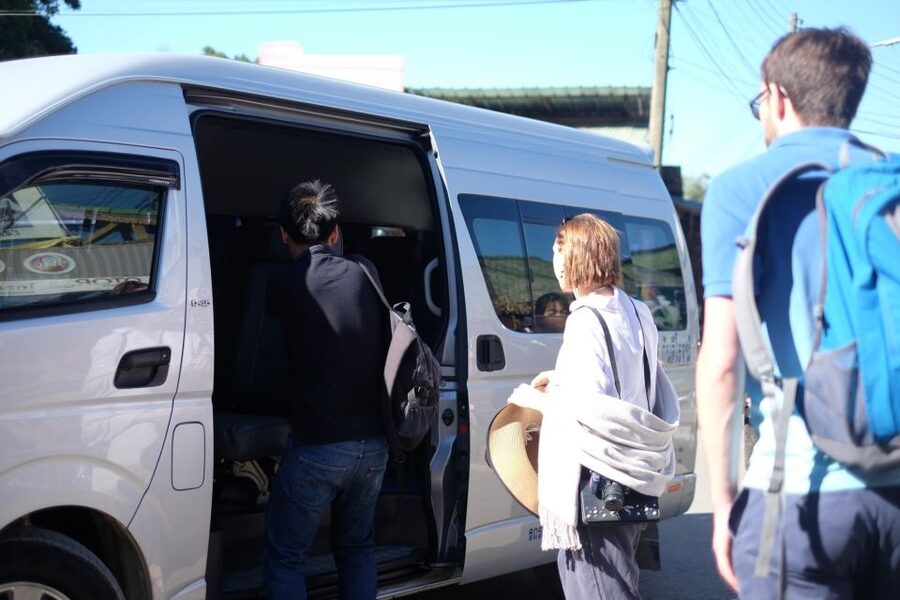
The tour runs with an English-speaking guide and a small group limited to 9 participants. I like this size because it usually means you aren’t stuck waiting behind a crowd at every photo spot. It’s also easier for your guide to check in—especially if someone needs a slower pace for the temple stairs.
The guide quality seems to be a major highlight. Names that came up again and again include Pae, Kai, Poonkie (spelled in a few ways across visits), Nut, Paul, Nong, Om, Lin, Lily, Tui, and Mr Boy (driver). While you can’t guarantee a specific person, the consistent pattern is clear: strong English explanations and lots of attention to what you’re looking at, plus help taking photos when you ask.
What the transport is really like (and why it affects your experience)
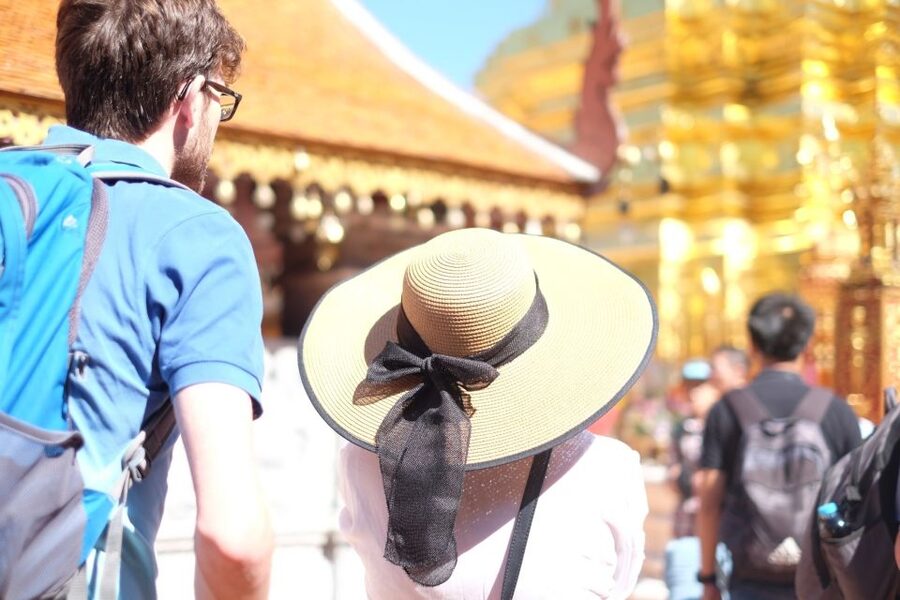
Logistically, you’re in a small air-conditioned minivan, and the tour includes entry fees and support items like drinking water and a refreshing towel. Those sound like tiny details, but they matter. In the heat, the wrong shoes or no water can turn a short tour into a miserable one.
The drives between stops can be part of the experience. Your guide often uses that time to explain what you’re going to see next and add context about northern Thai culture—so you arrive with better questions and a better lens.
Dress code and walking reality: plan for comfort, not just correctness
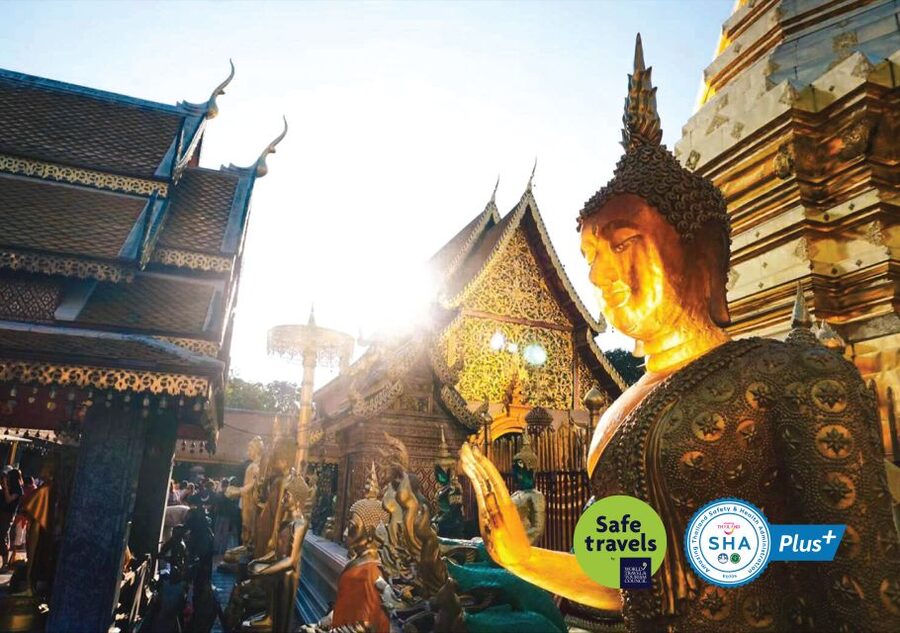
The rules are straightforward: shoulders and knees must be covered for temples. That means long pants and a long-sleeved shirt are the safe bet. You’ll also want comfortable shoes because even if you choose the cable car, you still walk temple paths and move through areas with steps.
Shorts and sleeveless tops aren’t allowed for temple entry, and pets aren’t permitted. If you forget a layer, you might find it harder than you expect to fix last-minute clothing problems while the group is moving.
Who should skip (or pick a gentler option)
This tour isn’t suitable for people with back problems, mobility impairments, heart problems, or for wheelchair users. Even with the cable car option, temple terrain can still be uneven, and stairs are part of the overall experience.
If that’s your situation, you’ll likely enjoy Chiang Mai more with a flatter sightseeing option rather than forcing the Doi Suthep climb.
Price and value: why $36 can feel like a steal here
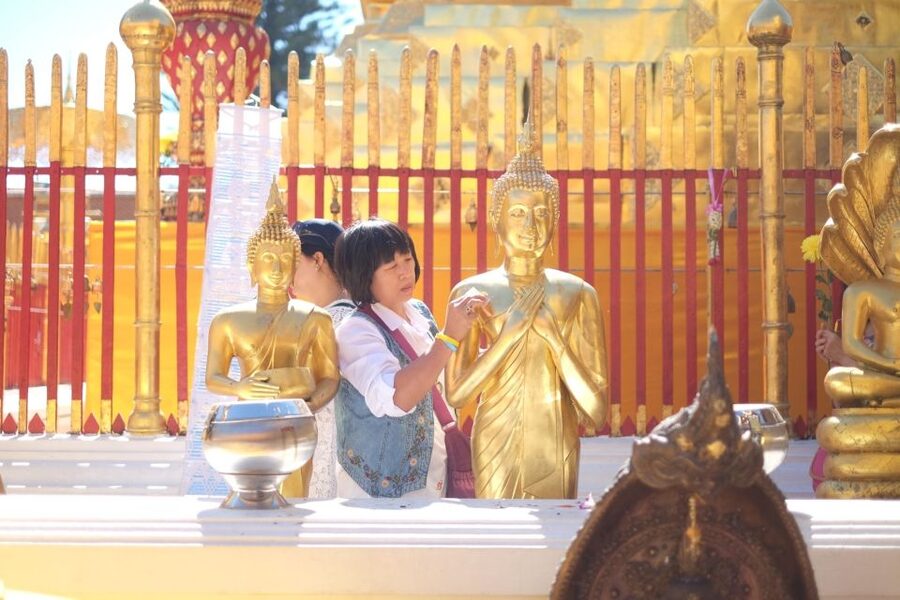
At $36 per person for about 4 hours, this is solid value—mainly because you’re not paying extra for transportation and multiple entries. The price includes:
- Round-trip air-conditioned minivan
- English-speaking guide
- Entry fees for the Doi Pui museum, Doi Suthep Temple, and the cable car
- Water and a refreshing towel
- Travel accident insurance
When you compare that against piecing together a DIY day (plus paying for separate tickets and spending time figuring out routes), the bundled nature helps. The other reason it feels good: you get two culturally different stops—temple worship and hill-tribe village life—without having to commit to an all-day outing.
Food, shopping, and pacing: how not to rush the good parts
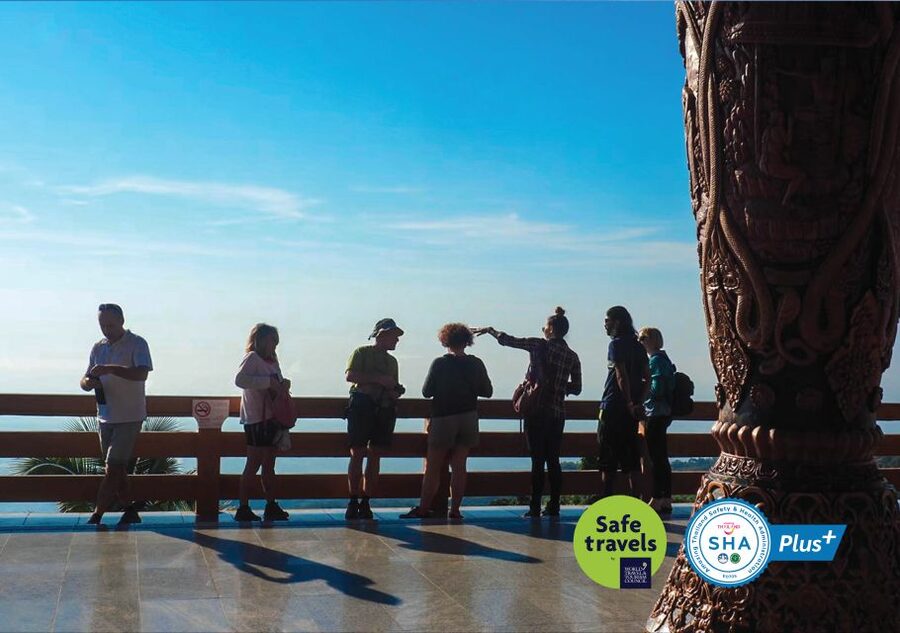
This tour is structured for an active half-day, but you’ll still want to manage your own timing inside each stop. In the village portion, it’s easy to get caught in a cycle of browsing stalls. I’d recommend doing one slow walk first, then decide what to buy or taste after you’ve seen the full range.
Food can be part of the village experience too. Some visitors talked about eating dishes like khao soi during the stop, and there are snack options along the way. If you have dietary needs, plan to choose simple items and ask your guide what’s easiest to handle.
One more pacing tip: bring the right mindset for photos. Doi Suthep is full of stair corners, angles, and temple details, and many guides will help take pictures when you ask. If you care about the shot, ask at the spot—you’ll save time later.
Should you book this Doi Suthep and Hmong village tour?
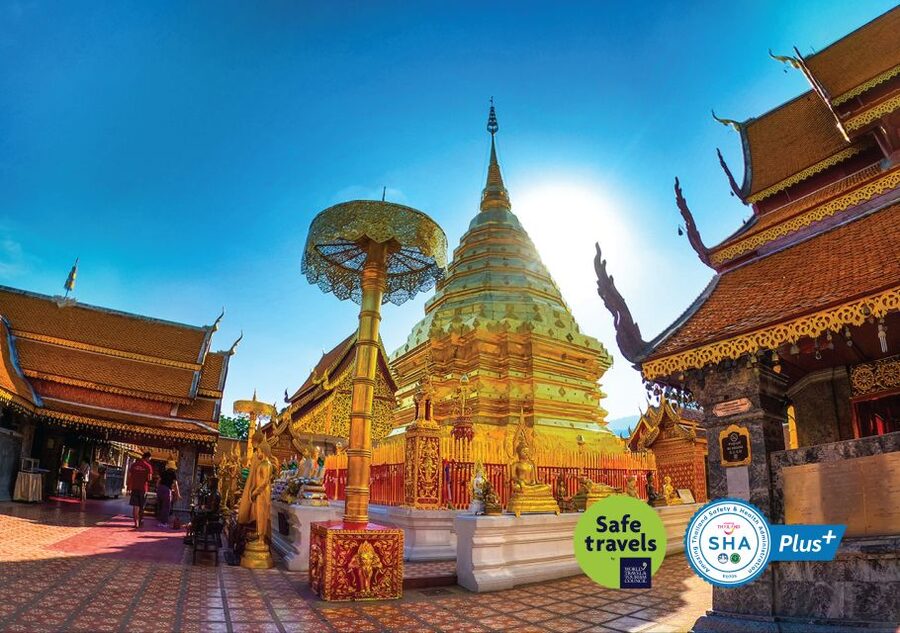
Book it if you want a high-impact half day with real context: a top Chiang Mai temple, plus a village visit that explains local life beyond the postcard version. The small-group size and included cable car make it easier to match your comfort level, and the guide support can turn the stupa and symbols from confusing to clear.
Skip it if you need step-free travel, or if you hate shopping stalls so much that the village portion would feel like work. Also, if you’re chasing only epic views with zero haze risk, remember that weather and air conditions can change what you see.
If your goal is simple—see Doi Suthep up close, learn what the temple stands for, and understand a bit of hill-tribe village life—this one fits.
FAQ
How long is the tour?
The tour lasts about 4 hours.
What are the pickup times?
Pickup is offered in two windows: 08:00–08:30 and 13:00–13:30.
Where do they pick me up?
Pickup is from your hotel lobby in Chiang Mai, within 6 km from the 3 Kings Monument.
Is the group small?
Yes. It’s a small group limited to 9 participants.
What’s included in the price?
Transportation in a 9-seat air-conditioned minivan, an English-speaking tour guide, entry fees for the Doi Pui hill tribe museum and Doi Suthep Temple (including the cable car), drinking water, refreshing towel, and travel accident insurance.
What isn’t included?
Personal expenses are not included.
Do I have to climb the 309 steps at Doi Suthep?
No. The cable car option is included, so you can choose between stairs and cable car depending on your comfort.
What should I wear for the temples?
Bring comfortable shoes and clothing that covers shoulders and knees. Long pants and a long-sleeved shirt are recommended.
Is the tour wheelchair-friendly?
No. It’s not suitable for wheelchair users and not recommended for people with mobility impairments.
What if the tour doesn’t have enough participants?
The provider may cancel the tour if fewer than 2 participants attend that day.
More Tour Reviews in Chiang Mai
- Half-Day Thai Cooking Class at Organic Farm in Chiang Mai★ 5.0 · 19,087 reviews
- Chiang Mai: Elephant Sanctuary, Waterfall & Bamboo Rafting★ 4.9 · 9,160 reviews
- Chiang Mai: Doi Inthanon National Park Eco-Friendly Tour★ 4.6 · 6,667 reviews
- Chiang Mai: Elephant Sanctuary & Waterfall Group Tour★ 4.9 · 5,780 reviews
- Chiang Mai: Chiang Rai Temples, Karen Tribe and Hot Springs★ 4.7 · 5,401 reviews
More Hill Tribe Village Visits
- Chiang Mai: Chiang Rai Temples, Karen Tribe and Hot Springs★ 4.7 · 5,401 reviews
- Thai and Akha Cooking Class in Chiang Mai★ 5.0 · 4,358 reviews
- Chiang Mai: Elephant Sanctuary, Long Neck & Sticky Waterfall★ 4.9 · 2,262 reviews
- Chiang Mai: Long Neck Village & Chiang Rai’s Iconic Temples★ 4.3 · 338 reviews
- Chiang Dao Cave & 5 Hill Tribe villages★ 5.0 · 181 reviews
Doi Suthep, a Few More Ways Up
- Chiang Mai: Doi Suthep and Wat Umong Enchanting Evening Tour★ 4.6 · 1,811 reviews
- Chiang Mai: Doi Suthep, Wat Umong, and Pha Lat Sunrise Tour★ 4.7 · 1,425 reviews
- Chiang Mai: Wat Pha Lat & Wat Phra That Doi Suthep Tour★ 4.8 · 1,207 reviews
- Wat Phra That Doi Suthep spiritual Sunrise Tour with an Ex-monk★ 5.0 · 798 reviews
- Chiang Mai – Doi Suthep Temple & Wat Pha Lat Hike★ 4.6 · 740 reviews
Fresh off the pile: Chiang Mai tours we have just written up



Doi Suthep & Temple Tours, compared.
 ★ 4.6Doi Suthep and Wat Umong Enchanting Evening TourFrom $271,811 reviews
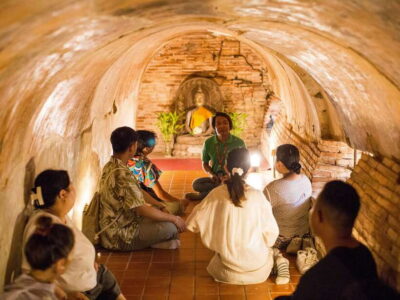 ★ 4.7Doi Suthep, Wat Umong, and Pha Lat Sunrise TourFrom $321,425 reviews
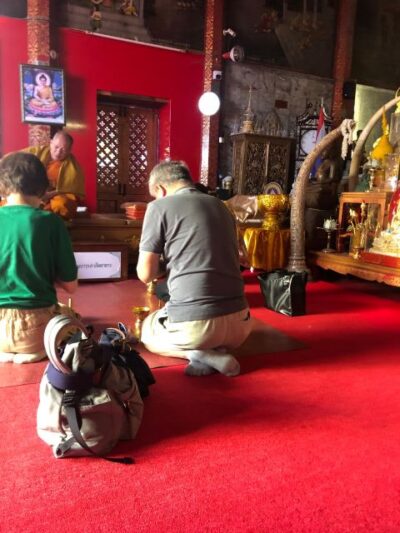 ★ 4.8Wat Pha Lat & Wat Phra That Doi Suthep TourFrom $241,207 reviews
 ★ 5.0Wat Phra That Doi Suthep spiritual Sunrise Tour with an Ex-monkFrom $64798 reviews
 ★ 4.6Chiang Mai – Doi Suthep Temple & Wat Pha Lat HikeFrom $25740 reviews
 ★ 4.9Spiritual Sunrise Wat Doi Suthep, Pha Lat, Alms & MeditationFrom $59674 reviews
★ 5.0Chiang Mai – Doi Suthep Temple & Wat Pha Lat HikeFrom $26657 reviews
★ 4.9Spiritual Sunrise Wat Doi Suthep, Pha Lat, Alms & MeditationFrom $59674 reviews
★ 5.0Chiang Mai – Doi Suthep Temple & Wat Pha Lat HikeFrom $26657 reviews
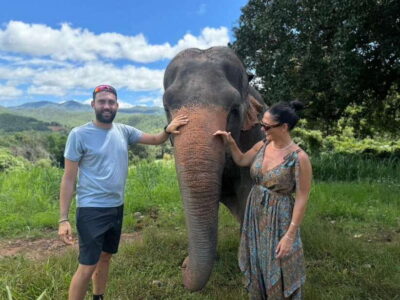 ★ 4.9Elephant Sanctuary, Monk Trail & Doi Suthep TourFrom $57563 reviews
Browse the lists this tour appears in