Reviewed · CHIANG MAI
7 Days Trip Discover Northern Thailand
Northern Thailand, packed with temple and waterfall time. This 7-day private tour is built around mountains, forests, rivers, and rice-country scenery, with a route that can be adjusted to fit your private party. I like the private pacing that keeps the days from feeling rushed, and I also like the off-the-beaten-track stops that go beyond the usual highlights; the main drawback is that a lot of the fun here depends on good weather and you start early.
You’ll get lunch included on 7 days and stay 5 nights in 3-star hotel accommodation or similar, which takes a big chunk of planning off your plate. Still, check which meals and lodging are provided on which days, because dinner is not included and you’ll want a plan for evenings.
In This Review
- Key highlights you’ll actually feel in your day
- Chiang Mai start point: why the 8:00am rhythm matters
- Wat Phra That Doi Suthep: the classic temple with real altitude
- Wat Pha Lat: quieter temple energy and a nature-friendly pace
- Bua Thong (Nam Phu Chet Si) waterfalls: a walkable kind of waterfall
- Doi Inthanon: Thailand’s highest mountain day
- Op Luang National Park: Chiang Mai’s Grand Canyon viewpoint
- WWII to calcite caverns: Khun Yuam Museum and Tham Kaeo Ko Mon
- Huay Pu Keng Karenni Village by boat: culture shaped by water
- Fish Cave and Lod Cave: easy-to-reach caves with big visual payoffs
- Wat Phra That Mae Yen at sunset: Pai valley views you’ll remember
- Pai Canyon, elephant poop paper, and a WWII bridge walk
- Golden Triangle: borders, rivers, and a well-structured history day
- House of Opium + Blue Temple + Baan Dam: art and education with different tones
- Wat Rong Khun (White Temple), Mae Khachan hot spring, and Bor Sang crafts
- Price check: what $1,301.11 buys you in real terms
- How to tailor this private tour without overplanning
- Packing tips that match the itinerary
- Should you book this Northern Thailand 7-day tour?
- FAQ
- What’s included in the tour price?
- Is this a private tour?
- What time does the tour start each day?
- Is pickup included?
- Do I get mobile tickets?
- Which meals should I plan for besides lunch?
- What happens if the weather is bad or I need to cancel?
Key highlights you’ll actually feel in your day
- Private tour for your group, with the ability to tailor your route
- Doi Inthanon (Thailand’s highest mountain) plus Op Luang National Park
- Waterfall walking with calcium deposits at Bua Thong (Nam Phu Chet Si)
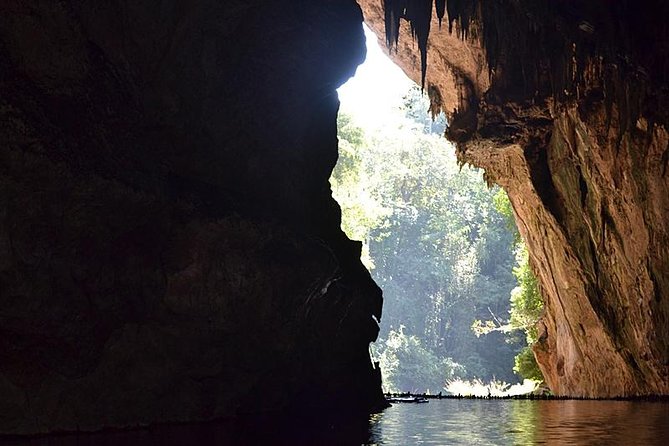
- Caves that are dramatic but manageable, including Lod Cave’s coffin chamber
- Golden Triangle + Opium Museum education in one focused day
- End with Wat Rong Khun, a hot spring break, and Bor Sang craft village time
A first trip to Chiang Mai fills up fast. Start with the tours everyone books.
- Half-Day Thai Cooking Class at Organic Farm in Chiang Mai
★ 5.0 · 19,087 reviews - Chiang Mai: Elephant Sanctuary, Waterfall & Bamboo Rafting
★ 4.9 · 9,160 reviews - Chiang Mai: Doi Inthanon National Park Eco-Friendly Tour
★ 4.6 · 6,667 reviews - Chiang Mai: Elephant Sanctuary & Waterfall Group Tour
★ 4.9 · 5,780 reviews
Chiang Mai start point: why the 8:00am rhythm matters
The tour begins at 8:00am, and that early start is a real advantage in Northern Thailand. You’ll reach viewpoints and trail-adjacent sites before crowds build, and you’ll have more daylight left for temples and longer stops. Pickup is offered, so you’re not doing taxi math before you’ve even had coffee.
One practical note: this is a nature-heavy itinerary, and the experience requires good weather. If rain rolls in, outdoor elements can change, so keep your expectations flexible on travel days.
Wat Phra That Doi Suthep: the classic temple with real altitude
Day one anchors in Chiang Mai at Wat Phra That Doi Suthep, a must-visit temple over 3,500 feet. With about 2 hours on the site and an admission ticket included, you’re not just popping in for photos. You get time to slow down, take in the mountain setting, and enjoy the view from higher ground.
This stop is worth it if you want your Northern Thailand trip to start with a sense of place. Temples at elevation tend to feel cooler and calmer, and the setting helps explain why Chiang Mai has always attracted travelers and pilgrims alike.
Wat Pha Lat: quieter temple energy and a nature-friendly pace
Next up is Wat Pha Lat, described as an ancient temple with a serene atmosphere and intricate art set in a natural setting. You’ll have around 45 minutes, and the admission ticket is included.
This is the kind of stop that helps balance the day. Doi Suthep can be a lot on your senses; Wat Pha Lat gives you a lighter tempo—more time for looking closely at details and less time spent pushing through big crowds.

Bua Thong (Nam Phu Chet Si) waterfalls: a walkable kind of waterfall
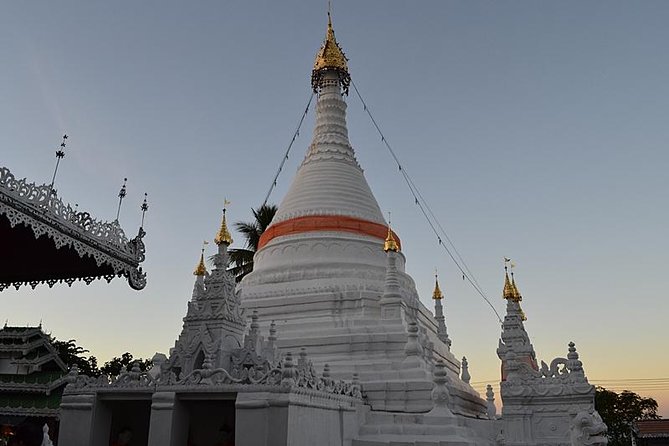
On day one, you’ll reach Bua Thong Waterfalls (Nam Phu Chet Si) for about 1 hour, and admission is free. The most useful detail here is the water source: it’s fed by a calcium-rich spring. As the water pours over boulders, calcium deposits form a rough surface that’s described as non-slippery, which makes the waterfall experience feel more approachable than the typical steep, slick cascade.
If you’re deciding what shoes to pack, this is your clue: bring something you can walk in comfortably, because even when a surface is less slippery, you’ll still be on rocks.
Doi Inthanon: Thailand’s highest mountain day
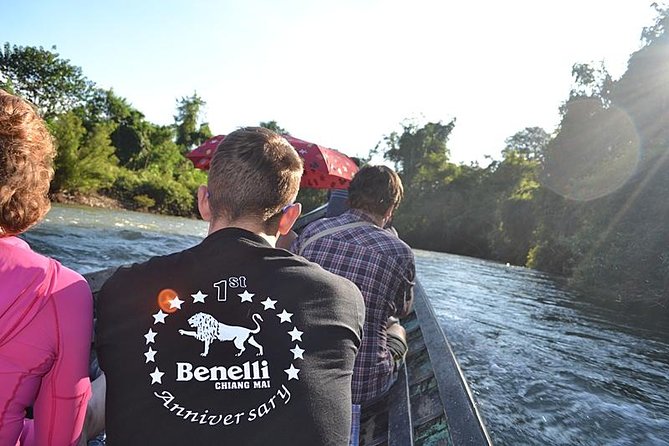
Day two centers on Doi Inthanon, listed as Thailand’s highest mountain at 2,565 meters. You’ll have about 3 hours here, with the admission ticket included.
At this altitude, you’ll feel the difference—cooler air, changing vegetation, and more “mountain weather” energy. It’s a highlight for nature lovers who want more than temples and hot weather city sights. If you’re the type who likes to look for plants, birds, and changing viewpoints, this is the day.
Op Luang National Park: Chiang Mai’s Grand Canyon viewpoint
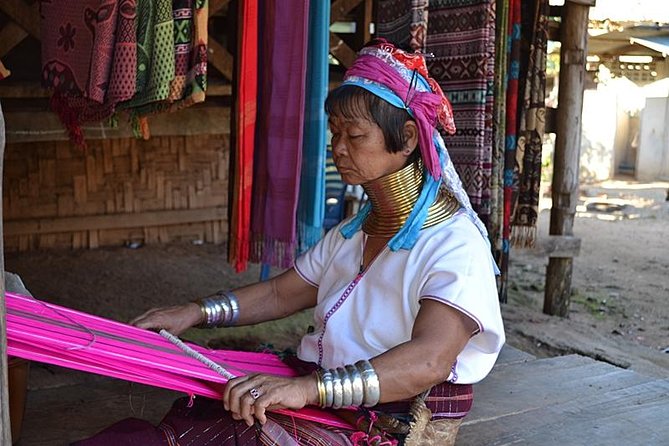
Later that day, the tour adds Op Luang National Park, described as the Chiangmai Grand Canyon. Plan for about 1 hour with admission included.
This is a short timing block, but that can be a good thing if you want a viewpoint without turning the whole day into a long hike. Think of it as a visual payoff: mountains, angles, and that dramatic North Thailand scale—without you needing to be an athlete.
WWII to calcite caverns: Khun Yuam Museum and Tham Kaeo Ko Mon
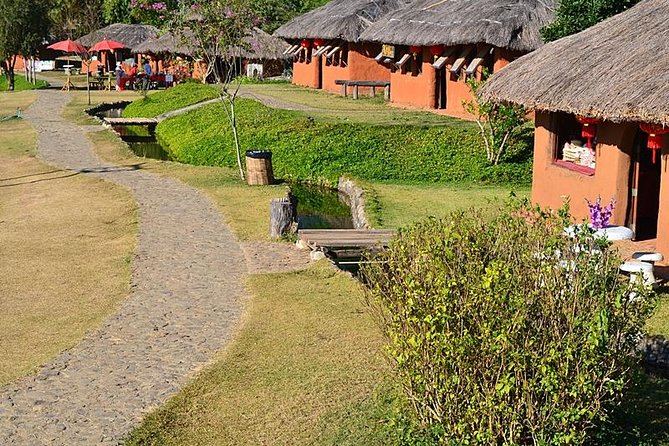
Day three starts with Khun Yuam Museum, a Second World War museum with about 30 minutes on site. It’s not the length of time that makes it interesting; it’s the shift in theme. After mountains and temples, you get a grounded look at the region’s modern history.
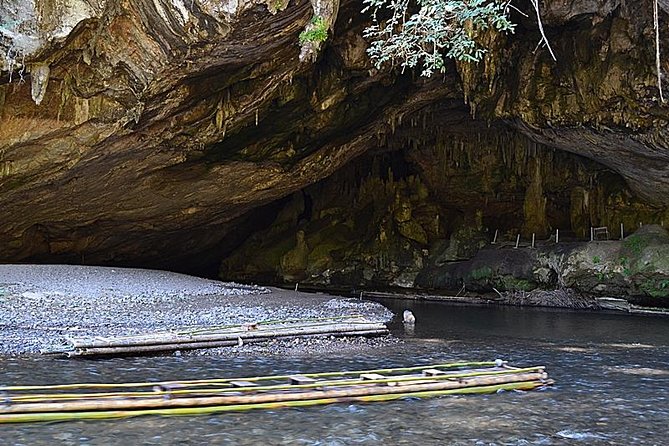
Then comes Tham Kaeo Ko Mon Cave, noted as the only calcite cave in Southeast Asia. You’ll spend about 45 minutes, with admission included.
Caves can be hit-or-miss depending on what you like. Here’s why it works: calcite caves tend to look different under the light, and that makes this stop feel more scientific and memorable than a generic cave circuit.
Huay Pu Keng Karenni Village by boat: culture shaped by water
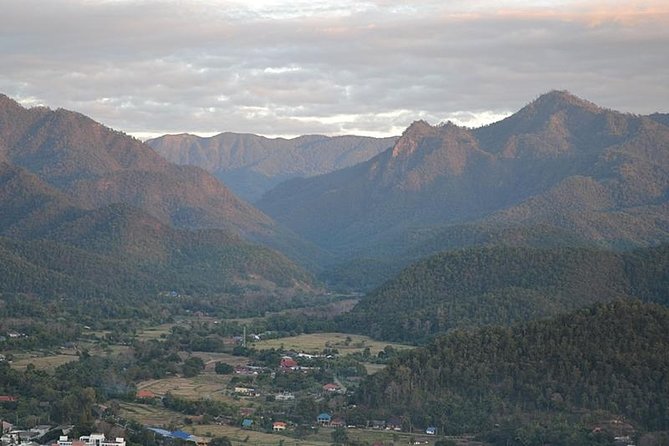
Still on day three, you’ll visit Huay Pu Keng Karenni Village, described as the original long neck village, and you’ll go there by boat. Plan for about 1 hour, with admission included.
This one is a practical reminder to pack for comfort around water. The boat ride adds a sensory change—wind, sound, and a different way to reach the village—so it won’t feel like just another land transfer.
For respectful visits, I’d keep your clothing modest and your questions simple and kind. A good guide will help you know what’s appropriate on the day.
Fish Cave and Lod Cave: easy-to-reach caves with big visual payoffs
Day four includes two cave stops that are specifically described as impressive and accessible.
First is Fish Cave, about 30 minutes, with admission included. If you’re curious about how locals and animals share the same enclosed spaces, this is the quick sampler.
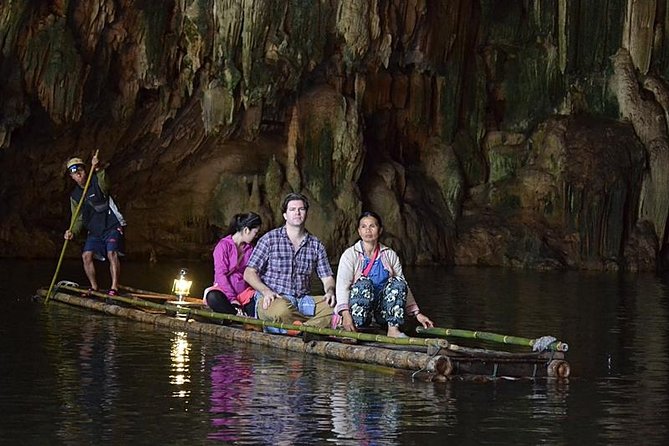
Then you’ll spend about 2 hours in Tham Lod Cave (Lod Cave), one of Thailand’s most impressive and easily accessible caves. The highlight details are worth noting:
- limestone stalactite formations
- an unusual coffin cave hidden within the main cave
The “coffin cave” detail means this stop may hit a heavier note than typical sightseeing. If you prefer lighter themes, it still usually feels manageable—just be ready for a more unusual side of the story.
Wat Phra That Mae Yen at sunset: Pai valley views you’ll remember
Day four also includes Wat Phra That Mae Yen, with about 45 minutes. Admission is free. This temple is best known for a large white Buddha statue visible across the valley, and it’s also a popular sunset spot with panoramic views of Pai city.
This is the kind of stop where time matters. If you arrive with a “see it fast” mindset, you’ll miss the best part. If you arrive ready to sit and watch light shift over the valley, the experience becomes more than a photo stop.
Pai Canyon, elephant poop paper, and a WWII bridge walk
Day five is a mix of nature, a quirky eco stop, and a historical photo break.
Start with Pai Canyon for about 30 minutes. Next, visit Elephant POOPOOPAPER Park (about 1 hour). This is described as eco-friendly and focused on explaining how paper products are made using elephant poop fibers. If you like odd-but-explanatory places, this one often lands well because it’s a process stop, not just a product shop.
Then you’ll end with Pai Memorial Bridge, free admission, about 15 minutes. The bridge was constructed in WWII during the Japanese push into Burma. It’s a short walk, but it gives your Pai day an anchor in history rather than only scenery.
Golden Triangle: borders, rivers, and a well-structured history day
Day six is all about context—where land routes meet—and it balances geography, education, and art.
You’ll visit the Golden Triangle, described as the meeting area of Thailand, Laos, and Myanmar, where the Ruak and Mekong Rivers meet at the confluence. You’ll have about 1 hour, with admission included.
This is where you’ll get a quick sense of why this region mattered so much for trade and movement. It’s not just a scenic drive; it’s a location with real geopolitical weight.
House of Opium + Blue Temple + Baan Dam: art and education with different tones
Still on day six:
- House of Opium / Opium Museum: about 30 minutes of education, admission included.
- Wat Rong Seur Ten (Blue Temple): about 20 minutes, admission included.
- Baan Dam Museum (Black House): about 45 minutes, admission included.
Baan Dam deserves a heads-up. It’s described as the world’s largest collection of animal remains made into furniture and art installations. That means some displays may feel graphic or emotionally heavy. If your comfort zone is strict, you might want to take breaks and move at your own pace within the time allowed.
Wat Rong Seur Ten provides a counterweight with its bright blue temple presence, which keeps the day from feeling one-note.
Wat Rong Khun (White Temple), Mae Khachan hot spring, and Bor Sang crafts
Day seven closes with three different kinds of calm and creativity.
First: Wat Rong Khun (White Temple), about 1 hour with admission included. It’s known for its amazing detailed white design work, and it’s the kind of temple where you’ll appreciate slowing down to look at textures and structure.
Next: Mae Khachan Hot Spring, about 45 minutes, admission included. This is your decompression. After caves and travel days, a hot spring break makes the trip feel like it ends on purpose.
Finally: Umbrella Village – Bor Sang, about 2 hours, admission included. You’ll see home industries such as umbrella making, silver ware, Thai silk, gems, and celadon. If you want a practical souvenir strategy, this is a good stop to shop thoughtfully: ask what’s made locally and what’s hand-produced, then match it to your budget.
Price check: what $1,301.11 buys you in real terms
At $1,301.11 per person for around 7 days, the value here comes from the mix of included costs and the fact that it’s private.
You’re getting:
- 5 nights of 3-star hotel accommodation or similar
- all entrance fees mentioned in the program
- lunch included on 7 days
- a private format with pickup offered
Dinner is not included, so you will still need to budget for evenings, but the biggest, easiest planning items (lodging and key entry tickets) are handled. That matters in Northern Thailand, where day trips can stack up fees fast if you’re doing everything on your own.
Also: the tour notes group discounts. If you’re traveling as a small group or family unit, this is the setup where private can actually start to feel like a bargain compared to cobbling together guides and transport separately.
How to tailor this private tour without overplanning
The standout promise is control: private tour, only your group, and the route can be tailored to your needs. In practice, that means you should show up with 2–3 priorities and one “soft preference.”
Good things to decide before you arrive:
- Are you more about temples and viewpoints or nature and caves?
- Do you want more craft time (like Bor Sang) or more scenic breaks?
- How do you feel about heavy themes like Baan Dam and the Opium Museum?
If your guide is someone like Mr. Ming (a name that comes up in feedback), the expectation is that the day will flex around your interests rather than forcing you into a rigid checklist. Still, keep your energy realistic: this route includes long scenic days plus several walking segments.
Packing tips that match the itinerary
- Comfortable walking shoes for waterfall and caves
- Light layers for higher elevation days like Doi Inthanon
- Modest clothing for temple visits
- A plan for wet weather, since the experience requires good weather
Should you book this Northern Thailand 7-day tour?
Book it if you want a nature-first Northern Thailand trip that also covers history and big-name cultural sights, with lunch and key entrance fees included. The private format is a real win if you’re traveling as a couple or small group and you don’t want your day to be dictated by other people’s pace.
Think twice if you dislike early starts and long travel days, or if you’re sensitive to the more unusual displays at Baan Dam. Also take seriously the note about weather: outdoor spots shift with conditions.
If you’re aiming for a trip that feels like it has shape—mountains, temples, caves, river-country history, and a craft finale—this one gives you a solid route and the flexibility to make it yours.
FAQ
What’s included in the tour price?
The tour includes 5 nights of 3-star hotel accommodation or similar, all entrance fees listed in the program, and lunch on 7 days. Dinner is not included.
Is this a private tour?
Yes. It’s a private tour/activity, and only your group will participate.
What time does the tour start each day?
The tour start time is 8:00am.
Is pickup included?
Pickup is offered.
Do I get mobile tickets?
Yes, the tour offers mobile tickets.
Which meals should I plan for besides lunch?
Dinner and personal expenses are not included, so you’ll want to budget for evenings on your own.
What happens if the weather is bad or I need to cancel?
The experience requires good weather. If it’s canceled due to poor weather, you’ll be offered a different date or a full refund. You can cancel for a full refund up to 24 hours in advance of the experience’s start time.
More Tour Reviews in Chiang Mai
- Half-Day Thai Cooking Class at Organic Farm in Chiang Mai★ 5.0 · 19,087 reviews
- Chiang Mai: Elephant Sanctuary, Waterfall & Bamboo Rafting★ 4.9 · 9,160 reviews
- Chiang Mai: Doi Inthanon National Park Eco-Friendly Tour★ 4.6 · 6,667 reviews
- Chiang Mai: Elephant Sanctuary & Waterfall Group Tour★ 4.9 · 5,780 reviews
- Chiang Mai: Chiang Rai Temples, Karen Tribe and Hot Springs★ 4.7 · 5,401 reviews