
Reviewed · CHIANG RAI & WHITE TEMPLE
Chiang Mai: Chiang Rai Temples, Karen Tribe and Hot Springs
Chiang Rai in one long day feels like a highlight reel. You start with Mae Kachan Hot Springs, then roll into iconic temple art like the White Temple and the Blue Temple, plus Huay Pla Kang’s huge Guan Yin statue. It’s built for people who want plenty of variety without booking multiple tours.
I particularly love the breathing room at the hot springs before the long drive days start to blur. I also like how the day mixes big-name sights with smaller stops, so you get more than just photo backdrops.
The main trade-off is simple: it’s a long day of riding. Add in traffic and temple stairs, and it’s not the kind of schedule that works well if you want a slow pace.
In This Review
- Key things I’d plan around
- Chiang Rai highlights from Chiang Mai: why this tour works
- The pickup scene and the real start time reality
- Mae Kachan Hot Springs: a mellow start before the temples
- Karen long-neck Mae Kachan village: culture, crafts, and context
- Wat Rong Khun (White Temple): purity, glass, and modern Buddhist imagery
- Wat Rong Suea Ten (Blue Temple): gold details and dragon guards
- Huay Pla Kang Temple: nine tiers, Guan Yin, and lots of steps
- Lunch, restroom breaks, and how the coach day is managed
- Price and value: is $35 a good deal?
- Guide quality is the difference maker
- What to bring: small items that save your day
- Should you book this Chiang Rai Temples, Karen Tribe and Hot Springs tour?
- FAQ
- How long is the Chiang Rai temples day tour?
- Where do I meet the guide in Chiang Mai?
- Is lunch included?
- What temple entrance fees are included in the price?
- Do I need earphones for the audio guide?
- Can I swim at Mae Kachan Hot Springs?
- Is the long-neck village entrance fee included?
- What language is the live guide?
- Is this tour suitable for people with mobility impairments?
Key things I’d plan around
- Mae Kachan Hot Springs gives you a relaxed start, but you can’t swim—think soaking your feet and taking a break.
- Karen long-neck Mae Kachan village is culturally important; you’ll also have craft-shopping time, including a separate entry fee for the village.
- Wat Rong Khun (White Temple) is a showpiece: all-white surfaces, intricate glass details, and modern Buddhist imagery mixed in.
- Wat Rong Suea Ten (Blue Temple) is calmer inside, with striking blue tones and gold details, plus memorable dragon guardians.
- Huay Pla Kang Temple (Guan Yin + nine-tier pagoda) rewards steady legwork with temple views from up high.
Day trips north to Chiang Rai and the White Temple
- Chiang Rai White Temple and Blue Temple Day Tour
★ 4.6 · 3,366 reviews - Chiang Rai Temples: Private Tour from Chiang Mai
★ 5.0 · 1,267 reviews - From Chiang Mai: White Temple & Golden Triangle Day Trip
★ 4.6 · 1,193 reviews - From Chiang Mai: Chiang Rai’s Temples Exploration Day Trip
★ 4.5 · 871 reviews
Chiang Rai highlights from Chiang Mai: why this tour works
If you’re based in Chiang Mai and you only have a day (or you want to keep plans simple), this is a practical way to see the Chiang Rai “musts.” You’re not just hopping from one gate to another. You get a cultural stop, a natural stop, and three major temples in one route.
The tour also has a rhythm that helps on a long day: one early reset at the hot springs, then temple-to-temple momentum. It’s a good fit for first-timers to northern Thailand who want clear highlights with a guide to translate the meaning behind what you’re seeing.
The tour price is tempting too, mainly because several temple entrance fees are bundled. Still, you’ll want to budget for a couple extras along the way.
The pickup scene and the real start time reality
You meet the guide 15 minutes before departure at Burger King Thapae in Hotel M Chiangmai. Chiang Mai traffic can be real, so the smart move is leaving a little earlier than you think you need to. This tour won’t wait for late arrivals, and if you miss the start, you don’t get a refund or reschedule.
The practical takeaway: treat the meeting point like an appointment. Have your water, earphones, and sunglasses ready before the bus rolls out.
Once you’re moving, the day’s schedule is built around coach travel blocks, with guided stops that include photo time plus time to walk around.
Mae Kachan Hot Springs: a mellow start before the temples
Starting at Mae Kachan Hot Springs is a clever choice. It breaks up the morning before temple fatigue kicks in. You’ll get a photo stop and a visit with a guided component, and the vibe is natural and easygoing.
Two important notes so you don’t get surprised:
- Swimming is not allowed here, so set expectations for foot-soaking and resting instead.
- You’re still in a tour zone, so you can expect nearby options for coffee or simple snacks, and some shopping.
In reviews, people often mention the timing of this stop as a morale booster. It’s also a good place to slow down, stretch your legs, and reset your camera batteries before the White Temple chaos.
Visits to the Karen, Hmong and Akha villages in the hills
Karen long-neck Mae Kachan village: culture, crafts, and context
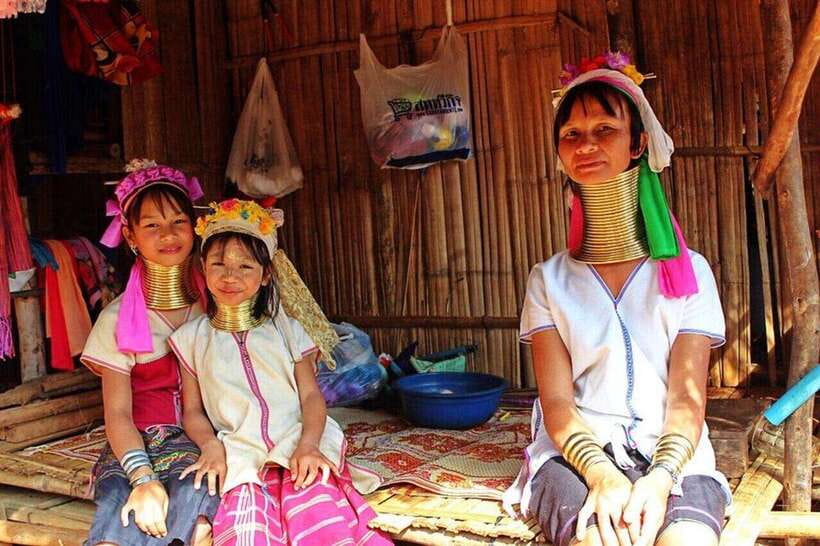
Next comes the hill tribe stop: Mae Kachan Hill Tribe and Long Neck Village. You’ll do a photo stop and guided visit here, with time to see daily life and handmade crafts.
You should know this village isn’t just a quick photo stop. The long-neck brass-ring tradition is described as a cultural practice passed down through generations. The village also offers colorful crafts, and the tour gives you time for browsing.
There’s also an extra cost: the long-neck village entrance fee is 300 THB, and it’s not included in the tour price. If you’re staying on budget, decide in advance whether you want that entry.
A balanced way to approach this stop:
- Be respectful with photos.
- Buy thoughtfully if you choose to shop.
- Keep your questions gentle and your pace slow inside the village area.
One more consideration: this stop can feel emotional or unsettling for some people. If you’re the type who needs a lot of comfort with how a cultural practice is presented, do a bit of reading before you go.
Wat Rong Khun (White Temple): purity, glass, and modern Buddhist imagery
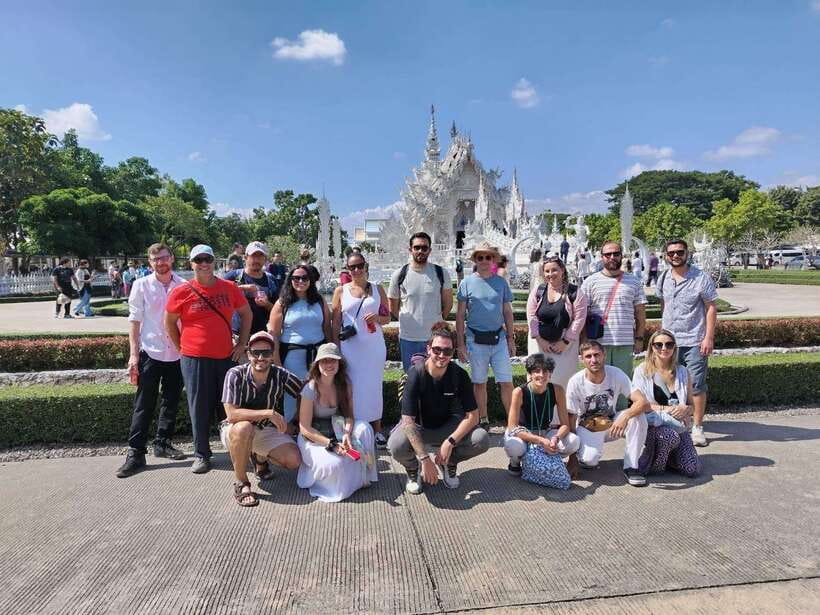
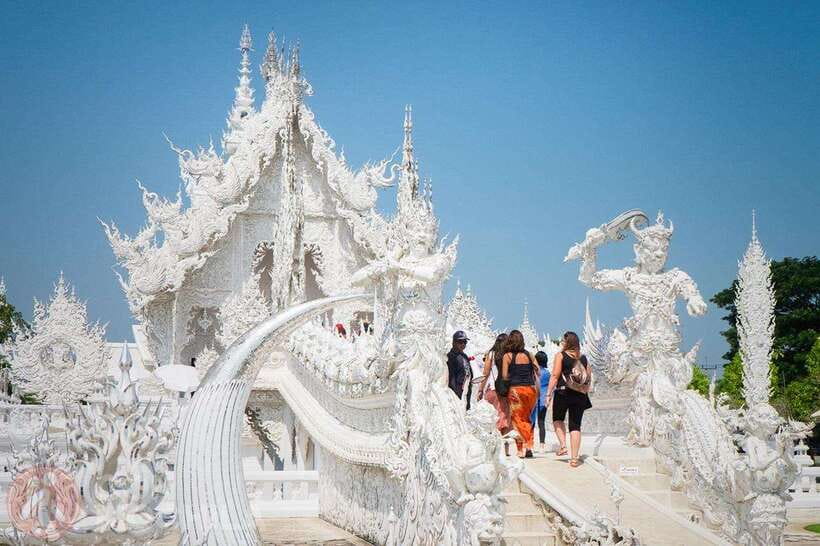
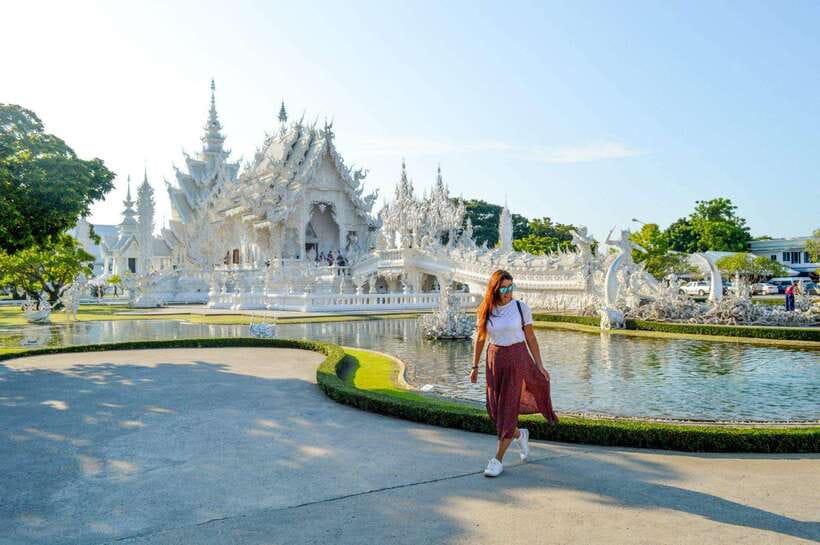
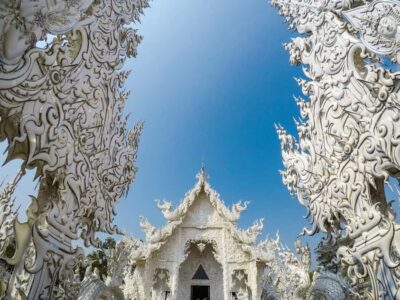
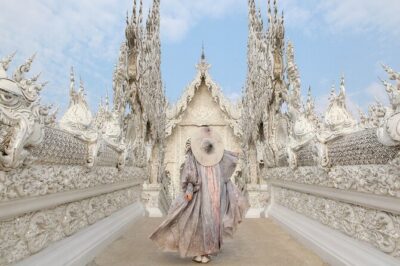
Then you hit the big one: Wat Rong Khun, better known as the White Temple. This place is famous for its all-white design, described as representing purity, and for the intricate glass details tied to Buddhist wisdom.
What makes it memorable is the contrast. It’s not only traditional temple art. You also see modern imagery woven into the religious setting, so the temple feels more like a conversation between old beliefs and new creativity.
The guided time matters here. Without context, you can still enjoy the visuals, but with a guide you’ll notice more symbolism in the details. You’ll also have time for photos, and the White Temple tends to be the emotional peak for many people on this route.
Just plan for a little crowd pressure and time sensitivity. Even when the tour gives adequate time, the White Temple is a magnet. Build in patience and move calmly between photo angles.
Wat Rong Suea Ten (Blue Temple): gold details and dragon guards
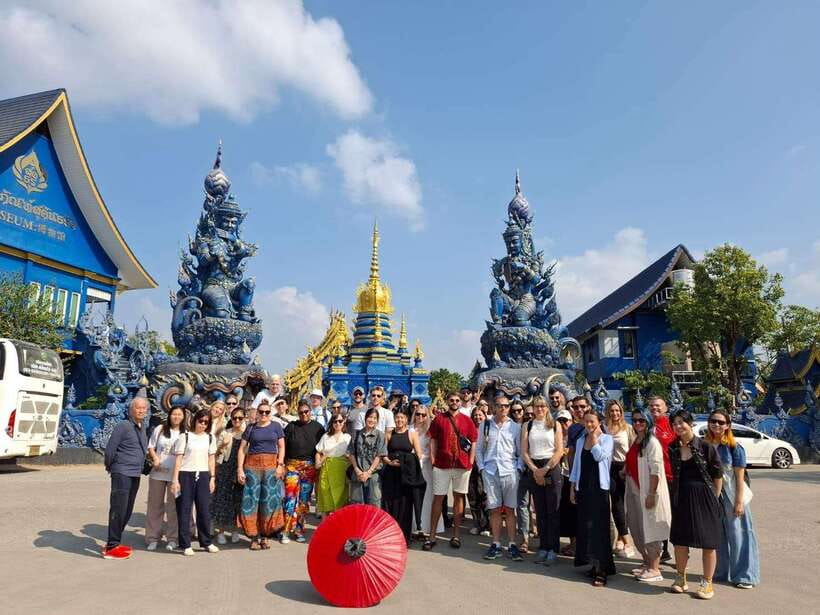
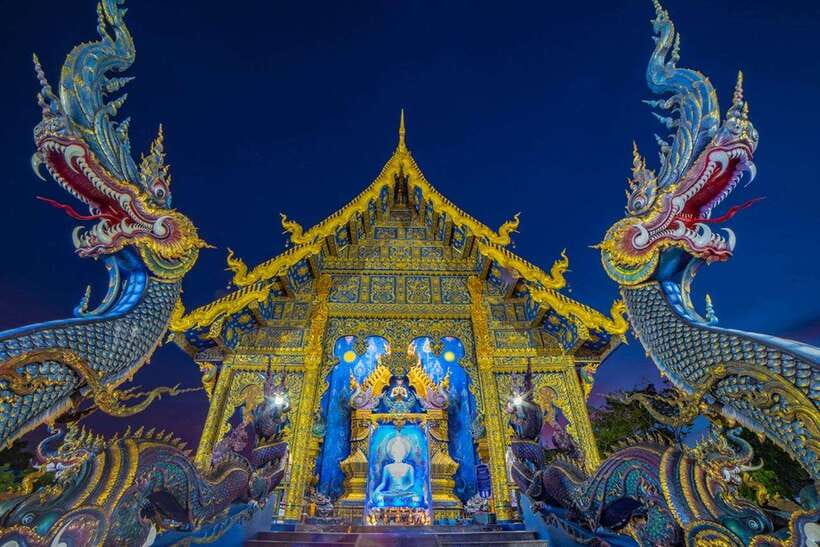
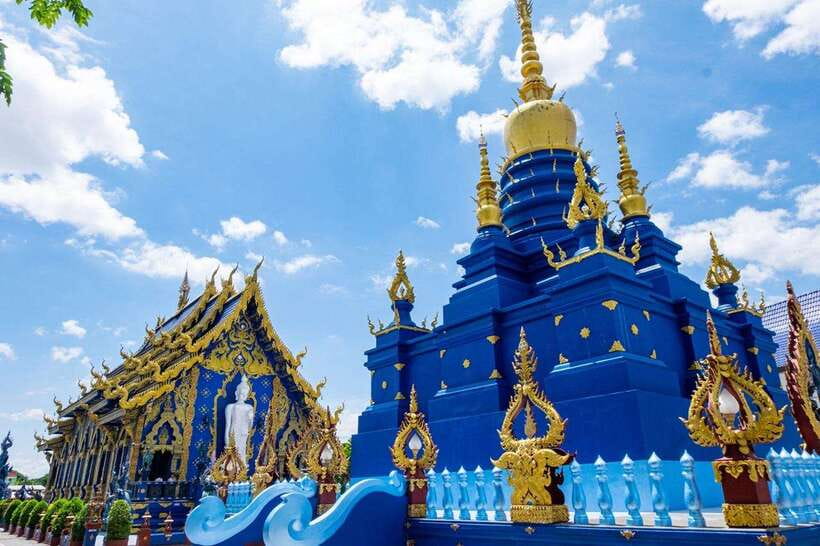
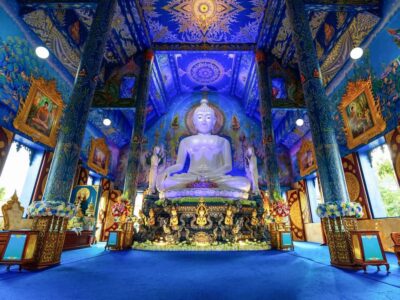
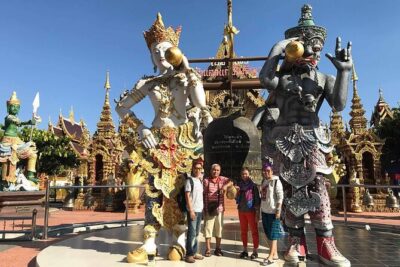
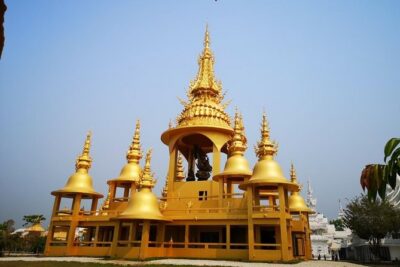
After lunch, you head to Wat Rong Suea Ten, the Blue Temple. This temple is known for its deep blue interiors and gold details, plus dragon statues guarding the entrance.
Inside, the center Buddha statue is described as calm and bright, which creates a different mood than the White Temple’s dramatic whiteness. The Blue Temple often feels more “contained,” like you’re stepping into a designed atmosphere rather than just a spectacular exterior.
A small but delightful detail from reviews: people mention enjoying blue coconut ice cream. It’s the kind of optional treat that makes a temple day feel less like a checklist.
If you love architecture and color, this is the stop where you’ll likely slow down the most. It also helps that the setting feels quieter than the most famous photo hotspots.
Huay Pla Kang Temple: nine tiers, Guan Yin, and lots of steps
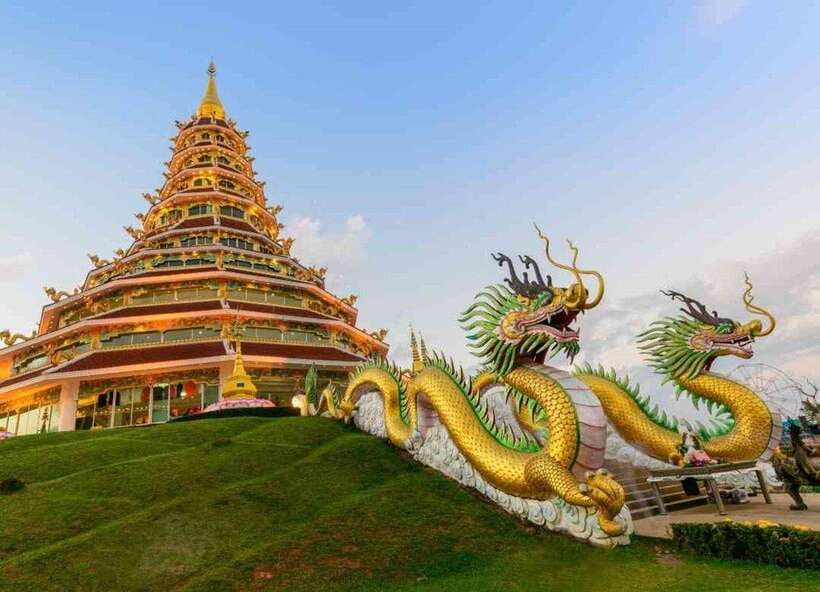
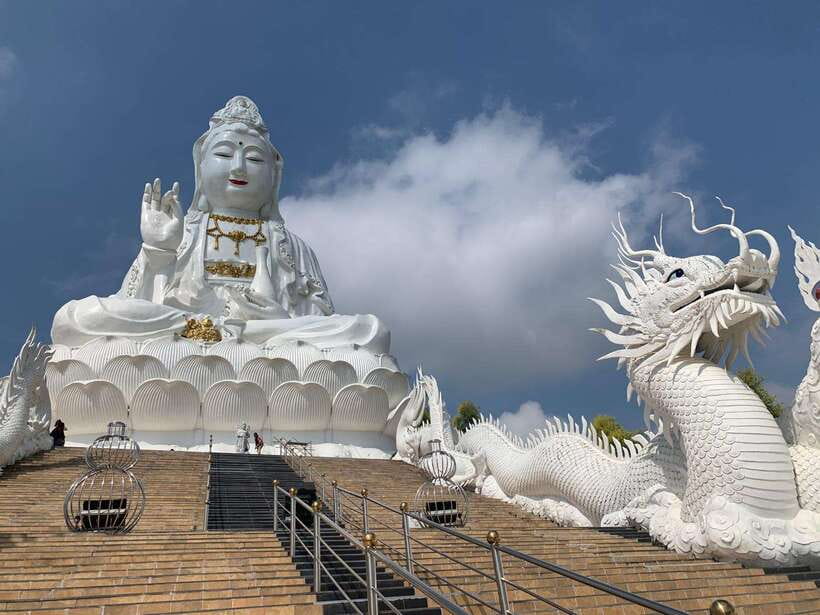
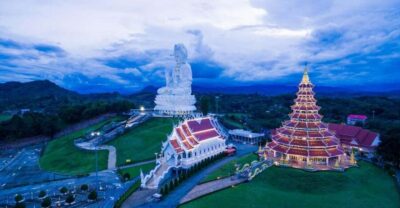
The final major temple stop is Huay Pla Kang Temple, also referred to as Hauyplakang Temple. This is known for a large statue of Guan Yin, the Goddess of Mercy, and for its impressive nine-tiered pagoda.
You’ll start with a photo stop and guided visit, then have time to climb toward higher viewpoints. Reviews suggest the view reward is real, but so are the stairs. Comfortable shoes aren’t optional here.
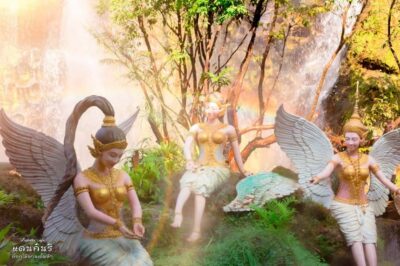
The temple grounds also include beautifully carved statues and decorations. This stop is a nice counterbalance to the earlier modern art and bright color. It feels more meditative, especially once you’re above the busiest areas.
Accessibility note: it’s not recommended for people with mobility impairments, and the stair-climb aspect is part of why.
Lunch, restroom breaks, and how the coach day is managed
Lunch happens during the midday break in Chiang Rai province. Lunch isn’t included in the tour price, so you’ll be choosing from what’s available during that stop and any guide recommendations.
The good part: guides often help here. In reviews, people mention guides suggesting restaurants and keeping the group on schedule.
Restroom and snack timing is also handled along the drive, with review notes about restroom/coffee/snack stops on the way back. You’ll still want to pack basics like water (or buy some if you prefer), because it’s a long stretch between temples.
Also, the bus ride can be bumpy at times, and roadworks are mentioned in reviews. This is normal for day trips outside city centers, so motion-sickness meds may be worth considering if you’re prone to it.
Price and value: is $35 a good deal?
At about $35 per person, the value comes from what’s included. You get round-trip transport from Chiang Mai by air-conditioned vehicle, an official guide, and entrance fees for the White Temple, Blue Temple, and Huay Pla Kang Temple.
That bundle matters because temple entry and guide time add up fast if you plan it yourself. You also get an audio guide option via QR in many languages, but you’ll need to bring your own earphones.
What costs extra:
- Long-neck village entrance fee: 300 THB (not included)
- Lunch (not included)
- Earphones for the QR audio guide
When you weigh it out, this tour is a solid value if you’re the kind of person who wants guided context and doesn’t want to stress about transport across the province.
Guide quality is the difference maker
This tour lives or dies on the guide, and the reviews you provided are consistent about that. Named guides praised include Benz, Kwan, Ruby, Ann, Dee, Alex, Mon, and Pi Dee.
The common threads:
- Guides explain what you’re seeing in a way that’s easy to follow.
- The best ones manage the group well on a long day, with clear timing and photo tips.
- Some guides go beyond “just facts.” Reviews mention care when someone felt sick, extra help for individuals, and even small Thai language lessons.
One practical tip from that pattern: if you want better photos, ask for timing and angle suggestions. A lot of guides naturally help with that during temple stops.
What to bring: small items that save your day
Because this is an all-day coach tour with temple walking, pack for heat and sun first. Bring:
- Comfortable shoes
- Sunglasses and a sun hat
- Sunscreen
- Insect repellent
- Comfortable clothes that work for temple dress expectations
You should also bring your passport or ID card. The tour notes that luggage or large bags aren’t allowed, so keep your load light.
For the QR audio guide, remember this key detail: you must bring your own earphones. The live guide speaks English only, so the audio layer is what gives you the broader language support.
Should you book this Chiang Rai Temples, Karen Tribe and Hot Springs tour?
Book it if you:
- Want the Chiang Rai highlight set in one day from Chiang Mai
- Like guided explanations, not just wandering
- Are okay with a long coach day and temple stair climbs
- Value included temple entrance fees and round-trip transport
Skip or choose something else if you:
- Want a slow, low-stress day with lots of free time
- Feel strongly about how cultural practices are presented at tourist villages
- Have mobility limits that make stair-heavy temples tough
- Have a flight the same day (the tour itself doesn’t recommend that)
My bottom line: this tour is good value because it compresses a lot of Chiang Rai into one organized day. If you show up on time, wear good shoes, and go in with realistic expectations about the long drive, you’ll come away with three very different temples plus a cultural and nature start that keeps the day from feeling totally scripted.
FAQ
How long is the Chiang Rai temples day tour?
The tour runs about 11 hours (810 minutes), depending on the starting time.
Where do I meet the guide in Chiang Mai?
Meet the guide 15 minutes before departure at Burger King Thapae in Hotel M Chiangmai.
Is lunch included?
No. Lunch is not included, even though you’ll have a lunch stop during the day.
What temple entrance fees are included in the price?
Entrance fees for the White Temple (Wat Rong Khun), Blue Temple (Wat Rong Suea Ten), and Huay Pla Kang Temple are included.
Do I need earphones for the audio guide?
Yes. The audio guide is via QR, and guests must bring their own earphones.
Can I swim at Mae Kachan Hot Springs?
No. Swimming is not allowed at Mae Kachan Hot Springs.
Is the long-neck village entrance fee included?
No. The long-neck village entrance fee is 300 THB and is not included.
What language is the live guide?
The official guide speaks English only. An optional audio guide via QR is available in many languages (41).
Is this tour suitable for people with mobility impairments?
No. The tour is not suitable for people with mobility impairments.
More Tour Reviews in Chiang Mai
- Half-Day Thai Cooking Class at Organic Farm in Chiang Mai★ 5.0 · 19,087 reviews
- Chiang Mai: Elephant Sanctuary, Waterfall & Bamboo Rafting★ 4.9 · 9,160 reviews
- Chiang Mai: Doi Inthanon National Park Eco-Friendly Tour★ 4.6 · 6,667 reviews
- Chiang Mai: Elephant Sanctuary & Waterfall Group Tour★ 4.9 · 5,780 reviews
- Chiang Mai: Cooking Class, Market & Thai Herbs Garden Tour★ 4.9 · 4,824 reviews
More Hill Tribe Village Visits
- Thai and Akha Cooking Class in Chiang Mai★ 5.0 · 4,358 reviews
- Chiang Mai: Elephant Sanctuary, Long Neck & Sticky Waterfall★ 4.9 · 2,262 reviews
- 4-Hour Doi Suthep & Hmong Hill Tribe Village from Chiang Mai★ 4.7 · 696 reviews
- Chiang Mai: Long Neck Village & Chiang Rai’s Iconic Temples★ 4.3 · 338 reviews
- Chiang Dao Cave & 5 Hill Tribe villages★ 5.0 · 181 reviews
More Chiang Rai Day Trips
- Chiang Rai White Temple and Blue Temple Day Tour★ 4.6 · 3,366 reviews
- Chiang Rai Temples: Private Tour from Chiang Mai★ 5.0 · 1,267 reviews
- From Chiang Mai: White Temple & Golden Triangle Day Trip★ 4.6 · 1,193 reviews
- From Chiang Mai: Chiang Rai’s Temples Exploration Day Trip★ 4.5 · 871 reviews
- Chiangmai to Chiangrai: 3 Temples, Hot Springs& Lalitta Cafe★ 4.5 · 659 reviews
Fresh off the pile: Chiang Mai tours we have just written up
Chiang Rai & White Temple, compared.
 ★ 4.6Chiang Rai White Temple and Blue Temple Day TourFrom $273,366 reviews
 ★ 5.0Chiang Rai Temples: Private Tour from Chiang MaiFrom $1441,267 reviews
 ★ 4.6White Temple & Golden Triangle Day TripFrom $801,193 reviews
 ★ 4.5Chiang Rai’s Temples Exploration Day TripFrom $51871 reviews
 ★ 4.5Chiangmai to Chiangrai: 3 Temples, Hot Springs& Lalitta CafeFrom $41659 reviews
 ★ 4.5Chiang Rai White Temple, Blue Temple and more from Chiang MaiFrom $39605 reviews
 ★ 4.5Chiang Rai Day Trip from Chiang Mai City with Golden TriangleFrom $81531 reviews
 ★ 4.6Chiang Rai Temples, Golden Triangle & Boat TourFrom $70518 reviews
Browse the lists this tour appears in