
Reviewed · CHIANG MAI
Chiangmai Half Day Visit and Wildlife Experience
Elephants, but make it ethical. In Chiang Mai, Smile Elephant turns a half-day tour into a hands-on wildlife experience focused on care, rescue, and day-to-day welfare—run with local caretakers and community partners in Banchang. I like that it feels like a working sanctuary mission, not a circus.
Two things I really like: you get close contact through respectful feeding and affection, and the guides bring elephant care down to real, practical details from their own side of life, including named guides like Boy, Jack, Adison, and Arison.
The main thing to consider is that this isn’t a sit-and-watch show. If you’re not comfortable with walking around a sanctuary area and getting a bit wet (some interaction includes river time), plan for that.
In This Review
- Key highlights you’ll care about
- Smile Elephant and the ethical elephant standard in Chiang Mai
- The half-day schedule: what 5.5 hours actually feels like
- What you learn about elephant welfare (and why it changes the whole experience)
- Feeding, petting, and river washing: close contact without the usual show tricks
- Guides make or break it: the humor factor at Smile Elephant
- Price and value: why $51.84 can be a fair deal
- Practical logistics: timing, group size, and what to bring
- Who this elephant visit is best for (and who should look elsewhere)
- Should you book this half-day elephant sanctuary tour?
- FAQ
- What is the duration of the Chiang Mai half-day elephant and wildlife experience?
- What time does the tour start?
- Is pickup offered?
- What does the tour cost?
- How big are the groups?
- Is a mobile ticket used?
- What physical fitness level is needed?
- Where does the experience take place?
- Can I cancel for a full refund?
Key highlights you’ll care about
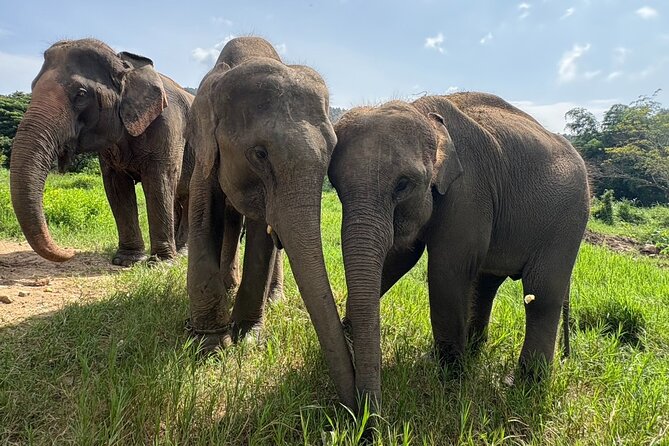
Ethics-focused setup that prioritizes elephant welfare and rescue rather than performances
Small group size (max 30), which keeps the experience more personal
Caretaker-led learning about care routines, feeding, and veterinary support
Up-close interaction options like feeding, gentle touch, and river washing time
Your ticket supports the project’s work including food, rescue efforts, and ongoing management
Friendly, funny guides mentioned by name, including Boy, Jack, Adison, and Arison
A first trip to Chiang Mai fills up fast. Start with the tours everyone books.
- Half-Day Thai Cooking Class at Organic Farm in Chiang Mai
★ 5.0 · 19,087 reviews - Chiang Mai: Elephant Sanctuary, Waterfall & Bamboo Rafting
★ 4.9 · 9,160 reviews - Chiang Mai: Doi Inthanon National Park Eco-Friendly Tour
★ 4.6 · 6,667 reviews - Chiang Mai: Elephant Sanctuary & Waterfall Group Tour
★ 4.9 · 5,780 reviews
Smile Elephant and the ethical elephant standard in Chiang Mai
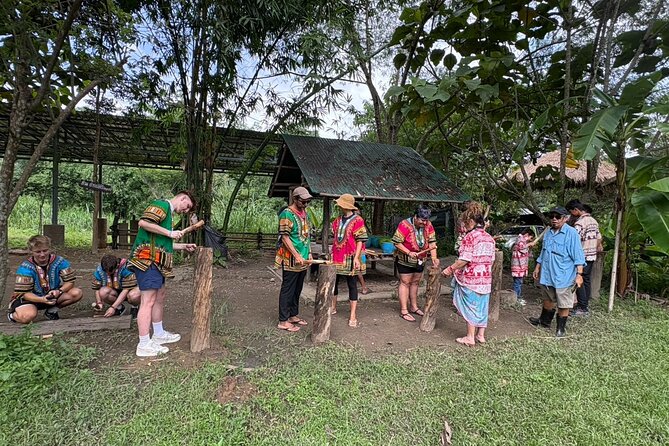
If you’re trying to choose between a quick elephant attraction and something more responsible, this is the kind of tour that helps you sleep at night afterward. Smile Elephant Chiang Mai is presented as an ethical and sustainable eco-tourism project, built around a cooperative of traditional Thai elephant caretakers and local residents in Banchang.
The “ethical” part matters for two reasons. First, the focus is on rescue and long-term welfare, not entertainment. Second, your visit is tied to the sanctuary’s day-to-day needs—food, veterinary care, and overall management—so you’re not just buying a photo. You’re supporting an ongoing system.
You’ll also feel the difference in the tone. Guides described as friendly and even funny (names like Boy, Jack, Adison, and Arison come up often) make the experience lighter, but the animals stay the center of the day. That balance is what makes this type of half-day visit work: you still get to connect, without turning the elephants into props.
The half-day schedule: what 5.5 hours actually feels like
This tour runs about 5 hours 30 minutes and starts at 8:00 am. The early start is useful because it gives you a calmer window with the sanctuary and the elephants, and it leaves you time to do something else later the same day in Chiang Mai.
Pickup is offered, so you may not have to think much about transportation once you confirm. You’ll receive details at booking, and you’ll use a mobile ticket on the day.
A typical flow looks like this:
- You meet in the morning (with pickup if your option is included) and head out toward the sanctuary area in Banchang.
- There’s time for orientation around the project’s mission and how the sanctuary operates.
- You spend the core of the visit with the elephants and learn from local caretakers about welfare and daily care.
- The experience wraps up with a small local touch—some guides reportedly end the visit with a meal like local pad thai made with care.
- Then you return to Chiang Mai.
Because the total time is limited, you shouldn’t expect a full “behind the scenes” program that stretches all day. This is a meaningful snapshot: enough contact, enough learning, and enough support for elephant welfare, but not a deep multi-day residency.
What you learn about elephant welfare (and why it changes the whole experience)
One of the strongest parts of this visit is the education that comes with the interaction. You’re not only there to feed or touch; you’re there to understand how the sanctuary thinks about elephants as living beings with needs.
From the project description and what guides explain during the visit, you can expect themes like:
- Rescue and rehabilitation as the heart of the sanctuary mission
- How daily care includes food and ongoing management
- Why veterinary support matters for long-term health
- How caretakers guide elephant well-being through routine and respect
This matters because it changes your mindset. Instead of asking what’s possible to do with elephants, you start asking what supports their comfort and health. The best “aha” moments usually land right after you see how the sanctuary handles elephant space and movement—simple, practical actions that signal the animals’ needs come first.

Feeding, petting, and river washing: close contact without the usual show tricks
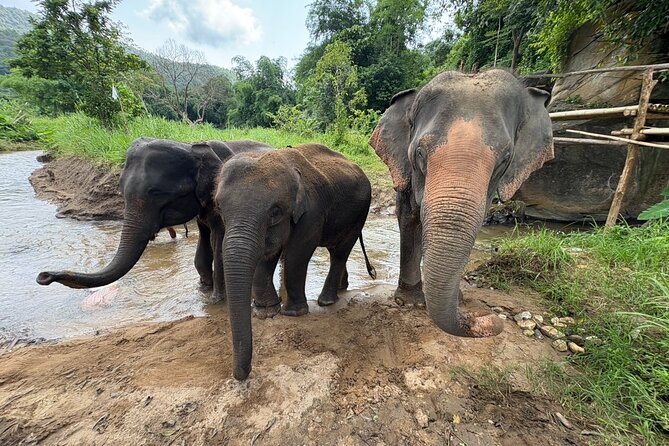
This is the part most people remember: you get up-close contact that’s framed as respectful interaction. The tour experience emphasizes caring behaviors rather than staged thrills.
Based on what’s been shared by prior visitors, you may have opportunities like:
- Feeding elephants
- Gentle affection such as petting
- River washing, described as part of the day and done in a calm, sanctuary-style setting
A key consideration: the contact can be more direct than you might expect from a “half-day tour.” You’ll likely want to be comfortable with getting a little dirty and possibly wet, especially if river time is part of your group’s schedule.
Also, look at the big picture: this is not presented as elephant riding. The ethical framing includes keeping the experience non-exploitative, so you’re there for connection and care—not for sitting on an elephant like it’s a theme-park ride.
Guides make or break it: the humor factor at Smile Elephant
Elephant days are emotional, so a good guide helps you balance feeling with understanding. Multiple guide names show up in descriptions: Boy, Jack, Adison, and Arison. The common thread is that they’re friendly, and some are described as having a great sense of humor.
That matters because you’ll get more than instructions. You’ll get context. When the guide can explain why certain behaviors are encouraged or avoided, you stop treating the day like a checklist and start treating it like a learning experience.
A smart move for you: ask questions early. If you’re unsure about what you should do (or what not to do), the guide is the person who can answer on the spot. You’ll get more out of the day if you’re a little curious rather than just waiting for prompts.
Price and value: why $51.84 can be a fair deal
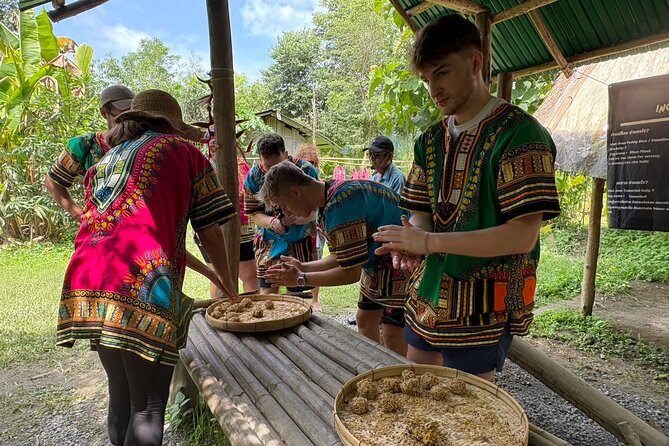
At $51.84 per person, this is not priced like a luxury excursion, and it’s not priced like a cheap “quick photo” either. For me, the value comes down to what your money supports.
You’re paying for:
- A small-group, guided sanctuary experience
- Education from local experts about care and rescue
- Direct contribution to the sanctuary’s work, including food and veterinary care and the broader management of elephant welfare
That last part is what makes the economics feel different. If your goal is ethical wildlife tourism, the “value” is partly measurable in outcomes. Even if you never see the rescue backstory in full, the day is connected to the sanctuary’s real operating needs.
And the half-day format can actually be a plus for value. You get meaningful contact and learning without losing an entire day to logistics.
Practical logistics: timing, group size, and what to bring
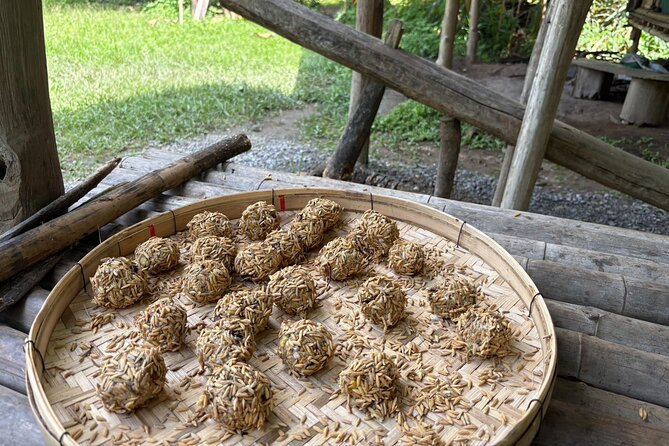
This tour caps at 30 travelers, which is a real quality-of-life detail. Smaller groups usually mean less waiting and less jostling around the interaction areas. You still get the energy of a group day, but it’s not packed in like a bus tour.
You’re also asked for a moderate physical fitness level. The reason you should take that seriously: sanctuaries involve walking over uneven ground and moving through areas near water. Even if you never go far, you’ll want decent footing.
For clothing, think “doable today,” not “I want this outfit to stay clean.” If river washing is included for your group, you’ll want:
- Shoes you can get wet or dirty
- Clothes that dry fairly fast
- A plan for keeping your phone protected if you’re close to water
Who this elephant visit is best for (and who should look elsewhere)
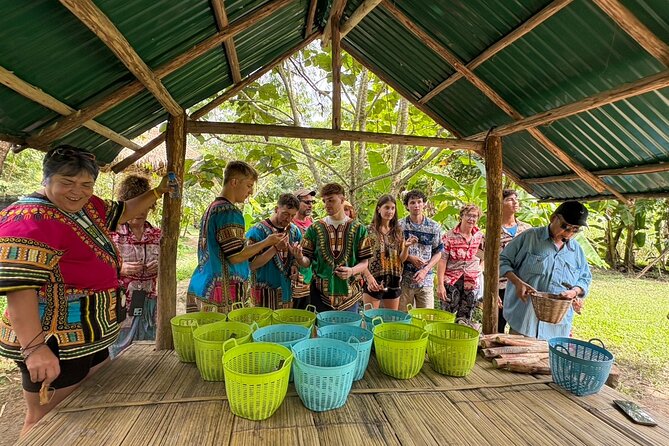
This is a great fit if you:
- Want a morning half-day with meaningful elephant welfare education
- Prefer contact and care-based interaction over staged performances
- Like having a guide who explains what’s happening (with real personalities like Boy, Jack, Adison, and Arison)
- Care about supporting rescue and ongoing sanctuary work, not just taking pictures
You might want a different option if you:
- Hate early starts. 8:00 am is firm.
- Have mobility limitations that make uneven sanctuary terrain or moving near water difficult.
- Only want a fully passive experience with no chance of getting wet or involved.
Should you book this half-day elephant sanctuary tour?
I’d book it if your priority is ethical elephant contact with caretaker-led learning, and you’re okay with a structured half-day that includes some movement and possibly wet river time. The experience is built around rescue and daily welfare support, and the small-group size helps it feel more human scale than mass-market elephant tours.
I would pause and reconsider if you want a super laid-back day with minimal walking, or if you’re strictly looking for a no-touch, no-water experience. This tour’s value is in the interaction and understanding, so go in ready for that.
If that sounds like your style, Smile Elephant Chiang Mai is the kind of choice that feels both satisfying and responsible.
FAQ
What is the duration of the Chiang Mai half-day elephant and wildlife experience?
The tour runs for about 5 hours 30 minutes (approx.).
What time does the tour start?
The start time is 8:00 am.
Is pickup offered?
Yes, pickup is offered.
What does the tour cost?
The price is $51.84 per person.
How big are the groups?
The tour/activity has a maximum of 30 travelers.
Is a mobile ticket used?
Yes, the tour includes a mobile ticket.
What physical fitness level is needed?
A moderate physical fitness level is recommended.
Where does the experience take place?
The visit is at Smile Elephant Chiangmai in Banchang, Chiang Mai.
Can I cancel for a full refund?
Yes. You can cancel up to 24 hours in advance for a full refund. If you cancel less than 24 hours before the start time, the amount paid is not refunded.
More Tour Reviews in Chiang Mai
- Half-Day Thai Cooking Class at Organic Farm in Chiang Mai★ 5.0 · 19,087 reviews
- Chiang Mai: Elephant Sanctuary, Waterfall & Bamboo Rafting★ 4.9 · 9,160 reviews
- Chiang Mai: Doi Inthanon National Park Eco-Friendly Tour★ 4.6 · 6,667 reviews
- Chiang Mai: Elephant Sanctuary & Waterfall Group Tour★ 4.9 · 5,780 reviews
- Chiang Mai: Chiang Rai Temples, Karen Tribe and Hot Springs★ 4.7 · 5,401 reviews