
Reviewed · CHIANG RAI & WHITE TEMPLE
Lalita Cafe & Chiang Rai Temple(White+Blue) from Chiangmai
White and Blue Temples, plus hot springs. This full-day tour strings together White Temple pop-art Buddhist symbolism and Blue Temple cosmic imagery, with a soothing soak stop at Mae Kachan Hot Springs and a photo-friendly break at Lalitta Café. One thing to plan for: it runs as a long, busy day and backpacks aren’t allowed, so you’ll want to travel light.
What I really like is the pacing and guidance. You get an English-speaking cultural guide from Chiang Mai (people in the group I spoke with highlighted Mr. Nine’s care and tips), plus a small group capped at 12 and lunch included—so you spend less time figuring out logistics and more time enjoying the places.
In This Review
- Key highlights worth marking on your map
- The road from Chiang Mai: start early, arrive ready
- Mae Kachan Hot Springs: steam, minerals, and the egg-boiling ritual
- White Temple (Wat Rong Khun): modern Buddhist art and the Bridge of Rebirth
- Blue Temple (Wat Rong Suea Ten): sapphire-blue color and cosmic murals
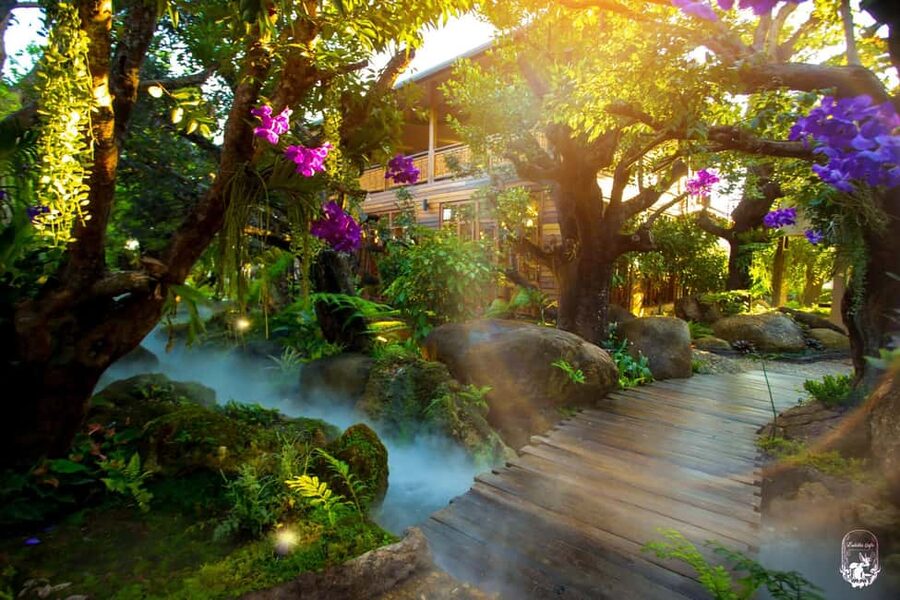
- Lalitta Café: waterfalls, fairy-tale stones, and the easiest coffee break of your trip
- Price and logistics: what you’re paying for (and why it makes sense)
- Comfort, rules, and what to bring so the day feels easy
- Best way to enjoy each stop (without feeling rushed)
- Should you book the Lalita Café + White and Blue Temples day trip?
- FAQ
- What does the tour include in the price?
- How long is the experience, and where does it start?
- What should I bring for the day?
- Is lunch provided?
- Are backpacks allowed?
- Who is this tour not suitable for?
Key highlights worth marking on your map
- Mae Kachan Hot Springs warmth: steaming mineral geysers, optional foot-soaking, and egg-boiling culture
- White Temple symbolism: a modern take on Buddhist teachings with references to life, death, and rebirth
- Wat Rong Suea Ten design link: the Blue Temple was created by a student of the White Temple’s creator
- Sapphire-blue + gold interior: cosmic murals and a striking Buddha hall
- Lalitta Café photo zones: waterfalls, flower gardens, stone sculptures, and swings for easy snapshots
- A guide who helps you plan your time: tips on when and how to see each spot best
Day trips north to Chiang Rai and the White Temple
- Chiang Mai: Chiang Rai Temples, Karen Tribe and Hot Springs
★ 4.7 · 5,401 reviews - Chiang Rai White Temple and Blue Temple Day Tour
★ 4.6 · 3,366 reviews - Chiang Rai Temples: Private Tour from Chiang Mai
★ 5.0 · 1,267 reviews - From Chiang Mai: White Temple & Golden Triangle Day Trip
★ 4.6 · 1,193 reviews
The road from Chiang Mai: start early, arrive ready
Your day starts with pickup from your Chiang Mai hotel in an air-conditioned van. It’s a practical format for Chiang Rai: you’re not driving yourself, and you’re not stuck in a huge crowd where you lose your place.
The best way to think about this tour is as a “greatest hits” day for art, belief, and nature. You’ll move between locations that are visually dramatic, so arriving alert matters more than you’d expect. Wear comfortable shoes and keep water and sun protection in mind—this day isn’t built for slow strolling.
Mae Kachan Hot Springs: steam, minerals, and the egg-boiling ritual
Mae Kachan Hot Springs is the first big mood shift. Instead of temples and murals, you get a quiet natural setting with green hills around you and small stalls nearby. The heat comes from steaming mineral water that spurts from the earth, which is exactly the kind of sensory detail you remember later.
What you can do here is simple and flexible:
- You can stretch your legs and breathe in the mountain air.
- You can soak your feet in the warm mineral-rich water.
- You can watch the quirky local tradition of boiling eggs in the hot spring wells.
Even if you don’t soak, the atmosphere is worth the stop. It’s also a good place to grab small snacks, handmade souvenirs, or locally grown coffee from the stalls. In a one-day schedule, these little options help you avoid getting hungry at the wrong moment during temple time.
A minor consideration: this is a hot, active start. Come with shoes that can handle damp areas, and don’t plan on carrying much—your hands will be happier if you keep your bag situation simple.
White Temple (Wat Rong Khun): modern Buddhist art and the Bridge of Rebirth
Then the art history lesson begins—without feeling like school. The White Temple is known for its contemporary interpretation of Buddhist teachings, and it’s packed with unexpected imagery. You’ll see references that touch life, death, and rebirth, blended into an environment that feels both traditional and surprising.
One moment I’d prioritize is crossing the symbolic Bridge of Rebirth. It acts like a visual “threshold” between ordinary thinking and the temple’s world of symbolism. After that, you step into elaborate frescoes and details that reward slower looking—more intricate than a quick photo stop.
Here’s the practical tip: bring your camera and be patient with your angles. The temple’s surface details and reflections are the kind of things you want to frame carefully, especially if you’re shooting without a ton of time pressure. If you take your time on the bridge and first interior views, you’ll enjoy the whole place more later.
The main drawback with the White Temple is also its strength: it’s busy and visually intense. If you’re the type who gets mentally overloaded by too many images at once, pace yourself. Use short pauses to reset before moving deeper into the symbolic areas.

Blue Temple (Wat Rong Suea Ten): sapphire-blue color and cosmic murals
Next comes Wat Rong Suea Ten, also called the Blue Temple. It shares a similar flair with the White Temple because it was designed by a student of the White Temple’s creator. That connection matters: you’re not just seeing one style—you’re seeing a family of ideas expressed in different colors and themes.
As you approach, the first thing you’ll notice is the deep sapphire-blue look, accented with gold. It hits visually fast, which makes it great for photos. But the inside is where the symbolism pulls you in: the main hall has an ethereal white Buddha statue surrounded by murals and cosmic imagery.
The blend here is what makes the Blue Temple feel special. You get traditional Thai temple elements, but with modern artistic touches and a more “space-and-fate” feeling from the cosmic imagery. It’s a temple where the spiritual mood isn’t only about chants or candles—it’s also about visual storytelling.
Practical note: because you’ll want photos, don’t plan on changing lenses or unpacking a lot of gear. Keep what you need ready, then focus on framing murals and statue areas cleanly.
Lalitta Café: waterfalls, fairy-tale stones, and the easiest coffee break of your trip
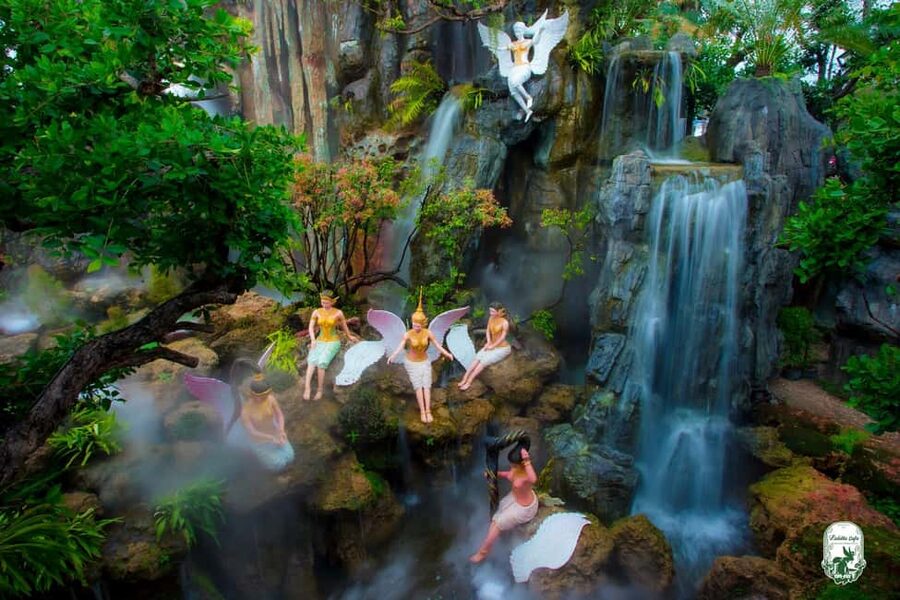
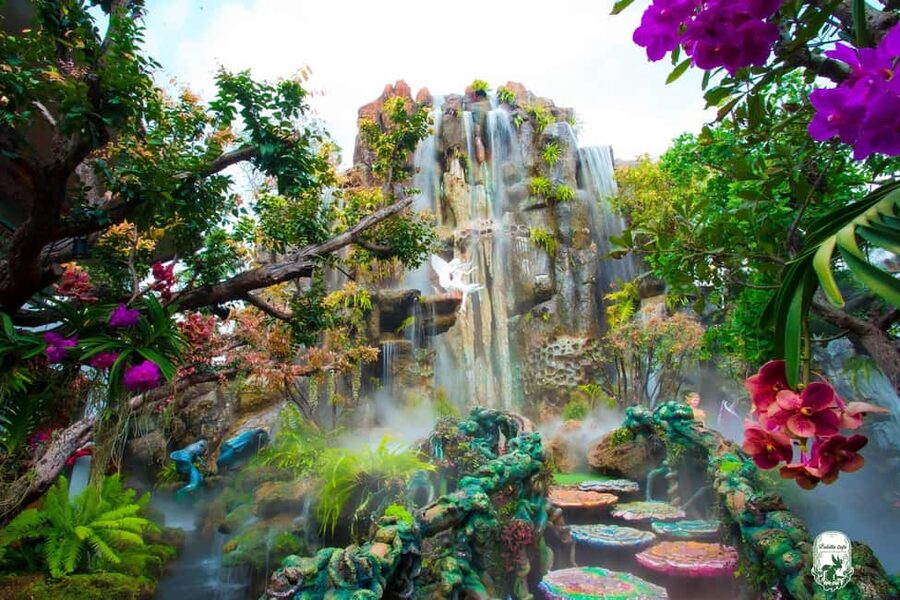
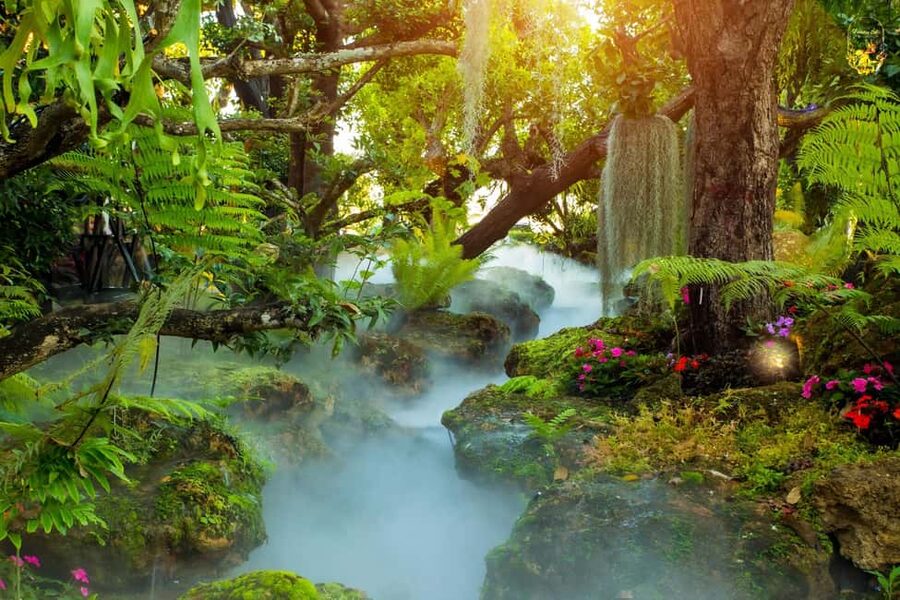
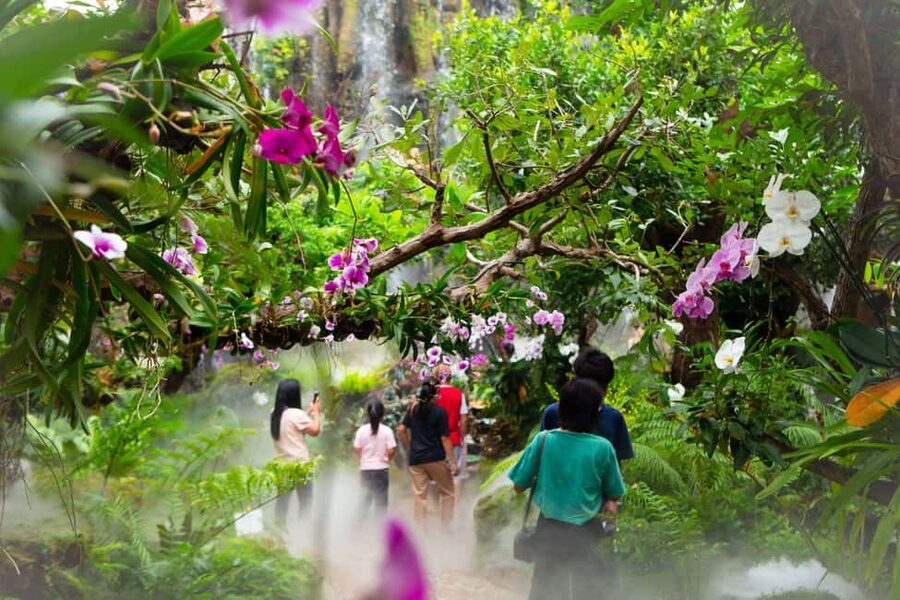
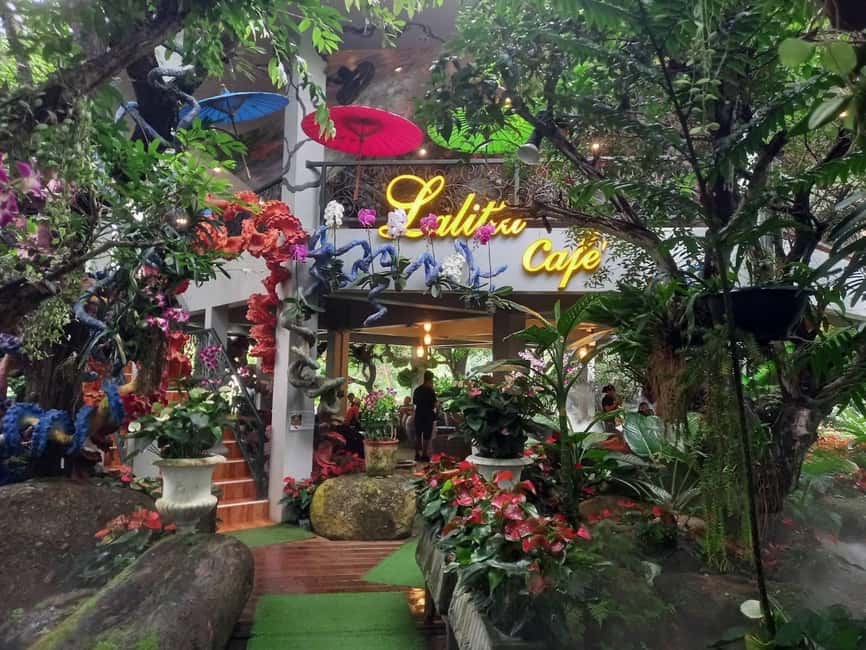
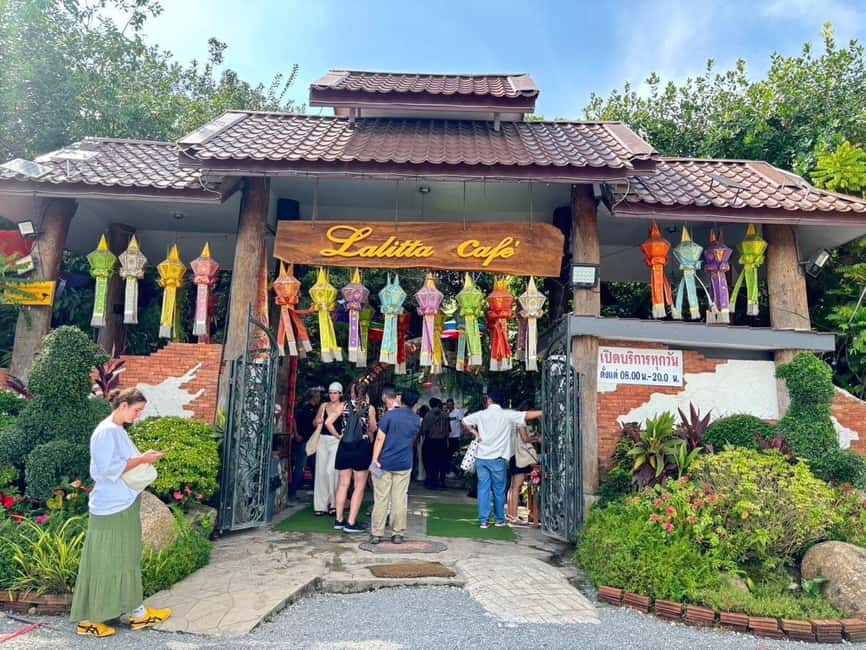
After temples, you’ll be ready for a decompression stop. That’s what Lalitta Café does well: lush gardens, tranquil waterfalls, and a whimsical styling that invites you to look around at your own pace.
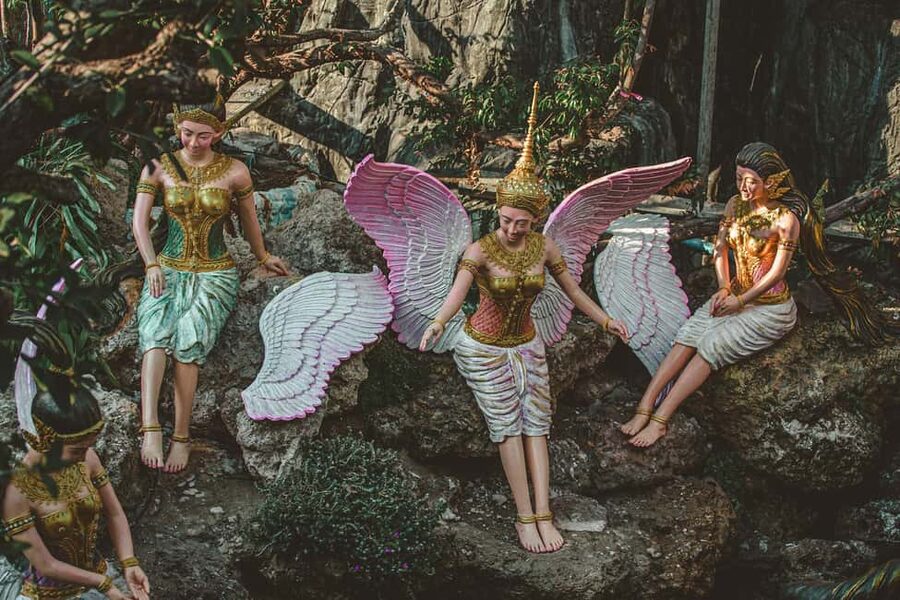
This is where the day shifts from worship and art symbolism to a more playful environment. Lalitta Café is famous for scenery that feels like a storybook set—dramatic waterfalls, colorful flower gardens, and stone sculptures with a fairy-tale vibe. There are also photo zones such as swings and garden paths, so you can get memorable shots without turning it into a chore.
You’ll have the chance to relax with a freshly brewed coffee, a refreshing smoothie, or a sweet Thai dessert. Lunch is already included earlier, so this feels like a treat stop rather than another “eat now or suffer later” moment.
If you’re trying to photograph waterfalls or garden corners, bring your camera and aim for a slower rhythm here. You’ll often get better composition when you aren’t rushed. Also, keep an eye on your footing—this kind of garden setting can be slippery if you’re taking lots of photos near water.
Price and logistics: what you’re paying for (and why it makes sense)
The tour price is $51 per person for a one-day route from Chiang Mai to Chiang Rai. That price covers hotel pickup and drop-off, an English-speaking guide, lunch, and travel insurance. In plain terms: you’re paying to remove friction—transport, guidance, and meal time are handled.
If you were to DIY this day, you’d likely spend time negotiating transport, mapping stops, and managing timing between multiple locations that each deserve attention. By bundling it, you buy back time and mental energy. For many people, that’s the real value.
There’s also a small-group factor. The group size is limited to 12 participants, which usually means easier movement between stops and less waiting. With art-heavy temples like the White Temple and Blue Temple, that matters: you can actually hear the guide and get your bearings fast.
One more logistics detail you’ll want to plan around: back-packs aren’t allowed. That doesn’t mean you can’t bring a bag, but it does mean you should pack like a day traveler—something manageable for temple movement and café wandering.
Comfort, rules, and what to bring so the day feels easy
This tour is meant for walking, looking, and taking photos. It’s not an “everything is on a bus” outing. Wear comfortable clothing and shoes, and plan for a full day.
What to bring is straightforward:
- Hat for sun
- Camera for photography
- Cash for personal expenses or small purchases
A few things are not allowed: alcohol and drugs, and backpacks. The rules are fairly typical for day trips that include temple visits and photo stops.
Who might need extra caution: the tour isn’t suitable for wheelchair users, pregnant women, and people over 220 lbs (100 kg). If any of those apply, it’s smart to consider an alternative day format with more accessibility and fewer steps.
Best way to enjoy each stop (without feeling rushed)
To get the most out of this day, I’d treat each location like a separate mini-experience rather than trying to speed through everything.
At Mae Kachan Hot Springs, give yourself a short window to soak or at least feel the setting. It’s the calm reset between travel and temple intensity. Getting a little warmth and fresh air here changes how you experience the next stops.
At the White Temple, focus on the key symbolic moments first, like the Bridge of Rebirth and the main interior details. Then use your remaining time for photos and slower scanning of the frescoes and symbolism.
At the Blue Temple, let the exterior colors set your expectations, but save your attention for the main hall murals and the white Buddha statue. If you spend too long at the entrance, you risk rushing the most meaningful visuals inside.
At Lalitta Café, shift gears: put the camera down for a few minutes. Walk the garden paths, enjoy the waterfalls, and take one or two “slow photos” instead of 50 quick ones. You’ll leave happier, not just photo-heavy.
Should you book the Lalita Café + White and Blue Temples day trip?
Book this tour if you want a well-organized one-day introduction to Chiang Rai’s biggest visual hits: White Temple, Blue Temple, and the Mae Kachan Hot Springs reset, plus a relaxing café stop with photo-friendly gardens. The included lunch, English guide, travel insurance, and small-group size make it feel like good value for what you pack into the day.
Skip it (or choose another option) if you need extra mobility support, are sensitive to long days with lots of walking, or prefer light luggage and no rules. Also consider a different format if you don’t enjoy temple environments with symbolic, art-heavy details—this day is designed for people who like to look closely.
If you’re the type who wants meaningful sights without doing math on travel time, this is a strong choice.
FAQ
What does the tour include in the price?
The price includes hotel pickup and drop-off, an English-speaking guide, lunch, and travel insurance. Personal expenses are not included.
How long is the experience, and where does it start?
It’s a 1-day tour. It starts with pickup from your hotel in Chiang Mai.
What should I bring for the day?
Bring a hat, a camera, and cash. Wear comfortable clothing and shoes.
Is lunch provided?
Yes, lunch is included.
Are backpacks allowed?
No, backpacks are not allowed.
Who is this tour not suitable for?
It’s not suitable for wheelchair users, pregnant women, and people over 220 lbs (100 kg).
More Tour Reviews in Chiang Mai
- Half-Day Thai Cooking Class at Organic Farm in Chiang Mai★ 5.0 · 19,087 reviews
- Chiang Mai: Elephant Sanctuary, Waterfall & Bamboo Rafting★ 4.9 · 9,160 reviews
- Chiang Mai: Doi Inthanon National Park Eco-Friendly Tour★ 4.6 · 6,667 reviews
- Chiang Mai: Elephant Sanctuary & Waterfall Group Tour★ 4.9 · 5,780 reviews
- Chiang Mai: Chiang Rai Temples, Karen Tribe and Hot Springs★ 4.7 · 5,401 reviews
More Chiang Rai Day Trips
- Chiang Mai: Chiang Rai Temples, Karen Tribe and Hot Springs★ 4.7 · 5,401 reviews
- Chiang Rai White Temple and Blue Temple Day Tour★ 4.6 · 3,366 reviews
- Chiang Rai Temples: Private Tour from Chiang Mai★ 5.0 · 1,267 reviews
- From Chiang Mai: White Temple & Golden Triangle Day Trip★ 4.6 · 1,193 reviews
- From Chiang Mai: Chiang Rai’s Temples Exploration Day Trip★ 4.5 · 871 reviews
Fresh off the pile: Chiang Mai tours we have just written up
Chiang Rai & White Temple, compared.
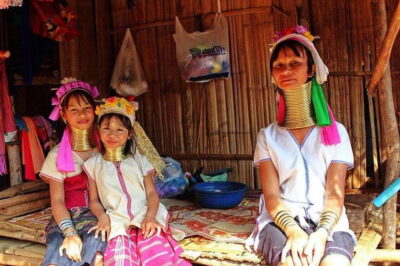 ★ 4.7Chiang Rai Temples, Karen Tribe and Hot SpringsFrom $355,401 reviews
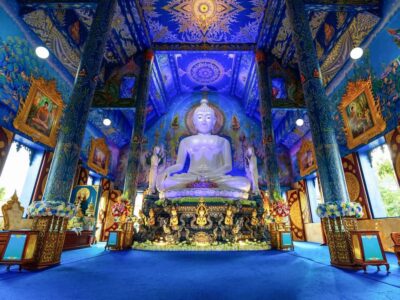 ★ 4.6Chiang Rai White Temple and Blue Temple Day TourFrom $273,366 reviews
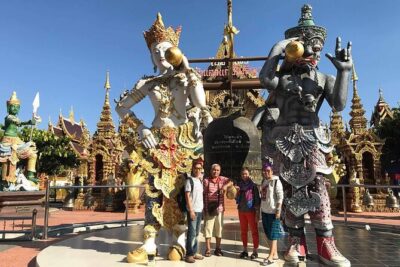 ★ 5.0Chiang Rai Temples: Private Tour from Chiang MaiFrom $1441,267 reviews
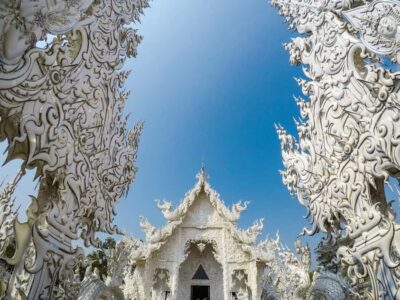 ★ 4.6White Temple & Golden Triangle Day TripFrom $801,193 reviews
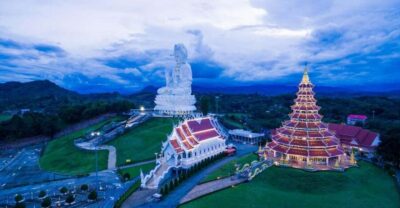 ★ 4.5Chiang Rai’s Temples Exploration Day TripFrom $51871 reviews
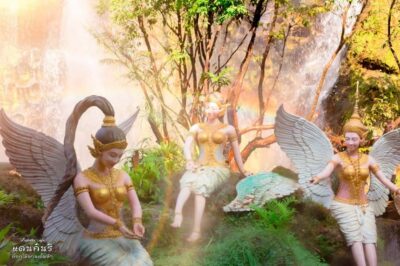 ★ 4.5Chiangmai to Chiangrai: 3 Temples, Hot Springs& Lalitta CafeFrom $41659 reviews
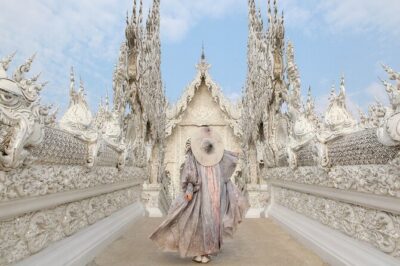 ★ 4.5Chiang Rai White Temple, Blue Temple and more from Chiang MaiFrom $39605 reviews
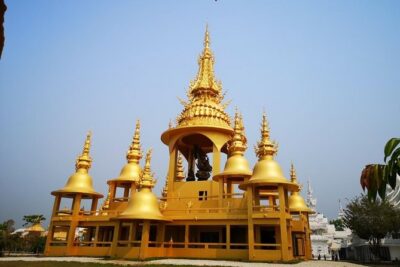 ★ 4.5Chiang Rai Day Trip from Chiang Mai City with Golden TriangleFrom $81531 reviews
Browse the lists this tour appears in