
Reviewed · SUNRISE & MEDITATION TOURS
Chiang Mai: 3 Day Meditation, Yoga & Cultural Retreat
Quiet mornings, guided by mindful practice in Chiang Mai. This 3-day retreat blends meditation and yoga with real Thai Buddhist culture, with the day’s pace set by nature sounds near rice fields and a flowing stream. Check in, breathe out, and learn practices you can actually use after you go home.
I like two things most: Amori’s teaching style (English instruction, and she adjusts the yoga so it’s challenging without being punishing) and the family home-cooked vegetarian Thai meals that keep you nourished without feeling like you’re stuck on bland “retreat food.” One consideration: this is a quiet retreat, not a sightseeing package, so there’s no waterfall stop, no night market included, and no elephant sanctuary visit—plan extra time if you want those highlights.
In This Review
- Key takeaways before you book
- Entering The Retreat Rhythm: Your Three Days in Chiang Mai
- Meditation in a Buddhist Culture, Not a Silent-Vacuum Class
- Yoga That’s Challenging, Then Smart About Your Body
- Thai Food That Keeps You Grounded (and Actually Tastes Like Thailand)
- Nature Sounds, Rice Fields, and a Quiet Base Near Chiang Mai
- Temples, Markets, and Thai Culture Without the Tourist Shopping List
- What the Small Group (Up to 6) Changes for You
- Price and Value: What You’re Paying For at $514
- Who This Retreat Fits Best (and Who Might Be Happier Elsewhere)
- Practical Tips for a Smoother Retreat Experience
- Should You Book This Chiang Mai Meditation, Yoga & Cultural Retreat?
- FAQ
- Is this retreat taught in English?
- How big is the group?
- What meals are included during the retreat?
- Does the retreat include dinner?
- What’s the daily schedule like?
- Are temple visits and local activities included?
- Does this retreat include waterfalls, night markets, or an elephant sanctuary visit?
- Do they offer pickup and drop-off?
Key takeaways before you book
- Small group attention: limited to 6 participants, with a real chance of more 1-on-1 support if the group is tiny
- Amori teaches in English: good for beginners who want clarity, plus English support helps keep meditation grounded
- Meditation + Buddhist culture: daily mindfulness sessions tied to how Thais practice and pray
- Yoga with careful sequencing: the pace is firm, but the sequences are chosen with your comfort in mind
- Vegetarian Thai meals: breakfast and lunch are authentic, Thai-style, and home-prepared
- Nature-first setting: stream, rice fields, and silence do part of the work for you
Overnight treks and village homestays, if you have the days
- Chiang Mai: 2-Day Jungle Trek with Elephant Farm & Raft Ride
★ 4.7 · 881 reviews - Chiang Mai 2-Day: Good Morning Elephant & Overnight Homestay
★ 4.9 · 224 reviews - Chiang Mai: 2-Days Jungle Trek, Waterfalls and Karen Village
★ 4.8 · 103 reviews - Chiang Mai 2-Day: Trekking, Tubing & Elephant Observation
★ 4.9 · 95 reviews
Entering The Retreat Rhythm: Your Three Days in Chiang Mai
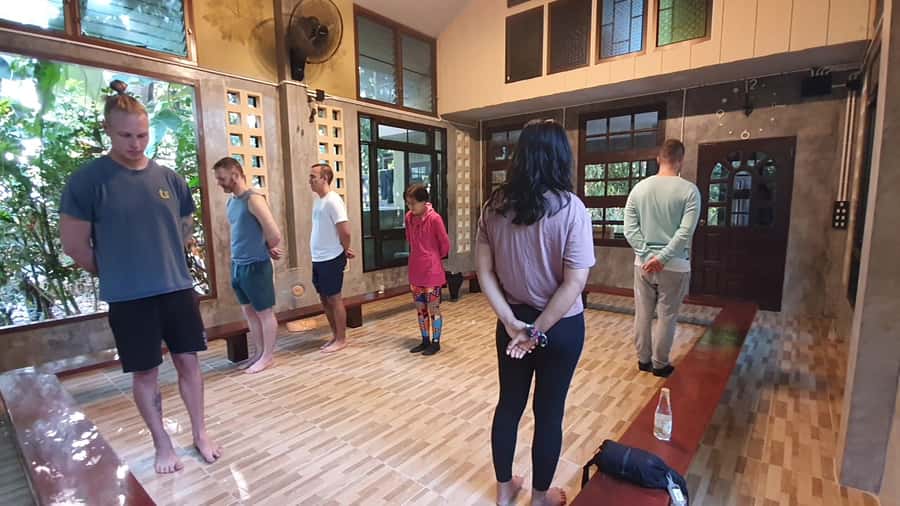
From the first afternoon, this retreat is designed to slow your brain down. You arrive for check-in at 14:00, then ease in with 14:30–16:00 relaxing time in nature. It’s a smart start: you’re not asked to perform right away. You just land.
That first day ends with a gentle but intentional flow. There’s 16:00–17:00 meditation and then 17:00–18:00 evening yoga. You’ll likely feel the difference right away if you’re used to Chiang Mai being all markets, scooters, and constant motion. Here, the schedule keeps asking you to return to your body.
Day 2 is where the routine becomes clear and useful. You’ll begin with 08:00–08:30 healthy breakfast, then 09:00–10:00 morning mindfulness and meditation and 10:00–11:00 morning yoga. After 12:30–13:30 healthy lunch you get free time to rest, explore, or just do nothing. Then it’s back again for 16:00–17:00 mindfulness and meditation (listed as optional) and 17:00–18:00 evening yoga.
On Day 3, the retreat wraps at 14:00 check-out. You’ll have 08:00–08:30 breakfast, then 09:00–10:00 mindfulness, 10:00–11:00 yoga, and 12:30–13:30 lunch before finishing up. The timing matters. This isn’t a “three days of suffering” format—it’s structured enough to support you, but paced enough that you can still absorb what you learn.
Meditation in a Buddhist Culture, Not a Silent-Vacuum Class
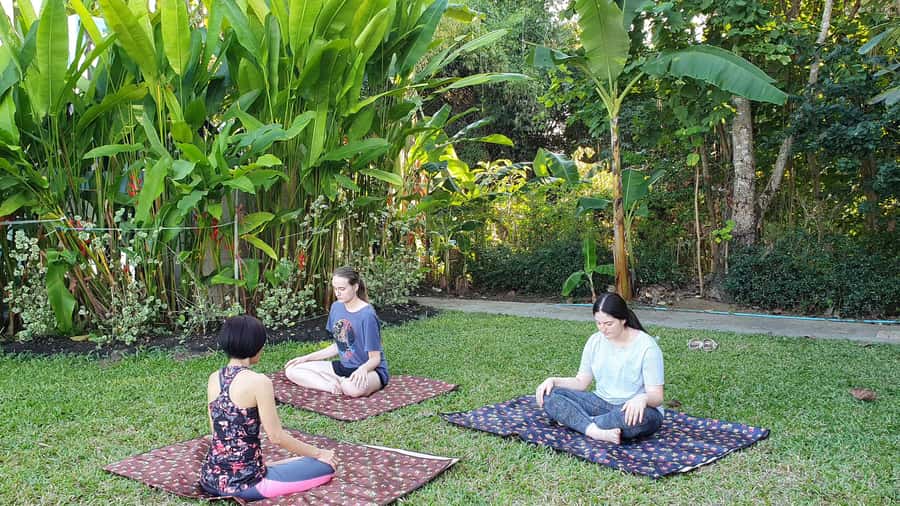
The meditation here isn’t treated as a random breathing exercise. The practice is paired with Buddhist cultural context, the kind you’d expect to hear when someone understands prayer, intention, and practice—right down to how people approach difficult moments.
The retreat’s themes include meeting challenges, inviting integration, and achieving healing. That sounds big, but you’ll feel it through the daily rhythm: sit, notice, return. You’re not expected to “empty your mind.” You learn how to work with what’s already there.
One detail I really appreciate is the presence of Buddhism not just as a lecture topic. The retreat includes temple visits, and those visits come with explanations on how to pray and why. That context can make meditation feel less like a Western wellness trend and more like a real spiritual practice people live with.
If you’re brand-new, that cultural grounding is especially helpful. Meditation goes smoother when you understand what you’re doing and why, instead of just trying to force calm.
Yoga That’s Challenging, Then Smart About Your Body
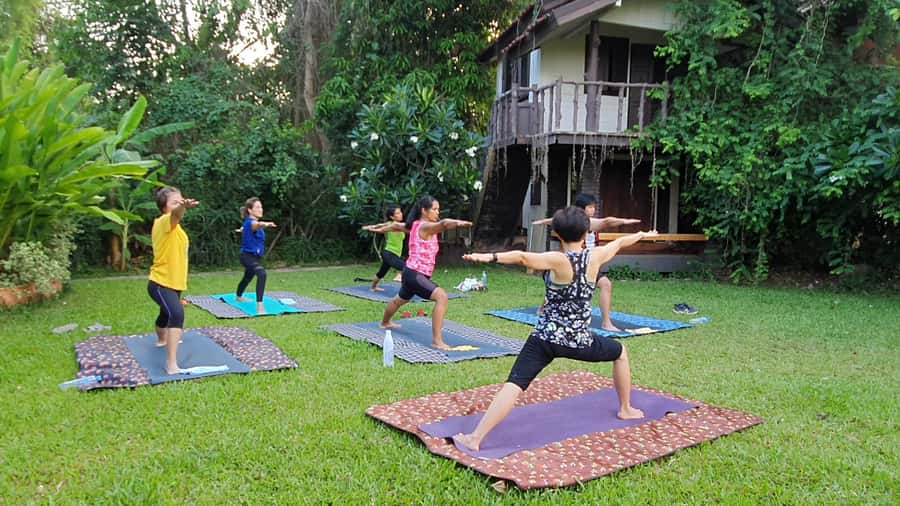
Yoga is part of the daily structure, with morning yoga and evening yoga on the first two days, plus morning yoga again on the final day. The key word for value here is adaptation.
The yoga level is described as high-quality instruction, but instructors are expected to adapt to your level, not steamroll you. One review highlighted that sequences can be hard, yet you shouldn’t feel pain because the order is chosen carefully. That’s what you want to hear if you’ve ever tried a yoga class that felt like punishment in stretchy clothing.
Also: this is taught in English. Clear cues matter in yoga and in mindfulness. When you understand what your body is being asked to do, you reduce the chance of twisting the wrong way out of confusion.
Practical takeaway: come with comfortable yoga clothes and a mindset that says “I’ll do my best, not your idea of perfection.” You’ll get more benefit that way.
Dawn at the temple: sunrise and monk-blessing visits
Thai Food That Keeps You Grounded (and Actually Tastes Like Thailand)
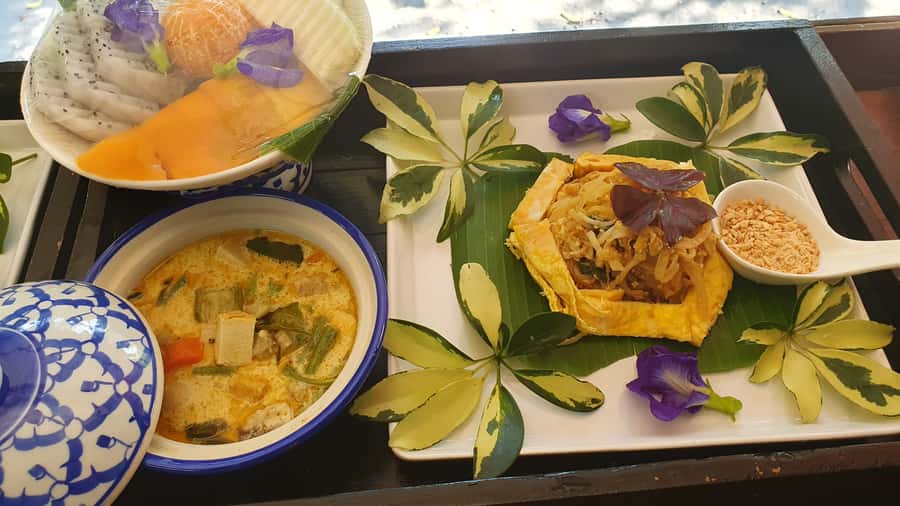
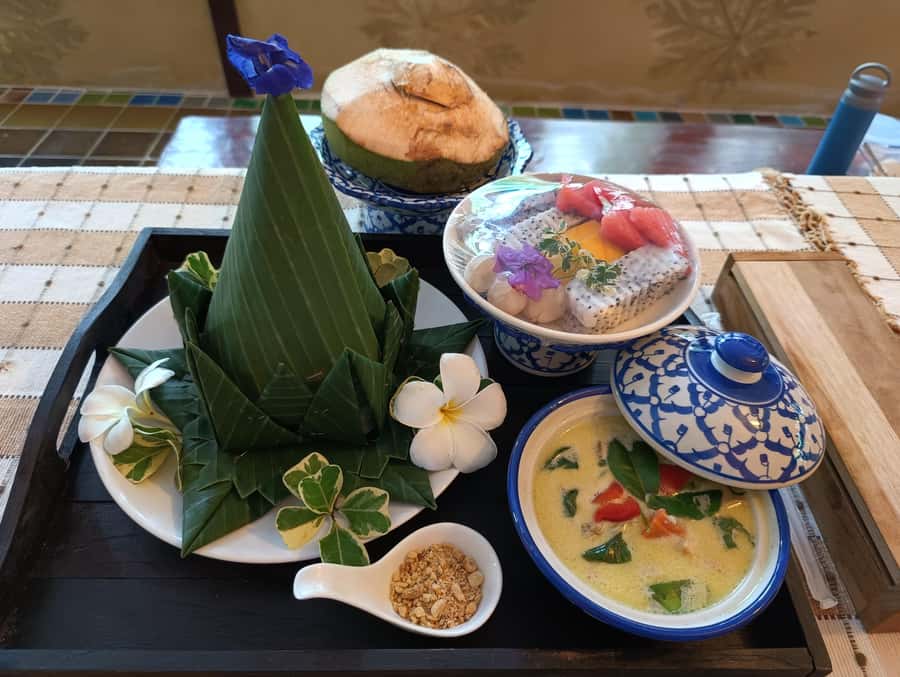
Meals are a big part of why this retreat feels different from many “wellness weekends.” Breakfast and lunch are included, with full vegetarian Thai authentic dishes, and they’re described as healthy and home-cooked.
In plain terms: food can make or break a retreat. If you’re hungry or bored, your meditation turns into mental chewing. Here, the emphasis is on meals that keep you steady. One of the most praised parts is how the cooking is handled by the family, with meals prepared with care and presented beautifully.
You should know what’s included: breakfasts and lunches are part of the retreat. Dinner isn’t mentioned as included, so plan on that being up to you unless the retreat confirms otherwise.
If you’re vegetarian, great—this is built for you. If you’re not vegetarian, you’ll still likely appreciate the Thai flavors and the fact that the food is treated as part of the practice, not a side quest.
Nature Sounds, Rice Fields, and a Quiet Base Near Chiang Mai
This is not a luxury resort retreat. The setting is described as a family place—quiet, calm, and about 40 minutes from the city in one account. That “away from crowds” distance matters in Chiang Mai. It means you’re less likely to feel like you’re constantly returning to noise after each session.
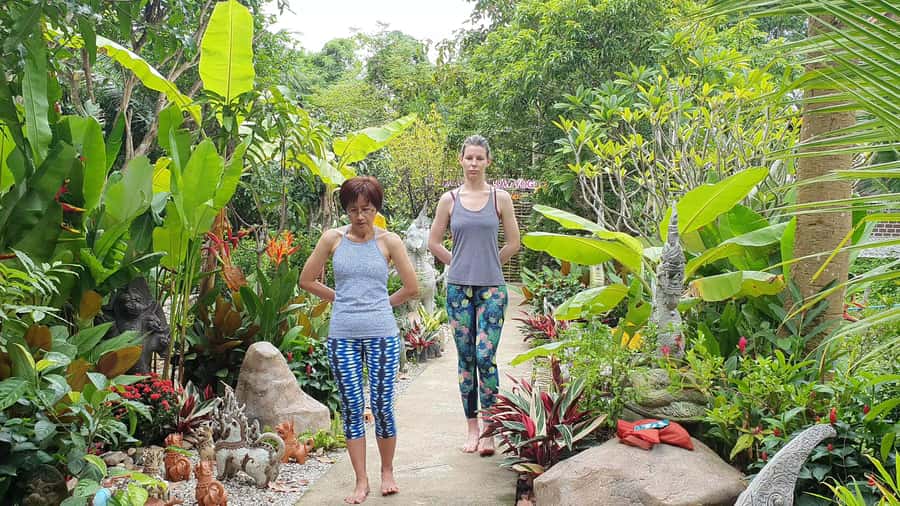
You’ll be surrounded by a naturally flowing stream, rice fields, and nature sounds. That matters because your senses start doing the work. When you’re trying to practice mindfulness, the background environment becomes part of the coaching.
There’s also free Wi‑Fi, which is a nice safety net. You can disconnect mentally while still having the option to check messages if you need it. Think of it as a “one last thread to the outside world” rather than a reason to stay online.
Temples, Markets, and Thai Culture Without the Tourist Shopping List
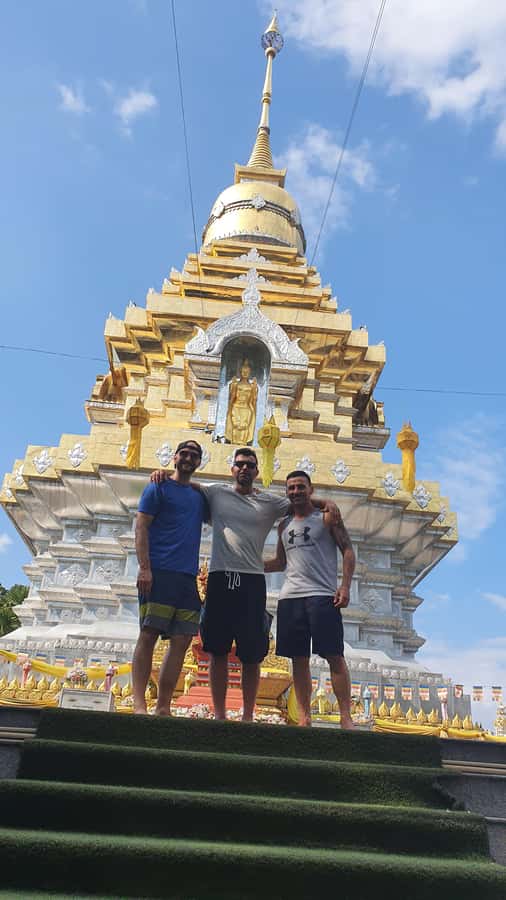
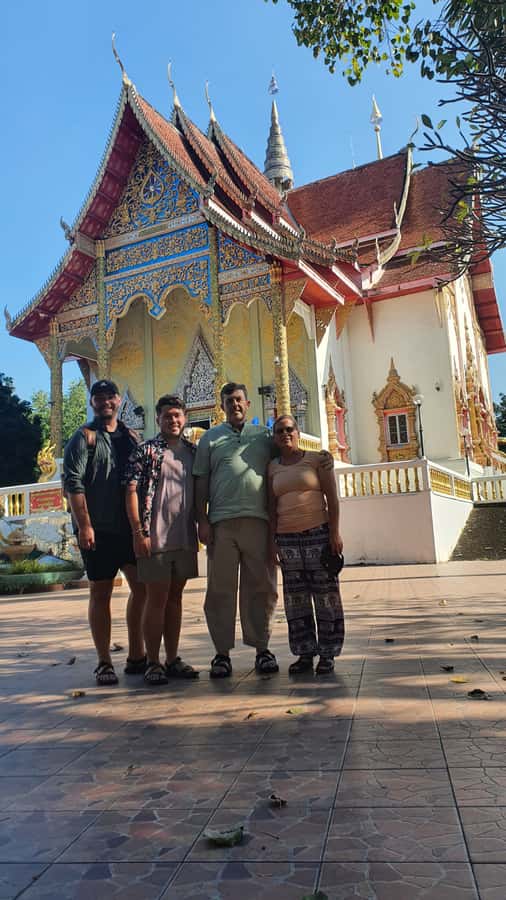
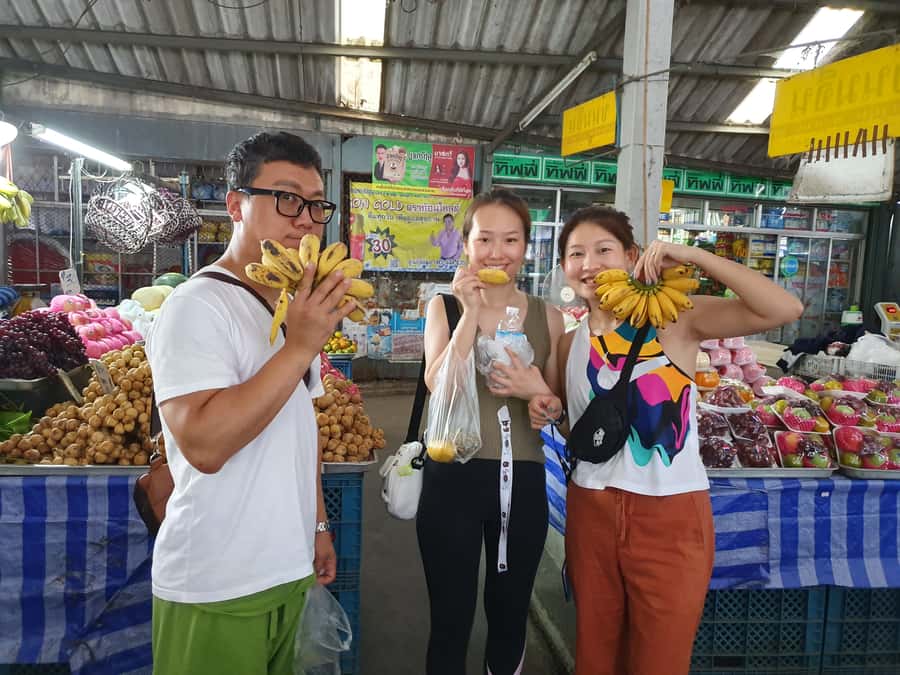
A good cultural retreat gives you context, not just photo ops. This one includes time to explore rice fields, local temples, and a farmer’s market.
Temple visits are especially meaningful here because they come with explanation. One strongly mentioned experience included a visit to Doi Sadek temple, where the host explained how to pray, why people do it, and what the practice means. That’s the difference between seeing a temple and understanding it.
The cultural tone stays consistent with meditation: everything points back to intention and everyday practice. Even the market and local farming time can help you slow down enough to notice what’s around you, instead of just collecting things to tell friends later.
What the Small Group (Up to 6) Changes for You
Group size can totally change the quality of a retreat. This one is limited to 6 participants, and it’s taught by an English-speaking instructor.
In small settings, you tend to get more precise guidance. When the group is tiny or even solo, you can end up with more private attention—which feels like a real upgrade compared to large-class yoga. It also makes it easier to ask questions during or after practice.
If you’re someone who gets overwhelmed in bigger groups, this format is likely a relief. If you’re social, you’ll still have enough people to share the experience without the “everybody talk at once” energy.
Price and Value: What You’re Paying For at $514
At $514 per person, the fair question is: what exactly are you buying?
You’re not buying a big packaged tour with major attractions. You’re paying for daily coaching in meditation and yoga, a structured schedule across three days, and two included meals per day (breakfast and lunch) featuring vegetarian Thai authentic dishes. You’re also getting a quiet base, pickup and drop-off from your city hotel or the airport, and access to cultural activities like temple visits and a farmer’s market.
Where this price starts to make sense is if you want real instruction, not just “show up and practice.” You’re also paying for consistency: the same instructor and the same retreat rhythm each day, which is key if you’re trying to build a practice rather than just try it once.
One more value angle: if you’re expecting elephants, waterfalls, or night-market chaos, you’ll feel like the retreat budget isn’t going where you wanted. This retreat is intentionally not that kind of trip. Choose it for calm practice and cultural context, not for thrill stops.
Who This Retreat Fits Best (and Who Might Be Happier Elsewhere)
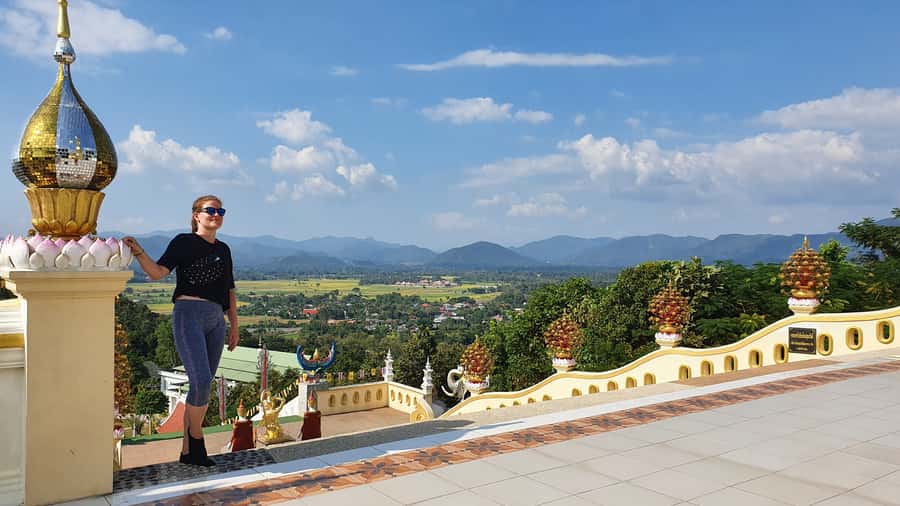
This experience is a great fit if:
- you want a quiet reset in nature near Chiang Mai
- you’re interested in Buddhist culture alongside meditation
- you want yoga instruction that can match your level
- you value home-style vegetarian Thai food and steady daily pacing
- you like the idea of a small group (or possibly a near-solo experience)
You might want to pass (or add your own extras) if:
- you’re primarily chasing Chiang Mai’s nightlife and markets
- waterfalls and big day trips are the whole point of your trip
- elephants are a must-do for you (this retreat doesn’t include an elephant sanctuary visit)
Practical Tips for a Smoother Retreat Experience
You’ll get the best results if you treat this like training, not tourism.
- Pack for comfort and movement. Meditation nights and yoga days both benefit from simple clothing you can focus in.
- Keep expectations realistic. Meditation is not instant calm. The value is learning how to return to yourself.
- Ask questions when things feel unclear. Since the retreat is in English, use that to get specifics instead of guessing.
- Plan your extra day trips carefully. The retreat schedule includes cultural time and free time, but it’s not built around long, exhausting excursions.
If you’re coming from Chiang Mai downtown, the pickup and drop-off helps you avoid the stress of local navigation on retreat days—use that to keep your mind settled.
Should You Book This Chiang Mai Meditation, Yoga & Cultural Retreat?
If you want a retreat where the structure is gentle but real, and you care more about practice and culture than big tourist stops, I think this is a smart booking. The strongest promises here are daily guided meditation, yoga coaching in English, and home-cooked vegetarian Thai meals, all in a quiet setting with nature sounds.
It’s also a clear match for beginners who want guidance, and for experienced practitioners who want consistency without distraction. Just be honest with yourself about what you want from Chiang Mai. If your dream trip includes waterfalls, a night market, or an elephant sanctuary, you’ll need to add those separately.
In short: book it for calm, coaching, and Thai cultural context. Skip it if your goal is a full-throttle checklist tour.
FAQ
Is this retreat taught in English?
Yes. The instructor provides instruction in English.
How big is the group?
It’s a small group limited to 6 participants.
What meals are included during the retreat?
Breakfasts and lunches are included, with full vegetarian Thai authentic dishes.
Does the retreat include dinner?
Dinner isn’t listed as included. The included meals specifically mention breakfast and lunch.
What’s the daily schedule like?
You’ll have a mix of relaxing time, mindfulness and meditation, and yoga. The retreat includes morning and evening sessions on Day 1 and Day 2, plus morning sessions on Day 3, ending with check-out at 14:00.
Are temple visits and local activities included?
Yes. You can expect time for rice field exploration, temple visits, and a farmer’s market.
Does this retreat include waterfalls, night markets, or an elephant sanctuary visit?
No. Waterfalls, night market, and elephant sanctuary visits are listed as not included.
Do they offer pickup and drop-off?
Yes. Pickup and drop-off are provided at your hotel in the city or at the airport.
More Tour Reviews in Chiang Mai
- Half-Day Thai Cooking Class at Organic Farm in Chiang Mai★ 5.0 · 19,087 reviews
- Chiang Mai: Elephant Sanctuary, Waterfall & Bamboo Rafting★ 4.9 · 9,160 reviews
- Chiang Mai: Doi Inthanon National Park Eco-Friendly Tour★ 4.6 · 6,667 reviews
- Chiang Mai: Elephant Sanctuary & Waterfall Group Tour★ 4.9 · 5,780 reviews
- Chiang Mai: Chiang Rai Temples, Karen Tribe and Hot Springs★ 4.7 · 5,401 reviews
More Sunrise and Meditation Mornings
- Chiang Mai: Doi Suthep, Wat Umong, and Pha Lat Sunrise Tour★ 4.7 · 1,425 reviews
- Wat Phra That Doi Suthep spiritual Sunrise Tour with an Ex-monk★ 5.0 · 798 reviews
- Spiritual Sunrise Wat Doi Suthep, Pha Lat, Alms & Meditation★ 4.9 · 674 reviews
- Doi Suthep and Wat Pha Lat Sunrise Tour (Small Group Only)★ 5.0 · 70 reviews
- Mount Doi Inthanon National Park Sunrise and Hiking★ 5.0 · 52 reviews
More Overnight Treks and Homestays
- Chiang Mai: 2-Day Jungle Trek with Elephant Farm & Raft Ride★ 4.7 · 881 reviews
- Chiang Mai 2-Day: Good Morning Elephant & Overnight Homestay★ 4.9 · 224 reviews
- Chiang Mai: 2-Days Jungle Trek, Waterfalls and Karen Village★ 4.8 · 103 reviews
- Chiang Mai 2-Day: Trekking, Tubing & Elephant Observation★ 4.9 · 95 reviews
- Private Tour: 2-Day Authentic Hill Tribe Villages and Karen Hill Tribe Homestay★ 5.0 · 40 reviews
Fresh off the pile: Chiang Mai tours we have just written up



Sunrise & Meditation Tours, compared.
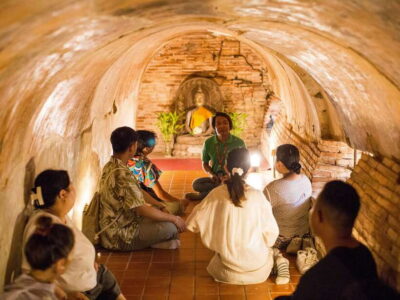 ★ 4.7Doi Suthep, Wat Umong, and Pha Lat Sunrise TourFrom $321,425 reviews
 ★ 5.0Wat Phra That Doi Suthep spiritual Sunrise Tour with an Ex-monkFrom $64798 reviews
 ★ 4.9Spiritual Sunrise Wat Doi Suthep, Pha Lat, Alms & MeditationFrom $59674 reviews
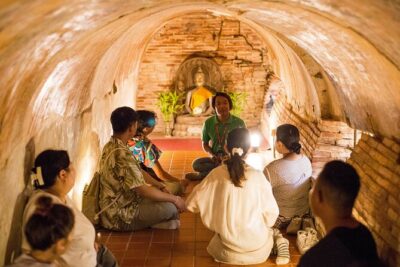 ★ 5.0Doi Suthep and Wat Pha Lat Sunrise Tour (Small Group Only)From $2970 reviews
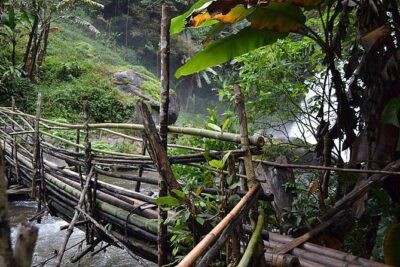 ★ 5.0Mount Doi Inthanon National Park Sunrise and HikingFrom $12652 reviews
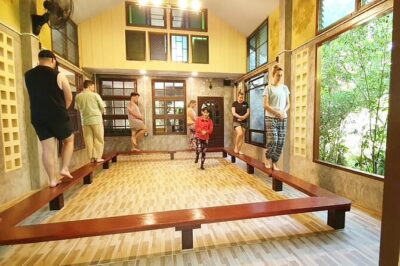 ★ 5.0Meditation Retreat and Self-Care in NatureFrom $4846 reviews
 ★ 5.0Half-Day Yoga, Meditation, and Thai Cultural Immersion in Chiang MaiFrom $7140 reviews
 ★ 4.9Full-Day Yoga & Meditation Experience with LunchFrom $8338 reviews
Browse the lists this tour appears in