
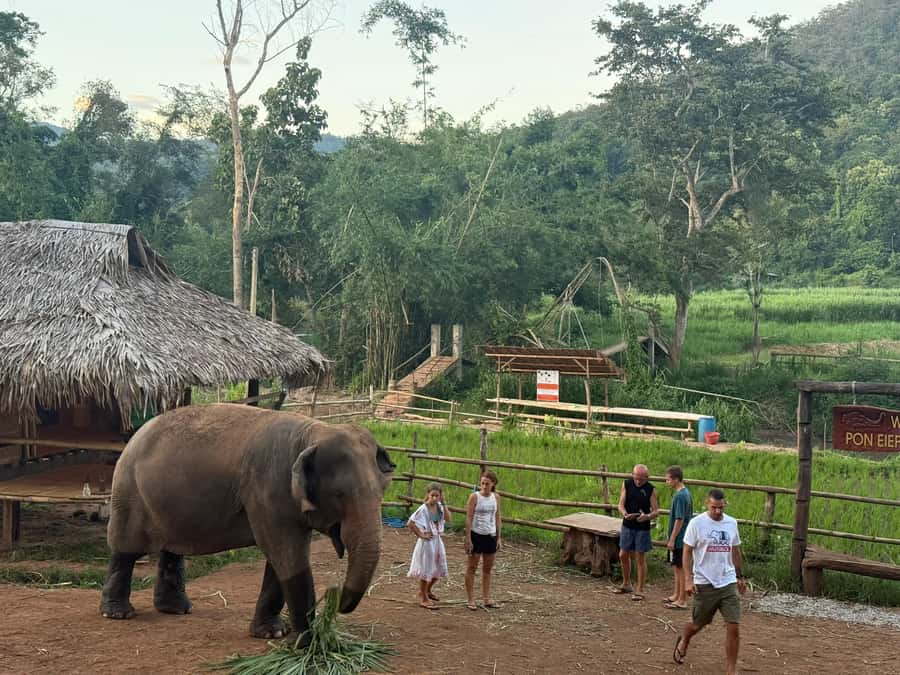
Reviewed · ETHICAL ELEPHANT SANCTUARIES
Chiang Mai 2-Day: Good Morning Elephant & Overnight Homestay
Elephants at dawn beats most city mornings. This 2-day Chiang Mai trip mixes morning elephant encounters, an overnight homestay in the Mae Wang Valley, and a fun finish with bamboo rafting and a waterfall swim. I like how the schedule gives you real time at the sanctuary (not just quick photo stops) and how the homestay adds Thai forest-life context. One consideration: the elephant activities include feeding and bathing, so if you strongly prefer zero-contact experiences, think about that before you book.
The tour runs in a small group (up to 14), with hotel pickup by van and everything timed so you’re back in Chiang Mai around 5:00 PM on day 2. It’s designed for people who want a hands-on, nature-first weekend and don’t mind some walking, river time, and getting a little muddy.
In This Review
- Quick Take: What Makes This 2-Day Elephant Plan Work
- The Mae Wang Valley Drive: How Day 1 Gets Your Mind Right
- Pon Elephant Thailand: What You’ll Do With Rescued Elephants
- Expect more than one kind of elephant encounter
- Staffing you’ll hear about: Sak, Noi, YaYA, Nop, Mr Hot, Pat
- One honest consideration: bathing and touching
- Dinner by the Campfire and Overnight in a Wooden Cabin or Tent
- What you’re paying for at night
- Comfort notes that can save your trip
- Day 2 Morning: The Good Morning Elephant Moment
- Elephant Care, Mahout Culture, and the How-Not-How Part
- Why I think this instruction is key
- Mae Wang River Feeding and Bathing: Fun, But Follow the Plan
- What to bring so you actually enjoy it
- A gentle word on expectations
- Mae Wang Waterfall Swim and Bamboo Rafting Finish
- Why this ending works
- Price and Value: Why $128 Can Make Sense Here
- Who this is best for
- Should You Book This Chiang Mai 2-Day Elephant + Homestay?
- FAQ
- FAQ
- What’s included in the price?
- How long is the experience?
- Where are you picked up and dropped off?
- Is the group small?
- What language is the tour guide?
- What happens on the overnight?
- Do you feed or bathe the elephants?
- What should I bring?
- What if I’m traveling alone?
- Is cancellation free?
- What time do you return to Chiang Mai?
Quick Take: What Makes This 2-Day Elephant Plan Work
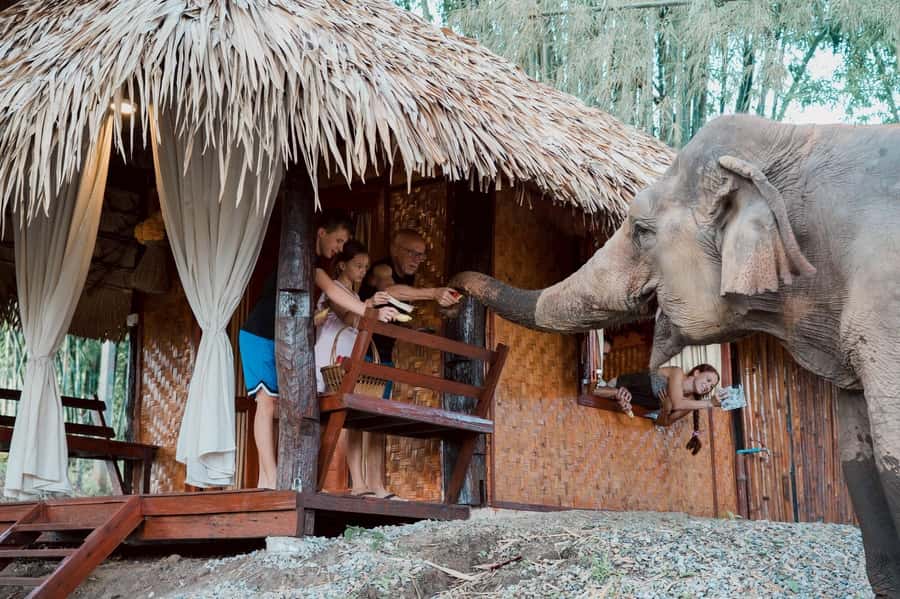
- Waking up to elephants right near your cabin is the standout moment
- Free-roaming time in the reserve means you spend hours watching behavior, not just posing
- Homestay with real hosts adds culture, campfire time, and simple forest comfort
- Hands-on elephant care includes feeding and bathing in the Mae Wang River
- Waterfall + bamboo rafting give you variety on day 2 without feeling rushed
- Small group format keeps the vibe calmer and photo-friendly
More ethical elephant sanctuaries around Chiang Mai, side by side
- Chiang Mai: Elephant Sanctuary, Waterfall & Bamboo Rafting
★ 4.9 · 9,160 reviews - Chiang Mai: Elephant Sanctuary & Waterfall Group Tour
★ 4.9 · 5,780 reviews - Chiang Mai: Elephant Sanctuary Feeding Program Half-Day Tour
★ 4.8 · 4,527 reviews - Chiang Mai: Elephant Sanctuary, Long Neck & Sticky Waterfall
★ 4.9 · 2,262 reviews
The Mae Wang Valley Drive: How Day 1 Gets Your Mind Right
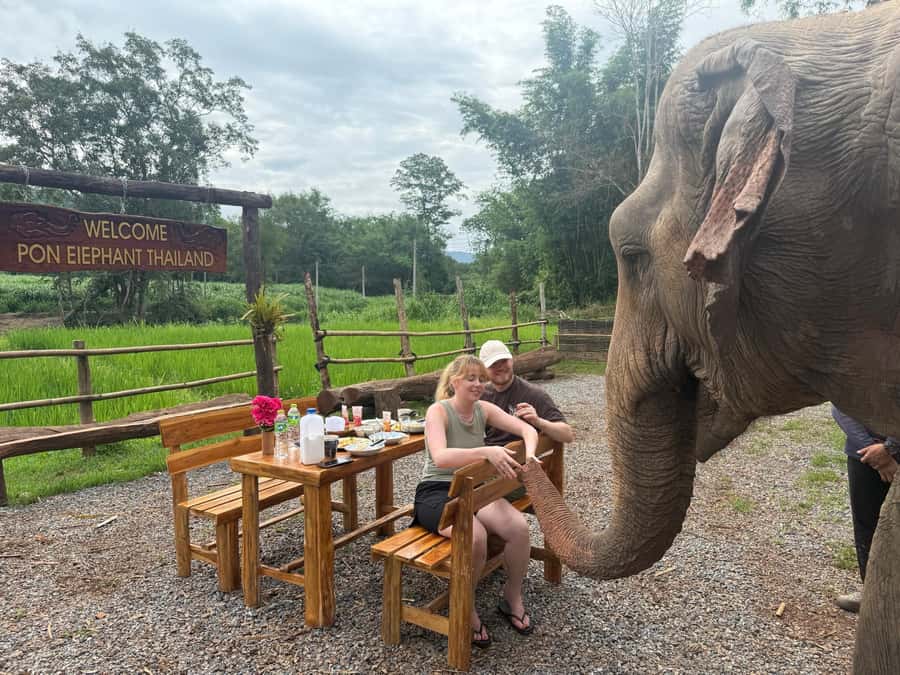
Day 1 starts with pickup from your Chiang Mai accommodation and an afternoon van transfer south to the Mae Wang Valley. The drive takes about 1.5 hours, and you’ll pass valleys, rice fields, and winding rivers—the kind of scenery that quietly signals you’re leaving the city behind.
This matters more than you might think. A lot of elephant tours feel like a stampede from hotel to sanctuary to next stop. Here, the travel leg is long enough that you arrive ready to slow down. You also get the mental shift: you’re not going to a theme park. You’re heading into a forest reserve where the elephants’ daily rhythm sets the tempo.
Pon Elephant Thailand: What You’ll Do With Rescued Elephants
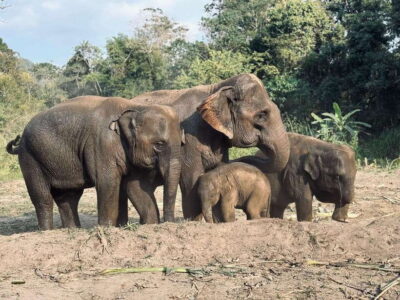
When you arrive at Pon Elephant Thailand, you start by exploring the ethical elephant keeper’s area and meeting elephants living in a friendly jungle village setting. Then the day is built around elephant time in multiple ways: greeting, relaxing with your guide’s explanation, and later bathing/interaction in the Mae Wang River.
Expect more than one kind of elephant encounter
You’re not limited to one small viewing moment. The experience is structured around different stations and activities, which gives you a fuller picture of how caretakers support elephants over the course of the day.
From what’s included, you can count on:
- Seeing elephants living in the sanctuary area
- Bathe and interact as part of the scheduled activities
- Learning basics about Asian elephants and the sanctuary’s background
- Practicing safe approaches (this is part of day 2 instruction)
Overnight treks and village homestays, if you have the days
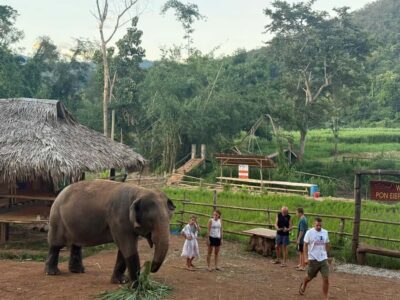
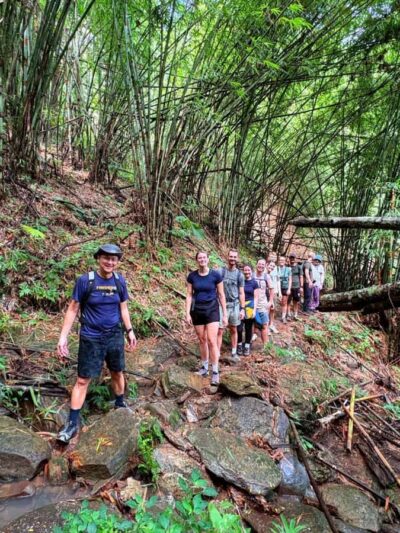
Staffing you’ll hear about: Sak, Noi, YaYA, Nop, Mr Hot, Pat
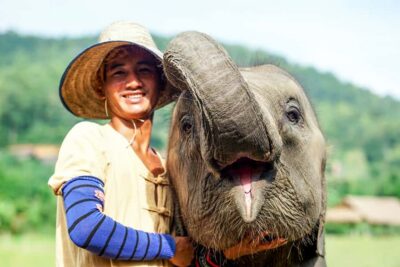
The same names show up again and again in participant feedback, especially Sak and Noi/Nooi as guides, with YaYA, Nop, Mr Hot/Hot, and Pat also credited for making activities smoother and more personal. Even if your own guide is different, it tells you the operator leans on a consistent team style: hands-on interaction paired with explanation, not just “follow me and take photos.”
One honest consideration: bathing and touching
A key point for your decision: feeding and bathing are explicitly part of the experience plan, and some people feel uneasy about any kind of performance or handling tied to tourism. If you want maximum distance, you might find the standard participation approach less satisfying. If you’re okay with guided, safety-focused interaction—and you care most about learning and supporting ethical care—this is likely your sweet spot.
Dinner by the Campfire and Overnight in a Wooden Cabin or Tent
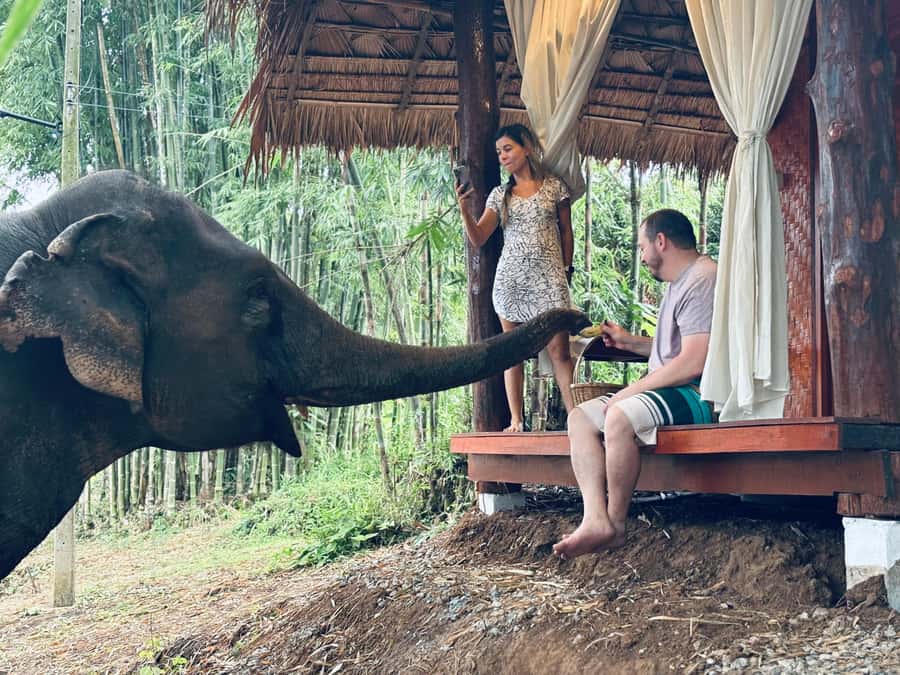
The homestay night is where this tour earns its name. After you arrive in the Mae Wang Valley, you’ll help your guide prepare a delicious dinner and then dine with your host family. Then comes the very Thai-forest piece: listening to the sounds of the jungle at night and hanging out by the campfire.
You can choose to sleep in your own private room in either a wooden cabin or a tent. The important part isn’t the exact structure—it’s the fact that you’re sleeping close enough to the sanctuary routine that the place feels alive, not staged.
What you’re paying for at night
A lot of “2-day” elephant trips cram in an overnight somewhere far away. Here, the overnight is inside the elephant-and-forest atmosphere, so the schedule can include a genuine morning encounter. That’s the real value of staying.
You’ll also likely feel the difference in group size. In a small group, you’re not listening to a dozen conversations at once. You’re sharing space with a handful of people, which makes campfire chat and post-dinner downtime feel more human.
Comfort notes that can save your trip
The tour doesn’t list bedding details, so plan for “forest simple,” not hotel luxury. In particular:
- Evening can get cool depending on season, so bring warm layers
- Mosquito protection isn’t included, so pack insect repellent if you’re sensitive
- Good basic shoes help, because day 2 includes a waterfall swim and some walking time
Day 2 Morning: The Good Morning Elephant Moment
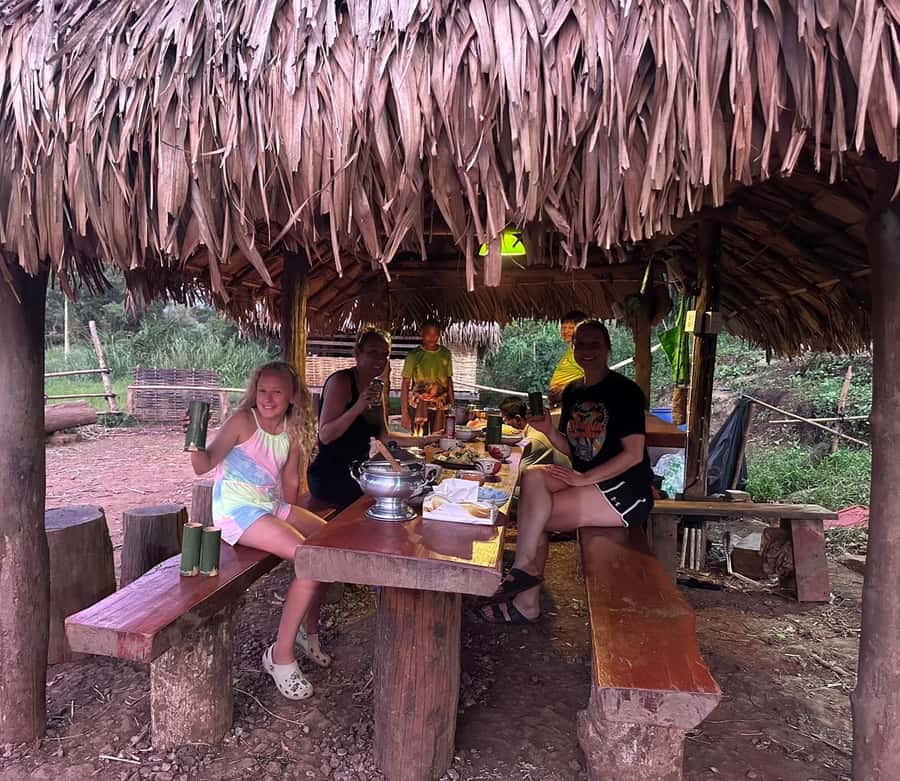
Day 2 begins at the homestay with fresh air and rainforest views. The highlight is waking up to elephants greeting the area—one of those moments that people remember for years. You’ll have time to take photos and videos, but the best use of that time is to watch for behavior, not just angles.
After the morning elephant meet-and-greet, you’ll enjoy breakfast on the terrace surrounded by rainforest and elephant views. That’s a rare combination: breakfast plus wildlife proximity. It’s also why the overnight matters. Day-trippers don’t get this slow morning window.
Elephant Care, Mahout Culture, and the How-Not-How Part
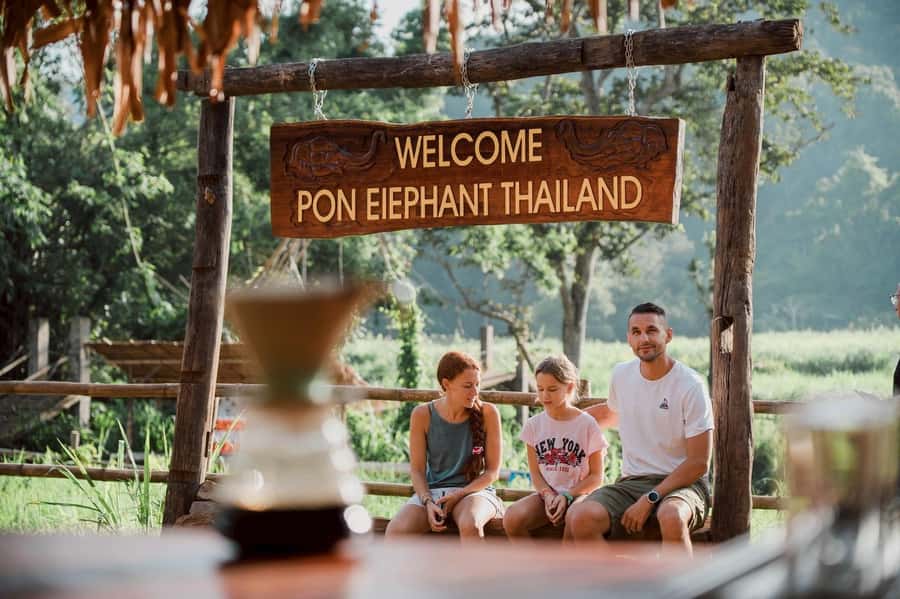
Once breakfast is done, day 2 shifts into learning. You’ll hear about the history and traditional culture of elephants and mahouts, plus a talk about Asian elephants and the sanctuary’s story. Then you’ll get a more practical view of how caretakers approach rescued elephants.
This is one of the more valuable portions of the plan because it focuses on “how you care” and “how you move safely,” not just “look at elephants.” You’ll cover:
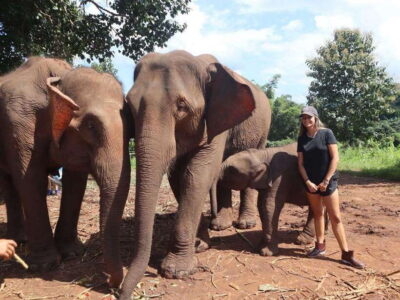
- How adult and baby elephants live together in sanctuary life
- How rescued elephants are cared for
- How to communicate and approach elephants safely
- How caretakers guide feeding and bathing routines
Why I think this instruction is key
Even if you love elephants, it’s easy to turn that excitement into sloppy behavior. Safe approach skills are the difference between respectful interaction and chaotic contact. This tour builds in that guidance, which makes your photos better too—you’ll stand in the right spots and spend time watching instead of hovering.
Mae Wang River Feeding and Bathing: Fun, But Follow the Plan
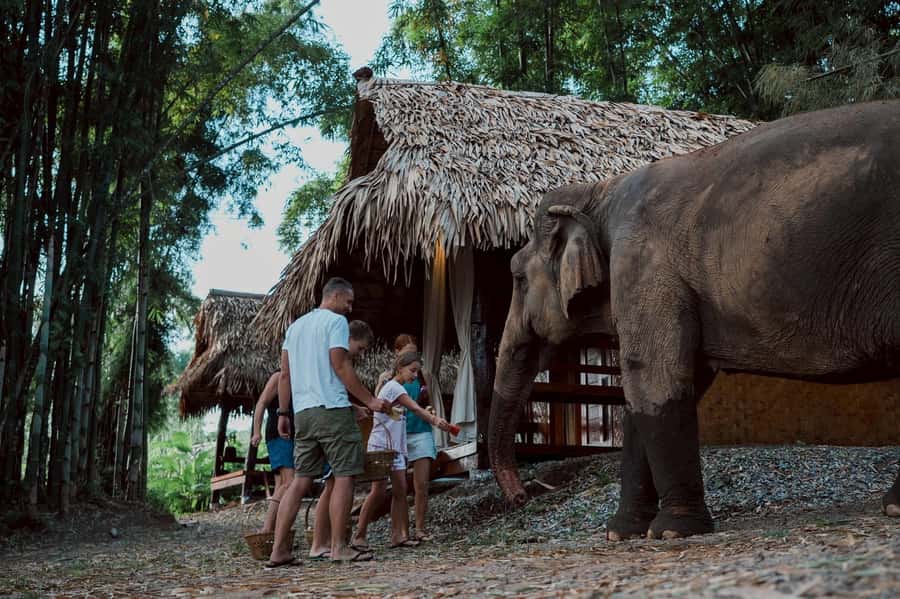
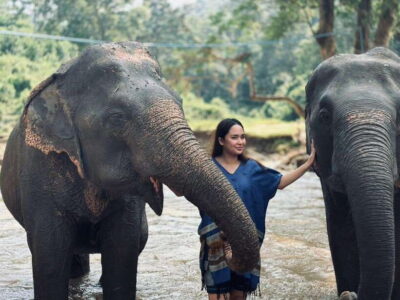
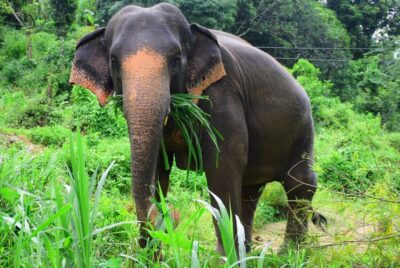
After instruction, you’ll feed and bathe elephants in the Mae Wang River. Then the group follows the slow-walking elephants as they search for food in the lush forest.
This section does two jobs at once:
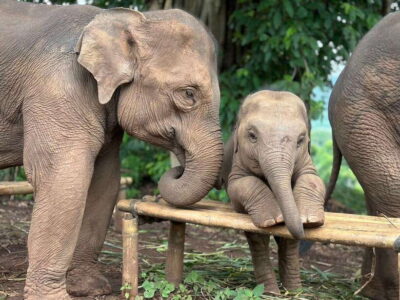
- It gives you the sensory elephant experience people come for—water, movement, close-up calm.
- It lets you observe the elephants doing “elephant things” at their own pace.
What to bring so you actually enjoy it
The trip doesn’t include items like a towel, torch, or extra clothes. So plan ahead:
- Pack a change of clothes for after the river time
- Wear water-friendly footwear if you have it
- Bring insect repellent, since river/forest time can mean bugs
A gentle word on expectations
Some people want the elephants to feel completely untouchable. This program is built for guided interaction. If that’s your biggest concern, you can still keep it respectful by letting the staff lead and keeping your own participation limited to what’s asked.
Mae Wang Waterfall Swim and Bamboo Rafting Finish
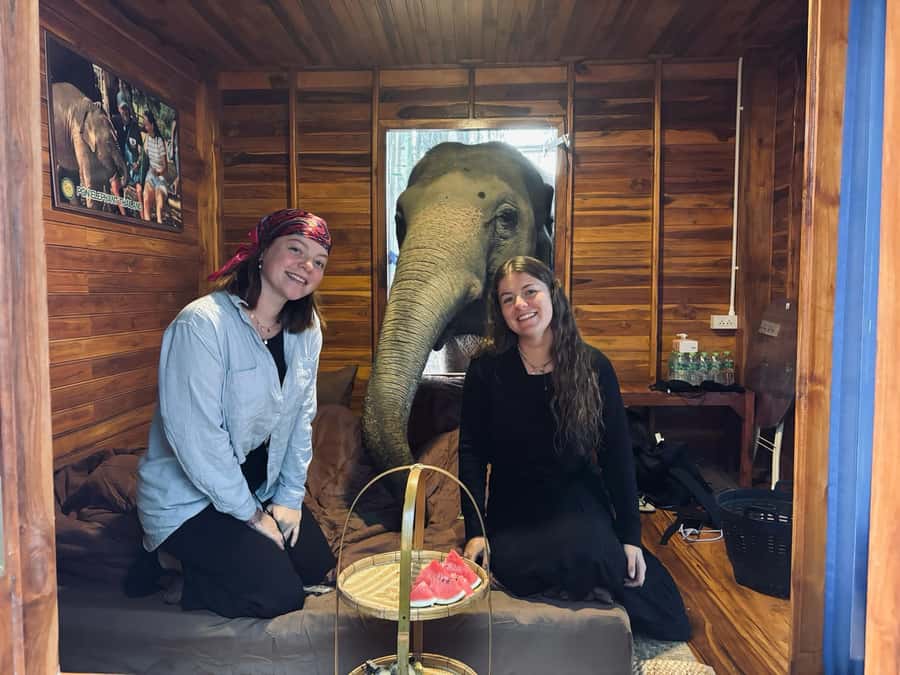
The final stretch blends nature fun with an easy close to your elephant weekend.
After you finish your elephant activity and collect luggage, the tour departs Pon Elephant Thailand and includes a swim at Mae Wang Waterfall. Then it’s time for bamboo rafting along the Mae Wang River, with 40–50 minutes on a traditional raft. You’ll finish rafting, change clothes, and then return to Chiang Mai by van, arriving around 5:00 PM.
Why this ending works
It prevents “elephant overload.” Your day 2 already has feeding/bathing and plenty of observation. A waterfall swim and rafting add a reset without taking you to another faraway attraction that drains your energy.
It also gives you something to do that isn’t photo-dependent. You’ll remember the ride, not only the shots.
Price and Value: Why $128 Can Make Sense Here
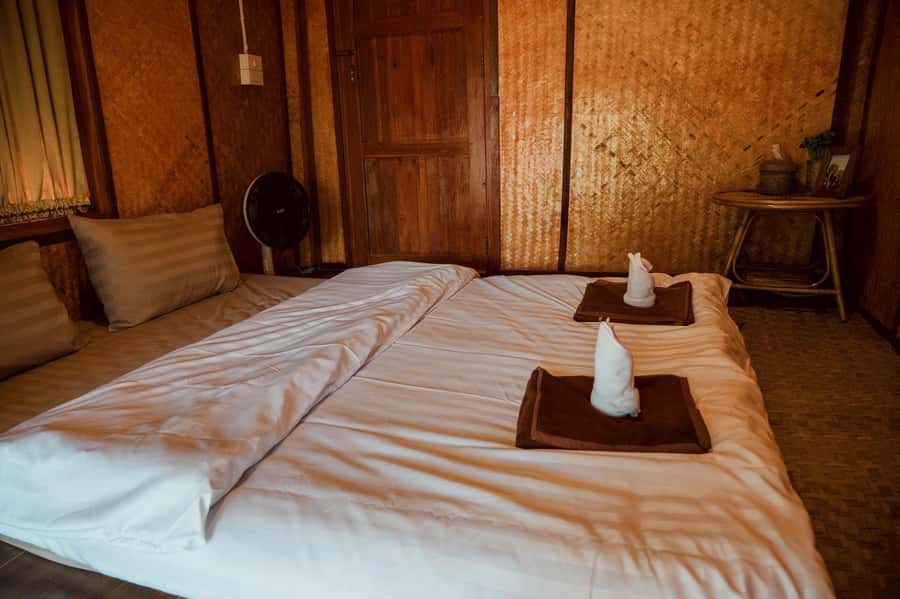
At $128 per person for 2 days, this tour isn’t cheap, but it’s also not only paying for one attraction. You’re getting a full package:
- Hotel pickup and drop-off by van in Chiang Mai
- English-speaking guide
- All meals and drinking water (1 lunch, 1 dinner, 1 breakfast)
- 1 night of accommodation
- Accident insurance
- Elephant sanctuary visit
- Waterfall visit
- Bamboo rafting
Where value gets real is in the overnight. If you only did daytime elephant time, you’d lose the homestay morning encounter and the campfire evening vibe. The tour price is basically buying you access to that slower schedule and the added nature activities on day 2.
Who this is best for
This plan is a great fit if you:
- Want an ethical elephant experience with meaningful time on-site
- Appreciate learning about elephant care and safe behavior
- Like the idea of sleeping close to the forest and waking up to the area
- Want a small group experience (up to 14 people)
It’s less ideal if you:
- Want zero-contact interaction
- Hate cold evenings and aren’t willing to pack warm layers
- Get frustrated by basic nature logistics (river time, changing clothes, mosquitoes)
Should You Book This Chiang Mai 2-Day Elephant + Homestay?
If your goal is a real sanctuary-style weekend—not a quick in-and-out photo stop—and you’re excited by the idea of waking to elephants, then yes, you should book it. The overnight isn’t a throwaway add-on. It’s the engine that drives the best moments: dinner with hosts, campfire downtime, and the morning elephant encounter.
Just go in with clear expectations: feeding and bathing are included, and the experience is hands-on in a guided, respectful way. If that aligns with what you want to support, this is strong value for Chiang Mai.
FAQ
FAQ
What’s included in the price?
The tour includes hotel pickup and drop-off (van in Chiang Mai City), a round-trip transfer by van, an English-speaking tour guide, all meals and drinking water (1 lunch, 1 dinner, 1 breakfast), 1 night of accommodation, accident insurance, an elephant sanctuary visit, a waterfall visit, and bamboo rafting.
How long is the experience?
It runs for 2 days.
Where are you picked up and dropped off?
Pickup and drop-off are included in Chiang Mai City by van. You’ll be asked to wait in the hotel lobby about 10 minutes before the scheduled pickup time, and drivers wait no longer than 15 minutes after that scheduled time.
Is the group small?
Yes. The tour is limited to 14 participants.
What language is the tour guide?
The tour provides an English-speaking tour guide.
What happens on the overnight?
You spend 1 night in a homestay with your own private room. The tour mentions sleeping in a wooden cabin or tent, and day 2 starts at the homestay for the morning elephant encounter.
Do you feed or bathe the elephants?
Yes. Day 2 includes feeding and bathing elephants in the Mae Wang River as part of the scheduled activities.
What should I bring?
The tour does not include personal medication, insect repellent, hat, torch, towel, sunglasses, or extra clothes. You should plan to bring these items if you need them.
What if I’m traveling alone?
If you book as a single person, you must be prepared to share with another guest of the same gender.
Is cancellation free?
Yes, you can cancel up to 24 hours in advance for a full refund.
What time do you return to Chiang Mai?
Day 2 includes rafting and a return drive, with arrival in Chiang Mai around 5:00 PM.
More Tour Reviews in Chiang Mai
- Half-Day Thai Cooking Class at Organic Farm in Chiang Mai★ 5.0 · 19,087 reviews
- Chiang Mai: Elephant Sanctuary, Waterfall & Bamboo Rafting★ 4.9 · 9,160 reviews
- Chiang Mai: Doi Inthanon National Park Eco-Friendly Tour★ 4.6 · 6,667 reviews
- Chiang Mai: Elephant Sanctuary & Waterfall Group Tour★ 4.9 · 5,780 reviews
- Chiang Mai: Chiang Rai Temples, Karen Tribe and Hot Springs★ 4.7 · 5,401 reviews
More Overnight Treks and Homestays
- Chiang Mai: 2-Day Jungle Trek with Elephant Farm & Raft Ride★ 4.7 · 881 reviews
- Chiang Mai: 2-Days Jungle Trek, Waterfalls and Karen Village★ 4.8 · 103 reviews
- Chiang Mai 2-Day: Trekking, Tubing & Elephant Observation★ 4.9 · 95 reviews
- Private Tour: 2-Day Authentic Hill Tribe Villages and Karen Hill Tribe Homestay★ 5.0 · 40 reviews
- 3-Day Chiang Dao Mountain Trek★ 5.0 · 36 reviews
More Elephant Sanctuaries Near Chiang Mai
- Chiang Mai: Elephant Sanctuary, Waterfall & Bamboo Rafting★ 4.9 · 9,160 reviews
- Chiang Mai: Elephant Sanctuary & Waterfall Group Tour★ 4.9 · 5,780 reviews
- Chiang Mai: Elephant Sanctuary Feeding Program Half-Day Tour★ 4.8 · 4,527 reviews
- Chiang Mai: Elephant Sanctuary, Long Neck & Sticky Waterfall★ 4.9 · 2,262 reviews
- From Chiang Mai: Elephant Care Program and Nursery Tour★ 4.8 · 1,899 reviews
Fresh off the pile: Chiang Mai tours we have just written up



Ethical Elephant Sanctuaries, compared.
 ★ 4.9Elephant Sanctuary, Waterfall & Bamboo RaftingFrom $609,160 reviews
 ★ 4.9Elephant Sanctuary & Waterfall Group TourFrom $505,780 reviews
 ★ 4.8Elephant Sanctuary Feeding Program Half-Day TourFrom $274,527 reviews
 ★ 4.9Elephant Sanctuary, Long Neck & Sticky WaterfallFrom $632,262 reviews
 ★ 4.8Elephant Care Program and Nursery TourFrom $531,899 reviews
 ★ 4.9Small Group Ethical Elephant Sanctuary TourFrom $771,572 reviews
 ★ 5.0Half Day Visit Smile Elephant Chiang MaiFrom $501,216 reviews
 ★ 4.9Doi Inthanon and Elephant Sanctuary TourFrom $811,091 reviews
Browse the lists this tour appears in