
Reviewed · JUNGLE TREKKING & HIKING
Chiang Mai Authentic Trekking
Up a jungle mountain, no tourist shortcut. This Chiang Mai day trek pairs Karen Hill Tribe culture with big valley views, led by English-speaking guides like Pan who focus on real walking, not just photo stops. I like how the trip supports local businesses along the way, and keeps the pace grounded in village life.
What really makes it click is the mix of hands-on nature lessons and a genuine climb: you’ll hike through rice fields and evergreen forest while Pan points out plants used for food and medicine. A big pro for me is the small-group feel, limited to 8 participants, so questions land fast and the day stays personal.
The only real caution is effort. This is a medium trek—about 10–12 km with roughly 4–5 hours of hiking—plus some steep, slippery sections, so it’s not ideal if you want an easy stroll.
In This Review
- Quick hits before you go
- Why this trek feels Karen-village authentic (Khun Poi, school, everyday work)
- The 7:45–8:00 AM start: hotel pickup, market stop, and pacing
- The trek begins at the village school: shifting from visitors to walkers
- 12km of mountain trail: medium difficulty, steep bits, and what you’ll see
- Phalai Mountain: the payoff view, plus lunch with a purpose
- Hill tribe farms on the way back: coffee and fruit along the path
- Hidden waterfall refresh: swimming, photos, and the end-of-day reset
- Price and value: what $57 covers for a real trekking day
- What to bring (and what actually matters on a medium mountain trek)
- Seasons and timing: choosing your month for trail feel
- Who this suits best (and who should skip it)
- Should you book Chiang Mai Authentic Trekking?
- FAQ
- How long is the trekking day and how much distance is covered?
- What difficulty level is this trek?
- What’s included in the price?
- Do I need to pay extra for food or drinks?
- What should I bring?
- How big is the group and what language is the guide?
Quick hits before you go
- Small group (max 8): more attention from Pan and his colleague, and fewer people on the trails
- Culture with context: Khun Poi village and a school visit so you see daily routines, not staged moments
- Real jungle walking: evergreen forest trails plus edible plants and herbs you learn to identify
- Phalai Mountain summit views: valley, village, and mountain panoramas when the sky cooperates
- Fresh-air lunch in the forest: a hearty break after the climb, with lunch connected to what you pick up at the market
- Waterfall time: a secluded spot to swim or just cool off after trekking
More jungle treks and hill trails out of Chiang Mai
- 3-in-1: Doi Inthanon Tour, Elephant Sanctuary, and Trekking Trail
★ 5.0 · 1,087 reviews - Chiang Mai: Doi Inthanon Trip with Pha Dok Siew Guided Trek
★ 4.6 · 910 reviews - Chiang Mai: 2-Day Jungle Trek with Elephant Farm & Raft Ride
★ 4.7 · 881 reviews - Chiang Mai: Doi Inthanon Park with Kew Mae Pan Hike Day Trip
★ 4.7 · 841 reviews
Why this trek feels Karen-village authentic (Khun Poi, school, everyday work)
This day starts with the part many Chiang Mai treks skip: learning how people actually live in the hills. You’ll go to Khun Poi, a Karen community surrounded by mountains and farmland, and you’ll see agriculture as a way of life—not a backdrop.
A standout moment is the school visit at the start of the trek. You get to witness children enjoying their day, which changes the whole tone of the hike. It turns the day from nature sightseeing into a cultural encounter with real rhythm.
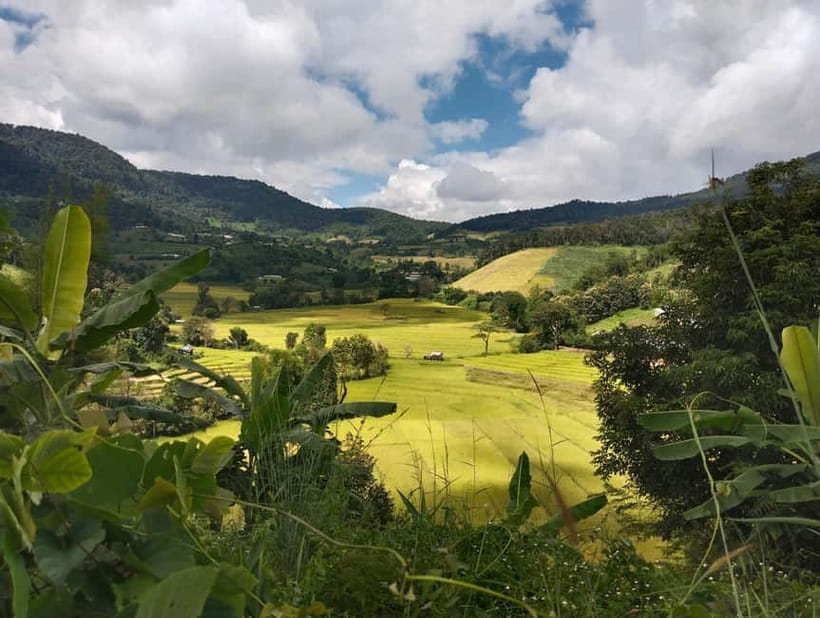
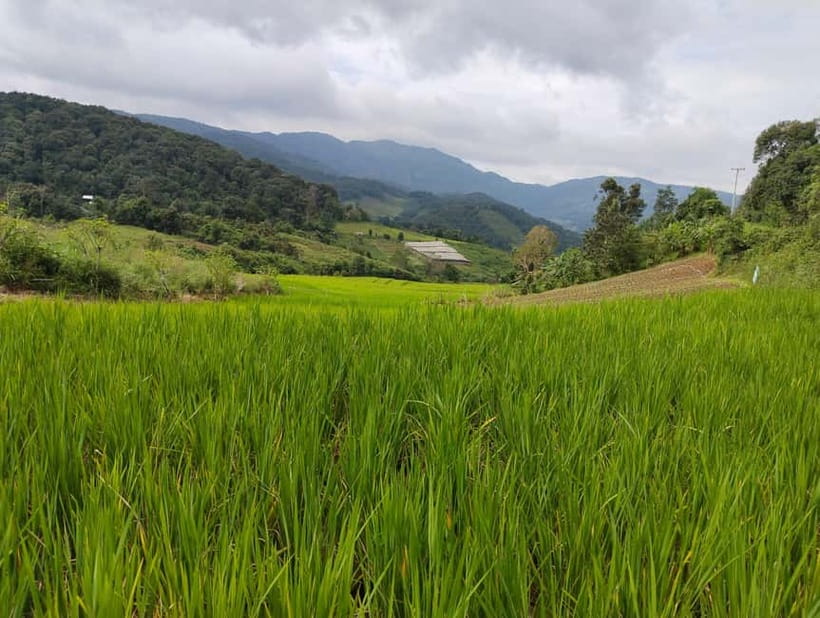
From there, you’re not just passing through farmland. You’re walking through it—where food grows, where routines happen, and where farming choices depend on the terrain. That matters because it explains why the paths, crops, and community routes look the way they do.
The 7:45–8:00 AM start: hotel pickup, market stop, and pacing
Your guide meets you at your hotel between 7:45 and 8:00 AM. Then you drive south of Chiang Mai into the countryside, with scenery along the route that helps you shake off the city before the hike.
Before the walking begins, there’s a stop at a traditional Thai market. It’s practical: you can buy lunch and drinking water, and your guide introduces local ingredients and snacks. This is also the point where the day stops feeling like a “show” and starts feeling like a local routine you’re tagging along for.
One small logistics note: pickup is included, but you should wait in the hotel lobby about 10 minutes before the scheduled time. Chiang Mai is easy to navigate, yet the start of a trek is unforgiving—miss the window and you miss the day.
The trek begins at the village school: shifting from visitors to walkers
Once you’re in the village area, the day becomes steadily physical and steadily interesting. You start trekking from the village school, which means you’re entering the trail from within the community rather than arriving at the edge like an outsider with a checklist.
This is where Pan’s style really shows. Instead of treating the vegetation like generic “jungle,” he focuses on plants people use. You’ll hear about what grows nearby and how it fits into daily life.
If you like nature, you’ll probably love the way this portion connects plants to food and medicine. If you’re more casual, it still works because the walking continues while the explanation keeps things from turning repetitive.
Nothing jumping out yet? More Chiang Mai trips are just down the page
12km of mountain trail: medium difficulty, steep bits, and what you’ll see
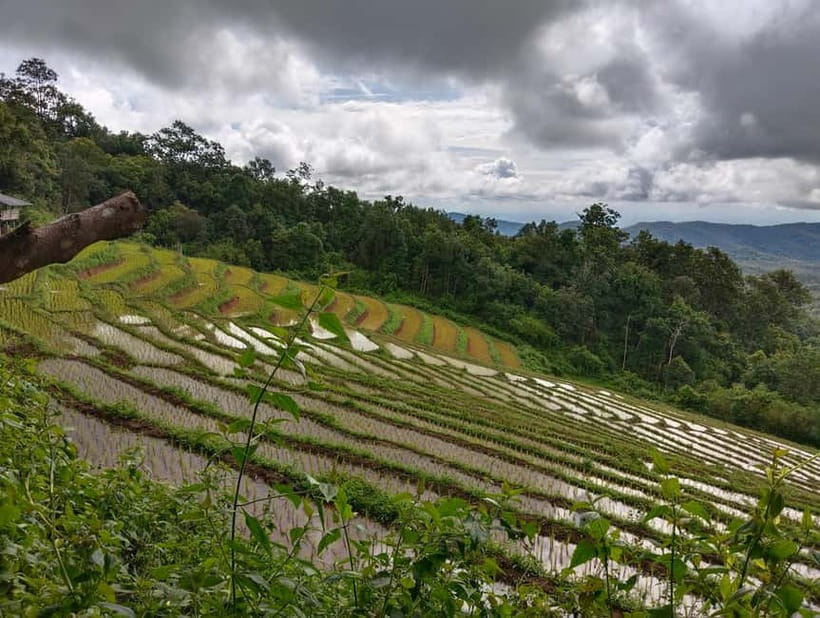
The heart of the day is the hike. Total trekking is about 12 km, usually taking 4–5 hours for the walking portion. Overall difficulty is listed as medium, but the terrain can feel like a real workout—especially once the climb starts and you’re on uneven ground.
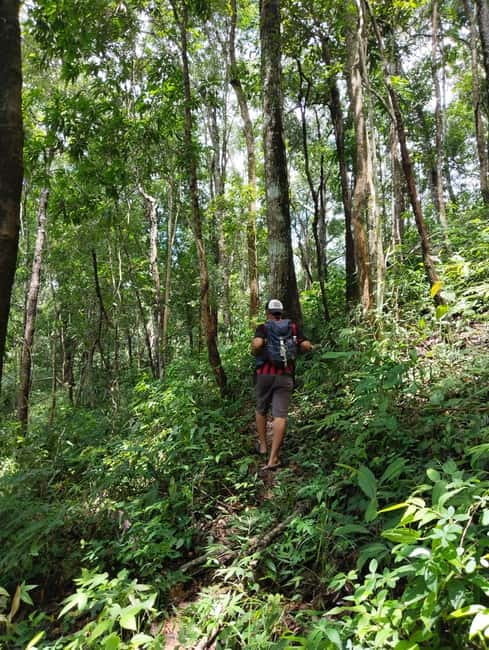
Expect a route through rice fields, evergreen forest, and natural trails. You’re also walking in areas where edible plants and herbs grow, and your guide points out many types of vegetation tied to daily use.
Wildlife is possible in the right spots—things like wild boar, gibbons, barking deer, and lots of birds. You won’t see every animal, but the fact that these species are often present tells you the route is genuinely in nature, not a manicured path designed for tourists.
A practical caution from the overall experience: some segments can be steep and slippery. This is why comfortable hiking shoes and insect repellent matter more than a stylish outfit. If you get nervous on uneven footing, bring extra care early in the day—before your legs get tired.
Phalai Mountain: the payoff view, plus lunch with a purpose
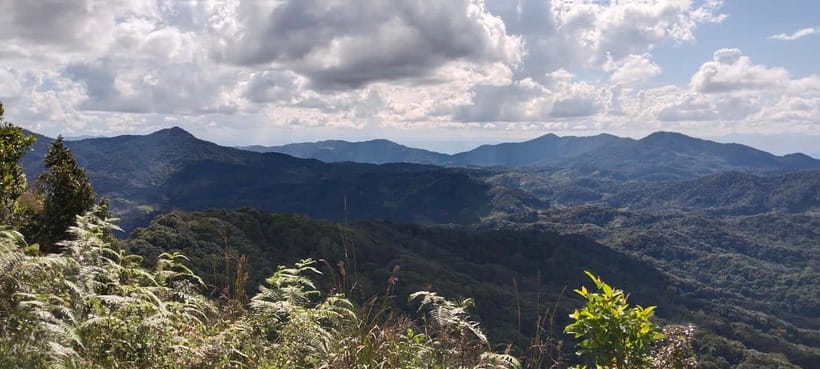
At some point you’ll push up to Phalai Mountain, located between Chom Thong and Mae Wang districts and connected to the Doi Inthanon National Park area. This is the segment where the day’s effort turns into valley views.
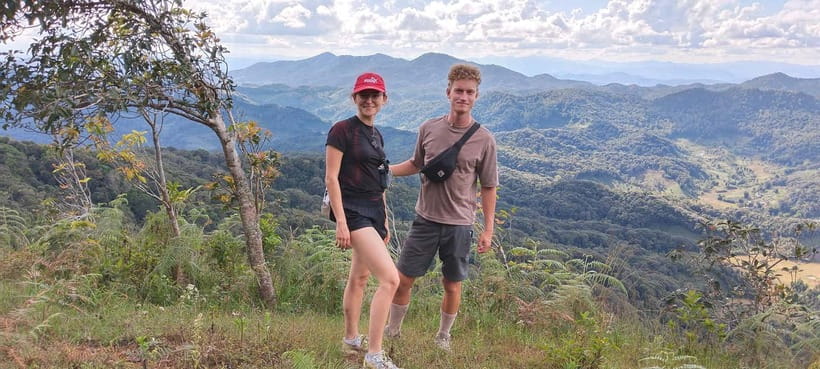
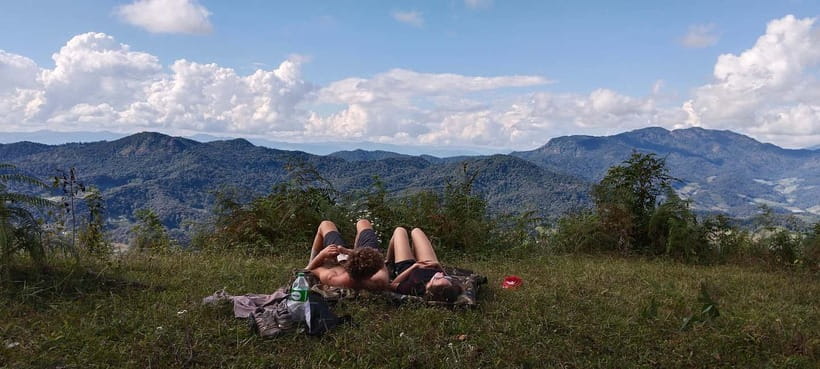
The experience here is very straightforward: you reach a higher point, you pause, and you take in the panorama of valley, villages, and surrounding mountains. It’s not just scenery for scenery’s sake. Being higher up helps you understand how the communities and fields sit across the hills.
Lunch comes at a good moment—after the climb. There’s a healthy forest lunch with fresh air and quiet surroundings, and it connects back to the market stop earlier in the day. The result is that you’re not just eating because time passed; you’re eating because you earned it.
Hill tribe farms on the way back: coffee and fruit along the path
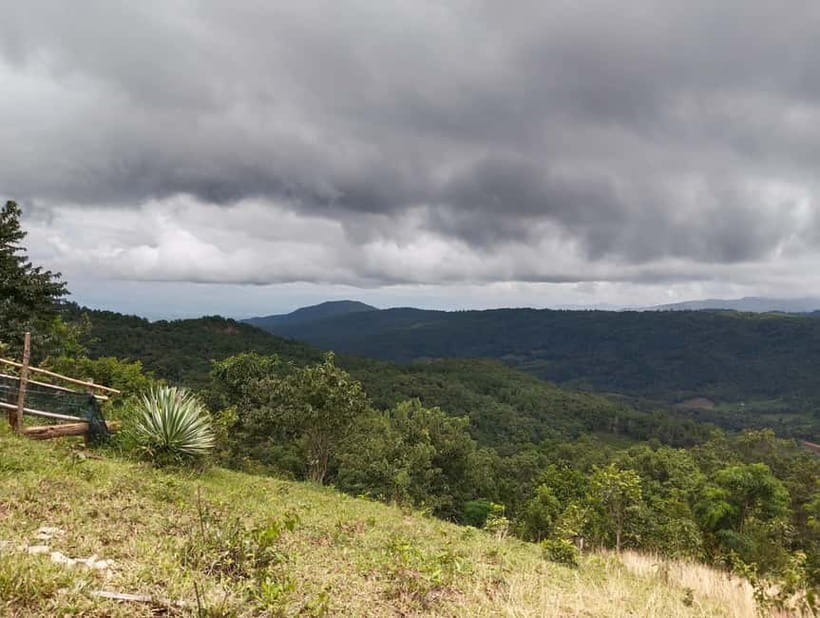
After lunch, the trail keeps going through hill tribe farming areas. You’ll follow mountain paths past local crops such as coffee, passion fruit, cape gooseberry, tomatoes, zucchini, taro, and more.
This part is surprisingly satisfying if you like details. The route shows how farming works with slopes and seasonal conditions, and your guide shares how the community lives in harmony with nature.
The big win: you get variety. Instead of a single “up, stop, down” formula, your return route adds new scenery and new learning points. Even the act of walking becomes a guided lesson.
Hidden waterfall refresh: swimming, photos, and the end-of-day reset
After the trek, you’ll cool off at a secluded waterfall. This is one of those end-of-day perks that makes the earlier effort feel worth it—especially if you’ve been sweating on steep trail.
You can swim or just relax and take photos. Either way, it’s a reset moment before you head back to Chiang Mai. It also helps explain why you should pack a towel and swimwear if you’re even slightly interested in a dip.
Then it’s back by van to the city, with arrival around 5:00 to 6:00 PM. You’ll be tired, but in a good way—the kind of tired that makes dinner taste better.
Price and value: what $57 covers for a real trekking day
At $57 per person for a full day, this trek competes well with many Chiang Mai “tour” options—because your money buys both structure and coverage.
You get hotel pickup/drop-off in the city area, transportation, an English-speaking guide plus a local assistant, and accident insurance. You also get lunch and drinking water. In other words, you’re not paying extra to make the day function.
The small group size (max 8) helps justify the price too. More space, more questions, and less crowding on steeper bits of trail. For a 4–5 hour walking day with cultural stops and a waterfall cooldown, that’s solid value.
What to bring (and what actually matters on a medium mountain trek)
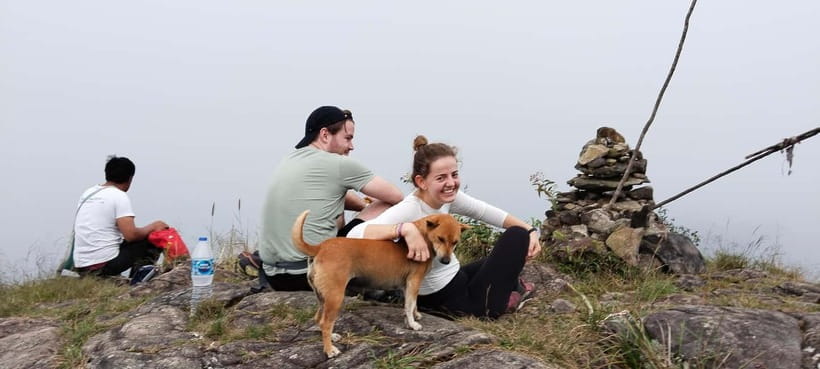
Use the packing list as a checklist, not a suggestion. Here’s what I’d prioritize based on how this trek plays out:
- Comfortable shoes or proper hiking shoes for steep, slippery sections
- Sun hat and sunscreen (you’re exposed along mountain paths)
- Insect repellent (forest and trail = keep bug spray handy)
- Swimwear + towel for the waterfall refresh
- Daypack for water and personal items
- Camera if you want to capture valley views and village scenes
- Cash in case you want souvenirs or extra snacks
If you’re carrying personal medication, bring it with you in your daypack. And for weather, dress in comfortable clothes that handle humidity and sudden shade changes along the trail.
Seasons and timing: choosing your month for trail feel
This trek runs year-round, but the trail experience shifts with the seasons.
- Mid-February to mid-May: summer season
- Mid-May to mid-October: rainy season
- Mid-October to mid-February: winter season
During rainy months, expect wetter ground and more slippery footing on the mountain trails. Even in cooler months, the trail can still be uneven, so shoes and good pacing matter year-round.
Also plan on a full day with a late afternoon return. You won’t feel like squeezing in much after you’re back around 5–6 PM, so book something low-key for the evening.
Who this suits best (and who should skip it)
This is best for people who want an active day, not a slow cultural stroll. You’ll likely enjoy it most if you like hiking, learning about plants, and being in nature for hours.
It’s not suitable for pregnant women, people with mobility impairments, people with heart problems, wheelchair users, babies under 1 year, and people over 70 (including older than 95). If you’re unsure about your fitness level, look closely at the medium difficulty and the 10–12 km mountain terrain.
If your idea of “relaxing” is a chair with a view, you might feel the effort more than you want. If your idea of a great day includes a real climb and a muddy, wonderful trail under your feet, this fits.
Should you book Chiang Mai Authentic Trekking?
Book it if you want a day that blends culture and hiking in a way that feels practical, not performative. The small group, Pan’s focus on plants used for food and medicine, and the mix of rice fields, forest, summit views, and a waterfall swim make it a standout value.
Skip it if you need an easy route. This is medium trekking with steep, slippery sections, and the walking takes real time. Also, if you’re in a group with limited mobility or a health condition that makes inclines risky, this one isn’t a match.
If you’re healthy, steady on your feet, and excited to learn while you walk, this is the kind of Chiang Mai day trip that stays with you.
FAQ
How long is the trekking day and how much distance is covered?
The trekking duration is about 4–5 hours, with roughly 10–12 km (listed as 12 km total trekking distance) on mountain terrain. The full experience runs as a 1-day tour with hotel pickup and a return to Chiang Mai around 5:00–6:00 PM.
What difficulty level is this trek?
It’s listed as medium difficulty. The route includes a mountain trail with some steep, slippery sections, so comfortable hiking shoes are important.
What’s included in the price?
Included are hotel pickup and drop-off around Chiang Mai, transportation, accident insurance, an English-speaking tour guide and local assistant, and lunch plus drinking water.
Do I need to pay extra for food or drinks?
Lunch is included, and the itinerary includes a stop at a local market where you can buy lunch and drinking water. Souvenirs, soft drinks, and snacks are not included and would be for your own expense.
What should I bring?
Bring comfortable shoes (or hiking shoes), sun hat, sunscreen, insect repellent, comfortable clothes, a daypack, camera, swimwear and a towel (for the waterfall), personal medication, and cash. Weather-appropriate clothing also helps.
How big is the group and what language is the guide?
The group is small, limited to 8 participants. The tour guide speaks English.
More Hiking & Trekking in Chiang Mai
- 3-in-1: Doi Inthanon Tour, Elephant Sanctuary, and Trekking Trail★ 5.0 · 1,087 reviews
- Chiang Mai: Doi Inthanon Trip with Pha Dok Siew Guided Trek★ 4.6 · 910 reviews
- Chiang Mai: 2-Day Jungle Trek with Elephant Farm & Raft Ride★ 4.7 · 881 reviews
- Chiang Mai: Doi Inthanon Park with Kew Mae Pan Hike Day Trip★ 4.7 · 841 reviews
- Chiang Mai: Doi Inthanon Park and Pha Dok Siew Trail Trek★ 4.6 · 752 reviews
More Tour Reviews in Chiang Mai
- Half-Day Thai Cooking Class at Organic Farm in Chiang Mai★ 5.0 · 19,087 reviews
- Chiang Mai: Elephant Sanctuary, Waterfall & Bamboo Rafting★ 4.9 · 9,160 reviews
- Chiang Mai: Doi Inthanon National Park Eco-Friendly Tour★ 4.6 · 6,667 reviews
- Chiang Mai: Elephant Sanctuary & Waterfall Group Tour★ 4.9 · 5,780 reviews
- Chiang Mai: Chiang Rai Temples, Karen Tribe and Hot Springs★ 4.7 · 5,401 reviews
More Jungle Treks and Trails
- 3-in-1: Doi Inthanon Tour, Elephant Sanctuary, and Trekking Trail★ 5.0 · 1,087 reviews
- Chiang Mai: Doi Inthanon Trip with Pha Dok Siew Guided Trek★ 4.6 · 910 reviews
- Chiang Mai: 2-Day Jungle Trek with Elephant Farm & Raft Ride★ 4.7 · 881 reviews
- Chiang Mai: Doi Inthanon Park with Kew Mae Pan Hike Day Trip★ 4.7 · 841 reviews
- Chiang Mai: Doi Inthanon Park and Pha Dok Siew Trail Trek★ 4.6 · 752 reviews
Fresh off the pile: Chiang Mai tours we have just written up

Jungle Trekking & Hiking, compared.
 ★ 5.03-in-1: Doi Inthanon Tour, Elephant Sanctuary, and Trekking TrailFrom $481,087 reviews
 ★ 4.6Doi Inthanon Trip with Pha Dok Siew Guided TrekFrom $50910 reviews
 ★ 4.72-Day Jungle Trek with Elephant Farm & Raft RideFrom $97881 reviews
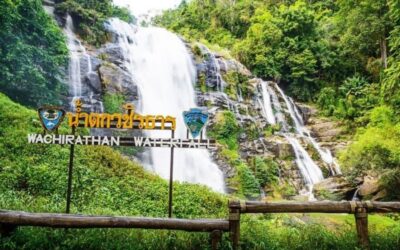 ★ 4.7Doi Inthanon Park with Kew Mae Pan Hike Day TripFrom $62841 reviews
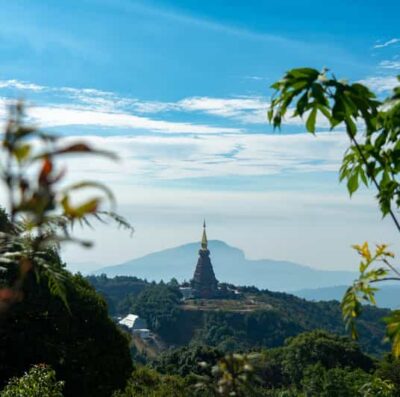 ★ 4.6Doi Inthanon Park and Pha Dok Siew Trail TrekFrom $61752 reviews
 ★ 4.6Chiang Mai – Doi Suthep Temple & Wat Pha Lat HikeFrom $25740 reviews
★ 5.0Chiang Mai – Doi Suthep Temple & Wat Pha Lat HikeFrom $26657 reviews
★ 4.6Chiang Mai – Doi Suthep Temple & Wat Pha Lat HikeFrom $25740 reviews
★ 5.0Chiang Mai – Doi Suthep Temple & Wat Pha Lat HikeFrom $26657 reviews
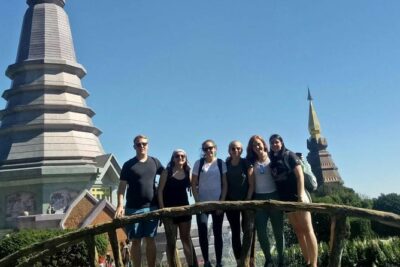 ★ 5.0Doi Inthanon Private Tour with Trek & Lunch from Chiang MaiFrom $135622 reviews
Browse the lists this tour appears in