
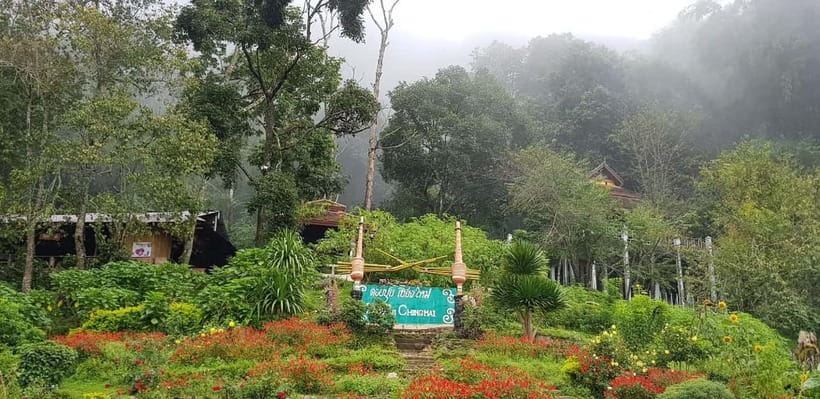
Reviewed · DOI SUTHEP & TEMPLE TOURS
Chiang Mai: Doi Suthep Temple & Hmong Village Tour
Chiang Mai views start before you even arrive. This half-day tour pairs the golden splendor of Wat Phrathat Doi Suthep with a Hmong hill tribe village visit, set up for a smooth day in about four hours.
You’ll get two big wins: the temple’s golden pagoda and the long-drama Naga staircase (306 steps) up to it. You also get a true viewpoint moment from about 3,520 feet (1,056 meters), plus a guided look at local mountain life.
One possible drawback: the village stop is short and has a shopping element, so if you want slow pacing or lots of time to wander, plan your expectations.
In This Review
- Quick take: what you should care about most
- From your hotel to the hills: how the day moves
- Entering Wat Phrathat Doi Suthep: the Naga stairs and cable car choice
- The golden pagoda viewpoint at about 1,056 meters
- A licensed English guide: what makes the temple stop worth it
- The Hmong hill tribe village stop: culture, crafts, and limits
- Shopping without the stress: how to handle the village market vibe
- Price and value: what $22 includes (and what doesn’t)
- Practical stuff: what to wear, bring, and avoid
- Who this tour is best for (and who might skip it)
- Should you book the Chiang Mai Doi Suthep & Hmong Village tour?
- FAQ
- What’s the duration of the Chiang Mai: Doi Suthep Temple & Hmong Village tour?
- Where is pickup offered?
- What time will I be picked up?
- How do I get up to Wat Phrathat Doi Suthep?
- Is the Wat Phrathat Doi Suthep ticket included?
- Is there an extra ticket for the Hmong village stop?
- Is the tour led by an English guide?
- What should I bring with me?
- Are there any dress code rules?
- Is the tour wheelchair accessible?
Quick take: what you should care about most
- Doi Suthep is the star: golden pagoda, Lanna-style details, and a high viewpoint over Chiang Mai
- You choose your climb: cable car is included, or you can take the 306-step Naga stairs
- Short village visit: guided exploration plus a chance to buy textiles and crafts
- Extra cost can pop up: an optional village museum ticket (20 Baht) is not included
- English guide quality matters: you’ll want a guide who explains what you’re seeing, not just where to stand
Other ways up to Doi Suthep and the temples on its slopes
- Chiang Mai: Doi Suthep and Wat Umong Enchanting Evening Tour
★ 4.6 · 1,811 reviews - Chiang Mai: Doi Suthep, Wat Umong, and Pha Lat Sunrise Tour
★ 4.7 · 1,425 reviews - Chiang Mai: Wat Pha Lat & Wat Phra That Doi Suthep Tour
★ 4.8 · 1,207 reviews - Chiang Mai – Doi Suthep Temple & Wat Pha Lat Hike
★ 4.6 · 740 reviews
From your hotel to the hills: how the day moves
This tour is built for a half-day rhythm. Pickup runs in a couple time windows depending on where you stay: if you’re in Night Bazaar or Old Town, you’ll be picked up around 8:00–8:30 am. If you’re in Santitham or Nimman, pickup is more like 8:30–9:00 am. That difference matters because the drive into the hills takes time and you’ll want the temple stop to feel unhurried, not rushed.
Once you’re in the van, you’ll spend about an hour driving through the rolling hills around Chiang Mai. This is one of those trips where the scenery is part of the value: you’re leaving city rhythm behind and heading toward a mountain temple setting that feels separate from the streets below.
After the temple and the village visit, you’ll ride again and then be dropped off at downtown options (including a McDonald’s in Chiang Mai and another stop near the Im Hotel area). The total tour time is around 4 hours, so you’re not signing up for a full-day expedition. You’re signing up for focused highlights.
Entering Wat Phrathat Doi Suthep: the Naga stairs and cable car choice
The experience starts at the base of the temple area. From there, you have two practical options, and both are part of why this tour is popular.
1) Cable car (included): This is the low-effort route and a smart call if you’re traveling with knee pain, want to save energy for the viewpoint, or are simply trying to keep the day moving.
2) Stairs (306 steps): If you take the climb, it’s not just steps. The staircase is decorated with the mythical Naga serpent theme. It’s an iconic temple approach and a good way to “read” the temple from the ground up.
If you’re standing at the base wondering what’s best, here’s how I think about it: the cable car doesn’t change the payoff at the top. You still get the golden pagoda and the big city views. The stairs just add effort and a more dramatic arrival.
The golden pagoda viewpoint at about 1,056 meters
Once you’re at the top, the main visual hit is Wat Phrathat Doi Suthep’s golden pagoda. It follows a Lanna architecture feel, with engraved gold plates covering the structure. On either side you’ll notice four ornamental umbrellas, which adds a kind of ceremonial frame to the whole scene.
Then comes the part many people remember most: the view. You’re looking out from a mountain viewpoint at roughly 3,520 feet (1,056 meters). On a clear day, you can get a real sense of Chiang Mai’s spread below—enough to make the ride worth it even if you’re not the type who studies temple details.
Photography tip that actually helps: give yourself time to shift angles. People often take the first photo, then move on. But the temple looks different as you walk and as the light changes through gaps in the structure and railings.
Visits to the Karen, Hmong and Akha villages in the hills

A licensed English guide: what makes the temple stop worth it
This tour includes a licensed English tour guide, and that matters because Doi Suthep can be visually impressive even without explanation. What turns it into a stronger experience is how your guide connects the details—why the structure looks the way it does, what you’re seeing, and how the site fits into the broader Chiang Mai region.
In at least some groups, guides such as Taya are known for making the visit more informative, not just descriptive. If you enjoy learning while you travel, this is the stop where your guide can really pay off: temple facts land best when you’re right there in front of the real thing, not reading after the fact.
Your temple time is about one hour for the guided visit. That’s enough for a guided walkthrough and a decent viewpoint moment, but not enough to linger all day. If you’re the type who hates being moved along, you may want to pick the pace yourself at the viewpoints while still staying with the group for the narration sections.
The Hmong hill tribe village stop: culture, crafts, and limits
After Doi Suthep, you’ll head to the Hmong hill tribe village. The village portion is guided and runs about 40 minutes. That duration is a key reality check.
You’ll be able to see the residents’ colorful clothing and you’ll learn about their traditional way of life. You’ll also have time to ask questions, and the visit includes an opportunity to purchase local handicrafts.
There’s also an optional cost detail: a museum ticket at the village is 20 Baht and it’s not included. If you’re curious about museum-style learning, it’s worth asking what’s available at the moment you arrive. If you’d rather focus on conversation and everyday life, you can skip it.
A practical note: because the stop is short, your biggest risk isn’t that you won’t enjoy it. It’s that you may feel rushed if you’re hoping for long browsing or a slow walk-through.
Shopping without the stress: how to handle the village market vibe
The village visit comes with a built-in shopping element—textiles, ornaments, and handicrafts. That’s not automatically bad. It can be part of how you support local makers, and it’s a chance to bring home something that isn’t mass-produced.
But shopping is also where pacing can feel tight. The guide may encourage buying and keeping up with the group so everyone stays on schedule. This is where you can stay in control.
Here’s a simple strategy:
- Decide what you want before you start moving around. Fabric? Small souvenirs? Something functional?
- If you’re bargaining, treat it like a conversation, not a contest.
- If you want to skip purchases, you can still enjoy the clothing and the way people live. The visit is not only a “buying stop.”
If you’re someone who hates being nudged, your best bet is to ask early: where is the most useful place to look, and how long do you have. In a short visit, knowing the time you’ve got helps you relax.
Price and value: what $22 includes (and what doesn’t)
At $22 per person for a tour lasting about 4 hours, the value is pretty good—mainly because the most expensive parts are already handled for you.
Included:
- Hotel pickup and drop-off within downtown
- Wat Phrathat Doi Suthep ticket
- Cable car to the temple area
- A licensed English tour guide
- Travel accident insurance
Not included:
- Personal expenses
- Optional Hmong village museum ticket (20 Baht)
So what are you really paying for? Time, transportation, and the big friction points. Instead of figuring out how to get up to Doi Suthep, buying the right ticketing, and piecing together a second village stop, you get it packaged with a guide. That’s what makes the price feel reasonable for most visitors.
If you already planned to take the cable car and visit the temple anyway, this tour basically turns into a combo deal: temple + viewpoint + guided village stop, with pickup built in.
Practical stuff: what to wear, bring, and avoid
This is a temple-and-village day. That means comfort beats style.
Bring:
- Comfortable shoes (the stairs option can be steep, and walking around temples adds up)
- Water
- Sunscreen
- Camera (you’ll want it for the viewpoint)
Wear with the temple rules in mind. You should avoid:
- Short skirts
- Sleeveless shirts
Also plan for the “small restrictions” that keep the tour smooth:
- No pets
- No luggage or large bags
- No non-folding strollers
- No unaccompanied minors
- Non-folding wheelchairs aren’t allowed
The good news: the tour is listed as wheelchair accessible, so if you need that, it’s worth considering this option—just keep in mind there may still be some uneven walking depending on where you’re guided.
Who this tour is best for (and who might skip it)
This tour fits best if you want:
- A high-impact Doi Suthep experience without planning headaches
- A guided viewpoint moment with enough context to understand what you’re seeing
- A quick taste of Hmong village culture without committing to a long excursion
You might skip it if you want:
- A long, slow market-style village visit
- An itinerary where you can roam freely for hours without group timing
- A purely off-the-beaten-path culture experience with minimal shopping cues
Also, if you’re sensitive to being gently steered toward purchases, know that the village visit includes opportunities to buy textiles and crafts. You can still enjoy it, but you’ll have to manage your pace.
Should you book the Chiang Mai Doi Suthep & Hmong Village tour?
Yes—if you’re here for the classics and want a streamlined half-day. The golden pagoda at Wat Phrathat Doi Suthep, the Naga stairs/cable car choice, and the big viewpoint over Chiang Mai are the core reasons to book, and they’re built into the schedule in a way that feels efficient without being completely frantic.
If you want the temple to be your main focus, this tour delivers. Just go into the village portion with the right mindset: it’s a guided cultural stop with a short timeframe, plus an optional museum ticket and a shopping opportunity. Plan accordingly, wear comfy shoes, and you’ll get a lot out of a small chunk of time.
FAQ
What’s the duration of the Chiang Mai: Doi Suthep Temple & Hmong Village tour?
The tour runs for about 4 hours.
Where is pickup offered?
Pickup is available from hotels or guesthouses in downtown areas including Old Town, Night Bazaar, Nimman Haemin, and some Santitham areas. Meeting point and timing vary by where you’re staying.
What time will I be picked up?
If you’re in Night Bazaar or Old Town, pickup is between 8:00 and 8:30 am. If you’re in Santitham or Nimman, pickup is between 8:30 and 9:00 am.
How do I get up to Wat Phrathat Doi Suthep?
You can take the cable car (included) or climb the 306 steps staircase, which is decorated with the Naga serpent theme.
Is the Wat Phrathat Doi Suthep ticket included?
Yes, the temple ticket is included.
Is there an extra ticket for the Hmong village stop?
There can be an optional museum ticket at the village for 20 Baht.
Is the tour led by an English guide?
Yes, the tour includes a licensed English tour guide.
What should I bring with me?
Bring comfortable shoes, water, sunscreen, and a camera.
Are there any dress code rules?
Yes. Avoid short skirts and sleeveless shirts.
Is the tour wheelchair accessible?
It’s listed as wheelchair accessible, but non-folding wheelchairs are not allowed.
More Tour Reviews in Chiang Mai
- Half-Day Thai Cooking Class at Organic Farm in Chiang Mai★ 5.0 · 19,087 reviews
- Chiang Mai: Elephant Sanctuary, Waterfall & Bamboo Rafting★ 4.9 · 9,160 reviews
- Chiang Mai: Doi Inthanon National Park Eco-Friendly Tour★ 4.6 · 6,667 reviews
- Chiang Mai: Elephant Sanctuary & Waterfall Group Tour★ 4.9 · 5,780 reviews
- Chiang Mai: Chiang Rai Temples, Karen Tribe and Hot Springs★ 4.7 · 5,401 reviews
More Hill Tribe Village Visits
- Chiang Mai: Chiang Rai Temples, Karen Tribe and Hot Springs★ 4.7 · 5,401 reviews
- Thai and Akha Cooking Class in Chiang Mai★ 5.0 · 4,358 reviews
- Chiang Mai: Elephant Sanctuary, Long Neck & Sticky Waterfall★ 4.9 · 2,262 reviews
- 4-Hour Doi Suthep & Hmong Hill Tribe Village from Chiang Mai★ 4.7 · 696 reviews
- Chiang Mai: Long Neck Village & Chiang Rai’s Iconic Temples★ 4.3 · 338 reviews
Doi Suthep, a Few More Ways Up
- Chiang Mai: Doi Suthep and Wat Umong Enchanting Evening Tour★ 4.6 · 1,811 reviews
- Chiang Mai: Doi Suthep, Wat Umong, and Pha Lat Sunrise Tour★ 4.7 · 1,425 reviews
- Chiang Mai: Wat Pha Lat & Wat Phra That Doi Suthep Tour★ 4.8 · 1,207 reviews
- Wat Phra That Doi Suthep spiritual Sunrise Tour with an Ex-monk★ 5.0 · 798 reviews
- Chiang Mai – Doi Suthep Temple & Wat Pha Lat Hike★ 4.6 · 740 reviews
Fresh off the pile: Chiang Mai tours we have just written up





Doi Suthep & Temple Tours, compared.
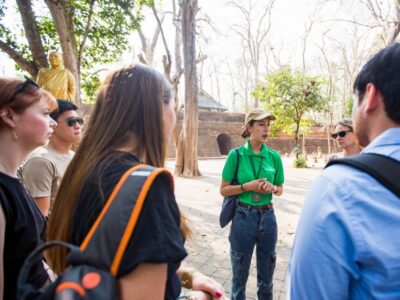 ★ 4.6Doi Suthep and Wat Umong Enchanting Evening TourFrom $271,811 reviews
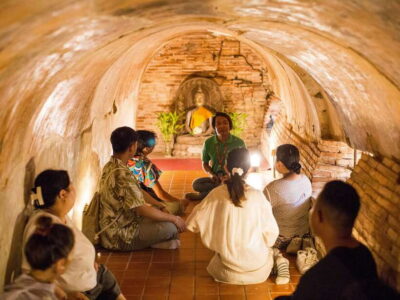 ★ 4.7Doi Suthep, Wat Umong, and Pha Lat Sunrise TourFrom $321,425 reviews
 ★ 4.8Wat Pha Lat & Wat Phra That Doi Suthep TourFrom $241,207 reviews
 ★ 5.0Wat Phra That Doi Suthep spiritual Sunrise Tour with an Ex-monkFrom $64798 reviews
 ★ 4.6Chiang Mai – Doi Suthep Temple & Wat Pha Lat HikeFrom $25740 reviews
 ★ 4.74-Hour Doi Suthep & Hmong Hill Tribe Village from Chiang MaiFrom $36696 reviews
 ★ 4.9Spiritual Sunrise Wat Doi Suthep, Pha Lat, Alms & MeditationFrom $59674 reviews
★ 5.0Chiang Mai – Doi Suthep Temple & Wat Pha Lat HikeFrom $26657 reviews
★ 4.9Spiritual Sunrise Wat Doi Suthep, Pha Lat, Alms & MeditationFrom $59674 reviews
★ 5.0Chiang Mai – Doi Suthep Temple & Wat Pha Lat HikeFrom $26657 reviews
Browse the lists this tour appears in