
Reviewed · ETHICAL ELEPHANT SANCTUARIES
Chiang Mai: Elephant Sanctuary & Suthep Temple Sunrise View
Sunrise plus elephants. That is the deal. This Chiang Mai day pairs Doi Suthep at first light with a calm, rules-based elephant experience at Joy Elephant Sanctuary, plus Karen-influenced cultural moments in the forest.
I especially love how the elephant time focuses on observation and feeding rather than performance. And the golden temple sunrise makes the whole day feel meaningful, not just busy. One heads-up: it is a long day with an early start, and the dress code can be strict, so you’ll want to plan your outfit and energy.
In This Review
- Key things that make this day work
- Sunrise at Doi Suthep: the golden start of your day
- Wat Phra That Doi Suthep: temples, teachings, and temple-walk time
- Joy Elephant Sanctuary: ethical observation that stays calm
- Karen clothing, elephant learning, and forest details at Mae Wang
- Waterfall tea break: a reset between temple and elephants
- The Thai souvenir workshop: take home a real craft
- Food, breaks, and the overall pacing of an 11-hour day
- Price and value: what $78 buys you in real terms
- What to bring (and what not to wear) for comfort and respect
- Who should book this, and who might skip it
- Should you book the Chiang Mai Elephant Sanctuary & Suthep Sunrise day?
- FAQ
- Where is pickup, and do I need to be near Chiang Mai Old City?
- How do you travel to the sanctuary area?
- How long is the tour?
- Is the guide English-speaking?
- What meals and drinks are included?
- How do you interact with the elephants?
- Is elephant bathing included?
- What should I bring and wear?
- Is the tour wheelchair friendly?
- Can I cancel for a refund?
Key things that make this day work
- Golden sunrise timing at Doi Suthep: you get the temple view when it feels most special
- Alms offering set and a guided cultural rhythm: you learn while you watch, not just take photos
- Joy Elephant Sanctuary’s ethical approach: feeding and observing with clear welfare rules
- Karen clothing and elephant learning: you dress in Karen style and hear from local knowledge
- Waterfall break with herbal tea: a real reset between forest and sanctuary moments
- A Thai handmade souvenir workshop: you leave with something you made, not another mass product
More ethical elephant sanctuaries around Chiang Mai, side by side
- Chiang Mai: Elephant Sanctuary, Waterfall & Bamboo Rafting
★ 4.9 · 9,160 reviews - Chiang Mai: Elephant Sanctuary & Waterfall Group Tour
★ 4.9 · 5,780 reviews - Chiang Mai: Elephant Sanctuary Feeding Program Half-Day Tour
★ 4.8 · 4,527 reviews - Chiang Mai: Elephant Sanctuary, Long Neck & Sticky Waterfall
★ 4.9 · 2,262 reviews
Sunrise at Doi Suthep: the golden start of your day
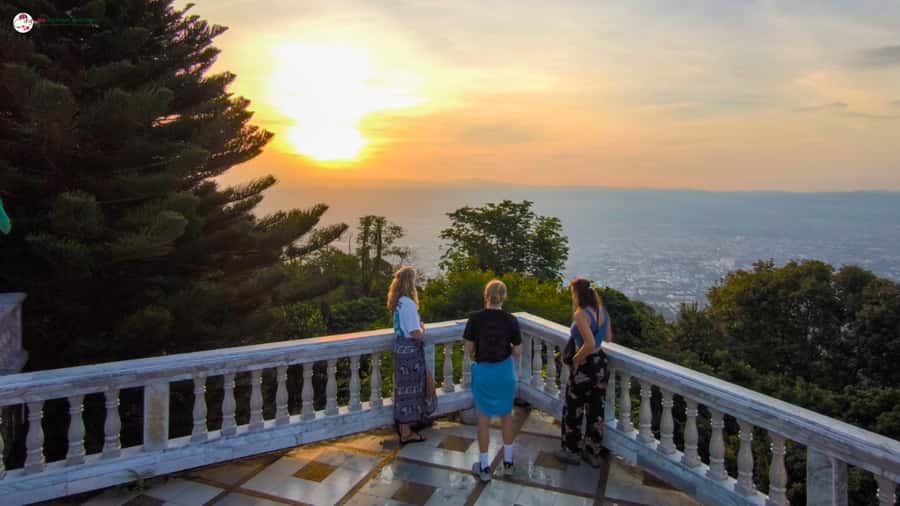
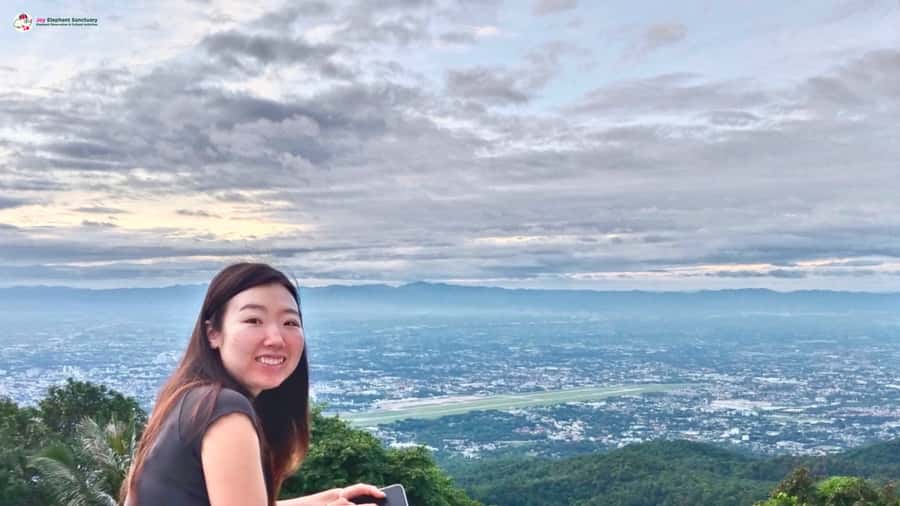
Doi Suthep is one of those Chiang Mai icons that looks dramatic in daylight and even better before the city fully wakes up. The tour starts with sunrise at Wat Phra That Doi Suthep, and that timing matters. The sky tones shift fast, and the temple setting feels calmer when fewer people are around. You’ll have a guided session built around this early arrival, so you’re not just standing there wondering what you’re seeing.
You also get a walk later in the day, which helps. The first stop gives you the big view moment; later you get time to slow down and take in the temple details with guidance. If you like your sightseeing with context, this format helps you connect the dots between the look of the temple and the beliefs behind it.
Wat Phra That Doi Suthep: temples, teachings, and temple-walk time
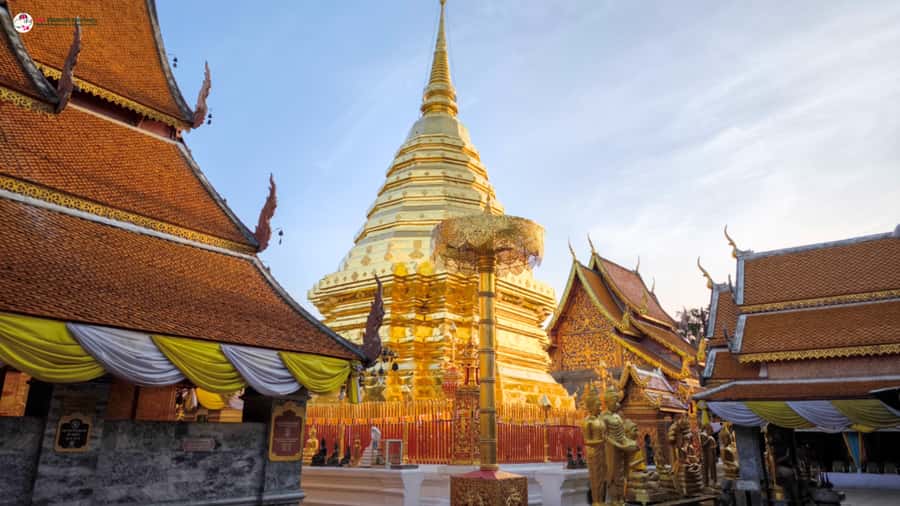
The tour includes more than a quick look. You’ll do a guided visit at Doi Suthep focused on Buddhism, and the morning includes breakfast at the regional food stop on site. This is a nice balance: temple learning first, then food before you move into the more physical parts of the day.
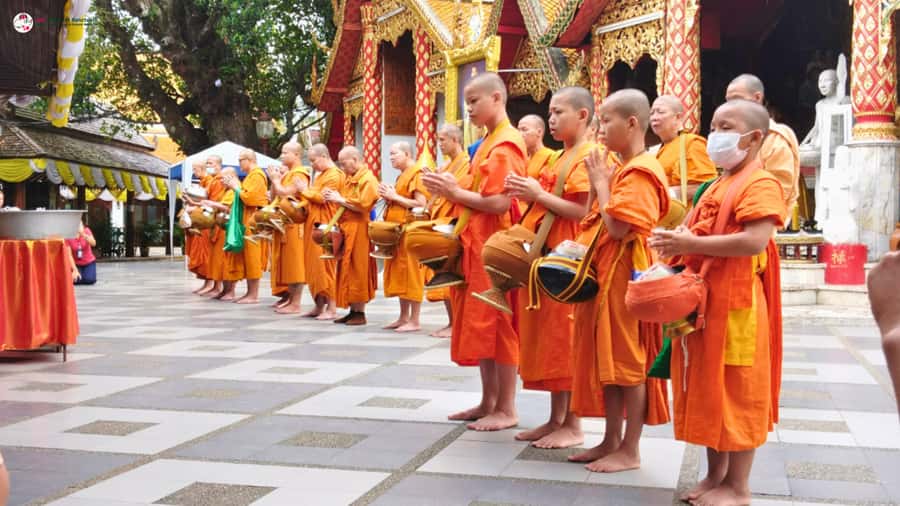
A highlight here is the alms-giving ceremony with an alms offering set. It’s one of those cultural moments that can feel very intense if you show up without context. A good guide helps you understand what you’re participating in and why it matters, so you aren’t just copying gestures. You’ll also get time for a guided walk, which is where you typically understand the layout, the flow, and the meaning of what you’re looking at.
Practical tip: this is a temple day. Keep your posture and movement respectful. Wear shoes that handle uneven surfaces, because you will be walking on temple ground.
Joy Elephant Sanctuary: ethical observation that stays calm
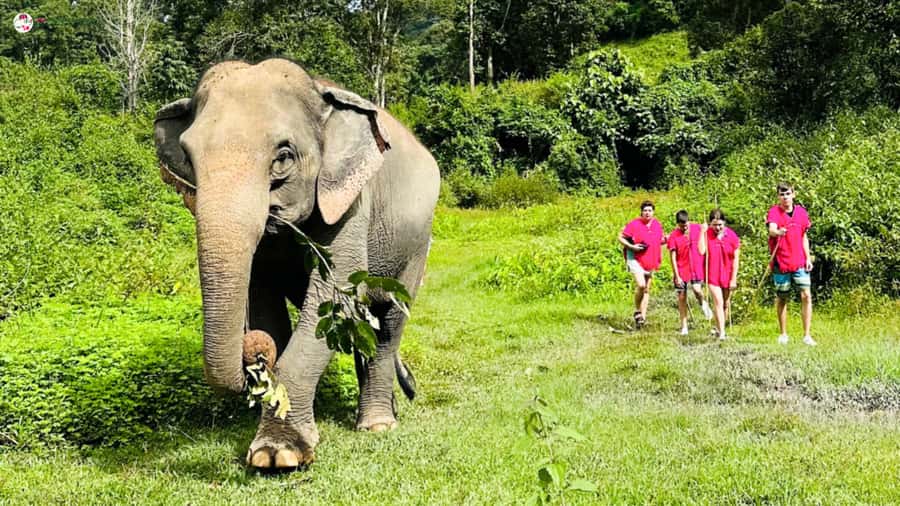
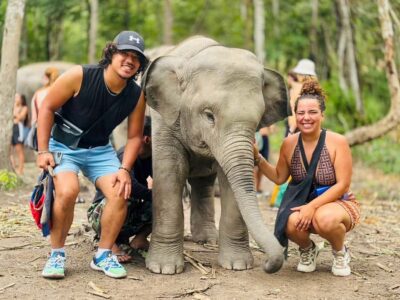
Elephant tourism in Thailand can be chaotic. The best experiences are the ones that keep the elephants’ needs first. This is why Joy Elephant Sanctuary stands out on this itinerary. You’re there for elephant observation in a natural setting, plus feeding and snacks, not forced tricks.
You’ll travel from Chiang Mai by minivan first, and for the final stretch you switch to a roofed 4×4 truck for the last minutes to reach the sanctuary area. That change is useful: it’s part of getting into a more remote, off-road environment where the elephants aren’t just staged for crowds.
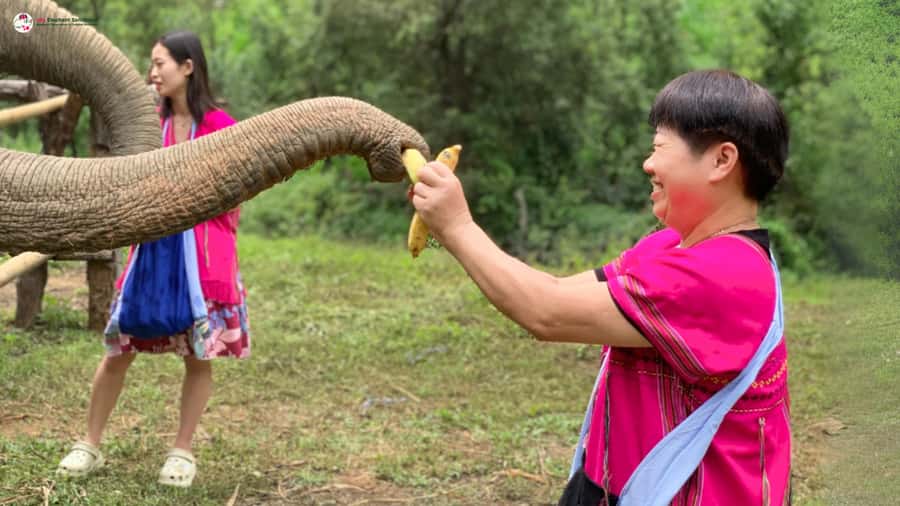
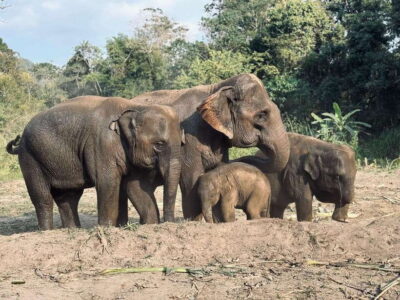
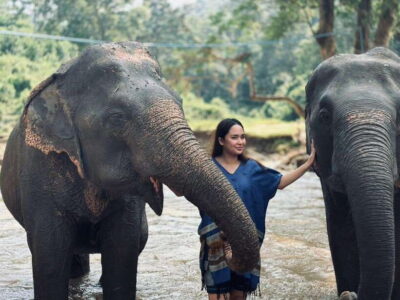
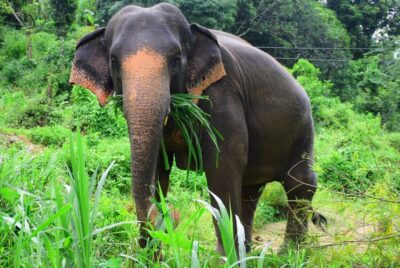
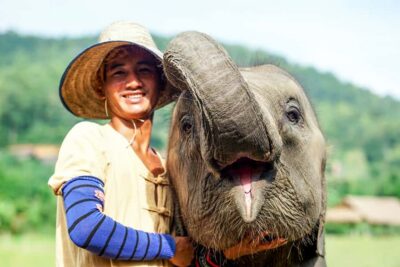
What you’ll do with the elephants is the key. You’ll prepare food and feed the elephants as part of the program. You’ll also have time to observe them nearby while they move through their space. From the feedback I’ve heard about this kind of program, the biggest win is the calm: no riding, no circus style crowd control, and a clear focus on welfare. One review specifically mentioned there is no bathing and no interactions that would cause stress. That matters to you if you care about ethical tourism beyond marketing words.
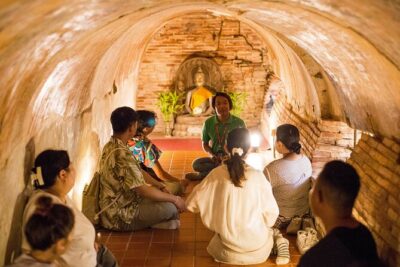
Dawn at the temple: sunrise and monk-blessing visits

Karen clothing, elephant learning, and forest details at Mae Wang
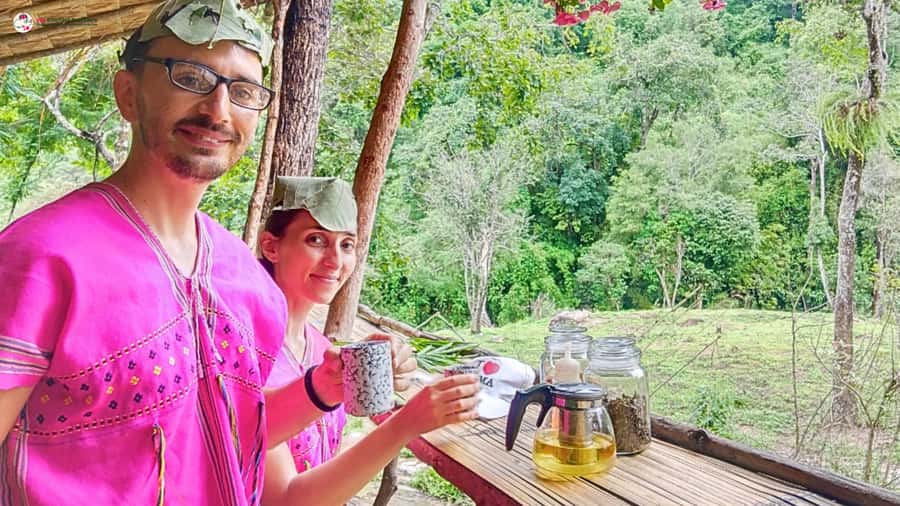
After Doi Suthep, the day shifts into the Mae Wang area, and the forest atmosphere changes the feel immediately. This portion is guided and builds in cultural touches, not just a transfer between two places.
You’ll experience a Karen clothing moment, which helps you understand how local communities relate to the forest and the elephants that share parts of it. The program also includes elephant learning from the Karen tribe. It’s not just trivia; it’s the kind of practical knowledge that changes how you watch an animal. Instead of only seeing big bodies and trunks, you start noticing behavior cues—when an elephant is comfortable, how they respond to quiet movement, and how feeding fits into their routines.
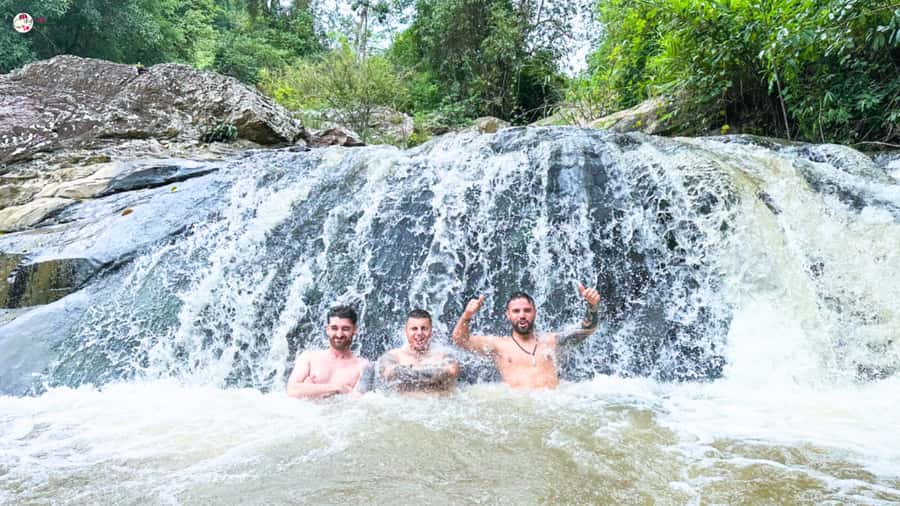
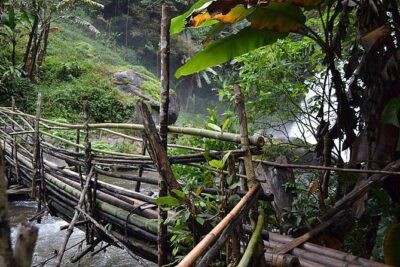
You’ll also spend time at a waterfall area with a break that includes tea. The plan is refresh-first: tea, then guided walk and workshop time later. This waterfall stop is where the day slows down. You’re watching elephants in view while you take a breather, which is a very different experience from the usual rush-through attraction style.
Practical tip: pack insect repellent. The sanctuary and waterfall areas are outdoors, and you’ll be happier if you show up ready.
Waterfall tea break: a reset between temple and elephants
The waterfall break is short enough to keep momentum, but long enough to change your energy. You’ll have herbal tea and time to pause while elephants roam in the area around you. It’s not just a scenic stop; it’s a breathing space after temple time and before the rest of the cultural activities.
Because the tour asks you to bring swimwear and a change of clothes, it’s smart to assume you might get wet or want to be comfortable around water. The exact level of water contact isn’t specified, so go with a practical mindset: bring swimwear so you’re not stuck feeling uncomfortable if you do get splashed.
The Thai souvenir workshop: take home a real craft
One reason I like this itinerary is that it includes a handmade souvenir component. You don’t just buy something later with your phone. You get workshop time where you craft a Thai cultural souvenir to take home.
This is scheduled after lunch, during your time in the Mae Wang district. That placement helps. By then, you’ve already seen temple life, watched elephants, and had your outdoor break. The workshop feels like a calm close to the day rather than another hectic add-on. If you’re the type who likes gifts that have a story attached, this is the kind of extra that actually earns its place.
Practical tip: keep a little space in your bag. Handmade items can be fragile, and you don’t want the rest of your day’s souvenirs (or your wet clothes) pressing against something delicate.
Food, breaks, and the overall pacing of an 11-hour day
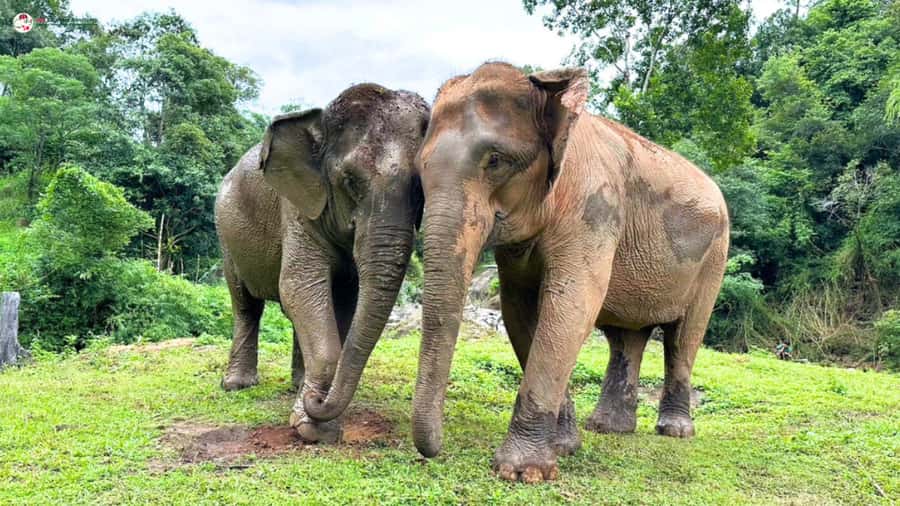
This is an 11-hour tour, and it moves through three main phases: early temple sunrise, elephant sanctuary, then cultural time with lunch and a workshop. The pacing is steady, not frantic, but it is still a full day.
Food-wise, you get:
- Breakfast with regional food at Doi Suthep
- Lunch in Mae Wang
- A complimentary local meal
- Drinking water
- Elephant food and snacks during the sanctuary portion
- Tea at the waterfall break
That coverage is practical. When a day is long, the biggest risk is getting hungry at the wrong time. Here, you aren’t left searching for meals mid-route.
Drawback to consider: because the itinerary is outdoors-focused after sunrise, you’ll want to plan for heat and stamina. Comfortable shoes matter a lot more than people think on a temple-and-forest day. Also, the dress code is strict—no shorts, short skirts, sleeveless shirts—so choose clothing that’s respectful but also breathable.
Price and value: what $78 buys you in real terms
At $78 per person, this isn’t a tiny add-on, but it also isn’t priced like a luxury retreat. The value comes from bundling big-ticket experiences in one day: Doi Suthep sunrise with temple admission and an alms offering set, plus a structured elephant sanctuary program that includes elephant food, snacks, towel, and insurance.
You’re also not paying for transport separately. The tour includes round-trip transfer from accommodations within a 5km radius of Chiang Mai’s Old City. That pickup radius matters because it reduces the time you spend organizing taxis. If you’re outside that area, you’ll likely face a surcharge, so double-check where you’re staying.
When you price out what a sunrise temple visit, guide time, sanctuary logistics, and meals typically cost on their own, the package starts to make sense. The ethical elephant component also tends to cost more than sketchy options, because welfare-based programs usually have tighter rules and fewer crowd-focused activities.
What to bring (and what not to wear) for comfort and respect
You’ll be walking and outdoors for long stretches. Use the tour’s packing list as a baseline:
- Comfortable shoes
- Swimwear and a change of clothes
- Sandals
- Sunscreen
- Insect repellent
Also keep in mind the clothing rules:
- No shorts
- No short skirts
- No sleeveless shirts
This isn’t just about rules. It’s about temple and cultural respect, and it helps you feel less stressed once you’re there.
Not allowed:
- Pets
- Explosive substances
Who should book this, and who might skip it
This tour is a strong match if you want:
- A serene day that combines culture and animals without the loud tourist energy
- A structured, guided sunrise experience rather than a DIY temple scramble
- Ethical elephant tourism with clear limits and welfare-first behavior
- A souvenir you actually make, not just pick up
You might consider skipping if:
- You hate early starts or long days
- You want a fully flexible, choose-your-own-pace schedule (this one is guided and timed)
- You need wheelchair accessibility (this tour is not suitable for wheelchair users)
Should you book the Chiang Mai Elephant Sanctuary & Suthep Sunrise day?
I’d book it if you care about seeing elephants in a calmer, more responsible way and you also want your Chiang Mai morning to feel special. The combination of sunrise at Wat Phra That Doi Suthep, a guided alms-giving moment, and a Joy Elephant Sanctuary program focused on feeding and observation makes this day more than a checklist tour.
Make the decision easy by matching your priorities: if ethical elephant observation, Karen cultural touches, tea-and-waterfall downtime, and a handmade souvenir sound like your kind of day, this is a solid choice.
FAQ
Where is pickup, and do I need to be near Chiang Mai Old City?
Pickup is included from accommodations within 5km of Chiang Mai’s Old City. If you’re outside that area, transport from your location will incur a surcharge.
How do you travel to the sanctuary area?
You ride in a 12-seater air-conditioned van, then switch to a roofed 4×4 truck for the last 10 minutes to reach the sanctuary.
How long is the tour?
The full experience runs for 11 hours.
Is the guide English-speaking?
Yes. The tour includes an English-speaking guide.
What meals and drinks are included?
You’ll have breakfast with regional food, lunch, a complimentary local meal, drinking water, and herbal tea during the day.
How do you interact with the elephants?
The program is based on elephant observation and feeding. You’ll have elephant food and snacks, and you’ll also prepare food and feed the elephants as part of the experience.
Is elephant bathing included?
No. The experience is designed around observation and feeding, and bathing is not part of the program.
What should I bring and wear?
Bring comfortable shoes, swimwear, a change of clothes, sandals, sunscreen, and insect repellent. Shorts, short skirts, and sleeveless shirts are not allowed.
Is the tour wheelchair friendly?
No. The tour is not suitable for wheelchair users.
Can I cancel for a refund?
Yes. You can cancel up to 24 hours in advance for a full refund.
More Tour Reviews in Chiang Mai
- Half-Day Thai Cooking Class at Organic Farm in Chiang Mai★ 5.0 · 19,087 reviews
- Chiang Mai: Elephant Sanctuary, Waterfall & Bamboo Rafting★ 4.9 · 9,160 reviews
- Chiang Mai: Doi Inthanon National Park Eco-Friendly Tour★ 4.6 · 6,667 reviews
- Chiang Mai: Elephant Sanctuary & Waterfall Group Tour★ 4.9 · 5,780 reviews
- Chiang Mai: Chiang Rai Temples, Karen Tribe and Hot Springs★ 4.7 · 5,401 reviews
More Sunrise and Meditation Mornings
- Chiang Mai: Doi Suthep, Wat Umong, and Pha Lat Sunrise Tour★ 4.7 · 1,425 reviews
- Wat Phra That Doi Suthep spiritual Sunrise Tour with an Ex-monk★ 5.0 · 798 reviews
- Spiritual Sunrise Wat Doi Suthep, Pha Lat, Alms & Meditation★ 4.9 · 674 reviews
- Doi Suthep and Wat Pha Lat Sunrise Tour (Small Group Only)★ 5.0 · 70 reviews
- Mount Doi Inthanon National Park Sunrise and Hiking★ 5.0 · 52 reviews
More Elephant Sanctuaries Near Chiang Mai
- Chiang Mai: Elephant Sanctuary, Waterfall & Bamboo Rafting★ 4.9 · 9,160 reviews
- Chiang Mai: Elephant Sanctuary & Waterfall Group Tour★ 4.9 · 5,780 reviews
- Chiang Mai: Elephant Sanctuary Feeding Program Half-Day Tour★ 4.8 · 4,527 reviews
- Chiang Mai: Elephant Sanctuary, Long Neck & Sticky Waterfall★ 4.9 · 2,262 reviews
- From Chiang Mai: Elephant Care Program and Nursery Tour★ 4.8 · 1,899 reviews
Fresh off the pile: Chiang Mai tours we have just written up

Ethical Elephant Sanctuaries, compared.
 ★ 4.9Elephant Sanctuary, Waterfall & Bamboo RaftingFrom $609,160 reviews
 ★ 4.9Elephant Sanctuary & Waterfall Group TourFrom $505,780 reviews
 ★ 4.8Elephant Sanctuary Feeding Program Half-Day TourFrom $274,527 reviews
 ★ 4.9Elephant Sanctuary, Long Neck & Sticky WaterfallFrom $632,262 reviews
 ★ 4.8Elephant Care Program and Nursery TourFrom $531,899 reviews
 ★ 4.9Small Group Ethical Elephant Sanctuary TourFrom $771,572 reviews
 ★ 5.0Half Day Visit Smile Elephant Chiang MaiFrom $501,216 reviews
 ★ 4.9Doi Inthanon and Elephant Sanctuary TourFrom $811,091 reviews
Browse the lists this tour appears in