

Reviewed · ETHICAL ELEPHANT SANCTUARIES
Chiang Mai: Ethical Elephant Encounter Feeding Program
First, if you want elephants fast, this fits. This 1-hour ethical elephant encounter in Chiang Mai puts you face-to-face with rescued elephants in their sanctuary setting, with staff guiding what to do and why. You’ll spend your time watching how elephants behave, preparing treats, and learning practical care details instead of doing the usual photo-stand routine.
I love that the experience is built around gentle interaction rules and a real focus on welfare. The program includes elephant food, a knowledgeable English/Thai guide, and a free drink per ticket, so you’re not constantly hunting for extras. I also like the pacing: it’s short enough to slot into a busy Chiang Mai itinerary without turning your day into a full-day slog.
One thing to consider: this visit is only 1 hour, so you’ll get a meaningful taste of sanctuary life, but you won’t have lots of slow, lingering time. Also, transportation isn’t included, and the sanctuary can feel a bit remote—plan your ride back so you’re not stuck waiting when you’re done.
In This Review
- Key things that make this program worth your time
- One-hour elephant time in Chiang Mai: what the timing really means
- Arriving at the sanctuary: your first 10 minutes matter
- The encounter itself: feeding rescued elephants safely and respectfully
- How your guide turns the hour into real learning
- Extra activities: education room, crafts, and the sometimes-photographer touch
- What you’ll notice about the elephants’ welfare (and what you should look for)
- Rules and etiquette: the do’s and don’ts that protect both you and them
- Price and value: why $22 can make sense for a short visit
- Who this elephant feeding program is best for (and who might want something else)
- Practical tips so your hour feels smooth
- Should you book this ethical elephant encounter in Chiang Mai?
- FAQ
- Where does the tour start?
- How long is the Chiang Mai ethical elephant encounter?
- What’s included in the $22 ticket?
- What should I bring?
- What activities are not allowed?
- Is transportation or meals included?
- What language is the guide?
Key things that make this program worth your time
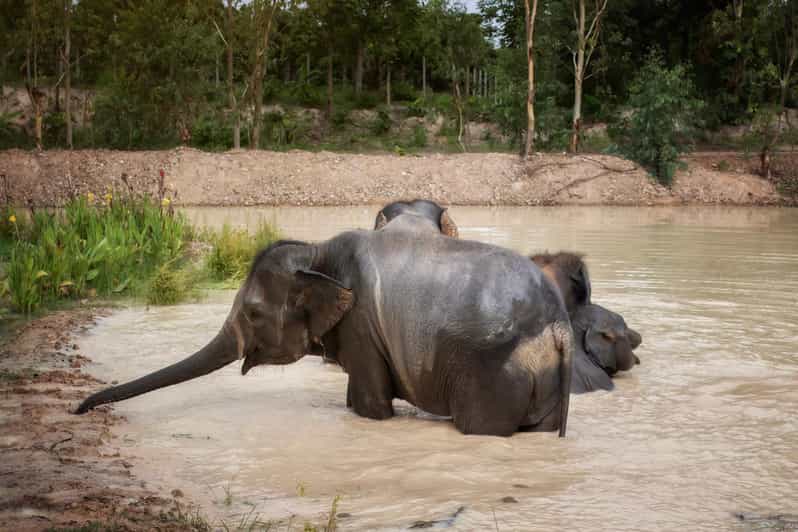
- Real feeding session, not a ride: you feed and observe, with staff controlling the safe interaction moments
- Short and structured: a tight 1-hour visit that still includes learning time and feeding time
- Included perks: elephant food, accident insurance, and a free drink per ticket
- Welfare-focused rules: no riding, smoking banned, and you’re expected to follow staff instructions closely
- Extra education stops may happen: some sessions include an elephant education room and arts and crafts like dung paper/card making
- Quieter group potential: earlier slots can feel less crowded (and small groups do show up)
More ethical elephant sanctuaries around Chiang Mai, side by side
- Chiang Mai: Elephant Sanctuary, Waterfall & Bamboo Rafting
★ 4.9 · 9,160 reviews - Chiang Mai: Elephant Sanctuary & Waterfall Group Tour
★ 4.9 · 5,780 reviews - Chiang Mai: Elephant Sanctuary Feeding Program Half-Day Tour
★ 4.8 · 4,527 reviews - Chiang Mai: Elephant Sanctuary, Long Neck & Sticky Waterfall
★ 4.9 · 2,262 reviews
One-hour elephant time in Chiang Mai: what the timing really means
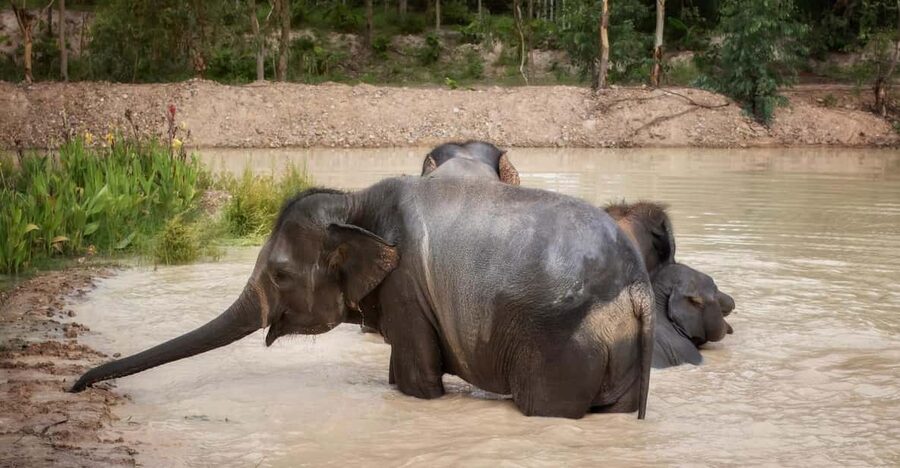
This is designed for people who want elephants without dedicating a whole day. At 1 hour, the experience is intentionally concentrated: you meet up, get your briefing, then head into the sanctuary moments where you can feed and observe. The payoff is that you can still do other Chiang Mai staples the same day—temples, markets, or a night out—without feeling like you missed half your trip.
But you should also plan your expectations. With only one hour, you’ll get a snapshot of daily life, not a full immersion. If your dream is hours of slow walking with the herd and repeated feeding rounds, this may feel short. If your dream is a safe, ethical encounter with clear guidance and a quick win, this is a strong match.
Arriving at the sanctuary: your first 10 minutes matter
The meeting point is straightforward: arrive at the sanctuary 10 minutes before your start time. That buffer is important. It gives you time to get settled, use the restroom if needed, and get comfortable with the rules before staff start the program.
Sanctuary visits can be hot and buggy in Chiang Mai, and the program info makes it clear what helps. Bring a hat, sunscreen, water, insect repellent, and comfortable clothes/shoes for walking. I like that the checklist is practical rather than vague—this is the kind of tour where showing up prepared directly affects how enjoyable the hour feels.
The encounter itself: feeding rescued elephants safely and respectfully
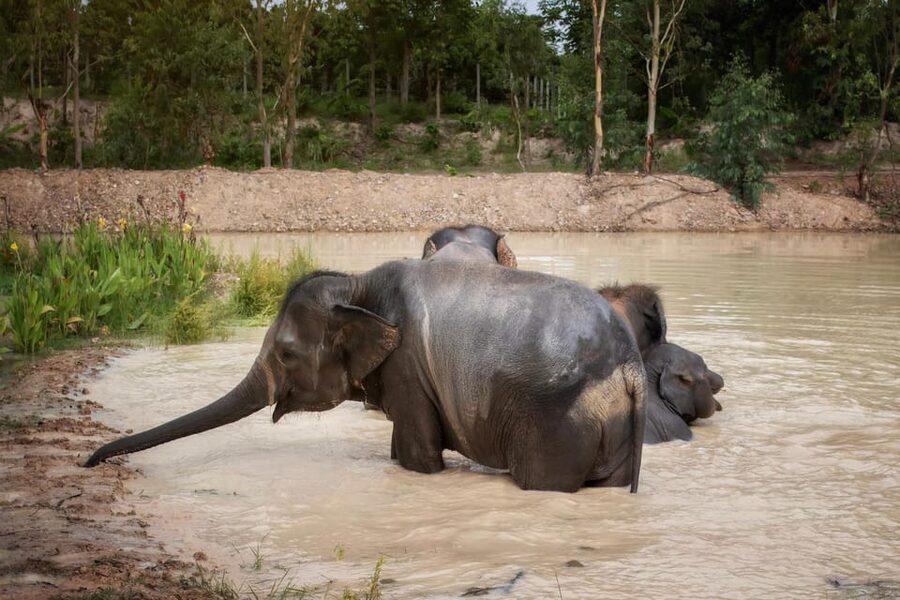
The big moment here is feeding the elephants. You’re given elephant food as part of the experience, and your guide leads the interaction. That matters because elephant encounters can go sideways when people try to improvise. In this program, you’re meant to do it the staff way.
The rules also say feeding animals is not allowed, and that sounds confusing at first. The key is to treat this like a guided feeding, not a free-for-all. If you’re holding food, it should be because staff have instructed you to do so at the right time. Follow their instructions on handling and distance—this is what keeps the encounter ethical and calm.
You’ll also get to observe in the elephant’s environment, not behind barriers built for crowds. That’s where the experience becomes more than a quick thrill. Elephants are social. You’ll notice their habits—how they look, how they wait, how they move when they choose to. Even in a short visit, that kind of watching helps you understand the animals as more than a spectacle.



How your guide turns the hour into real learning
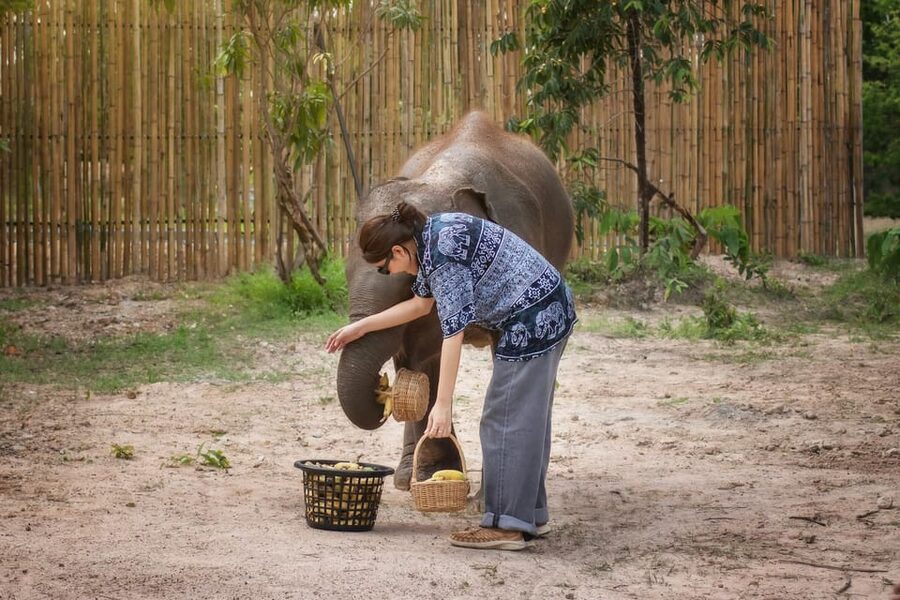
The program includes a live tour guide in English and Thai, and the descriptions emphasize learning about elephant behavior and history. One of the most praised parts is that the guide explains care and feeding in a way that actually sticks.
In practice, here’s what that means for your experience:
- You’re not just told what to do—you’re told why
- You get fun facts about elephant communication and routines
- You learn what responsible interaction looks like in a sanctuary context
Some sessions include extras that make the learning feel bigger than the clock. A number of participants mention an elephant education room and additional activities such as arts and crafts. Even if you don’t do the extra stop every time, the core idea stays the same: the guide turns your feeding moment into a mini lesson so you leave with useful context.
Extra activities: education room, crafts, and the sometimes-photographer touch
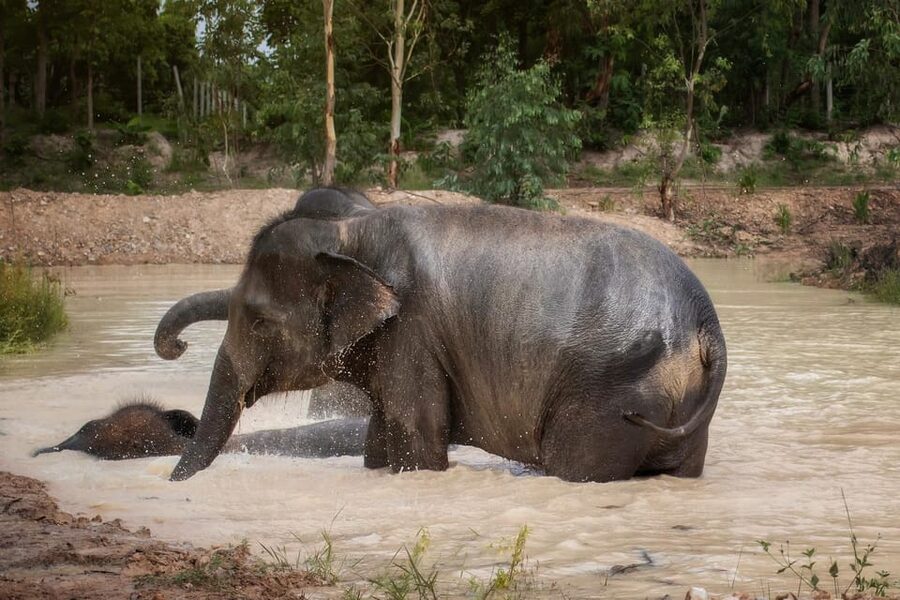
This isn’t always only a one-room, one-activity deal. Some experiences reported include:
- A visit to an elephant education room
- Arts and crafts linked to elephant themes
- Making items from elephant dung into paper/card format (often described as elephant poo paper or dung cards)
- In at least one case, a photographer available for free photos
These are optional-feeling add-ons within the overall program structure. Not everyone cares about crafts, so if you’re not interested, don’t stress—your main value is still the ethical feeding and observation time. But if you like hands-on learning, those extras can make the hour feel longer and more memorable.
There’s also a practical upside: an education room or craft stop gives you a chance to cool off for a few minutes in between active elephant time. In Chiang Mai heat, that can be a big deal.
What you’ll notice about the elephants’ welfare (and what you should look for)
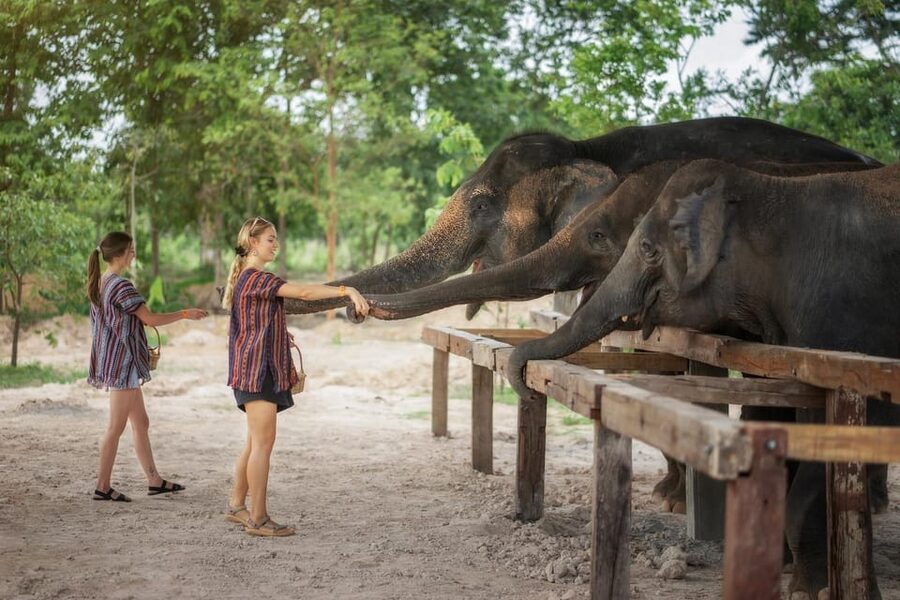
Participants strongly focus on how the elephants look and act—healthy, cared for, and able to relax in their own environment. Even though you can’t measure welfare like a vet would, you can still use common-sense signals during your visit.
Here’s what I’d pay attention to:
- Do the elephants seem calm and comfortable rather than pushed or frantic?
- Are interactions controlled, with clear boundaries and staff guidance?
- Does the experience feel respectful, like you’re joining their routine instead of forcing attention?
A welfare-focused sanctuary visit usually feels quiet in the right way: you watch, you learn, and you don’t see constant crowd pressure. That’s the atmosphere you’re aiming for here.
Rules and etiquette: the do’s and don’ts that protect both you and them

This program lays out clear rules. Make them easy on yourself by reading them before you go.
Not allowed:
- Smoking
- Riding the elephants
- Feeding animals (follow staff cues for the feeding portion)
What to do instead:
- Wear comfortable clothes and shoes that handle walking on uneven ground
- Bring insect repellent (the sanctuary setting means bugs are part of the deal)
- Bring water and pace yourself
- Respect the elephants and follow the guide’s instructions
If you’re the kind of person who always wants to touch animals, treat this as a lesson in restraint. The tour info explicitly points you toward guided interaction only. That’s not a loss—it’s part of what makes the experience ethical.
Price and value: why $22 can make sense for a short visit
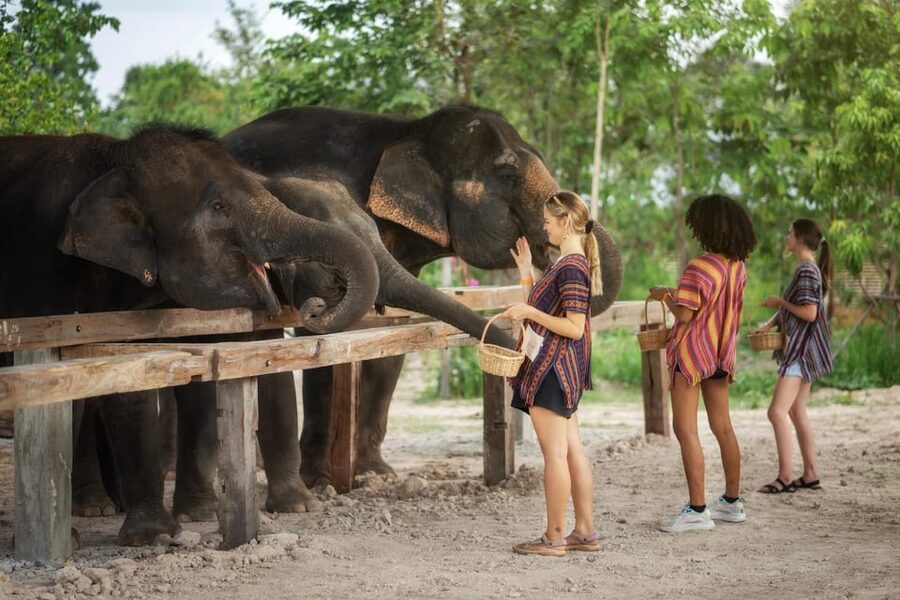
At $22 per person for a one-hour program, it’s priced like a short, guided activity—not like a full-day elephant excursion. The value comes from what’s included:
- Elephant food
- Accident insurance
- A free drink per ticket
Transportation and meals aren’t included, so your real total depends on how you get there and what you do before/after. If you’re staying near the city, you might spend less on the ride. If you’re farther out, transport costs can quietly eat into your savings.
One practical warning from people who tried to get home after: the sanctuary can be remote, and getting a taxi afterward may take time. If your schedule is tight, arrange a return plan ahead of your visit—or plan to use a ride service and give yourself extra buffer.
For me, the value math looks best if:
- You have only a small window of time
- You want the ethical feeding experience without paying for a full-day tour
- You prefer a structured, guided hour over hours of waiting around
Who this elephant feeding program is best for (and who might want something else)
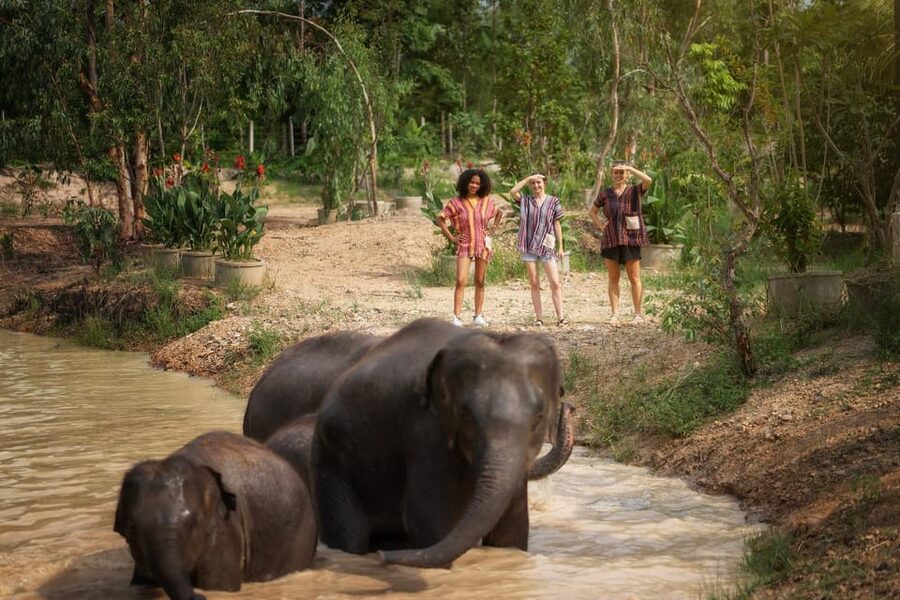
This fits you if:
- You want rescue elephant interaction without riding
- You want a short Chiang Mai activity that’s still educational
- You like guided rules and clear instructions
- You’re traveling with limited time and want to keep your schedule flexible
It may not fit as well if:
- You want a longer on-site experience (more time to watch, more time to learn)
- You expect endless free roaming inside the sanctuary
- You want a bigger herd visit—this is more often described as a smaller sanctuary set-up
That last point matters. If your top priority is seeing lots of elephants, you might find the number of animals limited compared to larger operations. If your priority is responsible care and meaningful interaction, the shorter format can be a strength.
Practical tips so your hour feels smooth
A one-hour tour is quick, but you can still mess it up with poor planning. Here’s how to avoid the common friction:
- Wear comfortable shoes you don’t mind getting dusty
- Bring water in a bottle you can open quickly
- Use sunscreen even if it’s cloudy
- Apply insect repellent before you arrive
- Bring a camera, but also look up—elephant behavior is what you’ll remember
Also, go with a flexible mindset about what you’ll see. Some slots may include extra education and crafts; some may feel more focused on the feeding/observation core. You’ll still get the main ethical experience either way.
Should you book this ethical elephant encounter in Chiang Mai?
Yes, if you want a responsible elephant feeding visit that doesn’t eat your whole day. The included elephant food, accident insurance, and free drink help make the $22 price feel fair, and the structure keeps you from doing anything risky or inappropriate. The biggest strength is that the visit is guided and controlled, with an obvious emphasis on caring handling and respectful observation.
I’d especially book it if:
- You’re short on time but still want more than a quick photo stop
- You prefer a calm sanctuary atmosphere over loud crowd energy
- You like learning while you do the activity
Skip it—or at least consider a longer option—if you know you’ll feel disappointed by a one-hour limit. In that case, you might want a half-day or full-day sanctuary experience so you can slow down and spend more time with the elephants.
If you do book this one, show up prepared, listen closely to the guide, and treat the hour like a chance to observe thoughtfully. That’s when this kind of encounter really lands.
FAQ
Where does the tour start?
You meet at the sanctuary. Plan to arrive about 10 minutes before your start time.
How long is the Chiang Mai ethical elephant encounter?
The experience runs for 1 hour.
What’s included in the $22 ticket?
The ticket includes accident insurance, a free drink per ticket, and elephant food.
What should I bring?
Bring a hat, camera, sunscreen, water, comfortable clothes, and insect repellent.
What activities are not allowed?
Smoking is not allowed, and you cannot feed or ride the elephants. You should follow the guide’s instructions for any interaction.
Is transportation or meals included?
Transportation to and from the activity and meals are not included.
What language is the guide?
The live tour guide is available in English and Thai.
More Tour Reviews in Chiang Mai
- Half-Day Thai Cooking Class at Organic Farm in Chiang Mai★ 5.0 · 19,087 reviews
- Chiang Mai: Elephant Sanctuary, Waterfall & Bamboo Rafting★ 4.9 · 9,160 reviews
- Chiang Mai: Doi Inthanon National Park Eco-Friendly Tour★ 4.6 · 6,667 reviews
- Chiang Mai: Elephant Sanctuary & Waterfall Group Tour★ 4.9 · 5,780 reviews
- Chiang Mai: Chiang Rai Temples, Karen Tribe and Hot Springs★ 4.7 · 5,401 reviews
More Elephant Sanctuaries Near Chiang Mai
- Chiang Mai: Elephant Sanctuary, Waterfall & Bamboo Rafting★ 4.9 · 9,160 reviews
- Chiang Mai: Elephant Sanctuary & Waterfall Group Tour★ 4.9 · 5,780 reviews
- Chiang Mai: Elephant Sanctuary Feeding Program Half-Day Tour★ 4.8 · 4,527 reviews
- Chiang Mai: Elephant Sanctuary, Long Neck & Sticky Waterfall★ 4.9 · 2,262 reviews
- From Chiang Mai: Elephant Care Program and Nursery Tour★ 4.8 · 1,899 reviews
Fresh off the pile: Chiang Mai tours we have just written up




Ethical Elephant Sanctuaries, compared.
 ★ 4.9Elephant Sanctuary, Waterfall & Bamboo RaftingFrom $609,160 reviews
 ★ 4.9Elephant Sanctuary & Waterfall Group TourFrom $505,780 reviews
 ★ 4.8Elephant Sanctuary Feeding Program Half-Day TourFrom $274,527 reviews
 ★ 4.9Elephant Sanctuary, Long Neck & Sticky WaterfallFrom $632,262 reviews
 ★ 4.8Elephant Care Program and Nursery TourFrom $531,899 reviews
 ★ 4.9Small Group Ethical Elephant Sanctuary TourFrom $771,572 reviews
 ★ 5.0Half Day Visit Smile Elephant Chiang MaiFrom $501,216 reviews
 ★ 4.9Doi Inthanon and Elephant Sanctuary TourFrom $811,091 reviews
Browse the lists this tour appears in