
Reviewed · ETHICAL ELEPHANT SANCTUARIES
Chiang Mai: Ethical Half Day Elephant Sanctuary & Waterfall
Jungle elephants, no tricks, just rules. This half-day program at Joy Elephant Sanctuary gives you hands-on feeding and close observation while elephants move at their own pace. You get to see the big difference between entertainment and conservation-style care.
What I really like is the focus on ethical interaction: you feed them and follow the herd without touching or bathing. I also like the pacing, with a jungle walk, a proper break at the waterfall, and an activity to take home like the Thai herb-inhaler craft. The main thing to consider is that it’s outdoors and not wheelchair-friendly, so you’ll want comfortable shoes and a realistic attitude about walking on uneven ground.
In This Review
- Key things to know before you go
- Why Joy Elephant Sanctuary in Chiang Mai feels different
- Getting out to Mae Wang: the ride and timing that shape your day
- Feeding elephants the right way: calm, guided, and rule-based
- Following the herd through the jungle: what “natural” actually looks like
- Waterfall time, herbal tea, and the right kind of cooling off
- Lunch and downtime: simple food that keeps the day moving
- Ya Dom herb-inhaler craft: a memorable Thai souvenir that’s useful
- Who should book this sanctuary and who should skip it
- Price and value: what you’re paying for at $54 per person
- Practical tips to make the most of the day
- Should you book Joy Elephant Sanctuary in Chiang Mai?
- FAQ
- How long is this half-day elephant sanctuary program?
- Is hotel pickup and drop-off included?
- What’s included in the price?
- Are you allowed to bathe the elephants?
- Do I need to bring swimwear or an extra outfit?
- What should I bring for comfort and safety?
- Is the tour wheelchair accessible?
- What’s the cancellation policy?
Key things to know before you go
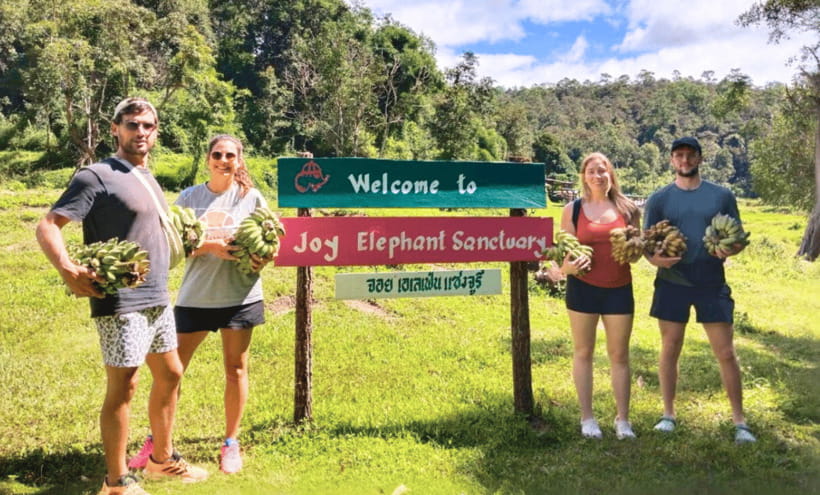
- No elephant bathing and no touching: this is observation-first, with feeding and careful distance
- Real elephant behavior: you’re watching foraging, walking, and calm herd rhythms
- Waterfall time with tea: cool down without turning it into an animal show
- Vegetarian lunch plus fruit: plan around meal timing and eat something if you’re prone to getting hungry
- Ya Dom souvenir craft: make a natural herb inhaler from local spices to bring home
More ethical elephant sanctuaries around Chiang Mai, side by side
- Chiang Mai: Elephant Sanctuary, Waterfall & Bamboo Rafting
★ 4.9 · 9,160 reviews - Chiang Mai: Elephant Sanctuary & Waterfall Group Tour
★ 4.9 · 5,780 reviews - Chiang Mai: Elephant Sanctuary Feeding Program Half-Day Tour
★ 4.8 · 4,527 reviews - Chiang Mai: Elephant Sanctuary, Long Neck & Sticky Waterfall
★ 4.9 · 2,262 reviews
Why Joy Elephant Sanctuary in Chiang Mai feels different
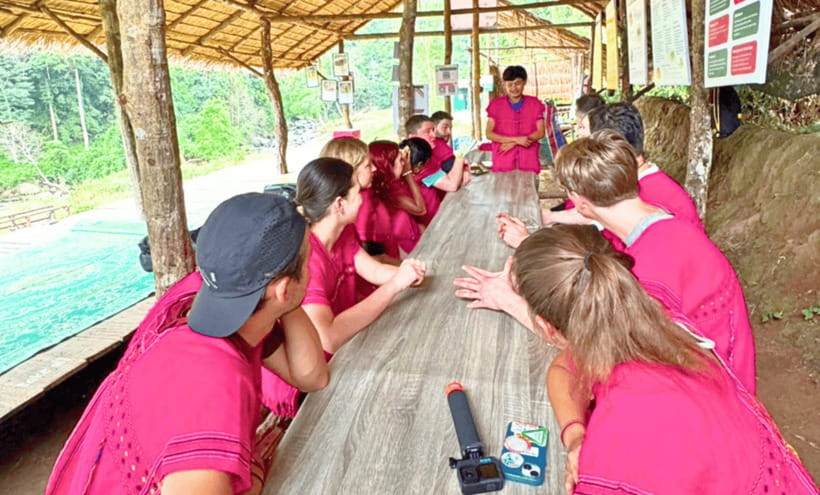
If you’re choosing an elephant experience in Chiang Mai, you’re really choosing a mindset. Joy Elephant Sanctuary is built around letting elephants live their natural life instead of staging them for photos. You’ll still get close—close enough to be awed—but the rules are clear: you’re there to learn and observe, not to control the animals.
The best part is that the day doesn’t feel like one long “activity checklist.” It’s more like a sequence of respectful moments: feeding, quiet observation, following the herd through the jungle, then stepping away to a waterfall for tea and downtime. That rhythm matters because it helps you notice what elephants actually do when they’re not performing.
This is also where the ethical angle becomes practical, not just a slogan. If you’re the type who hates seeing animals under pressure, you’ll appreciate that the program emphasizes distance and restraint. It’s a good sign when the experience is structured around what the elephants need, not what humans want.
Getting out to Mae Wang: the ride and timing that shape your day
Plan on a travel day in disguise. You’ll be picked up from your hotel area within 5km of Chiang Mai’s Old City, then transferred by minivan. The drive is listed as about 1.5 hours each way, and you’ll spend time in Mae Wang District during the main portion of the program.
A couple of things to expect: this is a countryside route, and the ride can be bumpy. One reviewer mentioned bus shaking and using a smaller vehicle part of the way, which fits with the “get out to the sanctuary area” reality. Nothing scary, just not the smoothest ride you’ll ever take.
Because the total duration is listed as 7 hours for the half-day program, you should treat it like a full commitment even if you’re not gone all day. This isn’t a quick stop between temples. It’s a day-trip feel, with the payoff coming from the time you spend with the herd.
Feeding elephants the right way: calm, guided, and rule-based
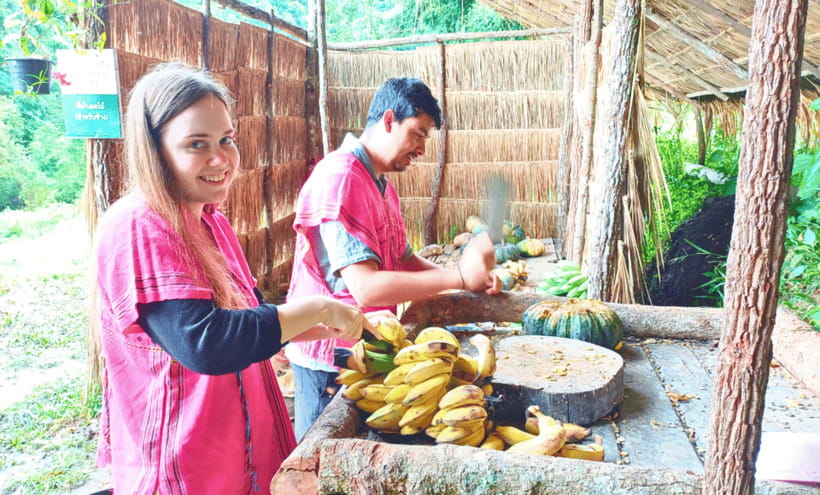
Your morning or afternoon starts with the sanctuary intro and guided time around the elephants. You’ll prepare and provide elephant’s food, and you’ll learn how the sanctuary runs interactions with clear engagement rules. In practice, that means you’re not there to pet, pose, or force contact.
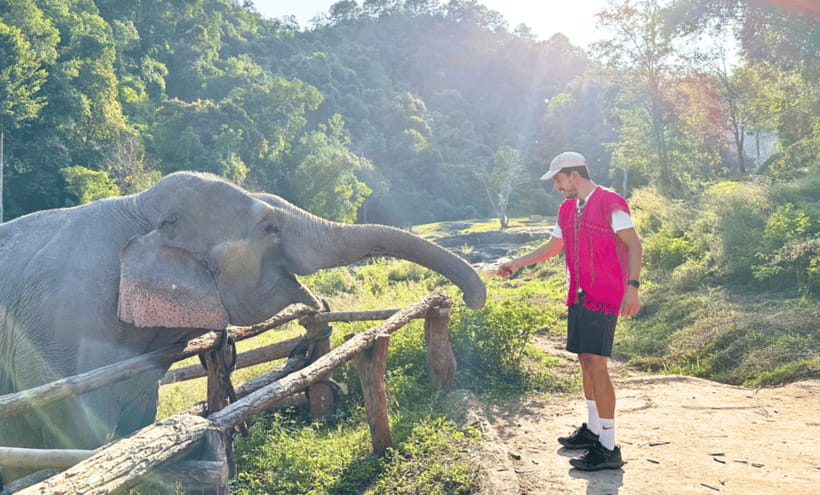
Feeding is a hands-on way to understand the elephants’ social behavior without making it a show. When you watch from the correct distance, you see how quickly the herd communicates and how their attention shifts with movement, sound, and routine. It’s the kind of moment that makes the ethics click: you’re contributing food, but the elephants stay in charge of what happens next.
This portion is also where the English-speaking guide matters. You’ll get context about elephant care and behavior, not just “look at the elephant.” The program is set up so you can ask questions and learn what you’re seeing—especially helpful if you don’t know the basics of elephant body language yet.
One more practical tip: wear shoes that won’t make you regret it. Even the “not too long” jungle areas can be muddy or uneven. And if you’re heading out in warmer months, you’ll want sunscreen and bug repellent ready.

Following the herd through the jungle: what “natural” actually looks like
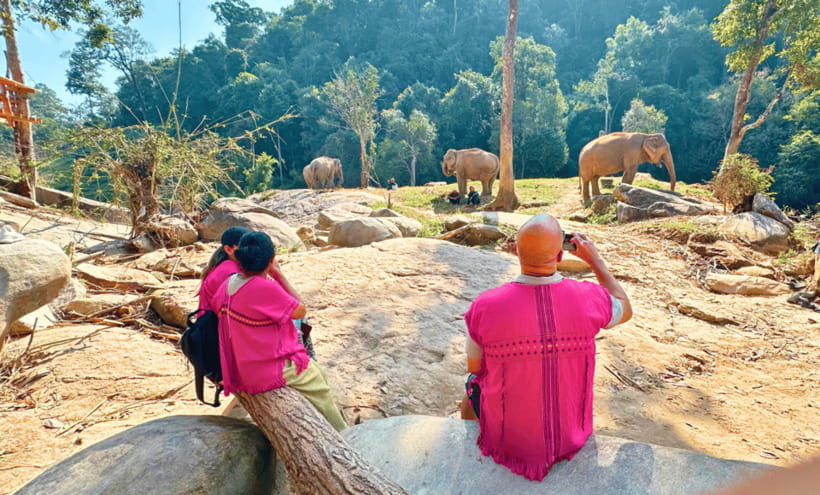
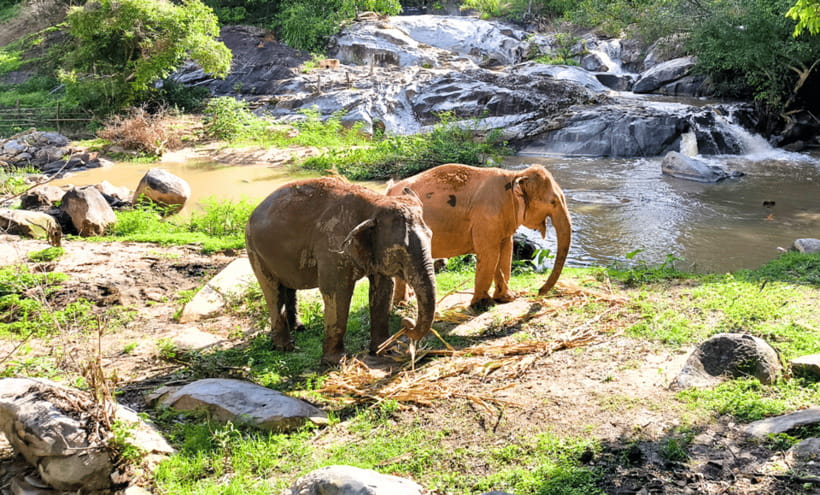
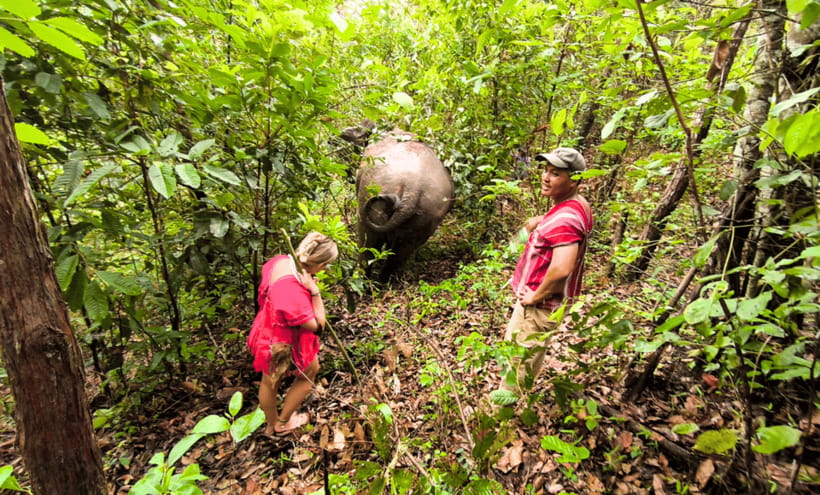
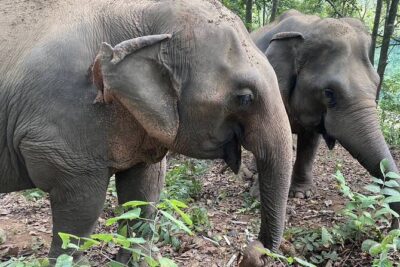
After feeding, the program shifts into observation mode in the jungle. This is one of the most talked-about parts because it’s not just standing and waiting. You walk alongside the herd as they forage, and you watch them move slowly and deliberately through the area.
The value here is simple: elephants don’t move like show animals. They pause. They investigate. They choose paths based on what they smell and what’s available. Following at their pace turns the walk into a behavior lesson.
You’ll likely get wildlife-viewing time as part of the guided program, and you’ll spend a few hours in the Mae Wang area before lunch. Reviews highlight how relaxing it feels when you’re not rushing the animals. If you’ve seen other elephant attractions where everything feels forced, this is a much calmer contrast.
Consider the main drawback: you’re in the jungle. It’s not a city stroll. So bring the mindset that this is a nature experience. If you’re expecting paved paths and perfect footing, you’ll be disappointed. If you’re okay with a little grit in your shoes, you’ll love it.
Waterfall time, herbal tea, and the right kind of cooling off
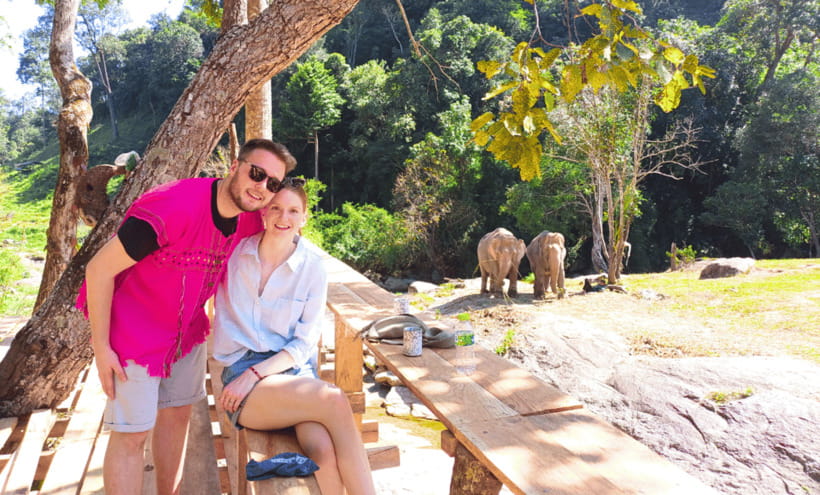
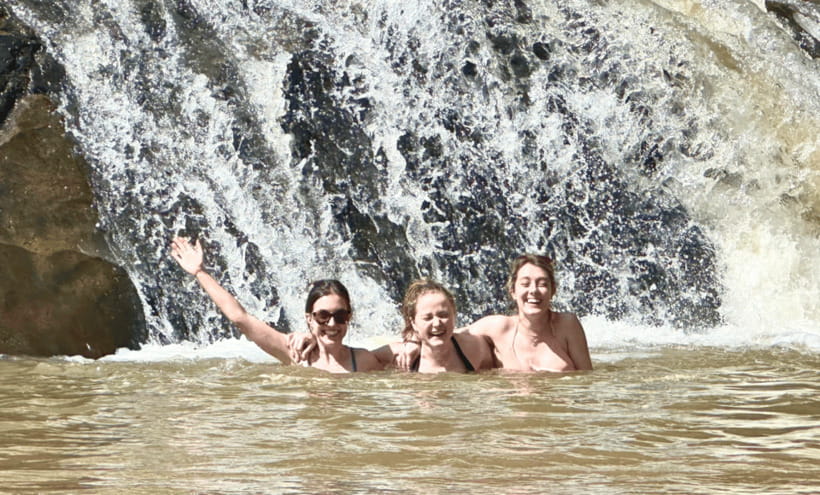
The day doesn’t stay in the forest the whole time. You’ll reach a waterfall break where you can relax and cool off, and you’re served herbal tea. Importantly, the program is designed around no elephant bathing—so the water feature doesn’t turn into a performance.
Reviews mention that some people swim or spend time by the water, described as a river/waterfall area that’s separate from elephant bathing. That means you can enjoy the fun side of Chiang Mai nature without changing the elephants’ behavior to entertain you.
What I like about this stop is that it resets the day. After you spend time watching big animals forage, it’s nice to step back, breathe, and switch from “watching” to “resting.” The tea helps too. It’s the kind of small touch that makes the experience feel intentionally paced.
Also, bring a change of clothes and swimwear. Even if you don’t plan to swim, you’ll be happier having the option. The towel is included, which saves you packing space.
Lunch and downtime: simple food that keeps the day moving
Lunch is included, and you’ll also have water provided. Reviews often describe it as vegetarian and include meals like pad Thai plus fresh fruits. The exact timing can feel a little flexible depending on how the day flows, and one reviewer noted that what they expected as lunch timing didn’t land until later.
So here’s practical advice: if you’re easily hungry, eat a small snack before pickup. That way you’re not stuck thinking about food during the jungle portion. Once lunch arrives, the experience usually feels complete—because it gives you energy for the later craft activity and the ride back.
This is also where the “half-day but 7 hours” thing matters. You’re spending enough time out that lunch isn’t just a side detail. It helps keep the mood good, which makes the entire ethical learning piece more enjoyable.
Ya Dom herb-inhaler craft: a memorable Thai souvenir that’s useful
Many elephant sanctuary experiences end after the animal time. This one adds a cultural craft, and that’s a smart move. You’ll make a Thai handmade souvenir, and reviews point to Ya Dom herb inhalers made from local spices and herbs.
Why this craft works: it’s not just a photo prop. It’s small, practical, and tied to everyday Thai use—so you take home something that feels connected to the region and the day rather than generic. Plus, you get a break from the heat and the walking right when you might start to feel tired.
This part of the program also reinforces the “responsible tourism” feeling. You’re learning and doing, but you’re not doing it at the elephants’ expense. It’s a nice way to balance the emotional impact of the day with something creative and calm.
Who should book this sanctuary and who should skip it
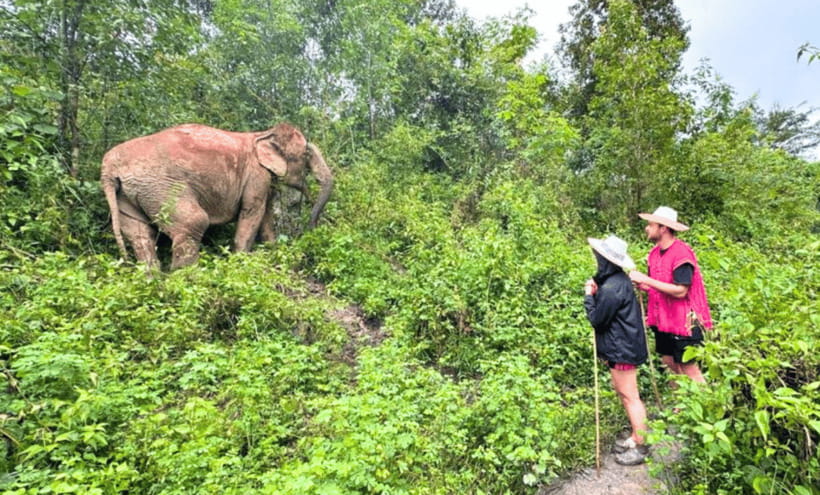
This experience fits best if you want close elephant contact that stays respectful. If you care about no riding, no touching, and no elephant bathing, and you prefer learning how elephants live instead of watching tricks, you’ll likely feel at home here.
It’s also a good fit for people who like nature walks. You’re not just observing from a single spot. You’ll follow the herd foraging through the jungle, which is more meaningful than a quick viewing stop.
Skip it if walking on uneven, outdoor terrain is tough for you. It’s listed as not suitable for wheelchair users. If you have mobility limitations, you’ll need to think carefully before booking.
If you’re traveling with kids, this could still be a great option, but only if your group can handle a nature walk and listening time during the guided portion. The emotional subject matter (elephants rescued from abuse is referenced in reviews) may also land differently depending on age.
Price and value: what you’re paying for at $54 per person
At about $54 per person, this program isn’t a bargain, and it’s not overpriced for a reason. You’re paying for several things that often get skimmed in cheaper tours: round-trip hotel pickup within a defined area, an English-speaking guide, lunch and drinks, elephant food, insurance, and even a towel.
You’re also paying for the ethical structure: feeding and observation are allowed, but the experience is built around the animals’ well-being and clear rules like no elephant bathing and no touching. That ethical positioning takes more coordination and training, and it shows up in how the day feels.
The other value point is time. You’re out to the sanctuary area, spending multiple hours with elephants in a natural setting, then getting waterfall downtime and a craft souvenir. It’s more than a “meet the elephants” photo session.
If your budget is tight, it might still be worth comparing against other Chiang Mai elephant tours—especially those that include riding or staged bathing. If you care about the ethics, paying a bit more for this style is usually the smarter call.
Practical tips to make the most of the day
Bring the basics and you’ll have a smoother experience.
- Comfortable shoes you trust on uneven ground
- Swimwear and a change of clothes if you want waterfall time
- Sandals for after you get wet (and to rest your feet)
- Sunscreen and insect repellent for the jungle parts
- Your allergy medication if you need it
One small but important note: even though it’s called half-day, the full schedule still takes most of the day. So don’t plan tight temple-hopping right afterward. Give yourself buffer time for the ride back and a proper dinner.
Also, bring a positive mindset about pace. The most memorable elephant moments often happen when you stop expecting a quick spectacle and start watching for calm, natural behavior.
Should you book Joy Elephant Sanctuary in Chiang Mai?
If you’re trying to choose between an ethical elephant sanctuary experience and a more exploitative “show,” this one is built for the ethical side. The mix of feeding, guided observation, following elephants through foraging in the jungle, and then cooling off at a waterfall (without elephant bathing) hits the right balance.
I’d book it if:
- you want elephants to act like elephants, not like attractions
- you prefer observation with clear rules instead of touching
- you want a day that includes cultural value through the Ya Dom herb-inhaler craft
- you’re okay with outdoors time and walking
I’d think twice if:
- walking is hard for you (it’s not suitable for wheelchair users)
- you want a super short outing with minimal travel
For most visitors, Joy Elephant Sanctuary is the kind of tour that sticks with you. Not because it’s loud. Because it feels respectful—and because you get to watch elephants doing what they do best, without being turned into props.
FAQ
How long is this half-day elephant sanctuary program?
The experience is listed as 7 hours in total, with a morning or afternoon half-day style session.
Is hotel pickup and drop-off included?
Yes. Pickup and drop-off are included for accommodation within 5km of Chiang Mai’s Old City.
What’s included in the price?
Included items are hotel pickup/drop-off, a guide, lunch, water, elephant’s food, insurance, and a towel.
Are you allowed to bathe the elephants?
No. The program includes a waterfall break but specifies no elephant bathing.
Do I need to bring swimwear or an extra outfit?
Swimwear and a change of clothes are recommended, and towels are provided. You’ll have time to enjoy the waterfall area.
What should I bring for comfort and safety?
Bring comfortable shoes, swimwear, sandals, sunscreen, insect repellent, and any allergy medication you need.
Is the tour wheelchair accessible?
No. It’s listed as not suitable for wheelchair users.
What’s the cancellation policy?
Free cancellation is available up to 24 hours in advance for a full refund.
More Tour Reviews in Chiang Mai
- Half-Day Thai Cooking Class at Organic Farm in Chiang Mai★ 5.0 · 19,087 reviews
- Chiang Mai: Elephant Sanctuary, Waterfall & Bamboo Rafting★ 4.9 · 9,160 reviews
- Chiang Mai: Doi Inthanon National Park Eco-Friendly Tour★ 4.6 · 6,667 reviews
- Chiang Mai: Elephant Sanctuary & Waterfall Group Tour★ 4.9 · 5,780 reviews
- Chiang Mai: Chiang Rai Temples, Karen Tribe and Hot Springs★ 4.7 · 5,401 reviews
More Elephant Sanctuaries Near Chiang Mai
- Chiang Mai: Elephant Sanctuary, Waterfall & Bamboo Rafting★ 4.9 · 9,160 reviews
- Chiang Mai: Elephant Sanctuary & Waterfall Group Tour★ 4.9 · 5,780 reviews
- Chiang Mai: Elephant Sanctuary Feeding Program Half-Day Tour★ 4.8 · 4,527 reviews
- Chiang Mai: Elephant Sanctuary, Long Neck & Sticky Waterfall★ 4.9 · 2,262 reviews
- From Chiang Mai: Elephant Care Program and Nursery Tour★ 4.8 · 1,899 reviews
Fresh off the pile: Chiang Mai tours we have just written up





Ethical Elephant Sanctuaries, compared.
 ★ 4.9Elephant Sanctuary, Waterfall & Bamboo RaftingFrom $609,160 reviews
 ★ 4.9Elephant Sanctuary & Waterfall Group TourFrom $505,780 reviews
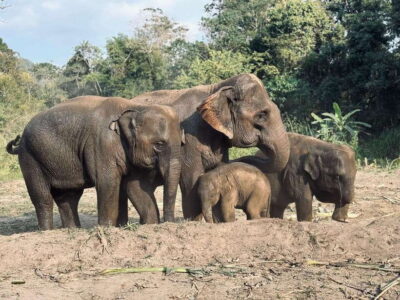 ★ 4.8Elephant Sanctuary Feeding Program Half-Day TourFrom $274,527 reviews
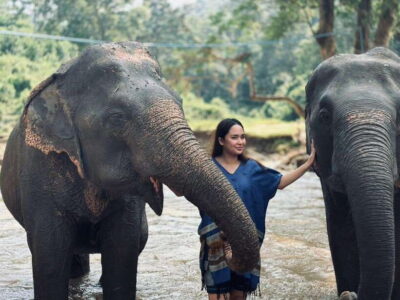 ★ 4.9Elephant Sanctuary, Long Neck & Sticky WaterfallFrom $632,262 reviews
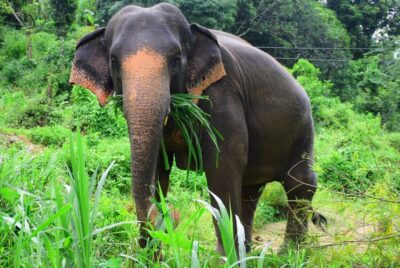 ★ 4.8Elephant Care Program and Nursery TourFrom $531,899 reviews
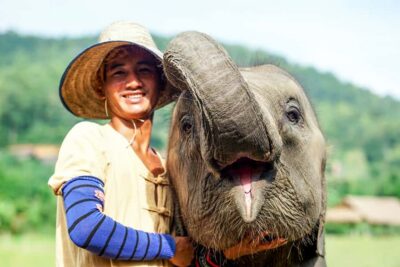 ★ 4.9Small Group Ethical Elephant Sanctuary TourFrom $771,572 reviews
 ★ 5.0Half Day Visit Smile Elephant Chiang MaiFrom $501,216 reviews
 ★ 4.9Doi Inthanon and Elephant Sanctuary TourFrom $811,091 reviews
Browse the lists this tour appears in