
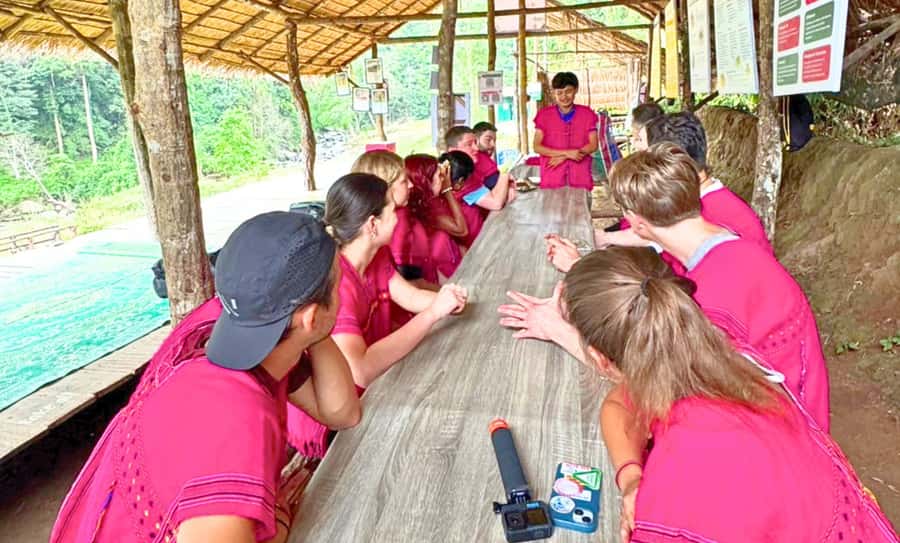
Reviewed · ETHICAL ELEPHANT SANCTUARIES
Chiang Mai: Full Day Ethical Elephant Sanctuary & Waterfall
Elephants, tea, and careful caretaking in one day. I love the ethical elephant observation at Joy Elephant Sanctuary and the hands-on herbal medicine balls workshop, where you learn by doing. The main drawback to plan for is the long, winding van ride out to Mae Wang, so motion sickness is a real possibility for some people.
This full-day program is built around quiet, respectful time with elephants in a natural-feeling jungle setting, plus a cooling break by the waterfall with herbal tea. You also get a full set of included basics—pickup, lunch, water, food/snacks for the elephants, and even a towel—so you can travel lighter and just focus on the day.
In This Review
- Key things to notice before you go
- Ethical elephant observation at Joy Elephant Sanctuary: what it really feels like
- Road trip out of Chiang Mai: timing, comfort, and smart packing
- First jungle stop: elephant observation, feeding prep, and caretaking tasks
- Lunch in Mae Wang: refuel without losing the day’s pace
- Waterfall tea break in the Mae Wang area: cooling down between elephant moments
- Herbal medicine ball workshop: the hands-on part that makes care click
- Elephant food, snacks, and the included basics: value you can feel on the day
- Group pace and timing: what 9 hours means in real life
- Price and value: is $70 a fair deal in Chiang Mai?
- What to bring (and what will save your day)
- Who should book this elephant sanctuary day (and who shouldn’t)
- Should you book the Chiang Mai ethical elephant day at Joy Elephant Sanctuary?
- FAQ
- How long is the Chiang Mai ethical elephant sanctuary experience?
- How much does it cost per person?
- Is hotel pickup and drop-off included, and how close to the Old City?
- What language is the live tour guide?
- What is included for lunch and drinks?
- What kinds of activities do you do with the elephants?
- What should I bring for the day?
- What is not allowed during the tour?
- Is the tour suitable for wheelchair users?
Key things to notice before you go
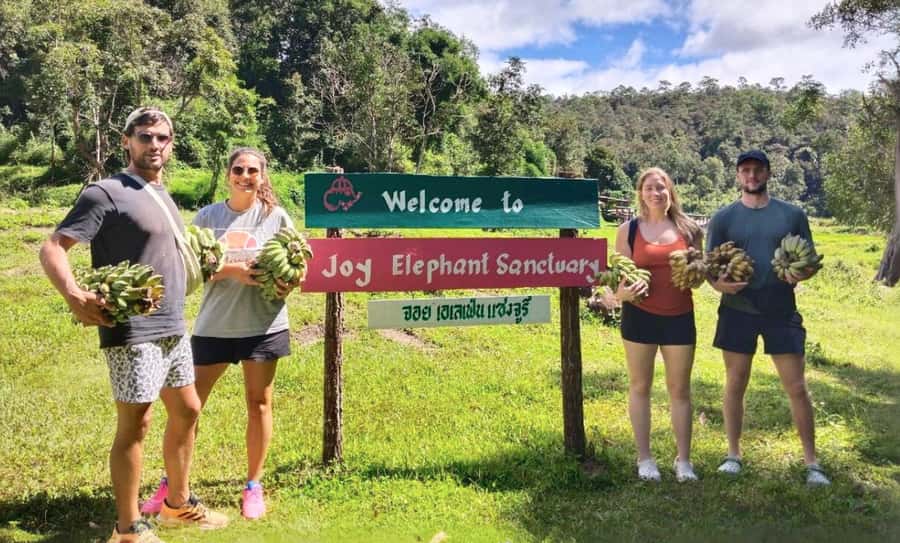
- Ethical elephant observation first: feeding and caretaking tasks paired with close, calm observing
- Herbal-care workshop: you’ll help make herbal medicine balls as part of elephant feeding and care
- Waterfall break with tea: a real reset point between jungle time blocks
- Jungle walking time: expect walks and wildlife viewing, not a sit-down tour style
- Bring swimwear: the day’s water moments and muddy fun are part of what you might see
More ethical elephant sanctuaries around Chiang Mai, side by side
- Chiang Mai: Elephant Sanctuary, Waterfall & Bamboo Rafting
★ 4.9 · 9,160 reviews - Chiang Mai: Elephant Sanctuary & Waterfall Group Tour
★ 4.9 · 5,780 reviews - Chiang Mai: Elephant Sanctuary Feeding Program Half-Day Tour
★ 4.8 · 4,527 reviews - Chiang Mai: Elephant Sanctuary, Long Neck & Sticky Waterfall
★ 4.9 · 2,262 reviews
Ethical elephant observation at Joy Elephant Sanctuary: what it really feels like
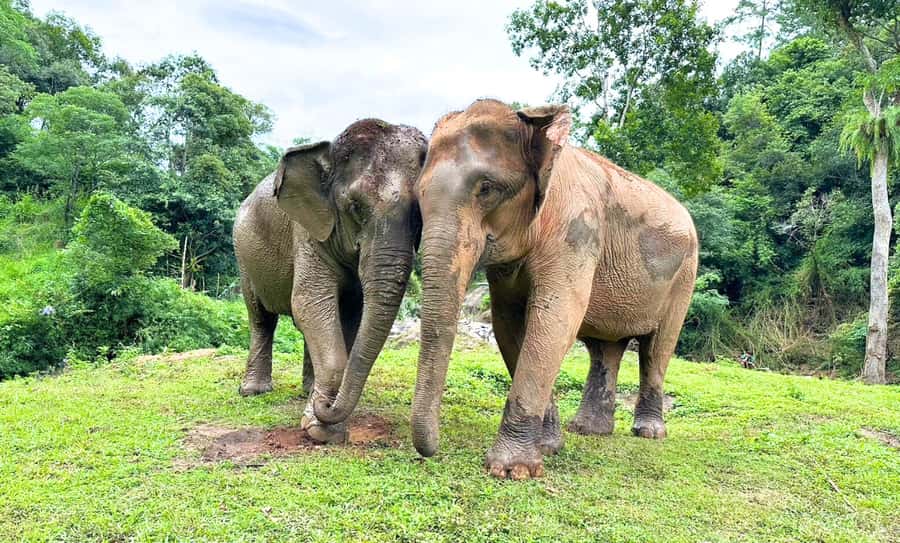
This isn’t a quick look-and-go elephant stop. The day is structured around being near elephants without rushing them, learning their routines, and taking part in caretaking in a way that’s meant to be responsible.
At Joy Elephant Sanctuary, your interactions center on preparation and feeding, plus observing how elephants move, forage, and behave. That matters, because you’re not just watching animals do tricks—you’re seeing how they live, and you’re learning the kinds of care routines that help support that lifestyle.
What I like most is the balance: you get hands-on tasks (like making elephant food and herbal medicine balls), then you slow down and observe. That rhythm keeps the day from feeling like a staged performance and turns it into a learning experience you can actually carry back to your own travel habits.
Road trip out of Chiang Mai: timing, comfort, and smart packing
Your day starts with pickup in the Mueang Chiang Mai District area, and the transfer runs on a minivan for those staying within 5 km of the Old City. That’s convenient, but it also means you’ll likely be sharing seats and timing with other guests, so keep your phone and water ready and expect a smooth but packed schedule.
You’ll spend about 1.5 hours in the van heading out, then another 1.5 hours returning. Mae Wang District is where the action happens, so plan for road time. One thing to take seriously: the route includes a lot of curves. If you’re prone to motion sickness, bring your usual remedy and sit where you feel most stable.
Comfort-wise, this day is active. Wear comfortable shoes from the start—because once you’re walking, you’ll want your feet to feel good, not just passable.
First jungle stop: elephant observation, feeding prep, and caretaking tasks
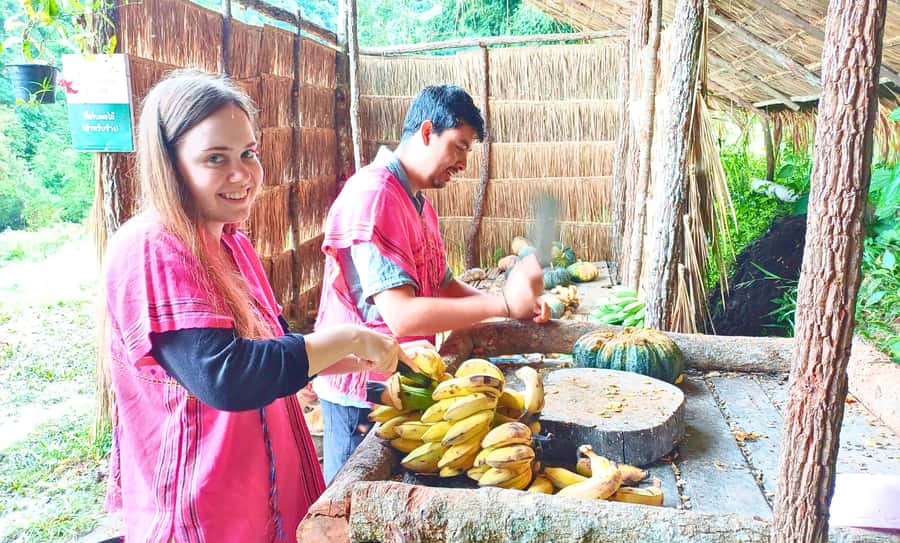
Once you arrive in Mae Wang District, the day settles into its core theme: elephants, up close, with guided guidance and clear instruction. The schedule includes wildlife viewing and guided time early on, which helps set the tone—calm, attentive, and focused on what you’re seeing.
You’ll be involved in preparing elephant food and then feeding. You’ll also learn about elephant behavior as they walk and forage in the jungle. That part is important. When you understand what you’re looking for—how they move, how they browse, how they respond—you stop treating the experience like a snapshot and start treating it like observation.
This is also where the ethical angle becomes practical. Because the focus is feeding and observation, your job is to follow caretakers’ instructions and respect the elephants’ space and pace. It’s not about getting loud or rushing for the perfect moment.
Nothing jumping out yet? More Chiang Mai trips are just down the page

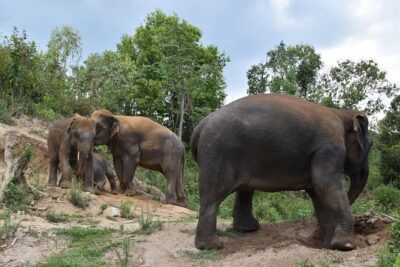

Lunch in Mae Wang: refuel without losing the day’s pace
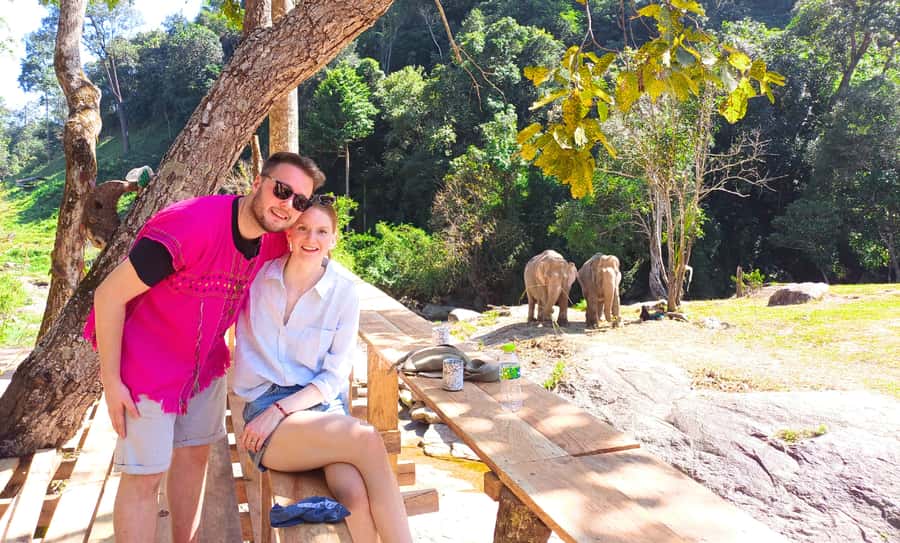
Lunch is part of the program and runs around 30 minutes. That’s not a long restaurant break, so treat it like refueling time rather than a full sit-down meal experience.
Bring an open mind about what you’ll eat since the schedule is designed to keep the day moving. If you’re someone who gets hungry quickly, you might find it helpful to have your own small snacks as a backup—especially since most of your time will be outdoors and hands-on.
After lunch, you’ll be heading into a second active block, so I’d use lunch to rehydrate, wash up if needed, and reset your energy for the workshop portion later.
Waterfall tea break in the Mae Wang area: cooling down between elephant moments
After the earlier caretaking and observing time, you get a break by the waterfall with tea. This is a smart part of the schedule, because it gives you a change of pace: less instruction, more breathing room, and a chance to cool down.
You’ll be sightseeing and walking a bit during this block, so your body gets movement in a different way—more gentle, more scenic, and less task-focused. The tea break also helps you stay comfortable in Thailand’s heat, especially because the day includes several outdoor stretches.
One practical tip: bring what you need so you can handle water moments. The program list suggests swimwear and a change of clothes, and in this area you may spot elephants interacting with muddy or wet spots. Even if you’re not planning to get wet, you’ll feel better prepared.
Herbal medicine ball workshop: the hands-on part that makes care click
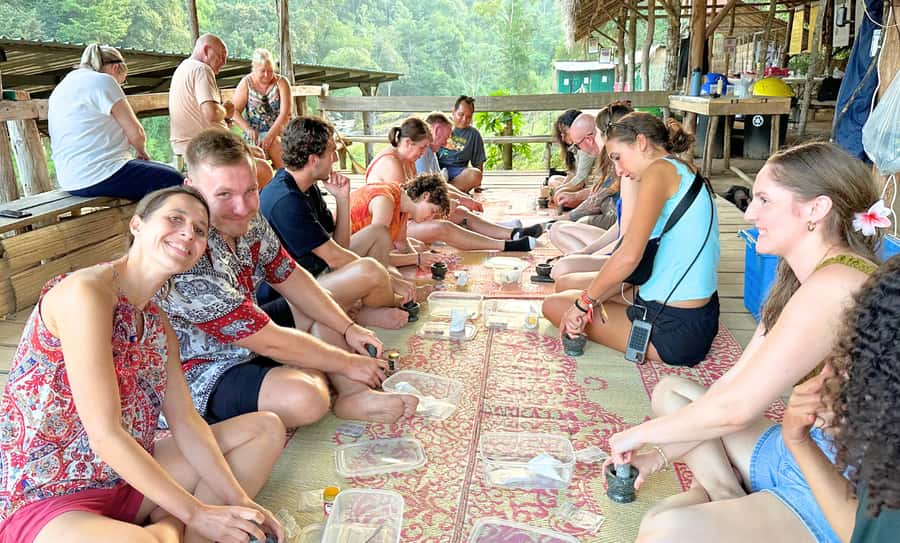
The workshop is one of the best reasons to choose this full-day program. You’re not just learning facts—you’re making herbal medicine balls for elephants. That takes the elephant-care conversation beyond feeding into a more grounded understanding of traditional care routines.
You’ll also take part in elephant health checking tasks. That’s the kind of activity that helps you connect what you see in behavior to what caretakers look for in the animals’ day-to-day wellbeing. The effect is that the elephants stop feeling like a single attraction and start feeling like a living responsibility shared by a care team.
Herbal making is also where you’ll likely notice the cultural aspect of the day. Along the way, there’s time for a Thai handmade souvenir craft too, so you get both the animal-care learning and a small keepsake that fits what you actually did that day.
One more note: since one participant described an extra breathing-inhaler style herbal item being made during the herbal session, don’t be shocked if your group’s herbal activities include more than just the medicine balls. The core is still the herbal medicine balls, but the herbal theme can feel a bit broader depending on how your session is organized.
Elephant food, snacks, and the included basics: value you can feel on the day
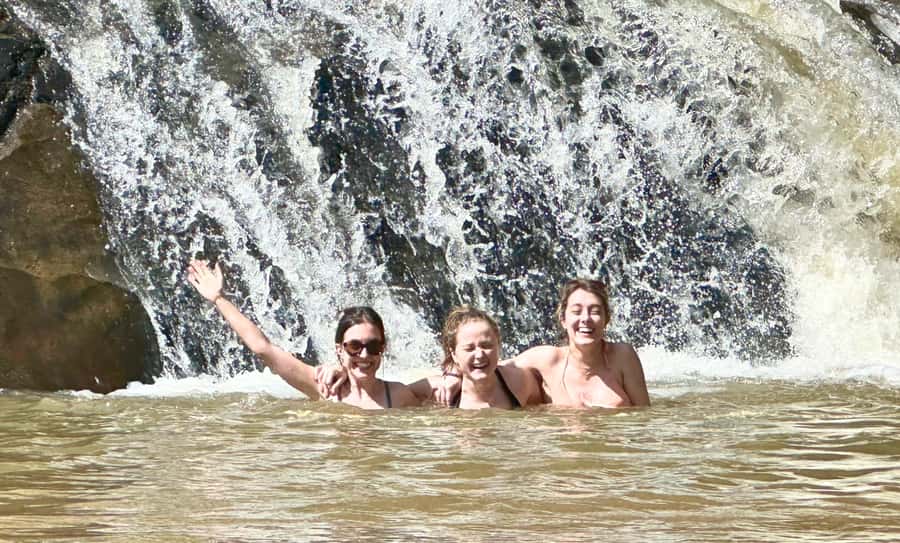
The package includes elephant food & snacks, lunch, water, a towel, and insurance, plus pickup and drop-off. That’s not just fine print. It reduces the friction of the day and helps you avoid the common travel problem of realizing too late that you forgot something.
It’s also part of the ethical design. When the program provides the feeding inputs and the structure for caretaking tasks, you’re less likely to drift into random, unstructured interactions. Instead, you’re guided into the right way to participate.
The towel inclusion is one of those small “thank you” details. With outdoor walking and possible water/mud moments, you’ll appreciate having it. And since the itinerary is long—9 hours—water matters, too. The program provides it, so you can pace yourself.
Group pace and timing: what 9 hours means in real life
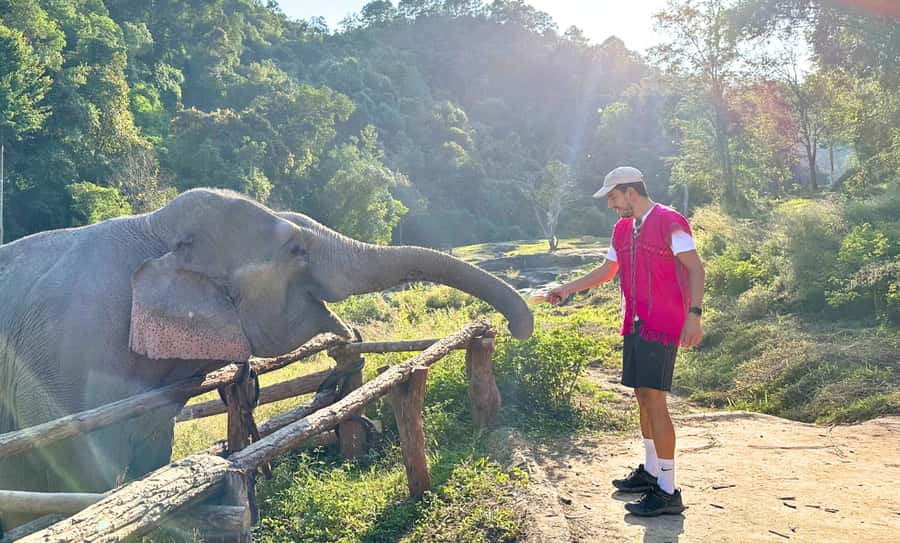
A 9-hour day sounds long until you remember it’s broken into blocks: van time out, an early guided wildlife viewing stretch, lunch, then tea/walk/wildlife viewing/workshop time, and the return drive. The pacing is what makes it work.
Expect that you’ll be outside most of the day. Even the breaks are built around being in the area rather than jumping between indoor stops. That’s ideal if you like nature and don’t mind being on your feet.
Because the program runs for almost a full day, I’d avoid stacking other plans afterward. You’ll likely come back tired in a good way—tired like you actually spent time learning and observing.
Price and value: is $70 a fair deal in Chiang Mai?
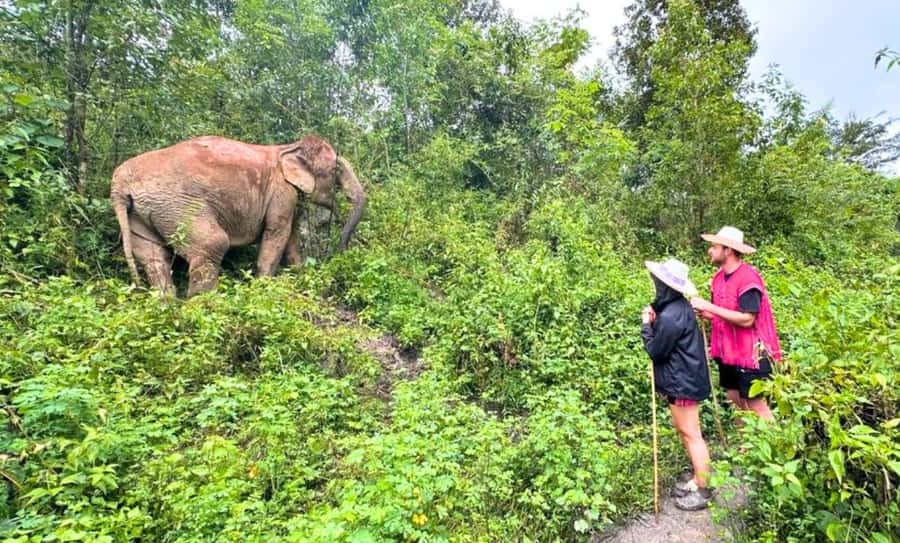
$70 per person for a full-day, guided, pickup-and-drop, English tour that includes lunch, water, and elephant feeding materials is not bad value. You’re paying for logistics (van transfer), guided time, and the core experience components—feeding/observation time plus a workshop that’s hands-on.
What makes it feel worth it is that the day isn’t one long viewing session. You help with food and herbal-care tasks, you get a structured tea/waterfall pause, and you also make a Thai handmade souvenir. Those elements turn the visit into more than a photo opportunity.
If you’re deciding between a short elephant stop and a full-day ethical program, this type of day is the better pick for people who want understanding, not just a one-hour encounter.
What to bring (and what will save your day)
For this experience, come prepared for heat, walking, and possible water/mud moments. Your packing list should look like this:
- Comfortable shoes for walking
- Swimwear and a change of clothes (in case you get splashed or end up near muddy water)
- Sandals you can wear if wet areas happen
- Sunscreen and insect repellent
- Your own allergy medication if you need it
- Towel is included, but it won’t replace good planning for clothes
Also note the basic rules: pets aren’t allowed, and explosive substances aren’t allowed. Those restrictions keep the environment safe and focused on animal care.
And one more reality check: it’s not suitable for wheelchair users. If mobility access is a concern, you’ll want to pick a different Chiang Mai activity designed for that.
Who should book this elephant sanctuary day (and who shouldn’t)
This is a great fit if you want your elephant day to feel educational and grounded. You’ll enjoy it if you like guided observing, hands-on caretaking tasks, and learning about herbal-care practices.
I’d also point it out to families or groups who want a structured schedule with clear adult supervision and included meals and water. The day is active, but it’s designed to keep you moving and learning, not wandering.
Skip it if you strongly dislike long van rides. The schedule includes about 1.5 hours each way, and the roads include many curves. Also skip it if you’re looking for a fully relaxed, mostly seated day.
Should you book the Chiang Mai ethical elephant day at Joy Elephant Sanctuary?
If you care about ethical interaction and want to do more than watch elephants from a distance, I think this is a solid choice. The combination of feeding and observation, plus caretaking and the herbal medicine ball workshop, gives you a fuller sense of what responsible elephant tourism looks like in practice.
Book it if your body can handle a long day outdoors and you’re okay with the van ride out to Mae Wang District. Don’t book it if mobility access is needed or if long, curvy driving will make you miserable.
FAQ
How long is the Chiang Mai ethical elephant sanctuary experience?
It runs for about 9 hours, including pickup, the full guided day activities, and the return transfer.
How much does it cost per person?
The price is listed as $70 per person.
Is hotel pickup and drop-off included, and how close to the Old City?
Yes. Round-trip pickup and drop-off are included for accommodations within a 5 km radius of Chiang Mai’s Old City.
What language is the live tour guide?
The live tour guide is listed as English.
What is included for lunch and drinks?
Lunch is included, and water is also included during the day. Tea is part of the schedule as well.
What kinds of activities do you do with the elephants?
You participate in preparing food, feeding elephants, and observing elephant behavior (including walking and foraging in the jungle). You also join caretaking-related tasks such as checking elephant health and making herbal medicine balls.
What should I bring for the day?
Bring comfortable shoes, swimwear, a change of clothes, sandals, sunscreen, and insect repellent. If you have allergies, bring your own allergy medication.
What is not allowed during the tour?
Pets are not allowed, and explosive substances are not allowed.
Is the tour suitable for wheelchair users?
No, it is not suitable for wheelchair users.
More Full-Day in Chiang Mai
- Full Day Thai Cooking at Farm (Chiang Mai)★ 5.0 · 1,127 reviews
- Care Pride Elephants: Full-Day Tour Experience★ 5.0 · 658 reviews
- Doi Inthanon National Park Eco-Friendly Full Day Tour★ 4.5 · 248 reviews
- Chiang Mai: Full-Day Kerchor Elephant Eco Park Tour & Trek★ 4.6 · 224 reviews
- No.1 Full-Day Chiang Mai Caving & Jungle Kayaking: Chiang Dao★ 4.5 · 206 reviews
More Tour Reviews in Chiang Mai
- Half-Day Thai Cooking Class at Organic Farm in Chiang Mai★ 5.0 · 19,087 reviews
- Chiang Mai: Elephant Sanctuary, Waterfall & Bamboo Rafting★ 4.9 · 9,160 reviews
- Chiang Mai: Doi Inthanon National Park Eco-Friendly Tour★ 4.6 · 6,667 reviews
- Chiang Mai: Elephant Sanctuary & Waterfall Group Tour★ 4.9 · 5,780 reviews
- Chiang Mai: Chiang Rai Temples, Karen Tribe and Hot Springs★ 4.7 · 5,401 reviews
More Elephant Sanctuaries Near Chiang Mai
- Chiang Mai: Elephant Sanctuary, Waterfall & Bamboo Rafting★ 4.9 · 9,160 reviews
- Chiang Mai: Elephant Sanctuary & Waterfall Group Tour★ 4.9 · 5,780 reviews
- Chiang Mai: Elephant Sanctuary Feeding Program Half-Day Tour★ 4.8 · 4,527 reviews
- Chiang Mai: Elephant Sanctuary, Long Neck & Sticky Waterfall★ 4.9 · 2,262 reviews
- From Chiang Mai: Elephant Care Program and Nursery Tour★ 4.8 · 1,899 reviews
Fresh off the pile: Chiang Mai tours we have just written up


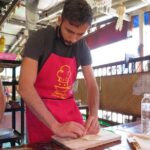
Ethical Elephant Sanctuaries, compared.
 ★ 4.9Elephant Sanctuary, Waterfall & Bamboo RaftingFrom $609,160 reviews
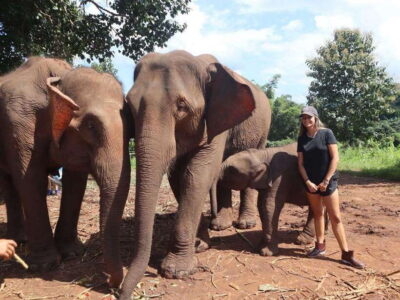 ★ 4.9Elephant Sanctuary & Waterfall Group TourFrom $505,780 reviews
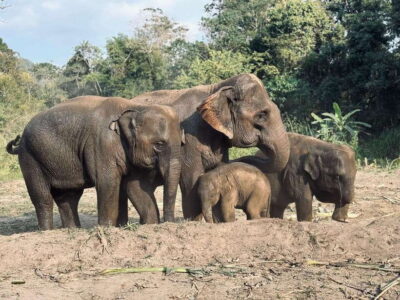 ★ 4.8Elephant Sanctuary Feeding Program Half-Day TourFrom $274,527 reviews
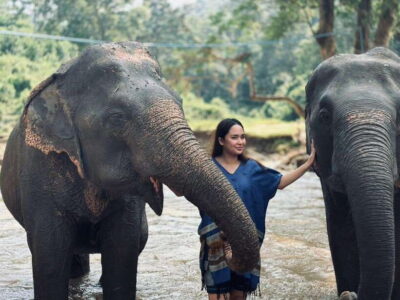 ★ 4.9Elephant Sanctuary, Long Neck & Sticky WaterfallFrom $632,262 reviews
 ★ 4.8Elephant Care Program and Nursery TourFrom $531,899 reviews
 ★ 4.9Small Group Ethical Elephant Sanctuary TourFrom $771,572 reviews
 ★ 5.0Half Day Visit Smile Elephant Chiang MaiFrom $501,216 reviews
 ★ 4.9Doi Inthanon and Elephant Sanctuary TourFrom $811,091 reviews
Browse the lists this tour appears in