
Reviewed · FOOD
Cook Local Northern Thai Food in Traditional House
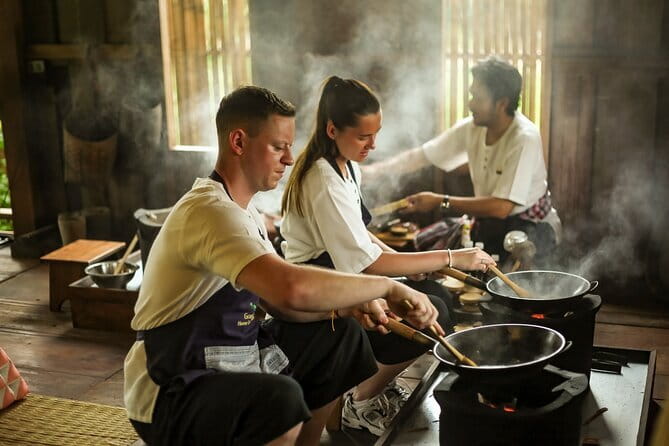
A whole day of cooking, starting with ingredients you chose yourself, is a rare treat. This Lanna-style class in Chiang Mai turns a normal cooking lesson into a hands-on Northern Thai food day, with a market stop, an organic farm visit, and traditional techniques like charcoal grilling, stone-milled flour, and real coconut grating.
I especially like the small-group feel (max 6) and the fact that you’re not just watching. You get to make five specific Northern Thai dishes and then sit down for what you made. One possible drawback: because it’s structured like a class, it’s not a casual hangout in someone’s private family kitchen.
In This Review
- Key highlights worth clocking
- Northern Thai cooking in a real workflow (not just demos)
- The 9:00 am start: transfers, snacks, and how the day moves
- Picking ingredients in the local market: the lesson starts before the kitchen
- Organic farm visit: herbs, vegetables, and the “why” behind flavors
- Back in the traditional house: tools you’ll actually use
- What you’ll cook: the five Northern Thai dishes
- Northern Thai Sausage
- Nam Prik Ong or Nam Prik Num
- Northern Pork Belly Curry
- Curry Young Jackfruit
- Thai coconut pancakes
- Lunch break: taste what you made and adjust your sense of balance
- Dessert and refreshments: small finale, real Thai flavor
- The value of this class at $57.99: what you’re really paying for
- Who this fits best (and who should think twice)
- Reviews in plain terms: what people love most
- Final call: should you book Cook Local Northern Thai Food?
- FAQ
- What time does the cooking class start in Chiang Mai?
- How long is the experience?
- What is included in the price besides cooking?
- Do I get to make multiple dishes or just try samples?
- Which dishes are part of the class?
- Is pickup available?
- Is alcohol included?
- How big is the group?
- Can the class handle dietary restrictions?
- Is there a recipe book to take home?
- Are children allowed to join?
Key highlights worth clocking
- Market first, then the cooking so you learn the ingredients and seasonings before the stove work starts
- Organic farm + herb picking to connect what you see growing with what ends up in your dishes
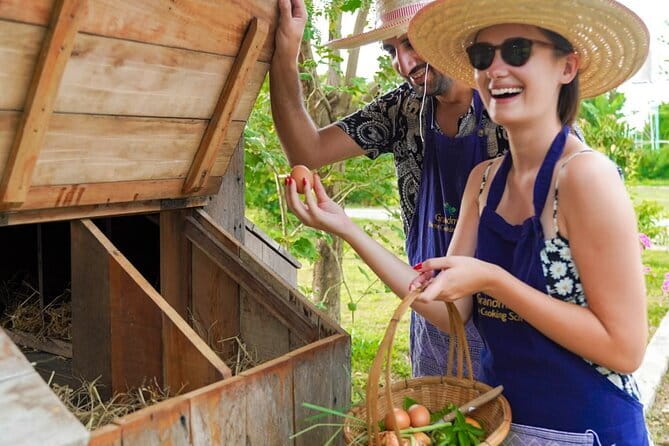
- Eggs from the chicken coop for a food-to-source moment that’s practical, not performative
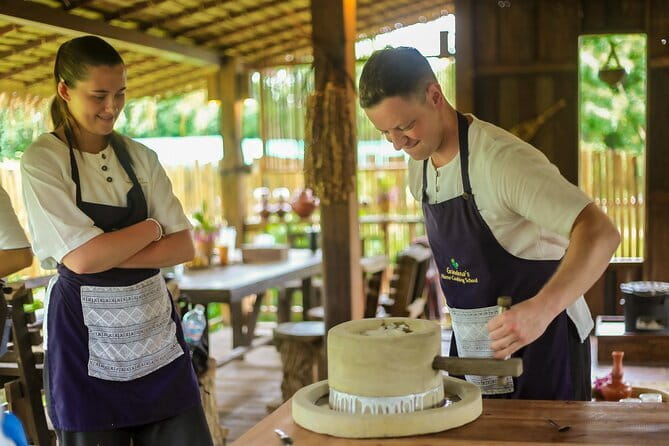
- Traditional tools and methods like a millstone for flour and a coconut grater for coconut milk
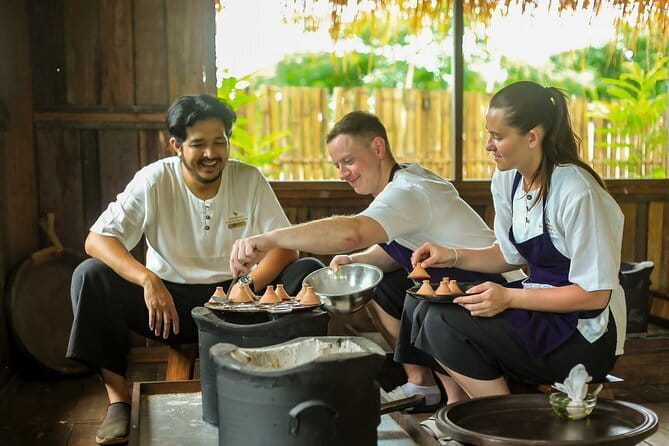
- Five full dishes, not a sampler including Nam Prik Ong or Nam Prik Num, pork belly curry, young jackfruit curry, Northern Thai sausage, and coconut pancakes
- Lunch, dessert, snacks, plus a recipe book so you can recreate the day at home
Nothing jumping out yet? More Chiang Mai trips are just down the page
- Small-Group Chiang Mai Evening Street Food Tour
★ 4.5 · 826 reviews - Chiang Mai: Evening Local Street Food Market Tour
★ 4.8 · 604 reviews - Northern Flavours Chiang Mai Food Tour with 15+ Tastings
★ 5.0 · 513 reviews - The 10 Tastings of Chiang Mai With Locals: Private Street Food Tour
★ 5.0 · 216 reviews
Northern Thai cooking in a real workflow (not just demos)
This is the kind of class that teaches you how Northern Thai food gets built, step by step. You start with ingredients in a local market, then you head out to an organic farm to pick vegetables and herbs, and you even collect eggs. Then you cook. By the time you’re at the stove, you already know what the ingredients are and why they matter.
The best part for me is the way the day is organized around work you can repeat later. Charcoal-grill technique, stone-mill flour, and hand-grated coconut milk aren’t just fun stories. They’re skills that change your food. And when you finish, you’ll have the dishes you made—plus an e-recipe book—so you’re not leaving with only memories.
The 9:00 am start: transfers, snacks, and how the day moves
The day kicks off at 9:00 am with round-trip transfers from your hotel area. That matters more than it sounds. Chiang Mai traffic can chew up time, and this schedule keeps the class flowing without you trying to solve logistics while you’re hungry.
When you arrive, you get welcome snacks and a refreshing drink. It’s a small detail, but it helps because you’ll be doing a full day: walking, selecting ingredients, then cooking for hours. The group size is capped at 6 travelers, so you’ll usually have enough attention that your questions don’t get lost in a crowd.
Picking ingredients in the local market: the lesson starts before the kitchen
The class begins with a visit to a local market where the English-speaking instructors guide you through Northern Thai ingredients and seasonings. This isn’t just a stroll for photos. You’re meant to learn what the ingredients are, how they’re used, and what to look for when you’re choosing produce.
You also get to select ingredients for your dishes. That hands-on choice is one of the things I like most because it makes the cooking portion feel less random. Instead of following steps you don’t understand, you’ll recognize what’s in your bowl and what it’s supposed to taste like.
Practical note: markets can mean lots of walking and standing. Wear comfortable shoes and plan to stay flexible with pace, since you’ll be moving as a group through stalls.
Nothing jumping out yet? More Chiang Mai trips are just down the page
Organic farm visit: herbs, vegetables, and the “why” behind flavors
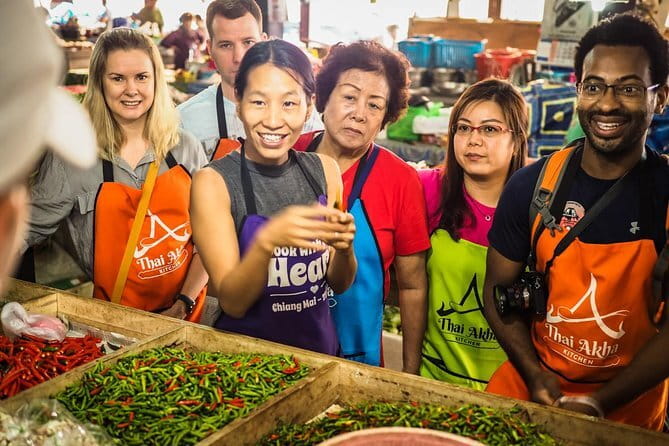
After the market, you head to an organic farm. The goal here is direct: learn which Thai herbs and vegetables you’ll use, then pick them. The instructors explain their uses in cooking, which helps you connect the growing stage to the final plate.
You’ll likely spend time around plants and garden beds while you collect what you need. For me, that’s the key value of doing the farm stop with the cooking class. It turns a menu into ingredients, and it turns ingredients into reasoning.
Then you visit a chicken coop to collect eggs. Even if eggs aren’t a “showstopper” in your final dish, it’s the kind of step that reinforces how Northern Thai cooking starts with basic, real food inputs.
Back in the traditional house: tools you’ll actually use
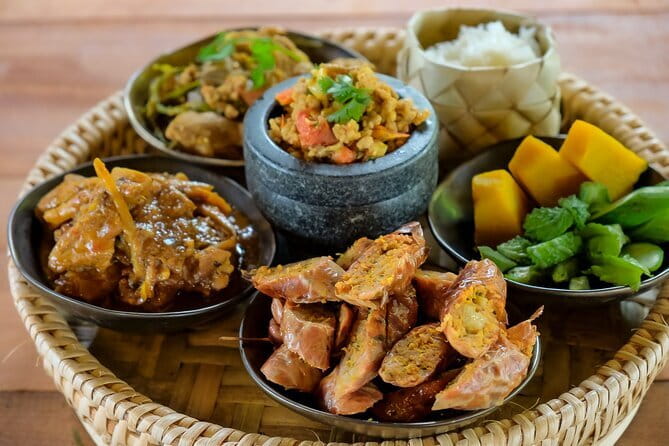
Once you’re back, the class turns into practical skill-building. The hands-on theme is strong, and you’ll get training in several traditional methods, not only chopping and stirring.
Here are the main technique highlights you should look forward to:
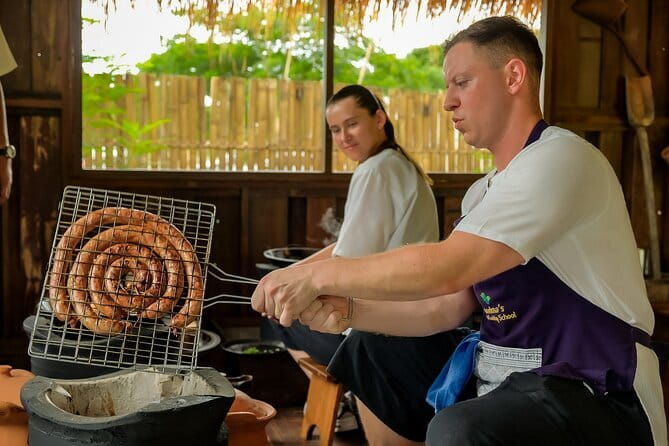
- Lighting a charcoal grill the right way, so you understand fire control, not just timing
- Milling flour using a traditional millstone, which makes the process feel grounded and physical
- Grating coconut meat with a coconut grater to make coconut milk the traditional way
- Wash and prep vegetables properly so your cooked dishes taste cleaner and more consistent
- Cooking Thai coconut pancakes using traditional technique, not a modern shortcut
This is where you’ll feel the difference between a basic cooking class and one that teaches technique. You’re doing the motions that build flavor and texture.
What you’ll cook: the five Northern Thai dishes
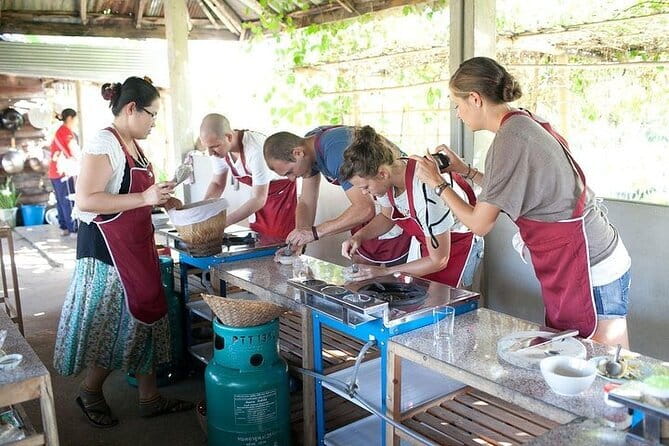
The course is built around five specific dishes, so your day has structure and you’re not guessing what you’re “supposed” to be making. Based on the class outline, you’ll cover:
Northern Thai Sausage
You’ll learn how this local-style sausage fits into Northern flavors. Expect more than just taste. The instruction focuses on how the dish comes together so you understand the seasoning approach.
Nam Prik Ong or Nam Prik Num
You’ll make either Nam Prik Ong or Nam Prik Num. Both are Northern Thai chili-based preparations, and the point is to understand the base and balance so it works with the other dishes at lunch.
Northern Pork Belly Curry
This is a core Northern comfort dish. Curry-making is where technique shows. Even if you don’t cook it often at home, you’ll understand how the dish builds and what to pay attention to as it cooks.
Curry Young Jackfruit
Young jackfruit has a texture that can surprise you if you’re used to sweet fruit. The class gives you a method to work with it as a cooking ingredient, so you’re not treating it like something odd. It becomes part of a curry routine.
Thai coconut pancakes
This is your finish-and-satisfy dish. You’ll use the traditional coconut process (grating coconut meat) and apply it to pancakes. It’s a fun payoff because you feel the work you did earlier in the day.
Lunch break: taste what you made and adjust your sense of balance
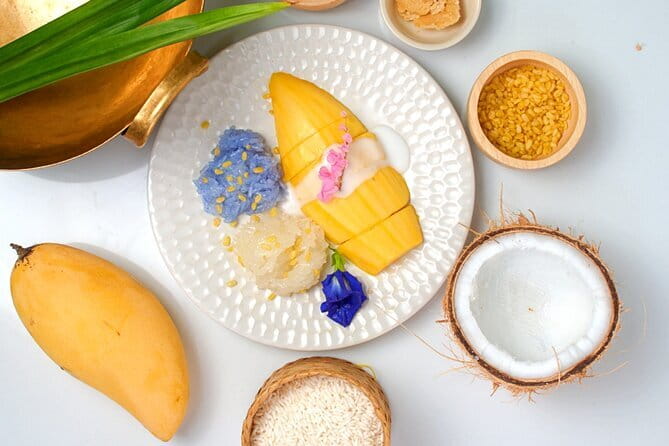
You’ll have a lunch break to taste your creations. This is one of those moments that makes the class actually stick. You cooked the dishes, then you taste them as a meal, side by side.
If you’re the kind of person who likes to learn by tasting, this is huge. You get a chance to notice things like heat level, salt balance, and whether the curry texture feels right. Then you have the rest of the class still to use that judgment.
Dessert and refreshments: small finale, real Thai flavor
The day also includes a dessert session with traditional Thai desserts and refreshments. It’s not just sugar at the end. The point is to expand your sense of what “Thai dessert” means beyond one style. The menu changes by day, but the structure stays the same: a break, then tasting.
You’ll also have additional snacks and drinks included earlier in the day, so you’re not left scrambling for food during active work time.
The value of this class at $57.99: what you’re really paying for
At $57.99 per person for about 7 hours, the price makes sense when you look at the full package, not just the cooking part. You’re paying for:
- Market instruction and ingredient selection
- Organic farm time and herb/vegetable picking
- Chicken coop egg collection
- Hands-on training with traditional tools and methods
- Five dishes cooked by you
- Lunch, plus a dessert tasting session
- A downloadable e-recipe book for practice later
- Round-trip transfers included
- The class can accommodate special dietary requirements
If you’ve done cooking classes elsewhere, you know some charge extra just to get transportation or meals. Here, the structure tries to keep costs aligned with the whole day you’re getting.
One thing to keep in mind: alcohol drinks are not included. If that matters to you, plan to skip or bring your expectations down a notch.
Who this fits best (and who should think twice)
This class is ideal if you want a hands-on day that teaches technique. It’s great for people who like making food from scratch and who enjoy understanding ingredients, not only following recipes.
It can also be a good option for families: children under 12 are welcome as visitors. That said, it’s still a working cooking class, so you’ll want to judge whether your child will enjoy the process and pace.
Think twice if you dislike structured group schedules. This isn’t a loose cooking party. It’s a guided, safe, and organized day with a clear flow: market, farm, then cooking.
Reviews in plain terms: what people love most
The standout praise is consistent: it’s often described as clean, fun, safe, and genuinely interesting, with many people calling it the best food experience during their Thailand trip.
There’s also one useful reality check you should know: the setup is run as a cooking school, not a literal grandma’s private home kitchen you can wander around. What you get instead is a well-managed learning environment that still uses traditional methods and ends with meals you helped build.
Final call: should you book Cook Local Northern Thai Food?
I’d book this if you want more than a one-off tasting. You’ll leave with at least five dishes you made, specific skills like charcoal-grill lighting, stone-milled flour, and coconut grating for coconut milk. The market + farm + eggs pattern also makes the food feel connected to the region, not just assembled.
I wouldn’t book it if you’re mainly looking for a relaxed sightseeing day. This is work, in a friendly way, and the value comes from participating. If you show up ready to cook and ask questions, you’ll get a day you can repeat at home using the e-recipe book.
FAQ
What time does the cooking class start in Chiang Mai?
The start time is 9:00 am.
How long is the experience?
It runs for about 7 hours.
What is included in the price besides cooking?
The class includes hands-on cooking instruction, lunch, a refreshing drink and welcome snacks, dessert and refreshments during a tasting session, and an e-recipe book. Round-trip transfers to and from your hotel are also included.
Do I get to make multiple dishes or just try samples?
You cook five traditional Northern Thai dishes during the class.
Which dishes are part of the class?
The dishes include Northern Thai Sausage, Nam Prik Ong or Nam Prik Num, Northern Pork Belly Curry, Curry Young Jackfruit, and Thai coconut pancakes.
Is pickup available?
Yes, pickup is offered, and round-trip transfers are included.
Is alcohol included?
No, alcohol drinks are not included.
How big is the group?
The experience can accommodate a maximum of 6 travelers.
Can the class handle dietary restrictions?
Yes, the activity is able to accommodate special dietary requirements.
Is there a recipe book to take home?
Yes, you receive an e-recipe book to download.
Are children allowed to join?
Children under age 12 are welcome as visitors.
More Food in Chiang Mai
- Small-Group Chiang Mai Evening Street Food Tour★ 4.5 · 826 reviews
- Chiang Mai: Evening Local Street Food Market Tour★ 4.8 · 604 reviews
- Northern Flavours Chiang Mai Food Tour with 15+ Tastings★ 5.0 · 513 reviews
- The 10 Tastings of Chiang Mai With Locals: Private Street Food Tour★ 5.0 · 216 reviews
- Chiang Mai: Local Food and Markets Guided Walking Tour★ 4.3 · 175 reviews
More Food & Drink in Chiang Mai
- Small-Group Chiang Mai Evening Street Food Tour★ 4.5 · 826 reviews
- Chiang Mai: Evening Local Street Food Market Tour★ 4.8 · 604 reviews
- Northern Flavours Chiang Mai Food Tour with 15+ Tastings★ 5.0 · 513 reviews
- The 10 Tastings of Chiang Mai With Locals: Private Street Food Tour★ 5.0 · 216 reviews
- Chiang Mai: Local Food and Markets Guided Walking Tour★ 4.3 · 175 reviews
More Tour Reviews in Chiang Mai
- Half-Day Thai Cooking Class at Organic Farm in Chiang Mai★ 5.0 · 19,087 reviews
- Chiang Mai: Elephant Sanctuary, Waterfall & Bamboo Rafting★ 4.9 · 9,160 reviews
- Chiang Mai: Doi Inthanon National Park Eco-Friendly Tour★ 4.6 · 6,667 reviews
- Chiang Mai: Elephant Sanctuary & Waterfall Group Tour★ 4.9 · 5,780 reviews
- Chiang Mai: Chiang Rai Temples, Karen Tribe and Hot Springs★ 4.7 · 5,401 reviews
Fresh off the pile: Chiang Mai tours we have just written up

Food, compared.
 ★ 4.5Small-Group Chiang Mai Evening Street Food TourFrom $42826 reviews
 ★ 4.8Evening Local Street Food Market TourFrom $40604 reviews
 ★ 5.0Northern Flavours Chiang Mai Food Tour with 15+ TastingsFrom $59513 reviews
 ★ 5.0The 10 Tastings of Chiang Mai With Locals: Private Street Food TourFrom $78216 reviews
 ★ 4.3Local Food and Markets Guided Walking TourFrom $48175 reviews
 ★ 4.9Taste of Chiang Mai: Michelin Guide & Street Food TourFrom $31159 reviews
 ★ 4.9Food Tour by Songtheaw Truck with 15+ TastingsFrom $62157 reviews
 ★ 5.0Go where the locals go, Eat what the locals eat! Food Tour with Local FoodiesFrom $50138 reviews
Browse the lists this tour appears in