
Reviewed · STREET FOOD & MARKET TOURS
Chiang Mai: Local Food and Markets Guided Walking Tour
Street food and markets, but with a plan. This Chiang Mai guided walking tour mixes local snacks with smart food stops, plus a flower-market moment that keeps things fun instead of food-only. You’ll also finish with a hearty bowl of Hakka-style noodles, and you’ll do it on foot through neighborhoods that feel like real Chiang Mai, not a set.
I like two things most. First, the food lineup is built around what locals actually order, from sweet steamed dumplings to savory noodle soup. Second, the guides tend to be attentive and friendly, and many show strong English skills while steering you to stalls you’d likely miss on your own.
One thing to consider: food tastings are at your own expense, so you should come hungry but also budget a bit for snacks along the way.
In This Review
- Key things that make this tour worth your time
- Starting at Khua Khaek Bridge: the logistics that keep the tour calm
- Sweet steamed dumplings at Lung Khajohn Wat Ket, then Ton Lamyai flowers
- Go Neng and Pa Thong Ko: the deep-fried snack everyone jokes about
- Warorot Market: graze through Thai snacks and hunt mango sticky rice
- Thana Ocha Hakka noodles: how the savory ending ties the whole tour together
- Food choices at your pace: what’s included and what costs extra
- Guide quality and real value for $48
- Responsible touring and what that means on the street
- What to bring (and what to skip) so you don’t hate the walk
- Who this Chiang Mai food tour fits best
- Should you book this Chiang Mai local food and markets guided walk?
- FAQ
- How long is the Chiang Mai local food and markets guided walking tour?
- Where do we meet the guide?
- Is hotel pickup and drop-off included?
- Are food tastings included in the price?
- What foods might we taste?
- What languages are the guides?
- Is there a vegan option?
- What should I bring?
Key things that make this tour worth your time
- A focused 2.5-hour food route built for walking, sampling, and learning without turning into a long day
- Market highlights you can’t easily DIY (think flower market + Warorot Market + the final noodle stop)
- Standout guide impact: people rave about help with bags, clear explanations, and quick pivots when a stall is busy or closed
- Good odds you’ll try more than you planned thanks to multiple snack choices, not just one “mandatory” dish
- A responsible touch with carbon offset credits and GSTC certification mentioned in the experience details
Where the food tours actually eat, across Chiang Mai
- Chiang Mai: Evening Local Street Food Market Tour
★ 4.8 · 604 reviews - Northern Flavours Chiang Mai Food Tour with 15+ Tastings
★ 5.0 · 513 reviews - The 10 Tastings of Chiang Mai With Locals: Private Street Food Tour
★ 5.0 · 216 reviews - Chiang Mai: Local Food and Markets Guided Walking Tour
★ 4.3 · 175 reviews
Starting at Khua Khaek Bridge: the logistics that keep the tour calm
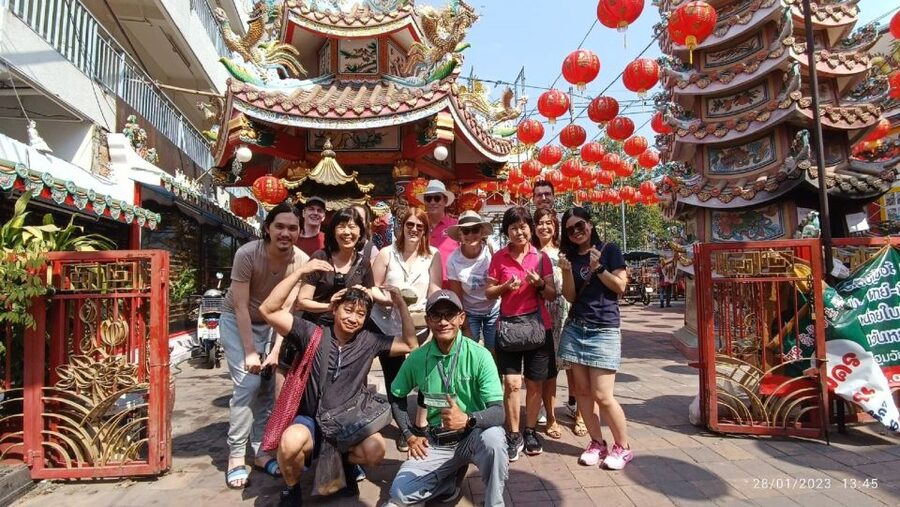
The meetup is at Chansom Memorial Bridge, known locally as Khua Khaek, opposite Ton Lamyai Flower Market. Your guide meets you holding a TripGuru sign, and you’ll be emailed the day before with the pickup time and exact meeting point details.
This is a walking tour, so timing matters. Traffic can be heavy in the mornings, and your guide can only wait 10 minutes past the scheduled pickup time—so I’d rather you arrive a little early than stress later.
Also: you’re walking in real city conditions. Wear comfortable shoes, and bring sunscreen and insect repellent because you’ll be out long enough for the sun to matter.
Sweet steamed dumplings at Lung Khajohn Wat Ket, then Ton Lamyai flowers
The first tasting stop is Lung Khajohn Wat Ket, where you’ll try sweet steamed rice skin dumplings called Khao Kriab Pak Moh. They’re typically stuffed with peanuts, and the dumpling texture is part of the fun—soft, sweet, and easy to eat while you’re still getting your bearings.
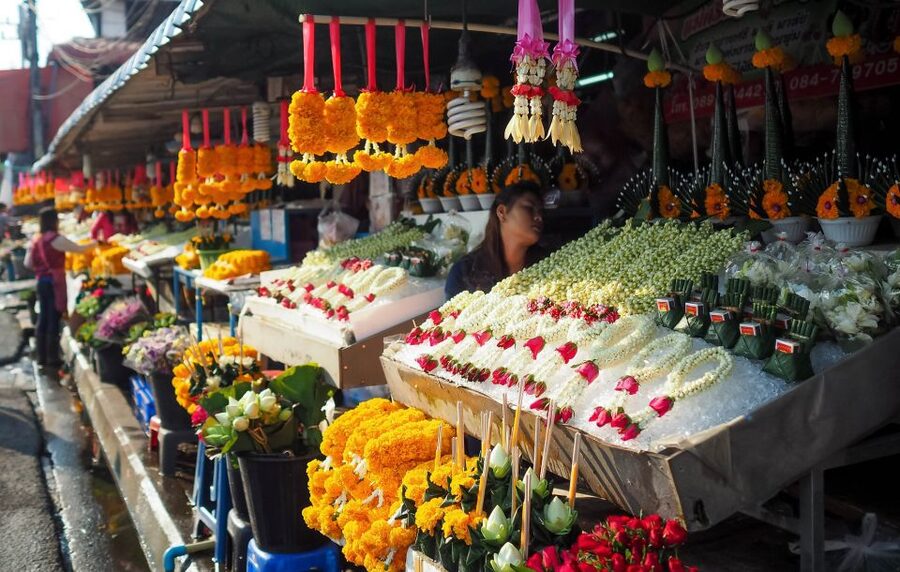
Then you pass through Ton Lamyai Flower Market. This isn’t just a photo break. The tour frames it as part of daily life—flowers and herbs show up everywhere in Thailand’s food and rituals—so you’re getting a little cultural context without adding museum time.
If you like smelling your way through markets, this is a good moment to slow down. If you’re heat-sensitive, this is also the time to keep water and shade in mind.
Go Neng and Pa Thong Ko: the deep-fried snack everyone jokes about
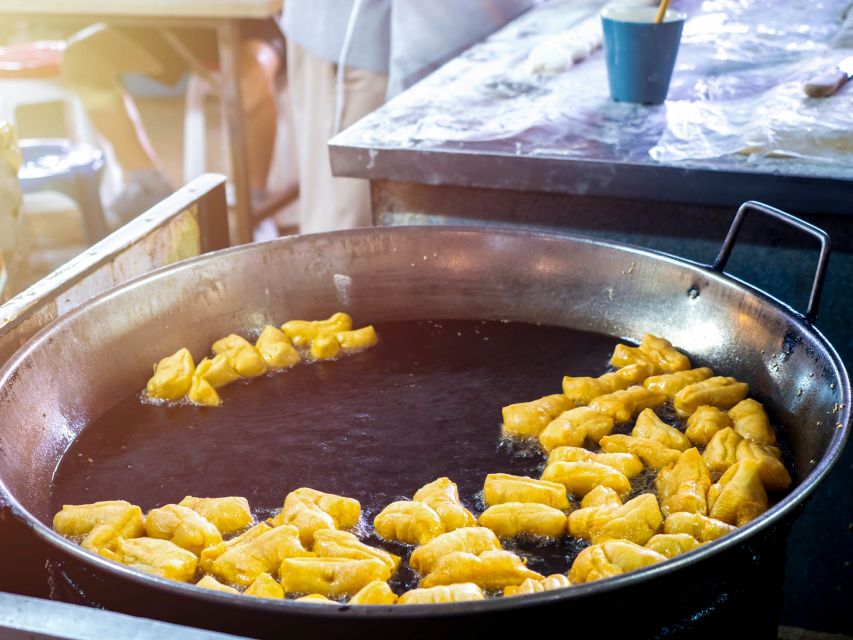
Next up is Go Neng for Pa Thong Ko, a Chinese-leaning snack that locals eat often. These deep-fried dough pieces have an odd shape—one nickname says they look like dinosaurs—which makes this stop memorable even if you’re not a “snack person.”
What makes it a smart tour stop: it’s one of those foods that’s usually either too weird-looking or too intimidating to order without guidance. Here, you get to try it as part of a sequence, not as a random gamble.
And pace-wise, Pa Thong Ko works well as a mid-walk hit. You’ll still have room for the heavier flavors later.
Nothing jumping out yet? More Chiang Mai trips are just down the page

Warorot Market: graze through Thai snacks and hunt mango sticky rice
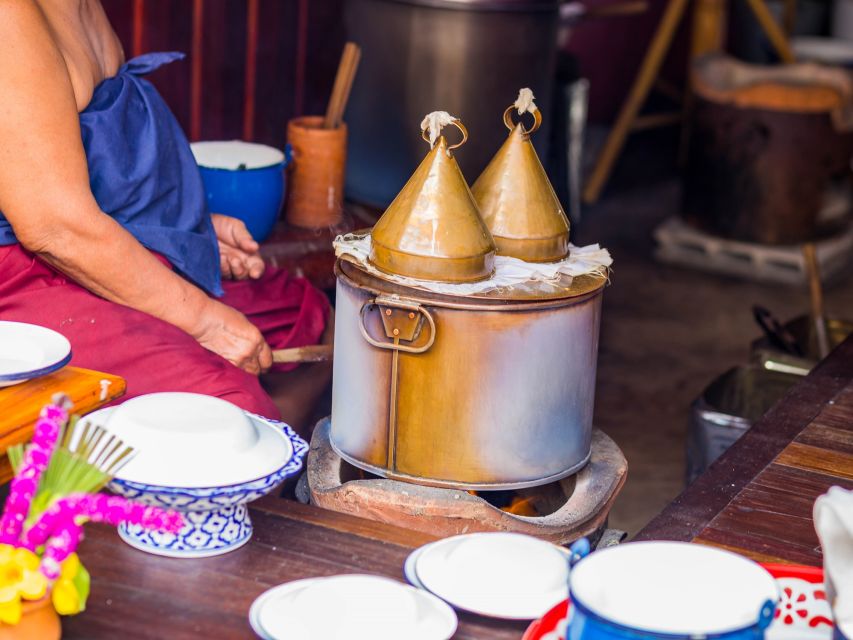
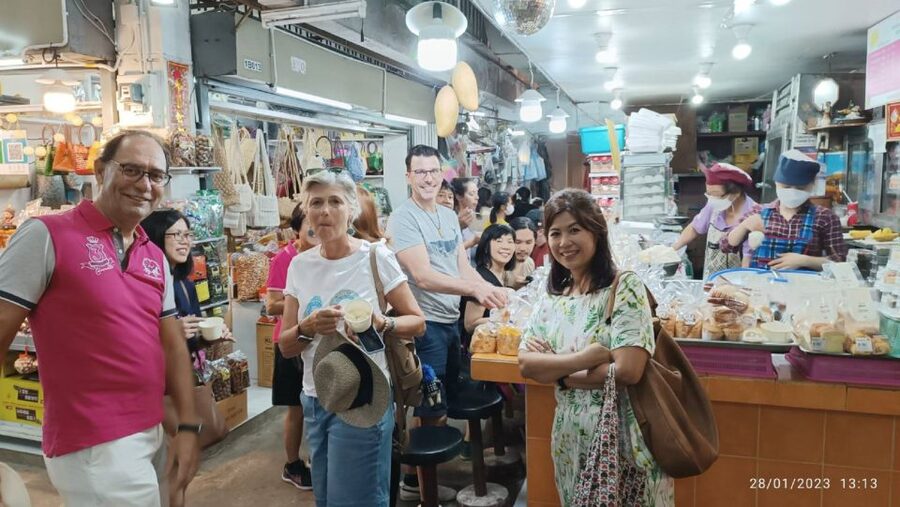
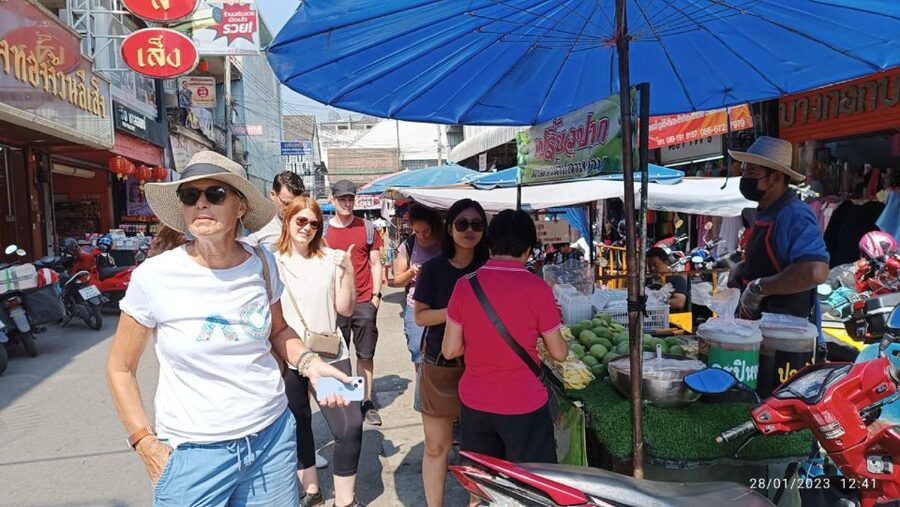
Warorot Market is the big market stop where you can see the full range of what a daily Chiang Mai market looks like. You’re not only looking at food—you may notice produce, snacks, and even clothes as you move through.
This is also where you go for one specific sweet treat: mango sticky rice. The tour focuses you toward a particular stall for the mango sticky rice, which helps a lot because mango sticky rice is easy to find in Thailand—but harder to find consistently good without someone directing you.
A practical note: markets mean crowds and lines can happen. If you’re doing this in the hotter part of the day, expect to move faster between tastings and slow down mostly when you’re eating.
Thana Ocha Hakka noodles: how the savory ending ties the whole tour together
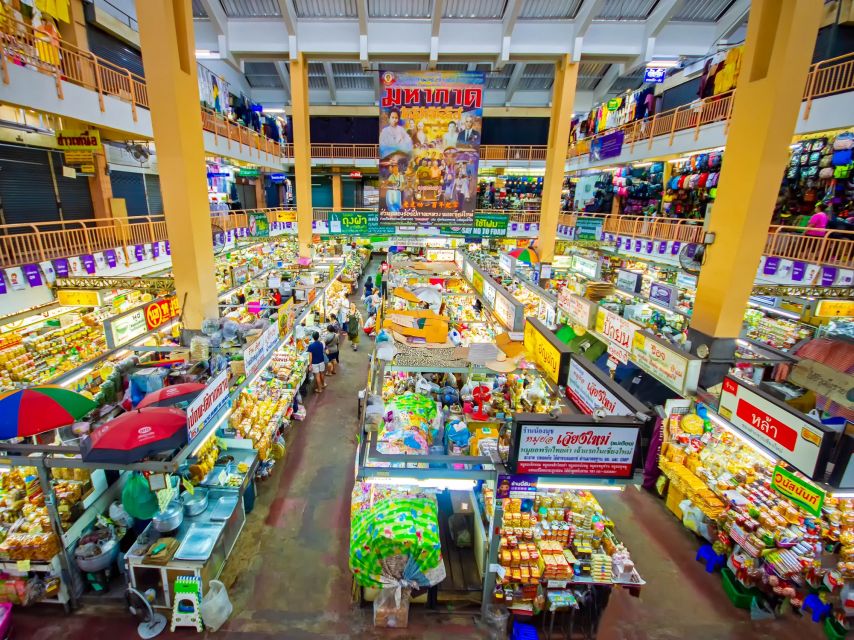
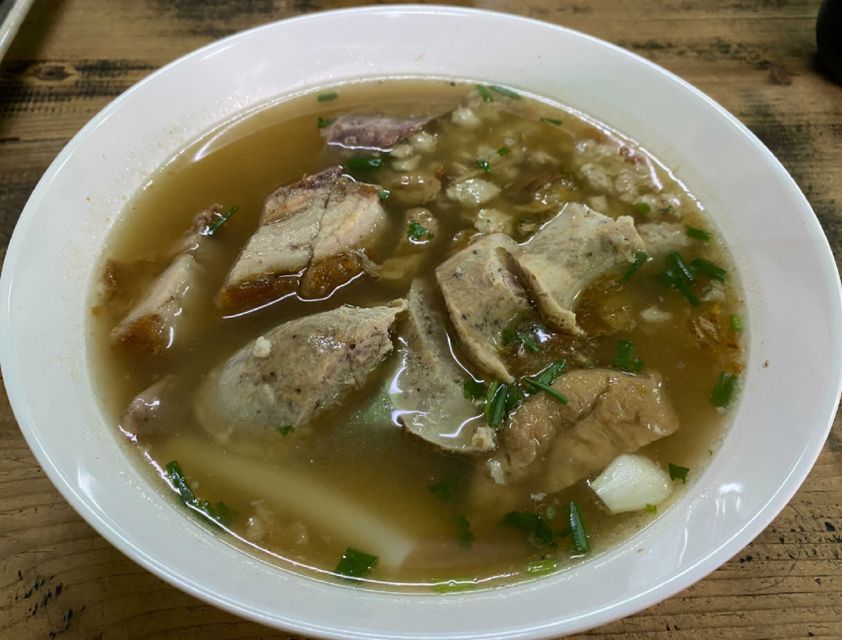
You’ll finish with a savory meal-style stop at Thana Ocha, centered on Hakka-style noodles. The noodle bowl includes things like Hakka stuffed tofu, fish sausage, and wontons, and it’s a satisfying way to end after a day of bites and sweets.
This final stop matters because it changes the flavor direction. Up to this point you’ve had sweet dumplings and fried dough. The noodle soup brings salt, broth warmth, and a more filling texture—so you don’t leave with a sugar high and regret.
It also gives you a real food-history angle. Chiang Mai’s eating scene isn’t only Thai; Chinese influences show up across street snacks and noodle traditions, and this stop makes that visible.
Food choices at your pace: what’s included and what costs extra
Here’s the key pricing reality: the tour includes the guide and walking tour, plus carbon emissions offset credits. What’s not included is the cost of the tastings and meals themselves.
The available tastings you might choose from include:
- Hakka-style noodles
- Sticky rice with mango
- Pa Thong Ko (deep-fried dough sticks)
- Khao Kriab Pak Moh (steamed rice skin dumplings)
I like the setup because you can match your appetite. If you want more variety, pick a mix of sweet and savory. If you’re trying to keep spending down, choose fewer items—but still keep the overall flow of dumpling → fried snack → market sweet → noodle finish.
Pacing is another “budget” factor. This is a short walking tour, but you’re still moving between stops, and some guides walk a fair distance between tastings. If you go in with a big breakfast, you’ll likely feel food pressure by the Warorot and noodle stages—so I’d keep breakfast light.
One scheduling tip from patterns you can use: the later slot (around 2:30 pm) can feel rushed because some restaurants close earlier in the afternoon. If you want a relaxed pace and more time to eat, choose a morning time slot when you can.
Guide quality and real value for $48
At $48 per person, you’re paying for a structured route, a local guide, and carbon offset credits—not for all the food. That sounds a little “on paper” at first, but in Chiang Mai markets, structure is where the value shows up.
A good guide saves you from two common problems: wasting money on tourist-style stalls and missing dishes that locals order without thinking. In past experiences with this kind of format, the best guides also handle logistics like crowds and closed spots. You’ll likely notice that kind of problem-solving here through how guides keep the flow moving.
The reviews also highlight something practical: guides often explain dishes clearly, speak solid English, and help with small needs like carrying shopping bags. I especially love when a guide not only tells you what to eat, but also helps you understand why it tastes the way it does—so you remember the flavor, not just the name.
Responsible touring and what that means on the street
This tour is described as GSTC-certified, and it also mentions carbon emissions offset credits as part of how it’s run. In real life, that means you’re booking with a company that frames even short activities with environmental responsibility in mind.
Is it a magic solution? No. But it’s a real checkbox for people who want their travel choices to include some accountability, even when you’re just walking and eating.
What to bring (and what to skip) so you don’t hate the walk
Bring the basics: comfortable shoes, sunglasses, a hat, camera, sunscreen, insect repellent, and cash. Markets are cash-friendly, and you’ll also be paying for the tastings as you go.
Now the “don’t book if” section, straight and simple. This tour isn’t suitable for pregnant women, people with mobility impairments, those with heart problems, respiratory issues, or vegans. If any of those apply, you’ll likely be happier with a different style of tour that matches your needs better.
For most people, the walk is manageable, but it’s still outdoors and still involves stepping around stalls and crowds.
Who this Chiang Mai food tour fits best
This is a great fit if you:
- Want to learn your way around Chiang Mai markets without getting lost
- Like street snacks and want a guided sequence rather than random wandering
- Prefer a short, focused food day (about 2.5 hours)
- Are traveling with people who want variety without planning every stop
It’s also a good first-day tour. You’ll get a map in your head of where markets and specialty snacks live, and that makes later exploring easier.
Should you book this Chiang Mai local food and markets guided walk?
Yes, if you want a short, guided route that turns Chiang Mai street food from guesswork into a plan. The dumplings, Pa Thong Ko, mango sticky rice, and the final Hakka noodle finish create a balanced arc from sweet to savory.
Book it especially if you value the guide component. The strongest part of this experience tends to be how guides handle the real-world market stuff—crowds, explanations, and keeping the stops on track—while still making it feel friendly and local.
Skip it if you’re vegan, if walking is tough for you, or if you hate paying for food separately. And if you’re choosing a time slot, I’d lean earlier rather than later so you don’t feel the squeeze of restaurant closing times.
If you want a market-and-food experience that’s practical, not stressful, this one is a solid choice.
FAQ
How long is the Chiang Mai local food and markets guided walking tour?
The tour lasts 150 minutes, about 2.5 hours.
Where do we meet the guide?
Meet at Chansom Memorial Bridge (Khua Khaek), opposite Ton Lamyai Flower Market. Your guide will hold a TripGuru sign.
Is hotel pickup and drop-off included?
No. Hotel pickup and drop-off are not included.
Are food tastings included in the price?
No. The tour price covers the guide and walking tour, but food and tasting expenses are not included. You’ll pay for tastings yourself.
What foods might we taste?
Possible tasting choices include Hakka-style noodles, sticky rice with mango, Pa Thong Ko, or Khao Kriab Pak Moh.
What languages are the guides?
The live tour guide offers English and Thai.
Is there a vegan option?
No vegan option is available.
What should I bring?
Bring comfortable shoes, sunglasses, a hat, a camera, sunscreen, insect repellent, and cash.
More Tours in Chiang Mai
- Chiang Mai: Doi Inthanon National Park Eco-Friendly Tour★ 4.6 · 6,667 reviews
- Chiang Mai: Elephant Sanctuary & Waterfall Group Tour★ 4.9 · 5,780 reviews
- Chiang Mai: Cooking Class, Market & Thai Herbs Garden Tour★ 4.9 · 4,824 reviews
- Chiang Mai: Elephant Sanctuary Feeding Program Half-Day Tour★ 4.8 · 4,527 reviews
- Chiang Rai White Temple and Blue Temple Day Tour★ 4.6 · 3,366 reviews
More Tour Reviews in Chiang Mai
- Half-Day Thai Cooking Class at Organic Farm in Chiang Mai★ 5.0 · 19,087 reviews
- Chiang Mai: Elephant Sanctuary, Waterfall & Bamboo Rafting★ 4.9 · 9,160 reviews
- Chiang Mai: Doi Inthanon National Park Eco-Friendly Tour★ 4.6 · 6,667 reviews
- Chiang Mai: Elephant Sanctuary & Waterfall Group Tour★ 4.9 · 5,780 reviews
- Chiang Mai: Chiang Rai Temples, Karen Tribe and Hot Springs★ 4.7 · 5,401 reviews
More Chiang Mai Street Food Tours
- Small-Group Chiang Mai Evening Street Food Tour★ 4.5 · 826 reviews
- Chiang Mai: Evening Local Street Food Market Tour★ 4.8 · 604 reviews
- Northern Flavours Chiang Mai Food Tour with 15+ Tastings★ 5.0 · 513 reviews
- The 10 Tastings of Chiang Mai With Locals: Private Street Food Tour★ 5.0 · 216 reviews
- Taste of Chiang Mai: Michelin Guide & Street Food Tour★ 4.9 · 159 reviews
Fresh off the pile: Chiang Mai tours we have just written up

Street Food & Market Tours, compared.
 ★ 4.5Small-Group Chiang Mai Evening Street Food TourFrom $42826 reviews
 ★ 4.8Evening Local Street Food Market TourFrom $40604 reviews
 ★ 5.0Northern Flavours Chiang Mai Food Tour with 15+ TastingsFrom $59513 reviews
 ★ 5.0The 10 Tastings of Chiang Mai With Locals: Private Street Food TourFrom $78216 reviews
 ★ 4.9Taste of Chiang Mai: Michelin Guide & Street Food TourFrom $31159 reviews
 ★ 4.9Food Tour by Songtheaw Truck with 15+ TastingsFrom $62157 reviews
 ★ 5.0Go where the locals go, Eat what the locals eat! Food Tour with Local FoodiesFrom $50138 reviews
 ★ 5.0Fresh Local Market Tour – Food tour in Chiang MaiFrom $33113 reviews
Browse the lists this tour appears in