
Reviewed · ETHICAL ELEPHANT SANCTUARIES
Elephant and Gibbon Encounters – 5days/4nights
One morning you’ll hear wild gibbons calling. This 5-day Karen culture stay with elephant and gibbon encounters blends daily forest walks, close wildlife observation, and community projects with a small group. I like the clear focus on respectful wildlife viewing with the animals in their natural habitat, and I also like that you’re spending real time in village life, including cooking and weaving with local families. One thing to consider: you’re signing up for moderate hiking and there are no guarantees for gibbon sightings.
What makes this program feel different is the way the schedule connects conservation with everyday village routines. You’ll learn how locals work to protect habitat while you do hands-on cultural activities like basket weaving and Karen cooking, and you’ll get daily guidance from the sanctuary team. I also liked the human side of it—names like Kerri and Sombat come up in how the program is described, and the overall tone is practical and caring, not performative. The possible drawback is simple: gibbons are wild, so the forest may be quiet even when you do everything right.
If you want guaranteed animal action, this won’t be that kind of tour. If you want a grounded, respectful experience where mornings start early and patience pays off, it’s a strong fit.
In This Review
- Key things I’d plan around
- Elephant and gibbon encounters with a Karen community focus
- Price and value: what $576.68 covers (and what it doesn’t)
- Meeting point and timing: the 9:00 start matters
- Day 1: homestay arrival, Karen cooking, and basket weaving
- Day 2: early elephant search, forest lunch, and conservation talk
- Day 3: another elephant morning, then the gibbon village experience
- Day 4: gibbon calls outside your door and a forest cave visit
- Day 5: final gibbon chance, deeper forest hike, and return
- Gibbon sightings: what the wild part really means
- Hiking, comfort, and what to wear for modest village days
- Who should book this and who should skip it
- Should you book this Kindred Spirit 5-day stay?
- FAQ
- Where is the meeting point for this 5-day program?
- Can the tour pick me up from places outside Chiang Mai?
- Is this tour suitable for beginners or families?
- What should I wear during the stay?
- Are meals included, and can I get vegetarian food?
- Are gibbon sightings guaranteed?
- What’s included in the price, and what’s not?
Key things I’d plan around
- Small group up to 10 people, so the experience stays personal and questions get answered
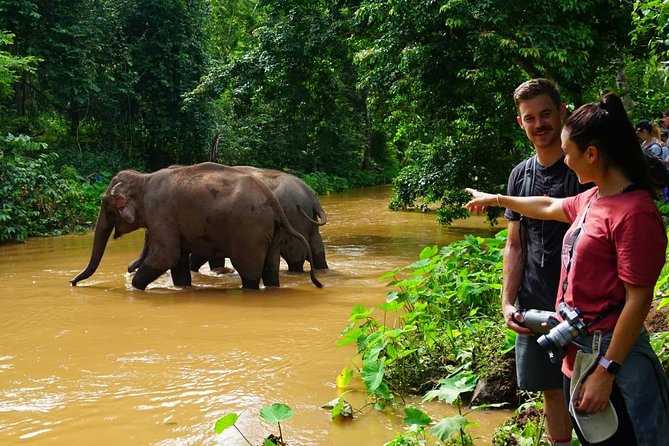
- Wild elephant and gibbon observation, not shows, tricks, or forced contact
- Karen homestay culture with cooking and basket weaving led by village elders
- Forest hiking is part of the deal, so shoes and pacing matter
- Gibbon sightings can’t be guaranteed, because they’re wild
- Meals and entry fees are included, which helps the value add up
More ethical elephant sanctuaries around Chiang Mai, side by side
- Chiang Mai: Elephant Sanctuary, Waterfall & Bamboo Rafting
★ 4.9 · 9,160 reviews - Chiang Mai: Elephant Sanctuary & Waterfall Group Tour
★ 4.9 · 5,780 reviews - Chiang Mai: Elephant Sanctuary Feeding Program Half-Day Tour
★ 4.8 · 4,527 reviews - Chiang Mai: Elephant Sanctuary, Long Neck & Sticky Waterfall
★ 4.9 · 2,262 reviews
Elephant and gibbon encounters with a Karen community focus

This is the kind of animal trip that changes how you see the forest. Instead of treating wildlife as a photo stop, the days are built around observing behavior in a natural setting and learning why the habitat matters to the people who live there.
The program runs through two community settings: one connected to elephants and one connected to gibbons. That matters because it keeps the experience from feeling like one generic “wildlife encounter.” You get different rhythms, different learning points, and different village routines, all tied to protecting habitat.
You’ll also spend time learning cultural practices that aren’t just window dressing. Basket weaving with village elders and Karen cooking during the homestay portion are small activities, but they help you understand daily life and the conservation mindset that comes from living close to the land.
Price and value: what $576.68 covers (and what it doesn’t)
At $576.68 per person for about 5 days / 4 nights, the headline value is that you’re not paying separately for the basics. The cost includes accommodation, all meals (breakfast, lunch, dinner), national park fees, and hotel pickup and drop-off by private vehicle. It also includes a small-group setup with a local guide/driver.
That’s meaningful in Thailand, where “cheap day trips” can quietly balloon once you add entrance fees and food. Here, your daily costs are largely handled, which makes it easier to budget and focus on the experience.
What’s not included is also clear: alcoholic drinks (you can purchase them) and personal expenses. If you drink a lot or buy lots of extras, your final total will rise. Still, for a structured 4-night village-and-forest program with meals included, it’s fairly straightforward.
Meeting point and timing: the 9:00 start matters
The day begins with pickup at Top North Hotel, 41 Mun Mueang Rd, in Chiang Mai. Start time is 9:00 am, and you return to the same meeting point at the end of Day 5.
There’s also an option to request pickup from Pai or Mae Hong Son (if you ask in advance). That’s useful if you’re doing a northern Thailand route and don’t want to double back to Chiang Mai just to start a tour.
Because the program involves early starts on multiple days, you’ll want to build your Chiang Mai plans around this. Don’t book a late flight home on your final day without a buffer.
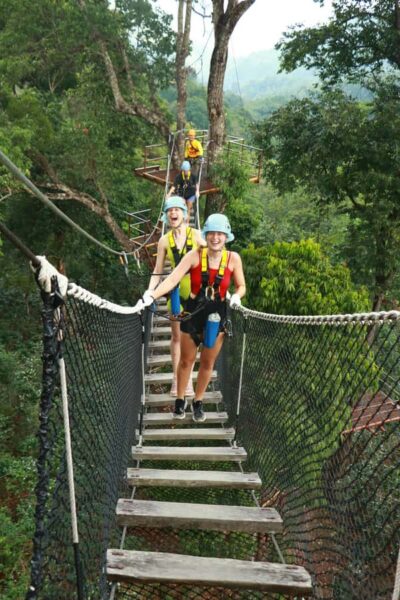
The zipline and jungle-flight courses up in the canopy
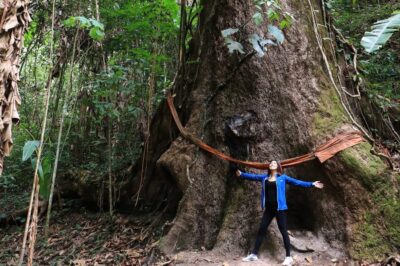

Day 1: homestay arrival, Karen cooking, and basket weaving
Your first day sets the tone: you travel through a national park area and mountain scenery where hill tribes live, then you arrive at the village homestay setting. It’s not a rushed “meet and greet” day. You actually settle in and spend time with the homestay family and the sanctuary team.
One of the best parts of this day is the hands-on cultural work. You’ll take part in a cooking session with your homestay family, then learn basket weaving from village elders. These are the kinds of activities that slow the day down—in a good way. You learn by doing, and you’re not just watching from behind a rail.
Practical note: the program requires modest clothing during the stay, with clothes that cover knees and shoulders. That’s easy to manage, but it can catch you off guard if you’re used to packing light.
Day 2: early elephant search, forest lunch, and conservation talk
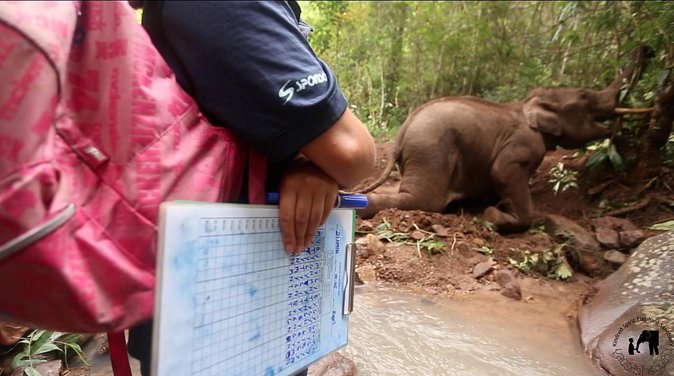
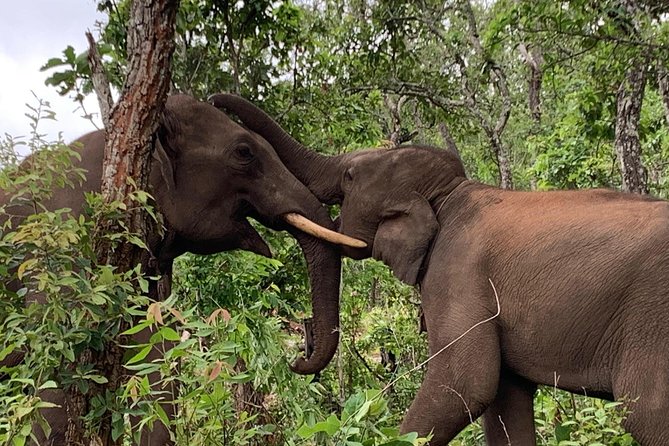
Day 2 starts with an early morning forest hike to locate resident elephants. This is where you shift from village routines to wildlife observation. You spend the morning watching and understanding elephant behavior, with time to document and observe rather than rush.
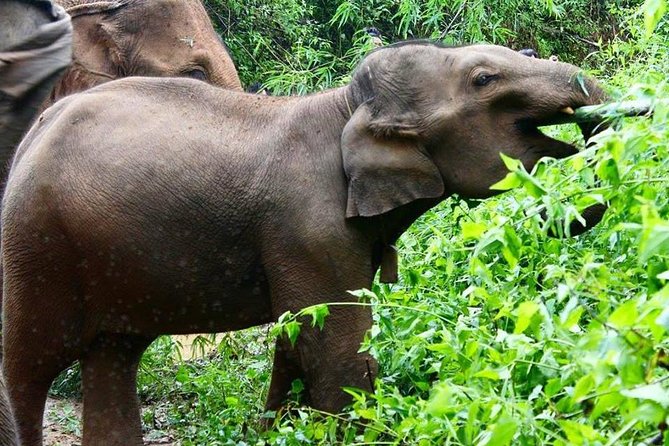
Then comes the forest lunch with elephants nearby. That detail is more than scenic—it changes how you think about proximity. You’re not trying to control the interaction. Instead, you’re sharing space and learning how the animals move through their habitat.
Later, you return to the village for deeper conversation about the sanctuary work, local language and culture, and ways you might participate through community initiatives or teaching-style support. This is the part that connects your day-to-day observations to the bigger reason the program exists: protecting habitat while supporting the communities tied to it.
Day 3: another elephant morning, then the gibbon village experience
After an early start, you go back to observe the elephants again. Doing it twice matters because animal behavior isn’t predictable on demand. Seeing elephants on more than one morning gives you a better sense of how they use the area and how the workday adjusts to what’s happening in the forest.
Lunch returns you to the village, and in the afternoon the program shifts focus to the Gibbon Encounters village. Here you learn about gibbons, enjoy Karen cuisine, and explore the village surroundings. It’s a nice change of pace: you’re still in the same broader ecosystem, but the daily life and animal focus are different.
If you’re someone who likes animal behavior more than animal selfies, this day is likely to be a highlight. The goal is understanding what you’re seeing, not just collecting images.
Day 4: gibbon calls outside your door and a forest cave visit
You wake up to gibbons calling near the village—one of those moments that’s hard to plan for, but you can feel in the air when you’re there. The day then turns into a guided search: you follow their calls around the village with help from a local expert, hoping for a glimpse.
Breakfast comes first, then you head out for forest exploration, including a visit to a local cave and a traditional forest lunch. After that, the day connects back to community projects such as helping with coffee, tea, or rice plantations, or learning weaving from local artisans.
As the light shifts, you get a chance to watch the sunset from a village viewpoint after dinner. It’s the kind of ending that makes the full day feel complete: wildlife focus in the morning and community rhythm in the afternoon.
Day 5: final gibbon chance, deeper forest hike, and return
Day 5 begins with another attempt to spot gibbons near the village. Since they’re wild, this is framed as a chance, not a promise—and the program is honest about that. You’re also given a deeper forest hike after breakfast, which helps you end the experience on the move rather than on a long sit-and-stare.
After lunch, you depart for the return transfer to Chiang Mai or Pai, depending on what you arranged. You finish back at the meeting point, with the sort of memories that don’t feel like a checklist because you lived the rhythm of the place for several days.
Gibbon sightings: what the wild part really means
The program sets expectations clearly: gibbon sightings are possible, but not guaranteed. That’s not just fine print. It changes your mindset for the whole trip.
If you come in expecting certainty, you’ll probably feel frustrated. If you come in expecting mornings of listening, waiting, and moving when guides think it’s right, you’ll get more out of the experience.
Wild gibbons also don’t respond to human schedules. Calls, timing, and where the animals are in their territory matter. Your best move is to treat the gibbon time like learning time—listening for sound, watching tree lines, and staying patient.
Hiking, comfort, and what to wear for modest village days
You should plan for moderate hiking and a moderate physical fitness level. The program is friendly for “all ages and skill level” in the sense that the schedule is organized, but the forest walks still count as real walking.
Since you’ll be in villages and doing hands-on activities, the modest dress code is important: cover knees and shoulders during the stay. Bring something you can move in. You’ll be walking, sitting, and standing in forest and village settings.
Food is handled for you. A vegetarian option is available if you tell the operator when booking. Also, you’ll have meals across all days—just remember alcohol is not included, so plan accordingly if that matters to you.
Who should book this and who should skip it
This program fits best if you want a slower, hands-on style of travel. You’ll likely enjoy it if you like learning about wildlife behavior, you care about ethical conservation, and you want a real cultural exchange rather than a quick stop.
It’s also a good match for people who appreciate small groups: with a maximum of 10 travelers, you’re more likely to get attention, guidance, and time to ask questions.
Consider skipping if you need a highly predictable animal-viewing itinerary. If your ideal Thailand trip is mostly effortless with minimal walking and guaranteed sightings, this may feel too “forest-dependent” for you.
Should you book this Kindred Spirit 5-day stay?
I’d book it if your priorities include ethical wildlife observation, Karen community time, and learning how conservation connects to real daily work. The value stacks up because meals, fees, and accommodation are included, and the small group size keeps the experience manageable.
I’d hesitate if gibbons are your single must-see animal and you can’t tolerate the possibility of missing a sighting. Wild animals set their own terms.
If you’re flexible, patient, and excited to walk in the forest early, this is the kind of trip that leaves you thinking about the animals and the people behind the habitat—not just the photos.
FAQ
Where is the meeting point for this 5-day program?
The tour starts at Top North Hotel, 41 Mun Mueang Rd, Tambon Si Phum, Amphoe Mueang Chiang Mai, Chiang Mai 50100. Pickup is at 9:00 am, and the activity ends back at the same meeting point.
Can the tour pick me up from places outside Chiang Mai?
Yes. Pickup from Pai or Mae Hong Son may be possible if you inquire in advance.
Is this tour suitable for beginners or families?
The program is listed as suitable for all ages and skill levels, but it does involve moderate hiking and you should have a moderate physical fitness level.
What should I wear during the stay?
You must wear modest clothing that covers your knees and shoulders during the stay.
Are meals included, and can I get vegetarian food?
Breakfast, lunch, and dinner are included. A vegetarian option is available—advise at the time of booking if you need it.
Are gibbon sightings guaranteed?
No. Gibbon sightings are possible, but they are wild animals, so sightings cannot be guaranteed.
What’s included in the price, and what’s not?
Included: accommodation (4 nights), meals, small-group local guide/driver, hotel pickup and drop-off by private vehicle, and national park fees. Not included: alcoholic drinks and personal expenses.
More Tour Reviews in Chiang Mai
- Half-Day Thai Cooking Class at Organic Farm in Chiang Mai★ 5.0 · 19,087 reviews
- Chiang Mai: Elephant Sanctuary, Waterfall & Bamboo Rafting★ 4.9 · 9,160 reviews
- Chiang Mai: Doi Inthanon National Park Eco-Friendly Tour★ 4.6 · 6,667 reviews
- Chiang Mai: Elephant Sanctuary & Waterfall Group Tour★ 4.9 · 5,780 reviews
- Chiang Mai: Chiang Rai Temples, Karen Tribe and Hot Springs★ 4.7 · 5,401 reviews
More Ziplines Through the Canopy
- Chiang Mai: Kingkong Smile Zipline with Lunch and Transfers★ 4.8 · 1,317 reviews
- Chiang Mai: Gibbons, Trekking & Mae Kampong Small Group Tour★ 4.9 · 504 reviews
- Chiang Mai: Jungle Flight Zip Line Roller Coaster★ 4.9 · 318 reviews
- Chiang Mai: Zipline Adventure at Skyline Jungle Luge★ 4.8 · 284 reviews
- Chiang Mai: Sky Hawk Zipline Adventure With Optional ATV★ 4.5 · 147 reviews
More Elephant Sanctuaries Near Chiang Mai
- Chiang Mai: Elephant Sanctuary, Waterfall & Bamboo Rafting★ 4.9 · 9,160 reviews
- Chiang Mai: Elephant Sanctuary & Waterfall Group Tour★ 4.9 · 5,780 reviews
- Chiang Mai: Elephant Sanctuary Feeding Program Half-Day Tour★ 4.8 · 4,527 reviews
- Chiang Mai: Elephant Sanctuary, Long Neck & Sticky Waterfall★ 4.9 · 2,262 reviews
- From Chiang Mai: Elephant Care Program and Nursery Tour★ 4.8 · 1,899 reviews
Fresh off the pile: Chiang Mai tours we have just written up



Ethical Elephant Sanctuaries, compared.
 ★ 4.9Elephant Sanctuary, Waterfall & Bamboo RaftingFrom $609,160 reviews
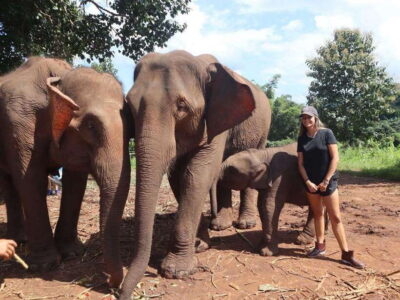 ★ 4.9Elephant Sanctuary & Waterfall Group TourFrom $505,780 reviews
 ★ 4.8Elephant Sanctuary Feeding Program Half-Day TourFrom $274,527 reviews
 ★ 4.9Elephant Sanctuary, Long Neck & Sticky WaterfallFrom $632,262 reviews
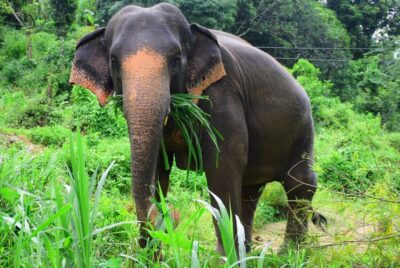 ★ 4.8Elephant Care Program and Nursery TourFrom $531,899 reviews
 ★ 4.9Small Group Ethical Elephant Sanctuary TourFrom $771,572 reviews
 ★ 5.0Half Day Visit Smile Elephant Chiang MaiFrom $501,216 reviews
 ★ 4.9Doi Inthanon and Elephant Sanctuary TourFrom $811,091 reviews
Browse the lists this tour appears in