
Reviewed · DOI SUTHEP & TEMPLE TOURS
Monks chanting, Wat Doi Suthep and Wat Phalad+ Meditation
Chiang Mai temples at sunset feel like a reset button. I really liked the calm you get at Wat Phalad in the rainforest, and the wow factor of climbing up to Wat Doi Suthep’s Lanna gold pagoda. One thing to consider: there’s walking and stairs, so if your legs are limited, plan for slower pace and bring your most comfortable shoes.
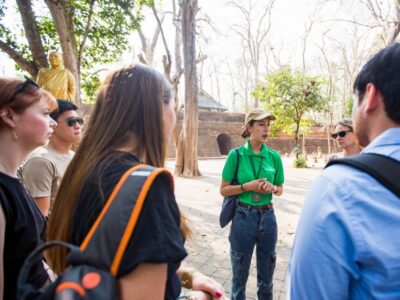
With a small group capped at 9 people and an English guide (TAT licensed), the trip stays personal. In particular, guides like James (a former monk) and Tom focus on practical details about monastic life and temple rules, and that makes the chanting part land with more meaning.
Key points
- Small group (max 9) keeps the chanting and Q&A from feeling rushed
- Wat Suandok connects directly to the relic story of Wat Phra That Doi Suthep
- Wat Phalad is the peaceful, jungle-temple break with meditation vibes
- Monks chanting + guided meditation during the chanting brings structure to a spiritual moment
- Wat Doi Suthep delivers panoramic Chiang Mai views plus a gold Lanna-style pagoda
- Evening bells, chants, and mountain air make this feel like more than a checklist tour
In This Review
- Entering the Temple Circuit: Why This Tour Works at Night
- Wat Suandok: Where the Relic Story Starts to Make Sense
- The Walk to Wat Phalad: Rainforest Peace and Meditation-First Energy
- Wat Doi Suthep and the Stair Climb: Lanna Gold Meets Big City Views
- Evening Monks Chanting and Meditation: The Moment That Feels Different
- Chiang Mai Night Views on the Way Back: A Nice Finish Line
- Price and Timing: Is $30 Good Value for This Much?
- Meeting Point to Temples: Simple, Clear Logistics
- What to Bring (and Wear) for Wat Doi Suthep and Wat Phalad
- Who Should Book This Tour—and Who Should Think Twice
- Should You Book This Wat Doi Suthep, Wat Phalad + Meditation Tour?
- FAQ
- How long is the tour?
- What does the tour cost?
- How big is the group?
- Is there an English-speaking guide?
- Where is the meeting point in Chiang Mai?
- Is pickup optional?
- What should I wear and bring?
- What is included in the price?
- What is not allowed during the tour?
- Is it suitable for everyone?
Entering the Temple Circuit: Why This Tour Works at Night
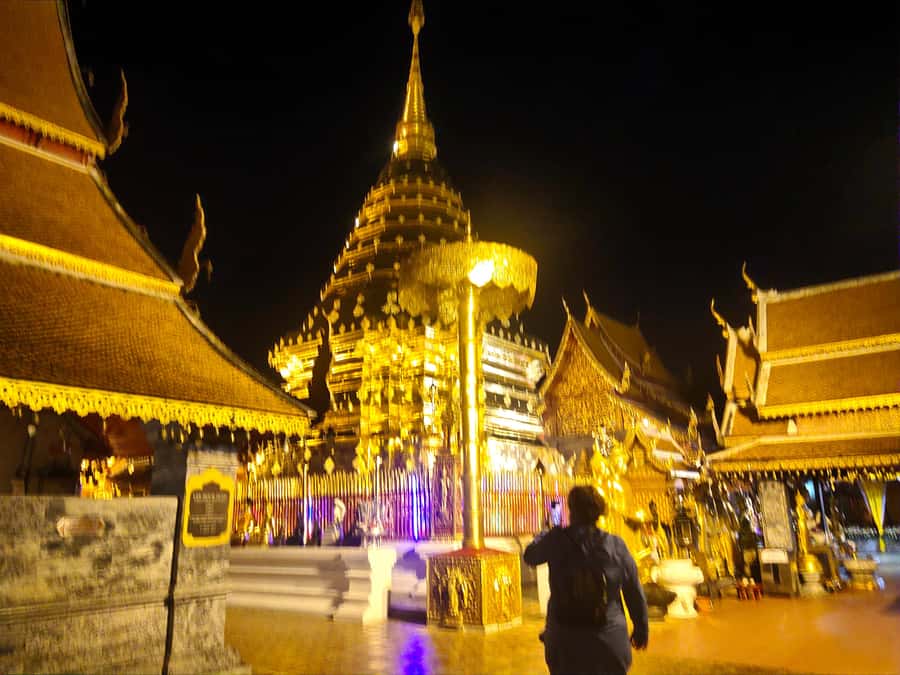
This is the kind of Chiang Mai day that feels balanced: culture, scenery, and spiritual practice, all without you needing to map every step yourself. The timing matters. You’re not just rushing through temples in daylight. You end up in the mountain-air rhythm of chanting and evening views, when the city starts to look softer and the temples feel less like photo stops and more like living places.
I especially like that the itinerary doesn’t treat each temple as an isolated highlight. Wat Suandok, Wat Phalad, and Wat Doi Suthep are linked in theme and meaning, so the day builds instead of repeating itself. You walk into each stop with a little context already in your head, which makes it easier to notice details like architecture styles, relic connections, and why meditation happens where it does.
The one practical catch is physical effort. You’ll be doing some climbing, including stairs at Wat Doi Suthep, plus walking that’s part rainforest and part temple ground. It’s manageable, but you can’t treat it like a sit-and-snap tour. If you’re sensitive to hills or have mobility issues, plan carefully.
Other ways up to Doi Suthep and the temples on its slopes
- Chiang Mai: Doi Suthep and Wat Umong Enchanting Evening Tour
★ 4.6 · 1,811 reviews - Chiang Mai: Doi Suthep, Wat Umong, and Pha Lat Sunrise Tour
★ 4.7 · 1,425 reviews - Chiang Mai: Wat Pha Lat & Wat Phra That Doi Suthep Tour
★ 4.8 · 1,207 reviews - Chiang Mai – Doi Suthep Temple & Wat Pha Lat Hike
★ 4.6 · 740 reviews
Wat Suandok: Where the Relic Story Starts to Make Sense
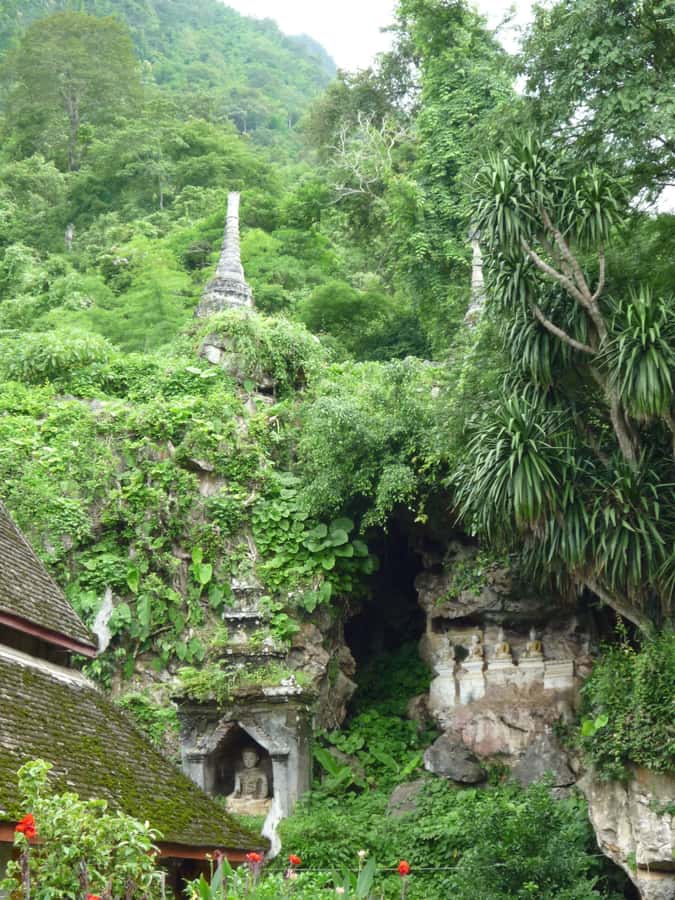
Wat Suandok is often a quieter opening act, but it plays a smart role on this route. It’s described as a former Royal family flower garden, tied closely to Wat Phra That Doi Suthep. The key detail I found useful is the relic connection: the pagoda at Wat Suandok contains relics of the Buddha that were separated from the relics at Wat Doi Suthep. That means you’re not just seeing another temple building. You’re getting part of the same sacred thread.
When you understand that relationship, your later visit to Wat Doi Suthep feels more rewarding. Instead of thinking, I saw a famous pagoda, you start thinking, I’m seeing how the story was carried and divided over time.
Also, Suandok helps set expectations for temple etiquette. You’ll already be in the right mindset before you reach the bigger staircase climb. It’s a good warm-up, mentally and physically, because you get used to moving respectfully around worship areas and paying attention to how people behave there.
The Walk to Wat Phalad: Rainforest Peace and Meditation-First Energy
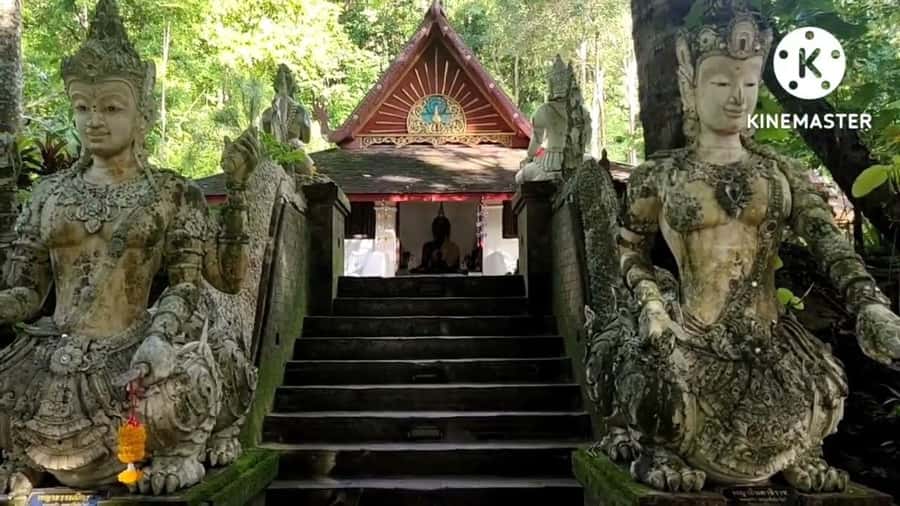
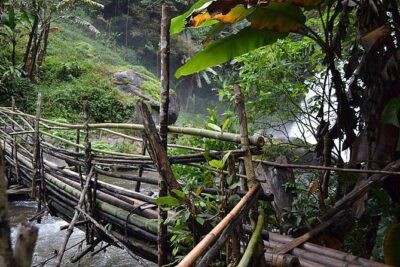
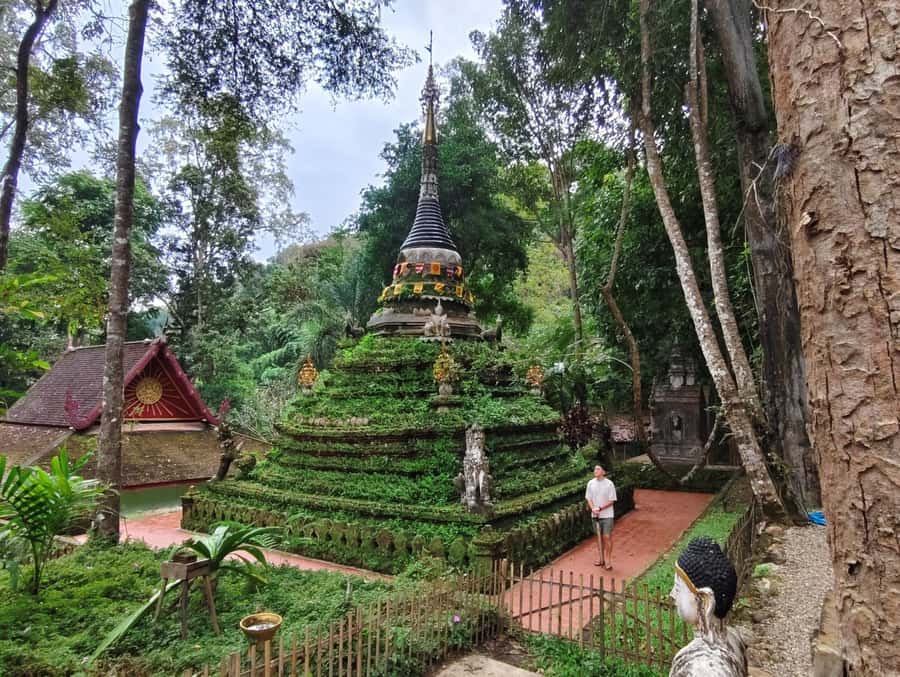
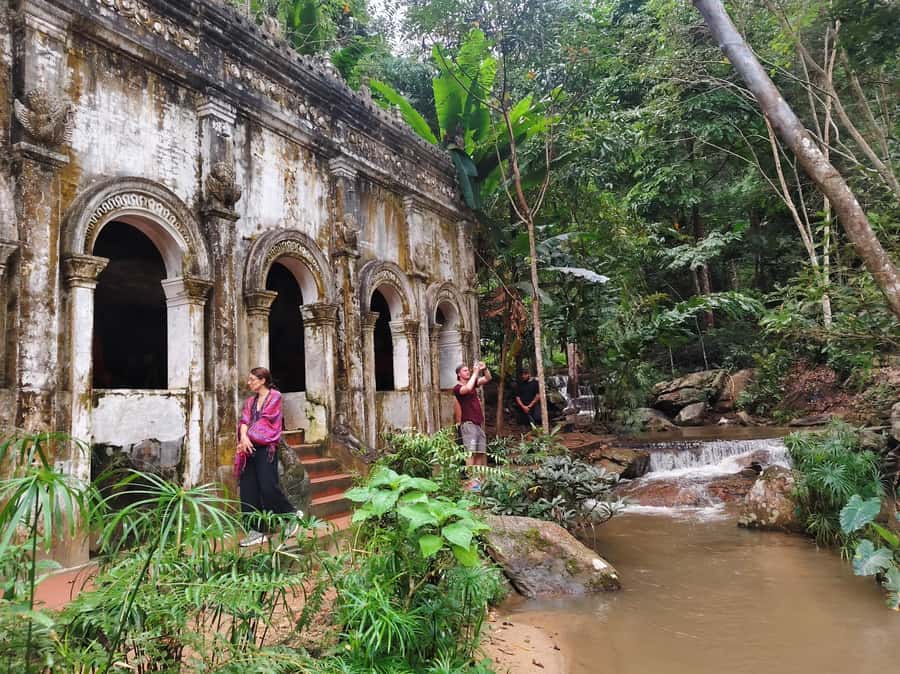
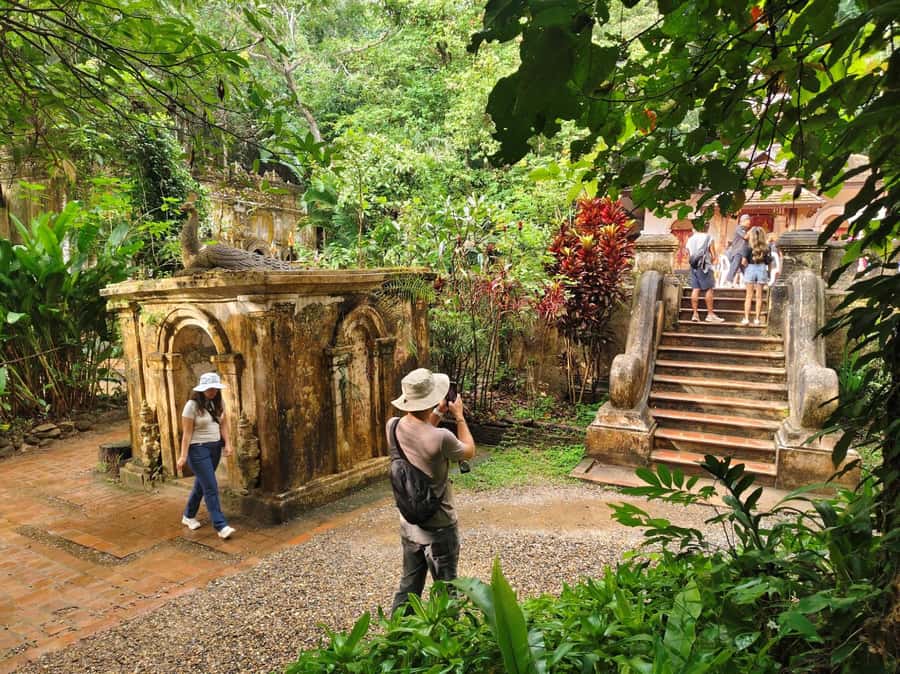
Wat Phalad is the stop that changes the pace. It’s described as a hidden temple surrounded by rainforest, with waterfalls in the area. Even if you’re not expecting a big nature tour, this setting matters. The air feels different when you’re under trees and hearing temple sounds mixed with the quiet of the jungle.
What I like about this part is that it’s not just scenic; it’s intentional. Wat Phalad is presented as a 600-year-old meditation sanctuary. That phrase matters because it explains why the atmosphere is supposed to feel slower and more inward. You’re going from a more famous temple circuit into something that reads like a place for stillness, not crowds.
There’s also architecture context. Wat Phalad’s style is described as a blend of Burmese and Chiang Mai Lanna styles. So while you’re walking there, you can start training your eye: roofs, shapes, and design choices become easier to spot when you know you’re looking at more than one tradition meeting in the same temple space.
If you’re the kind of person who likes a breathing moment during the trip, this is where you’ll get it. Just plan for the reality of the jungle-temple walk—comfortable shoes help a lot, because wet patches and uneven ground can turn a short walk into an annoying one if your footwear isn’t up to it.
Wat Doi Suthep and the Stair Climb: Lanna Gold Meets Big City Views
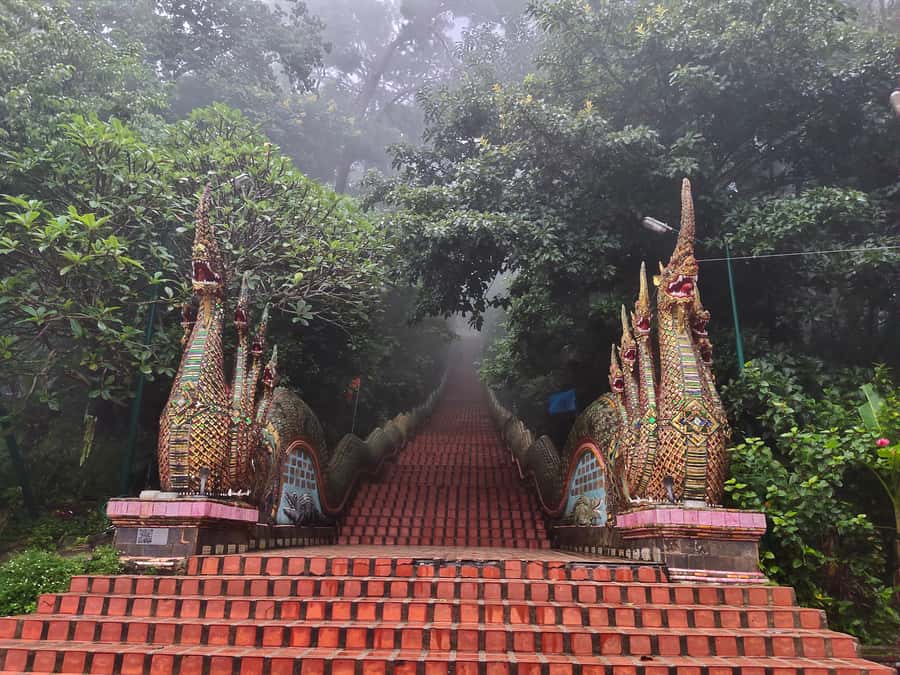
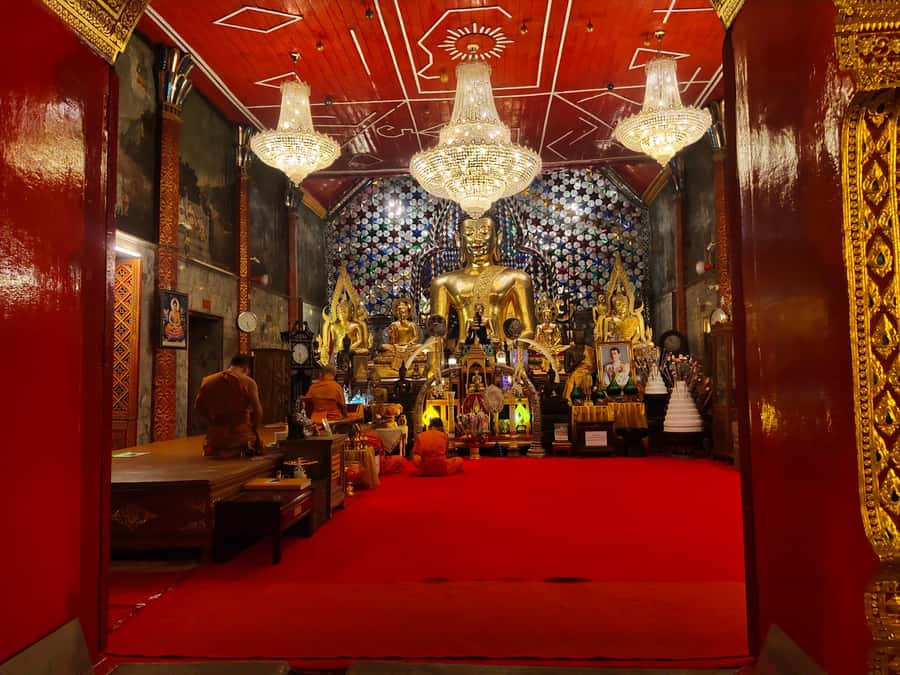
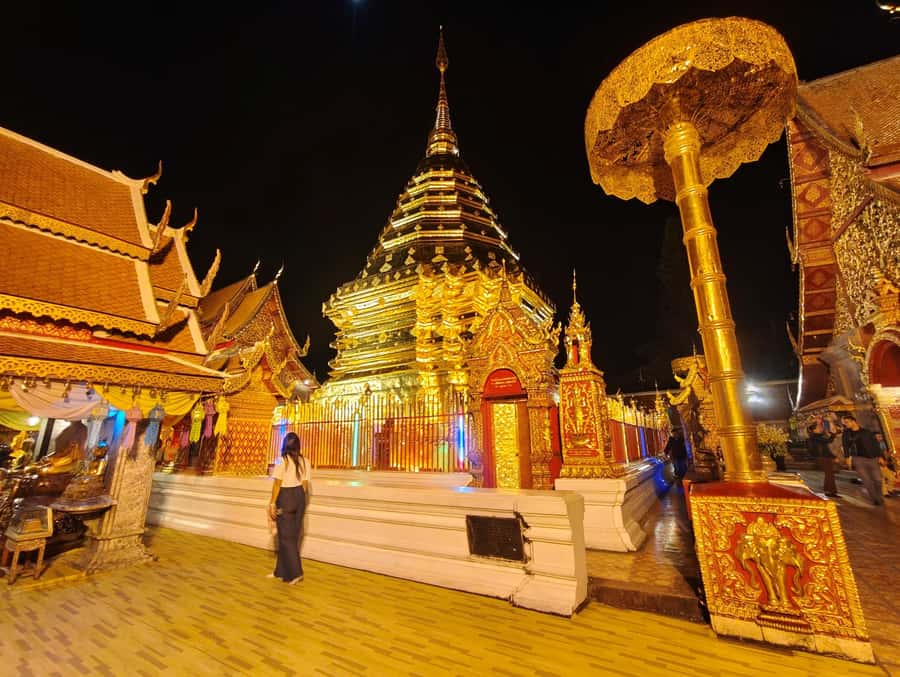
Then comes the mountain main event: Wat Doi Suthep. This is Chiang Mai’s best-known landmark temple, located on the peak of the Doi Suthep Mountains. The day builds toward it, and once you’re there you’ll understand why it’s famous. The pagoda is made in the architecture style of the Lanna Kingdom and described as shining with real gold and jewels.
The stairs are part of the experience. Climbing them is like transitioning into another level of the day—your legs move, your focus shifts, and you reach the top ready to look properly. It’s not just exercise. It’s also your chance to settle your mind for the chanting portion later, because the trip’s spiritual thread keeps getting stronger.
The relic story adds another layer. The pagoda at Wat Doi Suthep is believed to enshrine holy relics of the Lord Buddha over 640 years ago. When you hear or understand that before you arrive, it changes how you look at the structure. You pay attention to the sacredness of the space instead of just hunting for the perfect photo angle.
And then you get the payoff: panoramic views of all of Chiang Mai from a mountain-top viewing platform. Even if you’ve visited cities before, this view has a distinct feeling—more spread-out, more atmospheric, and more connected to how the temples sit above daily life.
Dawn at the temple: sunrise and monk-blessing visits
Evening Monks Chanting and Meditation: The Moment That Feels Different
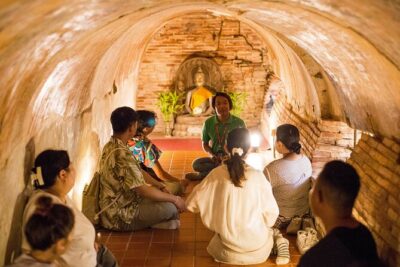
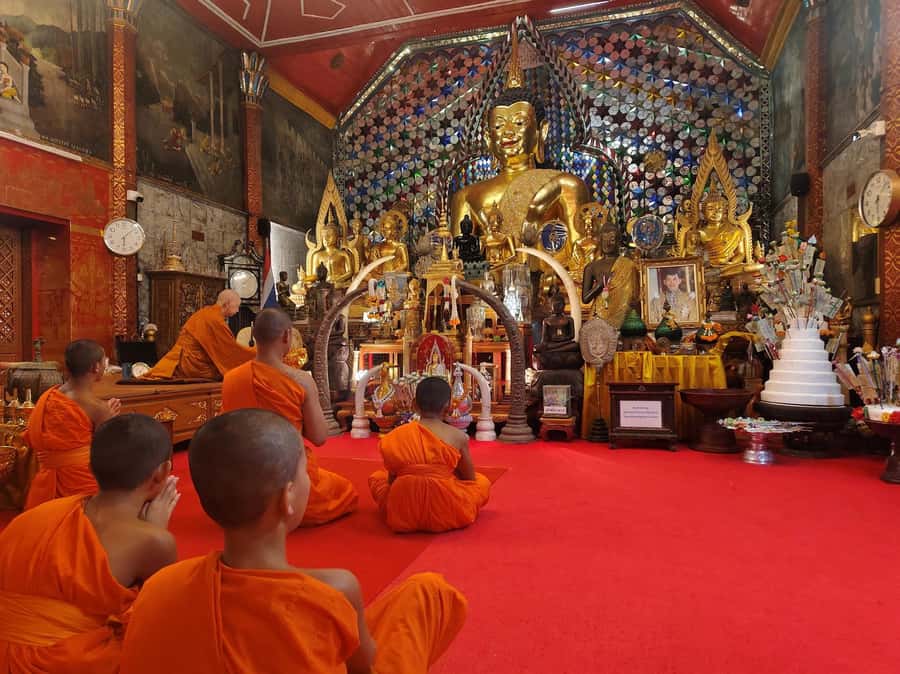
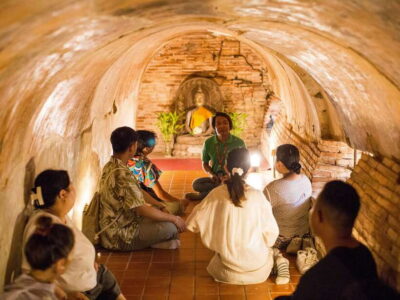
The most praised part of this tour is the evening monks chanting. You don’t just watch from the sidelines. The experience includes meditation during the monks chanting, with the purpose of receiving positive energy from the chanting.
This is where the guide quality matters. Guides like James (a former monk) and Tom are praised for explaining monastic life and the rules monks follow. That context can make the chanting feel less like background noise and more like an organized practice with meaning. When you understand what the chanting is trying to do—how it fits into daily monastic routine and spiritual discipline—you tend to stay present instead of drifting into “tour mode.”
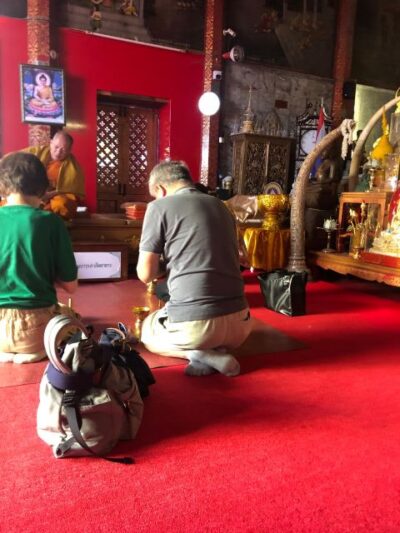
Depending on the group and moment, you might also receive a blessing from a monk. Some guides may provide small ritual items like candles and a flower you can place with a wish at the end of the program. Since these details aren’t guaranteed every single time, treat them as possible bonus moments rather than a sure thing—but they’re exactly the kind of small kindness that makes the evening feel memorable.
A final practical note: chanting is more comfortable when you can physically settle. Wear clothing that doesn’t make you constantly adjust yourself, and keep your hands free. If you’ve brought a camera, you’ll want to use it respectfully and only when appropriate.
Chiang Mai Night Views on the Way Back: A Nice Finish Line
After Wat Doi Suthep and the chanting/meditation, you’ll also get nighttime views of Chiang Mai before heading back to the city. This is a good way to close the loop. Daytime temple tours end when you’re still energized. This one ends when the city lights start to glow, and your brain has time to process what you saw.
You also come away with a clearer mental map. Mountains, temple positions, and the city below connect in a way that’s hard to get if you only visit one viewpoint. It’s the kind of ending that helps you plan your next day of Chiang Mai sightseeing with less guesswork.
Price and Timing: Is $30 Good Value for This Much?
At $30 per person for about 270 minutes (roughly 4.5 hours), this tour can feel like solid value, mostly because it bundles four things at once:
- Multiple temples (including Chiang Mai’s top landmark)
- Transportation with pickup and drop-off
- An English guide (TAT licensed) who explains what you’re seeing
- A focused evening ritual with monks chanting and meditation
You’re paying not just for access to temples, but for interpretation and timing—especially the chanting component, which is hard to reproduce on your own without knowing local rhythm and where to be at the right moment.
The small group size (max 9) also affects value. It’s easier to hear explanations, ask questions, and not feel squeezed when moving between sites. If you’re sensitive to crowd energy, that matters.
One more time-saver: the pickup structure. You meet at a clear location (beside the three king monuments under the right-hand side tree) so you’re not hunting around the city entrance points.
Meeting Point to Temples: Simple, Clear Logistics
Your day starts with pickup. The stated meeting spot is beside the three king monuments under the tree on the right-hand side of the statues. If pickup is optional for you, you may also be able to start at the entrance of the temple, depending on the setup.
This kind of single starting point is underrated. Chiang Mai is easy to navigate, but you don’t want to burn your limited time on coordination. Once you’re in the vehicle, you can relax and focus on the temple stops rather than figuring out route timing.
Also, you get drinking water in the car. It’s not a huge detail, but on a mountain evening with walking, it helps you stay comfortable.
What to Bring (and Wear) for Wat Doi Suthep and Wat Phalad
Plan your clothing like you’re visiting active worship spaces, not just sightseeing. Long pants or long skirts are required for temple visits, so check your outfit before you leave.
Bring:
- Comfortable shoes (you’ll want them for stairs and uneven ground)
- A camera (views and pagoda details are real highlights)
- Comfortable clothes (you’ll be standing, walking, and sitting)
- Cash (you may need it for personal expenses)
Leave at home:
- Drones (not allowed)
- Alcohol and drugs (not allowed)
If you’re wondering whether you should wear something like a lightweight shawl or something for cool evening air, it’s reasonable to plan for temple-air weather near sunset, but what matters most in the provided info is the long-pants/long-skirt rule.
Who Should Book This Tour—and Who Should Think Twice
This tour is a great match if you want more than a temple photo run. If you care about meaning, enjoy the idea of guided meditation during monks chanting, and like having an English-speaking guide explain the story behind what you’re seeing, you’ll likely get a lot from it.
It’s also ideal if you prefer smaller groups. At 9 people max, the experience tends to feel calmer, especially during chanting.
Who should think twice:
- Anyone with mobility limits due to stairs and walking
- People listed as not suitable: pregnant women, wheelchair users, and those with altitude sickness
- Older travelers may want to double-check fitness needs, since the tour is not suitable for certain age ranges listed by the operator
- People above the weight thresholds listed by the operator
If you fall into a sensitive category, I’d treat this as a “confirm first” situation with the operator. The temples are beautiful, but the physical demands at Doi Suthep are real.
Should You Book This Wat Doi Suthep, Wat Phalad + Meditation Tour?
Book it if you want Chiang Mai in a single, well-paced evening arc: Wat Doi Suthep for the big landmark and gold pagoda, Wat Phalad for rainforest calm and meditation-first energy, plus Wat Suandok for the relic connection that ties the whole day together. The chanting and guided meditation are the standout value-add—this isn’t just a drive-by of famous temples.
Skip it or ask questions first if you’re not comfortable with stairs and uneven ground, or if you have a condition that makes mountain air or walking harder. In that case, the “best views” part still sounds tempting, but comfort should win.
If you can handle a moderate walking-and-stairs day, this tour offers a rare mix: cultural context plus a spiritual practice that feels structured, respectful, and (most important) worth your attention.
FAQ
How long is the tour?
The duration is 270 minutes.
What does the tour cost?
The price is $30 per person.
How big is the group?
It’s a small group capped at 9 participants.
Is there an English-speaking guide?
Yes. You’ll have an experienced English speaking guide with a TAT license.
Where is the meeting point in Chiang Mai?
Wait beside the three king monuments under the tree on the right-hand side of the statutes.
Is pickup optional?
Pickup optional is available, including pickup at the entrance of the temple.
What should I wear and bring?
Wear comfortable shoes and long pants or long skirts for temple visits. Bring a camera, comfortable clothes, and cash.
What is included in the price?
Included are pick up and drop off from the meeting point, join tour service, an experienced English speaking guide, transportation, and drinking water in the car.
What is not allowed during the tour?
Drones are not allowed. Alcohol and drugs are also not allowed.
Is it suitable for everyone?
It’s not suitable for wheelchair users, pregnant women, people with altitude sickness, and certain age/weight limits listed by the operator.
More Tour Reviews in Chiang Mai
- Half-Day Thai Cooking Class at Organic Farm in Chiang Mai★ 5.0 · 19,087 reviews
- Chiang Mai: Elephant Sanctuary, Waterfall & Bamboo Rafting★ 4.9 · 9,160 reviews
- Chiang Mai: Doi Inthanon National Park Eco-Friendly Tour★ 4.6 · 6,667 reviews
- Chiang Mai: Elephant Sanctuary & Waterfall Group Tour★ 4.9 · 5,780 reviews
- Chiang Mai: Chiang Rai Temples, Karen Tribe and Hot Springs★ 4.7 · 5,401 reviews
More Sunrise and Meditation Mornings
- Chiang Mai: Doi Suthep, Wat Umong, and Pha Lat Sunrise Tour★ 4.7 · 1,425 reviews
- Wat Phra That Doi Suthep spiritual Sunrise Tour with an Ex-monk★ 5.0 · 798 reviews
- Spiritual Sunrise Wat Doi Suthep, Pha Lat, Alms & Meditation★ 4.9 · 674 reviews
- Doi Suthep and Wat Pha Lat Sunrise Tour (Small Group Only)★ 5.0 · 70 reviews
- Mount Doi Inthanon National Park Sunrise and Hiking★ 5.0 · 52 reviews
Doi Suthep, a Few More Ways Up
- Chiang Mai: Doi Suthep and Wat Umong Enchanting Evening Tour★ 4.6 · 1,811 reviews
- Chiang Mai: Doi Suthep, Wat Umong, and Pha Lat Sunrise Tour★ 4.7 · 1,425 reviews
- Chiang Mai: Wat Pha Lat & Wat Phra That Doi Suthep Tour★ 4.8 · 1,207 reviews
- Wat Phra That Doi Suthep spiritual Sunrise Tour with an Ex-monk★ 5.0 · 798 reviews
- Chiang Mai – Doi Suthep Temple & Wat Pha Lat Hike★ 4.6 · 740 reviews
Fresh off the pile: Chiang Mai tours we have just written up




Doi Suthep & Temple Tours, compared.
 ★ 4.6Doi Suthep and Wat Umong Enchanting Evening TourFrom $271,811 reviews
 ★ 4.7Doi Suthep, Wat Umong, and Pha Lat Sunrise TourFrom $321,425 reviews
 ★ 4.8Wat Pha Lat & Wat Phra That Doi Suthep TourFrom $241,207 reviews
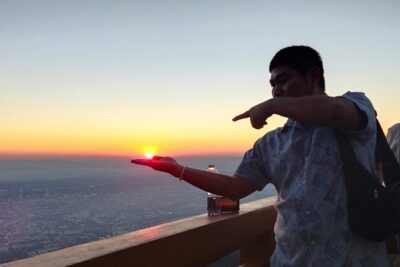 ★ 5.0Wat Phra That Doi Suthep spiritual Sunrise Tour with an Ex-monkFrom $64798 reviews
 ★ 4.6Chiang Mai – Doi Suthep Temple & Wat Pha Lat HikeFrom $25740 reviews
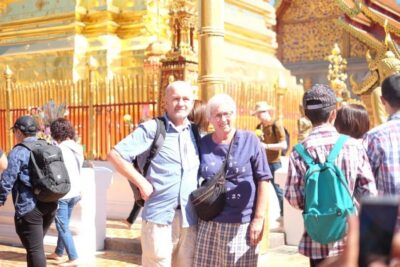 ★ 4.74-Hour Doi Suthep & Hmong Hill Tribe Village from Chiang MaiFrom $36696 reviews
 ★ 4.9Spiritual Sunrise Wat Doi Suthep, Pha Lat, Alms & MeditationFrom $59674 reviews
★ 5.0Chiang Mai – Doi Suthep Temple & Wat Pha Lat HikeFrom $26657 reviews
★ 4.9Spiritual Sunrise Wat Doi Suthep, Pha Lat, Alms & MeditationFrom $59674 reviews
★ 5.0Chiang Mai – Doi Suthep Temple & Wat Pha Lat HikeFrom $26657 reviews
Browse the lists this tour appears in