
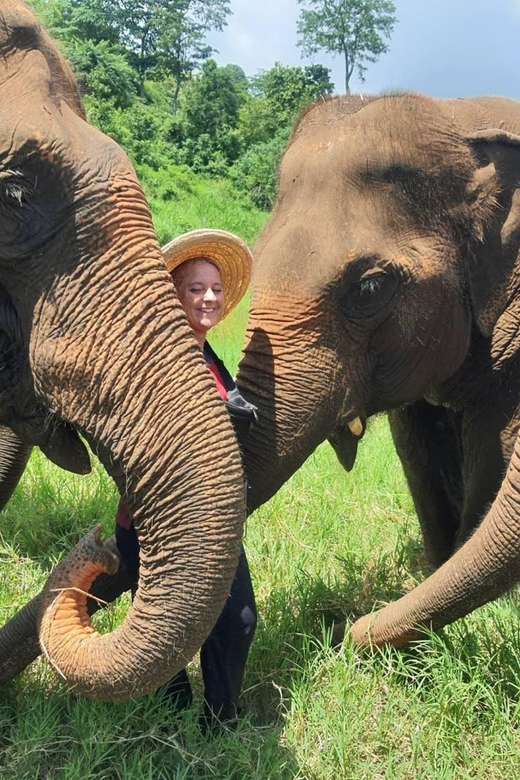
Reviewed · ETHICAL ELEPHANT SANCTUARIES
Rantong elephant sanctuary Chiangmai
One wrong turn and you can end up doing more harm than good. This experience is built around rescue and close, respectful contact, with a half-day program that lets you feed, walk with, and even join bath time with elephants.
I love how straightforward it is: you spend the hours with the elephants, not watching from a distance. I also like the practical setup, including transportation, meals, and the fact that there’s no horseback riding.
One thing to consider: if you’re very strict about how close tourists should get to animals, you may have a knot in your stomach with any hands-on interaction, even when the intention is care.
In This Review
- Key Things That Make This Sanctuary Visit Worth Your Time
- A Rescue-First Elephant Visit From Chiang Mai’s Old City
- Getting There: The Pickup That Also Works as Your Local Warm-Up
- Program Overview: Four Hours of Elephant Time, Not a Quick Photo Stop
- Stop 1: Hotel Pickup in the Old City
- Stop 2: Chiang Mai On the Way In (Coffee, Tea, Lunch/Dinner, and the Guide)
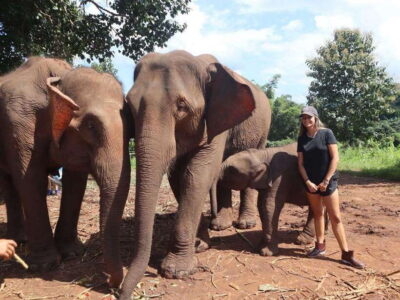
- Stop 3: Walking, Feeding, and Interacting Up Close
- Stop 4: Bath Time (Where the Day Gets Real)
- Food and Care Focus: Traditional Thai Meal as a Reset
- Price and Value: What $57 Buys You (and What It Doesn’t)
- The Ethical Question You Should Actually Ask Yourself
- Who This Tour Fits Best (and Who Should Skip It)
- Practical Tips So Your Day Goes Smoothly
- Should You Book Rantong Elephant Sanctuary in Chiang Mai?
- FAQ
- How long is the Rantong elephant sanctuary experience?
- Where do they pick me up in Chiang Mai?
- Is horseback riding included?
- What meals are included?
- What interactions are included with the elephants?
- Is it wheelchair accessible and what languages are offered?
Key Things That Make This Sanctuary Visit Worth Your Time
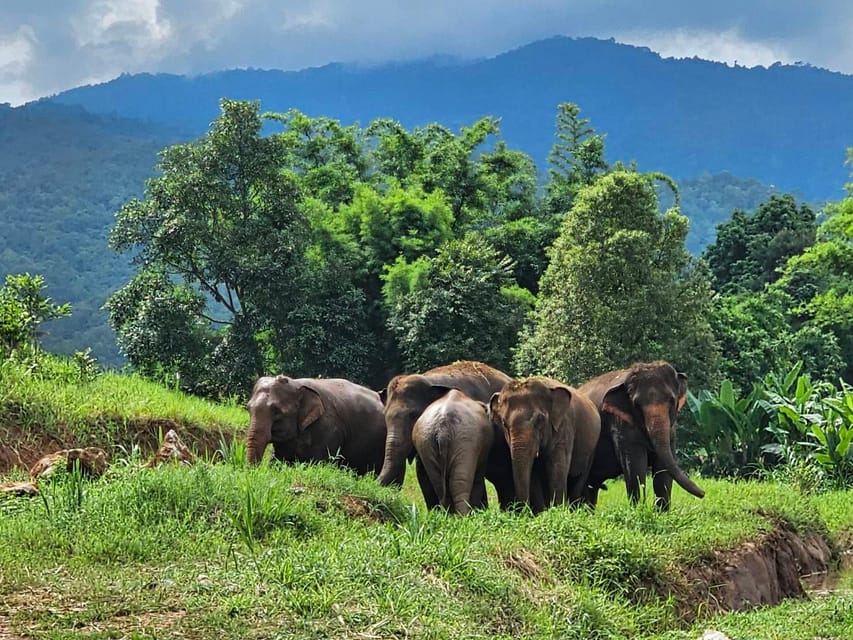
- Hand-feeding and walking instead of only watching from behind fences
- Bath time with provided towels and shower items mentioned in real experiences
- Rescue-focused mission centered on abused, injured, and maltreated elephants
- No horseback riding, so you avoid the most common elephant-tour gimmick
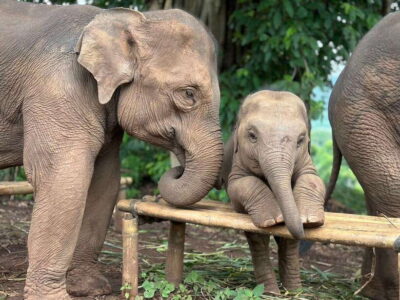
- Time with baby elephants, when the timing matches what’s onsite
More ethical elephant sanctuaries around Chiang Mai, side by side
- Chiang Mai: Elephant Sanctuary, Waterfall & Bamboo Rafting
★ 4.9 · 9,160 reviews - Chiang Mai: Elephant Sanctuary & Waterfall Group Tour
★ 4.9 · 5,780 reviews - Chiang Mai: Elephant Sanctuary Feeding Program Half-Day Tour
★ 4.8 · 4,527 reviews - Chiang Mai: Elephant Sanctuary, Long Neck & Sticky Waterfall
★ 4.9 · 2,262 reviews
A Rescue-First Elephant Visit From Chiang Mai’s Old City
Chiang Mai has a lot of elephant options, and not all of them treat animals the same way. What I like about Rantong Elephant Sanctuary is that it puts its mission on the table: the camp says it rescues abused, injured, and maltreated elephants and aims to give them the life they deserve. That framing matters, because it changes what you should be looking for once you arrive.
The other big plus is how this experience is built. You’re not just “passing through” an animal area—you’re scheduled for four hours of elephant-focused time. You’ll feed, interact, and bathe, and you’ll also go for a walk with them. And yes, the program specifically mentions no horseback riding, which is a relief if you’ve been wary of the most touristy elephant formats.
Still, I’d go in with eyes open. One past participant raised an internal conflict about the idea of a “sanctuary” experience for tourists. I can’t tell you whether that concern matches your own ethics, but it’s a good reminder: hands-on contact is part of the program, so be honest about your comfort level before you book.
Getting There: The Pickup That Also Works as Your Local Warm-Up
The day starts in Chiang Mai’s Old City area. You’re picked up from the Old City within a 3-kilometer radius, so you’re not spending half the morning or afternoon fighting traffic and transfers. This matters in practice, because you want the time budget to go toward the elephants, not commuting.
The transportation is included, and the camp also notes that the drive gives you a cultural view of Chiang Mai. Even if you’ve already walked the Old City streets, this kind of short ride can help you get a feel for what’s around the city before you settle into camp time.
In the real world, I treat this as a useful buffer: you arrive calm, not rushed. And that helps you enjoy the moment with the elephants instead of showing up already frazzled.
Program Overview: Four Hours of Elephant Time, Not a Quick Photo Stop
This is a half-day program. That length is long enough for meaningful interaction—feeding, walking, and bathing—but not so long that you feel cooked afterward.
Because there are “morning” and “afternoon” program formats, the included meal changes. The activity info says lunch is included for the half-day morning program, and dinner is included for the half-day afternoon program. Either way, you’re eating Thai food as part of the experience, which saves you from hunting for a meal right after you get muddy and happy.
You also get the comfort items that make animal interactions easier:
- drinking water
- clothes to change
- food to feed the elephants
That sounds minor until you’re actually standing there with your hands out and you realize the program expects you to participate, not just observe.
Stop 1: Hotel Pickup in the Old City
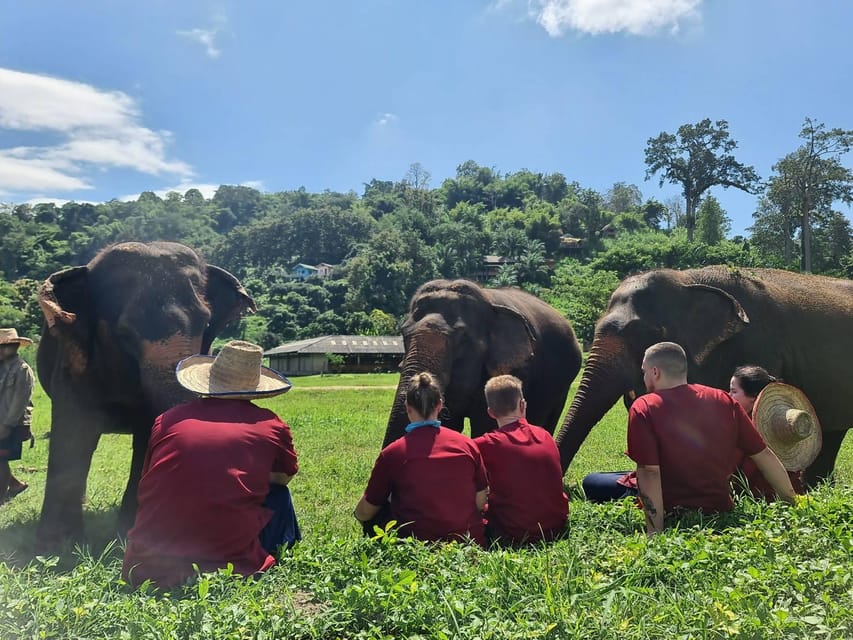
Your pickup point is the Old City, and the camp states they pick you up within 3 kilometers radius. The tour is run with a live guide in English and Chinese, so you’re not stuck decoding gestures if you don’t speak Thai.
Practical note: because pickup is from a tight radius, it’s best if you’re staying near Old City. If you’re farther out, you may need to confirm how they handle logistics. (The data only guarantees pickup within that 3-kilometer window.)
Stop 2: Chiang Mai On the Way In (Coffee, Tea, Lunch/Dinner, and the Guide)
Once you’re moving, the day has a light start. The program description includes visiting Chiang Mai with stops that include coffee, tea, and lunch in the schedule. That sets expectations: you’re not being whisked straight to the camp like a bus tour.
This part is also where the guide makes you comfortable getting closer to the elephants. The camp says the program doesn’t require special training—just an open heart and mind—and that guides are experienced at making visitors feel safe and at ease.
I like this approach because it reduces the “I don’t know what I’m doing” stress. When you’re calm, you can focus on reading the elephant’s body language instead of worrying about your own steps.
Stop 3: Walking, Feeding, and Interacting Up Close
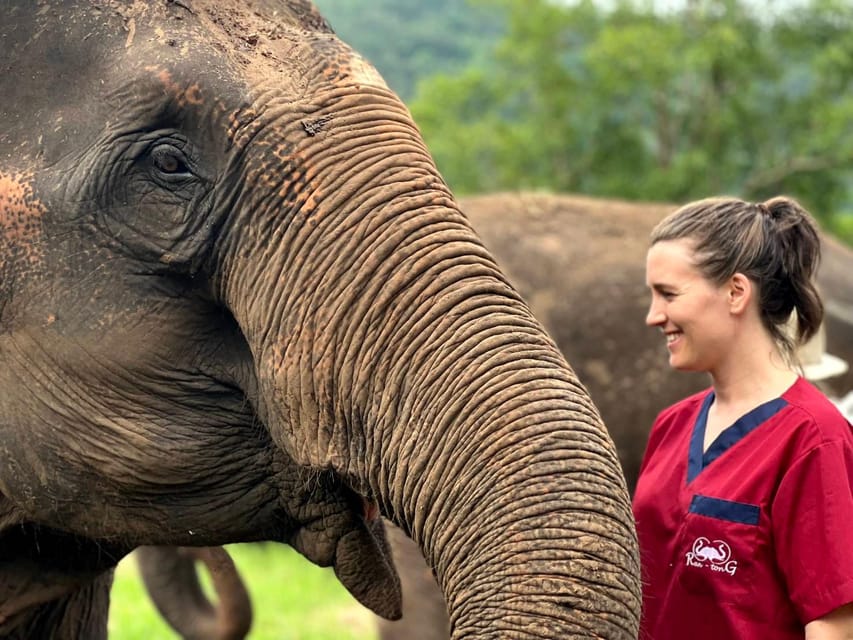
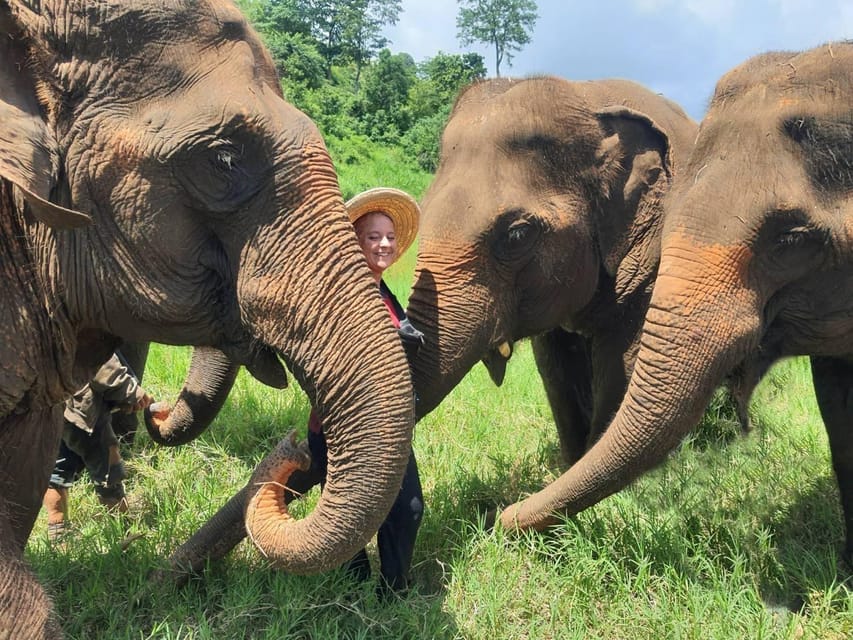
Now comes the main event. The camp program includes:
- feeding the elephants
- interacting with them
- walking among them
No horseback riding is included, which means you’re not swapping one form of animal labor for another. You’re simply sharing space on foot—under guide supervision.
What I’d want you to take seriously here is the difference between “feeding as a performance” and “feeding as contact.” The program’s wording points to feeding and interaction as part of learning how elephants behave—showing strength and gentleness. That likely means your time with them is structured around their behavior, not just around your camera.
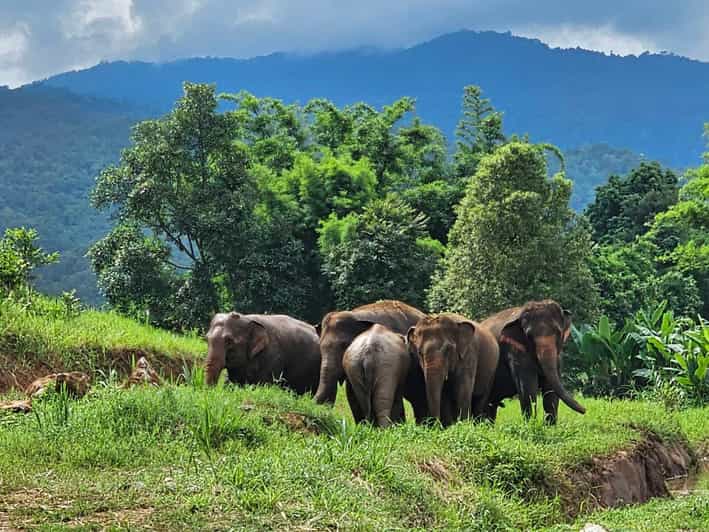
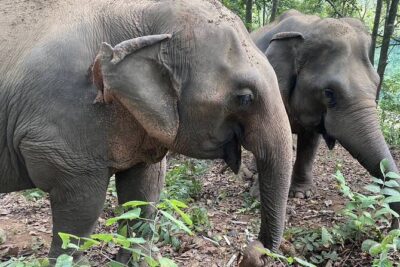
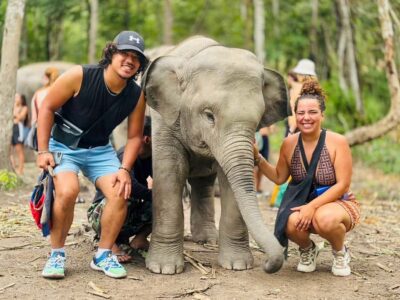
From past experiences shared by participants, people specifically enjoyed the hands-on nature: feeding, walking around, and the sense that the elephants are able to move freely within the camp area. One participant also noted that baby elephants were a highlight when they were present during the visit, which can make the visit feel extra special if your timing lines up.
Stop 4: Bath Time (Where the Day Gets Real)
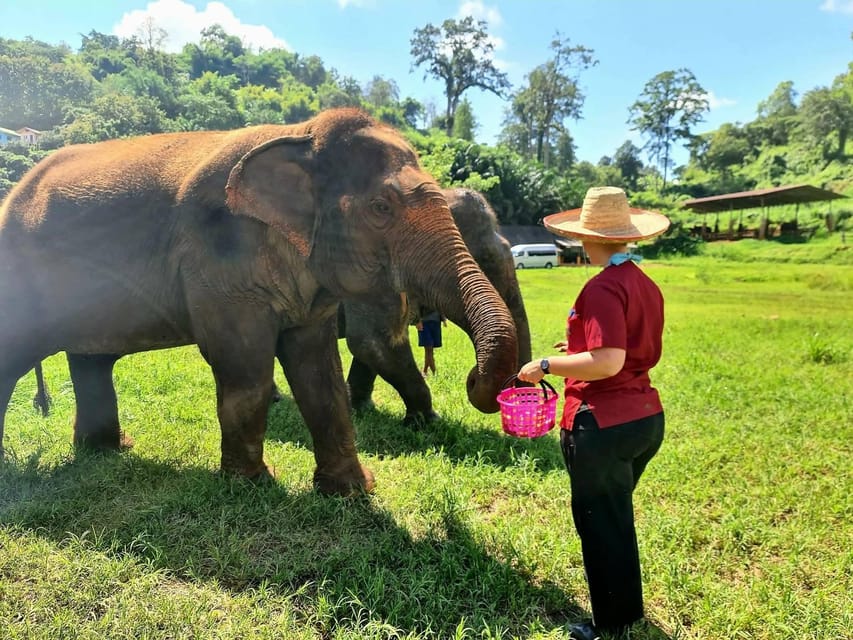
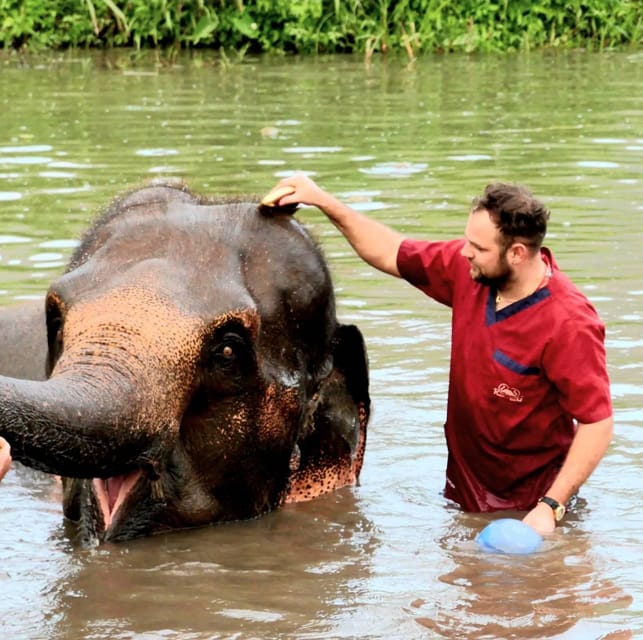
If you’ve never bathed an elephant before, you’ll learn quickly that it’s not a quick splash. The program says you can bath with the elephants, and participants also described getting towels and shower gel afterward—so you’re not left to scramble for basic cleanup.
Bath time is usually where people either light up or lose their nerve. Why? Because it’s close, wet, and loud, and you can see the elephants as living creatures rather than “attractions.”
The positive side is obvious: it’s memorable, and it’s also a behavior elephants choose to express in nature. The other side is that it changes the tone of the day—expect getting splashed, expect humidity, and plan for damp clothes even with the clothes-to-change items.
Food and Care Focus: Traditional Thai Meal as a Reset
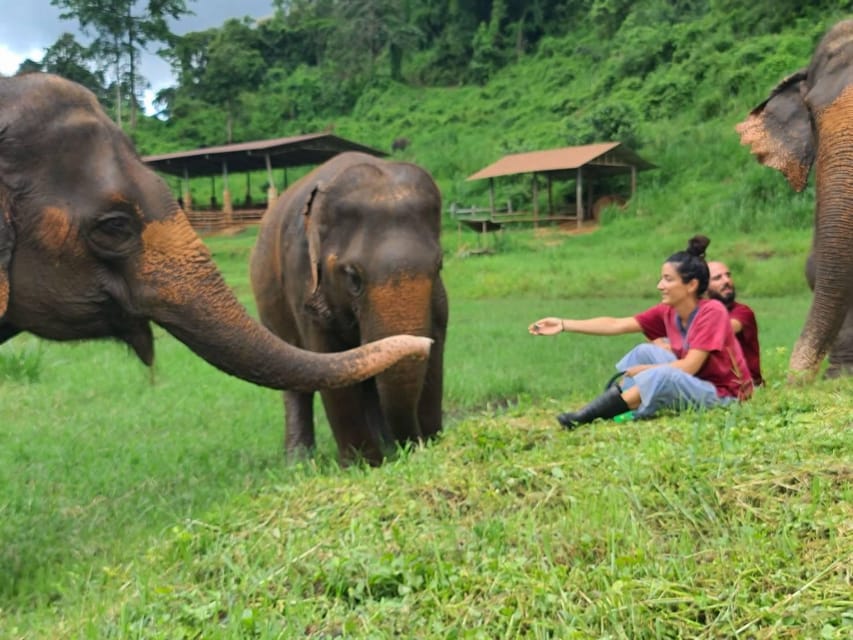
This experience includes traditional Thai food. In the morning program it’s lunch; in the afternoon program it’s dinner. That meal timing is smart because it helps you refuel after interaction time.
One participant specifically mentioned enjoying dinner at the end, and another described a nice meal following their elephant time. So, you can treat the meal as a proper finish, not an afterthought.
And honestly, having food included is part of the value math for this trip. A lot of “cheap” tours cost low upfront and then hit you later with extra fees for transport and meals. Here, the food is built into the package.
Price and Value: What $57 Buys You (and What It Doesn’t)
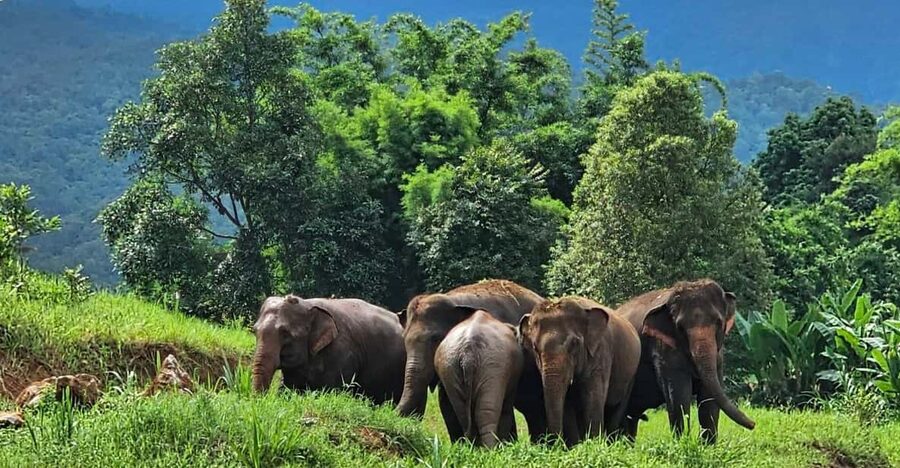
At $57 per person for a 4-hour experience, this sits in the mid-range for Thailand elephant activities. The real question is what’s included, because the package is not just a ticket to watch animals.
Based on the information provided, your price includes:
- insurance
- transportation
- lunch (morning program) or dinner (afternoon program)
- drinking water and clothes to change
- food to feed the elephants
- guides (English and Chinese)
So you’re paying for more than entry. You’re paying for guided contact, on-site time, and a set of supports that reduce hassle and risk. Insurance also matters, because animal activities have more potential for minor issues—slips, falls, getting too close, or getting wet.
What it doesn’t include: anything that requires personal shopping, personal souvenirs, or optional add-ons. The details provided don’t mention extra experiences beyond feeding, interaction, walking, and bathing—so if you want more than that, you’ll need a different kind of tour.
The Ethical Question You Should Actually Ask Yourself
Here’s where I’ll be careful and honest. One participant raised concerns about the concept of an ethical sanctuary experience when it involves tourist interaction. That kind of reaction doesn’t mean the entire program is automatically wrong. It does mean you should not treat the word sanctuary as a magic shield.
What you can do—without pretending to know internal practices—is match the experience to your own ethics. This program is explicitly hands-on: feeding, walking among, and bathing. If you believe elephants should have zero visitor contact, you may want to skip this and search for a more strict model (the data you provided doesn’t include alternatives).
If you’re comfortable with interaction that’s guided and feeding is part of the animal-care routine, then this could feel like a meaningful way to learn and support rescued elephants. The best version of this tour is the one where you treat it as care and learning, not as entertainment.
Who This Tour Fits Best (and Who Should Skip It)
I think this works best for:
- people who want a hands-on day and like learning through contact
- anyone who wants no horseback riding and still wants a close connection
- travelers who are short on time but still want more than a quick stop
- visitors staying near Old City who appreciate included pickup
It may not fit as well for:
- people who are uncomfortable with any tourist interaction, even when framed as rescue and care
- anyone who hates getting wet or messy, since bath time is part of the plan
- travelers who expected a strictly viewing-only experience
Also, because the guides speak English and Chinese, it should be easier for mixed-language groups to follow along.
Practical Tips So Your Day Goes Smoothly
A few common-sense moves will help you get the most out of the four hours:
- Wear clothing you’re happy to swap out. The tour provides clothes to change, but you’ll still want to protect your valuables.
- Bring a towel only if you really prefer your own. The program includes shower and towel support as described by participants during bath time.
- Keep your expectations focused on behavior, not posing. Feeding and walking are about the elephants’ presence as much as your interaction.
- If you’re sensitive about animal ethics, think about it before you arrive. This program includes close contact by design.
And one more: plan on leaving with elephant images, yes—but also leave with a different mindset. The camp frames the visit around love, understanding, and giving rescued elephants a better life. If you come in purely for photos, you’ll miss the point.
Should You Book Rantong Elephant Sanctuary in Chiang Mai?
If you want a half-day that’s built around rescue, includes guided feeding, walking, and bath time, and removes horseback riding from the menu, this is a strong candidate. The value is helped by what you get for $57: transport, insurance, water and clothes to change, elephant feed, and Thai lunch or dinner.
You should book if you’re comfortable with close interaction and you like the idea of learning from experienced guides rather than just watching.
You might skip if the idea of any hands-on tourist interaction feels wrong to you, especially after reading about that ethical concern. In that case, it’s worth searching for a more strict model where visitors do not feed or bathe the animals.
If you want a memorable, active elephant experience in Chiang Mai with practical support and real time with the herd, Rantong Elephant Sanctuary is one of the clearer options to consider.
FAQ
How long is the Rantong elephant sanctuary experience?
The program lasts 4 hours.
Where do they pick me up in Chiang Mai?
Pickup is included from your hotel or accommodation within 3 kilometers of Chiang Mai Old City.
Is horseback riding included?
No. The experience does not require horseback riding.
What meals are included?
Lunch is included for the half-day morning program, and dinner is included for the half-day afternoon program.
What interactions are included with the elephants?
You can feed, interact with, and bathe the elephants, and you’ll also walk among them as part of the program.
Is it wheelchair accessible and what languages are offered?
The activity is listed as wheelchair accessible, and the live tour guide is available in English and Chinese.
More Tour Reviews in Chiang Mai
- Half-Day Thai Cooking Class at Organic Farm in Chiang Mai★ 5.0 · 19,087 reviews
- Chiang Mai: Elephant Sanctuary, Waterfall & Bamboo Rafting★ 4.9 · 9,160 reviews
- Chiang Mai: Doi Inthanon National Park Eco-Friendly Tour★ 4.6 · 6,667 reviews
- Chiang Mai: Elephant Sanctuary & Waterfall Group Tour★ 4.9 · 5,780 reviews
- Chiang Mai: Chiang Rai Temples, Karen Tribe and Hot Springs★ 4.7 · 5,401 reviews
More Elephant Sanctuaries Near Chiang Mai
- Chiang Mai: Elephant Sanctuary, Waterfall & Bamboo Rafting★ 4.9 · 9,160 reviews
- Chiang Mai: Elephant Sanctuary & Waterfall Group Tour★ 4.9 · 5,780 reviews
- Chiang Mai: Elephant Sanctuary Feeding Program Half-Day Tour★ 4.8 · 4,527 reviews
- Chiang Mai: Elephant Sanctuary, Long Neck & Sticky Waterfall★ 4.9 · 2,262 reviews
- From Chiang Mai: Elephant Care Program and Nursery Tour★ 4.8 · 1,899 reviews
Fresh off the pile: Chiang Mai tours we have just written up



Ethical Elephant Sanctuaries, compared.
 ★ 4.9Elephant Sanctuary, Waterfall & Bamboo RaftingFrom $609,160 reviews
 ★ 4.9Elephant Sanctuary & Waterfall Group TourFrom $505,780 reviews
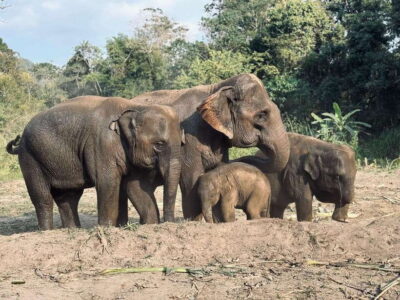 ★ 4.8Elephant Sanctuary Feeding Program Half-Day TourFrom $274,527 reviews
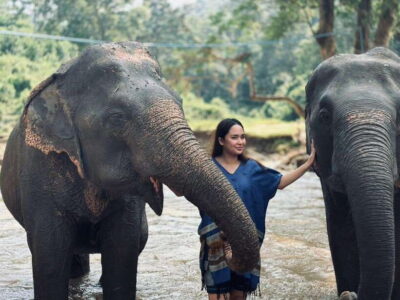 ★ 4.9Elephant Sanctuary, Long Neck & Sticky WaterfallFrom $632,262 reviews
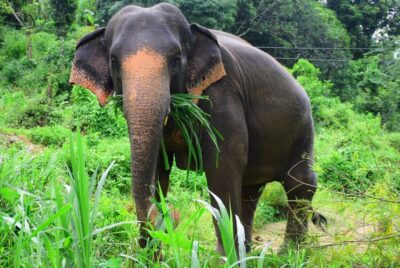 ★ 4.8Elephant Care Program and Nursery TourFrom $531,899 reviews
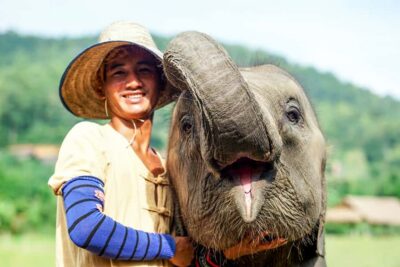 ★ 4.9Small Group Ethical Elephant Sanctuary TourFrom $771,572 reviews
 ★ 5.0Half Day Visit Smile Elephant Chiang MaiFrom $501,216 reviews
 ★ 4.9Doi Inthanon and Elephant Sanctuary TourFrom $811,091 reviews
Browse the lists this tour appears in