
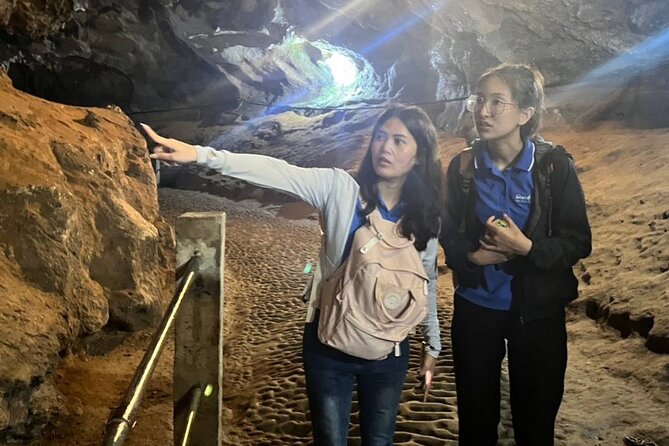
Reviewed · CHIANG DAO CAVES & JUNGLE
Chiang Dao Cave & 5 Hill Tribe villages
Chiang Dao Cave feels like another world. This day trip strings together five hill tribe villages and a lantern hike through Chiang Mai’s biggest story-filled cave, then ends at a greenhouse orchid and butterfly farm.
I love the small-group, get-off-the-main-road feel, plus the chance to meet Akha, Meo, Lisu, Karen, and Palong communities in daily-life settings. I also love how the cave is guided closely, with lantern light revealing the shapes of stalactites and stalagmites as you go.
One possible drawback: the cave route includes narrow crawl sections, so if you hate tight spaces or get tired easily, think twice.
In This Review
- Key highlights you’ll care about
- Ban Huai I-Ko: Akha, Meo, Lisu, Karen and Palong village visits
- Chiang Dao Cave by lantern: stalactites, darkness, and tight crawl spots
- Bai Orchid and Butterfly Farm: greenhouse butterflies and take-home orchids
- How the day flows: pickup, travel time, lunch break, and pacing
- Price and value: what $52.18 really covers
- Cultural respect and the shopping question in hill tribe villages
- Who should book this day trip (and who should skip)
- Should you book Chiang Dao Cave and 5 Hill Tribe villages?
- FAQ
- What time does the tour start, and how long is it?
- Do you get pickup from Chiang Mai hotels?
- What’s included in the ticket price?
- Is lunch included?
- Is Chiang Dao Cave hard to walk through?
- What is the cancellation policy?
Key highlights you’ll care about
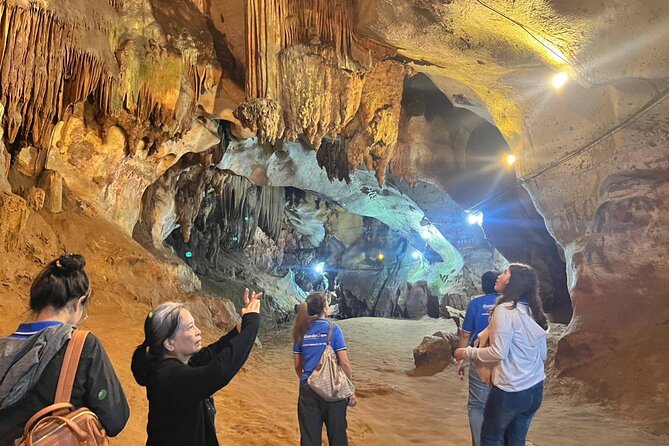
- Lantern-guided Chiang Dao Cave with real dark moments and a local cave guide
- Ban Huai I-Ko village time with Akha, Meo, Lisu, Karen, and Palong people
- Bai Orchid and Butterfly Farm where you watch butterflies over orchids and can take orchids home
- Comfortable transport with pickup/drop-off in Chiang Mai Old City and an air-conditioned vehicle
- Plan for extra spending since lunch and the orchid/butterfly ticket aren’t included
Deeper into Chiang Dao: caves, jungle and the valley
- No.1 Full-Day Chiang Mai Caving & Jungle Kayaking: Chiang Dao
★ 4.5 · 206 reviews - Chiang Dao Cave & 5 Hill Tribe villages
★ 5.0 · 181 reviews - From Chiang Mai: Chiang Dao Cave Trekking Full-Day Tour
★ 4.8 · 126 reviews - Chiang Mai : Kayak the Jungle Rivers of Chiang Dao Valley!
★ 5.0 · 89 reviews
Ban Huai I-Ko: Akha, Meo, Lisu, Karen and Palong village visits
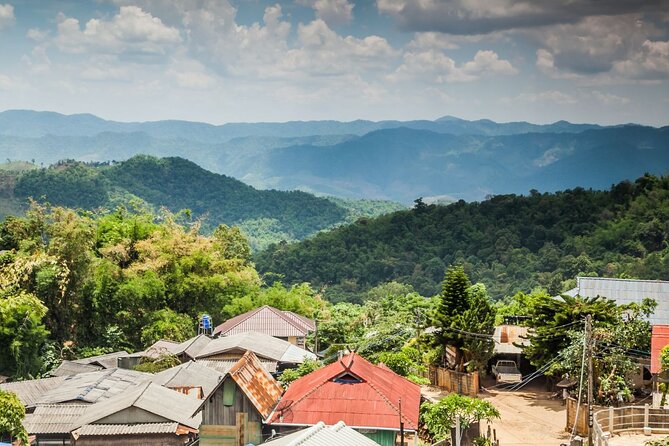
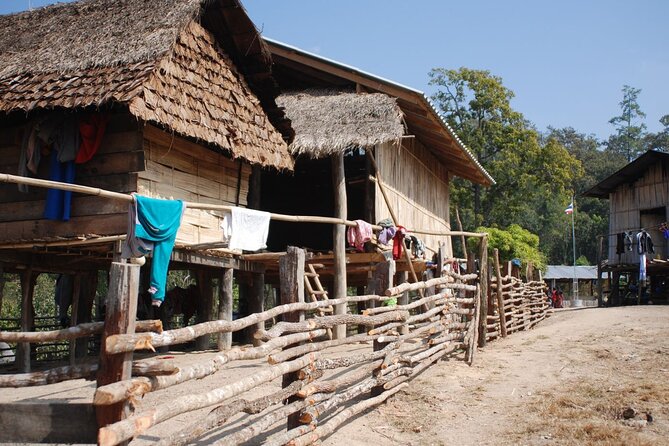
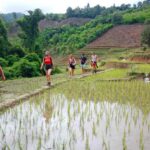
This trip starts by getting you out of Chiang Mai and into the hills. You’ll spend around three hours at Ban Huai I-Ko, where you can see how five hill tribe groups live day-to-day: Akha, Meo, Lisu, Karen, and Palong. It’s not set up like a theme park. You’re there to watch routines, learn names and beliefs, and understand how the groups differ in lifestyle.
What I like most is the way the village visit is framed as people first, culture second. A good village guide helps connect what you’re seeing to what it means. In the guide mix you may meet people like Jane or Saman (both praised for explaining village life with clear context), and you might even hear practical details like plant uses and local customs, not just facts on a signboard.
Here’s the realistic part: you may also be offered handicrafts and souvenirs. Many visitors end up buying small items because it’s one way locals earn money. But you should go in with your eyes open. One guest experience described feeling a bit pressured to buy. My advice is simple: treat shopping as optional. If you’re not feeling it, politely say no, then keep the conversation moving. The best encounters are the ones where you’re curious, not just consuming.
A small note that can help: the villages can be sunny and bright. Reviews also mention hats coming in handy, especially if you’ll be walking around outside. Bring a hat or something similar if you’re the kind of person who gets heat-haze fast.
Chiang Dao Cave by lantern: stalactites, darkness, and tight crawl spots
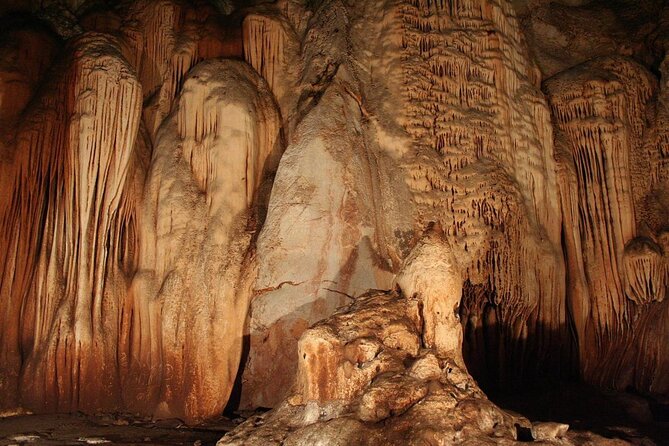
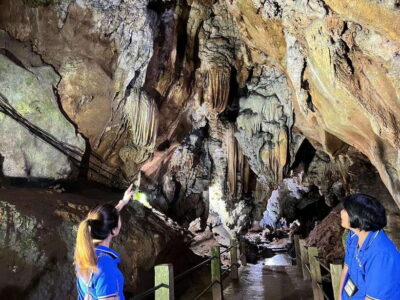
This is the main event. You’ll head into Chiang Dao Cave with a local guide, using a lantern. The tour includes the cave entrance fee, and you’ll spend about three hours on the cave route.
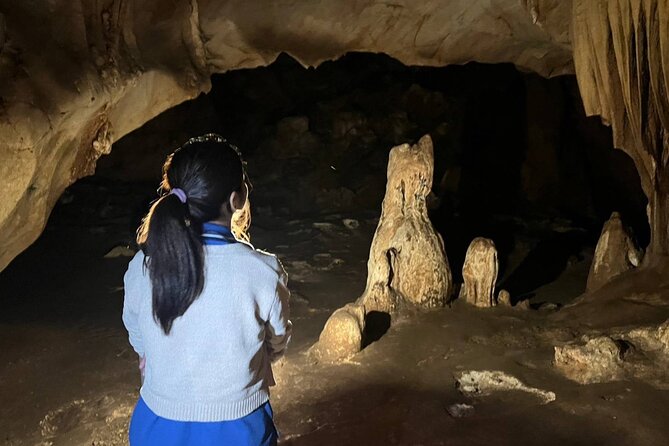
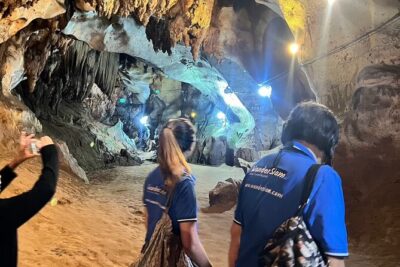
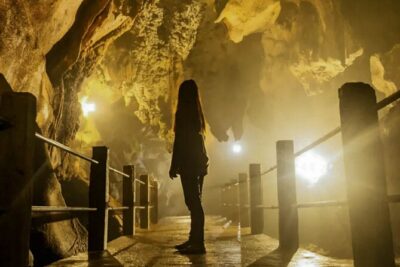
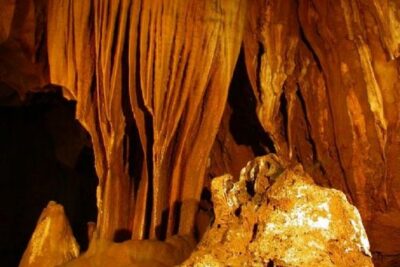
Chiang Dao is described as Chiang Mai’s biggest cave, and you’ll see classic cave formations: stalactites hanging from the ceiling and stalagmites growing up from the floor. The lantern lighting matters. In some sections, it’s notably darker than you might expect, and you’ll rely on the guide’s light to pick out shapes. One guest even mentioned a part without installed lights, which is a good reminder that you’re not touring a lit walkway. You’re walking underground.
The cave guide experience is also where safety and storytelling meet. Reviews mention things you might encounter, like bats, Buddha images, and sections where you have to maneuver carefully. One review described a long path guided by a single petrol lamp and called out the fact that there are “gymnastics” moments—more like careful body positioning than anything athletic.
Now, the important consideration: two passages inside the cave are quite narrow, and you’ll need to crawl through them. This is not a rumor; it’s stated clearly for the tour. If you’re claustrophobic, don’t try to tough it out. Choose a different Chiang Dao option that doesn’t include crawl sections.
Also, wear the right shoes. You’re advised to use comfortable walking shoes and avoid flip-flops. Even with good footing, you’ll be moving on an uneven surface and you’ll want traction. For clothing, you’ll likely get sweaty and a bit dirty. One guest specifically recommended clothes you don’t mind getting messy, especially because there’s friction when you squeeze through tight points.
If you want to be extra prepared, bring small Thai baht for cave-related tipping. Tips aren’t mandatory, but a few guests suggested having some on hand. Think of it as grease for the experience, not a tax.
Bai Orchid and Butterfly Farm: greenhouse butterflies and take-home orchids
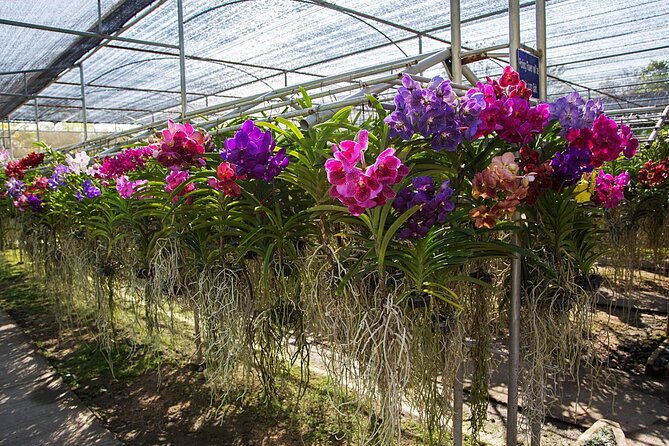
Between the hills and the cave, the trip includes a stop at Bai Orchid and Butterfly Farm, usually about two hours of time. This is the softer, more colorful contrast to the cave.
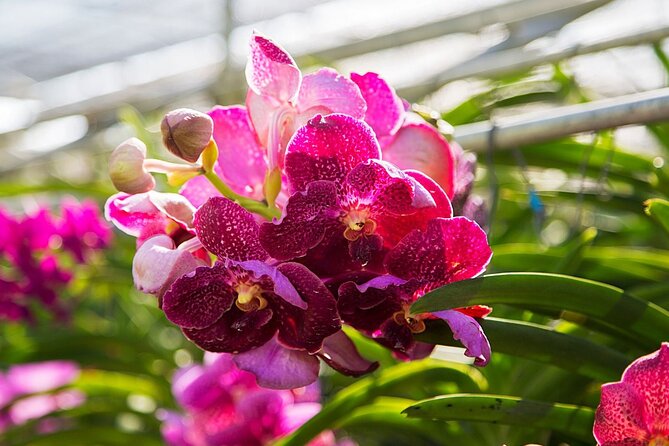
What to expect: a greenhouse setting with butterflies moving over plants and flowers—especially orchids. The big appeal is that you’re not just looking at displays behind glass. You’re watching butterflies flutter around the orchid area while you walk through the greenery.
Two practical notes matter here.
First, the admission ticket for the farm is not included. So you should budget extra for this stop. Exact cost isn’t provided in your info, so don’t plan around a specific number—plan around the idea that you’ll pay at the farm.
Second, cash habits. One guest specifically said the orchid farm only takes baht cash. So if you hate ATM runs, bring Thai baht before you get there.
Finally, you can bring orchids home. The tour overview says you can take the beautiful orchids back with you, which makes the stop feel like more than a quick photo break. Just remember you’re buying a living plant, so treat your purchase like something you’ll actually transport carefully.
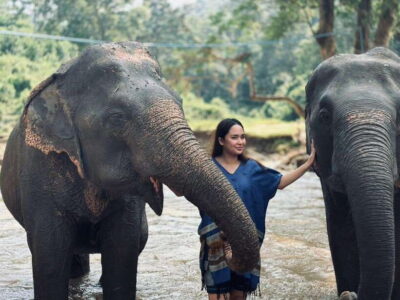
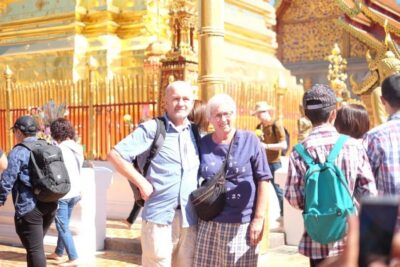
Visits to the Karen, Hmong and Akha villages in the hills
How the day flows: pickup, travel time, lunch break, and pacing
This is an about 8-hour day trip from Chiang Mai. Start time is 9:00 am, and pickup is available in the Chiang Mai Old City area. Departure time can fall between 8:00 and 9:00 depending on how many people are joining. If you’re on the early end, you’ll want to be ready before the van shows up.
A group tour needs a little patience. The operator states they can wait up to 10 minutes after the scheduled meeting time. After that, they begin without you. It’s not meant to be strict; it’s meant to keep the day working for everyone.
You’ll also want to handle heat and weather. The tour runs rain or shine. Thailand showers often pass quickly, but the guidance says bring a raincoat or poncho during rainy season if you can. Even in the rain, you’re still going to be in the cave and on foot.
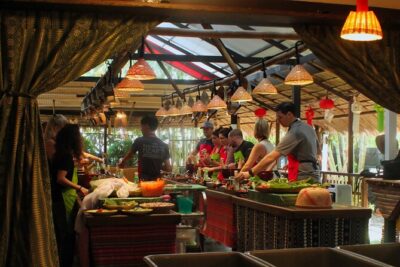
One more pacing reality: there’s a lunch stop, but meals are not included in the tour price. Some guests called out that lunch wasn’t covered, and one called the lunch disappointing. That doesn’t mean the meal will always be bad—it does mean you should treat lunch as your responsibility and decide what you want to spend ahead of time.
If you’re doing this with kids or older family, pacing is key. The tour notes moderate physical fitness is recommended. Most of the exertion comes from the cave walking plus those crawl sections. If you’re the type who counts stairs for fun, you’ll probably be fine. If you hate discomfort for even ten minutes, consider adjusting your plan.
Price and value: what $52.18 really covers
At $52.18 per person, this trip can feel like a strong value—mainly because the included items are the expensive parts.
Included:
- Licensed English-speaking tour guide
- Pick up and drop off for Chiang Mai Old City
- Air-conditioned vehicle
- Local guides for the hill tribe village visits and for Chiang Dao Cave
- Entrance fee at Chiang Dao Cave
Not included:
- Meal (lunch)
- Personal expenses
- Gratuities (not mandatory)
- Orchid and butterfly farm admission ticket
So where’s the value? It’s in the combo. You’re paying for:
1) guided access to multiple cultural stops in the countryside, and
2) a guided cave experience that would be harder to assemble on your own, and
3) a nature stop that adds a totally different mood.
Also, the group size is capped at 15 travelers. That matters. It helps keep the day from turning into a shuffle line, especially when you’re walking in and out of villages and then shifting into cave procedures.
If you’re trying to keep costs low, you’ll want to budget wisely for what’s not included:
- lunch
- the orchid/butterfly ticket
- optional tipping and small craft purchases
One guest even described the day as surprisingly affordable for what you get. I’d agree with that logic, as long as you go in knowing you’ll still spend a bit of cash during the day.
Cultural respect and the shopping question in hill tribe villages
This is the part I think you should handle with a little care.
Hill tribe villages are living communities, not staged sets. A good guide helps you connect what you see with what the communities believe and do. In the praised guide examples, people like Tik/Tikky and Amy were noted for mixing cultural context with clear explanations, plus a sense of humor. That combination usually makes the village time feel human instead of awkward.
But the shopping dynamic is real. Some guests described buying crafts as part of the experience, and others said it felt pressured at times. If you want a smoother experience, set your own rules before you arrive:
- Decide in your head what you’ll buy (or not buy).
- Keep conversations friendly, not transactional.
- If you’re not interested, politely stop and move on.
If you’d like to support beyond purchases, one guest mentioned a school where locals would appreciate donations. The exact setup might vary by day and guide, so don’t assume it’s formal or scheduled—but if the subject comes up naturally, it’s worth listening to and acting only if it feels right to you.
Who should book this day trip (and who should skip)
Book it if you want a one-day blend of culture + cave adventure + nature. This is ideal for:
- couples and solo travelers who like countryside days
- people who want the cave highlight without doing logistics alone
- visitors who enjoy asking questions and talking with guides about local plants, customs, and beliefs
Skip or be cautious if you:
- have claustrophobia, because the cave includes narrow crawl passages
- don’t like tight spaces or you’re sensitive to uneven, slow walking underground
- expect a purely sightseeing day with zero discomfort—this includes a cave walk and some squeeze points
It can work for families in the right fit. One review mentioned going with kids, and the cave was still considered doable as part of the group experience. But again: if your child can’t handle tight spaces, don’t guess.
Also, the day is about 8 hours, including travel. If you’re trying to minimize walking, you may find the cave portion taxing.
Should you book Chiang Dao Cave and 5 Hill Tribe villages?
If your ideal Chiang Mai day includes a real cave experience with lantern light, plus village visits that explain how different hill tribe groups live, then I think this is a smart pick.
It’s hard to beat the value because cave entry, local guides, and pickup are included, and the group size stays small. The cave is repeatedly called out as the highlight, with guides praised for making it safe and easier to understand in the dark. The village time also tends to be the part that adds meaning—especially when the guide is like Saman, Jane, Tik/Tikky, Amy, or Leo in the sense of connecting stories to what you’re seeing.
My final advice: book it if you can handle some physical effort and you’re comfortable with tight crawl sections. If tight spaces are a hard no, pass on this exact cave route and look for a different Chiang Dao option.
FAQ
What time does the tour start, and how long is it?
The tour starts at 9:00 am and runs for about 8 hours.
Do you get pickup from Chiang Mai hotels?
Yes. Pickup and drop-off are available for the Chiang Mai Old City area. The exact pickup/departure time is messaged to you the day before, and it can be between 8:00 and 9:00 am.
What’s included in the ticket price?
You get a licensed English-speaking guide, air-conditioned vehicle, pickup/drop-off (Old City area), local guides for the villages, a local cave guide, and Chiang Dao Cave entrance fee. The orchid/butterfly farm ticket and your meal are not included.
Is lunch included?
No. The tour does not include meals, so you’ll need to pay for lunch during the day.
Is Chiang Dao Cave hard to walk through?
It requires moderate physical fitness, comfortable walking shoes, and it includes two narrow passages where you crawl. It’s not recommended if you suffer from claustrophobia.
What is the cancellation policy?
You can cancel up to 24 hours before the experience start time for a full refund. If you cancel less than 24 hours in advance or don’t show up, no refund is issued.
More Tour Reviews in Chiang Mai
- Half-Day Thai Cooking Class at Organic Farm in Chiang Mai★ 5.0 · 19,087 reviews
- Chiang Mai: Elephant Sanctuary, Waterfall & Bamboo Rafting★ 4.9 · 9,160 reviews
- Chiang Mai: Doi Inthanon National Park Eco-Friendly Tour★ 4.6 · 6,667 reviews
- Chiang Mai: Elephant Sanctuary & Waterfall Group Tour★ 4.9 · 5,780 reviews
- Chiang Mai: Chiang Rai Temples, Karen Tribe and Hot Springs★ 4.7 · 5,401 reviews
More Hill Tribe Village Visits
- Chiang Mai: Chiang Rai Temples, Karen Tribe and Hot Springs★ 4.7 · 5,401 reviews
- Thai and Akha Cooking Class in Chiang Mai★ 5.0 · 4,358 reviews
- Chiang Mai: Elephant Sanctuary, Long Neck & Sticky Waterfall★ 4.9 · 2,262 reviews
- 4-Hour Doi Suthep & Hmong Hill Tribe Village from Chiang Mai★ 4.7 · 696 reviews
- Chiang Mai: Long Neck Village & Chiang Rai’s Iconic Temples★ 4.3 · 338 reviews
More Around Chiang Dao
- No.1 Full-Day Chiang Mai Caving & Jungle Kayaking: Chiang Dao★ 4.5 · 206 reviews
- From Chiang Mai: Chiang Dao Cave Trekking Full-Day Tour★ 4.8 · 126 reviews
- Chiang Mai : Kayak the Jungle Rivers of Chiang Dao Valley!★ 5.0 · 89 reviews
- From Chiang Mai: Chiang Dao Cave & 5 Hill Tribe Villages★ 4.5 · 75 reviews
- Chiang Mai Day Tour: Chiang Dao Cave and Hill Tribes★ 5.0 · 40 reviews
Fresh off the pile: Chiang Mai tours we have just written up



Chiang Dao Caves & Jungle, compared.
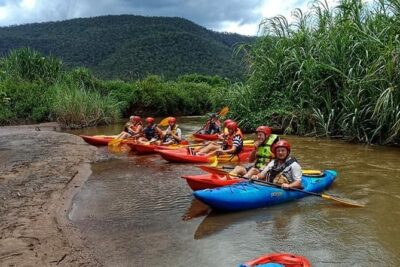 ★ 4.5No.1 Full-Day Chiang Mai Caving & Jungle Kayaking: Chiang DaoFrom $81206 reviews
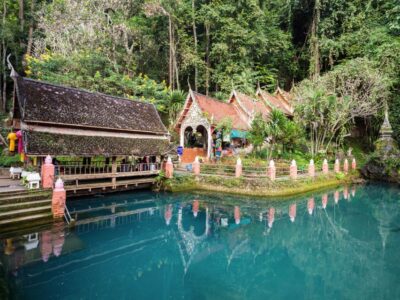 ★ 4.8Chiang Dao Cave Trekking Full-Day TourFrom $106126 reviews
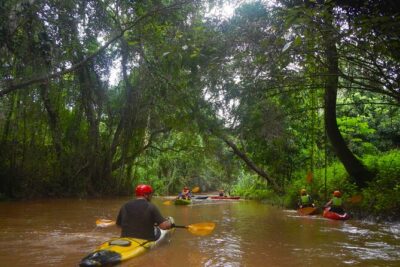 ★ 5.0Kayak the Jungle Rivers of Chiang Dao Valley!From $7489 reviews
 ★ 4.5Chiang Dao Cave & 5 Hill Tribe VillagesFrom $5175 reviews
 ★ 5.0Chiang Mai Day Tour: Chiang Dao Cave and Hill TribesFrom $5240 reviews
 ★ 5.03-Day Chiang Dao Mountain TrekFrom $25636 reviews
 ★ 5.0Chiang Dao Cave Trekking Small Group Tour – Full DayFrom $9024 reviews
 ★ 5.0Private tour Chiang Dao cave ,Temples,Sticky waterfallFrom $12314 reviews
Browse the lists this tour appears in