
Reviewed · CHIANG MAI COOKING CLASSES
Chiang Mai: Cooking Class, Market & Thai Herbs Garden Tour
Curry starts with a spice walk. This Chiang Mai class pairs a local market stop with a hands-on cooking session in a real organic kitchen garden, and I love the chance to choose your dishes and tailor the heat. My other favorite part is making curry paste from scratch with a mortar and pestle, so you understand what each ingredient is doing. One thing to think about: it’s a 210-minute experience, so you’ll learn a lot, but the market and cooking time are still tightly scheduled.
Pickup is easy if you’re near Chiang Mai Old Town, and the whole day is built around tasting and technique, not just watching. You’ll handle fresh herbs and ingredients, cook your meal, then eat in the garden Thai-style. If you’re expecting a super long tour with lots of free time, you might prefer a full-day class.
In This Review
- What makes this Chiang Mai cooking class feel different
- From hotel pickup to a local market that explains flavor
- Thai herb garden lessons: translating what you smell into what you cook
- Choosing your dishes: the class stays flexible, not fixed
- Curry paste from scratch: pounding flavors into a Thai kitchen tool
- The main meal: your cooking, your timing, your Thai-style dining
- Recipe PDF and cooking back home without the guesswork
- Price and value: why about $31 can work well here
- Should you book this Chiang Mai cooking class?
- FAQ
- How long is the Chiang Mai cooking class?
- Do they pick me up from my hotel?
- Can I choose what dishes to cook?
- Can the class accommodate dietary restrictions?
- What should I bring?
- Is alcohol included, and can I cancel for a refund?
What makes this Chiang Mai cooking class feel different
- Market + market skills: You don’t just see ingredients, you learn how Thai flavors get built from herbs, aromatics, and pantry staples.
- Curry paste, pounded by you: The mortar-and-pestle stage is the big “aha” moment, where red, green, Phanaeng, Massaman, or Khao Soi starts to make sense.
- Organic kitchen garden dining: Your meal isn’t staged; you eat where the cooking spirit is, in a kitchen-garden setting.
- You pick what to cook: Choose starters and mains from multiple options, so the menu feels personal instead of generic.
- Dietary flexibility is real: Vegan, vegetarian, gluten-free, and halal options are available, with alternatives for allergies.
- Guides with actual personality: You may cook with English instructors like Wave, Tu, Flook, Kat, Balloon, or Toey, and the tone stays friendly and fun.
Pick your Thai cooking class: farm kitchens and market runs
- Half-Day Thai Cooking Class at Organic Farm in Chiang Mai
★ 5.0 · 19,087 reviews - Chiang Mai: Cooking Class, Market & Thai Herbs Garden Tour
★ 4.9 · 4,824 reviews - Chiang Mai: Authentic Cooking Class with Market & Farm Visit
★ 4.9 · 4,546 reviews - Thai and Akha Cooking Class in Chiang Mai
★ 5.0 · 4,358 reviews
From hotel pickup to a local market that explains flavor
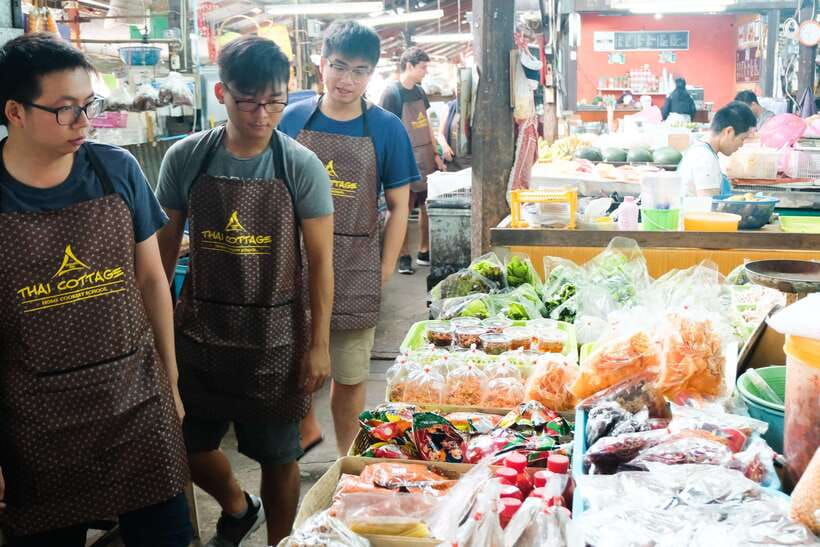
The day starts with hotel pickup and drop-off, which matters in Chiang Mai because traffic and distances can eat into your plans. If you’re within about 3 km of Chiang Mai Old Town, pickup is included. They’ll ask you to wait in your lobby and come by 15–30 minutes before class, though traffic can add delays.
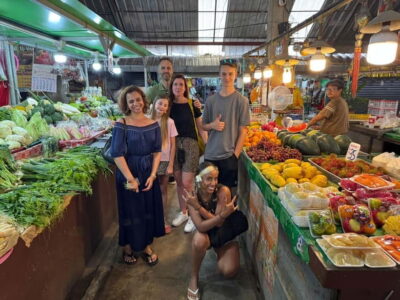
Then you’re off to a local market, and this is more than a photo stop. The market segment is designed to help you recognize ingredients and understand why Thai cooks choose certain herbs for certain flavors. You’ll get hands-on guidance about the ingredients you’ll later use in the kitchen.
This is where the class becomes more useful than typical “taste and point” tours. Even if you don’t cook much at home, you leave with a mental map: what things smell like on their best day, what forms they come in, and how they behave when heated.
Practical tip: bring comfortable clothes. You’ll likely move around more than you expect, and you’ll be working with ingredients after the market.
Thai herb garden lessons: translating what you smell into what you cook
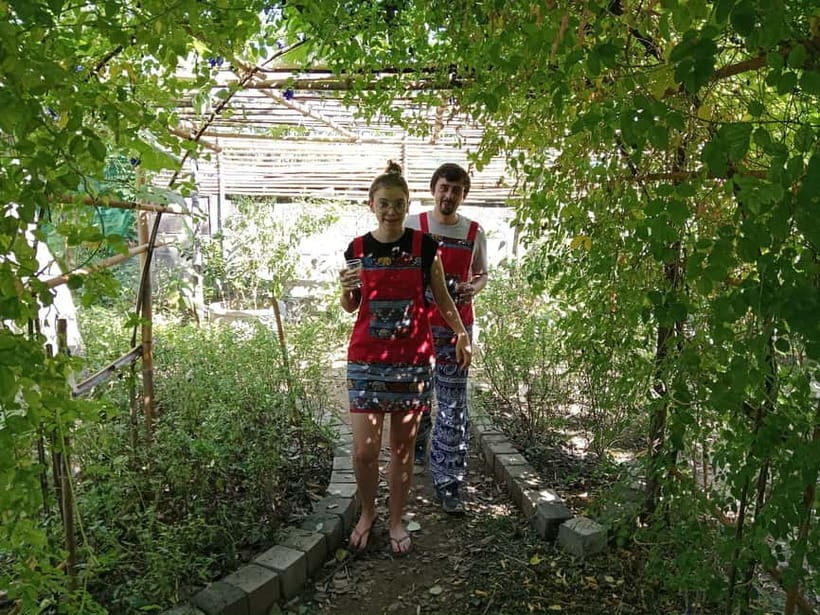
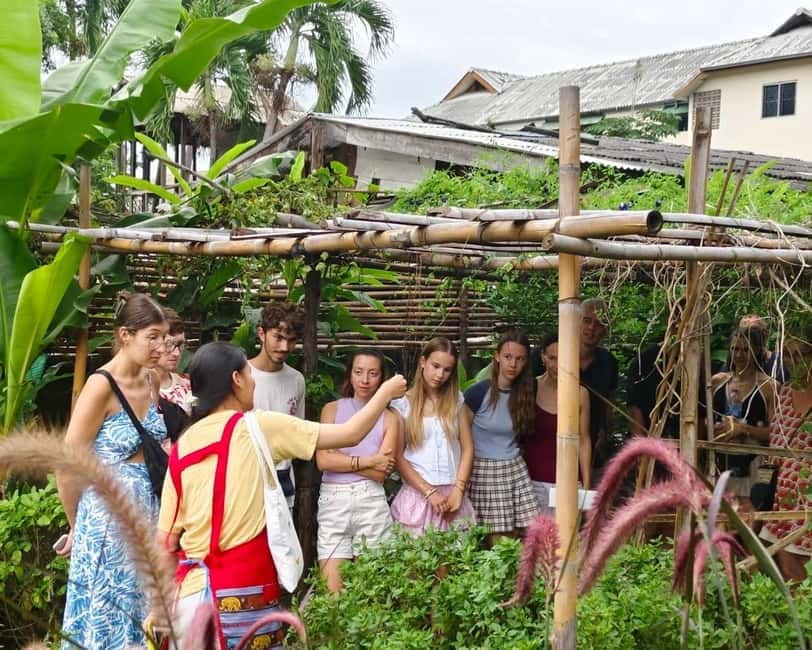
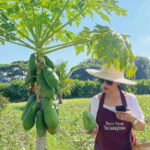
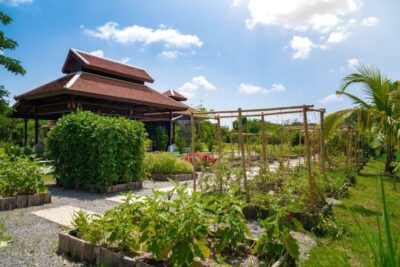
After the market, you shift to the Thai Herb Garden and the organic kitchen garden setting. This part is valuable because Thai cooking is herb-driven. Garlic, chilies, citrusy notes, and aromatics aren’t just flavor for flavor’s sake; they’re structural.
The garden focus helps you connect the dots:
- Herbs aren’t interchangeable in Thai cooking. Some are built for freshness, some for aroma, and some hold up during simmering.
- You start learning what ingredients contribute at different moments—early pounding, sautéing, or finishing.
You’ll see how the workshop thinks: it wants you to cook with intention, not just follow steps. And the instructors tend to keep things lively in a way that’s easy to learn from. Names you might be paired with include Wave or Tu, who’ve been described as engaging and fun, with clear instruction in English.
If you’re a “why does this taste like that?” kind of person, you’ll enjoy this stop. If you only care about the final meal, you can still get a lot out of it, but go in expecting technique and ingredient logic.
Choosing your dishes: the class stays flexible, not fixed
A key selling point here is choice. Once you arrive at the cooking space, you can select from starter and main categories to build a menu that suits your tastes.
For starters, you may pick from options like:
- hot and sour prawn
- local chicken soup
- chicken in coconut milk
- turmeric chicken soup
For main courses, common choices include:
- Pad Thai
- chicken fried rice
- fried chicken with cashew nuts
- Pad Kra Pao
This matters for value. Many cooking classes hand you the same menu every time. Here, your picks help personalize what you learn and what you can realistically repeat later. If you love noodles, you can build your learning around Pad Thai or fried rice. If you prefer something punchier, you might go for Pad Kra Pao.
You can also adjust spice level, which is a big practical detail. You can make your food spicy or non-spicy to fit your comfort.
One consideration: because the class is 210 minutes, the instructor keeps things moving. It’s still hands-on, but you’ll need to stay engaged and follow the pace. If you’re the type who wants to linger over every step, you may find the flow a bit tight.
Nothing jumping out yet? More Chiang Mai trips are just down the page
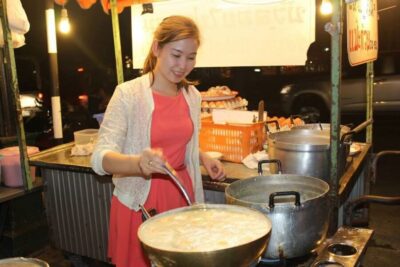
Curry paste from scratch: pounding flavors into a Thai kitchen tool
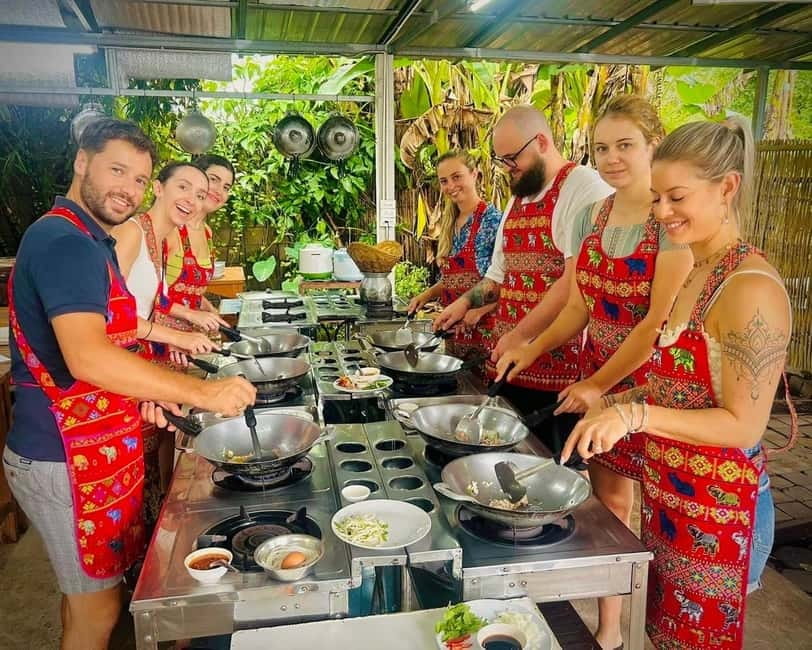
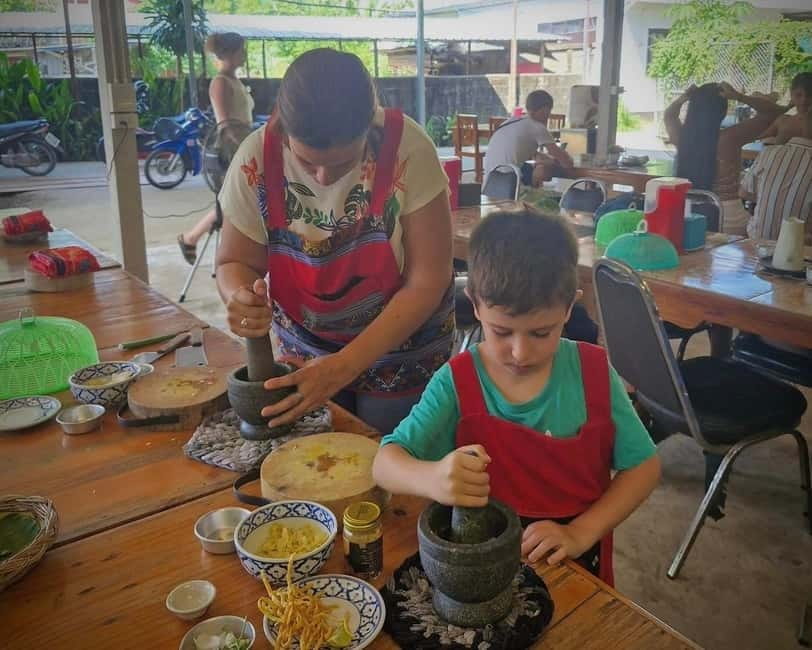
Now for the signature moment: you’ll make your own curry paste from scratch using a mortar and pestle. That part is where Thai cooking becomes understandable. Instead of thinking of curry paste as a bought product, you learn how it’s engineered.
You’ll choose from paste styles such as:
- red
- green
- Phanaeng
- Massaman
- Khao Soi
Each one carries its own flavor personality. And you feel the difference because you’re literally grinding and mixing the ingredients into a paste. The mortar-and-pestle method also teaches you texture: how it changes when the aromatics break down and the paste turns cohesive.
Once your curry paste is ready, you’ll use it to make a chicken and coconut milk curry. That step turns technique into the finished flavor you’re chasing: fragrant, creamy, and built on layers rather than just heat.
I like this structure because it’s the most transferable learning you can take home. If you can make one curry paste base, you can work toward recreating other curries with better results than using a packet.
If you’re cooking in a group, you’ll also see how people pick different curry paste styles and end up with different outcomes from the same core method.
The main meal: your cooking, your timing, your Thai-style dining
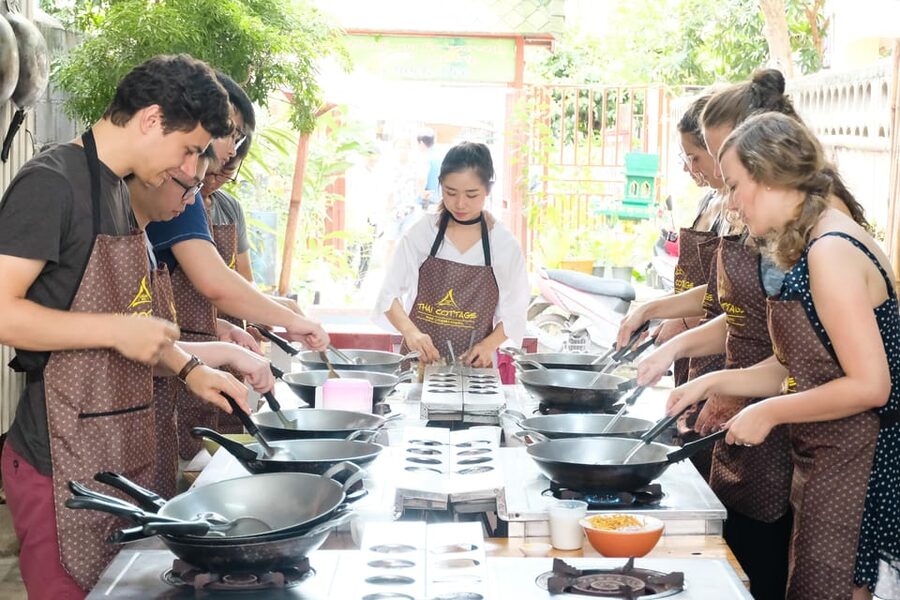
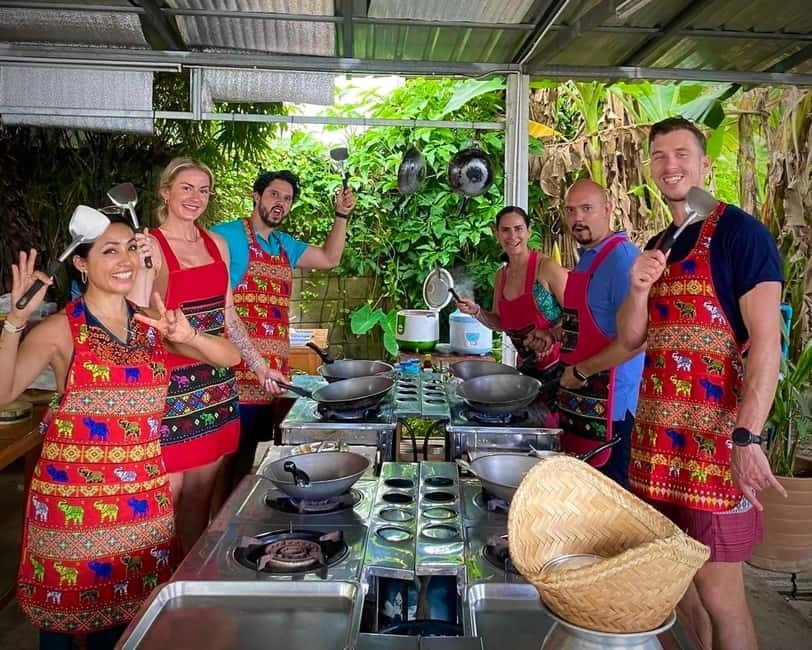
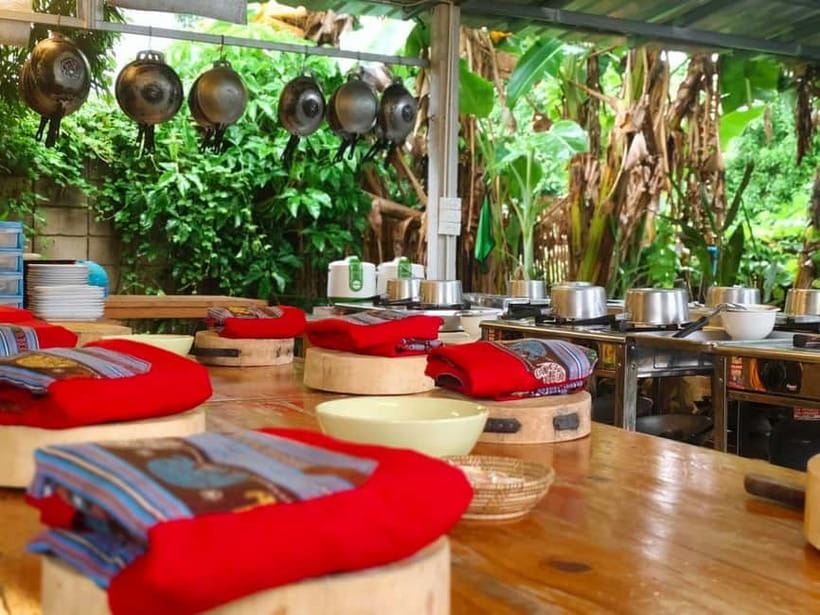
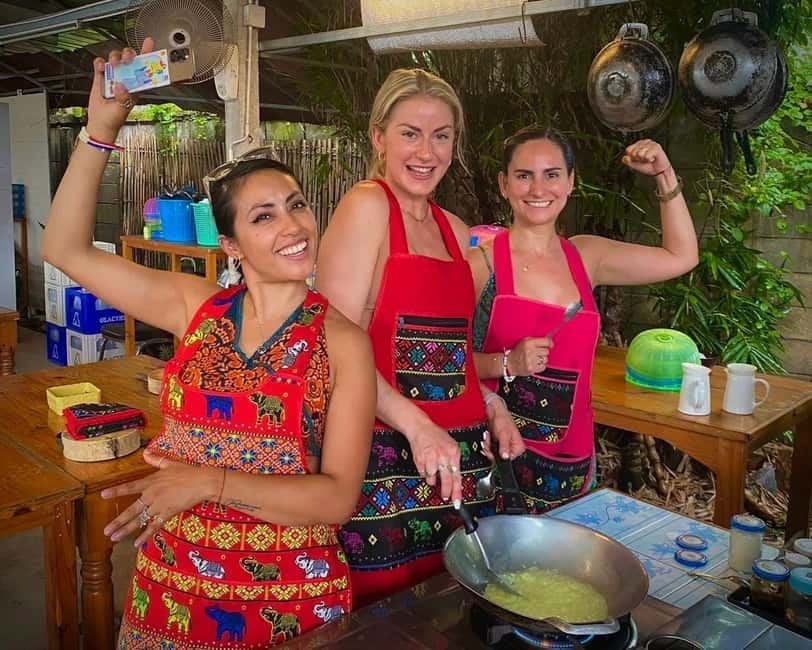
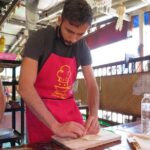
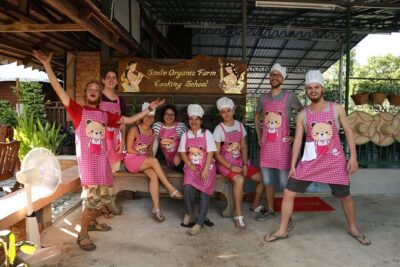
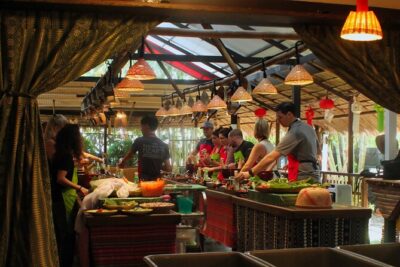
When it’s time to cook, you’ll be making the dishes you chose. The workshop is designed as a real cooking session, not a demonstration. You’ll chop, mix, stir, and cook with guidance from the instructor, and the setup is organized enough that you’re able to focus on learning the steps.
A big advantage is that the class keeps the workload balanced. Some cooking steps may be partially prepared depending on the group and timing, but the active parts—especially the curry paste work—are where most people learn the most.
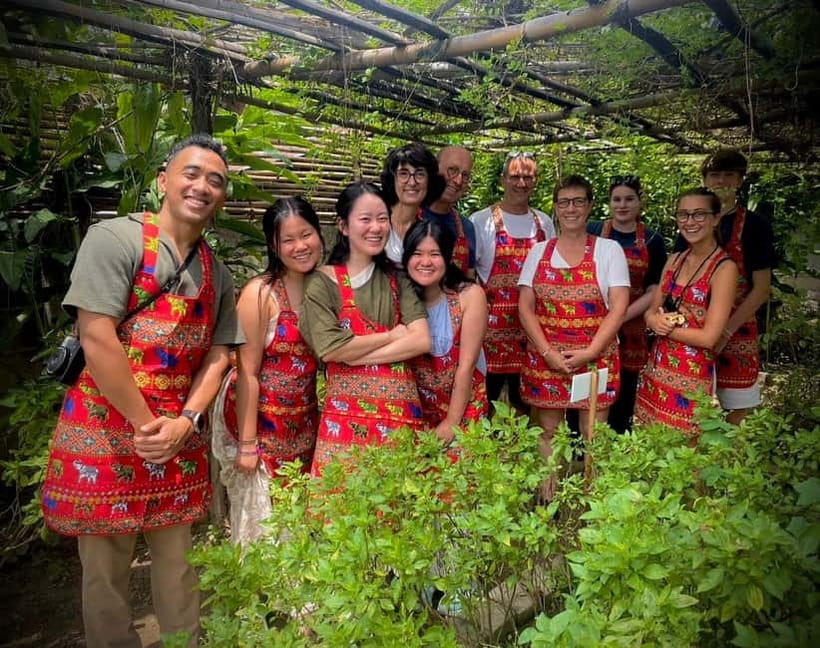
Then comes the best payoff: you eat what you made in traditional Thai style in the organic kitchen garden. Eating outdoors in a garden setting changes the whole feel of the meal. You’re not just tasting food; you’re tasting food in context.
And dessert is part of the education. You’ll make sweet sticky rice with mango. It’s a classic pairing, and it rounds out the flavor range. After savory, spicy, aromatic curry and noodle dishes, the fruit-and-sweet balance makes the meal feel complete instead of heavy.
If you’re worried the meal won’t be filling, don’t. The format includes multiple dishes (starter, main, curry, and mango sticky rice), so you’ll leave satisfied.
Recipe PDF and cooking back home without the guesswork
One of the most practical extras is the digital recipe book (PDF) you receive online. This matters because Thai cooking has details: ingredient amounts, sequence, and the point where flavor comes together.
A PDF helps you recreate the dishes with less guesswork than a casual memory. It’s especially helpful for curry paste, where freshness and grinding matter, and for dishes like Pad Thai where timing and balance are key.
What I’d do with it when you get home:
- Start with the dish you actually cooked in class that you loved most
- Use the recipe book as your checklist
- If you’re changing ingredients, adjust one thing at a time so you learn what caused the change
This is also where the ingredient learning from the market and herb garden pays off. Even if you can’t find the exact herbs every time, you’ll know what kind of flavor you’re trying to build.
Price and value: why about $31 can work well here
At $31 per person for about 210 minutes, this class sits in the budget-friendly range for a Chiang Mai cooking experience. You’re getting several high-value elements together:
- hotel pickup and drop-off (included)
- market visit
- Thai herb garden
- hands-on cooking instruction
- ingredients included
- the curry paste workshop (the part most classes sell separately)
- meal included in the form of what you cook
- a digital recipe book
That bundle is where the value comes from. You’re not paying for a single dish taught once. You’re paying for a structured way to learn Thai flavors, then eat the results.
Also, there’s flexibility built in. Vegetarian, vegan, gluten-free, halal, and allergy accommodations are available with alternatives. That can be a big deal on the road, where many classes only offer a weak substitute.
If you’re traveling solo, this can be a social way to meet people around a shared task. If you’re traveling with friends, you can split dish choices so everyone can taste a wider range.
Should you book this Chiang Mai cooking class?
Book it if you want a hands-on Chiang Mai cooking class that teaches technique you can reuse: market ingredient recognition, herb-driven flavor logic, and curry paste made by your own hands. It’s also a solid choice if you care about dietary needs and spicy control, since those preferences are taken into account.
Consider a different style of class if you want a super relaxed pace or a very long market wander. This is designed to run on schedule, and the time is focused on getting you cooking and eating.
If you’re on the fence, here’s my rule of thumb: if curry paste and a market-to-garden meal sound like your kind of day, this is an easy yes.
FAQ
How long is the Chiang Mai cooking class?
It lasts about 210 minutes.
Do they pick me up from my hotel?
Yes. Pickup is included within 3 km of Chiang Mai Old Town. They’ll pick you up 15–30 minutes before class, and you wait in your hotel lobby (or meet at a meeting point if your hotel is farther).
Can I choose what dishes to cook?
Yes. You choose from starter and main categories, and you can also choose the type of curry paste (red, green, Phanaeng, Massaman, or Khao Soi).
Can the class accommodate dietary restrictions?
Yes. Vegan, vegetarian, gluten free, halal, and allergies are welcome, and alternative ingredients are available.
What should I bring?
Wear comfortable clothes.
Is alcohol included, and can I cancel for a refund?
Alcoholic beverages are available for purchase, but they’re not included. You can cancel up to 24 hours in advance for a full refund, and you can reserve now and pay later.
More Tours in Chiang Mai
- Chiang Mai: Doi Inthanon National Park Eco-Friendly Tour★ 4.6 · 6,667 reviews
- Chiang Mai: Elephant Sanctuary & Waterfall Group Tour★ 4.9 · 5,780 reviews
- Chiang Mai: Elephant Sanctuary Feeding Program Half-Day Tour★ 4.8 · 4,527 reviews
- Chiang Rai White Temple and Blue Temple Day Tour★ 4.6 · 3,366 reviews
- Chiang Mai: White, Red/Black & Blue Temples Tour with Lunch★ 4.2 · 2,017 reviews
More Tour Reviews in Chiang Mai
- Half-Day Thai Cooking Class at Organic Farm in Chiang Mai★ 5.0 · 19,087 reviews
- Chiang Mai: Elephant Sanctuary, Waterfall & Bamboo Rafting★ 4.9 · 9,160 reviews
- Chiang Mai: Doi Inthanon National Park Eco-Friendly Tour★ 4.6 · 6,667 reviews
- Chiang Mai: Elephant Sanctuary & Waterfall Group Tour★ 4.9 · 5,780 reviews
- Chiang Mai: Chiang Rai Temples, Karen Tribe and Hot Springs★ 4.7 · 5,401 reviews
More Chiang Mai Cooking Classes
- Half-Day Thai Cooking Class at Organic Farm in Chiang Mai★ 5.0 · 19,087 reviews
- Chiang Mai: Authentic Cooking Class with Market & Farm Visit★ 4.9 · 4,546 reviews
- Thai and Akha Cooking Class in Chiang Mai★ 5.0 · 4,358 reviews
- Chiang Mai: Cooking Class with Market and Pickup★ 4.9 · 1,365 reviews
- Chiang Mai: Cooking Class with Organic Farm at Mama Noi★ 4.9 · 1,151 reviews
Fresh off the pile: Chiang Mai tours we have just written up

Chiang Mai Cooking Classes, compared.
 ★ 5.0Half-Day Thai Cooking Class at Organic Farm in Chiang MaiFrom $2919,087 reviews
 ★ 4.9Authentic Cooking Class with Market & Farm VisitFrom $344,546 reviews
 ★ 5.0Thai and Akha Cooking Class in Chiang MaiFrom $424,358 reviews
 ★ 4.9Cooking Class with Market and PickupFrom $251,365 reviews
 ★ 4.9Cooking Class with Organic Farm at Mama NoiFrom $321,151 reviews
 ★ 5.0Full Day Thai Cooking at Farm (Chiang Mai)From $391,127 reviews
 ★ 4.9HALF-DAY COOKING COURSE at a Thai Cooking FarmFrom $28705 reviews
 ★ 4.9Evening Cooking Class and Local Market VisitFrom $28648 reviews
Browse the lists this tour appears in