Reviewed · CHIANG MAI COOKING CLASSES
Chiang Mai Cooking Class
A Thai cooking class can turn a city meal into real know-how. This one is built around a market stop plus a hands-on cooking lesson in a small group of up to 10. You’ll get clear guidance on Thai flavors, and you’ll cook enough food to feel like you actually ate your way through a mini feast. One possible drawback: it’s a set menu structure with set dish categories, so if you’re looking to invent your own recipes, you might feel a bit boxed in.
What I like most is the pacing and the amount of food you make. In practice, the class format includes choices across an appetizer, soup, rice/noodles, curry, and dessert (including mango sticky rice). Another plus is the flexibility for vegetarian, vegan, or gluten-free preferences, so you’re not stuck with a sad “side dish version.”
The market visit is also a real highlight because it’s not just a walk. You get explanations while you shop, and that makes the cooking part click faster—especially if you’re the type who wants to understand what ingredients are doing.
In This Review
- Key highlights at a glance
- Market Morning: How the Chef Sets You Up for Thai Flavor
- Pickup and Timing From Chiang Mai Old Town Without the Headaches
- The Cooking Setup: Open-Air Class, Hands-On Learning
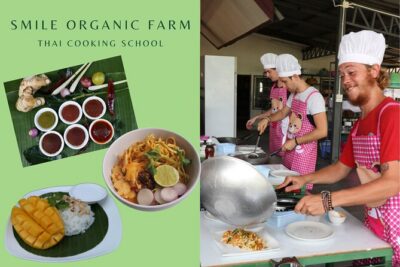
- What You’ll Cook: Choices Across Appetizer, Soup, Curry, and Dessert
- Thai Kitchen Basics: The Chef’s Explanations That Make It Stick
- Price and Value: Is $45 Worth It?
- Who This Cooking Class Fits Best (And Who Might Skip)
- Should You Book the Chiang Mai Cooking Class?
- FAQ
- How long is the Chiang Mai Cooking Class?
- What is included in the price?
- Do you offer vegetarian, vegan, or gluten-free options?
- What group size is it?
- Where does pickup happen?
- What languages are the instructor(s) speaking?
- Can I book a private cooking class?
- Is free cancellation available?
Key highlights at a glance
- Market tour with a chef so you learn what to buy and why
- Small group size (up to 10) for more attention during cooking
- Vegetarian, vegan, and gluten-free friendly options are available
- Hands-on Thai cooking with guided steps from a local chef
- Lots of food, well-paced so you leave full and confident
- Mango sticky rice dessert is part of the experience
Pick your Thai cooking class: farm kitchens and market runs
- Half-Day Thai Cooking Class at Organic Farm in Chiang Mai
★ 5.0 · 19,087 reviews - Chiang Mai: Cooking Class, Market & Thai Herbs Garden Tour
★ 4.9 · 4,824 reviews - Chiang Mai: Authentic Cooking Class with Market & Farm Visit
★ 4.9 · 4,546 reviews - Thai and Akha Cooking Class in Chiang Mai
★ 5.0 · 4,358 reviews
Market Morning: How the Chef Sets You Up for Thai Flavor
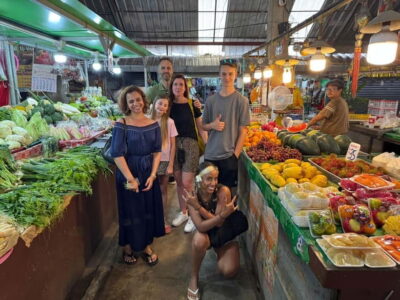
The best Thai cooking classes start before you touch a pan. You’ll be picked up from the Chiang Mai Old Town area, then head out with your chef for a short, practical vegetable market visit. This isn’t the kind of stop where you just take photos and nod politely. The point is to translate Thai cooking into ingredients you can actually recognize.
During the market part, the chef helps you buy what you’ll need for the class. That matters more than it sounds. Thai recipes often hinge on a few key aromatics and balance points—things like herbs, aromatics, and flavoring elements. Seeing (and hearing about) them in a local market context gives you instant perspective. Later, when you’re chopping or grinding, you’ll know what you’re doing and why you’re doing it.
You’ll also get a chance to choose your direction for dietary preferences. The class can be arranged with vegetarian, vegan, or gluten-free dishes. That means you can participate without feeling like you’re doing “mostly Thai, but not really.” Still, keep in mind that the overall structure of the meal is the structure of the class—so your choices will be within those dish categories.
If you’re the type who likes to learn by doing, this market-to-stove flow is a big deal. It turns vague “Thai flavors” into specific ingredients and combinations you can recreate later, even at home.
Pickup and Timing From Chiang Mai Old Town Without the Headaches
This tour is designed to be easy to plug into a Chiang Mai day. Your day starts with hotel pickup and drop-off within Old Town. That helps a lot because cooking classes can otherwise eat up time—traffic, finding the venue, and figuring out how to get there when you’re carrying groceries and bowls.
The total time is 5 hours, which is a sweet spot. Long enough to shop, learn, cook, and eat properly. Not so long that you feel like you’re spending an entire day in a kitchen.
Because it’s a small group, you’re not lost in a crowd. You’ll join other participants at the cooking location once the market is done. If you’re traveling with friends and want a private format, you can message separately to arrange that, but the default setup is for shared group learning.
Tip from a practical standpoint: plan this as a main event of your day. Once you taste what you’re making, you’ll likely want to skip (or at least seriously reduce) other meal plans.
The Cooking Setup: Open-Air Class, Hands-On Learning
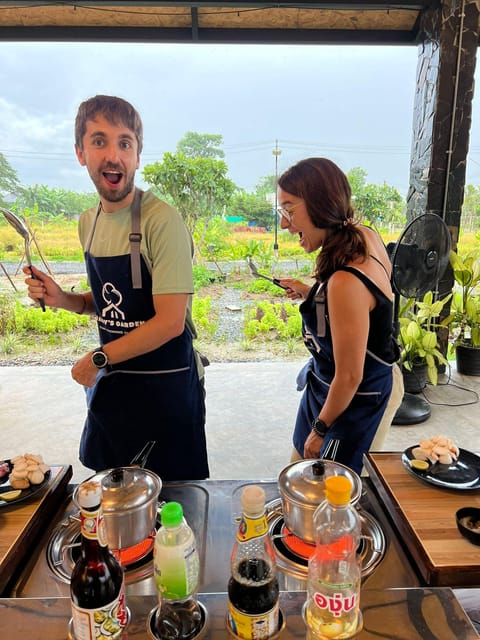
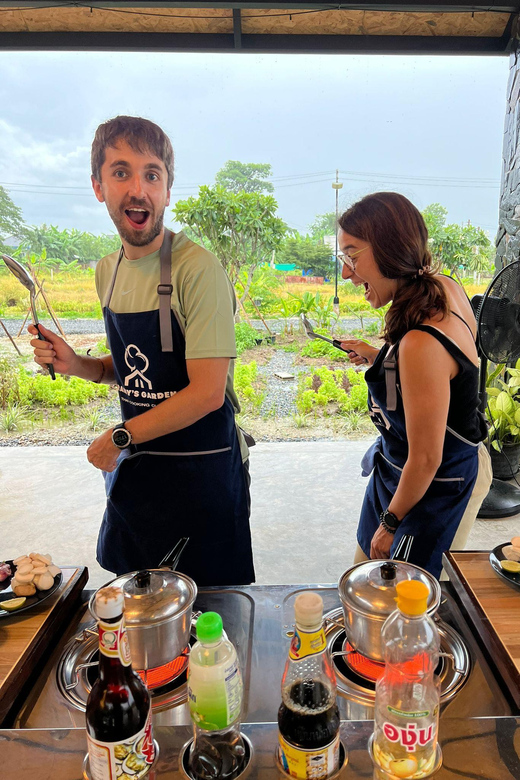
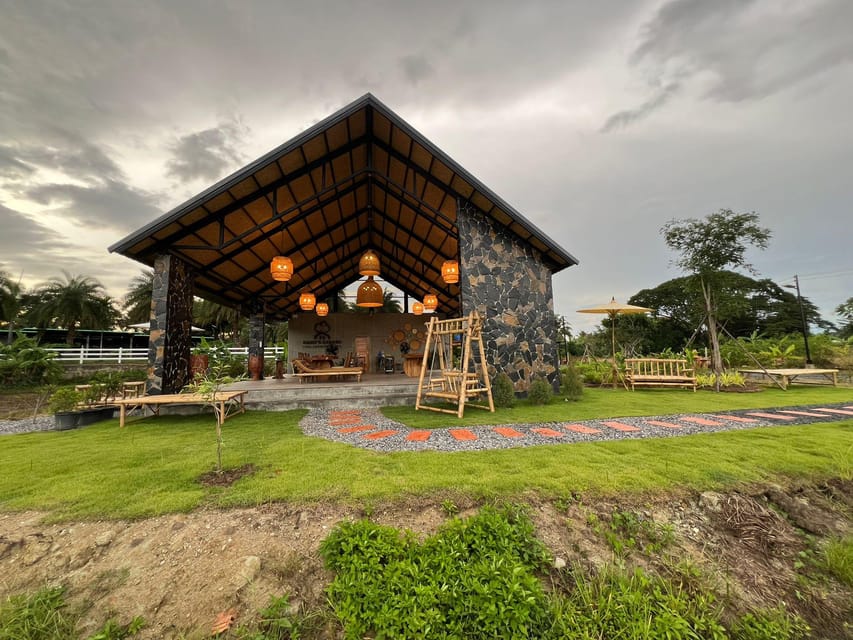
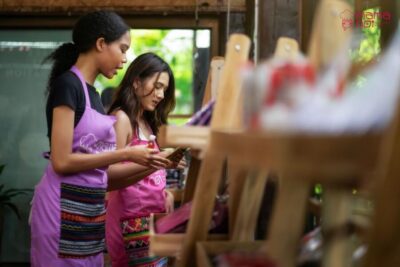
After the market, you’ll head to the cooking class itself. One of the nice details here is that the class is set up in an open-air style location outside the city center. That kind of environment can make the cooking feel less “school kitchen” and more like a relaxed food workshop—especially in Chiang Mai, where weather and airflow can make a huge difference.
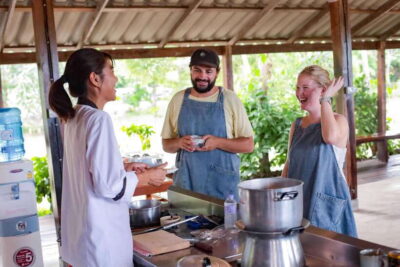
You’ll cook with the group. The class is limited to 10 participants, so it’s not a hands-off show-and-tell. Expect to actively participate: prepping, cooking, and assembling what you’re making with guidance from your chef.
The instructor team includes English and Thai support. That helps if you want to follow the steps closely without relying on guesswork. If you happen to get an instructor like Opal—mentioned for fun teaching and clear instruction—then the tone tends to stay light while the cooking stays focused. (Even without Opal, the goal is the same: teach you the “how,” not just the “what.”)
One thing I appreciate about the setup is the pace. The class is long enough that you don’t feel rushed, but structured enough that you still end up with a complete meal. In many food classes, timing gets chaotic. Here, the format is organized so you can move through appetizer, soup, main components, and dessert without feeling like you’re always behind.
Nothing jumping out yet? More Chiang Mai trips are just down the page
What You’ll Cook: Choices Across Appetizer, Soup, Curry, and Dessert
The heart of a Thai cooking class is the menu you actually make. In this experience, you typically build a full set meal with choices across the main dish categories. A commonly described structure includes selecting:
- One appetizer
- One soup
- One rice/noodle dish
- One curry
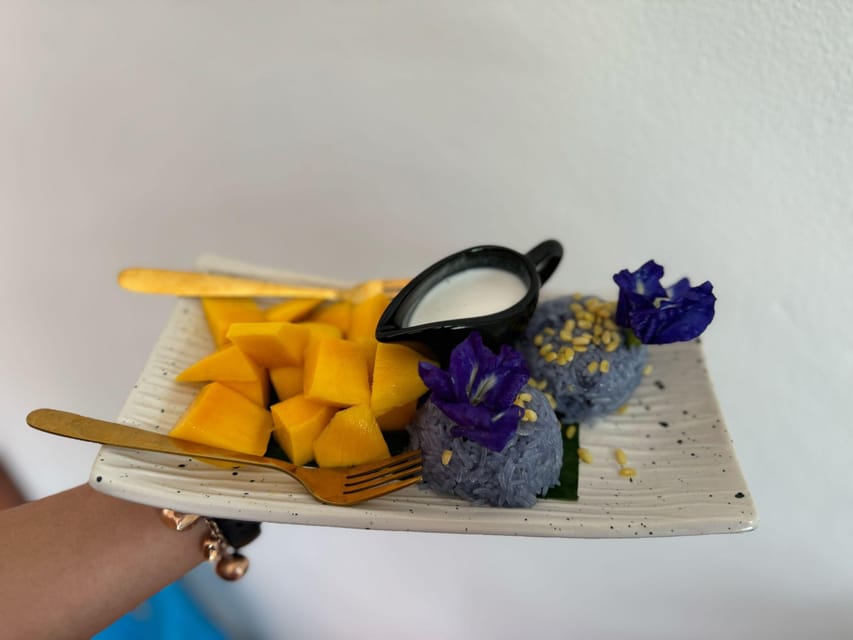
- Mango sticky rice for dessert
That menu design is smart because it trains your palate and your technique across different cooking styles. Appetizers often focus on texture and freshness. Soups teach layering of flavor. Rice/noodles show how Thai cooking handles balance and seasoning in something that acts like a base. Curries teach you how Thai spice and coconut or sauce components come together.
Then dessert lands it. Mango sticky rice isn’t just a sweet finish. It’s also a good example of how Thai desserts balance sweetness, salt, and texture. When you make it yourself, it stops being “a dessert you buy” and becomes “a dessert you can reproduce.”
Because dietary options are available, you can usually steer the selections toward what fits you—whether that means vegetarian, vegan, or gluten-free. Still, since the class is built around those set categories, you should expect your choices to be within the menu options offered during the session.
A practical note: you’ll have all ingredients provided, so you won’t need to source anything before you arrive. That also means the flavors are tuned to the class’s methods and ingredient list, not whatever you guess to substitute at home.
Thai Kitchen Basics: The Chef’s Explanations That Make It Stick
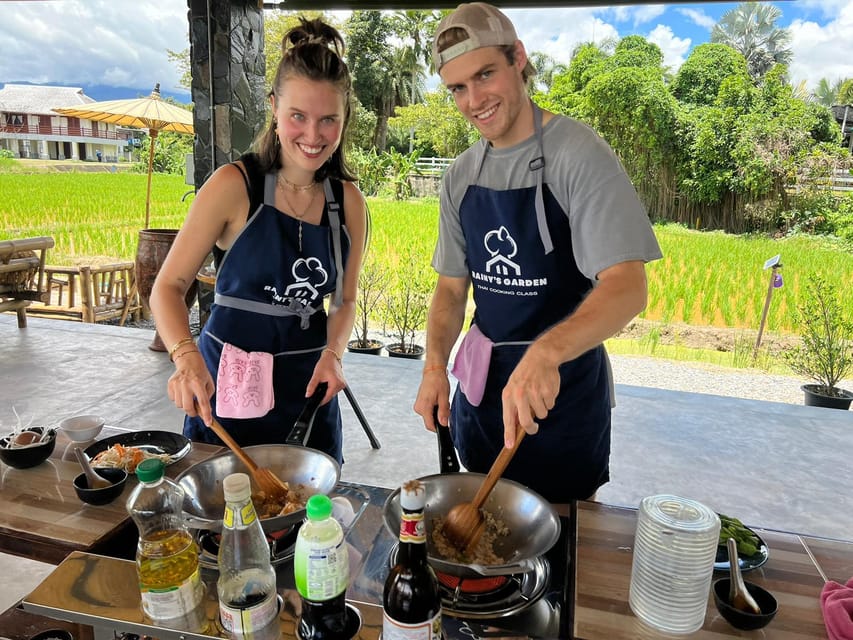
Cooking is the easy part. Knowing what to do next time is the hard part. This class includes a chef-led introduction to the Thai kitchen—covering background, the menu, and what you’re cooking.
This matters because Thai flavor isn’t one-note heat. It’s balance. The chef’s explanations are there so you understand how each dish fits into Thai eating: how sour, salty, sweet, and aromatic components work together, and why certain ingredients show up again and again across different dishes.
You’ll also get instruction as you cook, not only before you start. That’s the difference between learning a recipe and learning a method. When someone walks you through steps while you’re actively cooking, you tend to absorb the “why” faster.
If you enjoy learning through food—history, technique, and ingredients—this is where the experience feels more than just eating. It turns into a mini course in how Thai home-style cooking thinks.
And yes, the vibe counts. People describe a harmonious, friendly atmosphere during the class, which tells me the teaching style is geared toward comfort. A calm kitchen means you can focus on the food instead of worrying about messing up.
Price and Value: Is $45 Worth It?
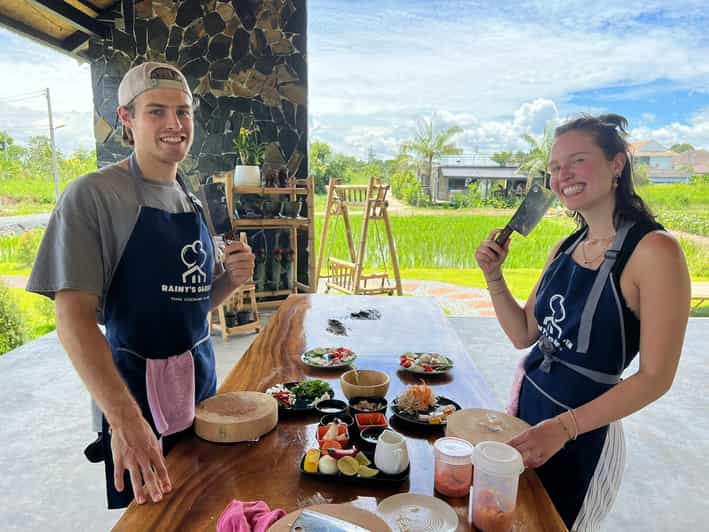
At $45 per person for a 5-hour Thai cooking class, the value comes down to two things: what you actually get to do and what you don’t have to plan.
First, you’re not paying just to watch someone cook. You’re shopping with the chef, then cooking with guided instruction in a small group. You’ll leave with a full meal’s worth of food, not a tiny tasting plate.
Second, the included items do real work for you:
- Old Town hotel pickup and drop-off
- Market visit
- All ingredients
- Local chef instruction
When you compare that to the cost of buying ingredients and paying for a private kitchen experience, $45 starts to look less like “just a class ticket” and more like a bundled learning meal. It’s also a smart value if you’re short on time. In 5 hours, you get market knowledge, cooking skills, and food—without stitching together multiple activities.
If your goal is purely to eat Thai food, you could do it cheaper at restaurants. But if your goal is to learn how Thai dishes work, this price is reasonable for what you actually produce.
Who This Cooking Class Fits Best (And Who Might Skip)
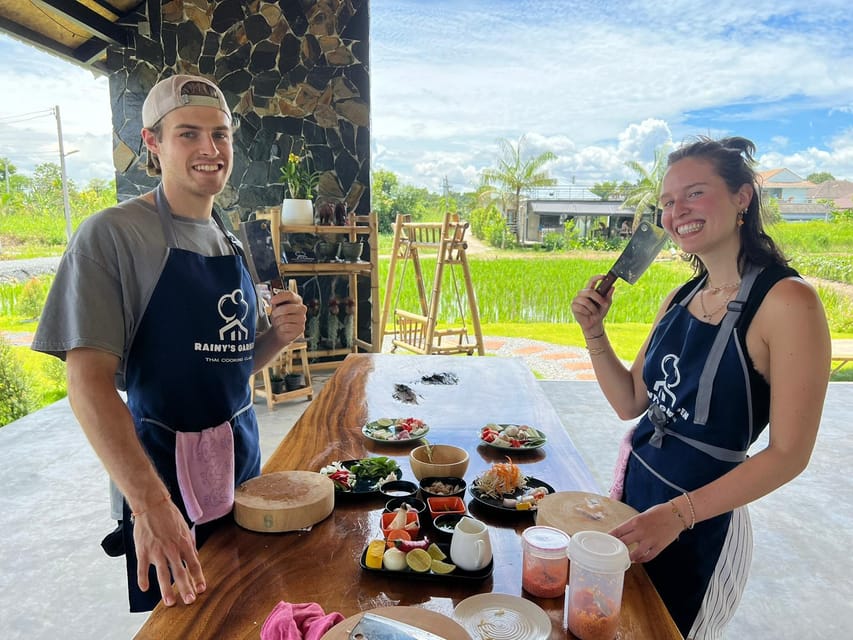
This Chiang Mai cooking class is best for:
- You want a hands-on Thai food experience rather than a lecture
- You’d like a small group so you can ask questions
- You care about dietary needs like vegetarian, vegan, or gluten-free
- You want something genuinely local-feeling, starting with a market visit
- You like the idea of learning flavors you can reuse later at home
It might be less ideal if:
- You want totally freestyle recipes with no menu structure
- You only want “light bites” instead of a full meal
- You need a class focused strictly on one dish (this one works as a multi-dish meal)
Also, if you get easily overwhelmed by guided steps, remember that a small group and chef instruction should help you stay on track. You’ll cook enough to feel involved, but not so much that it turns into a marathon.
Should You Book the Chiang Mai Cooking Class?
If you’re in Chiang Mai and you want more than a standard restaurant dinner, I think this is a strong booking choice. The combo of a chef-led market stop and a small-group hands-on cooking session is exactly how you learn quickly and eat well at the same time. Add in dietary-friendly options and a full menu build that typically includes mango sticky rice, and it’s hard to justify skipping.
Book it especially if you love Thai food and want to understand what makes it taste like Thai food—beyond “spicy” and “sweet.” You’ll come away with recipes you can actually cook, plus the confidence to swap ingredients at home without losing the flavor logic.
FAQ
How long is the Chiang Mai Cooking Class?
The cooking class lasts 5 hours.
What is included in the price?
It includes hotel pickup and drop-off (within the Old Town area), a visit to a local market, a hands-on cooking class, all ingredients, and instruction from a local chef.
Do you offer vegetarian, vegan, or gluten-free options?
Yes. You can choose to prepare vegetarian, vegan, or gluten-free dishes.
What group size is it?
It’s a small group limited to 10 participants.
Where does pickup happen?
Pickup is included for locations within the Chiang Mai Old Town area.
What languages are the instructor(s) speaking?
The instructor(s) use English and Thai.
Can I book a private cooking class?
Private classes may be arranged by sending a message separately.
Is free cancellation available?
Yes. You can cancel up to 24 hours in advance for a full refund.
More Cooking Classes in Chiang Mai
- Half-Day Thai Cooking Class at Organic Farm in Chiang Mai★ 5.0 · 19,087 reviews
- Chiang Mai: Cooking Class, Market & Thai Herbs Garden Tour★ 4.9 · 4,824 reviews
- Chiang Mai: Authentic Cooking Class with Market & Farm Visit★ 4.9 · 4,546 reviews
- Thai and Akha Cooking Class in Chiang Mai★ 5.0 · 4,358 reviews
- Chiang Mai: Cooking Class with Market and Pickup★ 4.9 · 1,365 reviews
More Tour Reviews in Chiang Mai
- Half-Day Thai Cooking Class at Organic Farm in Chiang Mai★ 5.0 · 19,087 reviews
- Chiang Mai: Elephant Sanctuary, Waterfall & Bamboo Rafting★ 4.9 · 9,160 reviews
- Chiang Mai: Doi Inthanon National Park Eco-Friendly Tour★ 4.6 · 6,667 reviews
- Chiang Mai: Elephant Sanctuary & Waterfall Group Tour★ 4.9 · 5,780 reviews
- Chiang Mai: Chiang Rai Temples, Karen Tribe and Hot Springs★ 4.7 · 5,401 reviews
More Chiang Mai Cooking Classes
- Half-Day Thai Cooking Class at Organic Farm in Chiang Mai★ 5.0 · 19,087 reviews
- Chiang Mai: Cooking Class, Market & Thai Herbs Garden Tour★ 4.9 · 4,824 reviews
- Chiang Mai: Authentic Cooking Class with Market & Farm Visit★ 4.9 · 4,546 reviews
- Thai and Akha Cooking Class in Chiang Mai★ 5.0 · 4,358 reviews
- Chiang Mai: Cooking Class with Market and Pickup★ 4.9 · 1,365 reviews
Fresh off the pile: Chiang Mai tours we have just written up

Chiang Mai Cooking Classes, compared.
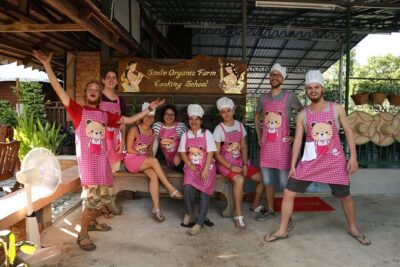 ★ 5.0Half-Day Thai Cooking Class at Organic Farm in Chiang MaiFrom $2919,087 reviews
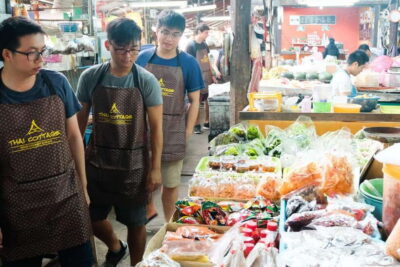 ★ 4.9Cooking Class, Market & Thai Herbs Garden TourFrom $314,824 reviews
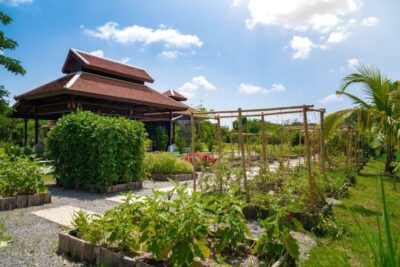 ★ 4.9Authentic Cooking Class with Market & Farm VisitFrom $344,546 reviews
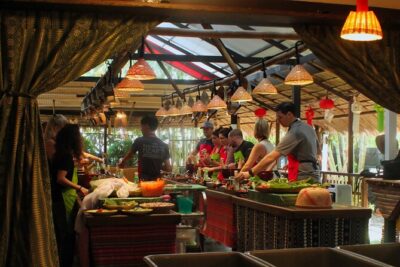 ★ 5.0Thai and Akha Cooking Class in Chiang MaiFrom $424,358 reviews
 ★ 4.9Cooking Class with Market and PickupFrom $251,365 reviews
 ★ 4.9Cooking Class with Organic Farm at Mama NoiFrom $321,151 reviews
 ★ 5.0Full Day Thai Cooking at Farm (Chiang Mai)From $391,127 reviews
 ★ 4.9HALF-DAY COOKING COURSE at a Thai Cooking FarmFrom $28705 reviews
Browse the lists this tour appears in