
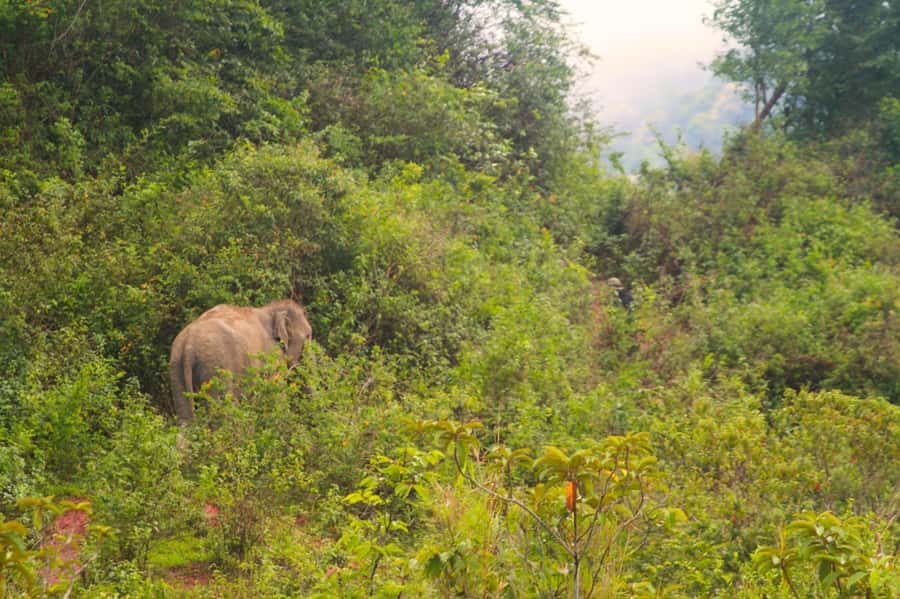
Reviewed · ETHICAL ELEPHANT SANCTUARIES
Chiang Mai: Day for Elephant Observation Only Half-day Trip
Free-roaming elephants change your day. At Chiang Mai’s Big Boy Elephant Sanctuary near Doi Inthanon, you watch rescued elephants live with a no-control approach and finish with a hands-on Pad Thai lunch. It’s a short trip that feels meaningful without the circus tricks.
I love two parts most: the close-up elephant food prep with natural ingredients, and the Pad Thai cooking workshop where you actually make lunch instead of just watching. You end up with both animal education and something tasty you can take home in your stomach.
One key consideration: this half-day includes hotel pickup and transport, and it’s not suitable for pregnant travelers or for people with mobility or back problems.
In This Review
- Key things that make this trip worth your time
- Big Boy’s no-control policy: why it feels different
- Getting from Chiang Mai to Doi Inthanon area: timing you can plan around
- Elephant education briefing: how Su explains daily elephant life
- Food prep and ethical feeding: your role is to help, not manage
- Vitamin workshop and habitat care: small tasks that connect to welfare
- Watching elephants up close, without the touchy stuff
- Pad Thai cooking workshop: a real lunch you can recreate
- Price and value: what $46 really covers
- What to bring and what to avoid
- Who should book this Chiang Mai elephant day (and who should skip it)
- Should you book Big Boy’s half-day elephant + Pad Thai trip?
- FAQ
- How long is the elephant and Pad Thai trip?
- What time does the pickup happen in Chiang Mai?
- What is included besides elephant observation?
- Are there rules about riding, touching, or controlling the elephants?
- What should I bring, and what’s not allowed?
- Is this tour suitable for everyone?
Key things that make this trip worth your time
- No elephant riding or controlled walking: the sanctuary follows a no-control philosophy.
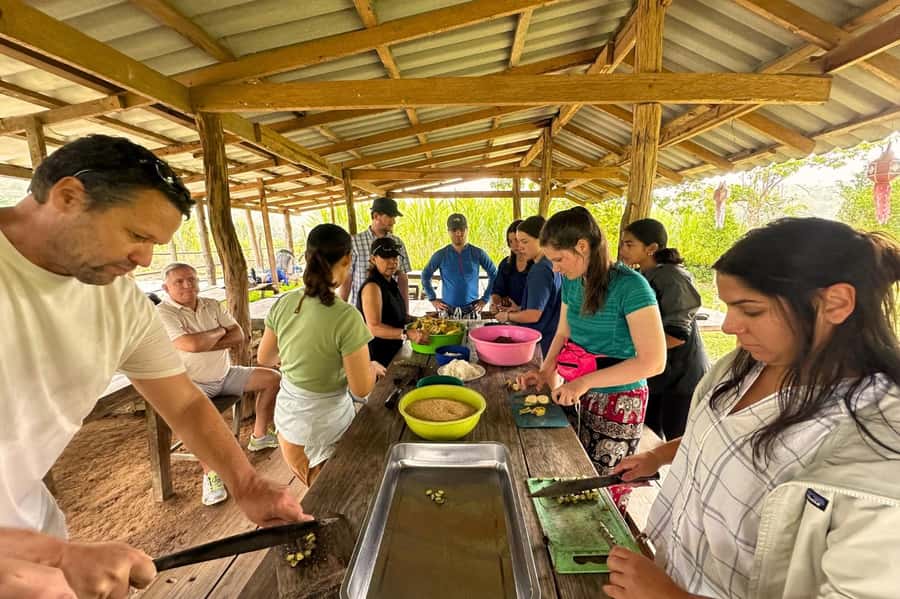
- You help make natural elephant food: from prep work to an ethical feeding moment.
- Vitamin balls and habitat care: you do small tasks geared toward daily welfare.
- Elephant stories with Su: expect English explanations and a friendly, humorous guide style.
- Observation first, no touching: close viewing while keeping the elephants truly in charge of their space.
- Pad Thai, done properly: cook and eat lunch with local guidance.
More ethical elephant sanctuaries around Chiang Mai, side by side
- Chiang Mai: Elephant Sanctuary, Waterfall & Bamboo Rafting
★ 4.9 · 9,160 reviews - Chiang Mai: Elephant Sanctuary & Waterfall Group Tour
★ 4.9 · 5,780 reviews - Chiang Mai: Elephant Sanctuary Feeding Program Half-Day Tour
★ 4.8 · 4,527 reviews - Chiang Mai: Elephant Sanctuary, Long Neck & Sticky Waterfall
★ 4.9 · 2,262 reviews
Big Boy’s no-control policy: why it feels different
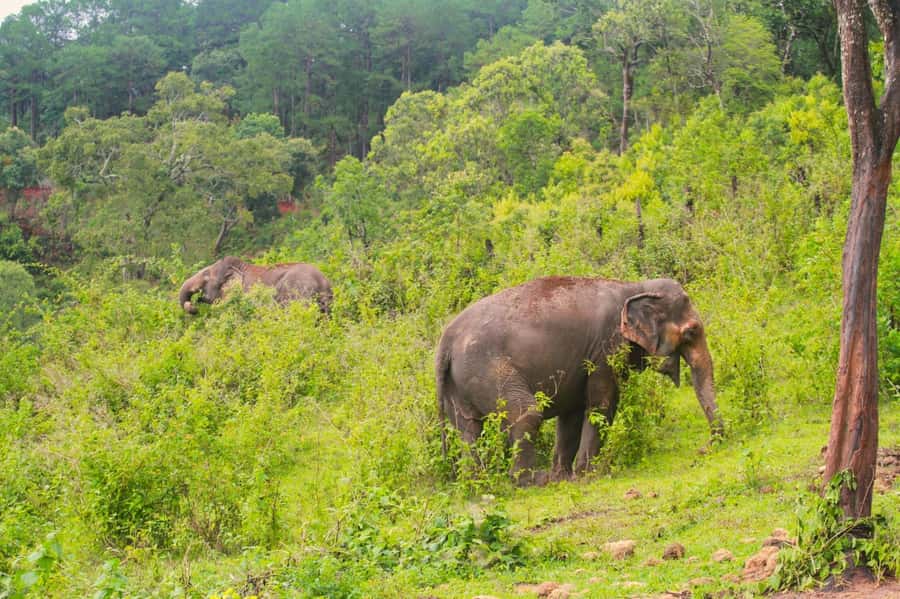
Chiang Mai has no shortage of elephant days. What makes this one click is the sanctuary’s clear rules about who controls the interaction. The goal is simple: elephants live as naturally as possible, without being ordered around.
Here’s what that means in practice. You won’t ride elephants. You won’t do controlled walking. There’s no forced bathing. And you aren’t meant to command elephants to follow instructions. Instead, you’re there to observe, learn, and contribute in ways that match the animals’ daily rhythm.
That approach matters because elephants don’t need human theatrics to be interesting. Their behavior is the show: how they eat, how they socialize, how they choose distance, and how they move as a family. When the humans step back, the elephants get to be elephants, not performance props.
I also like that the sanctuary frames conservation as part of daily care. You’re not only learning facts about elephant welfare; you’re seeing how that welfare connects to habitat care, appropriate feeding, and attention to older or sick elephants.
Getting from Chiang Mai to Doi Inthanon area: timing you can plan around
This trip runs as a morning or afternoon session. Morning pickup spans 07:00 to 14:30, while the afternoon option covers 11:00 to 18:30. Your voucher time is just a guide. The exact pickup time gets confirmed one day before, based on your hotel and the number of people booked.
Plan for the full program time to be about 6–7 hours including transportation. That matters because Chiang Mai traffic can change your “real” schedule. The schedule won’t be tight and frantic. You’ll have a half-day structure, but the day still feels like a proper outing rather than a quick stop.
One more practical detail: the tour is designed for outdoor movement. You’ll be in and around the sanctuary grounds, and you’ll likely spend time standing while watching elephants. Comfortable shoes aren’t optional if you want to enjoy the experience instead of thinking about your feet.
Elephant education briefing: how Su explains daily elephant life
You start with an elephant education briefing, and this is where the trip becomes more than a photo opportunity. A big part of the value is hearing elephant behavior explained in real, practical terms.
In English, the guide (often Su) shares what the elephants do across the day—eating patterns, social behavior, and how caretakers think about health. You’ll also hear about care for elderly and sick elephants, including why certain routines and monitoring matter.
Su’s style also comes through in the way people describe the visit: lots of information delivered with humor and warmth. That balance is useful. Elephant education can turn into a lecture fast, but here it tends to feel like conversation with a guide who genuinely cares.
You’ll also hear about the sanctuary’s mission and why ethical wildlife conservation requires rules, not just intentions. The point isn’t to make you feel guilty. It’s to help you understand how to tell the difference between care and control.
Nothing jumping out yet? More Chiang Mai trips are just down the page
Food prep and ethical feeding: your role is to help, not manage
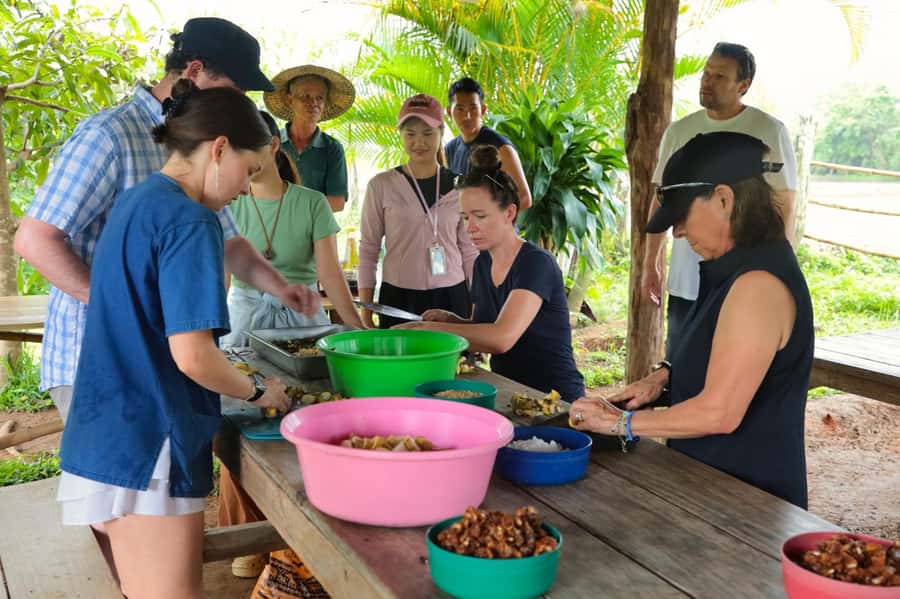
The hands-on portion starts with preparing elephant food. You work with natural materials, then bring that food to the elephants. It’s not random feeding where you toss treats from far away. The experience is designed to connect prep to purpose.
During the food preparation, you’ll learn what you’re making and how it fits into what the sanctuary aims to support. Then comes the ethical feeding moment: you’re close enough to watch reactions and feel part of the routine, but you’re not touching the elephants or trying to steer them.
This is where the sanctuary’s “no control” rules show up again. The elephants choose where to stand and what to do. Your job is to offer food and observe. That keeps the interaction respectful and calm, and it also makes the learning more real. You’re not forcing behavior—you’re noticing it.
One more detail I think you’ll appreciate: the interaction feels friendly rather than tense. If you’re the type who wants an animal encounter without the stress, this model tends to deliver.
Vitamin workshop and habitat care: small tasks that connect to welfare
After the education and feeding prep, you move into a vitamin workshop and habitat care activities. These parts are designed as small, purposeful tasks rather than big “perform for me” moments.
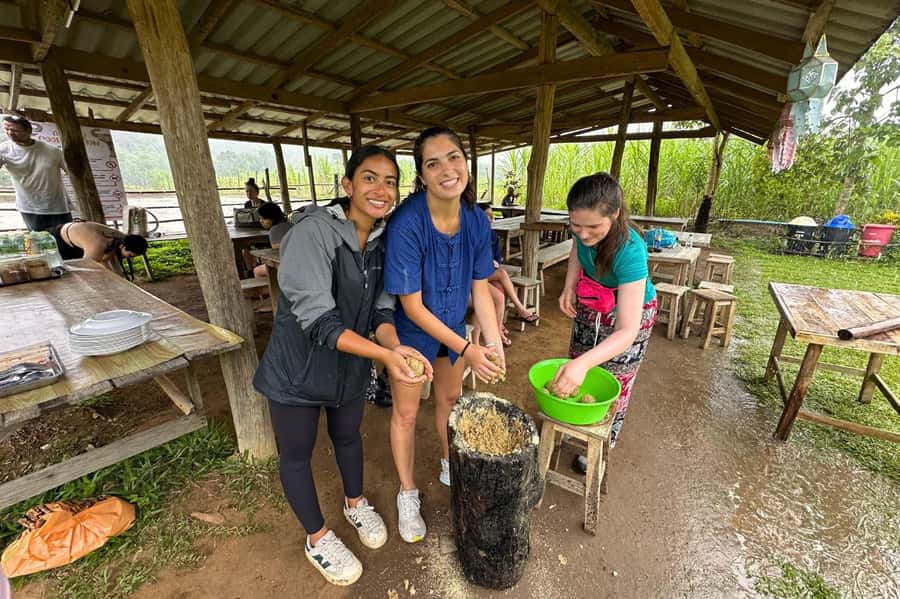
One activity highlighted in the descriptions is making medicine or vitamin balls for the elephants, followed by vitamin feeding. You’re not just watching caretakers do everything. You’re doing a piece of the welfare work, under guidance, so you can understand what those tasks are.
Then there are habitat-care steps—simple actions that support the living environment. Even when the tasks sound small, they help you see a pattern: good elephant care is daily effort, not a single dramatic day.
And if you care about ethics, this segment is important. A truly ethical sanctuary doesn’t just provide access for visitors. It supports ongoing care for rescued elephants, including attention to health needs that may not be obvious from a distance.
Watching elephants up close, without the touchy stuff
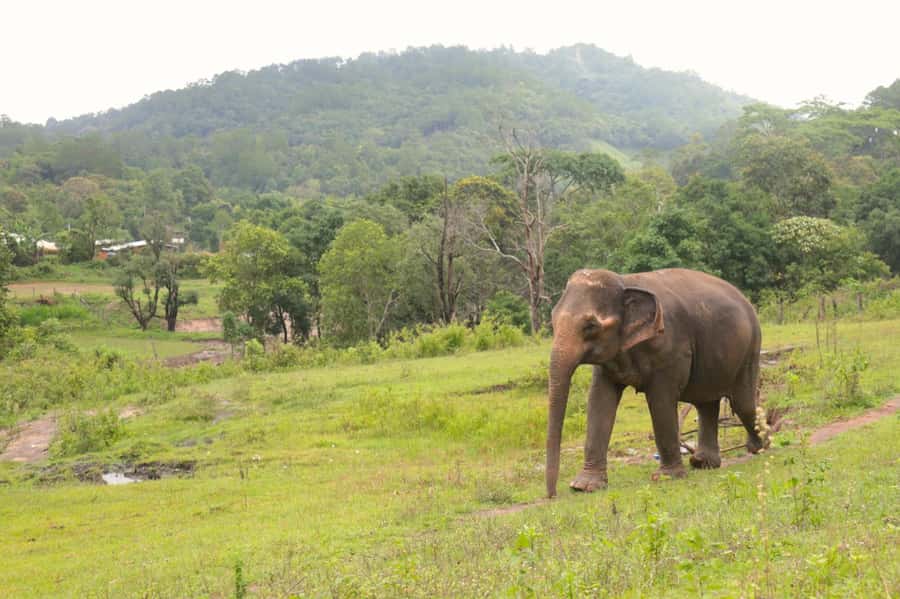
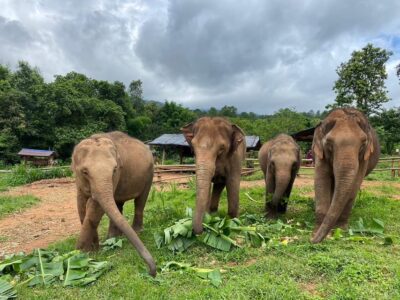
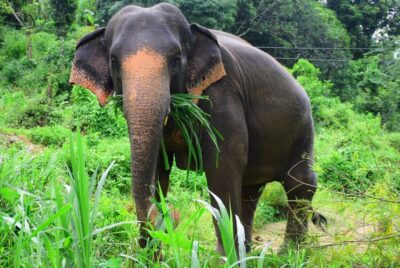
You get observation time where the elephants are free to eat, play, and stay together. People describe the sanctuary setting as hilly and green, with a stream in the area. That kind of setting helps the elephants act like elephants, not zoo animals.
You’ll get photo opportunities, but the emphasis stays on respecting the animals’ space. You can stand close enough to watch what they’re doing—chewing, moving through the area, and interacting socially. At the same time, you aren’t meant to touch them.
This matters for two reasons. First, it reduces stress and risk for both people and elephants. Second, it forces you to focus your attention on behavior instead of handling. In other words, it makes the encounter more about learning than “getting your moment.”
I’d also add this: seeing elephants living in a small, family-style group makes the experience easier to understand. Their choices become readable: who approaches food, who wanders first, and how they keep close or create distance.
Pad Thai cooking workshop: a real lunch you can recreate
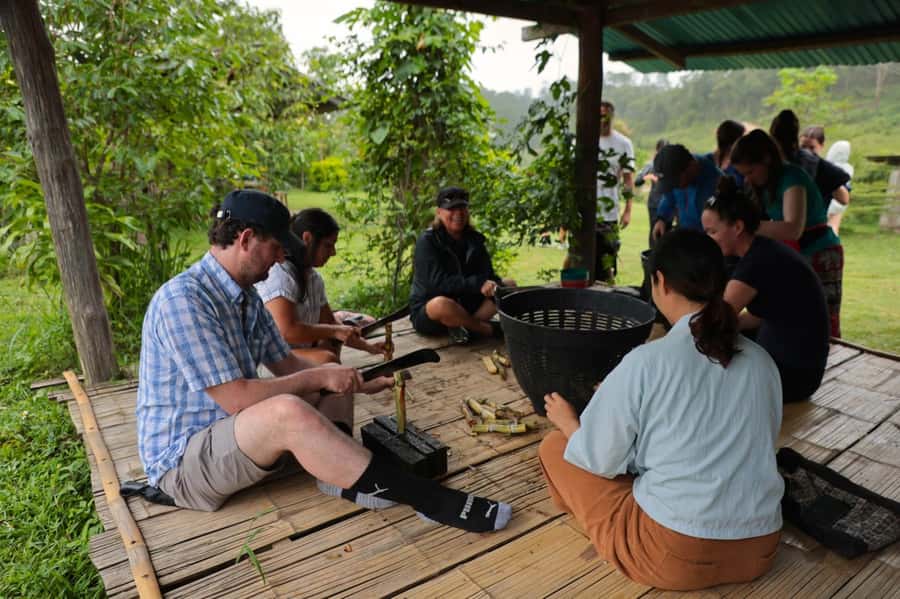
The trip ends with an authentic Pad Thai cooking workshop and lunch. This isn’t just a quick snack stop between elephant moments. You learn how to make the dish under local guidance.
The workshop follows a structured approach: cooking instructions, hands-on prep, and then you eat what you make. People also mention that it uses a family recipe passed down through generations, which adds a neat layer of cultural continuity to the day.
What I like about mixing cooking with animal care is pacing. After the quiet intensity of elephant observation, you get a warm, social activity where you can ask questions about Thai cooking and taste your results right away.
For practical minds: come hungry, and don’t overthink lunch plans afterward. You’ll be fed as part of the experience.
Price and value: what $46 really covers
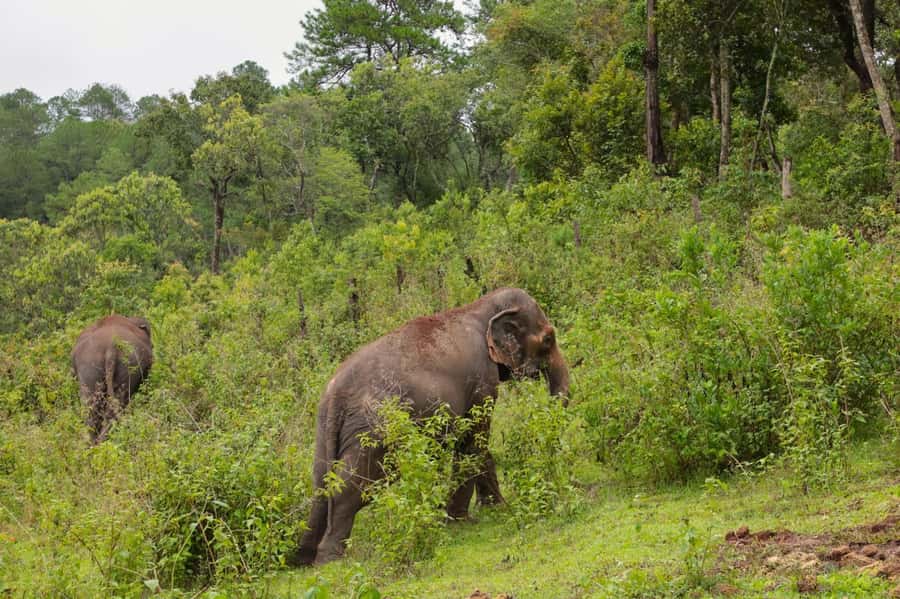
At $46 per person, this half-day can feel like a bargain or a fair deal, depending on what you expect.
Here’s what you get that justifies the cost based on the included components:
- Elephant observation in a natural setting
- Education conversations with the guide and elephant experts
- Hands-on activities (food prep, vitamin-related tasks, habitat-care participation)
- Ethical feeding moments
- A Pad Thai cooking workshop with lunch
When you break it down like that, you’re not only paying for entry. You’re paying for structured care-focused activities plus a full cooking class meal. Add transportation included in the overall timing, and the day becomes more like a curated experience than a simple ticket.
The price also makes sense if you’re trying to avoid the high-risk “cheap ride-and-bath” model. You’re paying for a sanctuary experience built around rules that keep control off the elephants.
What to bring and what to avoid
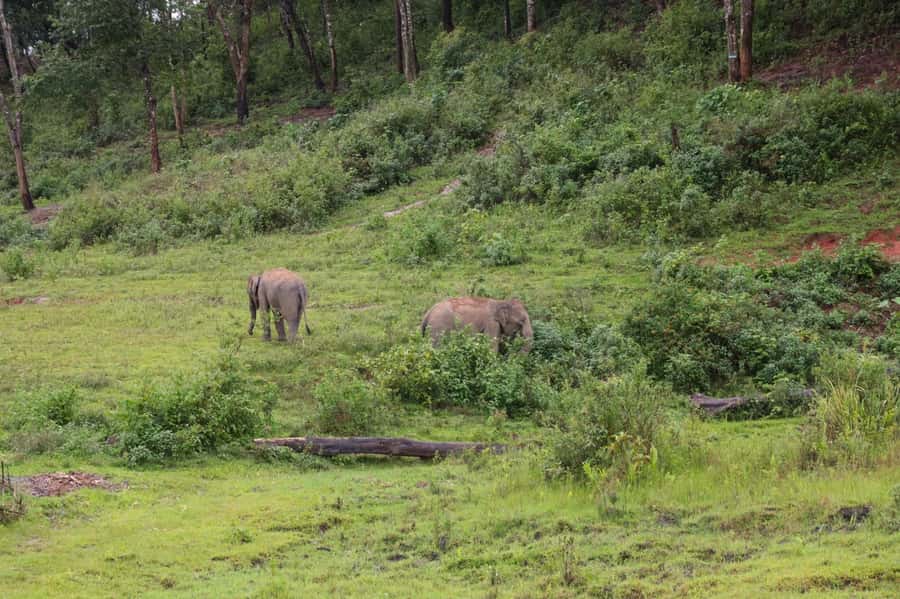
Do yourself a favor and pack for outdoor time. Comfortable shoes are a must, since you’ll likely be standing and walking on uneven ground.
Bring:
- Comfortable shoes
- Sun hat
- Camera
- Insect repellent
- A refillable water bottle
Don’t do:
- Smoking
- Flash photography
If you’re sensitive to bites, insect repellent is non-negotiable. You’ll enjoy the elephants more when you’re not swatting and scratching your way through the day.
Who should book this Chiang Mai elephant day (and who should skip it)
This trip is a strong fit if you want:
- An elephant encounter focused on observation, not performance
- A structured day with multiple care-related activities
- A guide-led explanation in English
- A real Thai lunch experience afterward
It’s also a good option if you’re the type who values clear ethics. The sanctuary’s rules about no riding, no controlled walking, no forced bathing, and no commanding are the kind of details that help you choose confidently.
But skip it if any of the following apply:
- Pregnant women
- People with back problems
- People with mobility impairments
Even though it’s a “half-day,” it still involves outdoor movement, standing, and participation in activities. If you have physical limitations, you’ll want to choose a different kind of day where movement is minimal.
Should you book Big Boy’s half-day elephant + Pad Thai trip?
If you’re trying to choose between “look at elephants” and “learn and support ethical care,” I’d say this one is easier to justify. You get free-roaming observation, structured ethical feeding, vitamin-related tasks, and a Pad Thai lunch you cook yourself.
Book it if:
- You care about animal welfare and want rules that keep elephants in charge
- You want more than a short viewing window
- You like hands-on activities and a cultural food finish
Skip it if:
- Your schedule needs something shorter than a full morning/afternoon window with pickup time
- Your body can’t handle outdoor standing and light walking
- You’re hoping for an activity where you physically touch or control elephants (this isn’t that kind of sanctuary)
FAQ
How long is the elephant and Pad Thai trip?
The program runs about 6–7 hours total, and that includes transportation time. The exact flow fits the morning or afternoon session window, so plan for a real half-day outing.
What time does the pickup happen in Chiang Mai?
You’ll have either a morning session or an afternoon session. Morning pickup is scheduled within 07:00–14:30, and the afternoon option is within 11:00–18:30. The exact pickup time is confirmed 1 day before based on your hotel and the group.
What is included besides elephant observation?
The trip includes elephant education and conversations with experts, elephant food preparation, an ethical feeding experience, a vitamin ball workshop with vitamin feeding, habitat care activities, and an authentic Pad Thai cooking workshop with lunch.
Are there rules about riding, touching, or controlling the elephants?
Yes. The sanctuary has a no-control approach: no elephant riding, no controlled walking, no mandatory bathing, and no commanding elephants to follow orders. You also follow the sanctuary’s interaction rules and guidance while observing.
What should I bring, and what’s not allowed?
Bring comfortable shoes, a sun hat, a camera, and insect repellent. You should also carry water. Smoking is not allowed, and flash photography isn’t allowed.
Is this tour suitable for everyone?
No. It is not suitable for pregnant women, people with back problems, or people with mobility impairments. If any of those apply, you should look for a different type of activity with less physical demand.
More Half-Day in Chiang Mai
- Half-Day Thai Cooking Class at Organic Farm in Chiang Mai★ 5.0 · 19,087 reviews
- Chiang Mai: Elephant Sanctuary Feeding Program Half-Day Tour★ 4.8 · 4,527 reviews
- Chiang Mai: HALF-DAY COOKING COURSE at a Thai Cooking Farm★ 4.9 · 705 reviews
- Half-Day Elephant Experience at Rantong★ 5.0 · 625 reviews
- Chiang Mai: Elephant Dream Project Sanctuary – Half-Day★ 4.9 · 552 reviews
More Tour Reviews in Chiang Mai
- Half-Day Thai Cooking Class at Organic Farm in Chiang Mai★ 5.0 · 19,087 reviews
- Chiang Mai: Elephant Sanctuary, Waterfall & Bamboo Rafting★ 4.9 · 9,160 reviews
- Chiang Mai: Doi Inthanon National Park Eco-Friendly Tour★ 4.6 · 6,667 reviews
- Chiang Mai: Elephant Sanctuary & Waterfall Group Tour★ 4.9 · 5,780 reviews
- Chiang Mai: Chiang Rai Temples, Karen Tribe and Hot Springs★ 4.7 · 5,401 reviews
More Elephant Sanctuaries Near Chiang Mai
- Chiang Mai: Elephant Sanctuary, Waterfall & Bamboo Rafting★ 4.9 · 9,160 reviews
- Chiang Mai: Elephant Sanctuary & Waterfall Group Tour★ 4.9 · 5,780 reviews
- Chiang Mai: Elephant Sanctuary Feeding Program Half-Day Tour★ 4.8 · 4,527 reviews
- Chiang Mai: Elephant Sanctuary, Long Neck & Sticky Waterfall★ 4.9 · 2,262 reviews
- From Chiang Mai: Elephant Care Program and Nursery Tour★ 4.8 · 1,899 reviews
Fresh off the pile: Chiang Mai tours we have just written up

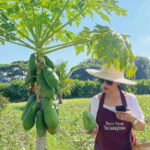



Ethical Elephant Sanctuaries, compared.
 ★ 4.9Elephant Sanctuary, Waterfall & Bamboo RaftingFrom $609,160 reviews
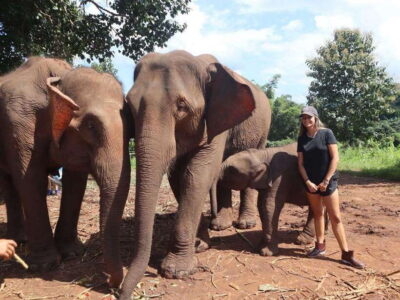 ★ 4.9Elephant Sanctuary & Waterfall Group TourFrom $505,780 reviews
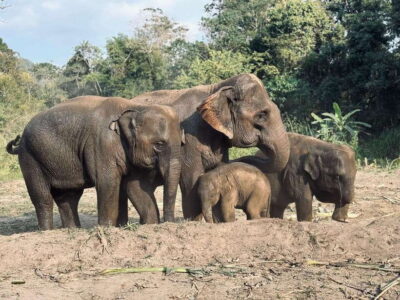 ★ 4.8Elephant Sanctuary Feeding Program Half-Day TourFrom $274,527 reviews
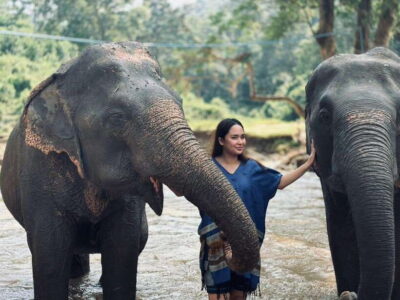 ★ 4.9Elephant Sanctuary, Long Neck & Sticky WaterfallFrom $632,262 reviews
 ★ 4.8Elephant Care Program and Nursery TourFrom $531,899 reviews
 ★ 4.9Small Group Ethical Elephant Sanctuary TourFrom $771,572 reviews
 ★ 5.0Half Day Visit Smile Elephant Chiang MaiFrom $501,216 reviews
 ★ 4.9Doi Inthanon and Elephant Sanctuary TourFrom $811,091 reviews
Browse the lists this tour appears in