
Reviewed · ETHICAL ELEPHANT SANCTUARIES
Chiang Mai: Elephant Sanctuary Local Hill Tribe Caretakers
Elephants, river water, and real caretaking. This Chiang Mai sanctuary day blends hands-on elephant care with a one-hour jungle hike to Mae Wang Waterfall, plus time to learn about Karen and Hmong community life. I like that it stays non-commercial—no rides, no gimmick shows—and that you actually learn what elephants need as you feed them, help with mud baths, and join them in a river wash. The only drawback to plan around is timing: although it’s sold as a 4-hour experience, it can run long, so keep your afternoon free.
You’ll be picked up from Chiang Mai and brought to the camp with an English-speaking guide, and the day is physical in a simple way—standing, walking, and getting wet. I’d bring the right gear upfront (especially swimwear and a towel), because the best part of this tour happens in the water and in the mud, not behind a fence.
In This Review
- Key highlights worth planning for
- Elephant sanctuary day in Chiang Mai: what kind of experience this really is
- Getting there: pickup timing, transport ride, and how to pack
- Elephant care 101: feeding, walking, mud baths, and the river wash
- The Mae Wang Waterfall trek: one hour of forest time
- Karen and Hmong caretakers: culture you can actually observe
- Lunch at the sanctuary: a simple reset after water and hike
- Price and value: is $51 a fair deal for ethical elephant time?
- Who this tour suits best (and who should skip it)
- Should you book this Chiang Mai elephant sanctuary and Mae Wang Waterfall tour?
- FAQ
- How long is the tour?
- What time is pickup in Chiang Mai?
- What time does the tour return to Chiang Mai?
- What’s included in the price?
- What should I bring?
- Is there an elephant ride or a show?
- Who is the tour not suitable for?
Key highlights worth planning for
- No rides, no shows: you focus on care, not performances
- River bathing with the elephants: a refreshing, natural-feeling activity
- Mud bath support: you help with a cooling and skin-protection routine
- Mae Wang Waterfall hike: a satisfying one-hour trek through forest
- Karen and Hmong life lessons: culture is part of the day, not an add-on
- Ethical tourism focus: activities are built to support sustainable practices
More ethical elephant sanctuaries around Chiang Mai, side by side
- Chiang Mai: Elephant Sanctuary, Waterfall & Bamboo Rafting
★ 4.9 · 9,160 reviews - Chiang Mai: Elephant Sanctuary & Waterfall Group Tour
★ 4.9 · 5,780 reviews - Chiang Mai: Elephant Sanctuary Feeding Program Half-Day Tour
★ 4.8 · 4,527 reviews - Chiang Mai: Elephant Sanctuary, Long Neck & Sticky Waterfall
★ 4.9 · 2,262 reviews
Elephant sanctuary day in Chiang Mai: what kind of experience this really is
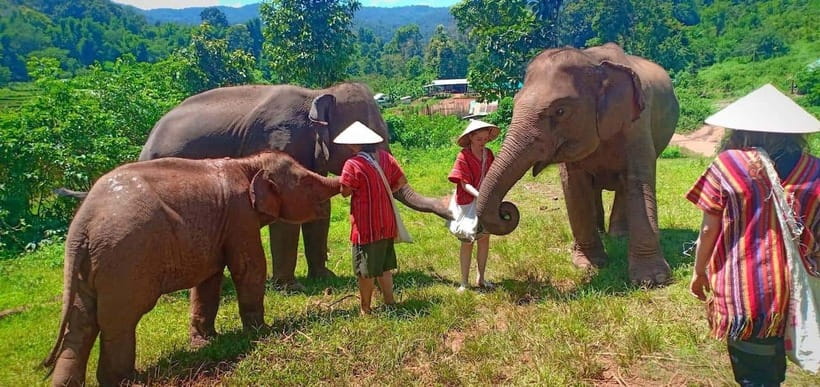
If you’ve done the cookie-cutter elephant tours where people line up for rides or quick photo ops, this one feels different fast. The whole tone is built around care: you learn how elephants are handled day to day, you feed them with guidance, and you join them at the river for bathing. There’s walking involved, but it’s not framed as a thrill activity.
What I like best is that the day is structured so you’re not just watching—you’re participating in a responsible way. You prepare, you help with routines, and you learn elephant behavior as part of the process. That changes how you see the animals. Elephants aren’t treated like props; they’re treated like animals with needs and personalities.
The other thing that matters: this program is designed to avoid the most commercial side of elephant tourism. The highlights call out no shows and no rides. In practice, that usually means the day feels less crowded and more purposeful. You still get photos, but the focus stays where it belongs: the sanctuary, the elephants, and the people caring for them.
Getting there: pickup timing, transport ride, and how to pack
Your day starts with pickup from Chiang Mai, and the schedule runs on two main windows. There’s a morning pickup between 8:00 AM and 8:30 AM, or an afternoon pickup between 11:30 AM and 11:45 AM. You’ll return to Chiang Mai around 2:00 PM. Getting to the elephant camp takes about 1 hour, so you’re not spending hours stuck in a van before anything happens.
That pickup range matters more than it sounds. If you’re the type who likes to be on time for everything, set a buffer. Also, if you’re planning a separate lunch or second activity right after, don’t overpack your schedule. One big note: even though it’s listed as a 4-hour program, it can run longer depending on how the day flows. Build slack.
For what to bring, follow the list exactly because it matches the activities:
- Swimwear and a change of clothes (you’ll get wet during the elephant bath)
- Towel
- Flip-flops or easy slip-on footwear (you’ll be moving around outdoors)
- Camera (for obvious reasons, and also because the river-bath moments are photogenic)
- Sunscreen and insect repellent (trees and water mean bugs)
- Optional: a small waterproof bag if you hate drying off electronics
And two simple rules to keep the day moving smoothly: smoking isn’t allowed, and alcoholic drinks in the vehicle aren’t part of the experience. You’ll also want to avoid doing anything that counts as feeding animals on your own—stick to what the guide directs.
Elephant care 101: feeding, walking, mud baths, and the river wash
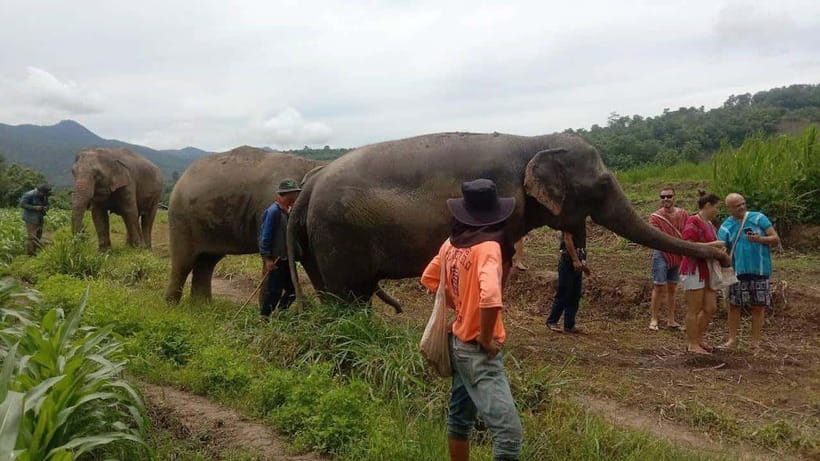
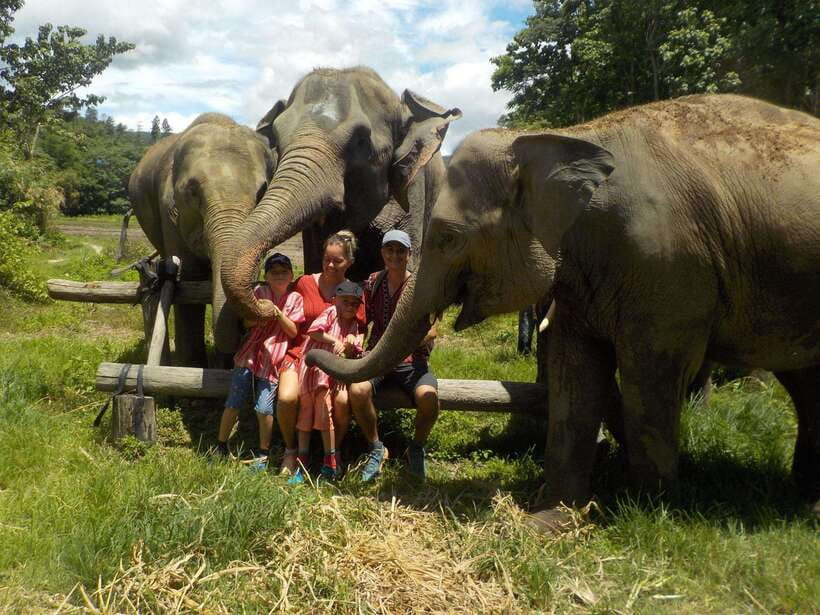
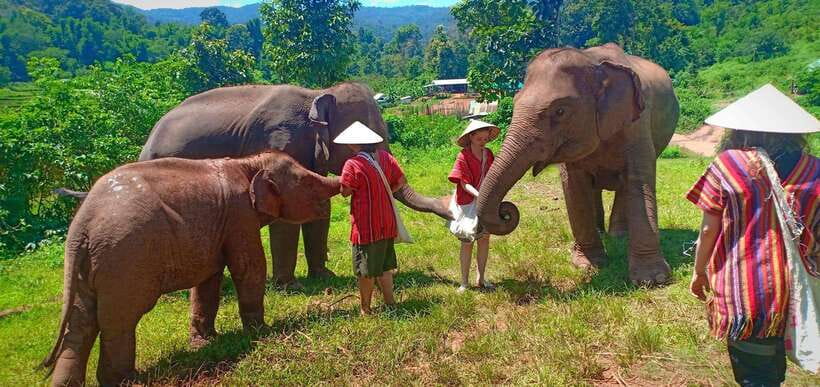
This is the heart of the experience, and it’s built to feel practical rather than performative. You’ll start by meeting the elephants and learning the sanctuary’s mission. Then comes the hands-on part: preparing to feed them and feeding them under guidance while you learn about behavior. If you’re curious about how caretakers think—what elephants react to, how they move, and how routines reduce stress—this is where you’ll get those basics.
The elephant feeding is more than a bucket-and-smile moment. The program highlights that you’ll learn how to take care of elephants, including how to interpret behavior. That matters because elephants are strong, intelligent animals. When the handling stays calm and routine-based, everyone stays safer and the elephants stay less stressed.
After feeding, you help with a mud bath. This isn’t just for fun—it’s described as a way to cool off and protect their skin. So even when it looks playful, it’s actually part of normal care. Expect a messy, earthy feeling to the day. If you hate getting dirty, this might not be your favorite activity. But if you want to understand how the sanctuary supports natural behaviors, it’s the most honest “hands-on” moment.
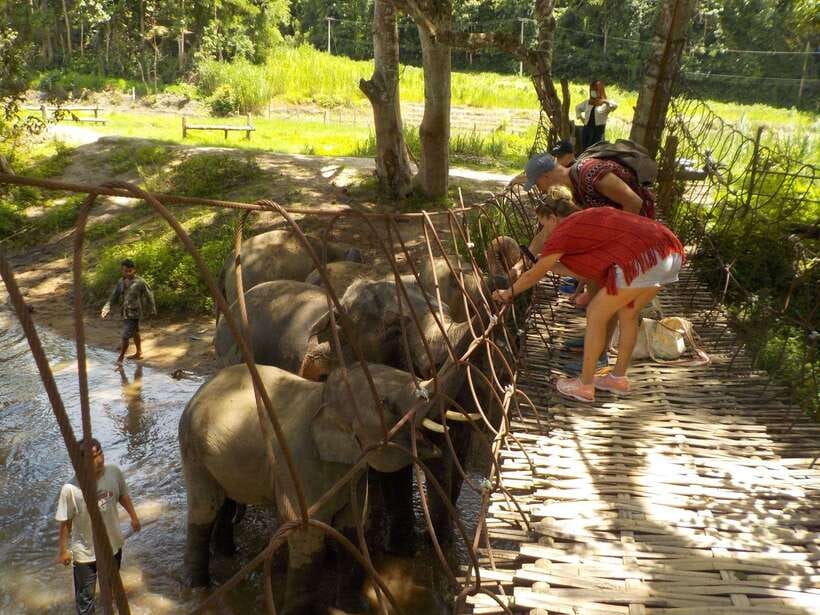
Then comes the river bathing. You’ll join the elephants in the Mae Wang River area for a playful and refreshing bath. This is the part that turns the day from “interesting” into “memorable.” The elephants move like elephants, not like theme-park actors. You get wet, you cool off, and you see how the animals settle when the environment feels right.
One more practical note: the program is not listed as suitable for people with back problems. That’s worth respecting. Between standing, walking around the camp, and getting in and out of the bath area, your body will feel the day.
Visits to the Karen, Hmong and Akha villages in the hills
The Mae Wang Waterfall trek: one hour of forest time
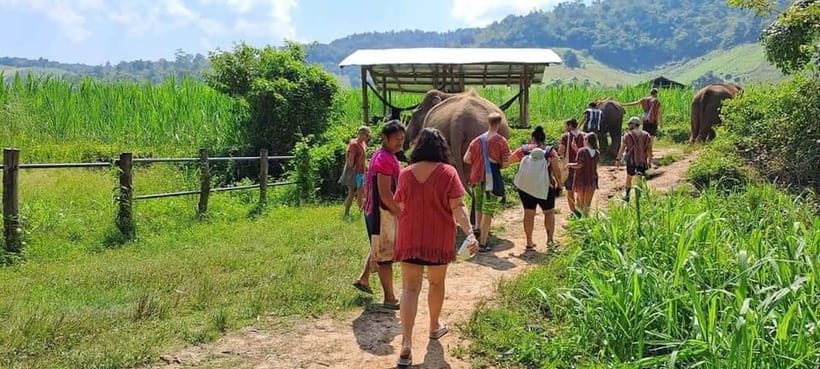
After the elephant time, you head out for a hike to Mae Wang Waterfall. It’s listed as about one hour of hiking. That might sound short, but it’s a good length for a half-day: long enough to feel like you got out into the hills, short enough that you’re not wrecked before the day ends.
You’ll be moving through lush forest terrain. The upside of a shorter hike is that it keeps the day balanced. You don’t lose the elephant experience to an all-day trek, and you don’t leave the waterfall area before it feels worth it.
The downside is that the day is still physical. You’ll likely be a bit muddy and wet from elephant bathing, and then you’ll hike. If you’re bringing footwear, choose something you’re comfortable with on uneven ground and near water. Flip-flops are great for quick comfort, but think carefully about footing if the path is slick.
Also, this hike is part of the overall flow back to Chiang Mai. If you’re sensitive to timing, don’t plan a tight “second tour” right after. Let the day run its course.
Karen and Hmong caretakers: culture you can actually observe
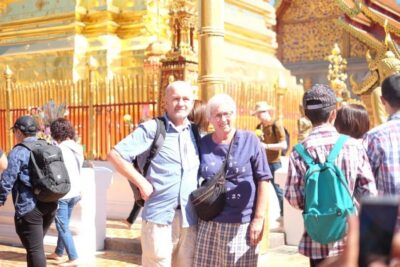
The highlights say you’ll explore the way of life of local Karen and Hmong communities. In a good sanctuary program, that kind of cultural component doesn’t feel like a photo stop. It’s usually more like time with caretakers and local guides—learning how daily routines connect to the land, the animals, and the broader idea of sustainable living.
What makes this valuable is that you get context. Elephants don’t live in a vacuum. People in the region have long histories with the environment, and the sanctuary model depends on local knowledge and ongoing relationships with communities. When the tour frames culture as part of caregiving and conservation, it becomes more meaningful than a brief “look and go.”
You should still keep your expectations realistic. You’re not being promised a specific performance or scripted show. The point is the day’s lived context: how people care for elephants, how they see their mission, and how they relate to the natural area around Chiang Mai.
If you’re someone who prefers authentic, slower learning over big tourist spectacles, this component is a strong match for your style.
Lunch at the sanctuary: a simple reset after water and hike
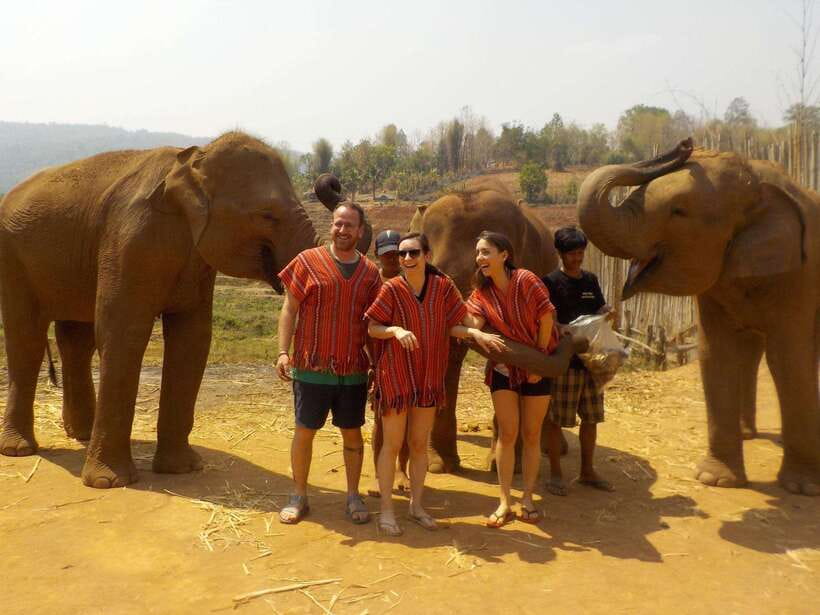
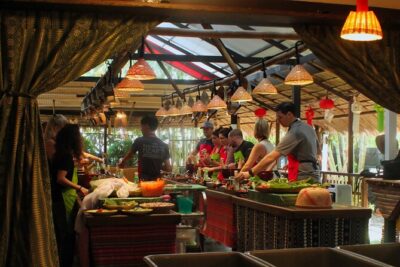
You’ll have lunch included during the program. That’s a real benefit, because it removes the decision fatigue. After elephants and a waterfall walk, you want food that’s ready when you are.
The tour description calls for a traditional Thai meal. The exact dishes aren’t specified in the details you provided, but the important point is timing: lunch happens after you’ve completed the core activities, while you’re still in the sanctuary surroundings. That means less back-and-forth, less wasted time, and less hunting for food in the middle of a day that’s already physical.
If you’re picky about spice, or if you avoid certain foods, it’s smart to mention it when you have the chance with your guide. The data doesn’t list dietary options, so don’t count on special meals unless your booking confirms it.
Price and value: is $51 a fair deal for ethical elephant time?
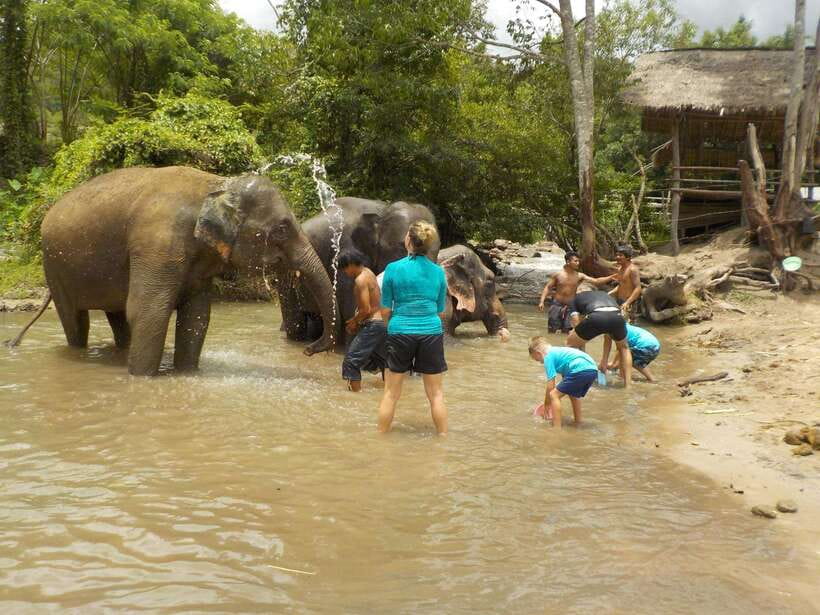
At about $51 per person for roughly a half-day experience (with lunch and round-trip transport included), this can be solid value—if you care about ethics and real interaction more than “the most photogenic moment.”
Here’s why the pricing can make sense:
- You get round-trip transportation from Chiang Mai (so you’re not paying for a separate ride)
- Lunch is included, which cuts the cost of meals
- The program includes multiple hands-on elements: feeding, mud bath support, and a river bath
- You also get a nature component with the Mae Wang Waterfall hike
- An English-speaking guide is part of the setup
The main “value risk” is timing and expectation. If you plan your day tightly, and the program runs longer than expected, it can disrupt your schedule. Still, that longer stretch often means more time with the elephants rather than a rushed itinerary. The key is how flexible you are.
Another value point: the tour is positioned as non-commercial with no rides and no shows. That tends to align better with what many people want ethically. It’s not just paying for access to elephants; it’s paying for a caretaker-focused experience that supports sustainable tourism.
Who this tour suits best (and who should skip it)
This tour is a great fit if you want:
- A low-pressure elephant day centered on care and behavior learning
- Outdoor time that includes a real nature walk to Mae Wang Waterfall
- A cultural component involving Karen and Hmong life, beyond a quick stop
- An experience that avoids elephant rides and staged performances
It may be a poor fit if:
- You’re traveling with children under 2 (not suitable)
- You’re pregnant (not suitable)
- You have back problems (not suitable)
- You want a very tightly timed schedule that never changes
Also, if you dislike getting wet or muddy, be honest with yourself. The elephant bath and mud bath are core parts of the experience, and you should plan to enjoy them rather than tolerate them.
Should you book this Chiang Mai elephant sanctuary and Mae Wang Waterfall tour?
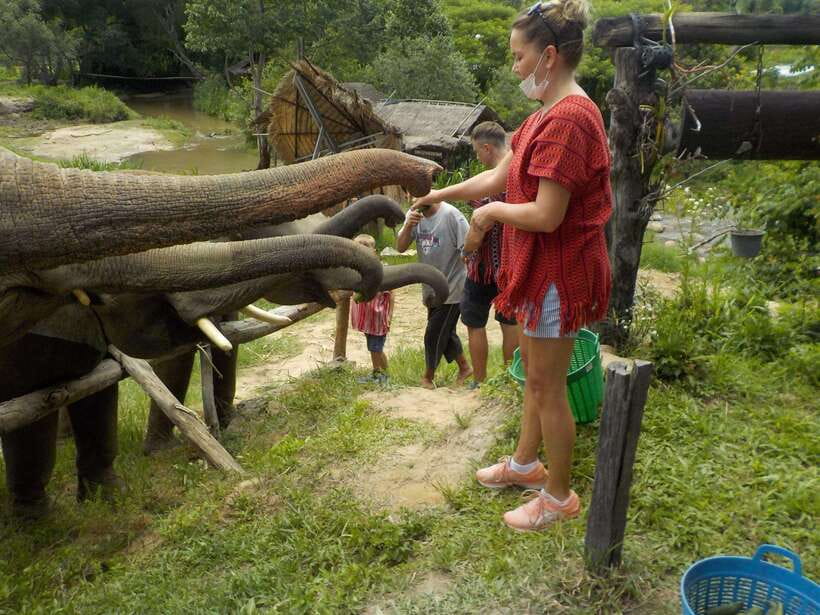
I’d book it if your priority is ethical elephant interaction plus actual nature time. The biggest selling points are the care-focused approach—feeding with guidance, mud bath routine support, and the river bathing element—and the added Mae Wang Waterfall hike. The Karen and Hmong cultural learning also adds depth, especially if you’re tired of tourist checklists.
But I’d think twice if you need strict timing control or you’re not comfortable with wet, outdoorsy conditions. Bring the gear, wear practical footwear, and give yourself schedule slack. This isn’t a “grab and go” attraction. It’s a day built around elephants and caretaking.
If that sounds like your kind of Chiang Mai experience, you’ll likely come away feeling like you did something more meaningful than a quick photo stop.
FAQ
How long is the tour?
The duration is listed as 4 hours. The day includes elephant activities, lunch, and a 1-hour hike to Mae Wang Waterfall.
What time is pickup in Chiang Mai?
Pickup is in the morning between 8:00 AM and 8:30 AM, or in the afternoon between 11:30 AM and 11:45 AM.
What time does the tour return to Chiang Mai?
The tour returns to Chiang Mai around 2:00 PM.
What’s included in the price?
Round-trip transportation from Chiang Mai and lunch are included.
What should I bring?
Bring swimwear, a change of clothes, a towel, a camera, sunscreen, flip-flops, and insect repellent.
Is there an elephant ride or a show?
The highlights describe a non-commercialized experience with no rides and no shows, focused on meaningful interactions.
Who is the tour not suitable for?
It’s not suitable for children under 2, pregnant women, or people with back problems.
More Tour Reviews in Chiang Mai
- Half-Day Thai Cooking Class at Organic Farm in Chiang Mai★ 5.0 · 19,087 reviews
- Chiang Mai: Elephant Sanctuary, Waterfall & Bamboo Rafting★ 4.9 · 9,160 reviews
- Chiang Mai: Doi Inthanon National Park Eco-Friendly Tour★ 4.6 · 6,667 reviews
- Chiang Mai: Elephant Sanctuary & Waterfall Group Tour★ 4.9 · 5,780 reviews
- Chiang Mai: Chiang Rai Temples, Karen Tribe and Hot Springs★ 4.7 · 5,401 reviews
More Hill Tribe Village Visits
- Chiang Mai: Chiang Rai Temples, Karen Tribe and Hot Springs★ 4.7 · 5,401 reviews
- Thai and Akha Cooking Class in Chiang Mai★ 5.0 · 4,358 reviews
- Chiang Mai: Elephant Sanctuary, Long Neck & Sticky Waterfall★ 4.9 · 2,262 reviews
- 4-Hour Doi Suthep & Hmong Hill Tribe Village from Chiang Mai★ 4.7 · 696 reviews
- Chiang Mai: Long Neck Village & Chiang Rai’s Iconic Temples★ 4.3 · 338 reviews
More Elephant Sanctuaries Near Chiang Mai
- Chiang Mai: Elephant Sanctuary, Waterfall & Bamboo Rafting★ 4.9 · 9,160 reviews
- Chiang Mai: Elephant Sanctuary & Waterfall Group Tour★ 4.9 · 5,780 reviews
- Chiang Mai: Elephant Sanctuary Feeding Program Half-Day Tour★ 4.8 · 4,527 reviews
- Chiang Mai: Elephant Sanctuary, Long Neck & Sticky Waterfall★ 4.9 · 2,262 reviews
- From Chiang Mai: Elephant Care Program and Nursery Tour★ 4.8 · 1,899 reviews
Fresh off the pile: Chiang Mai tours we have just written up




Ethical Elephant Sanctuaries, compared.
 ★ 4.9Elephant Sanctuary, Waterfall & Bamboo RaftingFrom $609,160 reviews
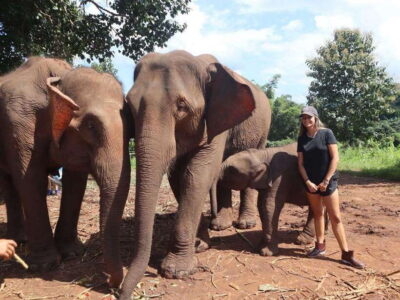 ★ 4.9Elephant Sanctuary & Waterfall Group TourFrom $505,780 reviews
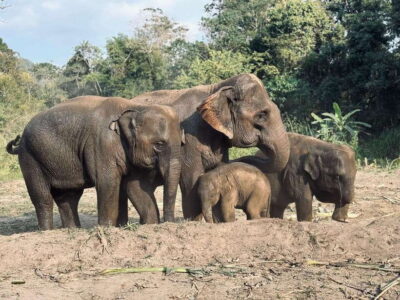 ★ 4.8Elephant Sanctuary Feeding Program Half-Day TourFrom $274,527 reviews
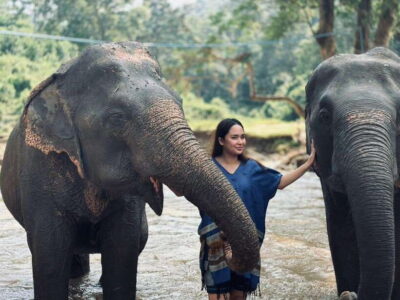 ★ 4.9Elephant Sanctuary, Long Neck & Sticky WaterfallFrom $632,262 reviews
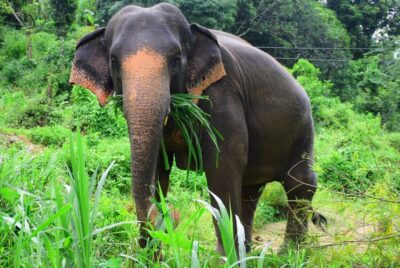 ★ 4.8Elephant Care Program and Nursery TourFrom $531,899 reviews
 ★ 4.9Small Group Ethical Elephant Sanctuary TourFrom $771,572 reviews
 ★ 5.0Half Day Visit Smile Elephant Chiang MaiFrom $501,216 reviews
 ★ 4.9Doi Inthanon and Elephant Sanctuary TourFrom $811,091 reviews
Browse the lists this tour appears in