
Elephants and Thai cooking in one calm day. This Chiang Mai experience pairs an ethical elephant sanctuary visit with a hands-on Thai cooking workshop that takes you from garden herbs to full plates. I like the way it blends animal care education with real food skills, not just sightseeing.
What I liked most: first, the sanctuary approach feels centered on welfare and respect. You feed the elephants in a natural setting, get a briefing on behavior, and even river time happens because the elephants choose it, not because anyone forces it. Second, the cooking class uses fresh ingredients you pick inside the sanctuary’s organic garden, and you learn how Thai flavors work as a system, not random recipes.
One thing to plan around: you will likely get wet during elephant bathing/swimming, and the tour does not include a towel. Bring the right clothes and expect some activities to shift if elephants decide the river is the plan.
In This Review
- Key things I’d pencil into your Chiang Mai schedule
- Why this Chiang Mai pairing works so well
- Getting to Pon Elephant Thailand: the drive sets the tone
- Organic garden time: herbs, garden rules, and why it’s not a gimmick
- Thai cooking workshop: five flavors, real technique, and choosing your dishes
- Expect guided classics
- The value of learning how to cook, not just what to cook
- Eating what you made: lunch or dinner that feels like part of the class
- Elephant sanctuary briefing: how to behave around them
- Feeding Napier grass, sugarcane, and bananas in a natural setting
- River bathing and elephant swimming: bring your beachwear mindset
- Small-group pacing and guides: why your day feels personal
- What to bring (and what not to assume is provided)
- Price and value: why $63 makes sense for what you get
- Who this tour suits best (and who should rethink it)
- Should you book it: my decision rule
- FAQ
- How long is the Chiang Mai Elephant Sanctuary and Thai Cooking Workshop?
- When do the morning and afternoon sessions start, and when do you return to Chiang Mai?
- Is a market visit included?
- What should I bring for the elephant and cooking parts?
- What Thai dishes might I learn to cook?
- Are vegetarian or vegan options available?
Key things I’d pencil into your Chiang Mai schedule
- Small group (up to 10) keeps elephant time and cooking instruction from feeling rushed
- Organic garden inside the sanctuary means your herbs and vegetables are genuinely close to the cooking
- Five basic Thai flavors gives you a framework so you can repeat dishes at home
- Elephant handling rules and behavior briefing helps you stay confident and respectful around them
- River bathing is optional by elephant choice, so the schedule can flex a bit
- Guides like Pimdao, Air, Som, and Noi show up often in this experience, and their energy really drives the day
More ethical elephant sanctuaries around Chiang Mai, side by side
- Chiang Mai: Elephant Sanctuary, Waterfall & Bamboo Rafting
★ 4.9 · 9,160 reviews - Chiang Mai: Elephant Sanctuary & Waterfall Group Tour
★ 4.9 · 5,780 reviews - Chiang Mai: Elephant Sanctuary Feeding Program Half-Day Tour
★ 4.8 · 4,527 reviews - Chiang Mai: Elephant Sanctuary, Long Neck & Sticky Waterfall
★ 4.9 · 2,262 reviews
Why this Chiang Mai pairing works so well
Some Chiang Mai tours try to cram in too much. This one doesn’t feel like a checklist. It feels like two slow-but-active experiences happening in the same mountain-area rhythm: first you learn how Thai food is built, then you spend real time with elephants in a sanctuary environment.
What makes it especially satisfying is the connection between the halves of the day. You start with herbs and cooking foundations (the ingredients matter), then you move into elephant care (the animals’ routines matter). That mindset shift is part of the value.
Getting to Pon Elephant Thailand: the drive sets the tone
You leave Chiang Mai by air-conditioned van for about 1 hour 20 minutes to Pon Elephant Thailand. You’ll meet your guide at the Pon Elephant Thailand office in town, about 10–15 minutes before the start time, then head out together.
That lead-in matters. It gives you time to reset, get oriented, and actually arrive ready—especially if you’re pairing this with other Chiang Mai stops like temples or night markets. The transport is generally praised for being clean and comfortable, and the whole day runs like it’s been planned rather than improvised.
Organic garden time: herbs, garden rules, and why it’s not a gimmick
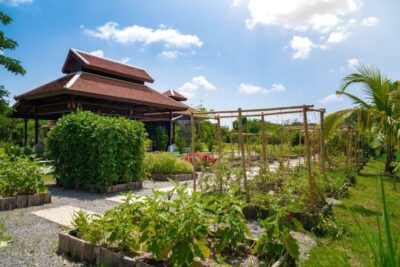
Before you cook, you’ll start under your guide’s direction by exploring the sanctuary’s organic vegetable garden to collect fresh herbs for the day. This isn’t just photo time. You’ll learn what you’re picking and how it ties into Thai cooking basics.
The best part for me is the clarity. You’re not just grabbing cilantro and hoping. You’re selecting ingredients in the environment where they grow, then connecting them to dishes you’ll make later. It makes the cooking lesson stick.
If you’re a picky eater, good. Thai food here isn’t just one fixed menu. You can tailor dishes to your preferences with guidance from the chef/instructor.
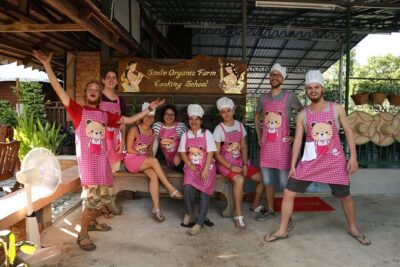
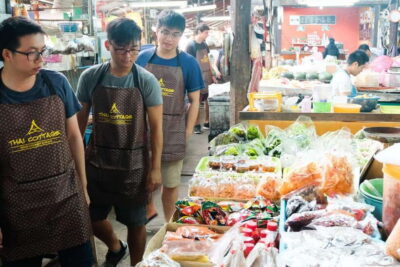
Pick your Thai cooking class: farm kitchens and market runs
Thai cooking workshop: five flavors, real technique, and choosing your dishes
This is a hands-on Thai cooking workshop with an actual local chef. You’ll learn the foundations of Thai taste, including the five basic flavors: sweet, sour, salty, bitter, and spicy. That’s a practical skill, not trivia. Once you understand the flavor balance, cooking Thai food at home stops feeling like a guessing game.
You’ll also get a guided method for building Thai dishes. The program describes learning core Thai ingredient groupings (it’s explained as structured ingredient “building blocks”), then practicing how to combine them through classic techniques.
Expect guided classics
Depending on your choices, you may cook favorites such as:
- Pad Thai
- Khao Soi
- Tom Yum Goong
- Green Curry
- Mango Sticky Rice
The tour setup is designed so you cook from scratch, with the tour providing all necessary ingredients. Many people end up making multiple dishes across the day’s session length, and you’ll have time to actually work at the station instead of just watching.
The value of learning how to cook, not just what to cook
A cooking class is worth it when it teaches you process. Here, you learn technique and flavor logic, and you also receive a recipe booklet you can take home. If you’ve ever eaten great Thai food and thought, I can’t recreate this, this format helps close that gap.
Eating what you made: lunch or dinner that feels like part of the class
Food is included, and what you eat depends on your session.
- Morning session: you return to Chiang Mai around 5:00 PM, and lunch is included.
- Afternoon session: you return around 9:00 PM, and the evening meal is included, with dinner served instead of the morning lunch pattern.
Either way, the meal has a nice symmetry: you cook, you eat, you learn. That’s a big advantage over tours where the meal is just a stopgap between two “activities.”
Also note: vegetarian and vegan options are available. If you want Thai food without meat or seafood, you won’t be left scrambling for something plain.
Elephant sanctuary briefing: how to behave around them
After you eat, you shift gears to the elephants. You’ll get a briefing on the elephants’ habitat, history, habits, and behavior—plus practical guidance on how to behave around them.
This part matters more than people think. When you know how elephants typically move and respond, you feel calmer, and your photos don’t feel like you’re invading space. The goal is a respectful, low-stress interaction.
You’ll also learn about Asian elephants and how to prepare herbal treats for them. That adds educational weight to the visit without turning it into a lecture.
Feeding Napier grass, sugarcane, and bananas in a natural setting
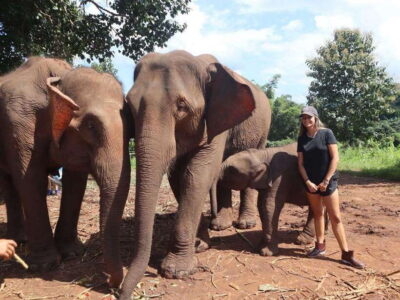
This is the core elephant moment. You’ll walk around the natural environment with the elephants and get the opportunity to feed them Napier grass, sugarcane, and bananas.
A good sanctuary experience should feel peaceful, not performative. Here, the emphasis is on observation and gentle interaction in a safe space. You get close, but it’s framed by behavior guidance so you stay respectful.
You’ll also likely have chances to feed and interact with multiple elephants, including younger elephants, depending on how the herd is moving through the day. Many people talk about how emotional it is to see rescued elephants living with more freedom and less stress than the situations that brought them to care.
River bathing and elephant swimming: bring your beachwear mindset
One of the most memorable moments is the river time. The tour highlights that elephants go to the river and may swim and bathe there, and some activities may change shortly based on what the elephants choose to do.
Important practical takeaway: you don’t control that part of the schedule. If the elephants decide on the river, you’re going with the flow. If they don’t, you’ll still have great elephant time, just without the exact river sequence.
And yes, you may get splashed or even “showered” by elephants. That’s fun if you’re prepared, and annoying if you showed up in dry-only clothes. Bring what the tour asks for: beachwear, flip-flops, and a plan for getting wet.
Small-group pacing and guides: why your day feels personal
This experience caps at 10 participants, which changes the vibe. Elephant time needs space and attention, and cooking time needs quick feedback. A small group helps both.
English-speaking guidance is included. Guides commonly named in this experience include Pimdao, Air, Som, Toto, Noi, and others. What stands out is that the guides seem to blend humor with real instruction. In a day that involves feeding large animals and cooking with sharp flavors, that mix matters.
Also, transport pickup is optional and limited to Chiang Mai town. If you’re staying in the city, it’s a convenience worth considering because it saves you from juggling taxis while the day runs.
What to bring (and what not to assume is provided)
Plan like a full-day activity with potential water time. Here’s what you should bring:
- Change of clothes (the tour does not include this, and you might need it after river bathing)
- Towel (not included)
- Camera
- Sunscreen and biodegradable sunscreen
- Biodegradable insect repellent
- Flip-flops
- Beachwear
- Cash
- Passport or ID card (a copy is accepted)
One more small but real tip: keep your phone protected. Even if you love the splashy moments, you don’t want to ruin your photos because your screen got wet.
Price and value: why $63 makes sense for what you get
At $63 per person for a 9-hour day, this tour sits in the “good deal if you care about quality” category. Here’s why it adds up:
- You’re paying for real access to a sanctuary experience with briefing, feeding time, and close observation.
- You’re also paying for a hands-on Thai cooking workshop with ingredients included and a recipe booklet afterward.
- You get included food (lunch or dinner depending on session), drinking water, and insurance.
- Group size is limited, which improves the quality of both the cooking and elephant portions.
- The day also includes orchard/garden ingredient selection and an organic farm tour.
If you’re the type who likes to learn skills you’ll use again—cooking methods, flavor balance, ingredient types—this is strong value. If you only want a quick elephant selfie with minimal education, you might find the pace too involved. But if you want substance, it’s a fair price.
Who this tour suits best (and who should rethink it)
This is a great fit for you if:
- You want an ethical, welfare-focused elephant experience paired with real Thai food learning
- You enjoy hands-on activities, especially cooking from scratch
- You care about understanding how Thai flavors work, not just following a recipe
It’s also a solid choice for groups because the day is structured and guided, not chaotic.
Two cautions from the tour info:
- Children under 5 are not suitable.
- People over 70 are not suitable.
And a general note: the day can involve water, sun, and walking. Wear footwear you’re comfortable getting wet in.
Should you book it: my decision rule
I’d book this if you’re choosing just one “big day” in Chiang Mai and you want it to feel meaningful. The elephant part isn’t treated like a thrill ride; it’s framed by behavior guidance and welfare. The cooking part isn’t treated like a shortcut; you cook classics, learn flavor balance, and take recipes home.
I would not book it if you hate getting wet, you want a purely relaxing day, or you dislike cooking classes where you’re actively making dishes (you are hands-on here).
If you do book: pick the session that matches your energy. Morning gives you a lighter evening return. Afternoon shifts the farm/dinner feel later into the day. Either way, arrive ready to learn, not just watch.
FAQ
How long is the Chiang Mai Elephant Sanctuary and Thai Cooking Workshop?
The experience runs about 9 hours, with a morning session and an afternoon session.
When do the morning and afternoon sessions start, and when do you return to Chiang Mai?
Morning starts around 7:30 AM–8:00 AM and returns around 5:00 PM. Afternoon starts around 12:30 PM–1:00 PM and returns around 9:00 PM.
Is a market visit included?
A market visit is included with the morning session. The afternoon session does not include a market visit.
What should I bring for the elephant and cooking parts?
Bring change of clothes, a camera, sunscreen (including biodegradable sunscreen), flip-flops, beachwear, cash, and a passport or ID card (a copy is accepted). Also bring biodegradable insect repellent. A towel is not included.
What Thai dishes might I learn to cook?
You may learn classics like Pad Thai, Khao Soi, Tom Yum Goong, Green Curry, and Mango Sticky Rice, plus other dishes you can choose based on your preferences.
Are vegetarian or vegan options available?
Yes. Vegetarian and vegan options are available, and ingredients for cooking are included.
More Tour Reviews in Chiang Mai
- Half-Day Thai Cooking Class at Organic Farm in Chiang Mai★ 5.0 · 19,087 reviews
- Chiang Mai: Elephant Sanctuary, Waterfall & Bamboo Rafting★ 4.9 · 9,160 reviews
- Chiang Mai: Doi Inthanon National Park Eco-Friendly Tour★ 4.6 · 6,667 reviews
- Chiang Mai: Elephant Sanctuary & Waterfall Group Tour★ 4.9 · 5,780 reviews
- Chiang Mai: Chiang Rai Temples, Karen Tribe and Hot Springs★ 4.7 · 5,401 reviews
More Chiang Mai Cooking Classes
- Half-Day Thai Cooking Class at Organic Farm in Chiang Mai★ 5.0 · 19,087 reviews
- Chiang Mai: Cooking Class, Market & Thai Herbs Garden Tour★ 4.9 · 4,824 reviews
- Chiang Mai: Authentic Cooking Class with Market & Farm Visit★ 4.9 · 4,546 reviews
- Thai and Akha Cooking Class in Chiang Mai★ 5.0 · 4,358 reviews
- Chiang Mai: Cooking Class with Market and Pickup★ 4.9 · 1,365 reviews
More Elephant Sanctuaries Near Chiang Mai
- Chiang Mai: Elephant Sanctuary, Waterfall & Bamboo Rafting★ 4.9 · 9,160 reviews
- Chiang Mai: Elephant Sanctuary & Waterfall Group Tour★ 4.9 · 5,780 reviews
- Chiang Mai: Elephant Sanctuary Feeding Program Half-Day Tour★ 4.8 · 4,527 reviews
- Chiang Mai: Elephant Sanctuary, Long Neck & Sticky Waterfall★ 4.9 · 2,262 reviews
- From Chiang Mai: Elephant Care Program and Nursery Tour★ 4.8 · 1,899 reviews
Fresh off the pile: Chiang Mai tours we have just written up

Ethical Elephant Sanctuaries, compared.
 ★ 4.9Elephant Sanctuary, Waterfall & Bamboo RaftingFrom $609,160 reviews
 ★ 4.9Elephant Sanctuary & Waterfall Group TourFrom $505,780 reviews
 ★ 4.8Elephant Sanctuary Feeding Program Half-Day TourFrom $274,527 reviews
 ★ 4.9Elephant Sanctuary, Long Neck & Sticky WaterfallFrom $632,262 reviews
 ★ 4.8Elephant Care Program and Nursery TourFrom $531,899 reviews
 ★ 4.9Small Group Ethical Elephant Sanctuary TourFrom $771,572 reviews
 ★ 5.0Half Day Visit Smile Elephant Chiang MaiFrom $501,216 reviews
 ★ 4.9Doi Inthanon and Elephant Sanctuary TourFrom $811,091 reviews
Browse the lists this tour appears in