
Reviewed · DOI SUTHEP & TEMPLE TOURS
Chiang Mai: Hmong Village, Doi Suthep and Wat Pha Lat Trek
Forest, temples, and highland culture in one day.
I love that this tour is built around walking and not just sightseeing. You’ll start on the serene Monk’s Trail, then swap to quiet temple time at Wat Pa Lat before heading to the iconic Doi Suthep for big views. A real plus is the cultural stop at a traditional Hmong hill tribe village, including handicrafts and coffee. The one thing to keep in mind: you should expect real hiking, and it may not suit low fitness levels or anyone with mobility or heart concerns.
Because it’s a small group (limited to 9), the day can feel more human. Even the driving portions don’t swallow the experience, and the guide can work around your pace and wishes. Still, the temple areas can get busy, and you’ll want to plan for that energy while you’re there.
In This Review
- Key things I’d watch for on this Chiang Mai trek
- From hotel pickup to the Monk’s Trail forest path
- Wat Pa Lat: quiet temple time in a Lanna Kingdom setting
- Doi Suthep Temple: golden chedi relics and the view over Chiang Mai
- Doi Suthep-Pui National Park: using nature time wisely
- Hmong village above the clouds: crafts, culture, and coffee stop
- The hike reality check: how hard is this day?
- Price and logistics: why $57 can be good value
- Who should book this tour (and who should skip it)
- Should you book Chiang Mai: Hmong Village, Doi Suthep and Wat Pha Lat Trek?
- FAQ
- FAQ
- How long is the Chiang Mai trek?
- Where can I get picked up in Chiang Mai?
- How big is the group?
- Is there hiking on this tour?
- What temples do we visit?
- Is the tour guided and what language is available?
- Are entrance fees included?
- What should I bring for the day?
Key things I’d watch for on this Chiang Mai trek
- Monk’s Trail, a pilgrimage route still used by locals and monks.
- Wat Pa Lat’s calm 14th-century Lanna setting and the storytelling vibe of resting/meditation stops.
- Doi Suthep’s golden chedi and relics plus panoramic views over Chiang Mai.
- Doi Suthep-Pui National Park time to break up temple focus with nature.
- Hmong village culture and coffee after the walk, with time for photos and free exploration.
- 2+ hours of hiking on the day, so your shoes and energy matter.
Other ways up to Doi Suthep and the temples on its slopes
- Chiang Mai: Doi Suthep and Wat Umong Enchanting Evening Tour
★ 4.6 · 1,811 reviews - Chiang Mai: Doi Suthep, Wat Umong, and Pha Lat Sunrise Tour
★ 4.7 · 1,425 reviews - Chiang Mai: Wat Pha Lat & Wat Phra That Doi Suthep Tour
★ 4.8 · 1,207 reviews - Chiang Mai – Doi Suthep Temple & Wat Pha Lat Hike
★ 4.6 · 740 reviews
From hotel pickup to the Monk’s Trail forest path
This starts the way I like tours to start in Chiang Mai: you’re not figuring out logistics. You get hotel pickup and drop-off, and you’ll have two common pickup choices in Chiang Mai, including the Old City and Nimman area. You should be ready in the lobby about 10 minutes before pickup so you don’t risk slipping the schedule.
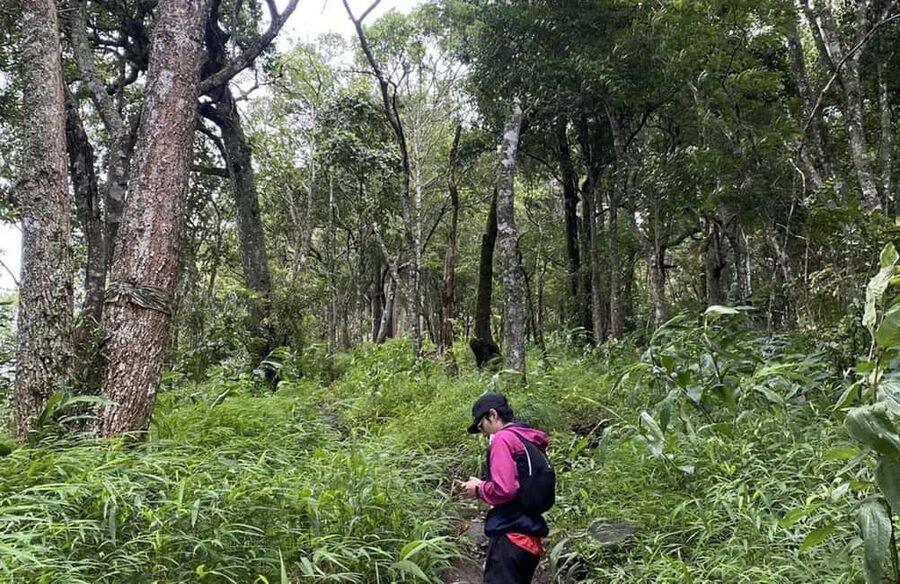
Once you’re in the car, the pace shifts from city noise to something much quieter. The first real “experience moment” is heading to the start of the Monk’s Trail, described as a forest path monks once used to climb up to Wat Pa Rat (and where monks and locals still walk today as a form of pilgrimage).
What I like here is that this isn’t a hike that’s only about exercise. It’s a route with meaning. When you walk through a natural, shaded path and hear the sounds of the forest around you, it sets a tone that the rest of the day can follow—temples feel less like checkboxes and more like destinations you earned.
Practical note: there’s a decent chance the hiking portion feels different depending on the group’s pace and how often you pause for photos. One traveler noted the walking felt closer to about an hour in their case, even though the overall tour includes longer active time. So don’t assume every segment will match a perfect timer—build in buffer energy.
Wat Pa Lat: quiet temple time in a Lanna Kingdom setting
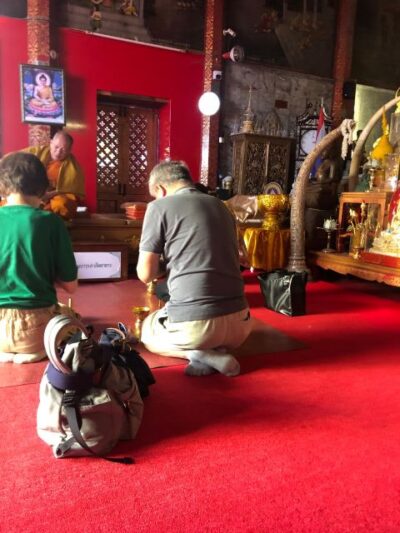
After the trail walk, you arrive at Wat Pa Lat, a peaceful temple tied to the Lanna Kingdom and built around the 14th century. It’s the kind of stop that works well if you like temples but also appreciate a slower, calmer atmosphere.
The best reason to care about Wat Pa Lat is in what the day says it used to be for: a resting and meditation place for monks traveling toward Doi Suthep. That helps you understand what you’re looking at. You’re not just seeing “a nice temple.” You’re stepping into a site associated with quiet movement, focus, and breaks on a longer spiritual journey.
The itinerary includes time to be at Wat Pa Lat and soak it in without rushing. You’ll see a more reflective side of Thai temple culture that contrasts with the louder postcard energy of Doi Suthep. And because this is your middle stop, it also works like a reset: you can walk into this calmer space after trekking, then gear up again for bigger views later.
What to watch for: bring a moment of patience. Even if you’re in a group, this is the kind of place where slowing your pace makes the difference between snapping photos and actually noticing the vibe of the setting.
Doi Suthep Temple: golden chedi relics and the view over Chiang Mai
Then the tour pivots to the star of the region: Doi Suthep Temple (Wat Phra That). This is Chiang Mai’s most iconic temple, and you’ll have a dedicated time slot to visit—enough to see the main highlights without feeling like you’re sprinting.
Here’s what makes Doi Suthep more than a backdrop. Inside the golden chedi are sacred relics of the Buddha. That’s the spiritual center of the visit, and it’s why people come. But the other reason Doi Suthep matters is the panoramic view. From the temple grounds, you get a wide sweep over Chiang Mai that makes the city feel like it’s laid out under you.
In a small group, the visit tends to feel easier to manage. You can follow your guide’s flow, then spend your own time at the viewpoint when you want a slower minute. Also, one of the travelers in a past booking shared that their experience was more personal because the group ended up being only two people. That’s the kind of upside I’d look for with a cap of 9: when the group is smaller, the guide can handle your questions and pacing more calmly.
One consideration: temple grounds can be busy. Even if you arrive during a structured time window, you may still share space with other visitors. If you’re the type who likes quiet, plan to enjoy the spiritual parts first, then head to viewpoints for calmer moments when you can.
Visits to the Karen, Hmong and Akha villages in the hills


Doi Suthep-Pui National Park: using nature time wisely
Between temple highlights, you’ll also get time in Doi Suthep-Pui National Park (about an hour). This portion is valuable because it gives you a change of pace. After temple stops, a park segment helps balance the day with air, trees, and open outdoor movement.
I recommend treating this hour as a breathing space rather than a mission to see everything. You’ll likely walk a bit or move around at a comfortable pace, but the point is to experience a more natural setting that matches the day’s hiking theme.
If you’re thinking about comfort, use this park time to adjust layers. Chiang Mai mornings and higher areas can feel cooler than you expect, and even if the weather is pleasant, wind on higher ground can surprise you. This is also where your planning choices pay off—hat, sunglasses, and weather-appropriate clothing are part of the smart kit for a reason.
Hmong village above the clouds: crafts, culture, and coffee stop
After temples and park time, you’ll head to a traditional Hmong hill tribe village. The village sits up in the hills, and the experience includes breaks and activities designed to let you look, ask, and wander without turning it into a rushed market stop.
You’ll get background about the Hmong as an ethnic minority originally from the highlands of southern China, Laos, Vietnam, and Myanmar. That context matters because it changes how you interpret what you see. Handicrafts, daily routines, and community life aren’t just souvenirs or photo ops; they’re part of a living culture.
The stop includes:
- Photo opportunities and free time to explore at your own pace
- Time to visit and walk around (there’s also a hiking component here, around 1.5 hours listed for the village portion)
- A coffee break at the village
I really like that coffee is included here. It’s not just a random snack stop—it’s a moment that signals you’re being hosted, not merely passing through. If you’re trying to balance photos with respect, coffee time is a good anchor.
What to be aware of: village life can be active. Your group size is small, but you should still watch for social cues—people may be busy with work, crafts, or family routines. Keep your pace friendly and keep your questions simple. The guide is there to help translate not just language, but also cultural meaning.
The hike reality check: how hard is this day?
The tour is listed with 2+ hours of hiking, and you’ll also have trekking time tied to the Monk’s Trail and the village hike. The exact feel can vary depending on route conditions, your pace, and how long you pause for photos or viewpoints.
The tour is explicitly not suitable for:
- Mobility impairments
- Heart problems
- Low fitness levels
That’s not a scare tactic. It’s a straightforward warning based on the fact that this is an active day in natural terrain.
My practical advice is to prep like you’re doing a warm-day hike in Thailand:
- Wear hiking shoes with grip
- Bring insect repellent
- Pack a daypack for water and layers
- Use sunglasses and a hat
- Wear weather-appropriate clothing you can move in
If you’re debating fitness, think in terms of comfortable walking time plus uneven outdoor ground. If you can handle a steady hike without frequent stops to recover, you’ll likely be fine. If you need frequent breaks, you may find yourself stressed by timing—especially since you also have multiple viewpoints and temple visits in the same 7-hour day.
Price and logistics: why $57 can be good value
At $57 per person for a 7-hour day, this is priced like an all-in tour rather than a DIY plan. The value comes from what’s included.
You’re getting:
- Hotel pickup and drop-off
- An English guide
- Car transportation
- Entrance fees
- A small group (max 9)
- Multiple structured stops, including a hike and a culture visit
For a day that includes transport up to Doi Suthep and into the areas around the park and village, the included car time matters. Paying for separate rides, tickets, and a guide to connect the dots would likely cost more—and you’d lose the smooth pacing that helps you stay on schedule without rushing.
One more reason I see this as good value: the group can be small enough to feel flexible. In one past booking, the group ended up being only two people, and the guide was friendly and reserved while still working around their wishes. That suggests a guide style that’s not overly loud or scripted—more like someone who helps you enjoy the day at a human pace.
Who should book this tour (and who should skip it)
You should book this if you want a Chiang Mai day that mixes three things:
1) Walking with purpose on a monk pilgrimage trail
2) Temple highlights like Doi Suthep with panoramic views
3) Real cultural contact at a Hmong village with crafts and coffee
This also fits well if you prefer small groups and a guide who keeps things organized but not pushy.
You should probably skip it if:
- You want a mostly sitting, low-walking day
- Your mobility is limited
- You have a heart condition or low fitness level
If you’re generally active and okay with hiking, this is a solid way to see beyond the Old City without turning the day into a chaotic tour scramble.
Should you book Chiang Mai: Hmong Village, Doi Suthep and Wat Pha Lat Trek?
If you like temples but also like earning your views by walking, I’d say yes. The day’s structure is the key: it starts with a meaningful trail, balances with a quieter Lanna temple, then goes to the big-name Doi Suthep view, and finishes with culture and coffee at a Hmong village.
The only reason to hesitate is the hiking. If you’re not comfortable with a day that includes 2+ hours of trekking, choose a gentler option instead. But if you can handle it, this tour gives you a better-than-average mix of nature, spirituality, and everyday culture in one continuous flow.
FAQ
FAQ
How long is the Chiang Mai trek?
The tour lasts 7 hours.
Where can I get picked up in Chiang Mai?
Pickup options include the Chiang Mai Old City.
How big is the group?
It’s a small group limited to 9 participants.
Is there hiking on this tour?
Yes. The tour includes a 2+ hour hike and trekking is part of the route.
What temples do we visit?
You’ll visit Wat Pa Lat and Doi Suthep Temple (Wat Phra That Doi Suthep).
Is the tour guided and what language is available?
Yes, you’ll have an English guide (also Thai).
Are entrance fees included?
Entrance fees are included in the tour price.
What should I bring for the day?
Bring sunglasses, a hat, hiking shoes, insect repellent, weather-appropriate/outdoor clothing, and a daypack.
More Jungle Treks and Trails
- 3-in-1: Doi Inthanon Tour, Elephant Sanctuary, and Trekking Trail★ 5.0 · 1,087 reviews
- Chiang Mai: Doi Inthanon Trip with Pha Dok Siew Guided Trek★ 4.6 · 910 reviews
- Chiang Mai: 2-Day Jungle Trek with Elephant Farm & Raft Ride★ 4.7 · 881 reviews
- Chiang Mai: Doi Inthanon Park with Kew Mae Pan Hike Day Trip★ 4.7 · 841 reviews
- Chiang Mai: Doi Inthanon Park and Pha Dok Siew Trail Trek★ 4.6 · 752 reviews
More Hill Tribe Village Visits
- Chiang Mai: Chiang Rai Temples, Karen Tribe and Hot Springs★ 4.7 · 5,401 reviews
- Thai and Akha Cooking Class in Chiang Mai★ 5.0 · 4,358 reviews
- Chiang Mai: Elephant Sanctuary, Long Neck & Sticky Waterfall★ 4.9 · 2,262 reviews
- 4-Hour Doi Suthep & Hmong Hill Tribe Village from Chiang Mai★ 4.7 · 696 reviews
- Chiang Mai: Long Neck Village & Chiang Rai’s Iconic Temples★ 4.3 · 338 reviews
Doi Suthep, a Few More Ways Up
- Chiang Mai: Doi Suthep and Wat Umong Enchanting Evening Tour★ 4.6 · 1,811 reviews
- Chiang Mai: Doi Suthep, Wat Umong, and Pha Lat Sunrise Tour★ 4.7 · 1,425 reviews
- Chiang Mai: Wat Pha Lat & Wat Phra That Doi Suthep Tour★ 4.8 · 1,207 reviews
- Wat Phra That Doi Suthep spiritual Sunrise Tour with an Ex-monk★ 5.0 · 798 reviews
- Chiang Mai – Doi Suthep Temple & Wat Pha Lat Hike★ 4.6 · 740 reviews
Fresh off the pile: Chiang Mai tours we have just written up




Doi Suthep & Temple Tours, compared.
 ★ 4.6Doi Suthep and Wat Umong Enchanting Evening TourFrom $271,811 reviews
 ★ 4.7Doi Suthep, Wat Umong, and Pha Lat Sunrise TourFrom $321,425 reviews
 ★ 4.8Wat Pha Lat & Wat Phra That Doi Suthep TourFrom $241,207 reviews
 ★ 5.0Wat Phra That Doi Suthep spiritual Sunrise Tour with an Ex-monkFrom $64798 reviews
 ★ 4.6Chiang Mai – Doi Suthep Temple & Wat Pha Lat HikeFrom $25740 reviews
 ★ 4.74-Hour Doi Suthep & Hmong Hill Tribe Village from Chiang MaiFrom $36696 reviews
 ★ 4.9Spiritual Sunrise Wat Doi Suthep, Pha Lat, Alms & MeditationFrom $59674 reviews
★ 5.0Chiang Mai – Doi Suthep Temple & Wat Pha Lat HikeFrom $26657 reviews
★ 4.9Spiritual Sunrise Wat Doi Suthep, Pha Lat, Alms & MeditationFrom $59674 reviews
★ 5.0Chiang Mai – Doi Suthep Temple & Wat Pha Lat HikeFrom $26657 reviews
Browse the lists this tour appears in