
Reviewed · CHIANG MAI COOKING CLASSES
Chiang Mai: Local Northern Thai Cooking Class at Grandma’s
Charcoal, coconut, and Lanna flavors. I like how this class mixes a market-and-farm start with real knife, grill, and grinding work. I also love the small, controlled setup that keeps everyone cooking their own portions. One possible drawback: it starts early, so if you’re hoping to sleep in, this may feel like a wake-up call.
In a good way, it’s not a rushed cooking demo. You get step-by-step help from English-speaking instructors, and the experience can feel calm even though the property is large. The guide Best (mentioned in feedback) comes through as friendly and attentive, which matters when you’re learning hands-on techniques.
In This Review
- Quick hits before you go
- Why Grandma’s Home Cooking School feels personal in Chiang Mai
- Pickup, snacks, and the 6-hour game plan
- Market walk: the seasonings that shape Lanna cooking
- Farm and chicken coop: herbs, eggs, and ingredient prep
- Charcoal grill to coconut pancakes: the hands-on skills
- Dishes you’ll cook (and why each one matters)
- Dessert break, lunch, and what you can take home
- Price, group size, and whether $48 is a bargain
- Who should book this Northern Thai cooking class
- Should you book this tour or skip it?
- FAQ
- How long is the Chiang Mai Northern Thai cooking class at Grandma’s?
- What’s included in the cooking class?
- Do I get picked up from my hotel?
- What dishes will I learn to cook?
- Is the class taught in English?
- Can the class accommodate special dietary requirements?
- What should I bring?
- Is there free cancellation?
Quick hits before you go
- Small, separate cooking feel: the setup is designed to keep groups in their own bubble.
- Market lessons that change how you season: you learn what goes in, not just what to order.
- Real tools, real technique: charcoal grilling, traditional millstone flour, and grating coconut by hand.
- You cook the meal, not just watch it: you work on multiple dishes with guidance.
- Dessert time is part of the class rhythm: traditional sweets and refreshments come after lunch.
- Clean, practical facilities: feedback highlights very clean toilets and an overall tidy space.
Pick your Thai cooking class: farm kitchens and market runs
- Half-Day Thai Cooking Class at Organic Farm in Chiang Mai
★ 5.0 · 19,087 reviews - Chiang Mai: Cooking Class, Market & Thai Herbs Garden Tour
★ 4.9 · 4,824 reviews - Chiang Mai: Authentic Cooking Class with Market & Farm Visit
★ 4.9 · 4,546 reviews - Thai and Akha Cooking Class in Chiang Mai
★ 5.0 · 4,358 reviews
Why Grandma’s Home Cooking School feels personal in Chiang Mai
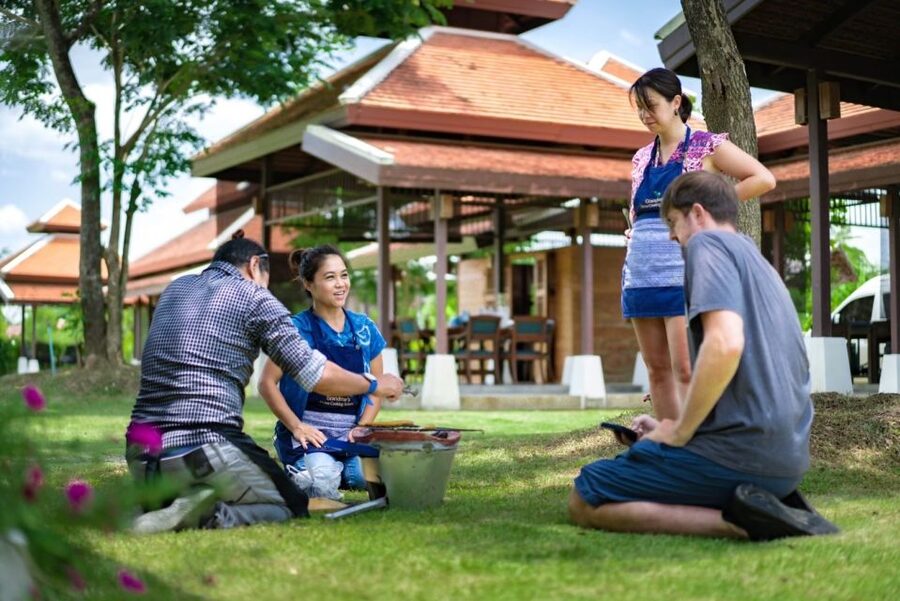
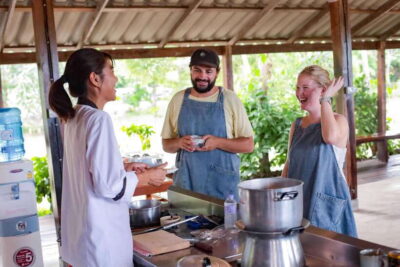
This cooking class feels less like a “group activity” and more like you’re spending the day inside a working food routine. The property is big, but the experience is organized so you’re not constantly bumping into other groups. That matters because cooking is hands-on, and you want space to focus.
What really makes it work is the way skills are taught in sequence. First you learn ingredients and herb logic, then you move into cooking technique. By the time you’re working with a charcoal grill or grating coconut, the day already makes sense.
The tone also seems to land well. In feedback, the guide Best is described as humorous, open, and helpful, and that fits the kind of teaching you need for practical steps like grilling, prepping, and making dough.
Pickup, snacks, and the 6-hour game plan
The class runs about 6 hours, and the day begins with pickup from your hotel. The pick-up window is typically around 8:30 to 9:00am, so I’d plan to be ready in the lobby right on time.
When you arrive, you’ll get welcome snacks and a drink to settle in before the market and farm portion. That’s not just hospitality. It also keeps your energy steady so you can cook without feeling drained halfway through.
Here’s the rhythm you can expect:
- Market learning first, so you know what you’re buying and why
- Organic farm time, then ingredient prep
- Cooking stations and shared guidance from English-speaking instructors
- Lunch break, then a dessert session to finish the meal arc
If you prefer a slow start, just know the morning schedule is part of the structure. It’s a full, practical day, not an evening class.
Market walk: the seasonings that shape Lanna cooking
The market stop is the part that makes this class feel smarter than a basic cooking workshop. You’re not just shown ingredients—you learn about what Northern Thai flavors are built on and how seasoning works in real dishes.
You’ll get a guided look at ingredients and seasonings used in Northern Thai cooking. This is useful even if you’re not trying to cook everything at home. You’ll come away with a better sense of what makes dishes taste Lanna, like the balance between chili, herbs, and the savory side of the flavor spectrum.
I also like that the market stop isn’t separate from cooking. It’s directly tied to the dishes you make later. When you start mixing paste, building dips, or preparing curries, the ingredients you saw earlier stop being random.
Practical tip: wear comfortable shoes. You’ll be walking and looking, and you’ll likely stand while the instructor explains.
Nothing jumping out yet? More Chiang Mai trips are just down the page
Farm and chicken coop: herbs, eggs, and ingredient prep
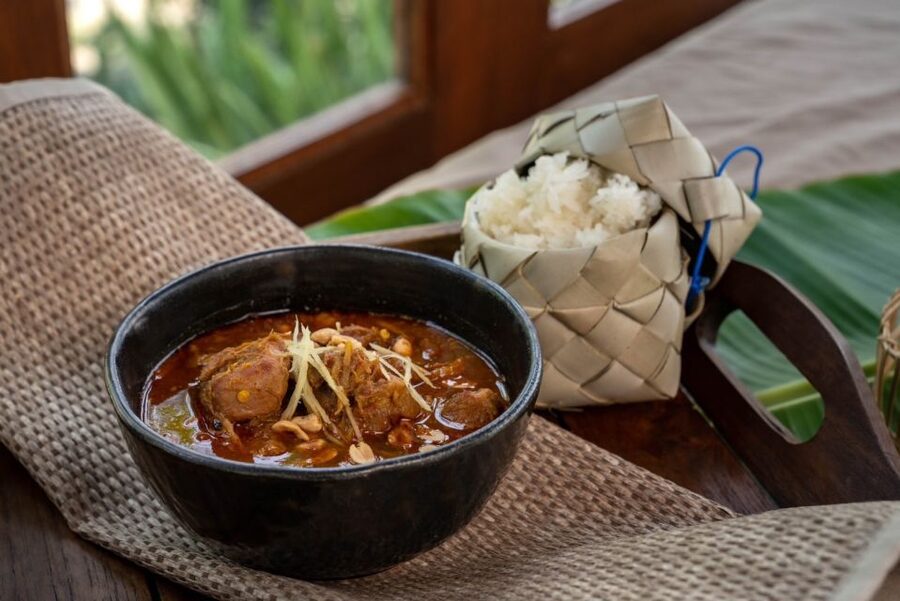
After the market, the experience shifts from buying ingredients to seeing where they come from. You’ll tour an organic farm where instructors introduce Thai herbs and vegetables, and you’ll pick items for your cooking.
This stage matters because Northern Thai cooking leans heavily on herbs and fresh aromatics. When you can match an herb in your hand to what it does in a dish, you’ll cook with more confidence later.
The program also includes a visit to the chicken coop to collect eggs. That’s a small step, but it helps connect the dots between farm and plate. You don’t have to be a “food nerd” for it to land. It just makes the day feel grounded.
From a logistics standpoint, farm time can mean uneven ground and a bit of heat. Sunglasses are listed as a good idea, and I’d agree. The market and farm portions are where you’ll notice the weather most.
Charcoal grill to coconut pancakes: the hands-on skills
This is where the class earns its reputation. You’ll do the work, repeatedly, and not just for one dish.
The standout techniques you can look forward to include:
- Learning to light a charcoal grill
- Washing vegetables before you cook with them
- Mill flour using a traditional millstone
- Grating coconut meat using a coconut grater
- Making Thai coconut pancakes in a traditional way
These aren’t “show and tell” skills. They’re practical methods that change how the food comes out. For example, grilling technique affects texture and aroma. Milling and grating affect consistency and moisture. Even dough-based cooking becomes easier when you understand how ingredients are prepared.
In feedback, people also praised the clean environment and the organized stations. That’s important because hand-grinding and grating are messy if a space isn’t set up well. Here, the cleanliness was called out, including very clean toilets.
If you like learning tactile skills, this is the best reason to book. If you only want a quick tasting, the hands-on focus may feel like work. But if you’re here to cook, it’s a win.
Dishes you’ll cook (and why each one matters)
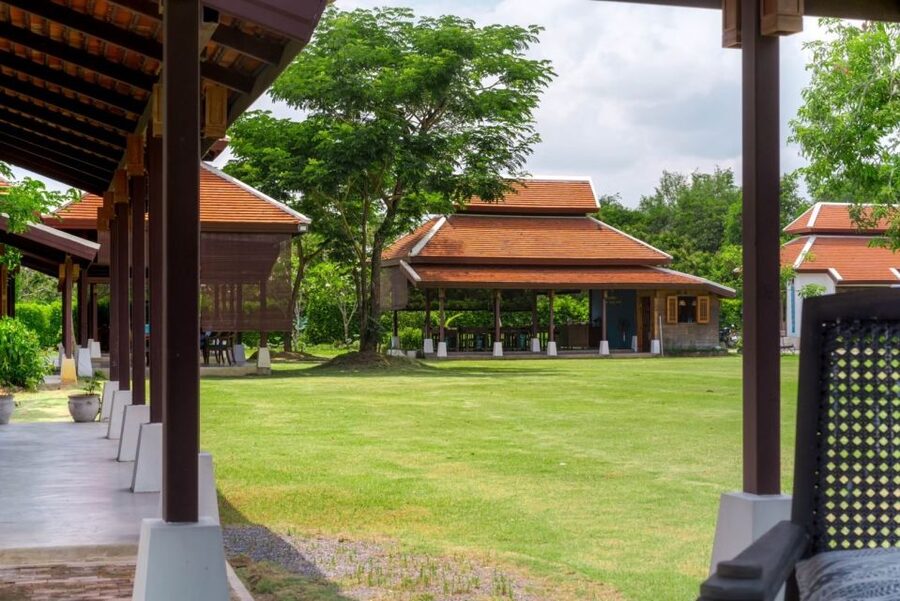
The class covers classic Northern Thai dishes, with a focus on Lanna flavors and methods. The exact lineup can be described in slightly different ways, but the core items are clear and consistent.
Here are the dishes the experience highlights for you to cook:
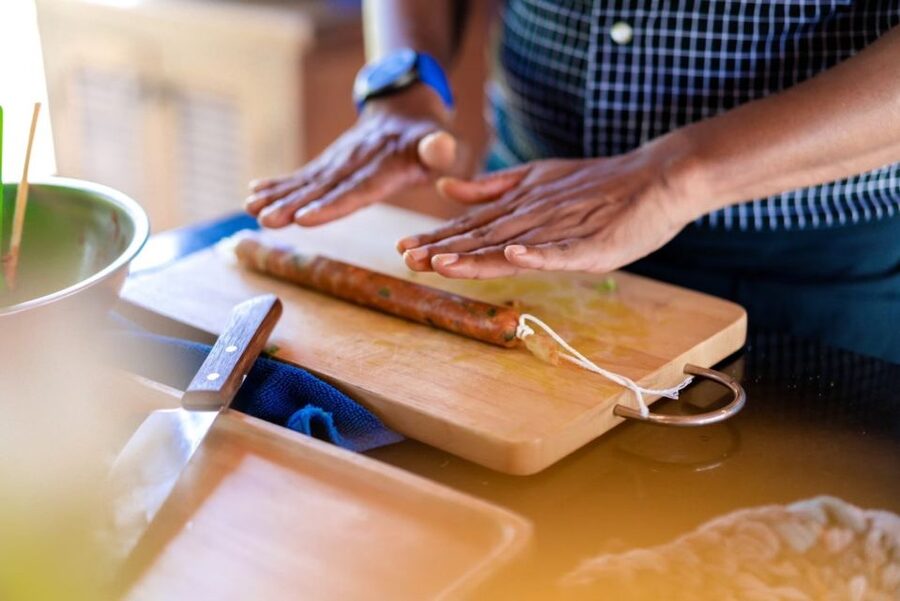
- Northern Thai Sausage
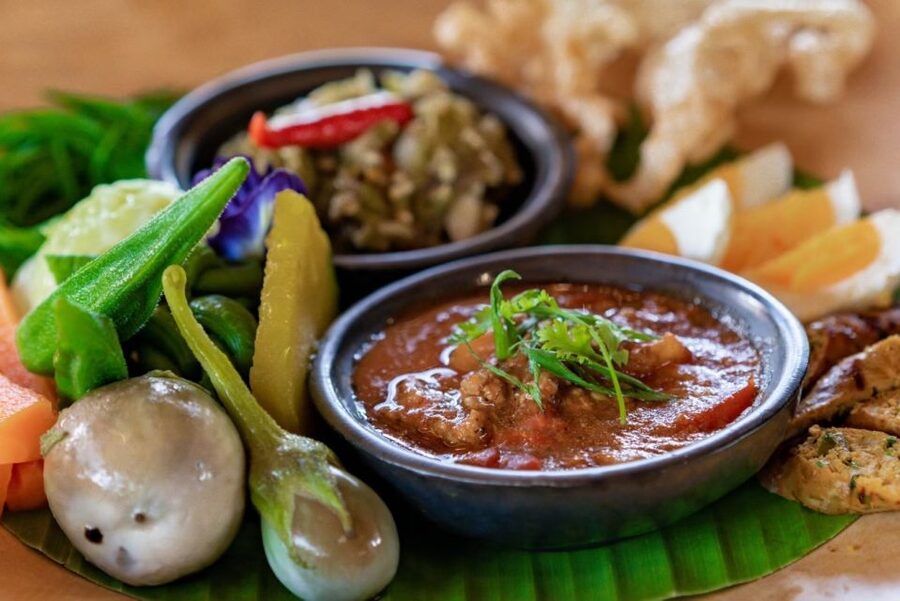
- Nam Prik Ong (spicy Northern Thai pork and tomato) or Nam Prik Num (Northern Thai green chili dip)
- Northern Pork Belly Curry (Hang Lay Curry)
- Curry Young Jackfruit (Kraeng Khanun-on)
- Stuffed Dough Pyramid (Ka Nhom Tian or Kanomjok)
And the class description also points to additional traditional items you may work on, like Thai coconut pancakes. So even if the schedule you get feels a bit different in what’s prioritized, you can expect you’ll be actively involved in multiple Lanna-style dishes and at least one traditional coconut preparation.
Why this set of dishes is a good value:
- You cover dips and spicy paste flavors (nam prik), which are transferable to home cooking.
- You get curry practice (pork belly curry, jackfruit curry), including how herbs and aromatics build depth.
- You do a dough-based item (kanomjok), which teaches texture control.
- You learn coconut technique (coconut grating and pancakes), which shows up in many Thai sweets and snacks.
You’ll prepare dishes with the help of English-speaking instructors. And you’re cooking your own portion, not just sharing a group pot. That keeps the experience personal, and it’s part of why people describe the setup as “clean” and organized.
Dessert break, lunch, and what you can take home
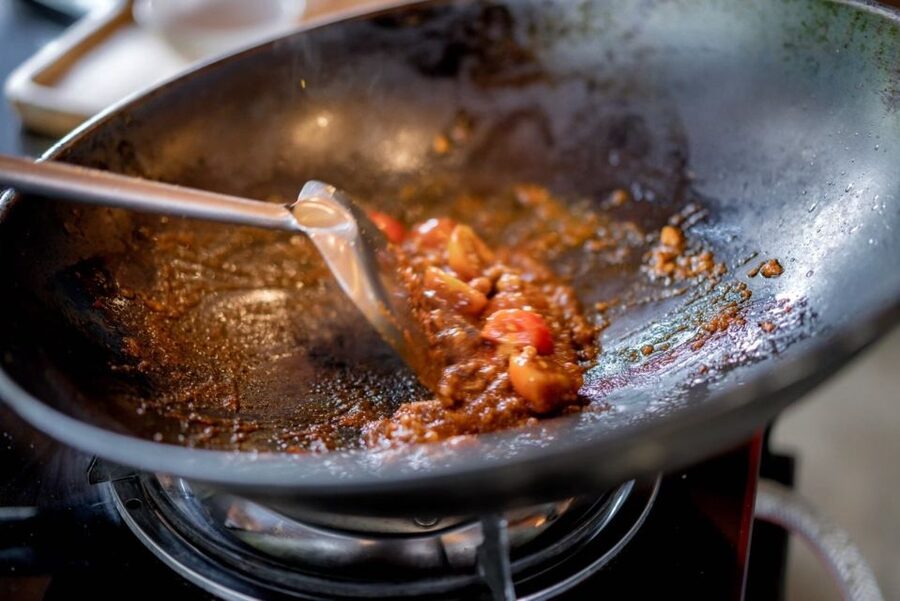
Food day equals food breaks, and this one builds them in. You’ll have a lunch break where you taste what you cooked. That matters because cooking classes sometimes rush the tasting so you don’t learn from the final product.
Then you’ll get a dessert and refreshment session with traditional Thai desserts. It’s a proper finish, not a token cookie at the end. In other words, you leave with the savory side, then you see the sweet side of Northern Thai eating.
One more practical detail I appreciate: leftover food can be taken home. Feedback notes that leftover portions you can’t finish are packed to go, with disposable containers provided. That’s a small thing until you’re standing with food you actually worked hard to make.
If you’re worried about portion size, or you’re just trying to avoid food waste, take-home packing is a relief. Bring your appetite, but also bring a realistic plan for lunch and dessert.
Price, group size, and whether $48 is a bargain
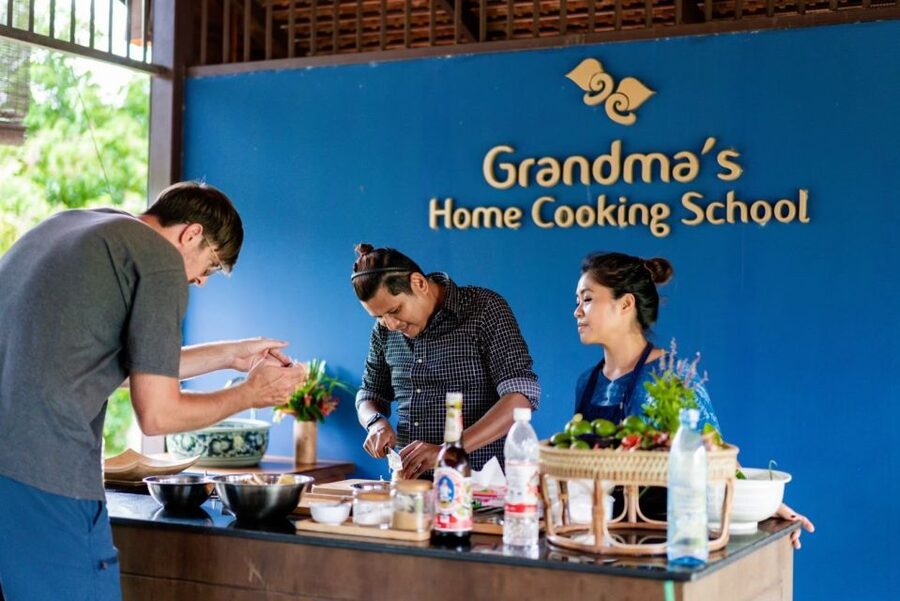
At $48 per person for about 6 hours, you’re paying for more than recipes. You’re paying for:
- market and farm instruction,
- multiple dishes taught hands-on,
- English-speaking guidance,
- lunch and dessert,
- and round-trip transfers from your hotel.
That bundle matters in Chiang Mai, where cooking classes can vary wildly in what you actually do. Here, the day includes grinding flour with a traditional millstone and grating coconut meat by hand. Those are time-consuming, instructor-intensive steps, and they’re hard to fake if a class is just “watch and taste.”
Group size also seems to be a strong part of the value. Feedback describes groups like eight people and even five people, with people feeling tucked away rather than mixed into a big crowd. If you’ve ever taken a cooking class where you’re waiting for a turn, you’ll understand why that’s important.
So is it a bargain? For a real farm-to-table style day with multiple techniques, I’d say it’s fair. If you’re comparing against cheaper classes, check what those classes include. A low price can mean fewer dishes, fewer tastings, or no market/farm portion.
Who should book this Northern Thai cooking class
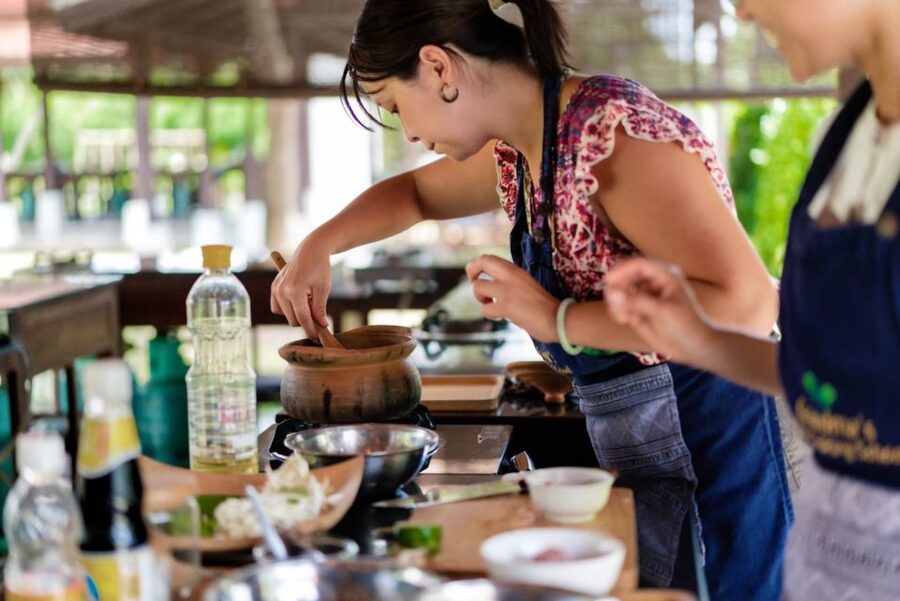
This class is ideal if you:
- want hands-on skills, not just a meal,
- enjoy learning ingredient logic (market and farm walk),
- like traditional tools and cooking methods, like charcoal grilling and coconut work,
- and want English instruction with a structured flow.
It also fits travelers who want a calm, organized day. Clean facilities and an organized setup were specifically mentioned, and that’s not trivial when you’re spending hours cooking outdoors.
If you have a very tight schedule, remember it’s about 6 hours and starts around 8:30 to 9:00am. You’ll want the rest of the day free for recovery or exploring.
Kids can join as observers, including age range 0 to 10, and the class says it can accommodate special dietary requirements. If you’re traveling with family, this is one of the more practical ways to involve kids without forcing them to cook everything.
Should you book this tour or skip it?
Book it if you want a full Northern Thai cooking day where you learn techniques you can repeat later: dips, curries, dough-based snacks, and coconut pancakes. I especially recommend it if you care about the process—market-to-farm-to-kitchen flow with hands-on guidance.
Skip it only if you want a purely relaxed food tasting with minimal work. This class is active. You’ll be moving, prepping, and cooking.
If you’re aiming to leave with more than photos—skills, seasoning knowledge, and dishes you understand—this is a strong choice.
FAQ
How long is the Chiang Mai Northern Thai cooking class at Grandma’s?
It lasts about 6 hours.
What’s included in the cooking class?
You’ll learn to cook five traditional dishes, visit a local market, tour an organic farm, receive hands-on instruction from English-speaking instructors, enjoy snacks and refreshments, have lunch, and taste traditional Thai desserts. Round-trip transfers and an e-recipe book are also included.
Do I get picked up from my hotel?
Yes. Round-trip transfers to and from your hotel are included, with pick-up typically around 8:30am to 9:00am.
What dishes will I learn to cook?
The class highlights Northern Thai sausage, Nam Prik Ong or Nam Prik Num, Northern Pork Belly Curry (Hang Lay Curry), curry young jackfruit (Kraeng Khanun-on), and stuffed dough pyramid (Ka Nhom Tian or Kanomjok). Thai coconut pancakes are also part of the class description.
Is the class taught in English?
Yes. The instruction language is English.
Can the class accommodate special dietary requirements?
Yes, the activity states it can accommodate special dietary requirements.
What should I bring?
Bring comfortable shoes and sunglasses.
Is there free cancellation?
Yes. You can cancel up to 24 hours in advance for a full refund.
More Cooking Classes in Chiang Mai
- Half-Day Thai Cooking Class at Organic Farm in Chiang Mai★ 5.0 · 19,087 reviews
- Chiang Mai: Cooking Class, Market & Thai Herbs Garden Tour★ 4.9 · 4,824 reviews
- Chiang Mai: Authentic Cooking Class with Market & Farm Visit★ 4.9 · 4,546 reviews
- Thai and Akha Cooking Class in Chiang Mai★ 5.0 · 4,358 reviews
- Chiang Mai: Cooking Class with Market and Pickup★ 4.9 · 1,365 reviews
More Tour Reviews in Chiang Mai
- Half-Day Thai Cooking Class at Organic Farm in Chiang Mai★ 5.0 · 19,087 reviews
- Chiang Mai: Elephant Sanctuary, Waterfall & Bamboo Rafting★ 4.9 · 9,160 reviews
- Chiang Mai: Doi Inthanon National Park Eco-Friendly Tour★ 4.6 · 6,667 reviews
- Chiang Mai: Elephant Sanctuary & Waterfall Group Tour★ 4.9 · 5,780 reviews
- Chiang Mai: Chiang Rai Temples, Karen Tribe and Hot Springs★ 4.7 · 5,401 reviews
More Chiang Mai Cooking Classes
- Half-Day Thai Cooking Class at Organic Farm in Chiang Mai★ 5.0 · 19,087 reviews
- Chiang Mai: Cooking Class, Market & Thai Herbs Garden Tour★ 4.9 · 4,824 reviews
- Chiang Mai: Authentic Cooking Class with Market & Farm Visit★ 4.9 · 4,546 reviews
- Thai and Akha Cooking Class in Chiang Mai★ 5.0 · 4,358 reviews
- Chiang Mai: Cooking Class with Market and Pickup★ 4.9 · 1,365 reviews
Fresh off the pile: Chiang Mai tours we have just written up

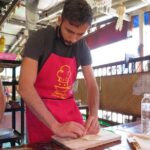
Chiang Mai Cooking Classes, compared.
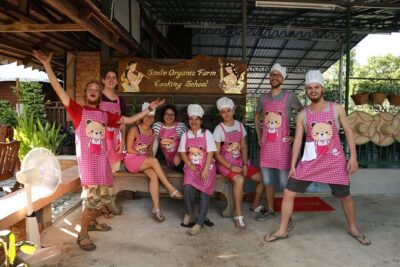 ★ 5.0Half-Day Thai Cooking Class at Organic Farm in Chiang MaiFrom $2919,087 reviews
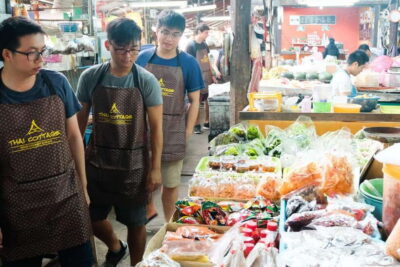 ★ 4.9Cooking Class, Market & Thai Herbs Garden TourFrom $314,824 reviews
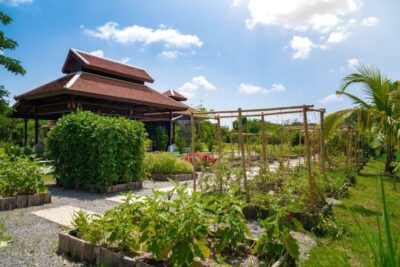 ★ 4.9Authentic Cooking Class with Market & Farm VisitFrom $344,546 reviews
 ★ 5.0Thai and Akha Cooking Class in Chiang MaiFrom $424,358 reviews
 ★ 4.9Cooking Class with Market and PickupFrom $251,365 reviews
 ★ 4.9Cooking Class with Organic Farm at Mama NoiFrom $321,151 reviews
 ★ 5.0Full Day Thai Cooking at Farm (Chiang Mai)From $391,127 reviews
 ★ 4.9HALF-DAY COOKING COURSE at a Thai Cooking FarmFrom $28705 reviews
Browse the lists this tour appears in