

Reviewed · ETHICAL ELEPHANT SANCTUARIES
Chiang Mai | TeeTee Elephant Home Elephant Care Half-Day
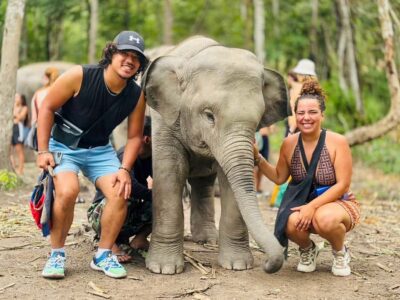
Elephants teach fast. TeeTee Elephant Home is a short, hands-on Chiang Mai elephant care visit that focuses on a few elephants and their personalities, not a production line. You’ll spend time with the cute-but-tricky baby Nam Chok, then move on to the bigger elephants that are always ready for the next snack.
I love the practical, up-close contact that stays grounded in routine: feeding fruit and making vitamin balls, walking with the elephants, and even helping with a shower. The vegetarian Pad Thai lunch is served while you’re at the home, so the experience doesn’t feel like a rushed stop-and-go.
One thing to consider: it’s a half-day format, so your active elephant time is limited compared with the full-day version (the full-day adds hiking, cleaning the live area, and Thai cooking). Expect some road time too, since the home is in the Kuet Chang district.
In This Review
- Key points worth knowing before you go
- TeeTee Elephant Home and the Kuet Chang setting
- The half-day timing: 150 minutes plus real travel time
- First moments: the caretakers, the rules, and how it all starts
- Nam Chok the baby elephant: cute, tricky, and worth your full attention
- Phu Pha and San Dee: two growing elephants that love to eat
- Mo Jo Ko and Lam Yai: the “Old Ma” moment you might remember most
- Walking and shower time: hands-on care, not a gimmick
- Lunch break: vegetarian Pad Thai on-site while the day keeps going
- Price and value: what $57 buys you in a short window
- Who should book the half-day, and who should skip it
- Should you book TeeTee Elephant Home half-day?
- FAQ
- FAQ
- How long is the Chiang Mai TeeTee Elephant Home half-day experience?
- Where is pickup and drop-off included?
- How long does it take to get to the elephant home area?
- What elephant activities are included in the half-day booking?
- Is lunch included, and what is it?
- What outfit and supplies are provided?
- Do I need to speak Thai to join?
- Is there insurance included?
- What is the cancellation policy?
Key points worth knowing before you go
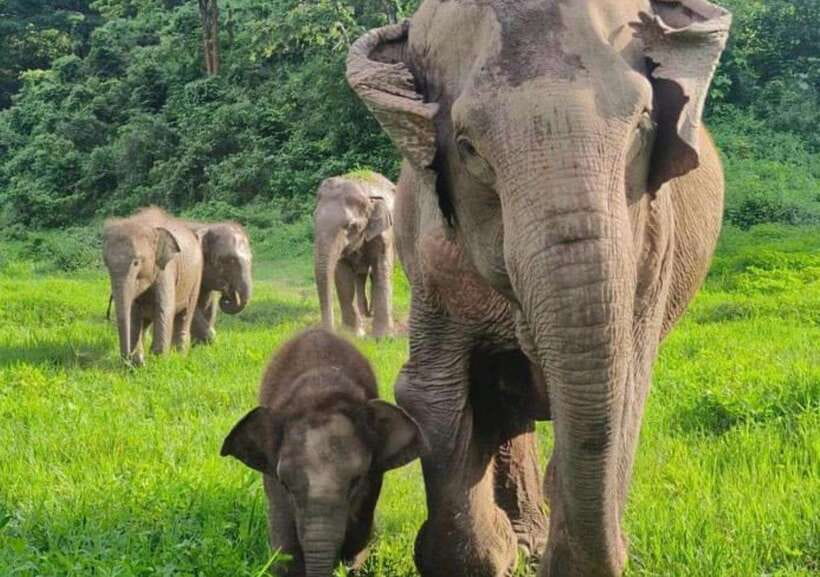
- A small, personality-focused setup with just a few elephants, so you get to notice how each one behaves
- You meet several elephants by name, including Nam Chok, Phu Pha, San Dee, Mo Jo Ko, and Lam Yai
- You do more than just watch: fruit feeding, vitamin ball prep, walking, and helping with a shower
- Lunch is part of the day with a vegetarian Pad Thai meal served on-site
- Guides work in English/Chinese, and one guide named Ping has been noted for a warm, careful approach
- The home emphasizes daily care routines, and elephants are described as healthy with daily release in the morning
More ethical elephant sanctuaries around Chiang Mai, side by side
- Chiang Mai: Elephant Sanctuary, Waterfall & Bamboo Rafting
★ 4.9 · 9,160 reviews - Chiang Mai: Elephant Sanctuary & Waterfall Group Tour
★ 4.9 · 5,780 reviews - Chiang Mai: Elephant Sanctuary Feeding Program Half-Day Tour
★ 4.8 · 4,527 reviews - Chiang Mai: Elephant Sanctuary, Long Neck & Sticky Waterfall
★ 4.9 · 2,262 reviews
TeeTee Elephant Home and the Kuet Chang setting
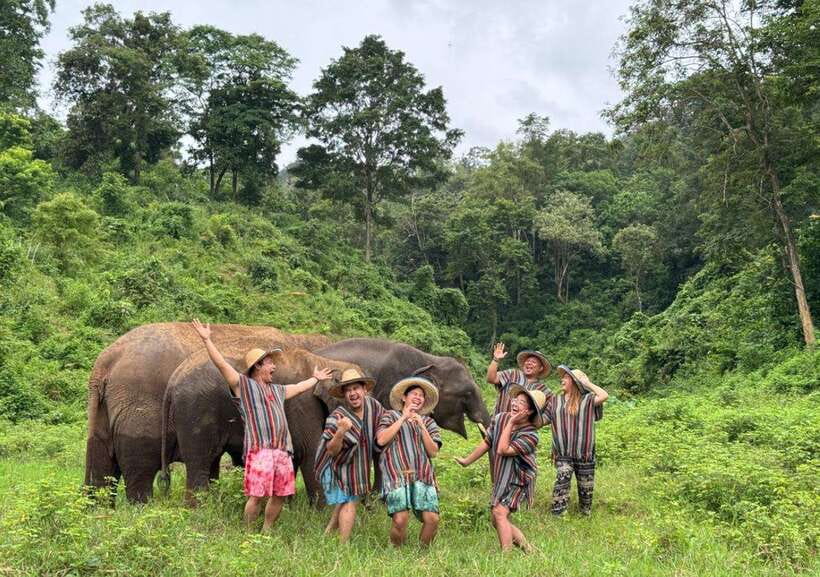
This is not an airport-style attraction where you check a box and disappear. TeeTee Elephant Home sits out in the Kuet Chang district area, and the feel is more like a working care site than a theme park. The setting matters because elephants don’t thrive on noise and crowd energy. Here, you get a calmer rhythm, with time for you to actually see what they do when they’re not performing.
What you’ll likely notice first is the way the day flows around the elephants. The caretakers plan meals and routines, and you’re folded into that—not the other way around. In a place like this, the difference is huge. When the schedule is elephant-first, your experience tends to be more respectful and more relaxed for everyone.
You’ll also go dressed for the practical side of the day. You should expect an outfit (local shirt, hat, flip-flop), plus a towel and drinking water. That’s not just a souvenir move; it keeps things simple when you’re getting close, and it helps you avoid showing up in shoes that hate mud or water.
The half-day timing: 150 minutes plus real travel time
The half-day booking runs about 150 minutes, but you’ll want to think about the day as two pieces: the drive and the care activities. Pickup is from central Chiang Mai, and the home is about 1.30 hours from Chiang Mai city area to Kuet Chang district. That means your elephant time is precious, and you’ll want to be ready to start on time.
The good news is that the half-day keeps you focused. You won’t spend the whole trip hiking or cleaning the grounds. Instead, you’ll do a tight sequence that includes feeding, vitamin ball making, walking, and showering, plus lunch.
If you like your experiences clear and action-packed, this format hits the sweet spot. If you want a long, multi-hour day with more physical activity and deeper hands-on tasks, you’ll probably enjoy the full-day option more, since it includes hiking, cleaning the live area, and Thai menu cooking like Pad Thai.
First moments: the caretakers, the rules, and how it all starts
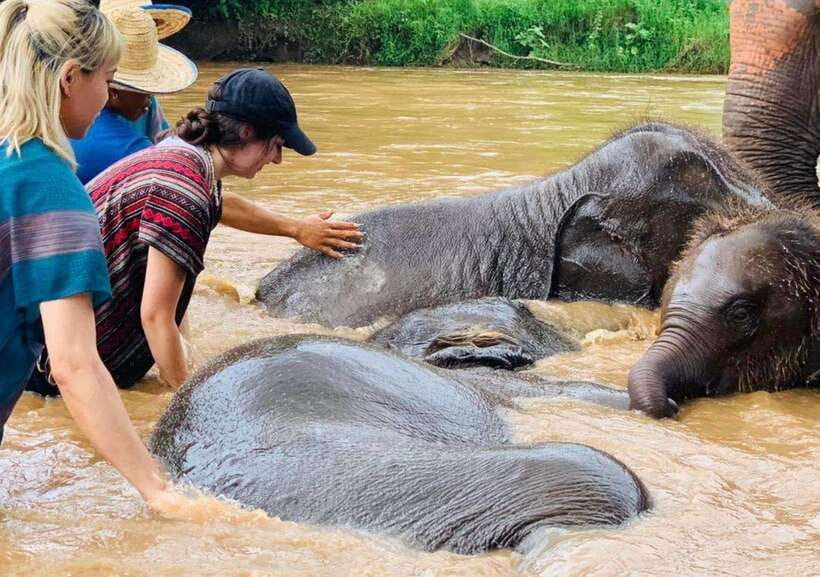
I always watch how a place sets expectations. TeeTee Elephant Home starts with you being brought in and outfitted, then the caretaking team guides you into the “how” of elephant contact. That matters because elephants aren’t toys, and the safest experiences feel structured.
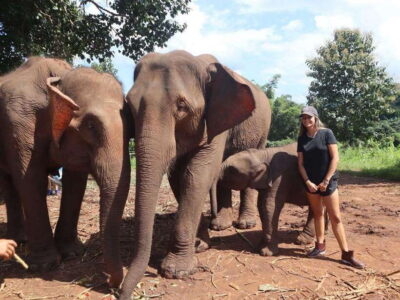
You’ll also learn that every elephant has its own mood. The baby elephant Nam Chok is described as especially cute and also tricky, which is a real heads-up. In a good elephant-care setup, “tricky” usually means they move quickly, reach for things, or test boundaries a bit more than the adults. The best thing you can do is stay calm, follow instructions, and keep your movements small and predictable.
On a half-day visit, you don’t have time to become an expert. Instead, you’ll rely on the guide and caretakers to manage the pace. If you’re the type who likes to ask questions, do it early. Once you’re already in the action, it’s harder to step back and re-orient.
Nothing jumping out yet? More Chiang Mai trips are just down the page
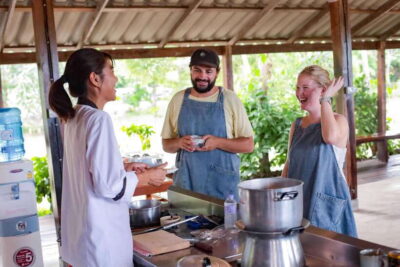
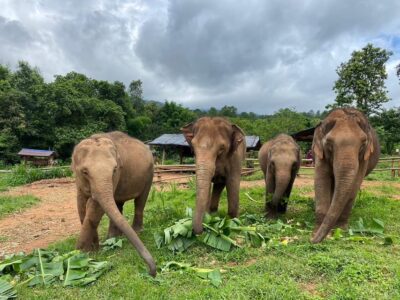
Nam Chok the baby elephant: cute, tricky, and worth your full attention

Nam Chok is one of the headline personalities here, a baby elephant that you’ll get to engage with more directly. Baby elephants tend to be curious and fast. You might notice them respond to voices, to movement, and to the food you offer. This is where your “I’m just here to watch” mindset won’t work. You’ll want to be present.
The experience includes feeding fruit and making vitamin balls. In practical terms, that means you’ll spend time preparing and offering food the way the caretakers want you to, not just tossing it randomly. That’s important for two reasons: it keeps the feeding routine controlled, and it helps you avoid accidental chaos around the elephant.
Vitamin balls also make the experience more than a photo moment. They’re part of how elephants get nutrition through daily care. When you help make them, you’re doing a small real-life task instead of only interacting for a minute.
If you’re worried about being clumsy, don’t. The day is designed for visitors, and the caretakers guide you through the motions. Still, come ready to follow directions, not freestyle.
Phu Pha and San Dee: two growing elephants that love to eat
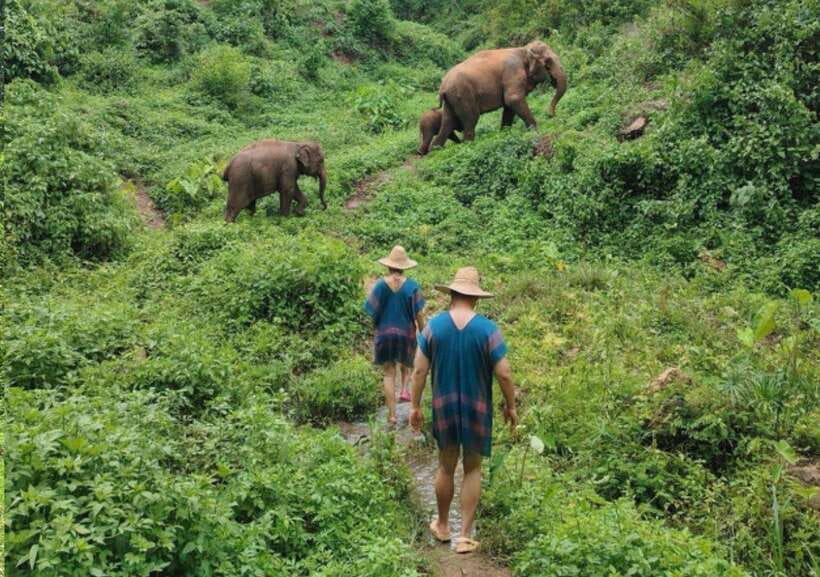
The growing elephants—Phu Pha and San Dee—bring a different energy. Babies are curious. Growing elephants can be… hungry, in a way that’s very obvious. The highlights mention they eat a lot every time, and that lines up with the vibe you should expect when larger elephants get their feeding time.
This is one of the best learning moments of the day. You start to understand that food is not a trick for humans. It’s a central part of their health routine. Watching how they eat and how the caretakers manage the feeding area helps you see the purpose behind the interaction.
You’ll likely repeat the pattern: offer food, watch their behavior, and keep your posture and distance in line with what’s being taught. If you’ve never been close to animals of this size, keep your expectations simple. Your job is to be steady and attentive.
Mo Jo Ko and Lam Yai: the “Old Ma” moment you might remember most
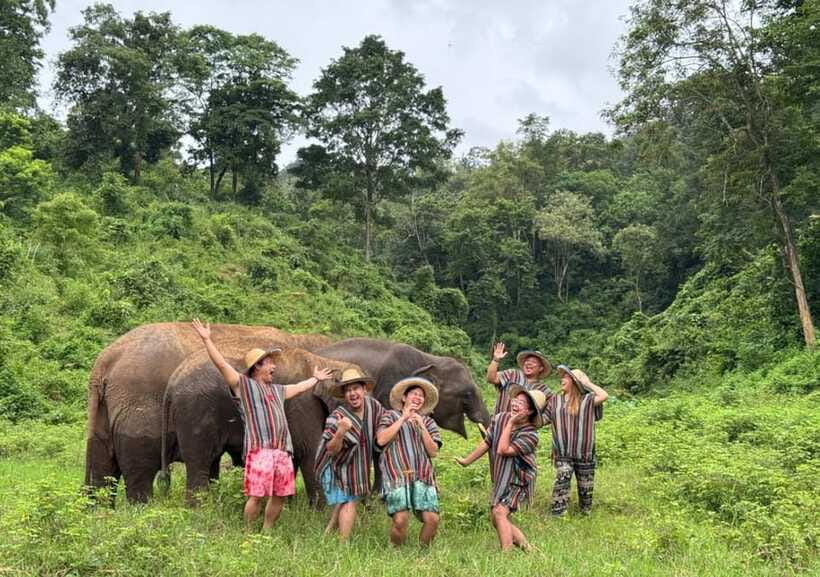
The older mothers and calmer personalities change the tone. The experience highlights include “Old Ma” elephants like Mo Jo Ko and Lam Yai, warm-hearted mother types that can slow everything down.
This is often where people stop thinking about the novelty and start noticing the daily care side. With older elephants, you might see less frantic movement and more intentional responses—coming close, taking their time, and settling into contact when it feels right.
I like this part because it balances the day. The baby and growing elephants bring excitement. The mother elephants bring perspective. You get a fuller sense of elephant life, not just the part that is easiest to film.
Walking and shower time: hands-on care, not a gimmick

A big part of the half-day is walking with the elephant and helping with the shower. These activities are not just entertainment for you; they’re connected to care and comfort. Walking helps manage routine and movement, and shower time supports hygiene.
Practical tip: listen carefully about where you stand and how you approach. A shower setup means water, slippery surfaces, and sudden splashes. Even if you feel comfortable, move with care. Your flip-flops are there for a reason, but you still need a stable stance.
Also, keep an eye on your guide and the caretakers. When elephants shift position, you want to shift with the plan, not with your instincts. This is one of those times where staying calm and patient makes the experience better for you and safer for everyone.
Lunch break: vegetarian Pad Thai on-site while the day keeps going
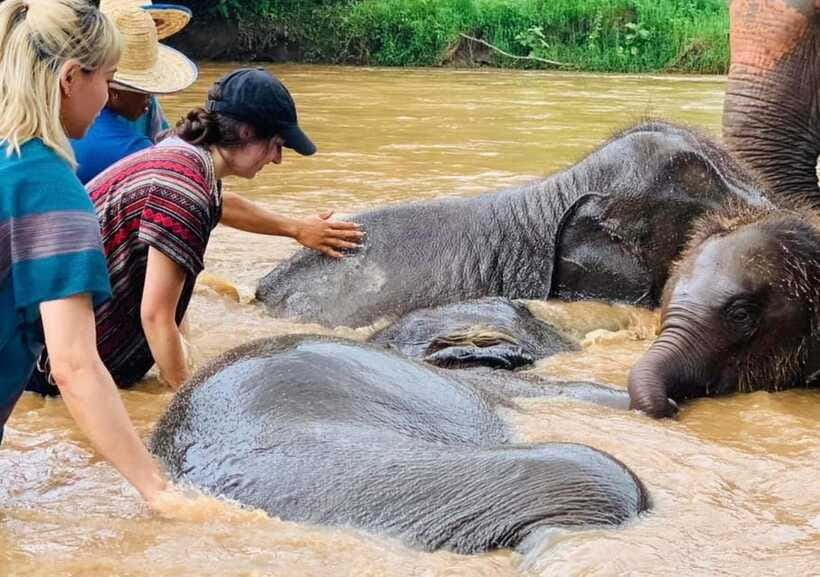
Your lunch is vegetarian and includes Pad Thai. What makes it feel like more than just a meal is the on-site timing. You’re eating as part of the care environment rather than being whisked off to a separate restaurant and waiting.
The lunch is also described as generous in at least one account, served by the guide. That’s a nice touch because it means you’re not starving while you’re waiting to get back to elephants.
If you’re sensitive to Thai spice, ask for your preferred level through the guide. The meal is meant to be simple and visitor-friendly, but Pad Thai can still vary in heat. I’d rather you check than spend the meal sweating.
Price and value: what $57 buys you in a short window
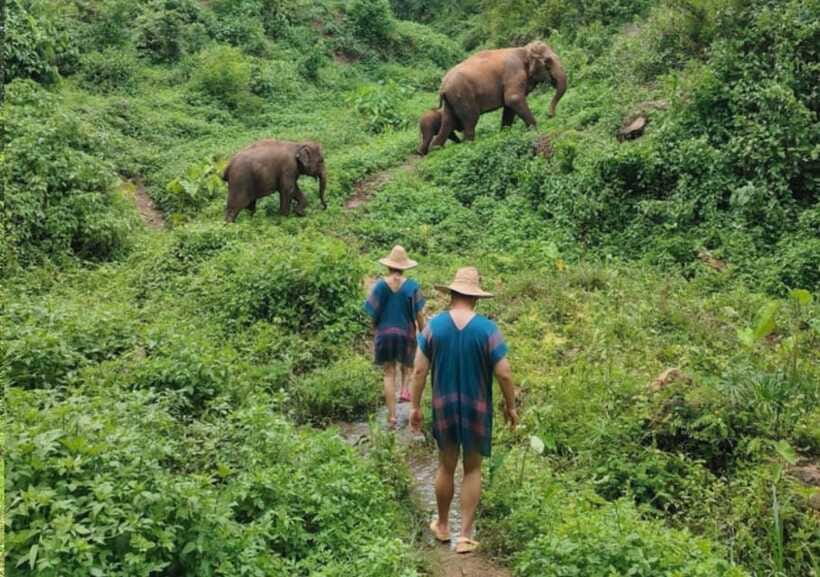
At around $57 per person, the value depends on what you’re comparing it to. If you compare this to do-nothing sightseeing in Chiang Mai, it’s clearly more active and more personal. If you compare it to a full-day elephant program that includes more hands-on tasks like hiking and deeper area cleaning, the half-day costs less because it delivers fewer hours.
Here’s what you do get for the price:
- Hotel pickup and drop-off
- Elephant food
- Outfit (local shirt, hat, flip-flops) and a towel
- Vegetarian Pad Thai and drinking water
- Insurance coverage
- An English/Chinese tour guide
That bundle matters. Transportation and insurance add real cost if you booked them separately. The outfit and towel are also practical, not just decorative.
My rule: if you want a short, guided, hands-on experience without committing a full day, this price starts to make sense. If you want heavy-duty volunteering-style tasks, you’ll likely prefer the full-day option.
Who should book the half-day, and who should skip it
This half-day is a strong match for you if:
- you want close contact (feeding, making vitamin balls, walking, showering) without a super long day
- you like smaller, more personal interactions with elephants
- you enjoy practical guide support in English or Chinese
- you’re happy with a vegetarian lunch included on-site
You might reconsider if:
- you want long hiking and extra cleaning tasks (those are part of the full-day format)
- you dislike early pickup or prefer spending less time on the road
- you want a purely observational, very quiet experience with no hands-on part
Also, if Nam Chok’s “cute and tricky” reputation sounds like it could stress you out, keep in mind that a well-run team will manage the pace. The goal isn’t to overwhelm you. The goal is to teach safe, gentle handling.
Should you book TeeTee Elephant Home half-day?
Yes, if you want a compact, well-guided Chiang Mai elephant-care experience with real tasks and a short time commitment. I’d book it if you like the idea of meeting multiple elephants by personality—baby Nam Chok, growing Phu Pha and San Dee, and the calmer “Old Ma” types like Mo Jo Ko and Lam Yai—and if you’re happy that the day includes practical care moments like feeding, vitamin balls, walking, and shower time.
If you’re choosing between half-day and full-day, make the call based on energy. Half-day is for visitors who want a taste with hands-on contact. Full-day is for people who want more time, more work, and more Thai cooking practice.
FAQ
FAQ
How long is the Chiang Mai TeeTee Elephant Home half-day experience?
The half-day experience is listed as 150 minutes.
Where is pickup and drop-off included?
Pickup and drop-off are included, with pickup from Chiang Mai.
How long does it take to get to the elephant home area?
The trip from Chiang Mai city area to the Kuet Chang district is about 1.30 hours.
What elephant activities are included in the half-day booking?
You’ll feed the elephants with fruit, make vitamin balls, walk with the elephants, and help with showering for the elephants.
Is lunch included, and what is it?
Yes. Lunch is included and is a vegetarian Thai menu, including Pad Thai.
What outfit and supplies are provided?
You receive an outfit consisting of a local shirt, hat, and flip-flops, plus a towel and drinking water.
Do I need to speak Thai to join?
No. The tour guide is available in English and Chinese.
Is there insurance included?
Yes, insurance is included.
What is the cancellation policy?
You can cancel up to 24 hours in advance for a full refund.
More Half-Day in Chiang Mai
- Half-Day Thai Cooking Class at Organic Farm in Chiang Mai★ 5.0 · 19,087 reviews
- Chiang Mai: Elephant Sanctuary Feeding Program Half-Day Tour★ 4.8 · 4,527 reviews
- Chiang Mai: HALF-DAY COOKING COURSE at a Thai Cooking Farm★ 4.9 · 705 reviews
- Half-Day Elephant Experience at Rantong★ 5.0 · 625 reviews
- Chiang Mai: Elephant Dream Project Sanctuary – Half-Day★ 4.9 · 552 reviews
More Tour Reviews in Chiang Mai
- Half-Day Thai Cooking Class at Organic Farm in Chiang Mai★ 5.0 · 19,087 reviews
- Chiang Mai: Elephant Sanctuary, Waterfall & Bamboo Rafting★ 4.9 · 9,160 reviews
- Chiang Mai: Doi Inthanon National Park Eco-Friendly Tour★ 4.6 · 6,667 reviews
- Chiang Mai: Elephant Sanctuary & Waterfall Group Tour★ 4.9 · 5,780 reviews
- Chiang Mai: Chiang Rai Temples, Karen Tribe and Hot Springs★ 4.7 · 5,401 reviews
More Elephant Sanctuaries Near Chiang Mai
- Chiang Mai: Elephant Sanctuary, Waterfall & Bamboo Rafting★ 4.9 · 9,160 reviews
- Chiang Mai: Elephant Sanctuary & Waterfall Group Tour★ 4.9 · 5,780 reviews
- Chiang Mai: Elephant Sanctuary Feeding Program Half-Day Tour★ 4.8 · 4,527 reviews
- Chiang Mai: Elephant Sanctuary, Long Neck & Sticky Waterfall★ 4.9 · 2,262 reviews
- From Chiang Mai: Elephant Care Program and Nursery Tour★ 4.8 · 1,899 reviews
Fresh off the pile: Chiang Mai tours we have just written up



Ethical Elephant Sanctuaries, compared.
 ★ 4.9Elephant Sanctuary, Waterfall & Bamboo RaftingFrom $609,160 reviews
 ★ 4.9Elephant Sanctuary & Waterfall Group TourFrom $505,780 reviews
 ★ 4.8Elephant Sanctuary Feeding Program Half-Day TourFrom $274,527 reviews
 ★ 4.9Elephant Sanctuary, Long Neck & Sticky WaterfallFrom $632,262 reviews
 ★ 4.8Elephant Care Program and Nursery TourFrom $531,899 reviews
 ★ 4.9Small Group Ethical Elephant Sanctuary TourFrom $771,572 reviews
 ★ 5.0Half Day Visit Smile Elephant Chiang MaiFrom $501,216 reviews
 ★ 4.9Doi Inthanon and Elephant Sanctuary TourFrom $811,091 reviews
Browse the lists this tour appears in