
Reviewed · CITY TOURS
Chiang Mai: Temple & City Tour Part II
Four temples, one satisfying walking story. I love how this tour spotlights Wat Chiang Man (the city’s oldest temple) and the Shan/Burmese threads that shape Chiang Mai’s culture, not just its landmarks. You’ll walk through layers of history you’d miss if you only stuck to the big, obvious sites.
What I like most is the guide-led pace: you get time to understand what you’re seeing, and you’re not left staring at stone with no context. One thing to plan for: it’s a walking tour, and Chiang Mai heat can be real, so you’ll want umbrella cover and plenty of water.
In This Review
- Key Points You Should Know Before You Go
- What Makes Part II Worth Your Time (Even If You Did Part I)
- The 08:20 Morning Walk: How the Day Flows
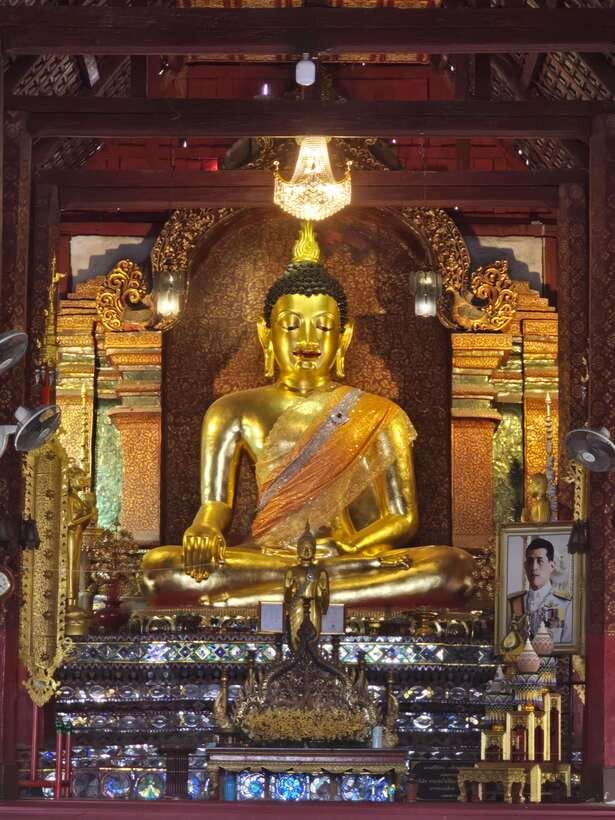
- Wat Chiang Man: Chiang Mai’s Oldest Temple and the Crystal Buddha
- Wat Chiang Yuen and the Shan Residential Story
- Wat Pa Pao: Shan Burmese Style Outside the Old Walls
- Wat Ku Tao: The Unusual Chedi Linked to Prince Saravadi
- What Your Guide Adds: Monk Insights, Etiquette, and Better Photos
- Timing, Pace, and Heat Management (Your Real-Day Logistics)
- Price and Value: Is $31 a Fair Deal?
- Low-Impact Walking and Temple-Respect Basics
- Who This Tour Suits Best
- Should You Book Chiang Mai Temple & City Tour Part II?
- FAQ
- What time does the tour start?
- How long is Chiang Mai Temple & City Tour Part II?
- What temples are included?
- What is included in the price?
- Is food included?
- What should I bring?
- Are there restrictions on clothing or behavior?
- Is this tour suitable for everyone?
- What languages will the guide speak?
Key Points You Should Know Before You Go
- Start at 08:20 for a cooler, calmer morning walk with temple stops in a logical order.
- Wat Chiang Man is truly old (built in 1296) and tied to the crystal Buddha statue.
- Wat Chiang Yuen connects to the Shan people, since it historically served as their residential area.
- Wat Pa Pao adds Shan Burmese style outside the old city walls and moats.
- Wat Ku Tao is unusual on purpose, a chedi thought built in 1613 for Prince Saravadi’s ashes.
- It’s low-impact by design, with the tour prioritizing offsetting carbon emissions and reducing environmental impact.
Nothing jumping out yet? More Chiang Mai trips are just down the page
- Chiang Mai: 3 Hour Old City and Temples Guided Walking Tour
★ 4.6 · 1,568 reviews - Chiang Mai: Historic Temples and City Guided Walking Tour
★ 4.7 · 650 reviews - Chiang Rai Day Trip from Chiang Mai City with Golden Triangle
★ 4.5 · 531 reviews - Chiang Mai: Historic Old City Bike Tour – Morning or Night
★ 4.7 · 263 reviews
What Makes Part II Worth Your Time (Even If You Did Part I)
This is the kind of tour that rewards you for slowing down. Instead of a rapid-hit “see four temples, take photos, leave,” it builds a story across the day, moving from the earliest Lanna-era roots into later regional influences.
I also like the balance of icons and surprises. Wat Chiang Man gives you a foundation, then Wat Chiang Yuen, Wat Pa Pao, and Wat Ku Tao show you how Chiang Mai absorbed and reshaped ideas through trade, politics, and migration.
If you’re already temple-weary, you might feel the “walking + rules + heat” combo. But if you come with a curious mindset, you’ll end the day with a much sharper picture of how Buddhism and regional history show up in the details.
The 08:20 Morning Walk: How the Day Flows
The tour kicks off at 08.20 am, and it’s designed as a walking route. That means you’re not just “going inside” temples—you’re also moving through the city’s atmosphere, lanes, and changing neighborhoods as the day unfolds.
It’s described as relatively easy walking, but easy doesn’t mean effortless. Bring your own drinks and an umbrella. Even if the sky stays clear, you’ll still want shade for breaks and for the moments when you’re standing still listening.
A nice practical point: guides often keep the rhythm calm, with room for questions at the stops. Some temple sites feel quieter and more intimate than the big crowd magnets, which makes it easier to actually focus.
Wat Chiang Man: Chiang Mai’s Oldest Temple and the Crystal Buddha
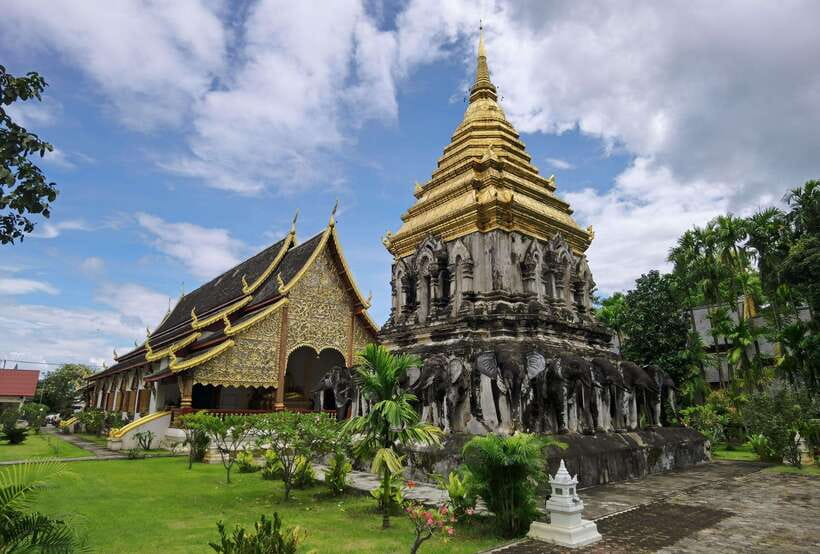
You start at Wat Chiang Man, built in 1296 by King Mengrai. That “oldest temple” label isn’t just marketing—it’s the kind of place where you feel the early city grew around spiritual space, not the other way around.
The key detail here is the crystal Buddha statue being enshrined at Wat Chiang Man. When you understand that, the temple shifts from “pretty architecture” into something closer to a living tradition: a site tied to authority, devotion, and continuity.
Practical advice: dress respectfully from the first stop. Even though you’ll see lots of visitors, you’re entering sacred areas, so plan to keep shoulders and knees covered and avoid the temptation to rush your photos.

Wat Chiang Yuen and the Shan Residential Story
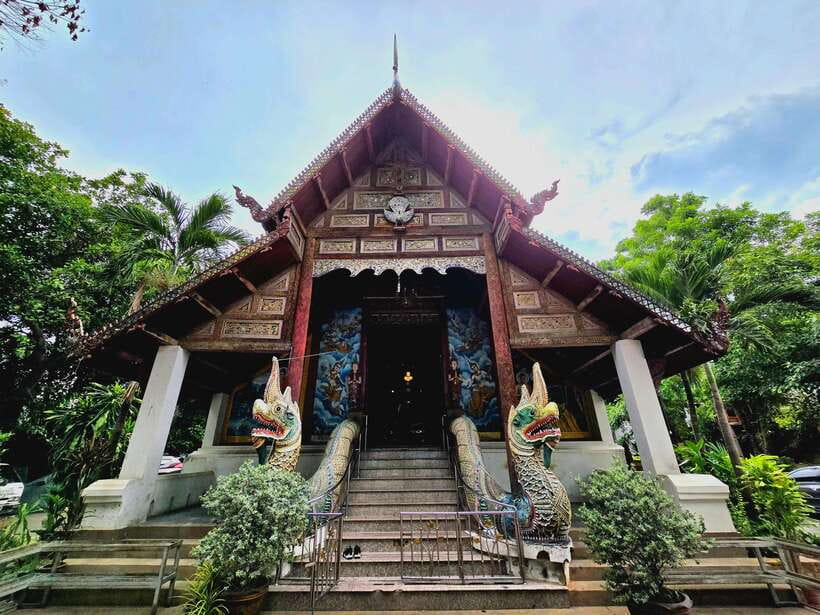
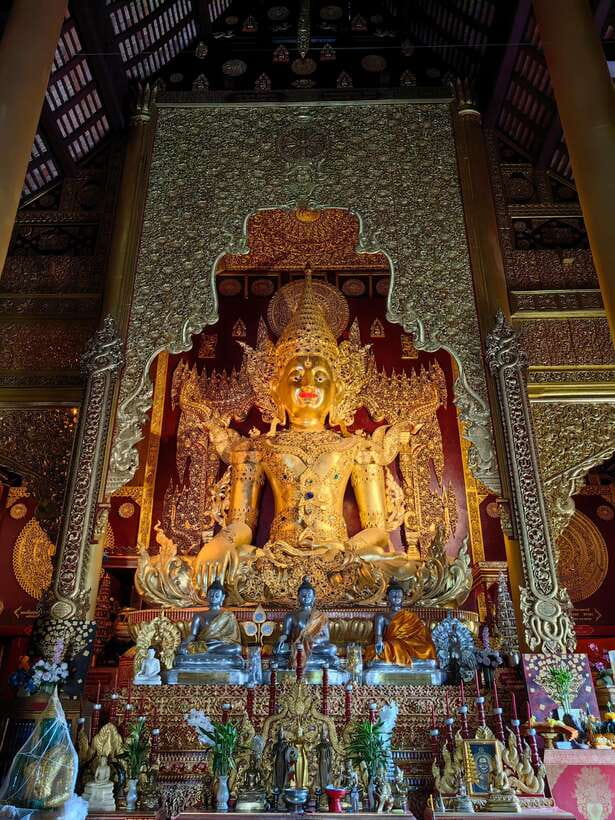
Next up is Wat Chiang Yuen, a unique 16th-century temple tied to the Shan people. Here’s the part I find especially meaningful: it wasn’t just a random temple in the background—it served as a residential area for the Shan in the past.
That context changes how you look. You’re not only seeing religious structures. You’re seeing an imprint of how communities lived, organized daily life, and carried their faith through generations.
The environment at places like this tends to feel different from the more famous, central temples. You may get a quieter feel and more time to ask questions, especially if your guide can point out the symbolic or ritual features you might otherwise miss.
Wat Pa Pao: Shan Burmese Style Outside the Old Walls
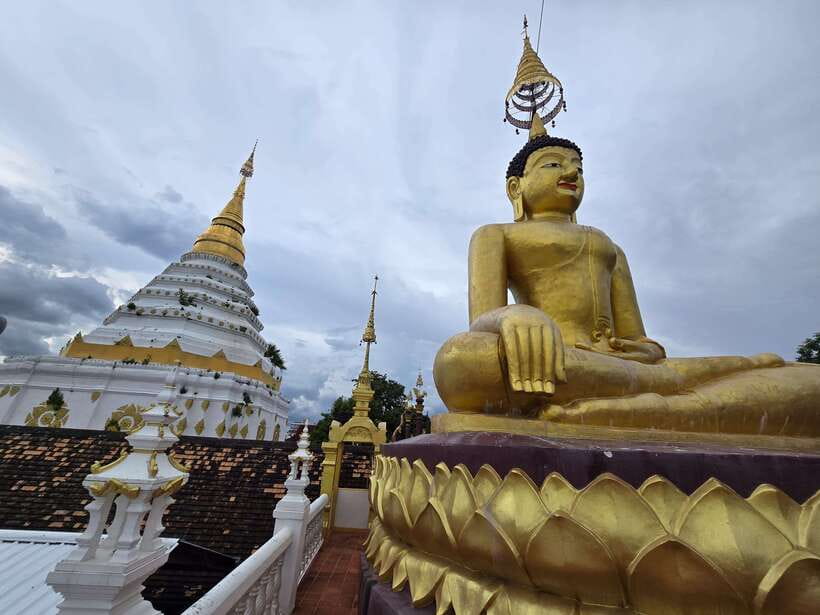
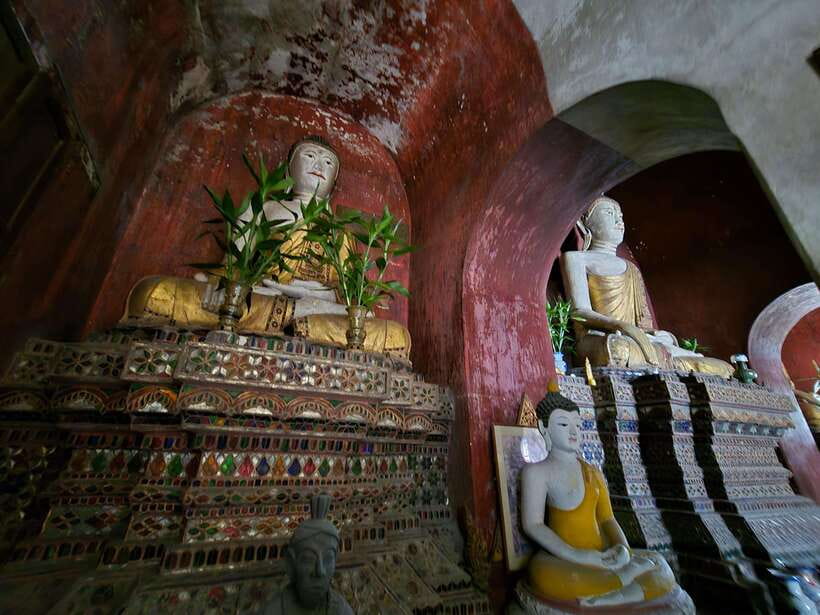
After that, the tour moves to Wat Pa Pao, described as a Shan Burmese style temple located outside the old city walls and moats. That “outside” detail matters because it hints at how faith didn’t stay confined within the original defenses.
Shan Burmese style also helps explain why Chiang Mai architecture and religious art can look slightly different from what you might expect if you only compare temples within the old core. You’re essentially looking at regional influence translated into local craftsmanship.
One consideration: since this is part of a walking route, you’ll want to stay hydrated here. You’ll likely do more standing and looking as the guide explains what to notice, so having water within reach helps your whole day feel easier.
Wat Ku Tao: The Unusual Chedi Linked to Prince Saravadi
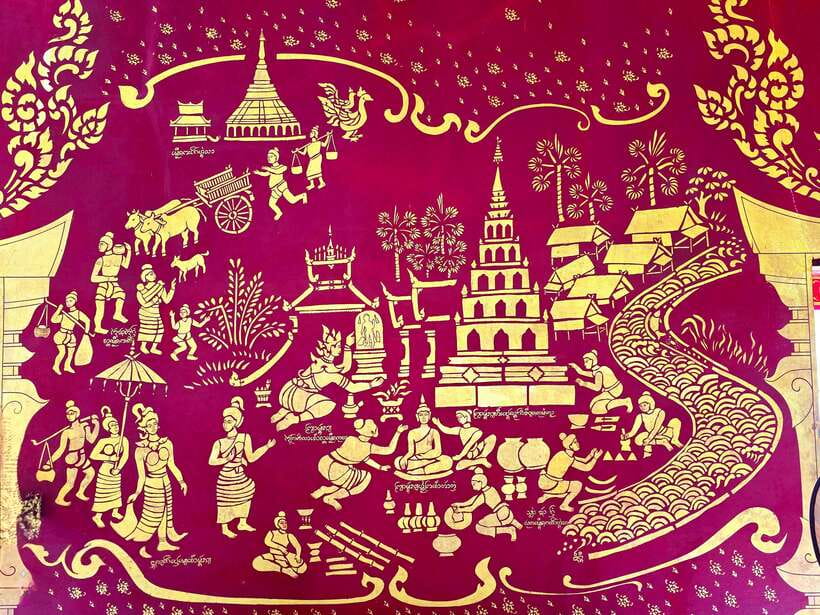
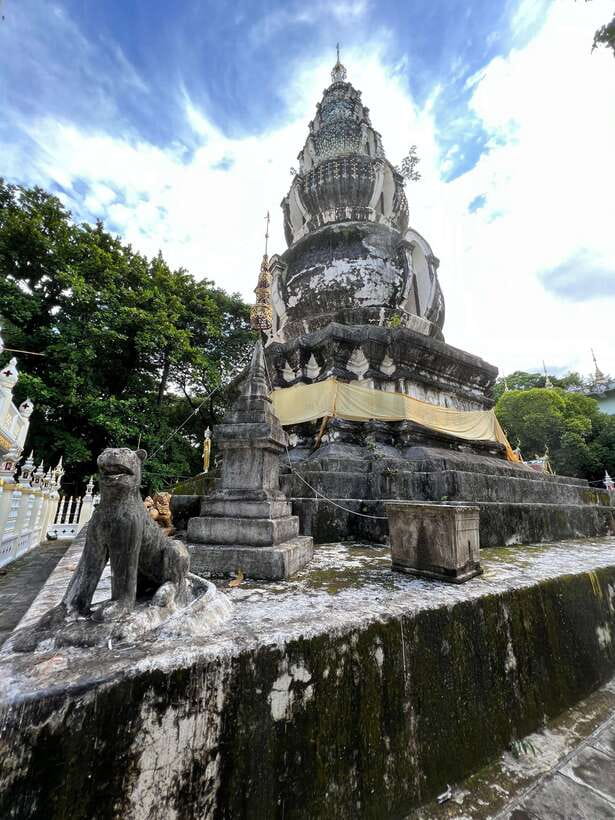
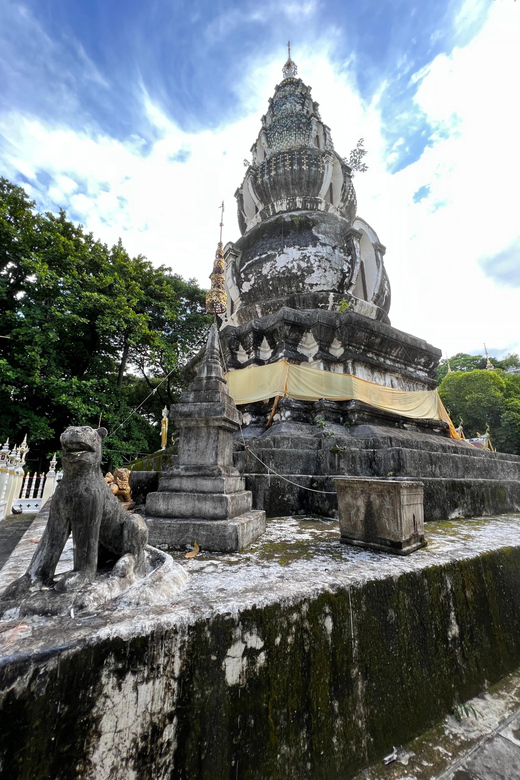
This stop is the curveball that makes Part II memorable. Wat Ku Tao is known for a highly unusual chedi, thought to have been built in 1613 to hold the ashes of Prince Saravadi (1578–1607), the first Burmese overlord of Chiang Mai.
If you’re wondering why this matters, it’s because it turns politics into visible stonework. The temple becomes a marker of a period when Chiang Mai’s fate connected with Burmese rule, and it shows how power, religion, and commemoration can share the same space.
Expect your guide to connect the chedi to the bigger story of Chiang Mai’s shifting influence. It’s the kind of detail that makes your photos feel more meaningful later, because you remember what the structure represents.
What Your Guide Adds: Monk Insights, Etiquette, and Better Photos
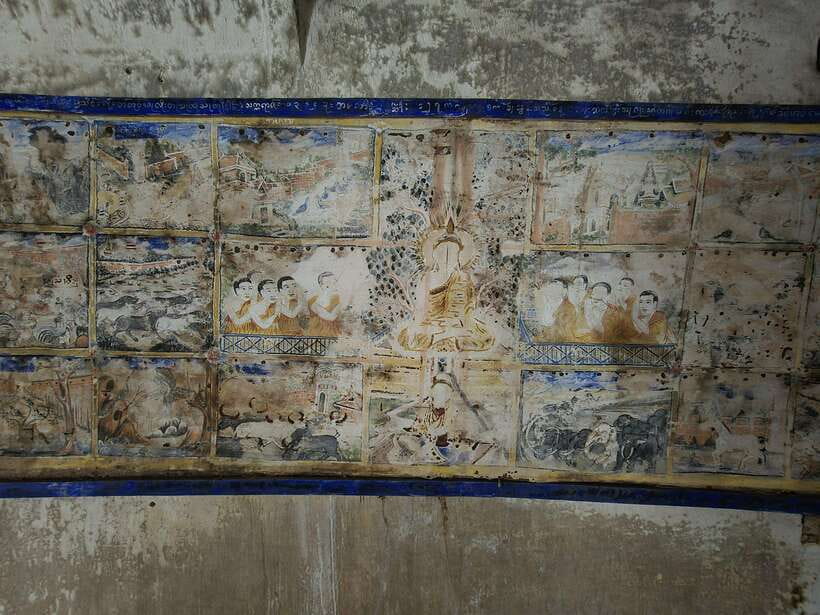
This tour is powered by the guide. You’ll have a live English/Chinese/Thai guide, and the group may be private or small. That matters because questions land better when your guide isn’t racing a big schedule.
From past experiences with guides on this route, you’ll often see two big strengths:
- Temple explanations that connect Buddhism to everyday life, including basic guidance on how people pray and how monks’ life shapes spiritual practice.
- Photo help, where the guide assists with angles and timing so your pictures actually match what you’re learning.
Some guides have deep personal history with monastic life, and they tend to bring a patient, grounded tone when answering questions. You may also get reminders on simple etiquette, like how to behave when you’re inside temple areas.
If you love clear, direct explanations, you’ll likely be happy here. If you prefer a “wander on your own” vibe, this tour still works, but you might need to mentally slow down and let the guide’s story do the heavy lifting.
Timing, Pace, and Heat Management (Your Real-Day Logistics)
This is a one-day tour priced for a full half-day-to-day temple experience. The start time gives you a head start in the morning, but the route still adds up—especially if you tend to stop for extra photos.
Bring your own drinks. Plan to use shade breaks rather than powering through. An umbrella isn’t just for rain in Chiang Mai; it’s for sun management too.
Also, wear shoes you can stand in. You’ll be walking temple-to-temple and spending time looking closely, not just popping in for a quick look and moving on.
Price and Value: Is $31 a Fair Deal?
At $31 per person, this isn’t a “cheap tourist shuffle.” For the price, you get a guide, a structured walking route, and in some cases hotel pickup/drop-off (only if you choose the private option).
That’s the value equation: you’re paying for interpretation and routing. These temples aren’t all equally famous, and the story across the Shan and Burmese connections is exactly the kind of thing you’d struggle to piece together on your own in a short time.
What you don’t get: food and additional drinks. So budget for water, snacks, or lunch on your own. The tour’s value works best if you treat it like a morning-and-afternoon learning walk, then eat afterward.
If you’re traveling with someone who loves history or Buddhism details, the guided format becomes even better value—because the guide can answer your questions as you go.
Low-Impact Walking and Temple-Respect Basics
This tour prioritizes offsetting carbon emissions and reducing environmental impact. In plain terms: it’s designed around walking, which is a better fit than bouncing around in lots of vehicles for short distances.
Temple rules also matter here. You can’t bring drones, and you should expect strict behavior standards. Items like weapons or sharp objects aren’t allowed, and you’ll want to avoid anything that could be seen as disruptive.
Clothing is important too. Short skirts aren’t allowed, so plan something respectful for temple interiors and shaded courtyards. And keep the day clean and quiet—noise control is part of showing respect.
Who This Tour Suits Best
This is a great match if you want more than architecture captions. You’ll enjoy it if you like hearing how Buddhism connects to practice and how regional history leaves marks on temples.
It also works well as a follow-up if you’ve already done a previous temple route in Chiang Mai. Part II focuses on temples with strong historical angles tied to Chiang Mai’s wider connections.
It’s not a fit for everyone. It’s marked as not suitable for wheelchair users, pregnant women, children under 2, and babies under 1.
If you’re steady on your feet and you can handle warm weather, you’ll likely find the walking part manageable and the learning part satisfying.
Should You Book Chiang Mai Temple & City Tour Part II?
Book it if you want a guided temple walk that explains the “why” behind what you’re seeing: Wat Chiang Man’s age and crystal Buddha, the Shan story at Wat Chiang Yuen, Shan Burmese style at Wat Pa Pao, and the Burmese-era link through Wat Ku Tao and Prince Saravadi.
Skip it (or choose a different style of tour) if you dislike walking in heat, or you’d rather do temples casually without a guide shaping the narrative. Since food and drinks aren’t included, make sure you’re comfortable planning your own breaks.
FAQ
What time does the tour start?
The tour starts at 08.20 am.
How long is Chiang Mai Temple & City Tour Part II?
It runs for 1 day.
What temples are included?
You’ll visit Wat Chiang Man, Wat Chiang Yuen, Wat Pa Pao, and Wat Ku Tao.
What is included in the price?
The price includes a tourist guide and a walking tour. If you select a private option, hotel pickup and drop-off may also be included.
Is food included?
No. Food and additional drinks are not included.
What should I bring?
Bring an umbrella, drinks, and cash.
Are there restrictions on clothing or behavior?
Yes. Short skirts are not allowed. You also can’t use drones, and you must avoid activities like smoking indoors, alcohol and drugs, intoxication, and making noise.
Is this tour suitable for everyone?
No. It is not suitable for children under 2, pregnant women, wheelchair users, and babies under 1.
What languages will the guide speak?
The live guide is available in English, Chinese, and Thai.
More City Tours in Chiang Mai
- Chiang Mai: 3 Hour Old City and Temples Guided Walking Tour★ 4.6 · 1,568 reviews
- Chiang Mai: Historic Temples and City Guided Walking Tour★ 4.7 · 650 reviews
- Chiang Rai Day Trip from Chiang Mai City with Golden Triangle★ 4.5 · 531 reviews
- Chiang Mai: Historic Old City Bike Tour – Morning or Night★ 4.7 · 263 reviews
- Chiang Mai: Temple And City Walking Tour Part I★ 4.7 · 244 reviews
More Tours in Chiang Mai
- Chiang Mai: Doi Inthanon National Park Eco-Friendly Tour★ 4.6 · 6,667 reviews
- Chiang Mai: Elephant Sanctuary & Waterfall Group Tour★ 4.9 · 5,780 reviews
- Chiang Mai: Cooking Class, Market & Thai Herbs Garden Tour★ 4.9 · 4,824 reviews
- Chiang Mai: Elephant Sanctuary Feeding Program Half-Day Tour★ 4.8 · 4,527 reviews
- Chiang Rai White Temple and Blue Temple Day Tour★ 4.6 · 3,366 reviews
More Tour Reviews in Chiang Mai
- Half-Day Thai Cooking Class at Organic Farm in Chiang Mai★ 5.0 · 19,087 reviews
- Chiang Mai: Elephant Sanctuary, Waterfall & Bamboo Rafting★ 4.9 · 9,160 reviews
- Chiang Mai: Doi Inthanon National Park Eco-Friendly Tour★ 4.6 · 6,667 reviews
- Chiang Mai: Elephant Sanctuary & Waterfall Group Tour★ 4.9 · 5,780 reviews
- Chiang Mai: Chiang Rai Temples, Karen Tribe and Hot Springs★ 4.7 · 5,401 reviews
Fresh off the pile: Chiang Mai tours we have just written up

City Tours, compared.
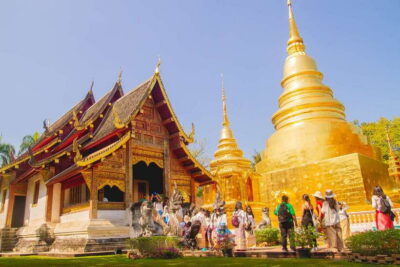 ★ 4.63 Hour Old City and Temples Guided Walking TourFrom $161,568 reviews
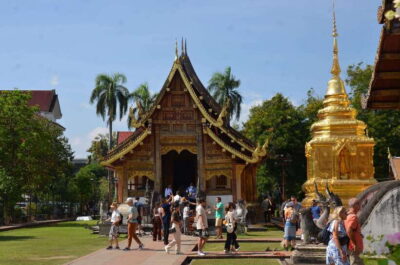 ★ 4.7Historic Temples and City Guided Walking TourFrom $21650 reviews
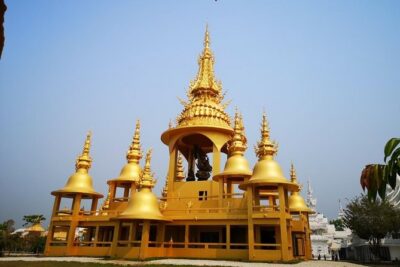 ★ 4.5Chiang Rai Day Trip from Chiang Mai City with Golden TriangleFrom $81531 reviews
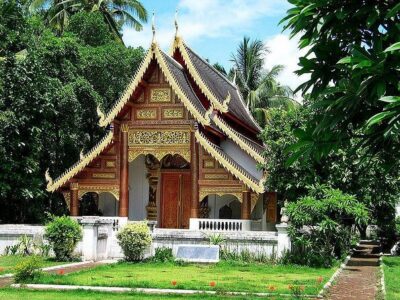 ★ 4.7Historic Old City Bike Tour – Morning or NightFrom $39263 reviews
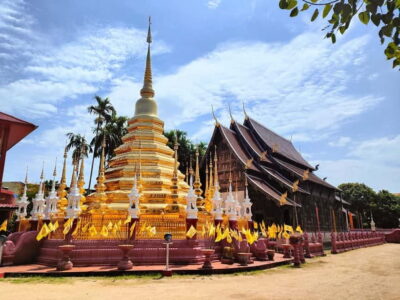 ★ 4.7Temple And City Walking Tour Part IFrom $15244 reviews
★ 5.0Historic Old City Bike Tour – Morning or NightFrom $39202 reviews
★ 4.7Temple And City Walking Tour Part IFrom $15244 reviews
★ 5.0Historic Old City Bike Tour – Morning or NightFrom $39202 reviews
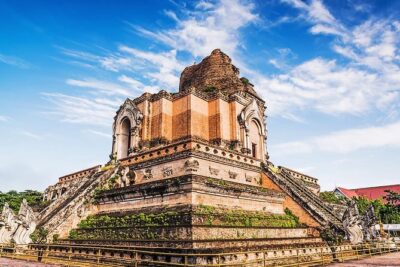 ★ 5.0The Best City Tour View Points Wat Doi Suthep, Wat Chedi Luang and Wat Pha LatFrom $36184 reviews
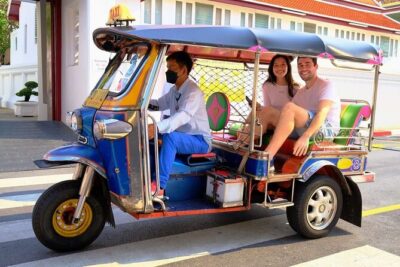 ★ 4.5Private Chiang Mai Old City Half Day Tuk Tuk TourFrom $37157 reviews
Browse the lists this tour appears in