
Reviewed · CHIANG MAI COOKING CLASSES
Chiang Mai : Traditional Northern Cooking Class
Northern Thai food is about balance. This Chiang Mai traditional cooking class turns you from diner to cook, focusing on Northern staples like sticky rice, Khao Soi, Northern curry, chili sauce, and banana-leaf grilled eggs. I love the hands-on format and the fact that the class runs as a small group (up to 10), so you can actually ask questions. One possible drawback: because it’s truly practical, you’ll spend a full 3 hours actively cooking, chopping, and standing.
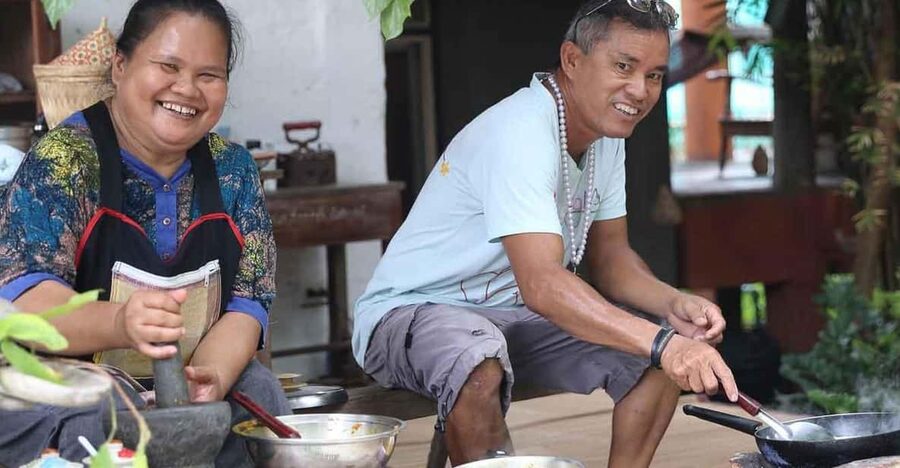
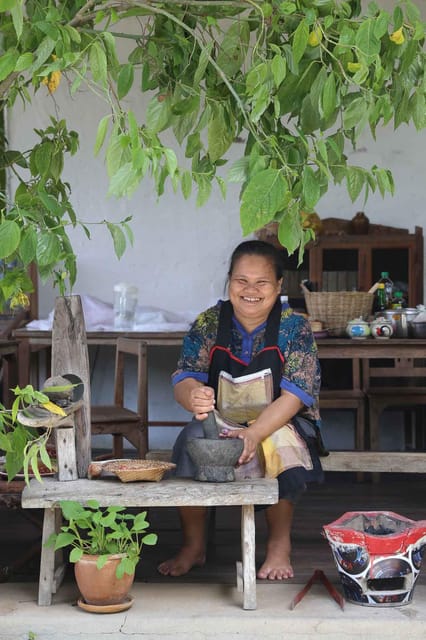
The host and staff keep it friendly and organized, with English and Thai support so you’re not left guessing. The experience has a down-to-earth feel, and prior guests specifically noted cooking on a porch over charcoal fire with real fresh ingredients and herbs. If you’re very sensitive to spice, the chili sauce part is something to manage early, even though you’ll be shown how flavors should balance.
In This Review
- Key points that make this class worth your time
- Northern Thai cooking, explained through the food you’ll actually make
- The full menu: sticky rice, Northern curry, Khao Soi, chili sauce, banana-leaf eggs
- Sticky rice mastery: how to get that signature texture
- Northern curry with pork: building aroma and body
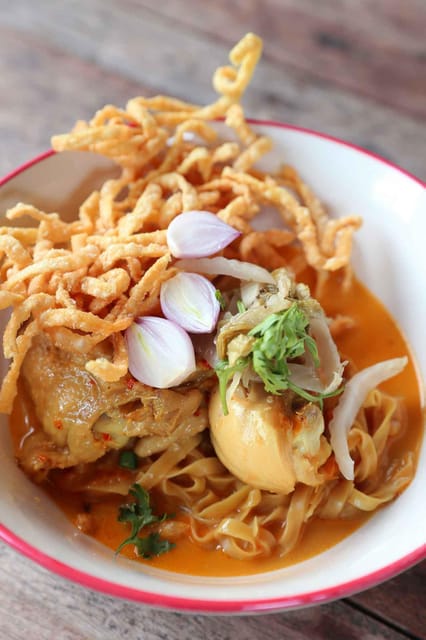
- Khao Soi with chicken: noodle soup that balances textures
- Homemade chili sauce with pork: the real key to eating Northern style
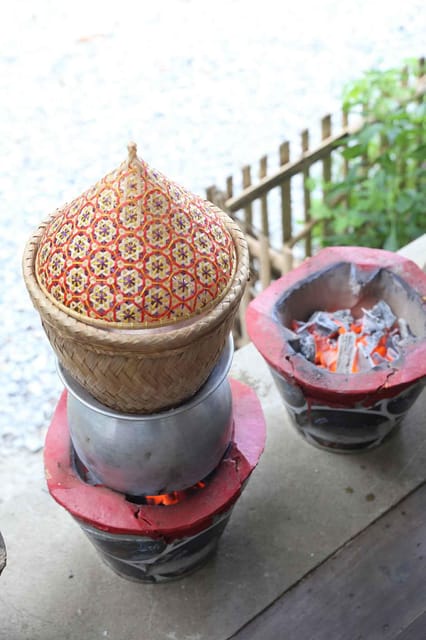
- Grilled egg on banana leaf: smoky flavor from a simple setup
- How the class flows in a way you can follow
- Price and value: $38 for 3 hours, multiple dishes, and real technique
- Who should book, and who should think twice
- A practical heads-up before you go
- Should you book this Chiang Mai Northern Cooking Class?
- FAQ
- How long is the Chiang Mai Traditional Northern Cooking Class?
- How much does it cost?
- What dishes are included in the class?
- Is the class taught in English?
- How big is the group?
- Is the cooking class wheelchair accessible?
- Is free cancellation available?
- Does it offer reserve now, pay later?
Key points that make this class worth your time
- Small-group attention (max 10): more hands-on coaching, less waiting around.
- Northern cooking specialties, not generic Thai dishes: sticky rice, Khao Soi, and Northern curry are the focus.
- You make your own chili sauce: so the heat and flavor are something you control, not something pre-made.
- Khao Soi with chicken: the traditional-style noodle soup is built step-by-step.
- Charcoal-and-herb style cooking: you’ll work with fresh ingredients and cook over real flame.
- English + Thai instruction: easier for solo travelers and mixed-language groups.
Pick your Thai cooking class: farm kitchens and market runs
- Half-Day Thai Cooking Class at Organic Farm in Chiang Mai
★ 5.0 · 19,087 reviews - Chiang Mai: Cooking Class, Market & Thai Herbs Garden Tour
★ 4.9 · 4,824 reviews - Chiang Mai: Authentic Cooking Class with Market & Farm Visit
★ 4.9 · 4,546 reviews - Thai and Akha Cooking Class in Chiang Mai
★ 5.0 · 4,358 reviews
Northern Thai cooking, explained through the food you’ll actually make
If you’ve only tried Thai food that’s heavy on Bangkok-style sweet heat, Northern Thailand can feel like a different world. The Northern kitchen leans into aromatics, spice blends, and sauces that taste layered instead of just hot. That’s exactly why this class works: it teaches technique through specific dishes you’ll be able to reproduce later.
What I like most is that the menu matches how Northern meals actually feel: sticky rice alongside rich curry, a noodle soup built around spice and texture (Khao Soi), and chili sauce that brings everything together. You’re not just learning recipes. You’re learning what each component is supposed to do on your plate.
The class is designed to be practical in a way that still feels relaxed. In many cooking classes, you do a token step and then watch. Here, you’re expected to help with the real work, from rice and curry bases to noodle soup build and seasoning adjustments.
The full menu: sticky rice, Northern curry, Khao Soi, chili sauce, banana-leaf eggs
This is a 3-hour session, priced at $38 per person, and it’s built around multiple dishes rather than one single item. Here’s what’s included on the menu:
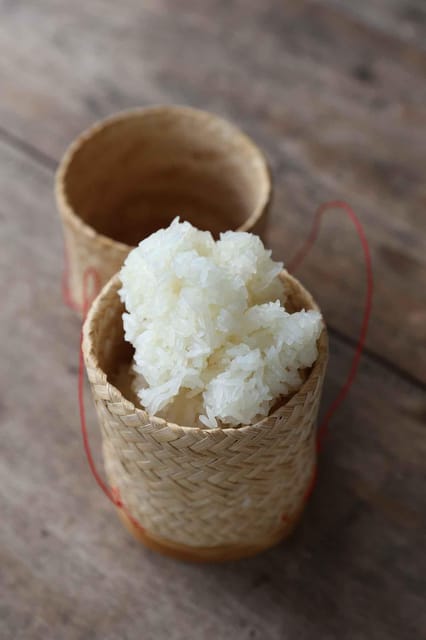
- Sticky rice mastery: you’ll prepare sticky rice, a Northern staple that functions like the table’s main utensil.
- Northern curry with pork: you’ll work with aromatic spice and curry techniques centered on pork.
- Khao Soi with chicken: the classic Northern noodle soup, using traditional-style soup-and-noodle elements.
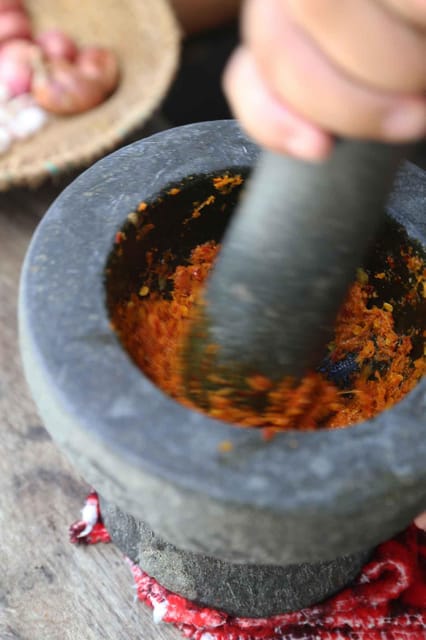
- Chili sauce with pork: a homemade chili sauce that’s meant to be balanced, not just spicy.
- Grilled chicken egg on banana leaf: a Northern-style grilling method using banana leaf to add smoky aroma.
Even if you don’t call yourself a foodie, this menu gives you a good spread of Northern flavors: starchy comfort (sticky rice), savory richness (Northern curry), spice-and-creaminess textures (Khao Soi), punchy condiment power (chili sauce), and a smoky grill note (banana-leaf eggs).
Sticky rice mastery: how to get that signature texture
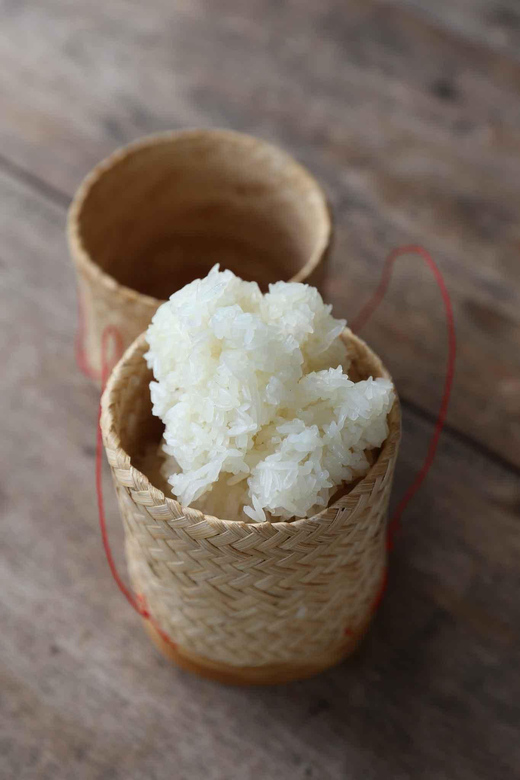
Sticky rice in Northern Thailand isn’t just a side. It’s the foundation that helps you eat curry and sauces without needing utensils. That’s why the class starts here: if sticky rice is off—too hard, too dry, or too undercooked—the rest of the meal won’t feel right either.
In a good sticky rice session, you learn the logic behind the texture: timing matters, steam matters, and the rice needs to be treated gently. The goal is that classic clumping feel where each mouthful tastes slightly nutty and fragrant, not gummy or chalky.
When you make it yourself, you also learn what to pay attention to later if you try it at home. You’ll understand that sticky rice is about process and water/steam control, not about magically finding the right brand.
Nothing jumping out yet? More Chiang Mai trips are just down the page
Northern curry with pork: building aroma and body
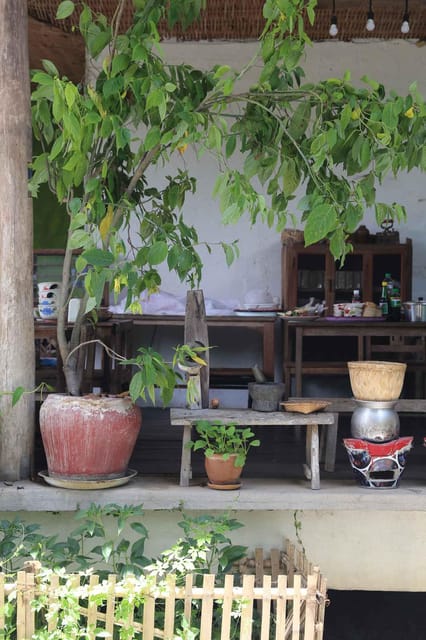
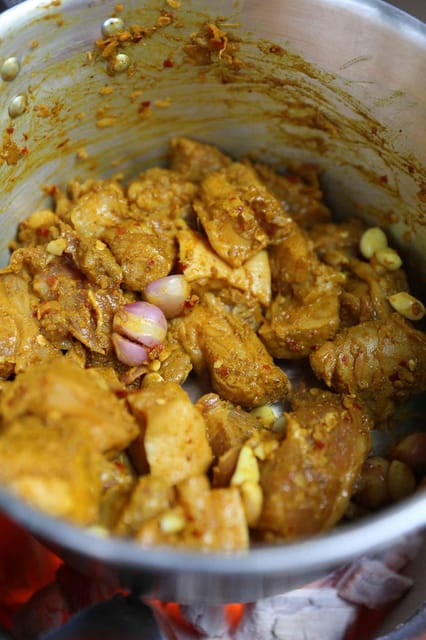
Northern curries often feel deeper than the faster, sweeter versions you might see elsewhere in Thailand. In this class, you’re working on a Northern curry with pork, which means you’re learning a curry approach that depends on spice blends and careful mixing rather than just dumping in curry paste.
This is one of the skills that transfers well. Even if you never cook exactly the same curry again, you’ll come away with a sense of how aroma develops and how the curry should taste as it comes together.
What makes this part valuable is that you’re not only tasting the final product. You’re learning the order and technique behind the flavor. That helps you avoid the common home-cooking problem where a dish tastes good at the start but flat later, because spice and aroma weren’t properly built.
Khao Soi with chicken: noodle soup that balances textures
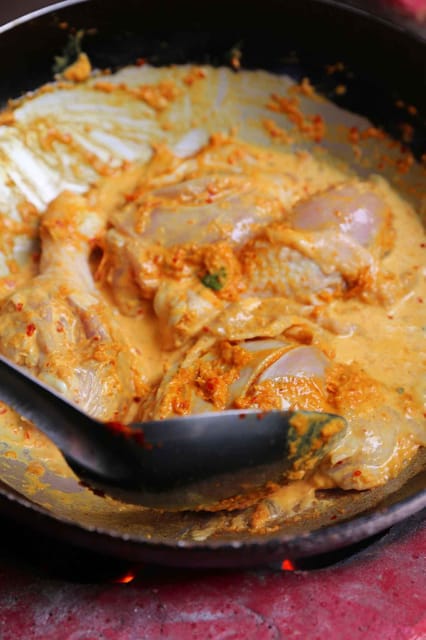
Khao Soi is one of the most recognizable Northern dishes, and it’s included here as Khao Soi with chicken. The reason it’s such a great teaching dish is that it teaches balance in two directions at once: spice and texture.
Khao Soi is known for having multiple components—silky noodles and a soup base that carries the curry-like flavor, often with something that brings contrast in richness and heat. In class, you get to make it, which means you’re learning how the noodles interact with the sauce and how seasoning should feel as you assemble.
If you’ve only ever eaten Khao Soi from a bowl on the street, making it is a real eye-opener. You’ll taste how subtle changes in spice strength or sauce consistency shift the entire dish. And you’ll learn what makes it “Khao Soi” rather than just noodle soup with curry vibes.
Homemade chili sauce with pork: the real key to eating Northern style
The chili sauce is where many people accidentally get it wrong at home. They make it too one-note—either too hot, too salty, or too flat in aroma. This class includes homemade chili sauce with pork, and the point is that you see how the chili becomes part of the dish rather than an afterthought.
In practice, you’ll work through the sauce-making steps and taste as you go. That matters because chili sauce isn’t just heat. It’s about balance—sweetness, salt, aroma from herbs or spice, and acidity (where applicable) all need to land properly.
Once you’ve made it, chili sauce becomes a skill you can use anywhere. You’ll know how to adjust heat intensity and flavor depth, so you can match your own preferences without ruining the dish.
Grilled egg on banana leaf: smoky flavor from a simple setup
The class includes grilled egg on banana leaf, using a technique that adds smoky fragrance without needing complicated equipment. Banana leaf acts like a natural wrapper, helping the dish pick up a gentle smoky edge as it cooks.
Prior guests specifically pointed out cooking with charcoal fire on a porch. That’s a huge part of why banana leaf grilling tastes different from a regular stovetop egg. The aroma is part of the instruction here: you’ll smell and see what the fire is doing, which makes the cooking feel more real than a kitchen demo.
The practical value is that this is a technique you can remember even if you forget a specific spice ratio. You’ll understand how a leaf and heat source work together to create flavor, and that knowledge is easier to carry home than a single finished recipe.
How the class flows in a way you can follow
Even without a printed schedule in front of you, the structure makes sense. It’s organized around building from core ingredients to finished dishes:
- Start with sticky rice, so you’re setting up the starchy base early.
- Move into curry building, where you handle spice aromatics and then combine ingredients.
- Work on Khao Soi, assembling noodles and soup components so you understand how texture changes the flavor.
- Make chili sauce, so you can taste the effect of seasoning and balance.
- Finish with the banana-leaf grilled item, using charcoal/porch cooking style to add the smoky note that rounds everything out.
Because it’s a small group, you also get breathing room to ask questions while you’re working. With English and Thai instruction, it’s easier to clarify what you’re seeing on the cutting board and what you should focus on next.
Price and value: $38 for 3 hours, multiple dishes, and real technique
At $38 per person for 3 hours, this class is priced like a mid-range cooking workshop, but the menu makes the value feel more serious than a basic “one dish and a few photos” class.
Here’s why the math makes sense:
- You’re making multiple dishes, not just tasting them.
- You’re working on technique (sticky rice texture, curry build, chili sauce balance).
- You get a small group format (up to 10), which usually means more guidance.
- You leave with a clear memory of how flavors connect: rice + curry, soup + spice, sauce as the final adjustment.
If you compare cooking classes that only teach one dish, this one saves you time and gives you more “back pocket” skills. You’ll be able to recreate a Northern-style meal at home with more than one component.
Who should book, and who should think twice
This class is a great match if:
- you want authentic Northern dishes rather than generic Thai cooking,
- you like hands-on learning and want to know why a dish tastes the way it does,
- you’re traveling solo or as a couple and want a small-group vibe.
It might be less ideal if:
- you need a fully seated, low-effort activity (it’s an active 3-hour cooking session),
- you avoid pork or chicken completely. The included menu specifically references pork and chicken, and the class data doesn’t state alternative proteins.
If spice is your worry, don’t skip it automatically. Chili sauce is included, but you’ll be making it, tasting as you go, and learning balance. Just tell your instructor that you want it mild when you start.
A practical heads-up before you go
A cooking class like this works best when you’re ready for the kitchen pace. Wear clothes you don’t mind getting a little warm or splattered. Closed-toe shoes help, especially if you’re moving around a cooking area.
Also, come with at least a small appetite for learning. You don’t need cooking talent. What helps is asking questions like:
- what makes sticky rice reach the right texture,
- what you should taste for when building curry,
- how chili sauce should feel balanced (not just hot).
The small group size and bilingual instruction (English and Thai) are there to help you do exactly that.
Should you book this Chiang Mai Northern Cooking Class?
I think you should book if you want a focused, hands-on introduction to Northern Thai flavors with the kind of dishes you can actually remember: sticky rice, Northern curry, Khao Soi, chili sauce, and banana-leaf grilled eggs. The small group setup, fresh-ingredient feel, and the charcoal/porch cooking style make it more than a scripted performance.
Book with a little caution if you’re very spice-averse or if your diet can’t include pork or chicken, since the menu uses those ingredients. If that’s you, it’s worth asking ahead whether substitutions are possible.
If you’re aiming for an experience that teaches real technique in just 3 hours, this is a strong choice.
FAQ
How long is the Chiang Mai Traditional Northern Cooking Class?
The class runs for 3 hours.
How much does it cost?
The price is $38 per person.
What dishes are included in the class?
You’ll make sticky rice, Northern curry with pork, Khao Soi with chicken, chili sauce with pork, and grilled chicken egg on banana leaf.
Is the class taught in English?
Yes. The instructor speaks English and Thai.
How big is the group?
It’s a small group limited to 10 participants.
Is the cooking class wheelchair accessible?
Yes, it is wheelchair accessible.
Is free cancellation available?
Yes. You can cancel up to 24 hours in advance for a full refund.
Does it offer reserve now, pay later?
Yes. You can reserve now and pay later, with no payment due today.
More Cooking Classes in Chiang Mai
- Half-Day Thai Cooking Class at Organic Farm in Chiang Mai★ 5.0 · 19,087 reviews
- Chiang Mai: Cooking Class, Market & Thai Herbs Garden Tour★ 4.9 · 4,824 reviews
- Chiang Mai: Authentic Cooking Class with Market & Farm Visit★ 4.9 · 4,546 reviews
- Thai and Akha Cooking Class in Chiang Mai★ 5.0 · 4,358 reviews
- Chiang Mai: Cooking Class with Market and Pickup★ 4.9 · 1,365 reviews
More Tour Reviews in Chiang Mai
- Half-Day Thai Cooking Class at Organic Farm in Chiang Mai★ 5.0 · 19,087 reviews
- Chiang Mai: Elephant Sanctuary, Waterfall & Bamboo Rafting★ 4.9 · 9,160 reviews
- Chiang Mai: Doi Inthanon National Park Eco-Friendly Tour★ 4.6 · 6,667 reviews
- Chiang Mai: Elephant Sanctuary & Waterfall Group Tour★ 4.9 · 5,780 reviews
- Chiang Mai: Chiang Rai Temples, Karen Tribe and Hot Springs★ 4.7 · 5,401 reviews
More Chiang Mai Cooking Classes
- Half-Day Thai Cooking Class at Organic Farm in Chiang Mai★ 5.0 · 19,087 reviews
- Chiang Mai: Cooking Class, Market & Thai Herbs Garden Tour★ 4.9 · 4,824 reviews
- Chiang Mai: Authentic Cooking Class with Market & Farm Visit★ 4.9 · 4,546 reviews
- Thai and Akha Cooking Class in Chiang Mai★ 5.0 · 4,358 reviews
- Chiang Mai: Cooking Class with Market and Pickup★ 4.9 · 1,365 reviews
Fresh off the pile: Chiang Mai tours we have just written up

Chiang Mai Cooking Classes, compared.
 ★ 5.0Half-Day Thai Cooking Class at Organic Farm in Chiang MaiFrom $2919,087 reviews
 ★ 4.9Cooking Class, Market & Thai Herbs Garden TourFrom $314,824 reviews
 ★ 4.9Authentic Cooking Class with Market & Farm VisitFrom $344,546 reviews
 ★ 5.0Thai and Akha Cooking Class in Chiang MaiFrom $424,358 reviews
 ★ 4.9Cooking Class with Market and PickupFrom $251,365 reviews
 ★ 4.9Cooking Class with Organic Farm at Mama NoiFrom $321,151 reviews
 ★ 5.0Full Day Thai Cooking at Farm (Chiang Mai)From $391,127 reviews
 ★ 4.9HALF-DAY COOKING COURSE at a Thai Cooking FarmFrom $28705 reviews
Browse the lists this tour appears in