
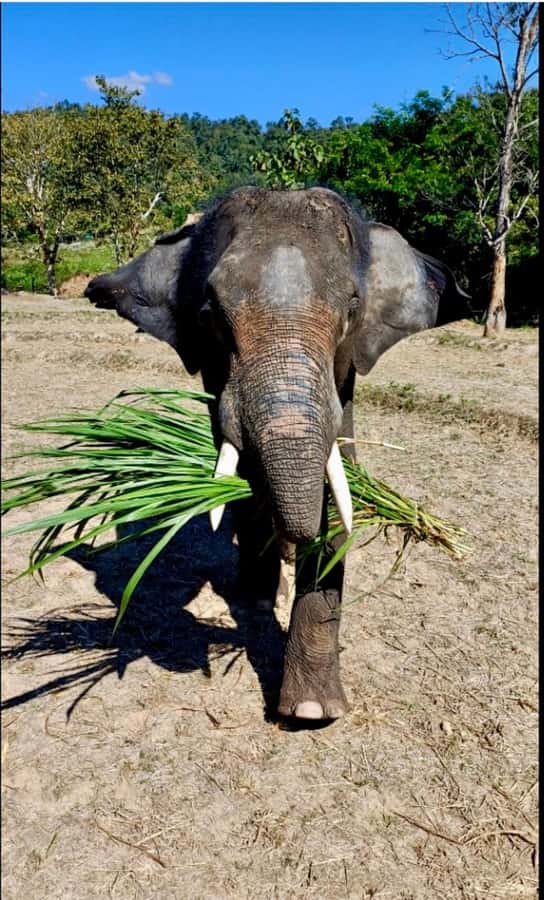
Reviewed · ETHICAL ELEPHANT SANCTUARIES
Chiang Mai: Two-day Temple of Elephants Sanctuary Tour
Two days with elephants and jungle rhythm. This Chiang Mai Temple of Elephants sanctuary tour pairs elephant feeding and bathing with a Mae Wang River bamboo raft run, plus Karen-guided trekking and waterfall stops. One thing to plan for: this is not a luxury outing, and the overnight setup is basic with a noisy waterfall nearby.
I especially like that the elephant portion feels small-scale and respectful, with plenty of time to watch how they live and move. I also like the pacing outside the camp: you get jungle viewpoints, waterfall breaks, and a real “out there” dinner setting. The main drawback is the hiking effort, since the trek involves uneven ground, river crossings, and some steep bits.
If you’re after postcard-style comfort, you’ll be disappointed. If you want nature, animals, and a guide who keeps things understandable (and funny), you’ll likely have a great time.
In This Review
- Key things I’d focus on before you go
- First Light Pickup Around 8:30 in Chiang Mai
- Mae Wang River Bamboo Rafting: Short, Scenic, Active
- Jungle Trek with Karen Storytelling and Waterfall Breaks
- Overnight by the Waterfall: Bamboo Huts, Real Nature
- Elephant Sanctuary Morning: Feeding and Daily Bathing Basics
- Mud Spa and River Time with Elephants (What You Need)
- Second Day Waterfalls to Chiang Mai Drop-Off
- Price and Value for $118: What’s Included vs Not
- What to Pack for Jungle, Water, and Long Walking
- Who This Tour Fits Best (and Who Should Skip It)
- Should You Book This Temple of Elephants Two-Day Tour?
- FAQ
- How long is the Chiang Mai Temple of Elephants sanctuary tour?
- Where does the tour pick me up and drop me off?
- Is bamboo rafting included, and how long is it?
- Are meals included in the price?
- Do I need swimwear and a towel?
- Are drinks included?
- Is the tour suitable for kids and babies?
- Is the trekking easy or is fitness required?
Key things I’d focus on before you go
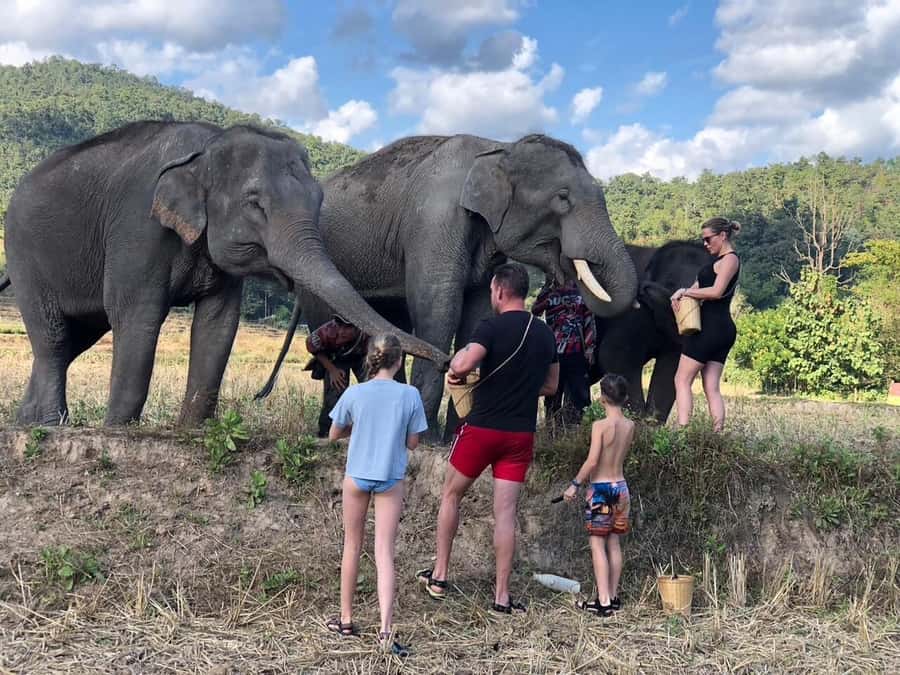
- Small-scale elephant time: feeding, mud spa, and river bathing, with attention on animal care
- Mae Wang River bamboo rafting: short ride, big scenery, and an easy way to start day one
- Karen storytelling on the trek: plant and bird spotting, plus practical context for jungle life
- Waterfall overnight stay: bamboo housing near the falls, dinner cooked on site, no luxury add-ons
- Hands-on nature breaks: multiple waterfall stops for photos, swimming time, and rest
More ethical elephant sanctuaries around Chiang Mai, side by side
- Chiang Mai: Elephant Sanctuary, Waterfall & Bamboo Rafting
★ 4.9 · 9,160 reviews - Chiang Mai: Elephant Sanctuary & Waterfall Group Tour
★ 4.9 · 5,780 reviews - Chiang Mai: Elephant Sanctuary Feeding Program Half-Day Tour
★ 4.8 · 4,527 reviews - Chiang Mai: Elephant Sanctuary, Long Neck & Sticky Waterfall
★ 4.9 · 2,262 reviews
First Light Pickup Around 8:30 in Chiang Mai
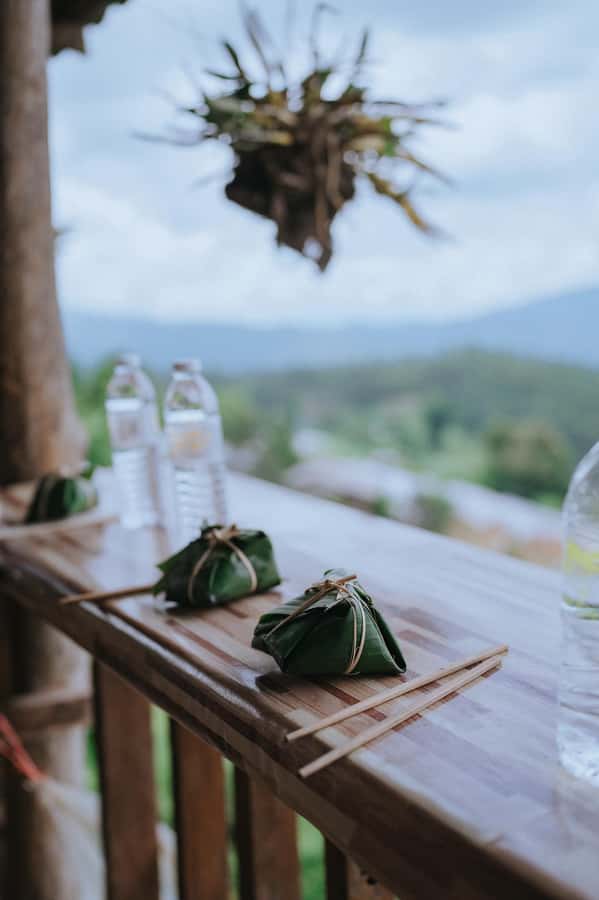
Your day starts with hotel pickup in Chiang Mai, usually around 8:30–9:00 AM. The exact timing can shift depending on how many hotels they’re collecting from, especially if your hotel is farther out.
After pickup, you’ll head southwest of Chiang Mai, passing local farms, hill tribe villages, and rice paddies along the way. This part matters more than it sounds. It’s your first dose of “north Thailand” texture before you swap roads for jungle trails.
One practical note: you’ll spend a lot of the trip outdoors and then outdoors again after dark. So even if you’re arriving in Thailand for a “quick reset,” treat this like an active couple of days, not a casual wander.
Mae Wang River Bamboo Rafting: Short, Scenic, Active
The tour includes bamboo rafting on the Mae Wang River. It’s described as lasting about 30 minutes, so you’re not committing to a full-day on the water. Still, it’s long enough to feel like an actual river experience and to see elephants and jungle habitat from a different angle.
This is also one of the better “energy anchors” for day one. You get a change of pace early, without needing serious paddling skills. You just show up, sit in the raft, and watch the river corridor go by.
What to watch for: water shoes or anything that protects your feet. You’ll also want to be ready for splashes and getting a bit wet. If you don’t bring the right footwear, the rafting itself might be fine, but the rest of the day can feel more annoying than it should.
Jungle Trek with Karen Storytelling and Waterfall Breaks
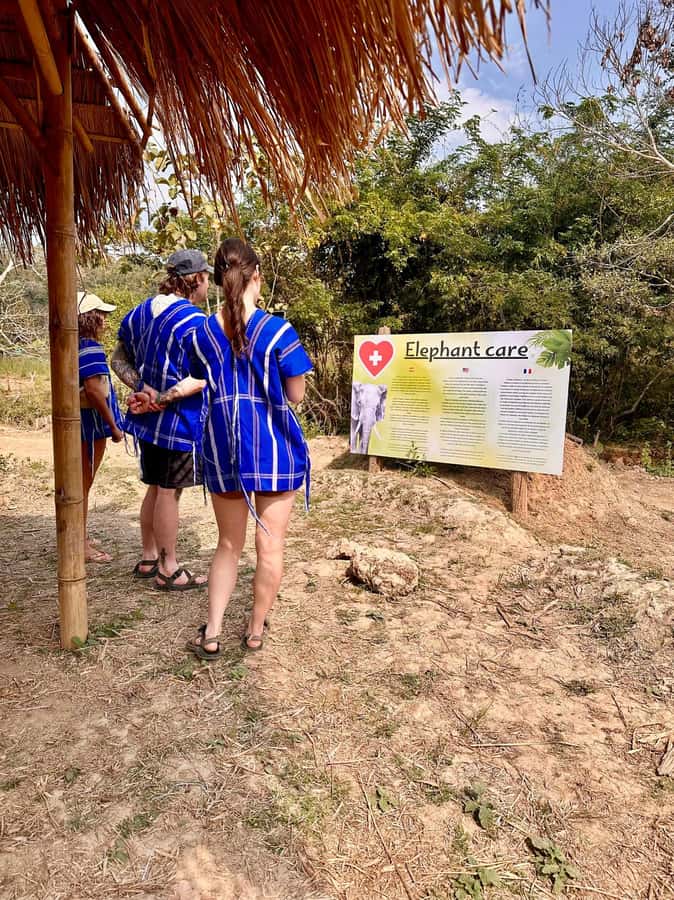
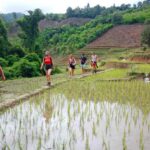
Next comes the main stretch on foot: a jungle trek with stops at waterfalls, plus time to bathe and rest. The guide explains what to look for—things like plants that react when you touch them and how to spot bird nesting areas. That kind of info turns a hike into something you can actually pay attention to.
This part is also where your “comfort math” needs to be honest. You’re walking on uneven ground and you may cross streams. Some hikers find it manageable; others find it challenging, especially if you’re not used to climbing rocks and switching footing often.
The waterfalls are a highlight, but plan for practical reality. When you stop for bathing, you’ll be dealing with slippery rocks and wet gear. Go slow. Keep your balance. And if you’re prone to cold, expect that the water can cool you down fast after you’ve been in the heat.

Overnight by the Waterfall: Bamboo Huts, Real Nature
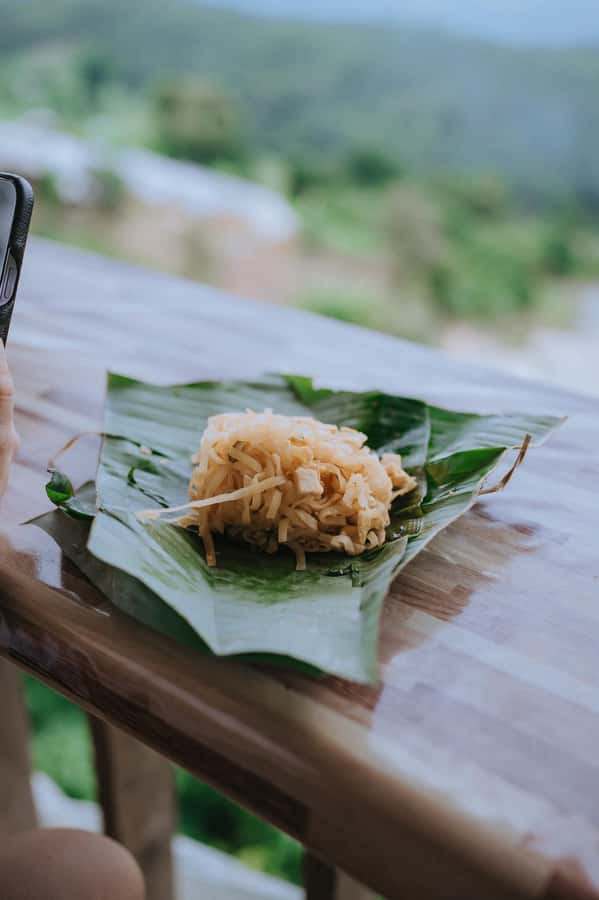
Day one ends at a jungle house by a river with a waterfall. You arrive in the afternoon, relax, and then eat authentic Thai food that your native guide prepares.
This is a major part of the value: you’re not just trekking and driving back to a hotel. You’re sleeping in the area you came for. One of the most-loved details is the evening atmosphere—campfire time under the stars, with dinner cooked in a very straightforward, on-site way.
The tradeoff is obvious once you picture it: no luxury setup. In some cases, it’s described as bamboo huts and a very natural setting (no electricity). The waterfall can also be loud, so if you’re a light sleeper, earplugs are a smart move even if you think you’ll sleep through anything.
Think of this night as part camping trip, part field trip. If you’re good with that, you’ll likely remember it for years.
Elephant Sanctuary Morning: Feeding and Daily Bathing Basics
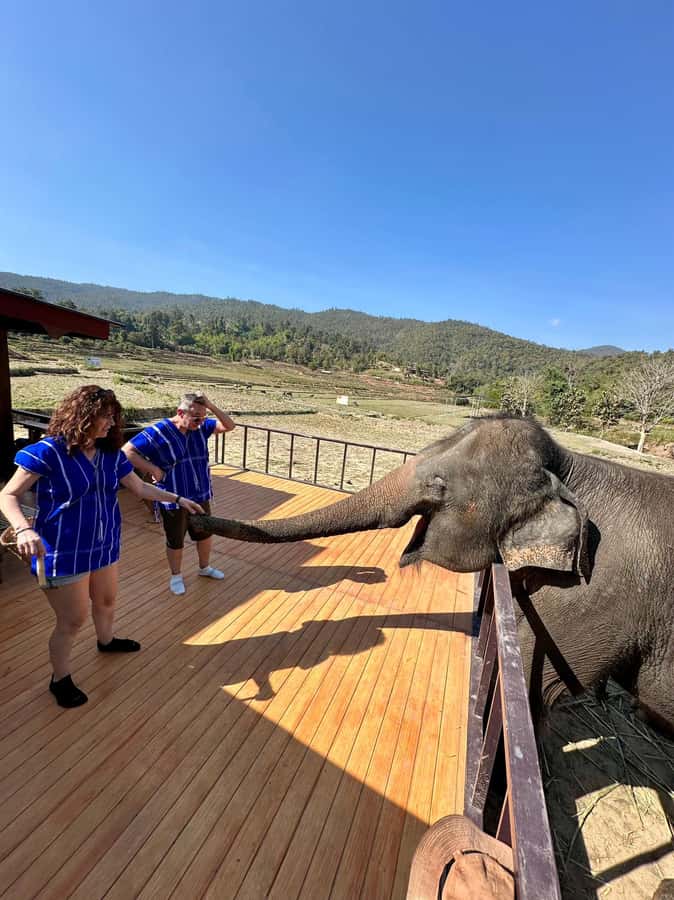
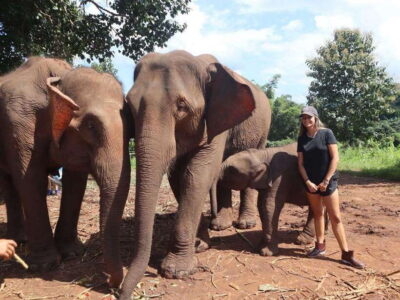
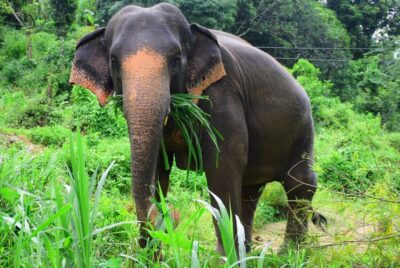
The second day brings the elephant sanctuary portion. In the camp setting, you typically interact with elephants in ways that focus on care—feeding and learning how daily routines support their well-being.
You might encounter a very small elephant group (some camps in this style focus on just a few animals). Either way, the core idea you should expect is respectful attention, not staged showmanship. Feeding is hands-on, but it’s done within the camp’s animal-care rhythm.
Then comes the next key concept: daily baths. Elephants rely on regular water time for hygiene and comfort, and you get to observe that routine firsthand. Seeing it from close range changes how you understand elephant care. It’s not just “fun with elephants.” It’s a daily need.
Your guide may explain what the elephants gain from water, how they interact socially during bathing, and how you can tell when the animals are comfortable. This part is one reason this tour feels more meaningful than a quick “see elephants” stop.
Mud Spa and River Time with Elephants (What You Need)
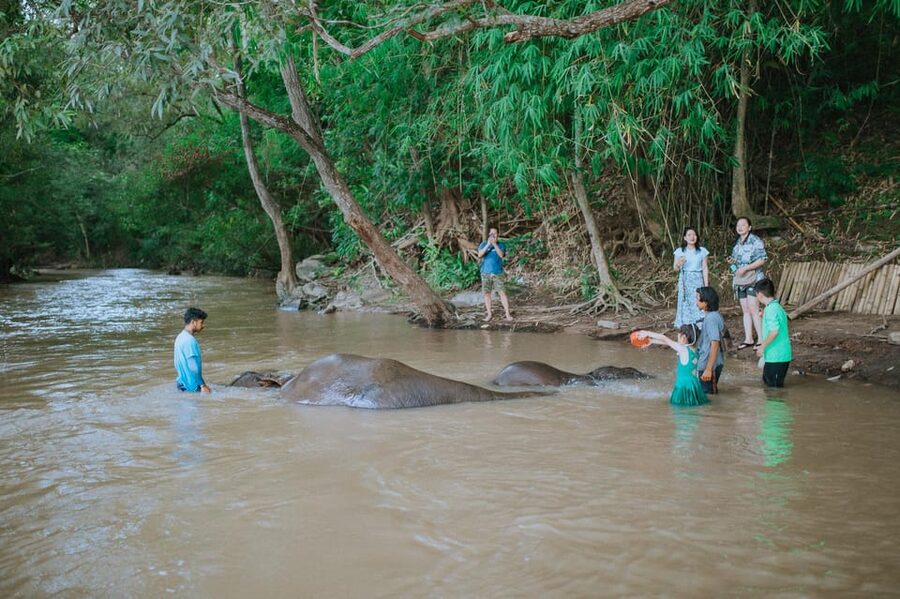
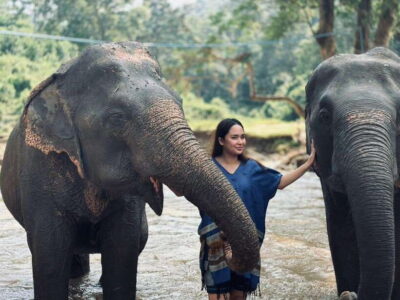
After feeding, you’ll move into bathing time—often including a mud spa phase, followed by river bathing. You should expect to get wet and muddy, and you may spend time standing in shallow areas while elephants approach and interact.
Here’s what makes this portion special for most people: it’s practical animal behavior. Elephants are smart and sensitive. Watching their body language during water time helps you see that they’re not just reacting to people—they’re living their normal rhythm. And yes, they often enjoy splashing and playful moments.
The downside is simple: your comfort depends on your readiness. Bring quick-dry clothes. Bring a towel. And if you’re squeamish about dirt on your gear, treat that as a heads-up, not a surprise.
Also, consider your own energy level. Two days of trekking plus wet bathing time means you’ll feel it in your legs and shoulders. Plan to take it slow, keep hydrated, and don’t try to “power through” the mud and water part.
Second Day Waterfalls to Chiang Mai Drop-Off
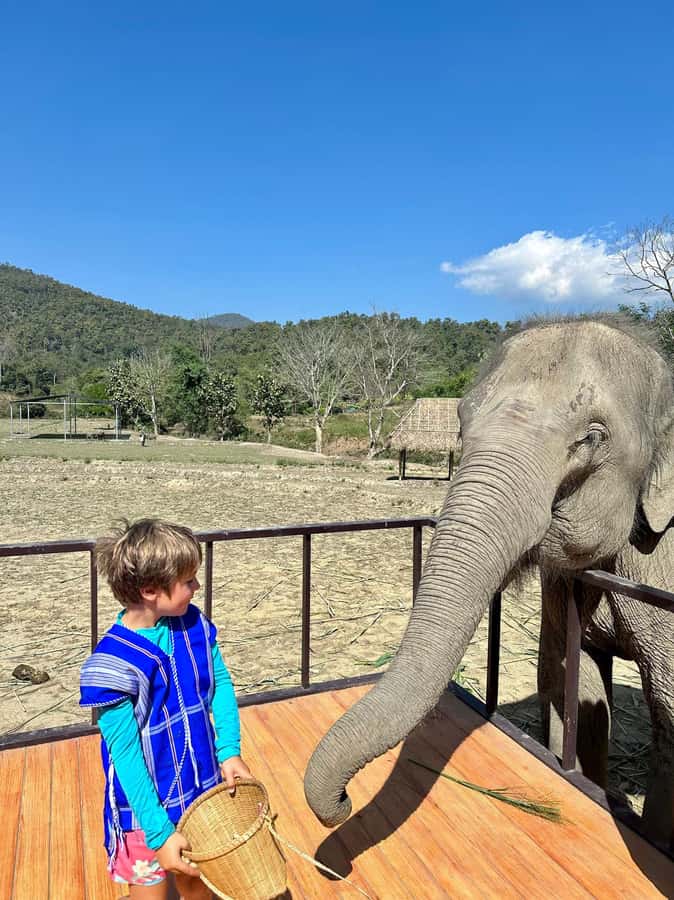
Between the elephant time and the final return to Chiang Mai, you’ll continue with more trekking and waterfall stops. There’s also a rest point where lunch is served.
By this point, you’ll be tired in a good way. The schedule gives you a mix of movement and downtime: walk, stop, bathe or cool down, eat, then walk again. That cycle helps keep the day from feeling like one long grind.
For photos, this is where you’ll see the best variety: waterfall views after jungle walking, elephants and handlers in calm moments earlier, and then more natural scenery as you head back.
At the end, you return to your hotel in Chiang Mai with a full set of memories—and probably wet shoes in your bag, because that’s how these trips tend to work.
Price and Value for $118: What’s Included vs Not
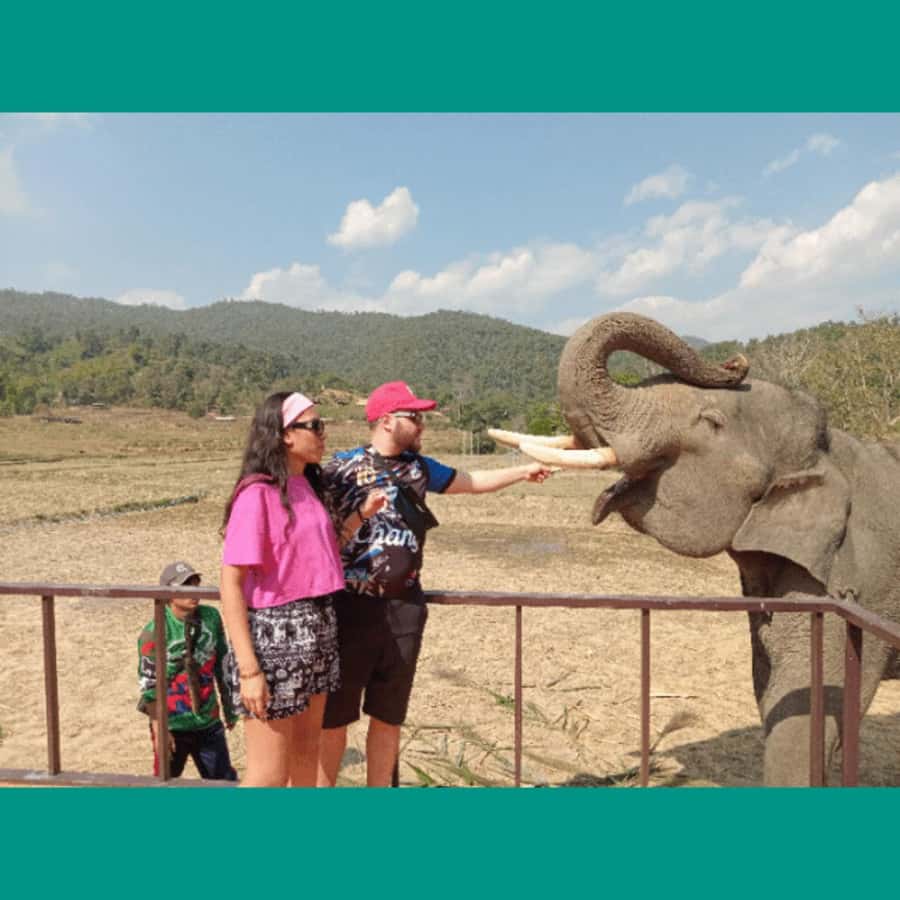
At $118 per person for two days and one night, the value comes from three things bundled together: transport, meals, and multiple nature activities.
Here’s what’s included:
- Two days and one night with hotel pickup and return
- All meals
- Transportation
- Bamboo rafting
- Guided trekking with a Karen local guide
- Waterfalls and an overnight stay near them
- Feeding elephants
- Karen village visit
- Thai food cooked on the trip
What’s not included:
- Drinks (soda, beer, and water are available for set prices, including water at 20 baht and beer at 60 baht)
Is $118 cheap? Not exactly. But it’s the kind of price that makes sense when you factor in: guide time for two days, the jungle lodging setup, meals, elephant interaction, and the rafting run.
If you were to DIY all of that—transport, guiding, safe elephant access, and overnight arrangements—you’d likely spend more. If you want a “pay for a single activity only” day, this isn’t that. It’s a package deal for people who actually want the outdoors and the animal-care learning.
What to Pack for Jungle, Water, and Long Walking
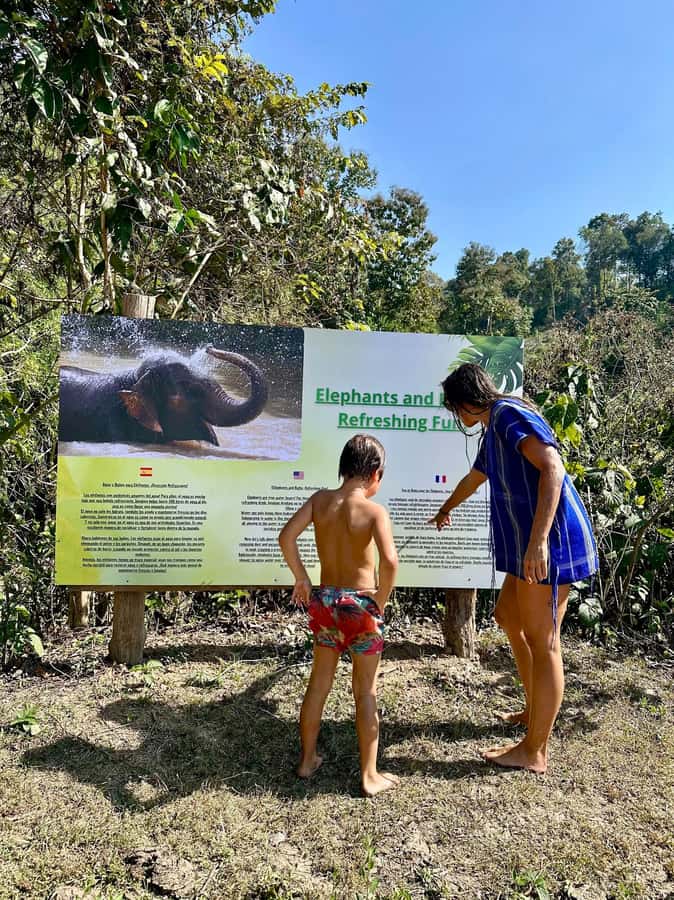
Bring the basics, but treat this like a water + hiking outing.
Pack:
- Comfortable shoes (and/or hiking shoes)
- Swimwear
- Towel
- Insect repellent
- Sunscreen
- Tough walking socks if you wear them
- Flip-flops for camp time
- Quick-dry clothing
- Reusable water bottle
- Cash (useful for drinks since they aren’t included)
- Clothes that can get dirty
Also consider earplugs for the waterfall night. It’s not a fashion item. It’s sleep insurance.
If you forget water shoes, you can still manage, but it’s more likely you’ll spend the day irritated. And if you forget sunscreen, you’ll pay for it later.
Who This Tour Fits Best (and Who Should Skip It)
This works best for you if:
- you like active days and don’t mind muddy/wet moments
- you want learning time with an actual guide, not just photo stops
- you’re comfortable with simple overnight lodging
- you care about elephant care practices like bathing and daily routines
It’s not a fit if you have low fitness. The trek can include climbing rocks and crossing rivers, and the overall day has multiple movement segments.
It also isn’t suitable for very young children, with the operator listing limits for babies and toddlers (not suitable for children under 2, and also not suitable for children under 3). It’s also not suitable for people over 95 years.
If you’re the type who needs quiet, private, and fully controlled comfort, this tour may feel too raw. But if you can handle nature sounds, basic bamboo lodging, and a serious trek, you’ll likely appreciate the straightforward authenticity.
Should You Book This Temple of Elephants Two-Day Tour?
Book it if you want a Chiang Mai elephant experience that’s more than a quick visit. The combination of elephant feeding, mud spa and river bathing, plus jungle trekking with waterfall breaks and an overnight by the falls is exactly the mix that makes this tour memorable.
Skip it if your priorities are luxury, minimal walking, or quiet sleeping. The hike and the waterfall sound are real factors, and the lodging is basic by design.
If you’re choosing based on value, I’d look at this this way: $118 buys you two full days of guided nature time, meals, transport, bamboo rafting, and elephant-care learning in one package. For the right traveler, it’s a strong deal.
FAQ
How long is the Chiang Mai Temple of Elephants sanctuary tour?
It’s a two-day and one-night experience. You’ll be picked up in Chiang Mai and returned to your hotel the next day.
Where does the tour pick me up and drop me off?
The tour includes pickup from your Chiang Mai hotel and drop-off back at your hotel the following day.
Is bamboo rafting included, and how long is it?
Yes. Bamboo rafting is included, and it’s described as lasting about 30 minutes on the Mae Wang River.
Are meals included in the price?
Yes. All meals are included, including Thai meals prepared during the trip and breakfast on the second day.
Do I need swimwear and a towel?
Yes. You should bring swimwear and a towel, because you’ll have water time during the trekking (waterfall stops) and in the elephant bathing experience.
Are drinks included?
No. Drinks are not included. You can buy items such as Coke (40 baht), Orange Fanta (40 baht), beer (60 baht), and water (20 baht).
Is the tour suitable for kids and babies?
No. The operator lists it as not suitable for babies under 1 year, children under 2 years, and children under 3 years.
Is the trekking easy or is fitness required?
Fitness is required. It’s listed as not suitable for people with low level of fitness, and the trek involves jungle walking with stops and natural obstacles like climbing rocks and crossing rivers.
More Tours in Chiang Mai
- Chiang Mai: Doi Inthanon National Park Eco-Friendly Tour★ 4.6 · 6,667 reviews
- Chiang Mai: Elephant Sanctuary & Waterfall Group Tour★ 4.9 · 5,780 reviews
- Chiang Mai: Cooking Class, Market & Thai Herbs Garden Tour★ 4.9 · 4,824 reviews
- Chiang Mai: Elephant Sanctuary Feeding Program Half-Day Tour★ 4.8 · 4,527 reviews
- Chiang Rai White Temple and Blue Temple Day Tour★ 4.6 · 3,366 reviews
More Tour Reviews in Chiang Mai
- Half-Day Thai Cooking Class at Organic Farm in Chiang Mai★ 5.0 · 19,087 reviews
- Chiang Mai: Elephant Sanctuary, Waterfall & Bamboo Rafting★ 4.9 · 9,160 reviews
- Chiang Mai: Doi Inthanon National Park Eco-Friendly Tour★ 4.6 · 6,667 reviews
- Chiang Mai: Elephant Sanctuary & Waterfall Group Tour★ 4.9 · 5,780 reviews
- Chiang Mai: Chiang Rai Temples, Karen Tribe and Hot Springs★ 4.7 · 5,401 reviews
More Elephant Sanctuaries Near Chiang Mai
- Chiang Mai: Elephant Sanctuary, Waterfall & Bamboo Rafting★ 4.9 · 9,160 reviews
- Chiang Mai: Elephant Sanctuary & Waterfall Group Tour★ 4.9 · 5,780 reviews
- Chiang Mai: Elephant Sanctuary Feeding Program Half-Day Tour★ 4.8 · 4,527 reviews
- Chiang Mai: Elephant Sanctuary, Long Neck & Sticky Waterfall★ 4.9 · 2,262 reviews
- From Chiang Mai: Elephant Care Program and Nursery Tour★ 4.8 · 1,899 reviews
Fresh off the pile: Chiang Mai tours we have just written up



Ethical Elephant Sanctuaries, compared.
 ★ 4.9Elephant Sanctuary, Waterfall & Bamboo RaftingFrom $609,160 reviews
 ★ 4.9Elephant Sanctuary & Waterfall Group TourFrom $505,780 reviews
 ★ 4.8Elephant Sanctuary Feeding Program Half-Day TourFrom $274,527 reviews
 ★ 4.9Elephant Sanctuary, Long Neck & Sticky WaterfallFrom $632,262 reviews
 ★ 4.8Elephant Care Program and Nursery TourFrom $531,899 reviews
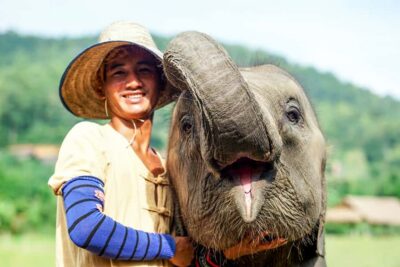 ★ 4.9Small Group Ethical Elephant Sanctuary TourFrom $771,572 reviews
 ★ 5.0Half Day Visit Smile Elephant Chiang MaiFrom $501,216 reviews
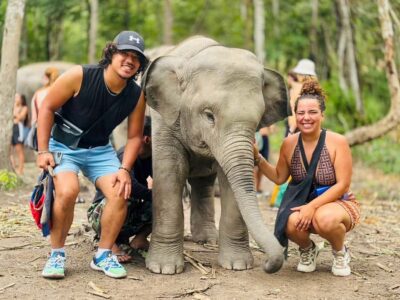 ★ 4.9Doi Inthanon and Elephant Sanctuary TourFrom $811,091 reviews
Browse the lists this tour appears in