
Reviewed · CHIANG MAI COOKING CLASSES
Evening Thai cooking class
Thai cooking gets real fast.
This evening Thai cooking class in Chiang Mai runs about 4.5 hours and starts with choosing your dishes and shopping for ingredients at the local market. Then you head to Aromdii Cookery School for step-by-step cooking, finishing with a meal made by your own hands, plus a recipe download you can take home. Pickup from select areas helps too, so you’re not spending your whole evening navigating tuk-tuks.
Two things I really like: the market ingredient hunt before you touch a stove, and the small class size (max 8) that makes it easier to ask questions and adjust as you go. You’ll get hands-on guidance for appetizers, mains, and desserts, not a lecture or a hands-off demo. One consideration: there’s no air-conditioning in the kitchen and the eating room has only fans, so this is more of a sweat-and-smile kind of night—plan accordingly.
In This Review
- Key highlights worth your time
- How the evening class flows from market to dinner
- Kad Kom Market shopping: spices, herbs, and what to look for
- Aromdii Cookery School: learning Thai cooking without air-conditioning drama
- Stir-fry first: Pad Thai, noodles, and the basics you’ll actually remember
- Soups and appetizers: papaya salad and spring rolls in real workflow
- Curry + curry paste from scratch: green, red, Massaman, and Khao Soi
- Desserts that end the meal on a sweet, coconut-heavy note
- What you get for the price: $27.58 that’s more workshop than dinner
- Who this class suits best in Chiang Mai (and who should skip it)
- Making the most of your evening: practical tips for comfort
- Should you book this evening Thai cooking class?
- FAQ
- How long is the evening Thai cooking class?
- What time and where does the experience start?
- Is hotel pickup offered?
- What dishes can I choose to cook?
- What is included in the price?
- Is alcohol included?
Key highlights worth your time
- Market shopping that teaches ingredients, not just buying them
- Small-group attention (up to 8 people) so you don’t feel lost
- Choose your menu in advance, then cook your picks course by course
- Curry paste from scratch, including the options like green, red, and Massaman
- You eat what you cook, with dinner included and water plus a welcome snack
- Room for learning at any skill level, thanks to step-by-step instruction
Pick your Thai cooking class: farm kitchens and market runs
- Half-Day Thai Cooking Class at Organic Farm in Chiang Mai
★ 5.0 · 19,087 reviews - Chiang Mai: Cooking Class, Market & Thai Herbs Garden Tour
★ 4.9 · 4,824 reviews - Chiang Mai: Authentic Cooking Class with Market & Farm Visit
★ 4.9 · 4,546 reviews - Thai and Akha Cooking Class in Chiang Mai
★ 5.0 · 4,358 reviews
How the evening class flows from market to dinner
This is an evening block, starting at 3:30 pm at Kad Kom Market (near public transportation). You’ll spend a short time picking ingredients during a market walk, then move to the cooking school for the main lesson and meal. The pace is designed to keep you moving—stir-fry first, then soup and appetizers, and finally curry plus dessert.
The biggest value here is that you’re not memorizing a recipe. You’re building a feel for Thai cooking: how produce changes once it’s prepped correctly, how spice and herbs behave in heat, and how curry paste shifts flavor as it’s mixed from scratch. And because the class ends with you eating the dishes you made, you get immediate feedback: what worked, what could be tweaked, and what you’ll want to repeat later.
You’re also not stuck doing one standard menu. Everyone chooses their dishes before the class starts, so the cooking school staff can guide each station around your picks.
Kad Kom Market shopping: spices, herbs, and what to look for
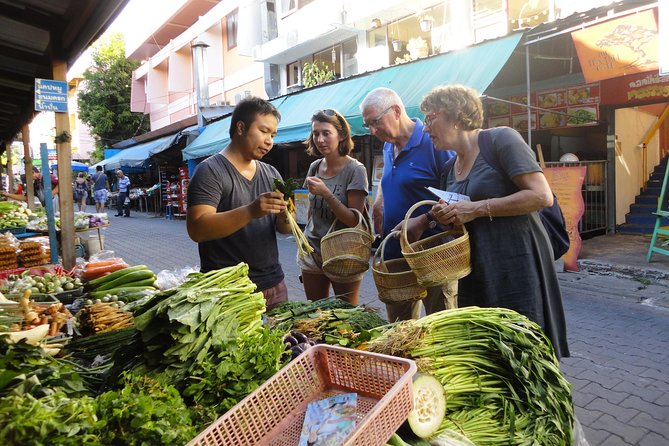
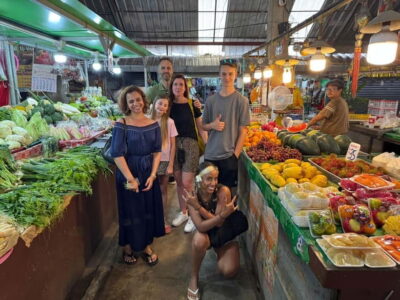
Before class cooking begins, you’ll get a guided market stop of about 15–20 minutes. This isn’t a long wander where you’re guessing what to buy. Instead, everyone selects their menu first, then the group picks the produce needed for those dishes.
Expect to get shown key Thai ingredients—veggies, spices, and herbs—and learn what role they play in the dishes you’re making. You can also take photos during the walk, and if you want to bring something home, you’ll likely have a chance to buy some spice you picked up along the way.
A practical way to make this market time pay off: look closely at the herbs and aromatics. In Thai cooking, smell and freshness matter, and the class uses what you see here to teach why. If you’re the type who likes to recreate meals later, this shopping stop is where your future grocery list starts.
Aromdii Cookery School: learning Thai cooking without air-conditioning drama
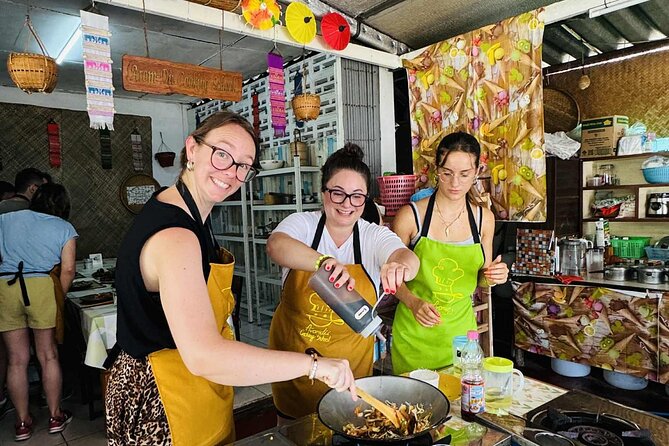
Once you arrive at Aromdii Cookery School, the kitchen setup is very straightforward—hands, ingredients, and instruction. The class environment doesn’t have air-conditioning, and the eating area uses only fans. That doesn’t make the lesson harder, but it does mean you should dress for warmth and plan for humidity.
The teaching style is step-by-step, and that matters because Thai cooking can look intimidating when you first see it. Here, the structure breaks things into clear parts: stir-fry techniques, soup and appetizer pacing, then curry paste and finishing touches.
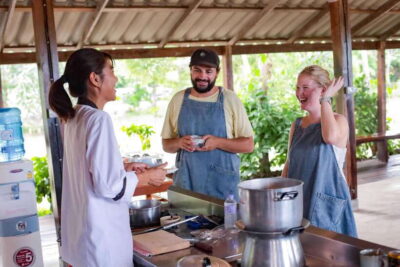
Also, the class runs with a small group capped at 8 travelers, which helps a lot. You’re less likely to feel like you’re waiting in line for help. If your cut is uneven or your heat level is off, you can get guidance right when it matters.
Nothing jumping out yet? More Chiang Mai trips are just down the page
Stir-fry first: Pad Thai, noodles, and the basics you’ll actually remember
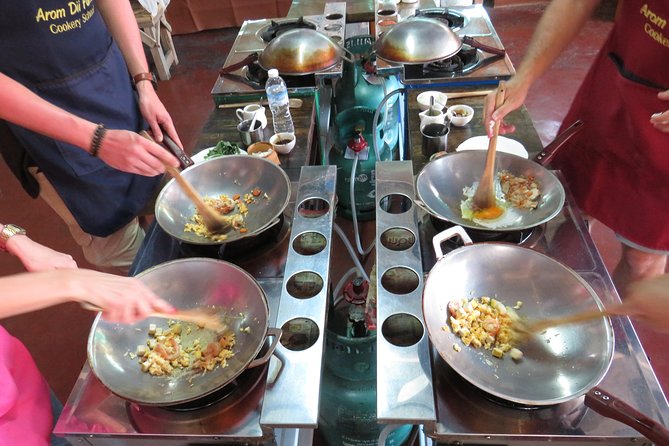
The cooking lesson begins with stir-fried dishes, which is a smart first move. Stir-fry teaches control—heat management, timing, and how quickly ingredients change once they hit the pan. It’s also a great way to get your confidence up before sauces and pastes get involved.
From the menu options, you can choose items like:
- Pad Thai
- Fried Drunken noodles
- Pad See Ew
- Fried cashew nut
What to pay attention to here is the order. Thai stir-fries are often about quick steps done in the right sequence, and this class format supports that. If you’ve never cooked Thai noodles before, starting here gives you a foundation you can use later for curries and soups.
And yes, you’ll be in the middle of it—chopping, mixing, frying—then moving on when it’s time. That “active” style is exactly why cooking classes feel like more than a meal.
Soups and appetizers: papaya salad and spring rolls in real workflow
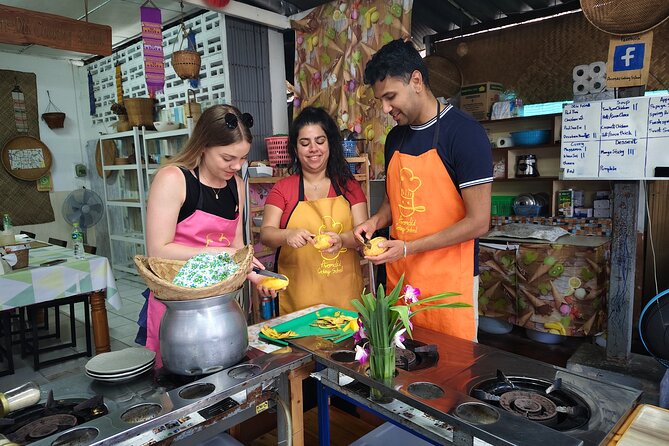
After the stir-fry portion, the class moves into soup and appetizers. This section is where Thai flavor building shows up in multiple ways: tang, herb brightness, heat, and creamy depth.
Your choices include:
- Papaya salad
- Fresh spring rolls
- Fried spring rolls
- Mixed fruits salad
For soups, options include:
- Hot & Sour Prawns thick soup
- Coconut chicken
- Tom Yum Chicken
- Hot & Sour prawns clear soup
This part of the evening is practical because you’ll see how Thai cooks balance flavors across different dishes. For example, you might make something that’s crisp and fresh (like spring rolls) and something that’s warm and tangy (like Tom Yum). Getting those contrasts in one class helps the recipes make sense later, when you try to cook at home.
A small detail that helps: because you choose your menu before the class starts, you’re not learning by watching someone else cook your least favorite dish. You’re cooking the courses you actually care about, which keeps motivation high when you’re chopping and stirring for hours.
Curry + curry paste from scratch: green, red, Massaman, and Khao Soi
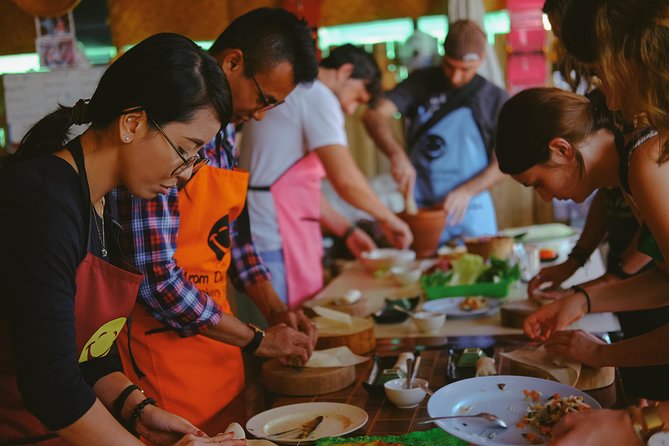
The final cooking block is dessert and curry, and this is the part that tends to feel like the “wow” stage. You’ll make curry paste from scratch, which is not just a fun skill—it’s the heart of why curry tastes like curry. Store-bought paste can get you close, but learning the paste process teaches what ingredients are doing in the flavor system.
Curry and noodle options include:
- Khao Soi (Chiangmai noodles)
- Green curry
- Massaman curry
- Red curry
Because the class includes the curry paste making step, you’ll get more than a finished dish. You’ll understand how the paste comes together, and that makes it easier to adjust at home when you want it hotter, milder, thicker, or more aromatic.
If you’re picky about curry flavor, this is where you’ll appreciate the method. Paste mixing and cooking changes intensity, so learning it in-session gives you control instead of guesswork.
Desserts that end the meal on a sweet, coconut-heavy note
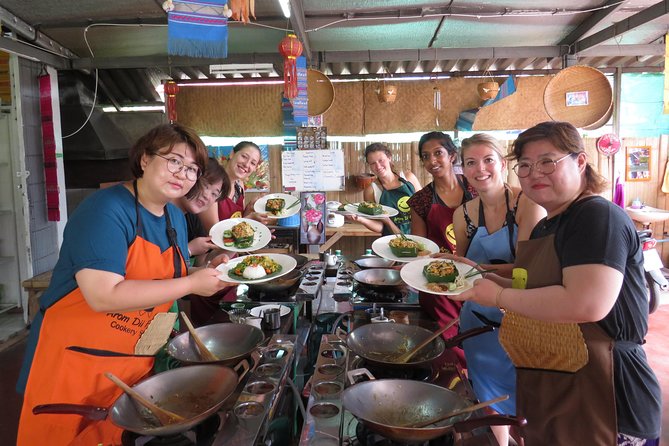
After curry, you’ll finish with dessert options. The class doesn’t treat dessert as an afterthought, and that’s good because it gives you a complete Thai meal experience—not just savory cooking.
Choose between:
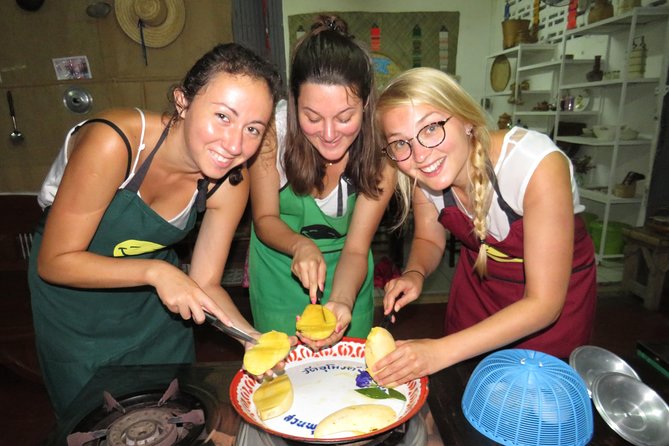
- Mango sticky rice
- Pumpkin in coconut milk
Both options fit Thai flavor preferences: sweetness balanced with coconut richness. Mango sticky rice also connects to sticky rice technique and timing, while pumpkin in coconut milk helps you learn how coconut sweetness behaves when it warms.
You’ll also see the benefit of cooking dessert in the same class flow. When your stomach is already used to Thai flavors, the dessert feels like a natural closing act—not a random sugar stop.
What you get for the price: $27.58 that’s more workshop than dinner
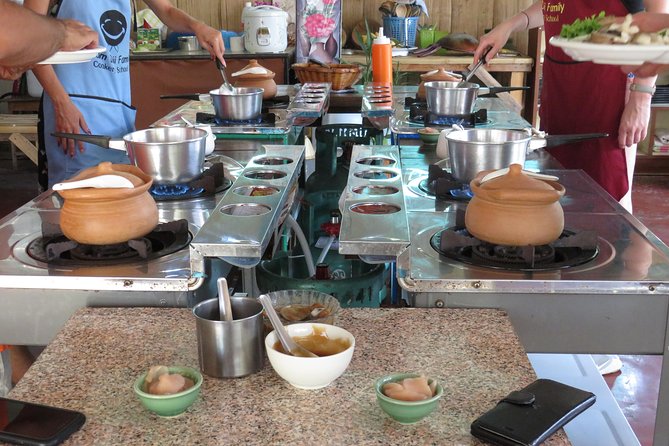
The price is $27.58 per person, and the typical booking window averages around 59 days in advance. For that, you’re getting a real evening session: market shopping time, guided cooking across multiple dishes, and dinner that includes the food you prepare.
This isn’t just paying for ingredients. You’re paying for:
- Step-by-step coaching at a kitchen setup that stays organized for small groups
- Ingredient selection tied to your menu choices
- A handmade recipe download you can use later
- Welcome snack and bottle water
- Transportation if you’re within 3 kilometers (and pickup is offered from select areas)
The cost can feel especially fair if you’ve ever paid for a restaurant meal and then walked out thinking you could never replicate the flavors. Here, you’re leaving with skills and a recipe reference, not just full stomach.
One budget note: beer or alcohol isn’t included. If you want an adult beverage, plan to buy it separately.
Who this class suits best in Chiang Mai (and who should skip it)
This cooking class is a strong fit if you want a practical taste of Northern Thai cooking plus classic Thai favorites. It’s also ideal for mixed skill levels because the instruction is step-by-step and the group stays small.
It’s especially good if you:
- Want to learn why the food tastes the way it does (market-to-stove approach)
- Like interactive classes where you actually cook, not watch
- Want a menu you can customize from stir-fries to soups to curry and dessert
You might want to rethink your timing if heat and humidity make you miserable. The lack of air-conditioning in the kitchen and fan-only eating area means you’ll feel the weather. And because the experience requires good weather, you should keep an eye on conditions—if poor weather causes cancellation, you’ll be offered another date or a refund.
Making the most of your evening: practical tips for comfort
Because this is an evening class with warm kitchen conditions, dress for it. Think breathable clothes and comfortable shoes—you’ll be moving and standing while you cook. If you’re sensitive to heat, you’ll feel better with light layers you can manage.
Also, arrive ready to choose your dishes. Since everyone picks the menu ahead of time, you’ll get more out of the class if your picks match what you genuinely want to eat later. If you’re unsure, focus on categories you’d normally order in a Thai restaurant: noodles, one soup, and one curry plus dessert.
Finally, remember you can bring spice home after the market portion. If you care about recreating Thai flavor later, grabbing the right spice mix can save you from guessing later in your own kitchen.
Should you book this evening Thai cooking class?
Book it if you want a complete, guided Thai meal experience in one evening: market learning, real cooking practice, and a final sit-down dinner you helped make. The combination of small-group attention, menu choice, and curry paste from scratch makes it a strong value for the price.
Consider passing if you hate warm indoor spaces or you prefer a longer sit-and-watch format. The class is active and the environment isn’t air-conditioned, so comfort matters here.
If you’re in Chiang Mai and you want Thai cooking skills that go beyond restaurant eating, this is the kind of class that gives you something useful to carry home—both in memory and in your next grocery run.
FAQ
How long is the evening Thai cooking class?
The class runs for about 4 hours 30 minutes.
What time and where does the experience start?
It starts at 3:30 pm at Kad Kom Market, address provided for Kad Kom Market in Chiang Mai.
Is hotel pickup offered?
Pickup is offered from select areas, and transportation is included if you are not far from the cooking school within 3 kilometers.
What dishes can I choose to cook?
You can choose dishes from categories including stir-fried items (like Pad Thai and Pad See Ew), appetizers (like papaya salad and spring rolls), soups (like Tom Yum Chicken and coconut chicken), curries and curry paste (like green curry, Massaman curry, red curry, and Khao Soi), and desserts (like mango sticky rice and pumpkin in coconut milk).
What is included in the price?
Included are dinner, a welcome snack, bottle water, a handmade recipe download from the website, and transportation if you are within 3 kilometers.
Is alcohol included?
No. Beer or any alcohol is not included.
More Cooking Classes in Chiang Mai
- Half-Day Thai Cooking Class at Organic Farm in Chiang Mai★ 5.0 · 19,087 reviews
- Chiang Mai: Cooking Class, Market & Thai Herbs Garden Tour★ 4.9 · 4,824 reviews
- Chiang Mai: Authentic Cooking Class with Market & Farm Visit★ 4.9 · 4,546 reviews
- Thai and Akha Cooking Class in Chiang Mai★ 5.0 · 4,358 reviews
- Chiang Mai: Cooking Class with Market and Pickup★ 4.9 · 1,365 reviews
More Tour Reviews in Chiang Mai
- Half-Day Thai Cooking Class at Organic Farm in Chiang Mai★ 5.0 · 19,087 reviews
- Chiang Mai: Elephant Sanctuary, Waterfall & Bamboo Rafting★ 4.9 · 9,160 reviews
- Chiang Mai: Doi Inthanon National Park Eco-Friendly Tour★ 4.6 · 6,667 reviews
- Chiang Mai: Elephant Sanctuary & Waterfall Group Tour★ 4.9 · 5,780 reviews
- Chiang Mai: Chiang Rai Temples, Karen Tribe and Hot Springs★ 4.7 · 5,401 reviews
More Chiang Mai Cooking Classes
- Half-Day Thai Cooking Class at Organic Farm in Chiang Mai★ 5.0 · 19,087 reviews
- Chiang Mai: Cooking Class, Market & Thai Herbs Garden Tour★ 4.9 · 4,824 reviews
- Chiang Mai: Authentic Cooking Class with Market & Farm Visit★ 4.9 · 4,546 reviews
- Thai and Akha Cooking Class in Chiang Mai★ 5.0 · 4,358 reviews
- Chiang Mai: Cooking Class with Market and Pickup★ 4.9 · 1,365 reviews
Fresh off the pile: Chiang Mai tours we have just written up

Chiang Mai Cooking Classes, compared.
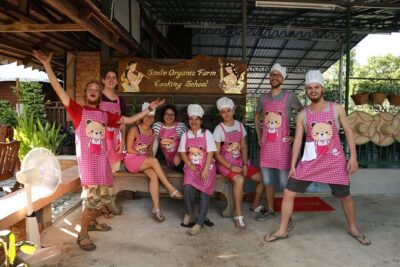 ★ 5.0Half-Day Thai Cooking Class at Organic Farm in Chiang MaiFrom $2919,087 reviews
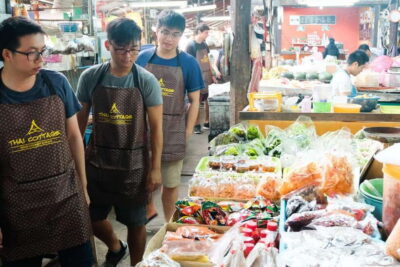 ★ 4.9Cooking Class, Market & Thai Herbs Garden TourFrom $314,824 reviews
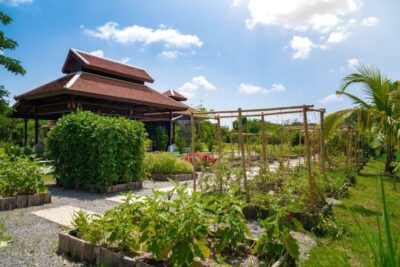 ★ 4.9Authentic Cooking Class with Market & Farm VisitFrom $344,546 reviews
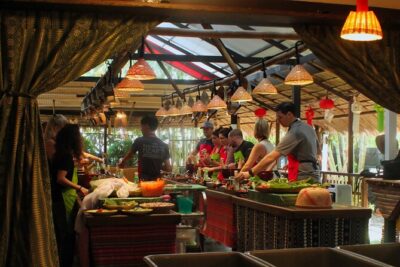 ★ 5.0Thai and Akha Cooking Class in Chiang MaiFrom $424,358 reviews
 ★ 4.9Cooking Class with Market and PickupFrom $251,365 reviews
 ★ 4.9Cooking Class with Organic Farm at Mama NoiFrom $321,151 reviews
 ★ 5.0Full Day Thai Cooking at Farm (Chiang Mai)From $391,127 reviews
 ★ 4.9HALF-DAY COOKING COURSE at a Thai Cooking FarmFrom $28705 reviews
Browse the lists this tour appears in