
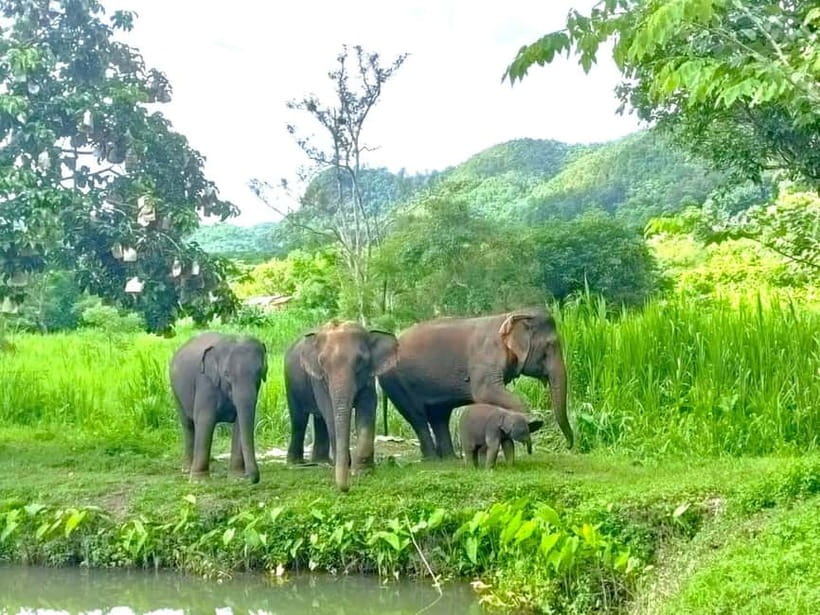
Reviewed · ETHICAL ELEPHANT SANCTUARIES
Half-day with CHIANGMAI ELEPHANT CARE program (12pm-6pm.)
Six hours, and the elephants set the rules. This CHIANGMAI ELEPHANT CARE program is interesting because you get hands-on time with feeding, touching, and walking, plus you make and offer herbal medicine balls as part of their daily care, not as a gimmick. The one drawback to consider is the schedule: you start around midday and you’ll spend about 1.5 hours driving each way.
I like that the day stays practical and calm. You’ll get a provided uniform, a home-cooked vegetarian lunch, a shower and changing time at the end, and an English-speaking guide who explains what to do and what not to do around the elephants—so you’re not guessing.
In This Review
- Key reasons this half-day is worth it
- A noon start that still feels like a full elephant day
- Getting there: pickup from your hotel, then the Maetang-area drive
- Arriving and changing: uniform time before you meet the elephants
- Lunch first: home-cooked vegetarian meal plus fruit and water
- The elephant care session: feeding, observing, walking, and learning
- Making herbal medicine balls: a small activity with big meaning
- River bathing and brushing: when the elephants decide
- Farewell with mahouts: part closing, part reflection
- Transport back to the city and the shower-and-change window
- Ethics and the rules you’ll get upfront
- Price and what you actually get for $54
- Who this tour suits best (and who might want alternatives)
- Booking decision: should you go with CHIANGMAI ELEPHANT CARE?
- FAQ
- FAQ
- What time does the Chiangmai Elephant Care program start and finish?
- Where is the pickup location for this tour?
- How long is the drive from Chiang Mai to the camp area?
- What’s included in the price of $54 per person?
- Is lunch included, and what type of food is it?
- Do you bathe the elephants?
- What do you do during the elephant interaction time?
- Can I get a refund if my plans change?
Key reasons this half-day is worth it
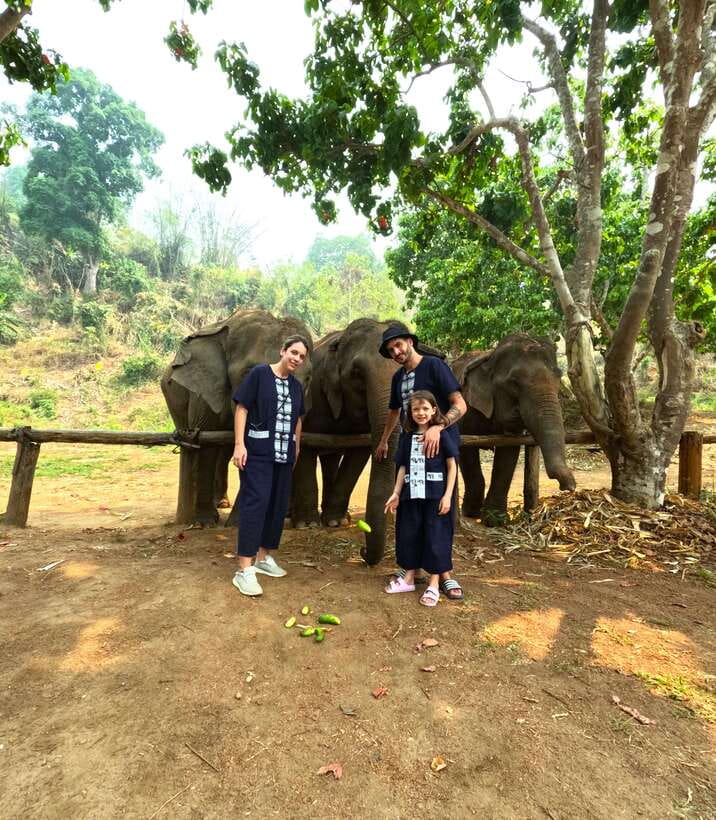
- Close feeding and touch with clear rules: You can feed, pat, and walk while getting guidance on respectful interaction.
- You make a herbal medicine ball: It’s hands-on, and it connects caring to digestion and health.
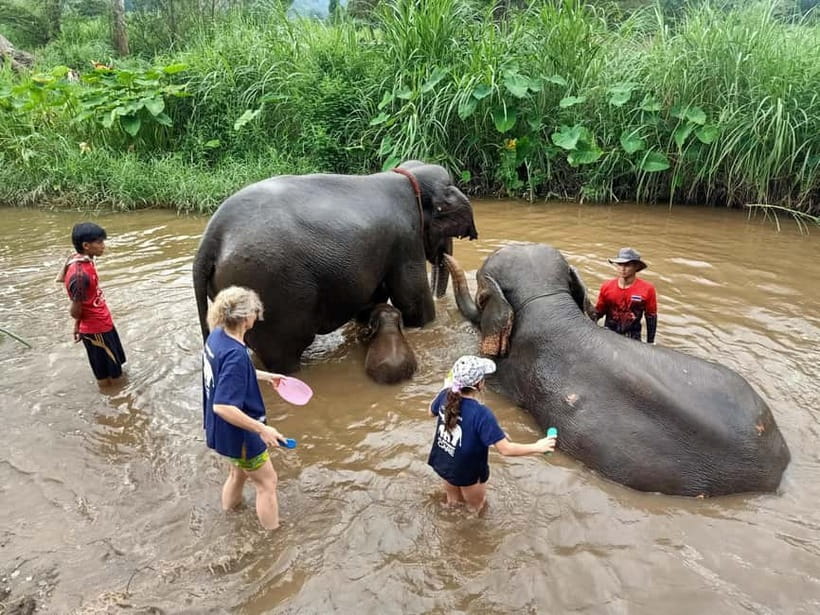
- River bathing and brushing: Cleaning happens in the water, and the elephants’ comfort comes first.
- Guided elephant education: You learn behavior and facts, not just photo ops.
- Hotel pickup and smooth transport: Pick-up runs from your hotel lobby and the transport has been rated perfectly.
- Facilities built for comfort: Showers and changing rooms are included after your interaction time.
More ethical elephant sanctuaries around Chiang Mai, side by side
- Chiang Mai: Elephant Sanctuary, Waterfall & Bamboo Rafting
★ 4.9 · 9,160 reviews - Chiang Mai: Elephant Sanctuary & Waterfall Group Tour
★ 4.9 · 5,780 reviews - Chiang Mai: Elephant Sanctuary Feeding Program Half-Day Tour
★ 4.8 · 4,527 reviews - Chiang Mai: Elephant Sanctuary, Long Neck & Sticky Waterfall
★ 4.9 · 2,262 reviews
A noon start that still feels like a full elephant day
This is billed as a half-day, but it’s really a complete rhythm: hotel pickup in the early afternoon, a long drive, then focused time at the program, and a return to the city by or before 6pm. That means you’re not trying to squeeze this in with the morning rush or juggling a second activity afterward.
The best part is that the experience is built around the elephants’ pace. The program notes that activities are based on their happiness, and that mindset shows up in how the day is organized. You’ll get a briefing first, then interaction time that stays grounded in calm behavior and careful handling.
If you’re expecting the most aggressive “show-style” control, you’ll be disappointed. If you want something more like elephant caregiving you can understand, you’ll probably like it a lot.
Getting there: pickup from your hotel, then the Maetang-area drive
Pickup happens around 12:00–12:30 from your hotel lobby. It can be 2–3 hotels joined into one group, which keeps costs down and avoids multiple separate cars.
After pickup, you drive about 1 hour 15 minutes to the Maeteang area, then arrive at the camp. Transport quality is a big deal here: the service has a perfect score from all reviewers, which matters when you’re heading out with a fixed schedule and want a smooth ride.
Practical tip: because it’s a midday pickup, plan a relaxed late morning and eat something light before you go. You’ll have lunch at the camp, but you don’t want to be hungry during the drive.
Arriving and changing: uniform time before you meet the elephants
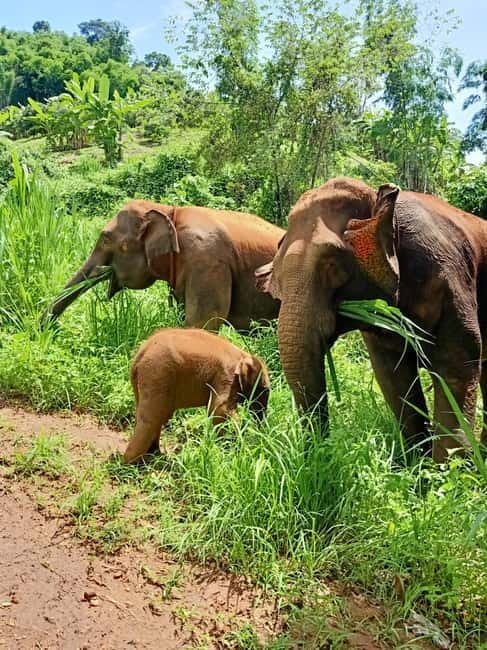
Once you arrive, you’ll change into the provided uniforms. This is simple but useful. It helps you look and feel like you’re part of the care routine, and it also makes it easier to keep things comfortable for walking, feeding, and water activities.
Then the day shifts from travel mode to care mode. There’s a lunch break first, followed by an introduction and briefing about what you should do and what you should not do around elephants. That briefing is worth treating seriously, because it sets the tone for how close you’ll be allowed to get later.
Nothing jumping out yet? More Chiang Mai trips are just down the page
Lunch first: home-cooked vegetarian meal plus fruit and water
Lunch is built in for about 30 minutes and is described as home-cooked, with vegetarian food plus fruits and drinking water. After the drive, this is the kind of stop that keeps the day from feeling like nonstop activity.
For many people, this meal becomes part of the experience rather than a checkbox. You’re heading into an animal-focused afternoon, so it helps to eat something that doesn’t feel rushed or heavy.
If you have dietary restrictions, you’ll want to check directly when booking, since the tour data only clearly states vegetarian lunch.
The elephant care session: feeding, observing, walking, and learning
Your guided tour at CHIANGMAI ELEPHANT CARE runs for about 3 hours. This is the core of the day, and it’s structured around education plus interaction.
Here’s the flow you should expect:
- A big info-and-briefing portion so you understand how to act around elephants
- Feeding and observing while learning behaviors and care basics
- Making a herbal medicine ball designed to support digestion and health
- Walking with the elephants and getting photo opportunities at appropriate times
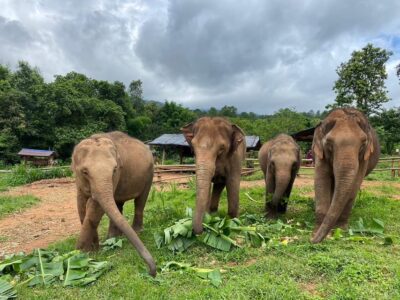
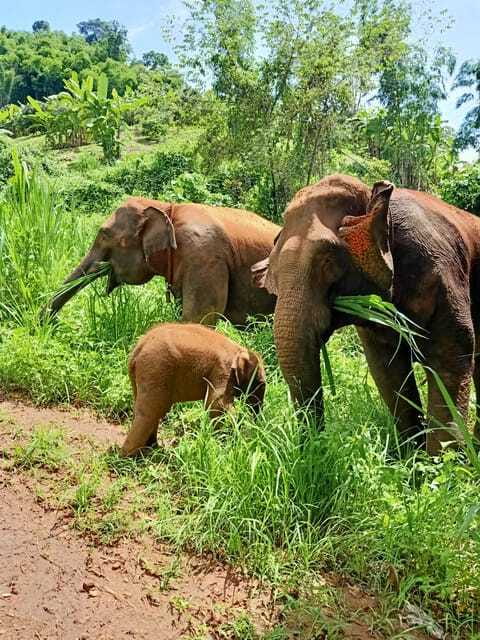
Two things make this section especially satisfying. First, you’re not just watching from a distance. You get close enough to learn what matters when elephants move, feed, and react to people. Second, the guide doesn’t treat elephants like props. You’ll be told facts and given context, which helps you turn your experience into real understanding.
Also, guides can strongly shape the day. Names like Tong Cruise and Ford have been mentioned in connection with enthusiastic, question-friendly guiding, including cultural context tied to elephant life in Thailand. If you want more than animal trivia, ask your guide about behavior and how people live with elephants in the region.
Making herbal medicine balls: a small activity with big meaning
One of the most memorable parts is the herbal medicine ball. You don’t just throw food from a bucket. You actually prepare a supplement in the camp setting, then offer it as part of the elephants’ care routine.
Why this matters for you: it gives you a mental model for health care beyond “feeding.” Elephants still need digestion support and daily wellbeing, and that’s what this activity points to. It also makes the interaction feel purposeful instead of purely recreational.
You’ll likely learn how the elephants respond to what they receive and why the program does this as regular care rather than a once-in-a-while show moment.
River bathing and brushing: when the elephants decide
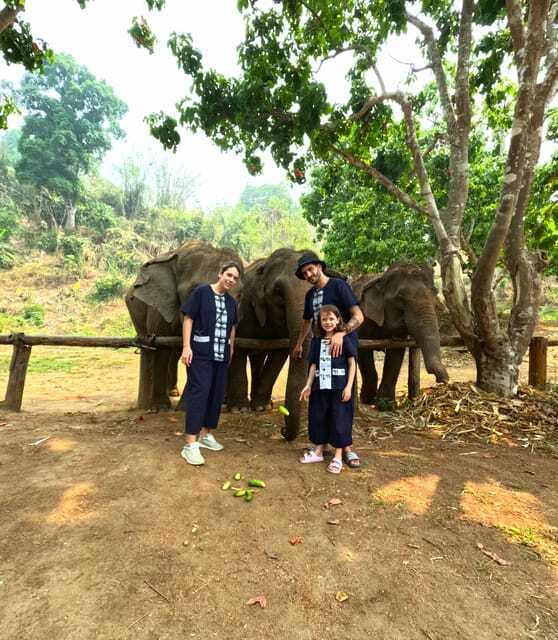
Bathe and brush in the river is part of the itinerary, and it’s usually a highlight because it’s more natural than a staged tub. Your job is not to wrestle or force anything. Instead, you follow the program’s rules and work with the calm rhythm of the elephants moving through the water.
Important consideration: since the program notes that activities are based on the elephants’ happiness, bathing isn’t something you should treat as guaranteed no matter what. If the elephants don’t want to participate, or if conditions change, the bathing portion may be adjusted. That flexibility is actually a good sign. It means the care routine is responsive, not rigid.
What to bring mentally: this can be wet, and you’ll want to be ready for cool water and slippery ground in a natural setting. The tour includes a shower afterward, which is exactly what you’ll want.
Farewell with mahouts: part closing, part reflection
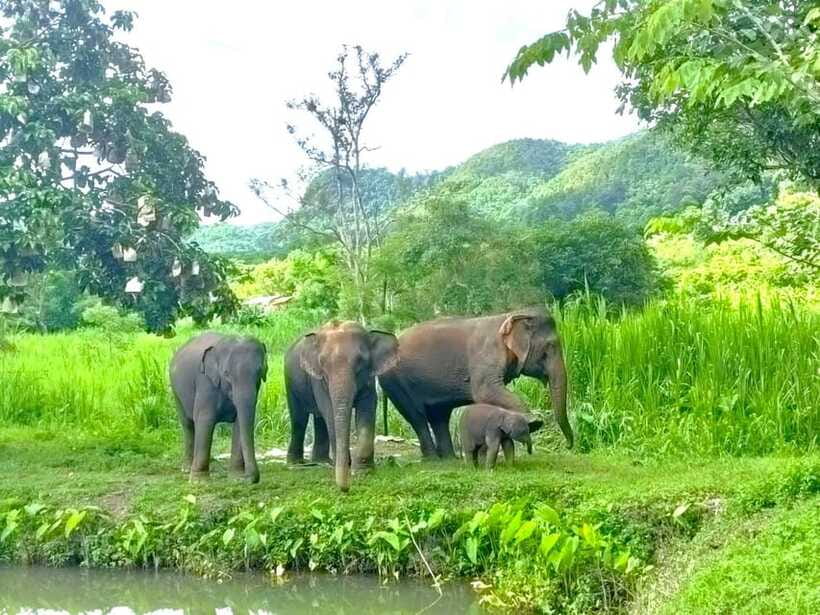
At the end, you’ll bid farewell to the elephants and mahouts. That closing matters because it shifts the day from entertainment to relationship. You’ve spent time learning, feeding, and helping with care, so saying goodbye feels more grounded than a quick exit after a photo line.
This is also when you can ask the final questions you held back earlier. If you were curious about the elephants’ daily routine, their behavior, or why the camp does things a certain way, this is your chance to clarify with your English-speaking guide.
Transport back to the city and the shower-and-change window
After the camp session, there’s about 30 minutes for refreshment. Plan on using that time to take a shower and change clothes, because you’ll likely be wet or dirty from river activities and everyday contact.
Then you return to the city around or before 6pm, with pickup and drop-off tied to your hotel lobby area. The day stays tight, but the structure keeps you from feeling stranded or rushed at the end.
Ethics and the rules you’ll get upfront
The ethical tone here is built into the instructions. You’ll get a briefing about what not to do with elephants, and the program explicitly says activities are based on the elephants’ happy.
From a practical standpoint, that means:
- You should expect guidance before you touch or feed
- You should avoid treating elephants like a prop
- You should accept that some activities might be adjusted based on the elephants’ comfort
If you care about animal welfare, this sort of rule-first approach is a big green flag. It’s also the difference between learning and performing.
If you’re worried about “forced interaction,” look for camps that repeatedly emphasize the elephants’ wellbeing and reduce pressure on animals. This program is positioned that way from the start.
Price and what you actually get for $54
At $54 per person for about 6 hours, this can be strong value because the inclusions are real, not just marketing.
What’s included:
- Ticket to enter CHIANGMAI ELEPHANT CARE
- English-speaking tour guide
- Elephant foods
- Uniform for activities
- Day tour insurance
- Home-made lunch plus fruits and drinking water
- Pickup from your hotel lobby
- Transport with a perfect rating score
What’s not included: personal needs.
If you price this out in your head, it’s not just an elephant encounter ticket. You’re paying for guided care time, a full lunch setup, transport, basic gear (uniform), and insurance coverage for the day. That combination matters, especially on a scheduled pickup where timing is fixed.
If you’re traveling with kids, this can also feel like a fair deal because you get education plus hands-on time, not just a quick viewing pass.
Who this tour suits best (and who might want alternatives)
This program fits well if you:
- Want close elephant contact that still feels guided and respectful
- Prefer learning about behavior and care routines
- Like the idea of making the herbal medicine ball and watching how elephants respond
- Don’t mind a midday start and a substantial drive time
It may not be the best fit if you:
- Need a very early morning activity slot
- Want a guaranteed river bathing experience no matter the weather or elephant preferences
- Are looking for a more purely sightseeing-focused half-day with minimal animal interaction
One more thought: if you get motion sick on van rides, plan for it. The drive time is long enough that comfort planning is worth it.
Booking decision: should you go with CHIANGMAI ELEPHANT CARE?
I’d book this if your ideal elephant day looks like care plus education, with clear boundaries and a calm pace. The biggest selling points for me are the hands-on feeding and touching under guidance, and the herbal medicine ball activity that connects interaction to health rather than spectacle.
If you’re the type who gets uneasy with rigid “petting show” routines, the fact that the day is based on the elephants’ happiness is exactly what you’re hoping to hear. Just be sure you’re okay with a noon pickup and the possibility that bathing depends on conditions and elephant comfort.
FAQ
FAQ
What time does the Chiangmai Elephant Care program start and finish?
Pickup is typically between 12:00 and 12:30, and you’ll return to your hotel around or before 6pm. The total duration is listed as 6 hours.
Where is the pickup location for this tour?
You’ll be picked up from your hotel lobby. The provided map reference for pickup is 7MCWQXJC+63W, which you can use to locate the meeting area on Google Maps.
How long is the drive from Chiang Mai to the camp area?
The drive is listed as about 1 hour 15 minutes to the Maeteang area.
What’s included in the price of $54 per person?
Included are the camp ticket, an English-speaking tour guide, elephant foods, a provided uniform, day tour insurance, and a home-cooked lunch with fruits and drinking water.
Is lunch included, and what type of food is it?
Yes, lunch is included. It’s described as a home-cooked vegetarian lunch, with fruits and drinking water.
Do you bathe the elephants?
River bathing and brushing are included as part of the elephant care time. The program notes that activities are based on the elephants’ happiness, so bathing may depend on the elephants’ comfort.
What do you do during the elephant interaction time?
You’ll have guided time to feed and interact with the elephants, make herbal medicine balls, observe the elephants, and walk with them with photo opportunities.
Can I get a refund if my plans change?
Yes. The tour offers free cancellation up to 24 hours in advance for a full refund.
More Half-Day in Chiang Mai
- Half-Day Thai Cooking Class at Organic Farm in Chiang Mai★ 5.0 · 19,087 reviews
- Chiang Mai: Elephant Sanctuary Feeding Program Half-Day Tour★ 4.8 · 4,527 reviews
- Chiang Mai: HALF-DAY COOKING COURSE at a Thai Cooking Farm★ 4.9 · 705 reviews
- Half-Day Elephant Experience at Rantong★ 5.0 · 625 reviews
- Chiang Mai: Elephant Dream Project Sanctuary – Half-Day★ 4.9 · 552 reviews
More Tour Reviews in Chiang Mai
- Half-Day Thai Cooking Class at Organic Farm in Chiang Mai★ 5.0 · 19,087 reviews
- Chiang Mai: Elephant Sanctuary, Waterfall & Bamboo Rafting★ 4.9 · 9,160 reviews
- Chiang Mai: Doi Inthanon National Park Eco-Friendly Tour★ 4.6 · 6,667 reviews
- Chiang Mai: Elephant Sanctuary & Waterfall Group Tour★ 4.9 · 5,780 reviews
- Chiang Mai: Chiang Rai Temples, Karen Tribe and Hot Springs★ 4.7 · 5,401 reviews
More Elephant Sanctuaries Near Chiang Mai
- Chiang Mai: Elephant Sanctuary, Waterfall & Bamboo Rafting★ 4.9 · 9,160 reviews
- Chiang Mai: Elephant Sanctuary & Waterfall Group Tour★ 4.9 · 5,780 reviews
- Chiang Mai: Elephant Sanctuary Feeding Program Half-Day Tour★ 4.8 · 4,527 reviews
- Chiang Mai: Elephant Sanctuary, Long Neck & Sticky Waterfall★ 4.9 · 2,262 reviews
- From Chiang Mai: Elephant Care Program and Nursery Tour★ 4.8 · 1,899 reviews
Fresh off the pile: Chiang Mai tours we have just written up




Ethical Elephant Sanctuaries, compared.
 ★ 4.9Elephant Sanctuary, Waterfall & Bamboo RaftingFrom $609,160 reviews
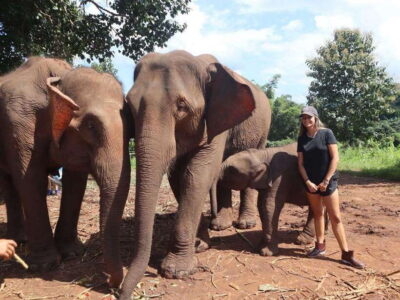 ★ 4.9Elephant Sanctuary & Waterfall Group TourFrom $505,780 reviews
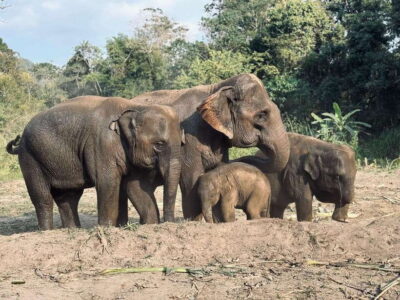 ★ 4.8Elephant Sanctuary Feeding Program Half-Day TourFrom $274,527 reviews
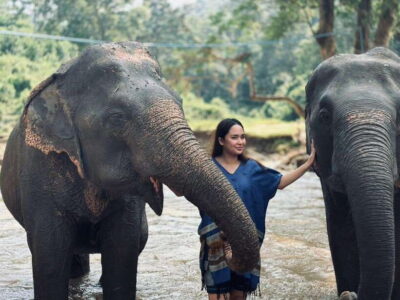 ★ 4.9Elephant Sanctuary, Long Neck & Sticky WaterfallFrom $632,262 reviews
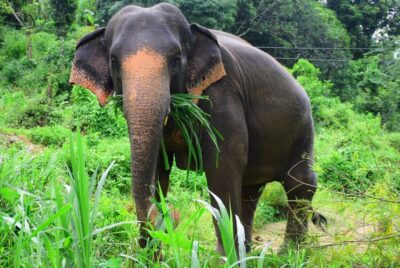 ★ 4.8Elephant Care Program and Nursery TourFrom $531,899 reviews
 ★ 4.9Small Group Ethical Elephant Sanctuary TourFrom $771,572 reviews
 ★ 5.0Half Day Visit Smile Elephant Chiang MaiFrom $501,216 reviews
 ★ 4.9Doi Inthanon and Elephant Sanctuary TourFrom $811,091 reviews
Browse the lists this tour appears in