
Reviewed · HALF-DAY
Iconic Half-Day Landmarks & Temples of Chiang Mai
Chiang Mai’s temples pack a lot into four hours. This tour hits Doi Suthep and the old-city heavyweights like Wat Chedi Luang, and I like that you get both big sights and real context from the guide. The one consideration is physical: that mountain temple portion asks for stamina, plus sun.
You’ll start from downtown Chiang Mai in the morning or afternoon, then ride an air-conditioned vehicle between stops. I also like that entrance fees are part of the price, so you spend less time figuring things out and more time looking around with the guide.
This is a small-group experience (up to 15), and you can choose shared or private. If you want a slower pace at the temples—or clearer answers for questions—private is the easy upgrade.
In This Review
- Key things that make this tour worth your time
- Temple-hopping without the all-day headache
- Price and what you’re really paying for
- Doi Suthep: the 306 steps, the naga staircase, and the big viewpoint
- Wat Chedi Luang: the 60-meter tower and the Emerald Buddha connection
- Wat Phan Tao’s teakwood ordination hall: the old craft you can actually see
- Wat Phra Singh: the Lion Lord temple for the 1,500-year-old Buddha image
- Warorot Market (Kad Luang): a quick taste of local trade
- Comfort, timing, and small-group flow
- What to wear and bring so temples don’t turn into a headache
- Choosing private vs shared: when it changes your whole day
- Who this tour suits best
- Should you book this temple tour?
- FAQ
- What’s the duration of the tour?
- How much does the tour cost?
- What’s included in the price?
- Are hotel pickup and drop-off included?
- Which temples and sites are part of the tour?
- What should I wear to the temples?
- Is the tour affected by weather?
Key things that make this tour worth your time
- Doi Suthep’s 306 steps and the naga (dragon-headed serpent) staircase design
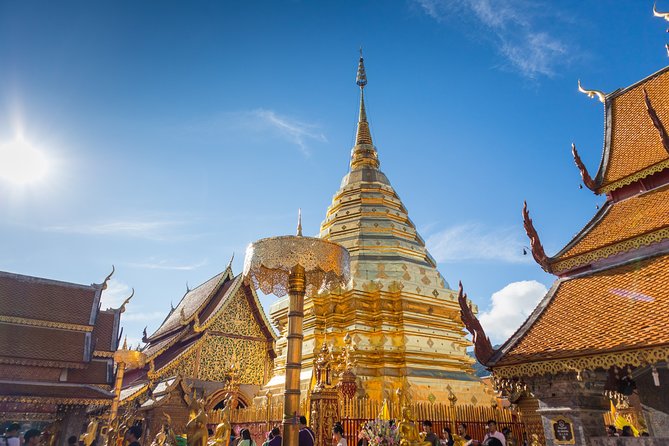
- A copper-plated chedi with a five-tier gold umbrella at the mountain temple
- Wat Chedi Luang’s 60-meter tower and its deep ties to the Emerald Buddha story
- Wat Phan Tao’s teakwood ordination hall, one of the few remaining all-wood structures of its kind
- Warorot Market (Kad Luang) for a quick look at local trade, including the wet market area
- Private guiding if you want a custom pace, with English guidance from hosts like Tinny, Nu, Mick, Krisada, Yaya, and Jack
Nothing jumping out yet? More Chiang Mai trips are just down the page
- Half-Day Thai Cooking Class at Organic Farm in Chiang Mai
★ 5.0 · 19,087 reviews - Chiang Mai: Elephant Sanctuary Feeding Program Half-Day Tour
★ 4.8 · 4,527 reviews - Chiang Mai: HALF-DAY COOKING COURSE at a Thai Cooking Farm
★ 4.9 · 705 reviews - Half-Day Elephant Experience at Rantong
★ 5.0 · 625 reviews
Temple-hopping without the all-day headache
Chiang Mai can feel like a temple marathon if you try to do it alone. This half-day plan keeps things tight: you cover the signature mountain temple first, then work your way down into town for historic sites and a market stop. The result is a “greatest hits” day that doesn’t steal your whole morning (or afternoon).
What I like about the pacing is the mix of scales. Doi Suthep feels huge and dramatic, thanks to the climb and the city views on clear days. Then you shift into older urban temple spaces where architecture, statues, and layered details make more sense once someone points out what you’re looking at.
Price and what you’re really paying for
At $66.20 per person, this isn’t a budget lunch-and-leave-it type of tour. You’re paying for a real guiding experience plus logistics that matter in Chiang Mai.
Here’s what’s included in the price:
- A professional English-speaking guide
- Air-conditioned transport with a professional driver
- Entrance fees for the temple visits listed in the program
- Taxes and service charges
And what you’ll handle separately:
- Meals, drinks, tips/gratuities, and anything you buy at markets or shops
- Transportation outside the downtown Chiang Mai area (supplement may apply)
- Travel insurance (recommended)
For me, the value is in how this helps you avoid the common solo-travel traps: wrong turns, missed etiquette rules, and not knowing what legends or artworks actually refer to. When you’re only in town for a short stay, those “small” moments add up.
Doi Suthep: the 306 steps, the naga staircase, and the big viewpoint
Doi Suthep is the kind of temple that changes how you see Chiang Mai. It sits high up on its namesake mountain, and the approach alone feels like a ritual—winding roads, then the final climb.
What you should expect:
- You’ll travel up the mountain road, then disembark for the climb
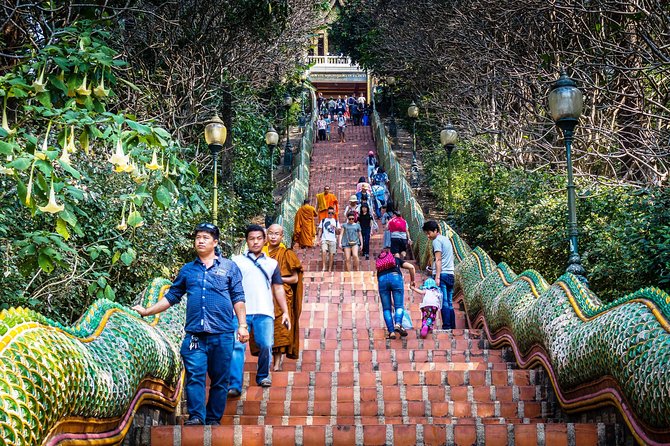
- The famous staircase is designed as a naga (dragon-headed serpent)
- It’s a total of 306 steps to reach the temple area
- Inside, you’ll see a copper-plated chedi topped by a five-tiered gold umbrella, linked to belief about partial relics of Lord Buddha
If the day is clear, the views over Chiang Mai can be the payoff you remember most. The program is set up so you’re not only moving through buildings—you’re arriving with context, so you understand why people treat this place as a spiritual landmark rather than just a photo stop.
Practical note: plan your pace. Even if you’re comfortable walking, the steps and the sun can feel tougher than expected—especially mid-day. Bring water with you if you’re able to (meals and drinks aren’t included), and don’t treat the climb like an athletic event.

Wat Chedi Luang: the 60-meter tower and the Emerald Buddha connection
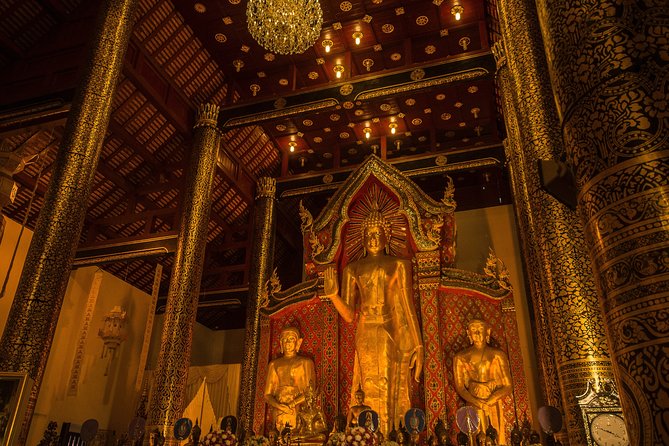
Back down in town, Wat Chedi Luang Varavihara is the “old power” stop. This is one of Chiang Mai’s most revered royal temples, and the towering presence is hard to ignore.
Key details that help you enjoy it more:
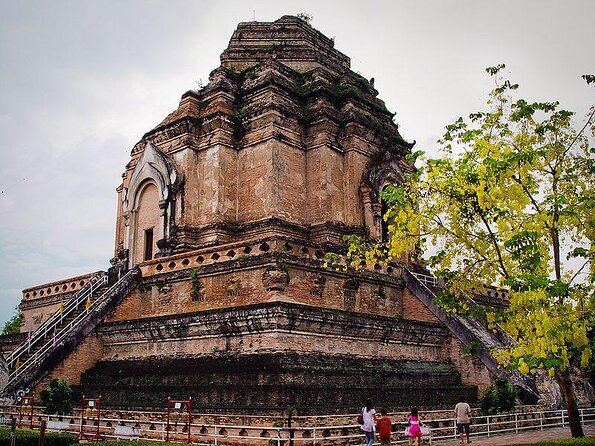
- The temple is known for its height—about 60 meters (196 feet)
- It’s revered as a home connected to the Emerald Buddha story
- Even if you’ve seen photos, the scale and surroundings feel different when you stand there in real life
This is also where a guide really earns their keep. Temple architecture can look similar if you don’t know what to compare. Once someone explains what makes this complex special in Chiang Mai’s Lanna era, you start noticing patterns in design, placement, and symbols you’d otherwise skip.
Wat Phan Tao’s teakwood ordination hall: the old craft you can actually see
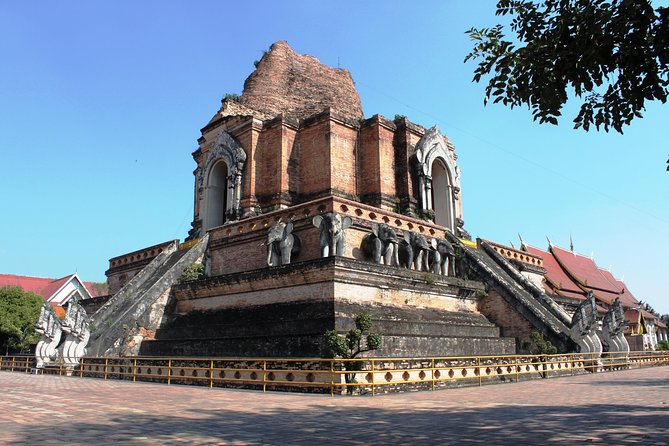
After the main highlight temple time, the route can include Wat Phan Tao, famous for its Lanna-style ordination hall made entirely of teakwood. That detail matters because it’s not just about age—it’s about the construction.
Why I think this stop is a smart move:
- Wood temples read well up close, because you can spot craftsmanship details
- It’s a calmer kind of visit compared with the bigger dramatic sites
- If you’re into architecture, this is the kind of place where you slow down naturally
The program describes Wat Phan Tao as one of the few remaining all-wood structures of its kind in Chiang Mai. That’s not the sort of claim you can fully appreciate from a picture. Here, your eyes do the work.
Wat Phra Singh: the Lion Lord temple for the 1,500-year-old Buddha image
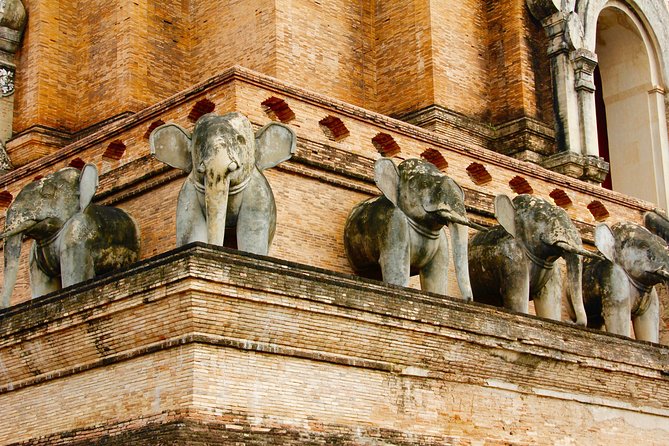
The tour’s temple focus also names Wat Phra Singh (Temple of the Lion Lord) as a major stop. This is a 14th-century site tied to the Lanna Kingdom, and it’s known for housing a sacred 1,500-year-old Buddha image.
If you like your temple visits with a sense of timeline, this is the kind of place that connects history to everyday worship. You’ll also see the complex is made up of several buildings with different architectural and artistic merit, so it rewards slow looking rather than quick sprinting.
Even if your day already includes other temples, adding Wat Phra Singh helps complete the bigger picture: mountain to city, drama to devotion, legends to long-standing religious centers.
Warorot Market (Kad Luang): a quick taste of local trade
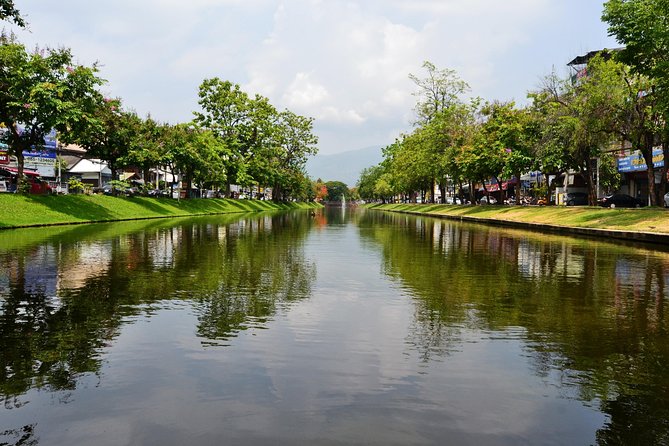
The last stop is Warorot Market (Kad Luang), described as Chiang Mai’s biggest market and a beehive of trade. You’ll spend about 45 minutes here, with the program noting the wet market section specifically.
I like this market stop for two reasons:
- It adds a real local rhythm after temple time, without turning the outing into a shopping trip
- It gives you a sense of how markets and community life sit alongside religious landmarks in the same city
Go in with the right mindset. This is not a “browse forever” market. It’s a short, guided snapshot. Wear shoes you can stand in and expect sensory overload—especially if you’re not used to the intensity of wet market areas.
Also, remember that market entry is free in the program, but personal expenses (meals, snacks, shopping) are not included. If you want to taste something, plan your budget.
Comfort, timing, and small-group flow
The tour runs about 4 hours 15 minutes and offers morning or afternoon departures. That duration is genuinely practical: long enough to cover multiple major landmarks, short enough that you still have time for dinner plans afterward.
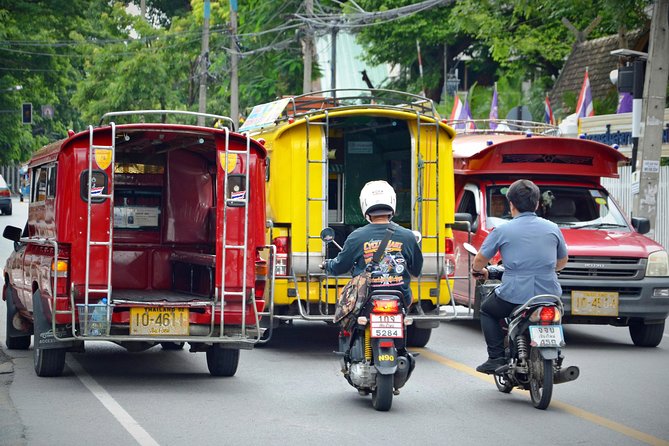
Transport matters here. You’re moving in an air-conditioned vehicle with a professional driver, which helps a lot on hot days or after temple climbs. And because the group is capped at 15 travelers, the day doesn’t turn into an assembly line.
One more practical detail: the tour operator uses a mobile ticket and offers pickup from downtown Chiang Mai. If you’re staying outside the city center, pickup may require a supplement. If you’re in a private residence or non-standard accommodation, you might be asked to meet at a nearby hotel for pickup and drop-off.
What to wear and bring so temples don’t turn into a headache
Temple etiquette is part of the experience, but you don’t want it to derail the day.
Dress code and shoe rules you should know:
- Expect to remove shoes when entering temple sites where required
- Royal temples have strict dress rules: shoulders covered and clothes below the knees
- Shirts with obscene or disrespectful prints can lead to refusal
- Extremely brightly-coloured clothing may also cause problems
What to bring:
- Sunglasses, a hat/cap, and high-SPF sunscreen (even cloudy days can still feel intense)
- Protect your electronics from moisture and natural elements—this tour notes that weather can affect devices if they’re not wrapped
It’s the kind of checklist that sounds boring, until you’re stuck at the temple entrance trying to improvise what you can cover.
Choosing private vs shared: when it changes your whole day
Both options follow the same core idea: temple circuit plus a guide and included access. The difference is how much control you get over pacing and attention.
- Shared/seat-in-coach: best if you want good value and don’t mind matching the group pace.
- Private option: best if you want a more personal guide experience and more flexibility at each stop.
This is where guide style matters. From the program’s guide roster, you’ll see names like Tinny and Krisada praised for friendly explanations and picture-helping, while guides like Nu and Yaya come up for calm, clear English and careful pacing. Mick is also mentioned for mixing culture and history in a way that feels easy to follow.
If you’re traveling with seniors, you’ll especially appreciate a guide who can adjust walking pace and keep you from feeling rushed.
Who this tour suits best
This one fits travelers who:
- Want a half-day hit list of Chiang Mai’s key temple sites
- Prefer a guide to explain symbols, architecture, and religious context
- Like a structured day with included entrance fees and reliable transport
It may feel like a tough day for travelers who:
- Have knee or mobility issues with stair climbs (Doi Suthep includes 306 steps)
- Hate sun and heat and can’t comfortably handle outdoor walking
That said, the program says most travelers can participate, so it’s not “only for hardcore walkers.” It’s just smart to plan for the steps and the outdoor time.
Should you book this temple tour?
I think you should book it if you want the most efficient way to see Chiang Mai’s top religious landmarks in one morning or one afternoon, without spending your trip time on logistics. The included entrance fees, the air-conditioned transport, and the guided explanations make the price feel more justified than a DIY hopscotch.
Skip it (or consider a different plan) if you’re hoping for an extremely slow, unstructured day—or if you’re not comfortable with the mountain staircase portion. In that case, you might want a tour that’s more gentle and less step-heavy.
FAQ
What’s the duration of the tour?
It runs for about 4 hours 15 minutes.
How much does the tour cost?
The price is $66.20 per person.
What’s included in the price?
You get a professional English-speaking guide, air-conditioned transportation, entrance fees for the listed visits, and applicable taxes and service charges.
Are hotel pickup and drop-off included?
Pickup is offered within downtown Chiang Mai areas at main hotels. Resorts and areas outside the central business district may require supplementary charges. Pickup/drop-off may not be confirmed for private residences, and you might be asked to meet at a nearby hotel.
Which temples and sites are part of the tour?
The tour focuses on Doi Suthep and key Chiang Mai temples including Wat Chedi Luang and Wat Phra Singh, plus a stop that includes Wat Phan Tao. It also includes a visit to Warorot Market (Kad Luang).
What should I wear to the temples?
You should cover your shoulders and wear clothing that falls below the knees. You may also need to remove shoes at temple entrances, and the tour notes that obscene or disrespectful prints and brightly-coloured clothing may lead to refusal.
Is the tour affected by weather?
Yes. The tour requires good weather. If it’s canceled due to poor weather, you’ll be offered a different date or a full refund.
More Half-Day in Chiang Mai
- Half-Day Thai Cooking Class at Organic Farm in Chiang Mai★ 5.0 · 19,087 reviews
- Chiang Mai: Elephant Sanctuary Feeding Program Half-Day Tour★ 4.8 · 4,527 reviews
- Chiang Mai: HALF-DAY COOKING COURSE at a Thai Cooking Farm★ 4.9 · 705 reviews
- Half-Day Elephant Experience at Rantong★ 5.0 · 625 reviews
- Chiang Mai: Elephant Dream Project Sanctuary – Half-Day★ 4.9 · 552 reviews
More Tour Reviews in Chiang Mai
- Half-Day Thai Cooking Class at Organic Farm in Chiang Mai★ 5.0 · 19,087 reviews
- Chiang Mai: Elephant Sanctuary, Waterfall & Bamboo Rafting★ 4.9 · 9,160 reviews
- Chiang Mai: Doi Inthanon National Park Eco-Friendly Tour★ 4.6 · 6,667 reviews
- Chiang Mai: Elephant Sanctuary & Waterfall Group Tour★ 4.9 · 5,780 reviews
- Chiang Mai: Chiang Rai Temples, Karen Tribe and Hot Springs★ 4.7 · 5,401 reviews
Fresh off the pile: Chiang Mai tours we have just written up

Half-Day, compared.
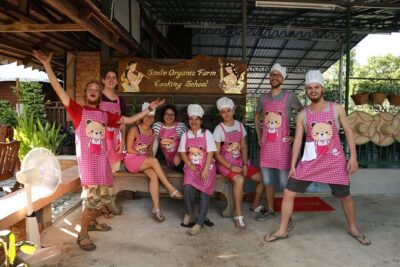 ★ 5.0Half-Day Thai Cooking Class at Organic Farm in Chiang MaiFrom $2919,087 reviews
 ★ 4.8Elephant Sanctuary Feeding Program Half-Day TourFrom $274,527 reviews
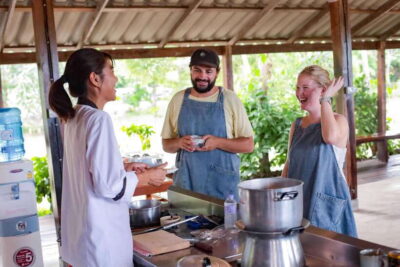 ★ 4.9HALF-DAY COOKING COURSE at a Thai Cooking FarmFrom $28705 reviews
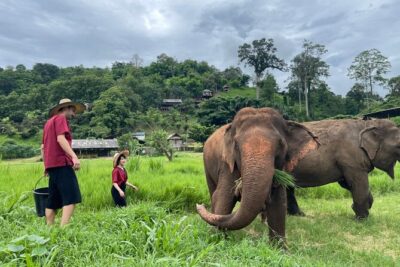 ★ 5.0Half-Day Elephant Experience at RantongFrom $58625 reviews
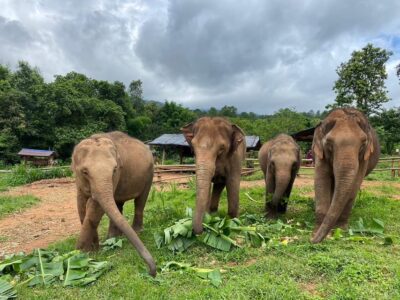 ★ 4.9Elephant Dream Project Sanctuary – Half-DayFrom $51552 reviews
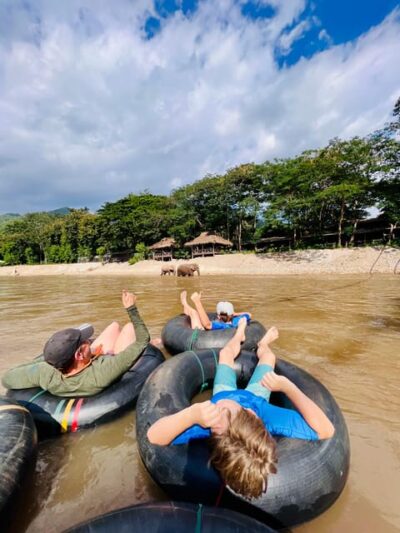 ★ 4.9Chiang Mai Half-Day Adventure: Tubing & Elephant FeedingFrom $77188 reviews
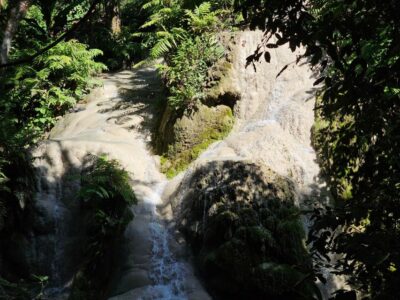 ★ 4.6Sticky Waterfall Half-Day Tour & Hotel TransfersFrom $30172 reviews
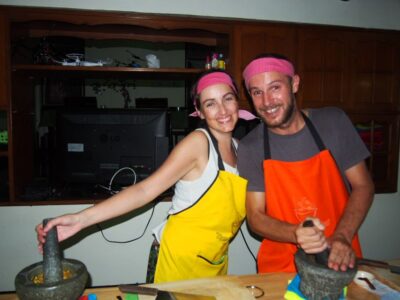 ★ 5.0Half-Day Cooking Class with Market TourFrom $36163 reviews