
Reviewed · HILL TRIBE VILLAGES
Long Neck Village, Silver Temple & Chiang Mai Top Sites
Chiang Mai in four hours is doable. You ride in a traditional red Songthaew and hit the city’s most famous Lanna temples, then finish with a visit to the Karen Long Neck Village. It’s a compact route that mixes big-stupa history, ornate Buddhist art, and everyday culture like weaving and local craft.
Two things I really like: Wat Chedi Luang’s massive chedi (it once housed the revered Emerald Buddha), and the silverwork at Wat Sri Suphan, where the craftsmanship is the whole point. You also get a clear, efficient flow through different temple styles, instead of bouncing around on your own.
One thing to consider before you go: temple access and entry costs can be a little tricky. The Long Neck Village entrance is included, but temple visits may require extra fees, and some temple areas are not accessible to women, so plan for outside viewing too.
In This Review
- Key highlights before you go
- A 4-Hour Route Through Chiang Mai’s Lanna Power Spots
- Wat Chedi Luang: The Great Stupa and the Emerald Buddha Story
- Wat Phra Singh’s Golden Pagodas and Sacred Murals
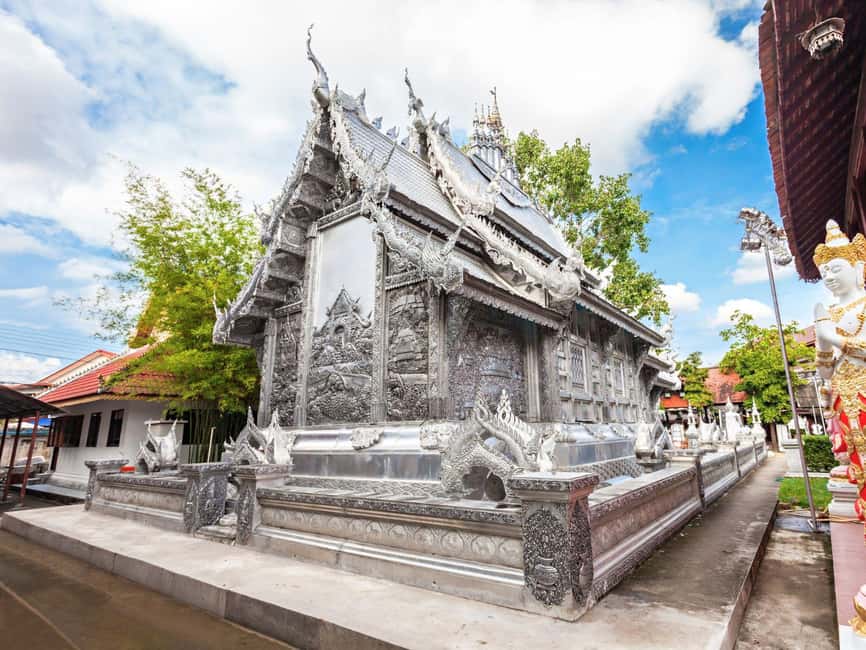
- Wat Sri Suphan, the Silver Temple, and Why the Craft Matters
- Karen Padaung Long Neck Village: Weaving, History, and Patronage
- Getting Around by Red Songthaew and Staying on Schedule
- Price and Entrance Fees: What $22 Covers in Real Life
- Dress Code, Cash, and Temple Etiquette That Keep Your Day Smooth
- Should You Book This Long Neck Village + Top Sites Tour?
- FAQ
- How long is the tour?
- How much does it cost?
- What’s included in the price?
- What’s the pickup situation in Chiang Mai?
- Are temple entrance fees included?
- What should I wear and bring?
- Is the tour suitable for everyone?
Key highlights before you go

- Wat Chedi Luang’s chedi story: Big Lanna architecture and the Emerald Buddha connection
- Wat Phra Singh’s sacred focus: Golden pagodas, ancient murals, and the Phra Buddha Sihing statue
- Wat Sri Suphan’s silver artistry: Handcrafted silver decorations tied to Buddhist symbolism
- Karen Padaung Long Neck Village visit: Weaving traditions and support for local artisans
- Red Songthaew transport: Shared local rides that keep the day moving
Visits to the Karen, Hmong and Akha villages in the hills
- Chiang Mai: Chiang Rai Temples, Karen Tribe and Hot Springs
★ 4.7 · 5,401 reviews - Thai and Akha Cooking Class in Chiang Mai
★ 5.0 · 4,358 reviews - Chiang Mai: Elephant Sanctuary, Long Neck & Sticky Waterfall
★ 4.9 · 2,262 reviews - 4-Hour Doi Suthep & Hmong Hill Tribe Village from Chiang Mai
★ 4.7 · 696 reviews
A 4-Hour Route Through Chiang Mai’s Lanna Power Spots
This tour is built for people who want the top Chiang Mai sights without spending your whole day in transit. You get three classic temple stops in a tight loop, then a final cultural visit to the Karen Padaung community at Long Neck Village. The timing matters here, because Chiang Mai temples look great in your imagination and faster in real life when you’re wearing the wrong pants.
The value is in the mix. Wat Chedi Luang gives you the big-stupa, old-school Lanna vibe. Wat Phra Singh shifts the mood with sacred golden pagodas and key Buddhist icons. Wat Sri Suphan turns the volume down on “temple size” and up on “craft detail,” especially if you like seeing how artisans build meaning into decoration.
Then you end in a place where the story isn’t just architecture. Long Neck Village is where you’ll see traditions like weaving and you’ll have a chance to support local artisans directly. If you care about how culture is made and paid for, the ending is the strongest part of the itinerary.
One more practical note: it’s an English-guided tour, and you’ll likely get better explanations if you ask quick questions instead of waiting until the end. During one booking, the guide Magie was praised for being helpful and engaging, and another guide named Mosquito was specifically mentioned for temple know-how and kindness.
Wat Chedi Luang: The Great Stupa and the Emerald Buddha Story
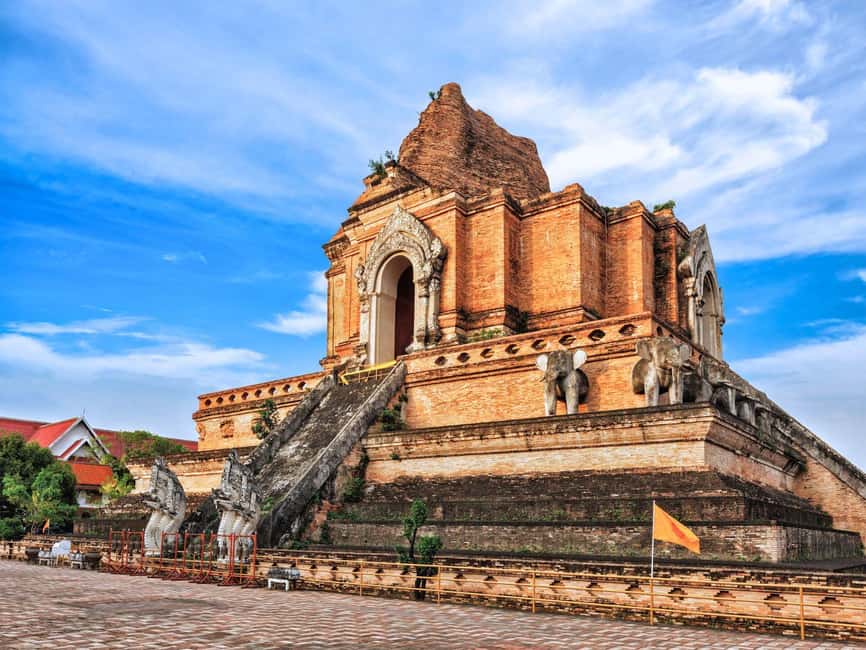
Your day starts at Wat Chedi Luang, often described as the Temple of the Great Stupa. The chedi here is partially ruined, but it’s still imposing, like the building refuses to shrink even after time has done its work. This is where Lanna architecture shows its muscle: layered stone forms, dramatic vertical presence, and a sense of importance that still lingers even without perfect restoration.
The key historical thread your guide should help you connect is the Emerald Buddha link. The chedi was home to the revered Emerald Buddha, and even if you don’t know the full religious history, the idea makes the place feel more than just a photo stop. It’s a temple you’ll understand faster once you know what used to be inside its spiritual center.
What I like as a visitor is how the ruins don’t feel like emptiness. They feel like evidence. You’re seeing a living temple complex shaped by history, not a sealed museum exhibit. Take a moment to slow down and look at how the structure holds itself together, especially from angles where you can see the scale.
The main practical consideration is simple: you’ll want your shoulders and knees covered. Temples enforce this, and getting it right saves you from awkward adjustments at the doorway. Also, bring comfortable clothes because you’re doing this on a timed schedule.
Wat Phra Singh’s Golden Pagodas and Sacred Murals
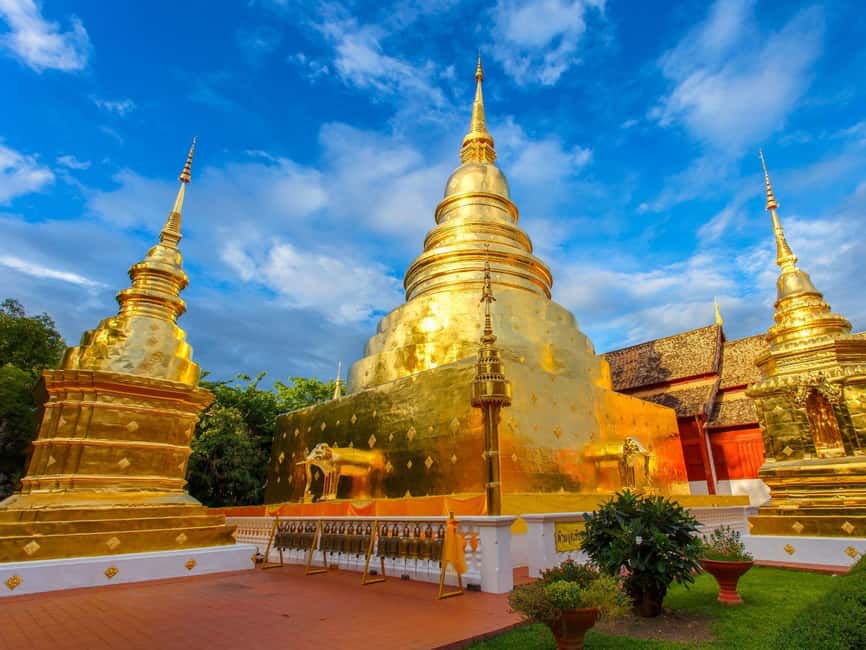
Next is Wat Phra Singh, one of Chiang Mai’s most sacred temples. If Wat Chedi Luang feels like monumental heritage, this one feels like living devotion. The standout visual element is the golden pagodas, which catch light differently depending on the sky and the angle you view them from.
This temple also has the kinds of details that reward a slightly quieter pace. You’ll see ancient murals, and there’s a revered statue that matters to Northern Thai Buddhism: the Phra Buddha Sihing. Even if you don’t read the symbolism instantly, your guide can point you toward what makes the statue important in the local religious world.
I like how this stop balances “big icons” with smaller observations. Golden architecture and major statues are the headline, but the murals and interior sanctums are where you start feeling how people experience faith here day to day. It’s not just impressive from the outside; it’s layered.
One thing to keep in mind: rules can vary by area. Based on past feedback, some parts inside certain temples are restricted for women, while viewing from the outside is usually still possible. If you’re visiting with anyone who might be affected by access rules, plan for flexibility so you don’t feel disappointed if you can’t enter every space.

Wat Sri Suphan, the Silver Temple, and Why the Craft Matters

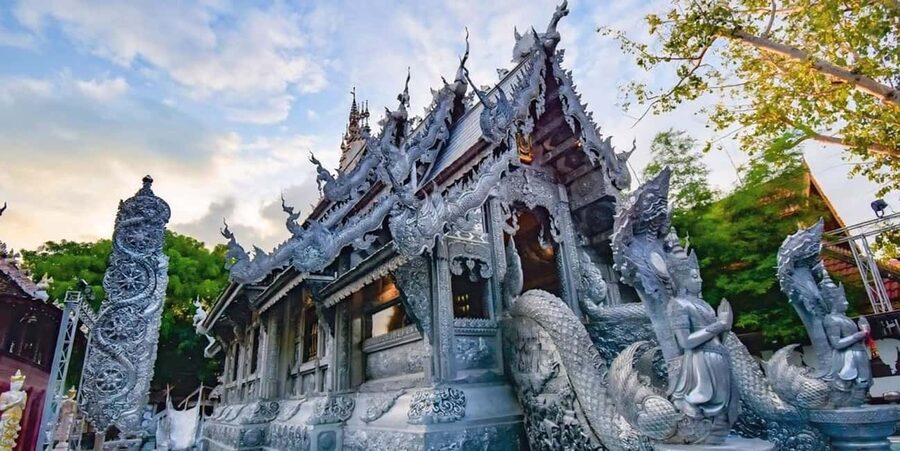
Wat Sri Suphan, also called the Silver Temple, is the craft stop on this route. The main reason it’s worth your time is right there in the name: the temple is decorated with handcrafted silverwork. This isn’t mass-produced shine. It’s detailed decoration that reflects traditional Lanna artistry and Buddhist symbolism.
I find this stop refreshing because it shifts your attention from “where do we stand to get the biggest view?” to “how did someone make this, and what does it mean?” You’ll probably spend more time looking at surfaces and patterns than you expect, especially if you enjoy design, metalwork, or religious art that’s meant to be touched by devotion rather than just admired.
This is also where a good guide really helps. If your guide is attentive, they’ll point out which silver details tie to symbolic storytelling, rather than treating the site like a generic highlight. In one praised experience, the guide Mosquito was singled out for temple explanations, which is exactly what you want at Wat Sri Suphan. Silverwork can be stunning, but it becomes memorable when you understand what you’re seeing.
Practical note: dress code still applies here, and, again, there can be restricted interior access depending on gender. If that affects you, you can still enjoy the exterior craftsmanship and learn the story without getting locked out completely.
Karen Padaung Long Neck Village: Weaving, History, and Patronage
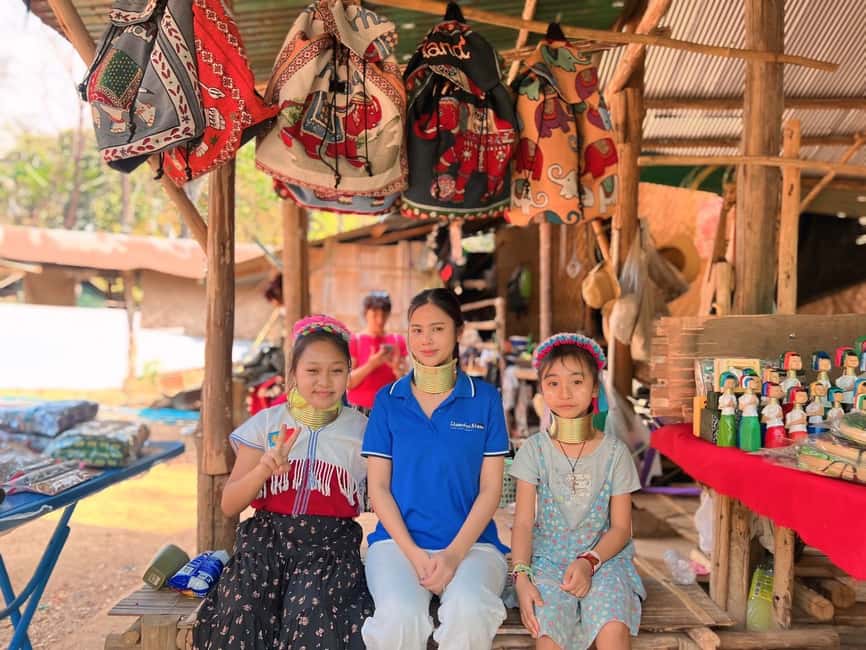
The tour ends at the Karen Long Neck Village, and this is where the day turns from temple sightseeing into culture-and-community time. You’ll learn about the history and traditions of the Karen Padaung people, and you should expect traditional weaving techniques to be part of what you see.
This stop has real value if you care about the difference between watching culture and supporting the people keeping it alive. Past visitors noted that you can buy traditional outfits and small souvenirs on site, and that supporting local artisans makes the experience feel less like consumption and more like direct patronage.
That said, go in with the right mindset. You’re not just visiting a display. You’re visiting a community, so treat conversations with respect, ask permission before taking photos when needed, and keep your tone friendly. Your guide will help you set expectations, but your behavior still shapes the experience more than you’d think.
Bring cash for purchases and tips. Credit cards aren’t accepted everywhere, and the village visit can trigger impulse buys. If you want to manage your budget, decide what you’re comfortable spending before you start walking through the shops.
Getting Around by Red Songthaew and Staying on Schedule

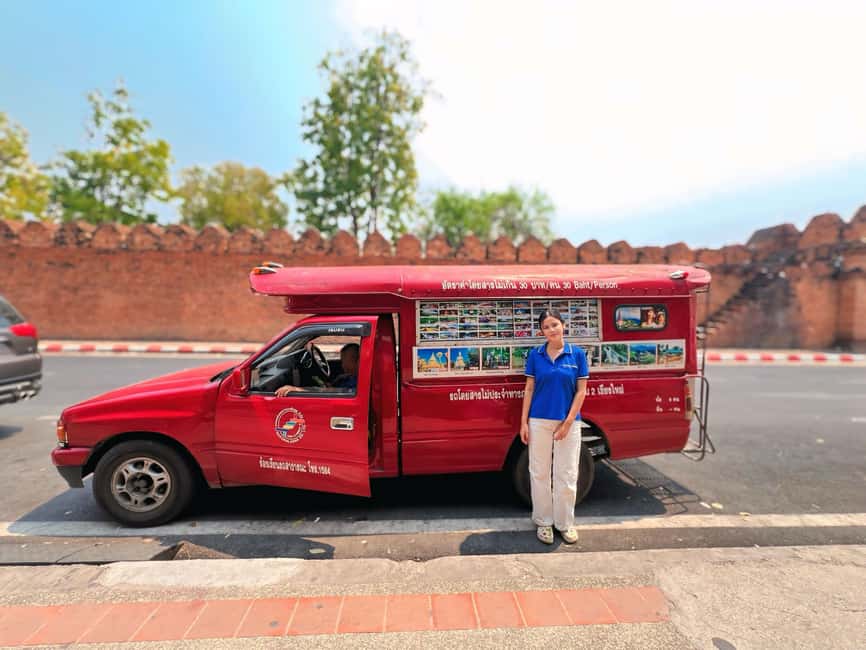
One of the smartest things about this tour is the transport choice. You travel by traditional red Songthaew, Chiang Mai’s shared taxi style. It’s local, and it keeps things simple: one vehicle, one route, and stops built into the timeline.
A shared ride also means you’ll likely adjust your pace to the group. It’s not a private car where you can linger and wander. That’s not bad. It just means you should decide in advance what kind of photos you want: quick wide shots at each temple, plus a slower look at the details at Wat Sri Suphan and inside portions of Wat Phra Singh (where access allows).
Starting in the old city is a big advantage for time. Pickup is included from hotels or accommodations in the old city of Chiang Mai or just outside the city center. If you’re farther out, the meeting point is in front of Burger King at the Thapae Gate.
My practical advice: confirm your pickup point the day before. One booking reported confusion that prevented them from doing the activity, and that kind of problem is avoidable. A quick check-in message or confirmation call can save your day.
If you’re trying to fit this between other plans, remember it’s only four hours. Comfortable shoes, a light layer for temple shade, and keeping your water strategy simple will help your legs stay happy through the whole loop.
Price and Entrance Fees: What $22 Covers in Real Life
The headline price is $22 per person for a four-hour tour, and on paper, that sounds like a good deal. You’re paying for more than transportation. You’re paying for an English-speaking guide, traditional Songthaew transport, and the Long Neck Village entrance fees.
But here’s the key reality check: the three temple stops can have additional entry costs. One past booking noted extra fees of 50 baht per temple. That amount is not huge, but it matters for budgeting, and it’s worth knowing before you arrive expecting everything to be included.
So think of the pricing like this:
- What’s included: guide + red Songthaew + Long Neck Village entrance
- What may cost extra: temple entry fees at the three temple stops
- What you’ll still pay yourself: meals and personal expenses
This is one of those tours where “cheap” isn’t the goal; “fair and worth it” is. When you factor in guided explanations at three major sites plus a cultural visit at the end, you’re paying for efficiency and context, not just a ride. If you’re the type who likes to understand what you’re looking at, the guide time is where the money makes sense.
Also, you can reserve now and pay later, which is handy if your Chiang Mai schedule is still changing. Free cancellation up to 24 hours in advance gives you another safety net.
Dress Code, Cash, and Temple Etiquette That Keep Your Day Smooth
Temples in Thailand are sacred places, and this tour expects you to dress appropriately. Shoulders and knees need to be covered. This isn’t a “nice if you can” request. It’s a condition of entry, and it can change how stressful your day feels.
Wear comfortable clothing you can move in. Avoid thin fashion fabric that shows your skin when you walk or sit. If you forget, you might end up with a last-minute solution that costs time and money.
Cash is also a must. The tour information specifically says to bring cash because not all places accept credit cards. That applies to souvenirs, any extra temple fees, and personal purchases. If you like shopping at the end, plan on using cash for the village stop so you don’t have to chase an ATM mid-tour.
If you’re sensitive about accessibility, note that the tour is not suitable for wheelchair users, pregnant women, or people with back problems. That may be due to steps, walking distance, or general temple terrain. Even if you think you can “handle it,” you’ll have a better time if you choose a tour that matches your mobility.
Should You Book This Long Neck Village + Top Sites Tour?
If you want a focused Chiang Mai sampler that includes the most important temple names plus the Long Neck Village cultural visit, I’d say this is a strong fit. The tour works best when you:
- like a guided route and don’t want to plan temple order yourself
- enjoy Lanna temple architecture and Buddhist art details
- want more than temples at the end, with weaving traditions and artisan support
Book it with a bit of realistic planning. Set aside cash for possible temple entry fees (some schedules have reported 50 baht per temple), and don’t assume every indoor area is open to everyone. If you or someone in your group may face access restrictions, you’ll still enjoy the exteriors and the guide explanations.
One more confidence boost: the tour’s rating is 4.7 with 17 bookings, and specific guides were praised by name, including Magie (Margareth) and Mosquito. That’s the kind of feedback you want when you’re paying for context, not just stops.
FAQ
How long is the tour?
The tour lasts 4 hours.
How much does it cost?
It costs $22 per person.
What’s included in the price?
Transportation by traditional red Songthaew, an English-speaking guide, entrance fees for the Karen Long Neck Village, and the opportunity to support local artisans.
What’s the pickup situation in Chiang Mai?
Pickup is included from hotels or accommodations in the old city of Chiang Mai or just outside the city center. If you’re outside that area, the meeting point is in front of Burger King at the Thapae Gate.
Are temple entrance fees included?
Entrance fees for the Karen Long Neck Village are included. Temple entrance fees for the stops may not be included in the base price.
What should I wear and bring?
Wear comfortable clothes and dress appropriately for temples, with shoulders and knees covered. Bring cash for personal expenses and places that may not accept credit cards.
Is the tour suitable for everyone?
No. It is not suitable for pregnant women, people with back problems, or wheelchair users.
More Tour Reviews in Chiang Mai
- Half-Day Thai Cooking Class at Organic Farm in Chiang Mai★ 5.0 · 19,087 reviews
- Chiang Mai: Elephant Sanctuary, Waterfall & Bamboo Rafting★ 4.9 · 9,160 reviews
- Chiang Mai: Doi Inthanon National Park Eco-Friendly Tour★ 4.6 · 6,667 reviews
- Chiang Mai: Elephant Sanctuary & Waterfall Group Tour★ 4.9 · 5,780 reviews
- Chiang Mai: Chiang Rai Temples, Karen Tribe and Hot Springs★ 4.7 · 5,401 reviews
More Hill Tribe Village Visits
- Chiang Mai: Chiang Rai Temples, Karen Tribe and Hot Springs★ 4.7 · 5,401 reviews
- Thai and Akha Cooking Class in Chiang Mai★ 5.0 · 4,358 reviews
- Chiang Mai: Elephant Sanctuary, Long Neck & Sticky Waterfall★ 4.9 · 2,262 reviews
- 4-Hour Doi Suthep & Hmong Hill Tribe Village from Chiang Mai★ 4.7 · 696 reviews
- Chiang Mai: Long Neck Village & Chiang Rai’s Iconic Temples★ 4.3 · 338 reviews
Fresh off the pile: Chiang Mai tours we have just written up



Hill Tribe Villages, compared.
 ★ 4.7Chiang Rai Temples, Karen Tribe and Hot SpringsFrom $355,401 reviews
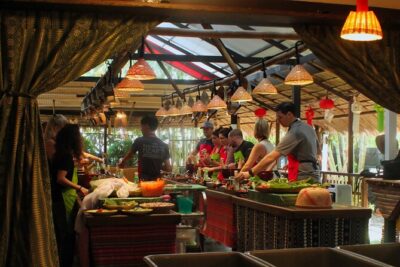 ★ 5.0Thai and Akha Cooking Class in Chiang MaiFrom $424,358 reviews
 ★ 4.9Elephant Sanctuary, Long Neck & Sticky WaterfallFrom $632,262 reviews
 ★ 4.74-Hour Doi Suthep & Hmong Hill Tribe Village from Chiang MaiFrom $36696 reviews
 ★ 4.3Long Neck Village & Chiang Rai’s Iconic TemplesFrom $55338 reviews
 ★ 5.0Chiang Dao Cave & 5 Hill Tribe villagesFrom $52181 reviews
 ★ 5.04 in 1 Elephants Long Neck Rafting and Sticky Waterfall TourFrom $88126 reviews
 ★ 4.0Chiang Rai Full Day Tour with Boat Trip and Longneck VillageFrom $55112 reviews
Browse the lists this tour appears in