
Reviewed · CHIANG MAI COOKING CLASSES
Traditional Northern Home Cooking Experience with Raunkaew Yanon Family
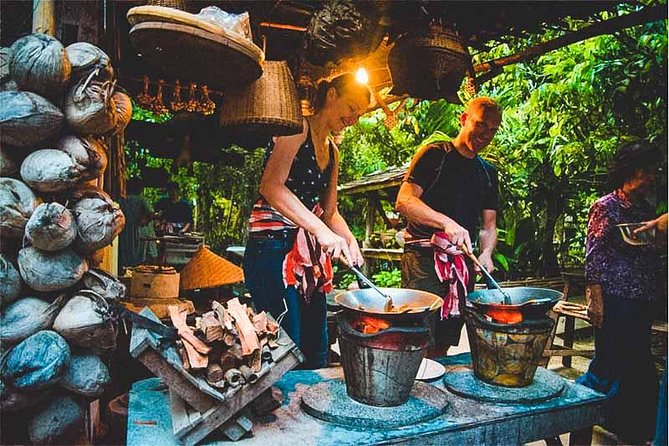
A day in a real Lanna home beats any strip-mall cooking class. This hands-on session with the Raunkaew-Yanon family in Hangdong is about more than recipes: you’ll learn the everyday culture behind them, from house life to local herbs. I especially like how the setting feels family-run, not staged, and you’ll spend time in an older teak-wood home with a rice barn tied to long local roots.
What I love most is the warm family-style welcome and the fact that you’re cooking from ingredients you pick up right from their backyard garden. The group also tends to get the behind-the-scenes side of Northern Thai life, not just plating tips. One consideration: this is a home-based experience, so it’s not designed like a polished restaurant setup—expect a simple, lived-in pace.
In This Review
- Key highlights you’ll feel right away
- Arriving at the Raunkaew-Yanon home in Hangdong
- The orchard walk: where everyday life meets dinner
- Backyard garden ingredients: the tasting starts before cooking
- The cooking class: practical, hands-on, and culture-forward
- Lunch or dinner choice: plan the timing around your day
- What the family stories add to your cooking
- Price and value: what you’re really paying for
- Who should book this (and who might want to skip)
- Tips to get the most from the class
- Should you book this Raunkaew-Yanon cooking experience?
- FAQ
- FAQ
- Where does this cooking experience take place?
- How long is the experience?
- What is the price per person?
- Is hotel pickup and drop-off included?
- Do I choose lunch or dinner?
- What food is included?
- Is the tour private?
- Do I need to have a certain number of people?
- Can I request dietary requirements?
- What is included in the experience besides the meal?
Key highlights you’ll feel right away
- Pick ingredients from the backyard garden before you cook
- Teak-wood Lanna house and rice barn with stories tied to the family’s timeline
- A real culture walk in a family orchard on the property
- Learn Northern Thai herbs and how they show up in everyday cooking
- Seamless hotel pickup/drop-off that keeps the day stress-light
- You choose lunch or dinner, so the timing fits your Chiang Mai plans
Pick your Thai cooking class: farm kitchens and market runs
- Half-Day Thai Cooking Class at Organic Farm in Chiang Mai
★ 5.0 · 19,087 reviews - Chiang Mai: Cooking Class, Market & Thai Herbs Garden Tour
★ 4.9 · 4,824 reviews - Chiang Mai: Authentic Cooking Class with Market & Farm Visit
★ 4.9 · 4,546 reviews - Thai and Akha Cooking Class in Chiang Mai
★ 5.0 · 4,358 reviews
Arriving at the Raunkaew-Yanon home in Hangdong
This starts with hotel/port pickup from Chiang Mai, then a short ride out of the city toward Bandoo in the Hangdong district. Once you arrive, the welcome is gentle and personal: you’ll be greeted with flowers and a drink, then brought around the home so you can understand the rhythm of where you are.
I like that this isn’t rushed. The hosts don’t treat you like a passing audience. Instead, you get introduced to the setting and the people, and it quickly becomes clear you’re there to learn how a Lanna family lives—not just how to cook one dish.
The home itself is a big part of the charm. It’s described as a traditional wooden house built from teak, and you’ll also hear about a rice barn with history and interesting facts. The family background is part of the story too: they’re a Lanna family who came to the area about 150 years ago, with the route described as being possible by elephant-back. Even if you don’t obsess over the exact details, it gives the place weight. You’re not just standing in a nice house; you’re stepping into a family narrative that shaped how they built and kept their land.
A quick practical note: you’ll be walking around the home and orchard area, so wear comfortable shoes. Chiang Mai weather can shift, too—bring light layers.
The orchard walk: where everyday life meets dinner
After the initial welcome, you’ll take a walk around the family-owned orchard with different types of fruit. This part matters because it connects the meal to the land.
In many cooking classes, ingredients show up already washed and chopped. Here, you see how food exists on the property before it ever hits a cutting board. Even if you don’t know Northern Thai agriculture terms, you’ll pick up a sense of how seasonal living works and why certain ingredients matter more than others.
This orchard time also sets the tone for the rest of the class. You’re not just gathering photos. You’re getting oriented—how the family organizes space, how they move around the property, and what they treat as normal.
If you like experiences that feel local but still well guided, this is the sweet spot. Your professional guide is there to translate and explain so you can enjoy the story without guessing.
Backyard garden ingredients: the tasting starts before cooking
One of the best parts of this experience is that you’ll pick up ingredients from the backyard garden for your cooking class. That means you’ll see the herbs and produce first, then use what you selected in the recipe you make and taste.
This is more than a cute add-on. It changes how you cook. When you choose an ingredient yourself, you pay attention to smell, texture, and ripeness in a way that’s hard to recreate when everything is already prepared for you.
It also makes the cooking feel grounded in Northern Thai habits. Northern Thai cooking often relies on herbs and fresh flavors rather than heavy reliance on packaged sauces. You’ll learn about local herbs during the session, which helps you understand what you’re tasting instead of treating it like a “mystery seasoning” situation.
If you have dietary needs, you can advise them at booking. That’s important for a home-based class where the ingredient choices matter. Don’t assume substitutions will be the same as what a restaurant can do.
Nothing jumping out yet? More Chiang Mai trips are just down the page
The cooking class: practical, hands-on, and culture-forward
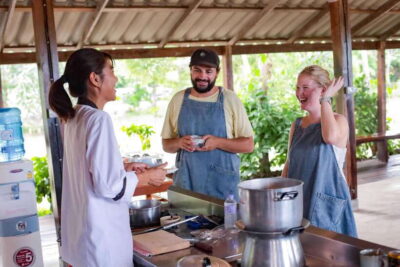
Once the garden shopping and orientation are done, the session shifts into the actual cooking. You’ll be guided through preparing the authentic Northern Thailand recipe tied to the family’s way of making things.
The listing-style promise here is warm and family-like, and the core value is that the class doesn’t just talk at you. You’ll be expected to cook and taste, not only watch. That’s where the experience gets real.
The culture piece is also built into the food instruction. You’ll gain understanding of the way of living and local culture, not in an abstract lecture way, but as you move through the kitchen tasks. That matters because Thai cuisine isn’t just recipes; it’s also habits—how herbs are used, how flavors balance, and how people think about cooking at home.
A professional guide runs point, which helps you connect what you’re doing to what you’re learning. In other words, you’re less likely to finish with a bowl of food and no idea why it tastes the way it does.
Lunch or dinner choice: plan the timing around your day
You can choose between Lunch and Dinner for your meal. Either way, the meal connected to your session is included.
From a planning perspective, this choice can make your Chiang Mai schedule easier:
- If you want a midday break, lunch keeps your evening free for markets or a night walk.
- If you prefer a later start, dinner can fit better if your morning is packed.
Because this is a 4-hour (approx.) experience, it won’t eat your whole day. It’s the kind of activity that fills one solid chunk with real local content and then lets you go back out for the rest of Chiang Mai.
Also, since pickup and drop-off are handled, you avoid the usual hassle of figuring out transport to a residential area. That’s a real quality-of-life factor in this kind of class.
What the family stories add to your cooking
Food classes can become repeatable: chop, stir, taste, leave. This one has extra weight because you’re connected to a living household and their traditions.
The Raunkaew-Yanon family’s history is described in a way that points to preservation—keeping traditions passed down since the beginning. You’ll be shown around the property, and the way it’s explained turns the house and the rice barn into part of the “lesson.”
So when you’re chopping herbs or tasting the final dish, you’re also tasting the family’s sense of identity. That may sound soft, but it shows up in how the host talks about food as everyday life rather than as performance.
And that’s what the top ratings seem to reflect: the feeling of being welcomed like you belong for a few hours.
Price and value: what you’re really paying for
At $100.16 per person for about 4 hours, this price sits in the middle of the cooking-class world—so you want to know what’s included beyond the recipe.
Here’s what’s built into the experience:
- Hotel/port pickup and drop-off
- Professional guide
- Meal included (based on your chosen session)
- Local insurance
- A private, family-home setting rather than a shared commercial kitchen
- The active parts: house welcome, orchard walk, garden ingredient collection, cooking and tasting
For me, the value comes from the full package: transportation, guided cultural context, and the home-based setting. If you’ve paid for cooking classes before, you know the common issue—sometimes you get the recipe, but not the person behind it. Here, you’re paying for that connection.
One more detail that supports value: the session is described as private, with only your group participating. That often means you can ask questions and move at a more comfortable pace.
Who should book this (and who might want to skip)
This fits best if you want an authentic Chiang Mai moment with real local texture.
Book it if you:
- Want Northern Thai flavors explained through herbs and home habits
- Like learning from families in their own setting
- Prefer activities that feel guided but not over-scripted
- Enjoy markets and farms, and you’d like that energy applied to cooking
Skip it if you:
- Want a high-speed “show kitchen” class with lots of uniform prep stations
- Have very tight timing and hate any activity that includes walking around a home/orchard area
- Need extremely specialized dietary planning (the tour asks you to advise dietary requirements, but the data doesn’t spell out specific accommodations)
Tips to get the most from the class
A few small moves can upgrade the day:
- Wear comfortable shoes for the orchard and house walk.
- Bring a light layer if the evening session runs into cooler air.
- If you’re curious about ingredients, ask during the garden/herb part, not only at the stove.
- If you have dietary needs, message them clearly at booking so the team has time to prepare.
Should you book this Raunkaew-Yanon cooking experience?
If you’re aiming for the best kind of Chiang Mai cooking class—one with family welcome, garden-sourced ingredients, and Northern Thai herbal flavor—this is worth serious consideration. The consistent theme in the praise is how smoothly pickup and drop-off work, and how strongly people connect with the family story while cooking.
I’d book it if you want your meal to come with context: why herbs are used, how the home operates, and what Lanna life looks like beyond temple photos. You’re not just learning how to cook. You’re learning how a family keeps traditions alive.
FAQ
FAQ
Where does this cooking experience take place?
It takes place in the Chiang Mai area, with a visit to the Raunkaew-Yanon family home in Bandoo, Hangdong district.
How long is the experience?
It runs for about 4 hours.
What is the price per person?
The price is listed as $100.16 per person.
Is hotel pickup and drop-off included?
Yes. Hotel/port pickup and drop-off are included.
Do I choose lunch or dinner?
Yes. You can choose between lunch and dinner.
What food is included?
A meal is included for the session you choose (lunch or dinner).
Is the tour private?
Yes. It’s described as private, and only your group will participate.
Do I need to have a certain number of people?
The minimum per booking is 2 people.
Can I request dietary requirements?
Yes. You’re asked to advise specific dietary requirements at the time of booking.
What is included in the experience besides the meal?
A professional guide, local insurance, pickup/drop-off, and participation in the cooking session are included. A mobile ticket is also part of the process.
More Cooking Classes in Chiang Mai
- Half-Day Thai Cooking Class at Organic Farm in Chiang Mai★ 5.0 · 19,087 reviews
- Chiang Mai: Cooking Class, Market & Thai Herbs Garden Tour★ 4.9 · 4,824 reviews
- Chiang Mai: Authentic Cooking Class with Market & Farm Visit★ 4.9 · 4,546 reviews
- Thai and Akha Cooking Class in Chiang Mai★ 5.0 · 4,358 reviews
- Chiang Mai: Cooking Class with Market and Pickup★ 4.9 · 1,365 reviews
More Tour Reviews in Chiang Mai
- Half-Day Thai Cooking Class at Organic Farm in Chiang Mai★ 5.0 · 19,087 reviews
- Chiang Mai: Elephant Sanctuary, Waterfall & Bamboo Rafting★ 4.9 · 9,160 reviews
- Chiang Mai: Doi Inthanon National Park Eco-Friendly Tour★ 4.6 · 6,667 reviews
- Chiang Mai: Elephant Sanctuary & Waterfall Group Tour★ 4.9 · 5,780 reviews
- Chiang Mai: Chiang Rai Temples, Karen Tribe and Hot Springs★ 4.7 · 5,401 reviews
More Chiang Mai Cooking Classes
- Half-Day Thai Cooking Class at Organic Farm in Chiang Mai★ 5.0 · 19,087 reviews
- Chiang Mai: Cooking Class, Market & Thai Herbs Garden Tour★ 4.9 · 4,824 reviews
- Chiang Mai: Authentic Cooking Class with Market & Farm Visit★ 4.9 · 4,546 reviews
- Thai and Akha Cooking Class in Chiang Mai★ 5.0 · 4,358 reviews
- Chiang Mai: Cooking Class with Market and Pickup★ 4.9 · 1,365 reviews
Fresh off the pile: Chiang Mai tours we have just written up

Chiang Mai Cooking Classes, compared.
 ★ 5.0Half-Day Thai Cooking Class at Organic Farm in Chiang MaiFrom $2919,087 reviews
 ★ 4.9Cooking Class, Market & Thai Herbs Garden TourFrom $314,824 reviews
 ★ 4.9Authentic Cooking Class with Market & Farm VisitFrom $344,546 reviews
 ★ 5.0Thai and Akha Cooking Class in Chiang MaiFrom $424,358 reviews
 ★ 4.9Cooking Class with Market and PickupFrom $251,365 reviews
 ★ 4.9Cooking Class with Organic Farm at Mama NoiFrom $321,151 reviews
 ★ 5.0Full Day Thai Cooking at Farm (Chiang Mai)From $391,127 reviews
 ★ 4.9HALF-DAY COOKING COURSE at a Thai Cooking FarmFrom $28705 reviews
Browse the lists this tour appears in