

Reviewed · TOURS
Unique Tour Unknown Chiang Mai
Biking the byways feels like a secret. This small-group tour is built to show you Chiang Mai off the main tourist path, with short stops in places most visitors skip. You start right in the central area and roll through narrow lanes, then mix in temples, a canal story, a museum, and a major local market.
I really like the small group size (max 8) and the practical pace. Most cycling is easy, and there’s even an electric bike option if you want help on any hills or for a more relaxed ride.
One drawback to keep in mind: timing can be less polished than the itinerary suggests. A few experiences mention starting later than planned and one person felt the food part wasn’t enough for an authentic food-focused outing—so set your expectations for culture and sights first, snacks second.
In This Review
- Key highlights worth planning around
- Starting at 66/2 Loi Kroh Rd and finding the route fast
- What your first 90 minutes feel like
- Chiang Mai’s back-alley cruise: 90 minutes that change how you see the city
- Why this is good value at $63
- Wat Muen San Temple: a short visit with a silver temple moment
- A practical expectation: brief, not a slow soak
- Khlong Mae Kha: the Japanese canal and its darker past
- Why I like this stop for travelers who want more than scenery
- Wat Ket Karam Museum: a calm pause between streets and markets
- What to expect from a 15-minute museum stop
- Warorot Market (Kad Luang): your market moment, not a full food tour
- Food strategy: plan snacks, but don’t count on a feast
- Electric bicycles option: when THB 300 makes sense
- Price and time: what $63 buys you (and what it doesn’t)
- The timing reality check
- Group size and guides: why small matters on two wheels
- Who should book this, and who might prefer something else
- Should you book Unknown Chiang Mai?
- FAQ
- How long is the Unknown Chiang Mai tour?
- Where is the meeting point, and where does the tour end?
- What’s the maximum group size?
- Are tickets delivered digitally?
- Is the electric bicycle option available?
- Which stops are included?
- Is admission included for temples or museums?
- What’s the cancellation window?
Key highlights worth planning around
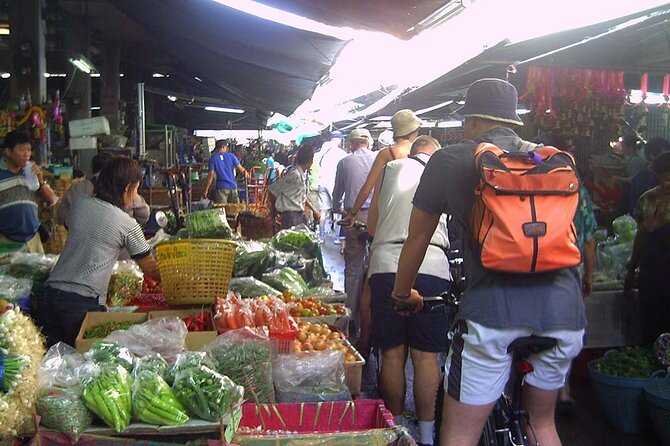
- Max 8 travelers keeps the ride from feeling crowded or rushed
- 1.5 hours of alley cruising gives you time to see everyday street life
- Wat Muen San Temple includes admission and is known for a striking silver look
- Khlong Mae Kha (Japanese canal) adds a human story to the route
- Warorot Market (Kad Luang) is a major Chiang Mai market stop at the end
- Electric bicycles available for a THB 300 surcharge if you note it while booking
A first trip to Chiang Mai fills up fast. Start with the tours everyone books.
- Half-Day Thai Cooking Class at Organic Farm in Chiang Mai
★ 5.0 · 19,087 reviews - Chiang Mai: Elephant Sanctuary, Waterfall & Bamboo Rafting
★ 4.9 · 9,160 reviews - Chiang Mai: Doi Inthanon National Park Eco-Friendly Tour
★ 4.6 · 6,667 reviews - Chiang Mai: Elephant Sanctuary & Waterfall Group Tour
★ 4.9 · 5,780 reviews
Starting at 66/2 Loi Kroh Rd and finding the route fast
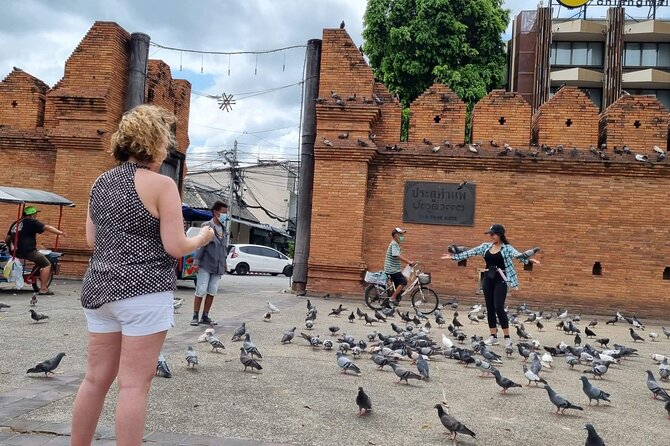
The tour meets at Chiang Mai Bicycle, 66/2 Loi Kroh Rd in the Chang Moi area. It also ends back at the same meeting point, which matters in Chiang Mai because it keeps your morning simple—no need to figure out transport back afterward.
You’ll get a mobile ticket, and confirmation comes when you book. That’s useful if you’re traveling with kids, have other plans in the day, or just prefer fewer paper hassles. The meeting point is also described as near public transportation, which is handy if you’re staying somewhere outside the most central blocks.
What your first 90 minutes feel like
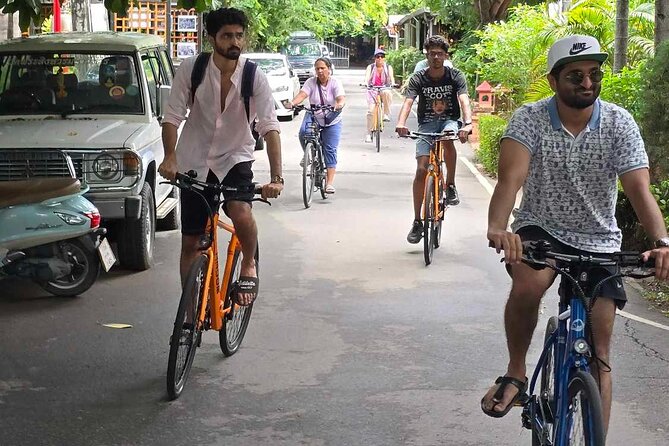
Instead of beginning with a big landmark, you start by cruising through the city’s small alleys. The goal is to help you get your bearings quickly. Chiang Mai’s charm is often in its side streets—the quick turns, the local storefronts, and the way temples pop into view between buildings. This tour leans into that right away.
If you’re a first-timer on a bike in Thailand traffic, don’t panic. The reviews describe the ride as not too difficult, and the whole outing is designed for a relaxed morning rhythm. Still, if you’re nervous about cycling, the electric bike option (more on that later) is worth considering.
Chiang Mai’s back-alley cruise: 90 minutes that change how you see the city
The longest single portion is the first stop—about 1 hour 30 minutes—focused on riding through the alley network. Admission is free for this part, which tells you the tour is paying attention to experience, not ticket stacking.
This stretch is where the tour earns its name. Instead of only hitting the typical big temples with tour buses and souvenir stops, you’re moving through real neighborhood lanes where daily life is the main event. You pass narrow streets, quick corners, and local rhythms that you simply won’t notice if you’re only hopping between famous viewpoints.


Why this is good value at $63
A lot of tours charge you for transport and convenience. Here, a lot of the value is in the time spent on streets you’d otherwise struggle to navigate on foot. The tour route is built to be different from the standard checklist, and that’s often what you’re really paying for: access and context, not just entry fees.
If you like to travel by “how the locals move,” this early alley block is your best bet. It sets the tone for the rest—temples and market stops feel less random once you’ve already seen what surrounds them.
Wat Muen San Temple: a short visit with a silver temple moment
After the alley ride, you pause at Wat Muen San Temple for about 15 minutes. Admission is included, which is nice because it removes one small decision from your day.
This temple is described as unknown but very beautiful, with a reputation tied to its silver temple look. That matters because many Chiang Mai temple visits feel similar if you only see the most famous ones. A stop like this gives variety in style and atmosphere without turning the morning into a long, exhausting temple crawl.
A practical expectation: brief, not a slow soak
Fifteen minutes is not a deep meditation session. It’s a quick “see it, understand it, move on” stop. That’s actually a strength if you’re trying to fit several experiences into a 3-hour overall schedule.
If your ideal temple visit is 45+ minutes of quiet exploring on your own, you might want to plan extra time in Chiang Mai later. Think of Wat Muen San as a highlight stop, not the whole story.
Khlong Mae Kha: the Japanese canal and its darker past
Next you visit Khlong Mae Kha, also referred to as the Japanese canal. The timing is another 15-minute stop, and admission is free.
What makes this stop meaningful is the way it’s framed: the canal is described as having once been a slum area of Chiang Mai. Even in a short visit, that kind of context changes how you read a place. You’re not only looking at water and buildings—you’re connecting geography to people and history.
Why I like this stop for travelers who want more than scenery
A temple is visual. A market is sensory. But a canal with a story gives you a different kind of travel understanding—how a city reshapes itself over time, and how infrastructure can be tied to housing and survival.
If you prefer tours that give you “why this matters,” this part is a good fit. And because it’s only 15 minutes, it won’t derail your day or make you feel like the tour has turned into a lecture.
Wat Ket Karam Museum: a calm pause between streets and markets
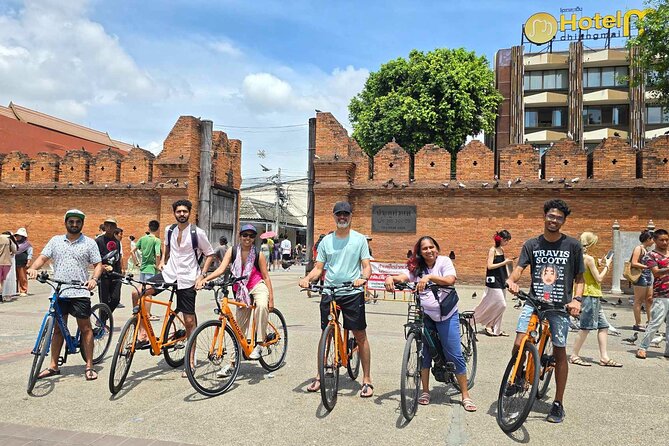
You then stop at Wat Ket Karam Museum for about 15 minutes. Admission is listed as free, so again, you’re not spending the morning on ticket lines.
This is the kind of stop that can be easy to skip if you’re only chasing big names. A museum at a temple site can work like a short reset: you move from alley life into something more reflective, then head toward the market.
What to expect from a 15-minute museum stop
Because the time is short, you won’t get a deep, detailed tour of everything on display. Instead, you can expect a quick overview and a sense of why the museum is there. It’s ideal if you want culture without the time commitment.
If you’re the type who loves reading labels and spending an extra hour in museums, consider building your own time later in Chiang Mai. This tour gives you direction, not an all-day museum marathon.
Warorot Market (Kad Luang): your market moment, not a full food tour
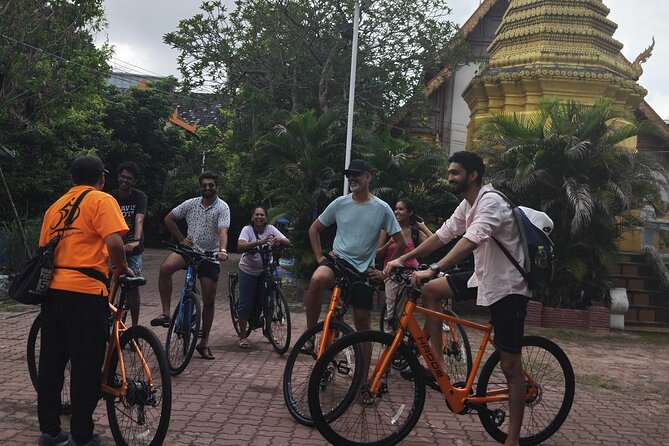
The final major stop is Warorot Market (Kad Luang) for about 15 minutes. Admission is free, and this is described as the most famous market in Chiang Mai.
This is where the tour becomes a snapshot of local life. Markets in Chiang Mai can feel overwhelming—so a guided arrival at a well-known one helps you focus on what matters: what people buy, how the stalls are organized, and what’s seasonal.
Food strategy: plan snacks, but don’t count on a feast
Some reviews mention trying local foods during the ride, and one person also notes that there can be less food in the afternoon because markets are not as busy later. Since this tour is set up as a morning-style experience, you’ll usually have better conditions for sampling.
But another review complained that the food offered didn’t feel like a real authentic food experience. That’s a useful clue for you: treat the market stop as a chance to taste a few items and browse, not a guarantee of a full-on street food crawl.
If food is your top priority, you may want to pair this with an extra meal afterward—choose a place you can sit down and slow down. This tour sets you up for that; it doesn’t replace it.
Electric bicycles option: when THB 300 makes sense
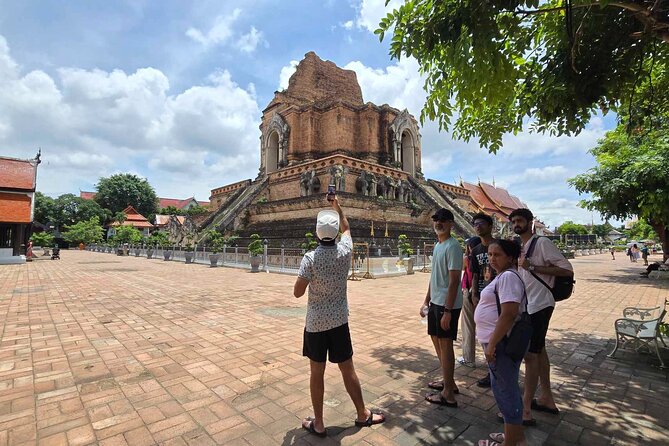
There’s an option for electric bicycles for a THB 300 surcharge. The instruction is to mention this in the booking form under additional notes.
You might choose the electric bike if:
- you’re not used to cycling for 1–2 hours,
- you want a calmer ride and fewer sweaty moments,
- or you’re traveling with someone who prefers less effort.
Even if the standard bike route is described as easy by some participants, electric bikes can reduce stress and help you spend more brainpower on the sights. If you’re already thinking about energy, this is the easiest way to adjust the comfort level.
Price and time: what $63 buys you (and what it doesn’t)
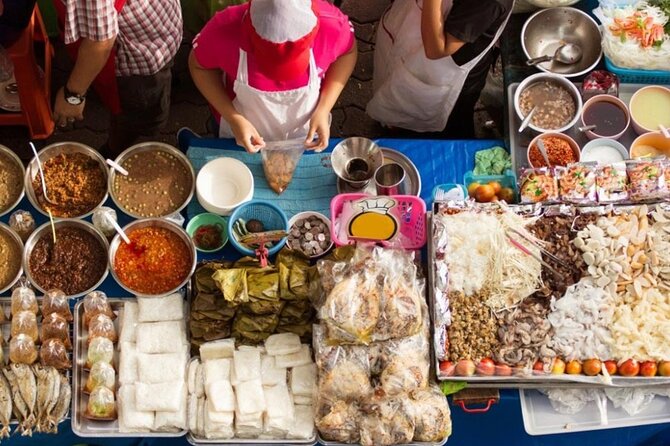
At $63 for about 3 hours, you’re paying for a guided route, a small group setup, and access to several stops that would be harder to string together alone—especially the canal-and-market combination.
The “included” items matter:
- the first alley segment is free,
- Wat Muen San Temple admission is included,
- Wat Ket Karam Museum and Khlong Mae Kha are listed as free entry,
- the market stop is free entry.
So the cost isn’t mainly about ticket fees. It’s about saving you time, giving you a route that avoids the standard tourist rhythm, and providing interpretation along the way.
The timing reality check
Some reviews point to poor organization, including a late start and guide confusion about which tour to run. Another complaint says the cycling happened longer than expected and the overall food experience felt limited.
That doesn’t mean it will happen to you. But it does mean you should treat this as a flexible morning plan, not something that you must complete to the minute for a tight appointment. If you have a hard deadline later the same day, keep it buffer-friendly.
Group size and guides: why small matters on two wheels
This tour runs with a maximum of 8 travelers, which is a big deal for biking. Smaller groups usually mean:
- fewer gaps between riders,
- more chance to ask questions,
- and easier pacing when roads get narrow.
One review specifically praises a guide named Win for strong English and a lot of context around the monuments, food, and culture. That kind of guiding style can turn a short stop into something memorable, even when you’re only there 15 minutes.
If you want your morning ride to feel like more than just transportation, look for a guide who explains what you’re seeing and why it’s part of Chiang Mai’s character. The better guides make each stop click.
Who should book this, and who might prefer something else
Book it if you want:
- a different route than the usual highlights,
- a calm pace with mostly easy cycling,
- a mix of temples + canal context + a major market,
- and a morning format that helps you understand local life fast.
Skip—or at least think twice—if:
- you’re expecting a full street food tour with lots of eating time,
- you need extremely exact timing for later plans,
- or you want the kind of deep museum exploring that needs longer than 15 minutes.
Also, if you’re traveling with someone who hates biking at all, electric bikes may be the compromise. If that still sounds stressful, you might want a walking or tuk-tuk style tour instead.
Should you book Unknown Chiang Mai?
I’d recommend booking if you’re in Chiang Mai for a short window and you want your time to feel local, not recycled. The route makes a strong case for learning the city through its side streets and everyday rhythm, then layering in culture at Wat Muen San, Khlong Mae Kha, Wat Ket Karam Museum, and Warorot Market (Kad Luang).
But book with eyes open. This is not a precision-timed, food-only tour. It’s a guided ride with short stops, and while many people love the experience and guides like Win, a few reports flag organization issues. If you can keep your day flexible and treat the food as tasting plus browsing, this tour can be a smart, good-value way to see a Chiang Mai most people never bother to look for.
FAQ
How long is the Unknown Chiang Mai tour?
It’s listed as about 3 hours.
Where is the meeting point, and where does the tour end?
The tour starts at Chiang Mai Bicycle, 66/2 Loi Kroh Rd and ends back at the same meeting point.
What’s the maximum group size?
This activity has a maximum of 8 travelers.
Are tickets delivered digitally?
Yes, it uses a mobile ticket.
Is the electric bicycle option available?
Yes. Electric bicycles are available for a THB 300 surcharge. You need to note it in the booking form under additional notes.
Which stops are included?
The tour includes a ride through Chiang Mai alleys, Wat Muen San Temple, Khlong Mae Kha, Wat Ket Karam Museum, and Warorot Market (Kad Luang).
Is admission included for temples or museums?
Wat Muen San Temple admission is included. The other listed stops are marked as free admission.
What’s the cancellation window?
You can cancel for a full refund up to 24 hours before the experience starts.
More Tours in Chiang Mai
- Chiang Mai: Doi Inthanon National Park Eco-Friendly Tour★ 4.6 · 6,667 reviews
- Chiang Mai: Elephant Sanctuary & Waterfall Group Tour★ 4.9 · 5,780 reviews
- Chiang Mai: Cooking Class, Market & Thai Herbs Garden Tour★ 4.9 · 4,824 reviews
- Chiang Mai: Elephant Sanctuary Feeding Program Half-Day Tour★ 4.8 · 4,527 reviews
- Chiang Rai White Temple and Blue Temple Day Tour★ 4.6 · 3,366 reviews
More Tour Reviews in Chiang Mai
- Half-Day Thai Cooking Class at Organic Farm in Chiang Mai★ 5.0 · 19,087 reviews
- Chiang Mai: Elephant Sanctuary, Waterfall & Bamboo Rafting★ 4.9 · 9,160 reviews
- Chiang Mai: Doi Inthanon National Park Eco-Friendly Tour★ 4.6 · 6,667 reviews
- Chiang Mai: Elephant Sanctuary & Waterfall Group Tour★ 4.9 · 5,780 reviews
- Chiang Mai: Chiang Rai Temples, Karen Tribe and Hot Springs★ 4.7 · 5,401 reviews
Fresh off the pile: Chiang Mai tours we have just written up



Tours, compared.
 ★ 4.9Elephant Sanctuary & Waterfall Group TourFrom $505,780 reviews
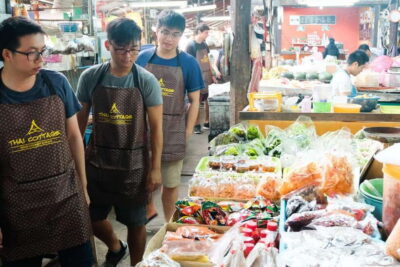 ★ 4.9Cooking Class, Market & Thai Herbs Garden TourFrom $314,824 reviews
 ★ 4.8Elephant Sanctuary Feeding Program Half-Day TourFrom $274,527 reviews
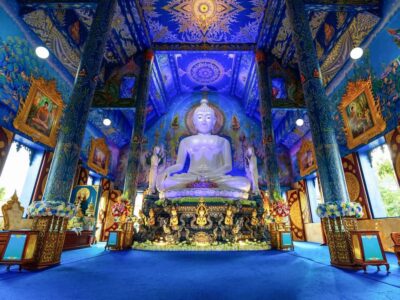 ★ 4.6Chiang Rai White Temple and Blue Temple Day TourFrom $273,366 reviews
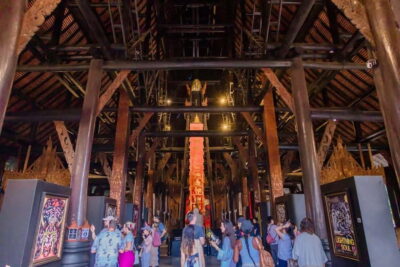 ★ 4.2White, Red/Black & Blue Temples Tour with LunchFrom $332,017 reviews
 ★ 4.8Elephant Care Program and Nursery TourFrom $531,899 reviews
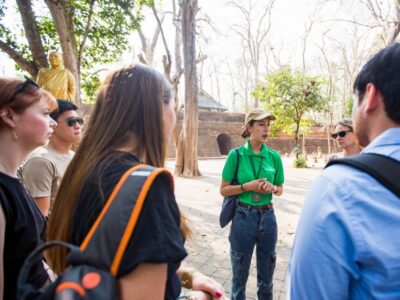 ★ 4.6Doi Suthep and Wat Umong Enchanting Evening TourFrom $271,811 reviews
 ★ 4.9Small Group Ethical Elephant Sanctuary TourFrom $771,572 reviews