
Reviewed · CHIANG MAI COOKING CLASSES
We Cook Thai Home Garden Cooking School
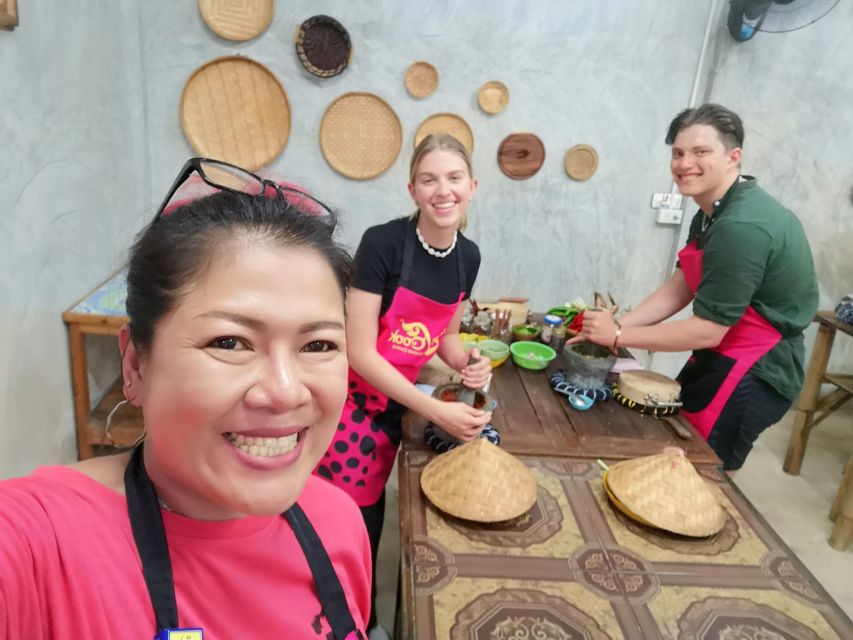
A Thai cooking class at a real home beats most tours. Market shopping with Mam first, then cooking your way through a hands-on multi-course set is the kind of half-day plan that actually sticks with you. I especially love the way you’re not just watching—you’re working a wok. One thing to plan for: you’ll eat a lot, so don’t show up starving only to regret it later.
This is one of those rare classes where the format helps beginners and still feels legit for people who cook. You’ll get guidance in English, all ingredients, and a lot of personal attention in a small setting. The main consideration is the physical setup: participants must be 120cm+ because the woks are set at a safe height.
In This Review
- Key highlights worth your time
- Why this Chiang Mai cooking class feels more like Thai life
- Market shopping with Mam: where your Thai cooking starts to make sense
- The home kitchen setup: comfortable, practical, and built for teaching
- How the 5–6 course format works (and how to choose wisely)
- What you’ll learn while you cook: Thai technique, not just recipes
- The garden meal: where all that cooking pays off
- Price and value: what $32 really buys you here
- Timing and transport: morning vs evening courses, with one key detail
- Who should book it (and who might want to skip)
- Quick practical tips before you go
- Should you book We Cook Thai Home Garden Cooking School?
- FAQ
- How long is the cooking class?
- Do I choose what dishes to cook?
- Is there a vegetarian option?
- Does the class include a market visit?
- What’s the minimum height to participate as a cooking guest?
- Can I still join if I’m under 120cm?
- Is pickup included?
Key highlights worth your time
- Market tour with Mam: You learn what Thai ingredients do, not just what they’re called.
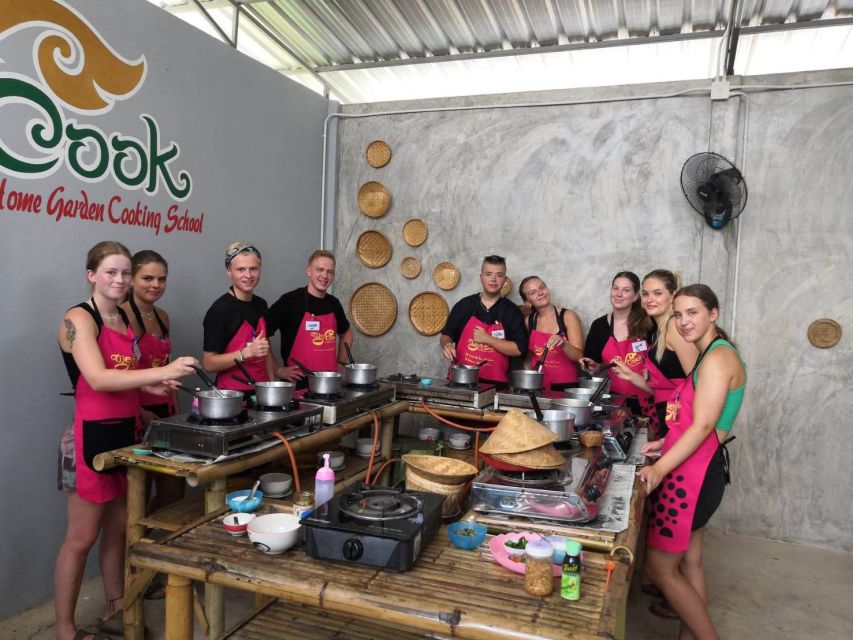
- 1 person, 1 wok: Less waiting. More actual cooking time.
- Choose-your-meal format: Pick dishes from categories, usually ending with a full multi-course spread.
- Home garden dining: You cook, then eat in a proper sit-down meal area.
- Friendly, patient teaching style: Clear step-by-step help that works for all skill levels.
- Vegetarian option available: You can swap in vegetarian choices without the class falling apart.
Pick your Thai cooking class: farm kitchens and market runs
- Half-Day Thai Cooking Class at Organic Farm in Chiang Mai
★ 5.0 · 19,087 reviews - Chiang Mai: Cooking Class, Market & Thai Herbs Garden Tour
★ 4.9 · 4,824 reviews - Chiang Mai: Authentic Cooking Class with Market & Farm Visit
★ 4.9 · 4,546 reviews - Thai and Akha Cooking Class in Chiang Mai
★ 5.0 · 4,358 reviews
Why this Chiang Mai cooking class feels more like Thai life
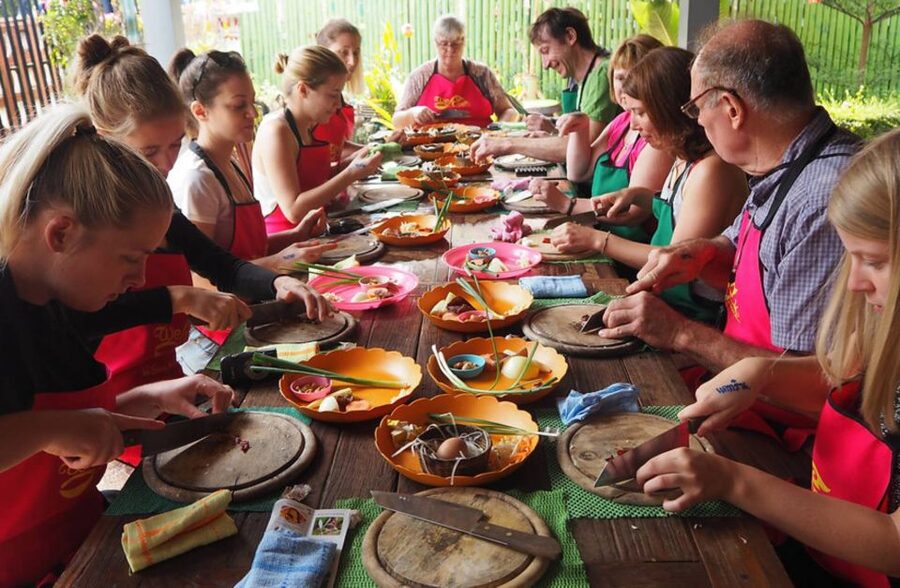
This school is run out of a local home, and that changes everything. Instead of a warehouse demo, you get a kitchen rhythm that feels familiar to the people who actually live there. You start with a market visit and then move right into cooking in a garden setting—so you’re learning the full “ingredient to meal” chain.
I like that the teaching is hands-on from the start. You’re not standing on the sidelines while someone else does the hard part. With one wok per person, you’re actively chopping, mixing, and tasting. You also get a cookbook and a certificate at the end, which helps you recreate what you learned once you’re back home.
One practical heads-up: you’ll likely leave full. People commonly comment on the amount of food (and how boxes are handy). So plan this around your meals—especially if you’re doing a morning class.
Market shopping with Mam: where your Thai cooking starts to make sense
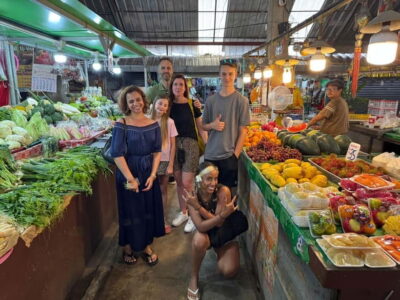
The class begins with going to a local market with Mam, the owner/host (you may see her name written as Mem in some details). This is not a quick photo stop. The point is to help you understand ingredients as tools, not just items on a checklist.
You’ll interact with vendors and learn about spices and flavorful ingredients you’d normally miss. You’ll also learn how Thai cooking builds flavor—often by combining several ingredients in the right balance, not by relying on one “secret” item.
A couple of tips I’d give you based on how the experience is structured:
- Arrive ready to smell and handle ingredients. Many of the learning moments happen through direct interaction, not just explanation.
- Pay attention to herbs and spices you don’t see at home. Things like Thai basils, chili types, and specific aromatics are what make the dishes taste Thai, not generic.
If you’ve only tried Thai food as dishes on a menu, the market part is where it starts clicking. You begin to connect flavors to ingredients, and later, when you cook, the steps feel less like copying and more like making choices.
The home kitchen setup: comfortable, practical, and built for teaching
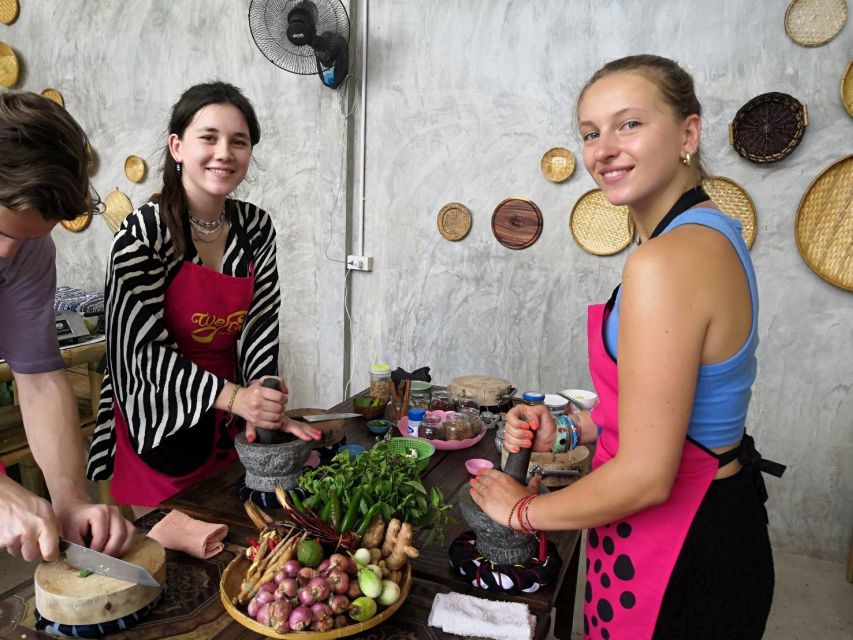
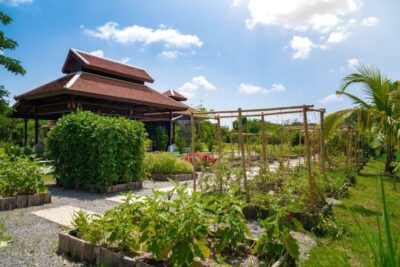
After the market, you head back to the home cooking school. The setting is described as a garden kitchen with a separate dining area, which matters more than you’d think. It keeps the focus on cooking while still letting you enjoy a proper sit-down meal afterward, instead of eating standing up while things are still sizzling.
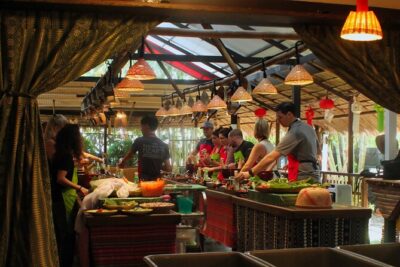
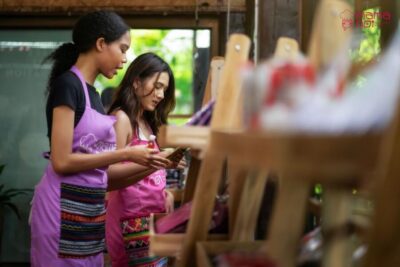
The cooking space is also organized to help you keep moving. The class includes all ingredients and you work at your own station. With 1 person/1 wok, you spend your time cooking instead of waiting your turn. That’s a huge quality-of-life detail, especially if you’re not a confident cook yet.
And yes, the woks and setup are why the height requirement exists. If you’re under 120cm (3 ft 9 in), you can’t participate as a cooking participant due to safety. If you’re traveling with kids below the height limit, you may still be able to join as a visitor for a different fee and dish count (details are in the FAQ).
Nothing jumping out yet? More Chiang Mai trips are just down the page
How the 5–6 course format works (and how to choose wisely)
The class is structured around categories. You pick one dish per category, and the total usually lands in the 5–6 dishes range depending on the day’s menu structure. In practice, many people describe it as a classic multi-course spread: something starter-like, a soup, a curry, a main dish, and a dessert.
This choice model is one of the best parts for value. You get to cook things you’re actually excited to eat, instead of being forced into one set menu. It also means you learn the core Thai flavor patterns across different dish types.
From the dishes people mention most often, you might see options like:
- Pad Thai
- Papaya salad
- Khao soy
- Tom yum
- Khao pad gai (Thai fried rice)
- Massaman curry (or curry paste/curry process)
- Spring rolls
- Mango sticky rice (a recurring highlight)
How to choose if you want the most “real Thai skill” out of the class:
- Pick one dish that’s spicy and one that’s aromatic or creamy. That helps you compare how Thai flavors behave under different seasoning styles.
- If dessert options are available, choose mango sticky rice. It’s a great way to see how Thai cooking handles sweetness and texture.
- If you’re vegetarian, choose dishes where the swap makes sense (and trust that the school offers vegetarian alternatives, which many people confirm).
The teaching approach seems to focus on helping you follow the process step-by-step, so you’re not just copying someone else’s finished dish. People also talk about learning cues for timing and texture, which is what you’ll need later if you want to cook it again.
What you’ll learn while you cook: Thai technique, not just recipes
This class doesn’t just hand you recipes and send you off. The learning is tied to technique—chopping, mixing, and balancing flavors while you cook. Mam’s teaching style shows up in lots of feedback: patient guidance, clear steps, and a friendly pace that helps you keep up.
A common theme in the comments: you’ll understand the ingredients first, then you apply them immediately. That sequence helps you remember. It also helps you troubleshoot while you’re cooking. If something doesn’t taste right, you’re in the kitchen, mid-course, with an instructor who can guide adjustments.
One interesting detail from people’s experience: there’s a focus on helping you cook by “not just the recipe,” but by looking and tasting and noticing. That kind of instruction is what turns a cooking class into a skill-building workshop.
And because you cook multiple courses, you see how Thai cuisine changes depending on the dish type. Soups lean one way. Curries lean another. Stir-fried dishes demand quick heat control. Desserts are their own world.
The garden meal: where all that cooking pays off
After cooking, you get to eat what you made. The dining area is described as separate from the cooking area, often in an outdoor garden feel. That’s not a small detail. It makes the meal feel like a reward instead of a rushed cleanup moment.
People also mention enjoying a sit-down meal experience, with enough food to feel genuinely well fed. Many describe leaving so full they couldn’t finish everything. Some even mention taking leftovers home (so bring a container mindset, even if you’re not sure what will be available).
If you want to savor the meal instead of rushing through it, plan for the fact that your tasting will happen while the food is fresh and you’ve just cooked it. That’s the point. It helps you learn what the dish is supposed to taste like.
Price and value: what $32 really buys you here
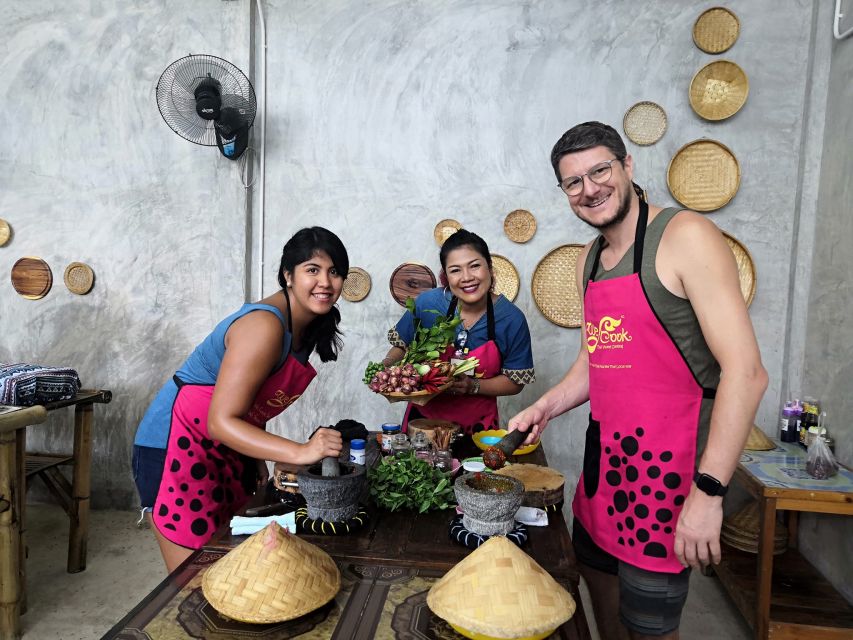
At $32 per person for a roughly 5-hour class, the value comes from the full package: market tour, expert-led shopping, hands-on cooking at your own station, and a multi-course meal you eat afterward.
What you’re paying for isn’t just instruction. It’s time, ingredients, and structure:
- Market time to learn ingredient choices
- All cooking ingredients provided
- One wok per person, so you’re not waiting
- A multi-course selection where you cook multiple dishes
- Cookbook and certificate, which makes the learning feel tangible
- Welcome snack or seasonal fruit
Another value factor: small group energy. Multiple people describe the class as intimate—sometimes as small as a few participants. In a small group, your questions get answered and your cooking gets noticed, which is where the experience becomes more personal and less like a factory class.
If you’re trying to fit Chiang Mai into a tight schedule, this kind of half-day format is also smart. You get a big cultural and culinary payoff without committing a full day.
Timing and transport: morning vs evening courses, with one key detail
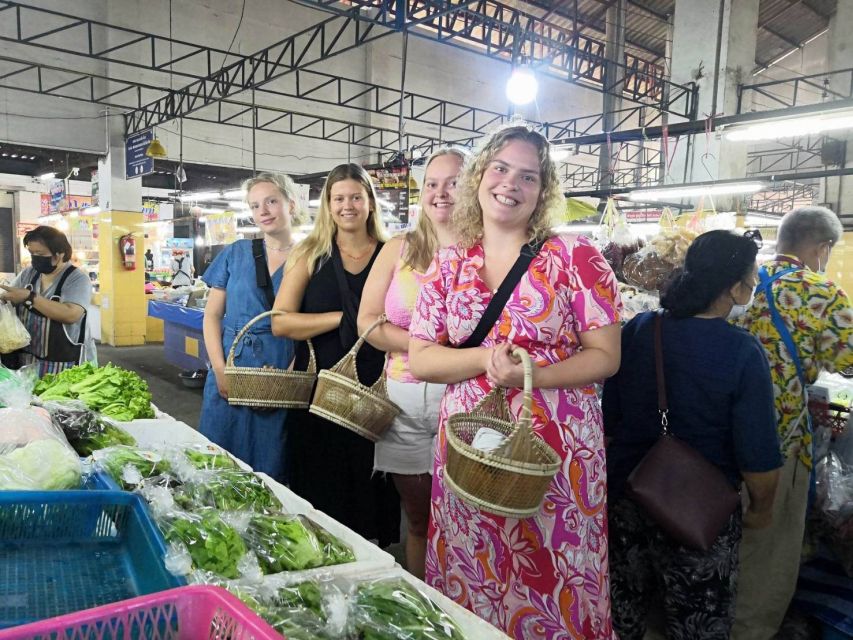
You can choose a morning or evening class. If you book the evening option, pickup is listed as 4:00 pm to 4:30 pm. The school also includes free transportation to and from your residence within a 3 km radius from Chiang Mai downtown.
This matters because it removes decision stress. You’re not trying to coordinate taxis in an unfamiliar area. You also get a predictable schedule window, which helps you plan meals the rest of the day.
One more practical tip: for morning classes, many people recommend not eating breakfast beforehand. The logic is simple: the market adds snack opportunities, and the cooking adds multi-course food. If you already ate, you may end up wishing you had more appetite.
Who should book it (and who might want to skip)
This class fits best if you want a hands-on Thai cooking experience tied to local ingredients. It’s also a good fit if you’re a beginner. The teaching style is described as patient and supportive, and the course structure works even if you haven’t cooked much before.
It’s also great for food lovers who want to eat well. You’re not just learning—you’re eating what you make, and you’ll likely have enough food to take some home.
You might think twice if:
- You’re sensitive to heavy meals. The class is set up for a lot of food, and people commonly leave very full.
- You’re shorter than 120cm and want to cook. The safety height rule affects participation.
- You’re looking for a quick cooking demo. This is a real workshop with multiple dishes and a market start.
If you want authentic Chiang Mai flavor with a practical “learn it then do it” structure, this is the kind of activity that delivers.
Quick practical tips before you go
Here’s how to get the most out of the day:
- Come hungry, not desperate. People say skip a big meal beforehand, especially for morning classes.
- Wear shoes you can move around in comfortably. You’ll be at a market and in a cooking area where you’ll likely stand and work.
- Expect spicy possibilities. Thai dishes often lean spicy, and you’ll choose what you want from the dish categories.
- Have a plan for leftovers. Many people leave with packed food, so it’s a good reminder to be ready for take-home portions.
If you’re doing this with dietary needs, check the vegetarian option. Vegetarian swaps are available, and people mention the school can accommodate.
Should you book We Cook Thai Home Garden Cooking School?
If your goal is to learn how Thai cooking works—ingredients, technique, and flavor balance—this is a very strong choice. The standout pattern across the experience is simple: you shop with Mam, then you cook at your own station, then you eat everything you made in a garden setting.
Book it if you want value for time and food, and if you like interactive learning where you get questions answered while you’re cooking. It’s also ideal for groups of friends or couples who want a shared activity with a real payoff.
Skip it only if you know you hate multi-course meals or you can’t do the minimum height requirement for hands-on cooking. Otherwise, this is one of the more satisfying ways to spend half a day in Chiang Mai Province.
FAQ
How long is the cooking class?
The duration is listed as 270 minutes, about 5 hours.
Do I choose what dishes to cook?
Yes. You select dishes from categories, choosing one dish per category for a total multi-course meal.
Is there a vegetarian option?
Yes, a vegetarian option is available.
Does the class include a market visit?
Yes. You visit a local market with an expert teacher before you start cooking.
What’s the minimum height to participate as a cooking guest?
Participants must be at least 120cm tall due to the wok height for safety.
Can I still join if I’m under 120cm?
If you are under 120cm or want to accompany a child as a visitor, you can join as a visitor for THB300/person, with free 2 dishes in 1 cooking course.
Is pickup included?
Pickup is included within a 3 km radius from Chiang Mai downtown. For the evening course, pickup time is listed as 4:00 pm to 4:30 pm.
More Cooking Classes in Chiang Mai
- Half-Day Thai Cooking Class at Organic Farm in Chiang Mai★ 5.0 · 19,087 reviews
- Chiang Mai: Cooking Class, Market & Thai Herbs Garden Tour★ 4.9 · 4,824 reviews
- Chiang Mai: Authentic Cooking Class with Market & Farm Visit★ 4.9 · 4,546 reviews
- Thai and Akha Cooking Class in Chiang Mai★ 5.0 · 4,358 reviews
- Chiang Mai: Cooking Class with Market and Pickup★ 4.9 · 1,365 reviews
More Tour Reviews in Chiang Mai
- Half-Day Thai Cooking Class at Organic Farm in Chiang Mai★ 5.0 · 19,087 reviews
- Chiang Mai: Elephant Sanctuary, Waterfall & Bamboo Rafting★ 4.9 · 9,160 reviews
- Chiang Mai: Doi Inthanon National Park Eco-Friendly Tour★ 4.6 · 6,667 reviews
- Chiang Mai: Elephant Sanctuary & Waterfall Group Tour★ 4.9 · 5,780 reviews
- Chiang Mai: Chiang Rai Temples, Karen Tribe and Hot Springs★ 4.7 · 5,401 reviews
More Chiang Mai Cooking Classes
- Half-Day Thai Cooking Class at Organic Farm in Chiang Mai★ 5.0 · 19,087 reviews
- Chiang Mai: Cooking Class, Market & Thai Herbs Garden Tour★ 4.9 · 4,824 reviews
- Chiang Mai: Authentic Cooking Class with Market & Farm Visit★ 4.9 · 4,546 reviews
- Thai and Akha Cooking Class in Chiang Mai★ 5.0 · 4,358 reviews
- Chiang Mai: Cooking Class with Market and Pickup★ 4.9 · 1,365 reviews
Fresh off the pile: Chiang Mai tours we have just written up

Chiang Mai Cooking Classes, compared.
 ★ 5.0Half-Day Thai Cooking Class at Organic Farm in Chiang MaiFrom $2919,087 reviews
 ★ 4.9Cooking Class, Market & Thai Herbs Garden TourFrom $314,824 reviews
 ★ 4.9Authentic Cooking Class with Market & Farm VisitFrom $344,546 reviews
 ★ 5.0Thai and Akha Cooking Class in Chiang MaiFrom $424,358 reviews
 ★ 4.9Cooking Class with Market and PickupFrom $251,365 reviews
 ★ 4.9Cooking Class with Organic Farm at Mama NoiFrom $321,151 reviews
 ★ 5.0Full Day Thai Cooking at Farm (Chiang Mai)From $391,127 reviews
 ★ 4.9HALF-DAY COOKING COURSE at a Thai Cooking FarmFrom $28705 reviews
Browse the lists this tour appears in