Reviewed · CHIANG MAI COOKING CLASSES
Chiang Mai: Morning Cooking Class with Market Visit
Morning cooking classes are usually the easy sell. This one wins because it starts with real ingredients and ends with real skills you can repeat.
I love the hand-on pace: you shop, you pick herbs, then you cook multiple dishes in the studio with an English-speaking instructor (often referred to as New/Nu). I also like that your menu is flexible, with choices for starters, mains, soups, curries, and dessert, plus a PDF recipe book to take home. The main drawback to plan around is timing: pickup is built for an early start, and if your hotel address is outside the route, you may need to make your own way so you don’t miss the market stop.
In This Review
- Key highlights I’d circle on your Chiang Mai map
- Morning Market Scents and an Air-Conditioned Cooking Studio
- Hotel Pickup Timing: Getting to the Market Without Stress
- The Market Stop: What You Smell, Touch, and Choose
- Organic Garden and Herb Picking for Real Thai Flavors
- Cooking Lesson Format: Six Dishes and Thai Techniques
- Dish Choices: How You Build Your Own Thai Menu
- Starter options (pick one)
- Main course choices (pick one)
- Soup options (pick one)
- Curry choices (pick your curry style)
- Curry Paste and Soup: The Thai Base-Flavors Lesson
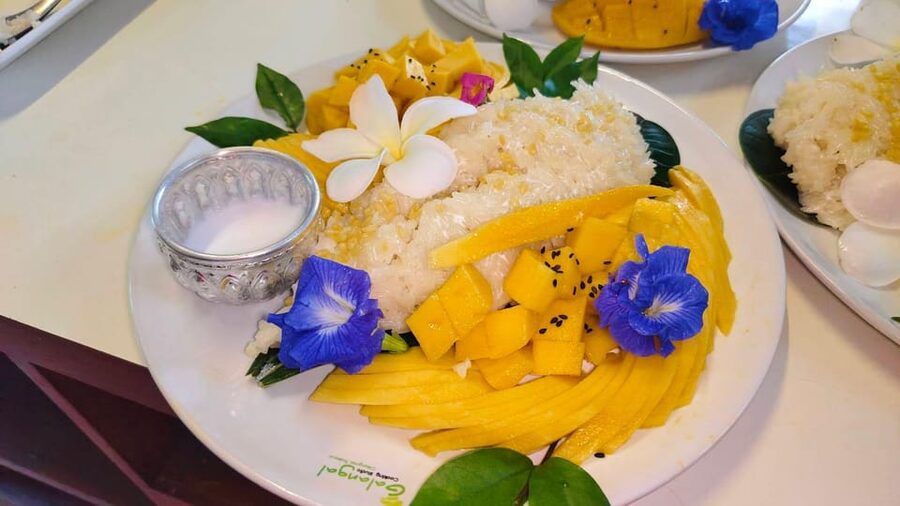
- Dessert Choices: Mango Sticky Rice with Ice Cream or Fried Banana
- The PDF Recipe Book: Taking Thai Cooking Home
- Dietary Needs and the Real-Life Convenience Factor
- Price and What You Actually Get for $41
- Who Should Book This Chiang Mai Morning Class
- Should You Book This Cooking Class in Chiang Mai?
- FAQ
- What’s the duration of the Chiang Mai morning cooking class?
- What’s included in the price?
- What dishes will I cook?
- Can the class handle dietary restrictions?
- Where do we start and end?
- Do I need to bring anything?
Key highlights I’d circle on your Chiang Mai map
- A local market visit where you choose ingredients you’ll actually cook later
- Organic garden + herb picking, with practical lessons on how produce grows
- Six dishes in one morning, built around Thai techniques, not just recipes
- Menu choice built in, including Pad Thai, curries, Tom Yum, and more
- Dietary options available, including vegan, vegetarian, Halal, and gluten-free needs
- PDF recipes to cook again at home, so the class keeps paying off
Pick your Thai cooking class: farm kitchens and market runs
- Half-Day Thai Cooking Class at Organic Farm in Chiang Mai
★ 5.0 · 19,087 reviews - Chiang Mai: Cooking Class, Market & Thai Herbs Garden Tour
★ 4.9 · 4,824 reviews - Chiang Mai: Authentic Cooking Class with Market & Farm Visit
★ 4.9 · 4,546 reviews - Thai and Akha Cooking Class in Chiang Mai
★ 5.0 · 4,358 reviews
Morning Market Scents and an Air-Conditioned Cooking Studio
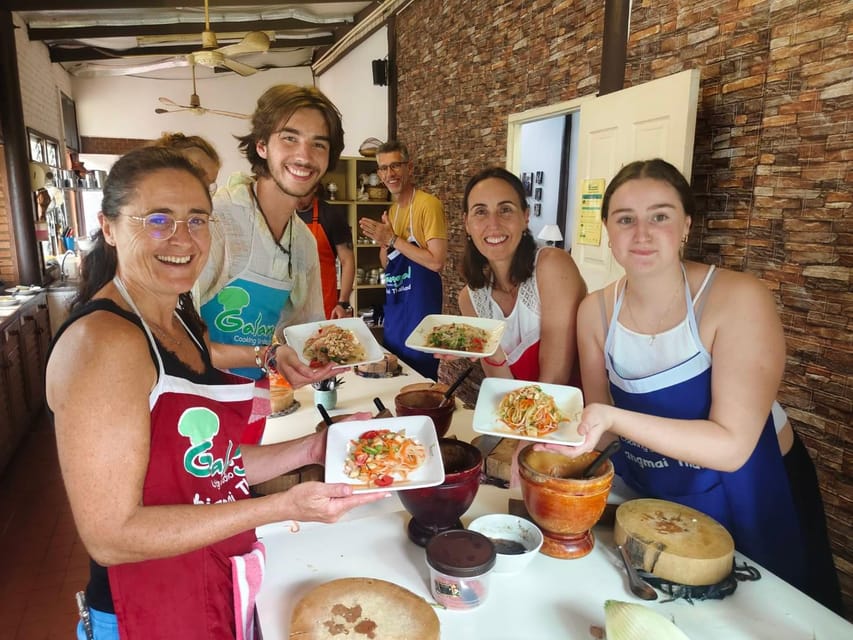
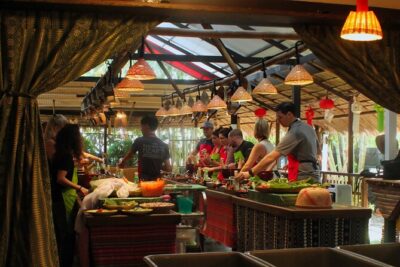
This class is built around a simple idea: Thai food makes more sense when you see ingredients up close first. You start in the morning, when markets feel lively and fresh, and you finish in a teaching kitchen where you can focus on flavor, cutting, and the order of cooking.
Then comes the part that makes it more than a demo. You don’t just watch. You cook multiple dishes, eat what you make, and leave with a PDF recipe guide so you can recreate your favorites later without guessing.
And yes, the room is air-conditioned, which matters in Chiang Mai humidity when you’re spending hours moving between outdoors and indoors.
Hotel Pickup Timing: Getting to the Market Without Stress
Your day starts with pickup from many Chiang Mai hotels—especially around the old city, Santitham, and along the Huay Keaw road area up toward Maya Shopping Mall. Some farther zones are included too, but coverage isn’t universal.
Here’s the practical bit: you’re asked to wait 5 to 10 minutes before your scheduled pickup time between 8:30 and 9:00 AM, and the driver won’t wait more than 5 minutes after the scheduled time. That means you don’t want a late wake-up or a slow breakfast.
If your hotel is outside the pickup route, the company will tell you, and you’ll need to get to the market or studio on your own. I’d treat that as a logistics check, not a problem—just confirm your meeting plan early so you arrive before the market time window.
The Market Stop: What You Smell, Touch, and Choose
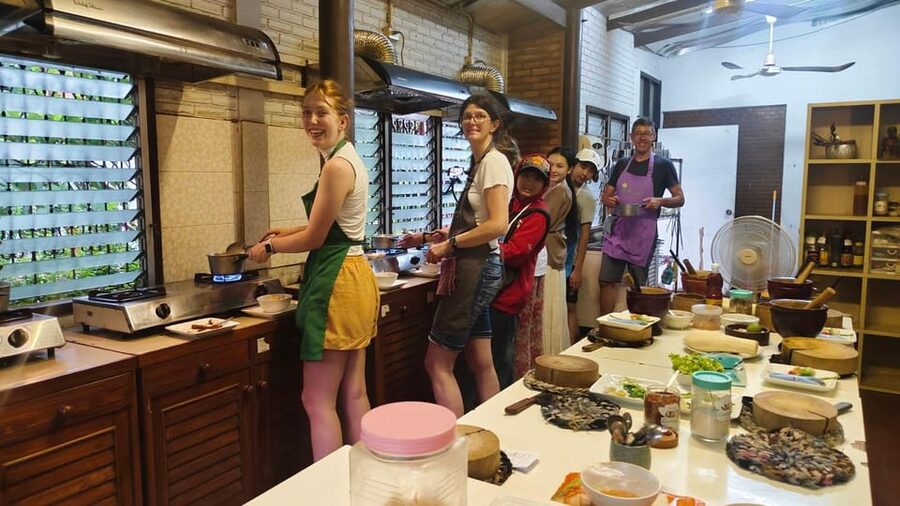
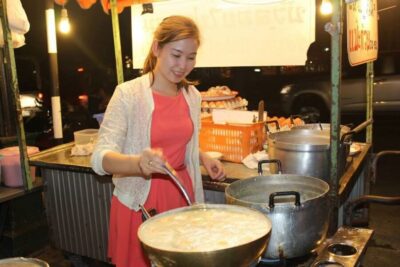
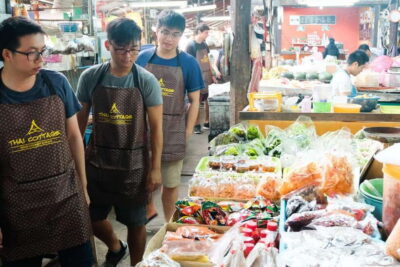
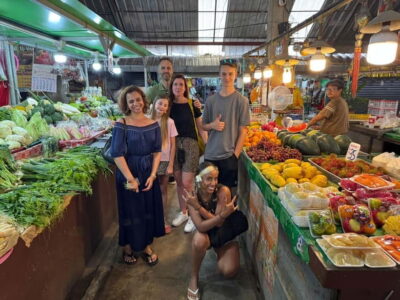
The market portion is where this class turns from cooking to food education. You’ll browse fresh produce and other Thai ingredients while learning what matters for flavor and texture.
One of the best things you’ll get here is confidence. When you see common Thai items in context—herbs, aromatics, and vegetables—it’s easier to understand why Thai cooking tastes the way it does. You also get to pick ingredients that you’ll use during the cooking portion later.
A standout from past participants: the market feels genuinely local, with fewer foreigners than you might expect. That’s not just an aesthetic win. It usually means more variety and less tourist-only produce, which makes your ingredient choices more meaningful.
Tip: since you’re starting early and you’ll eat at the end, plan to go with an empty stomach like they request. It’s easier to stay focused during the tastings and cooking steps.
Nothing jumping out yet? More Chiang Mai trips are just down the page

Organic Garden and Herb Picking for Real Thai Flavors
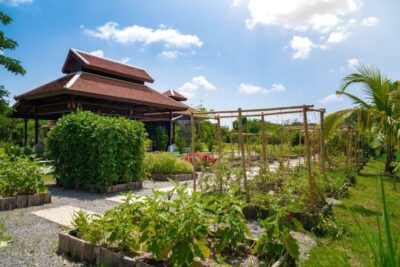
Next comes the outdoor portion: an organic garden and organic farm area where you learn how vegetables and herbs grow in Thailand. You’ll explore the farm and pick herbs and ingredients you’ll use in the cooking lesson.
This is one of the most satisfying parts because it connects the dots. You don’t just memorize a recipe—you understand where the herb comes from and how it’s typically used. It also makes your kitchen choices at home less random. If you’ve tasted a herb you picked yourself, you’ll know what to look for and how to cook with it.
You’ll likely see how organic farming practices support consistent produce quality. The class keeps it practical, not preachy—think: what grows, what’s fresh, and why that matters for Thai flavor.
Cooking Lesson Format: Six Dishes and Thai Techniques
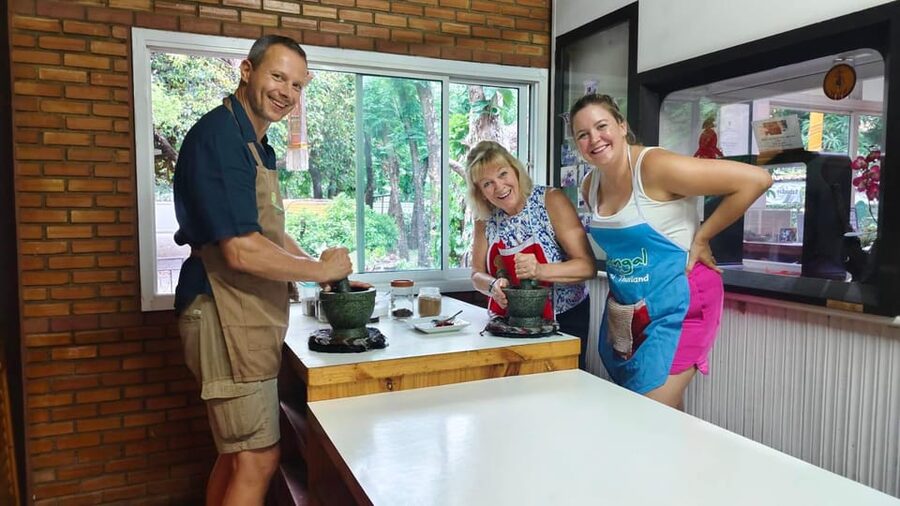
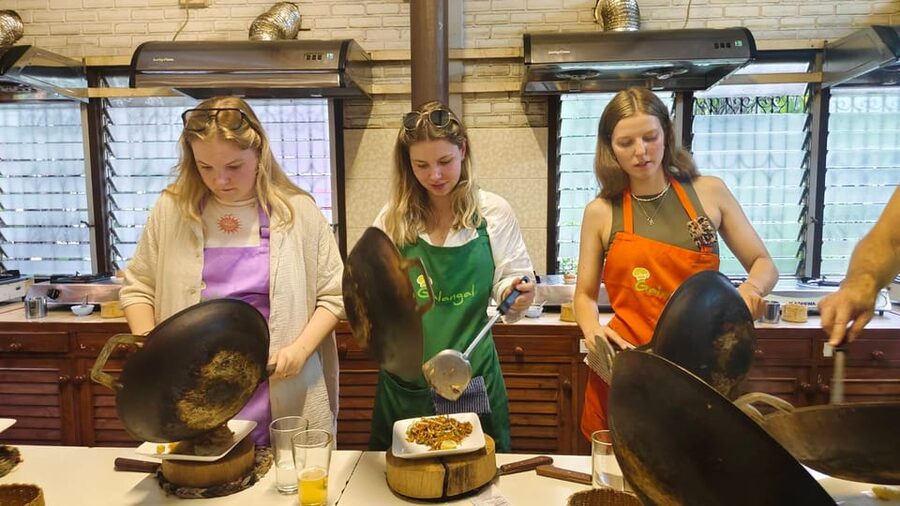
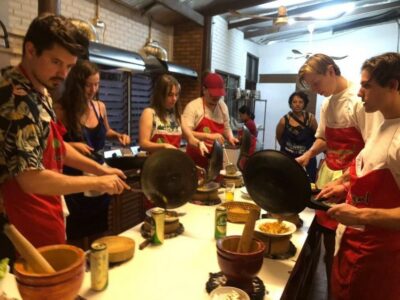
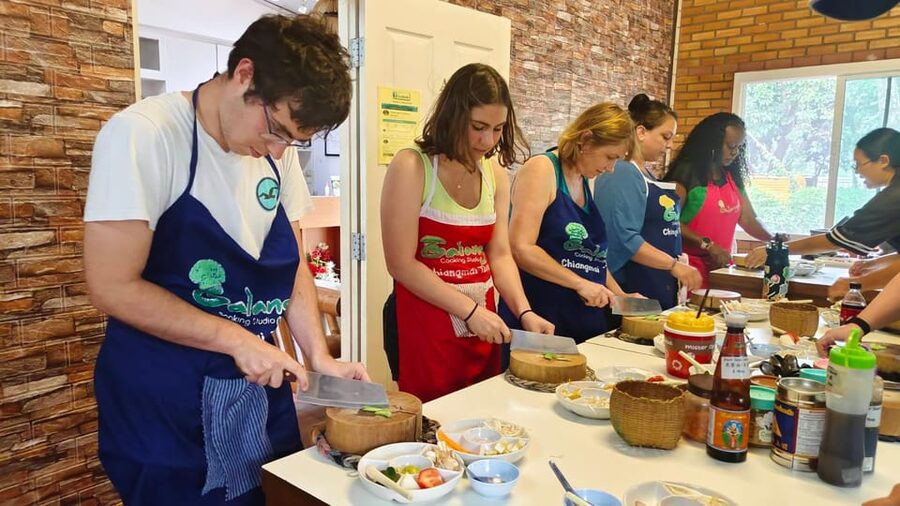
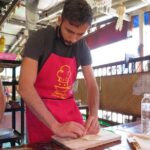
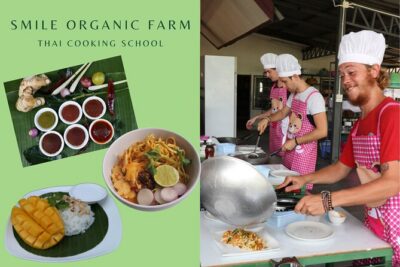
When you reach the cooking studio, the pace shifts from shopping to making. You’ll learn core Thai cooking skills and practice them step-by-step with expert staff in English.
You’ll cook a total of six dishes, and the course is structured around categories like a starter, soup, stir-fried dish, and curry paste, plus dessert. The exact dish combos depend on what you choose, but the overall rhythm is consistent: you learn a base method, apply it, then refine it as you go.
A big plus: many people highlight how clear the English instruction is. That matters for Thai cooking, where small steps—heat level, timing, ingredient sequence—can change the whole outcome. If you’re a beginner, you’ll still be able to follow along. If you’re more experienced, you’ll likely enjoy the technique reminders and flavor logic.
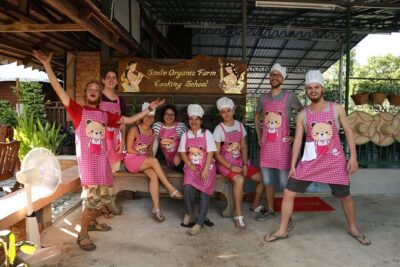
Also, the class atmosphere tends to be friendly. One past participant described the experience as family-friendly, even with a young child joining in and feeling welcome in the kitchen process.
Dish Choices: How You Build Your Own Thai Menu
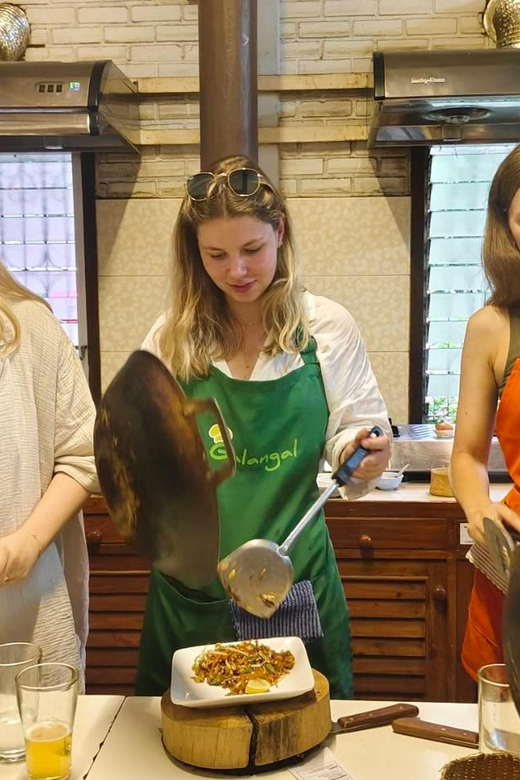
This is not a one-size-fits-all class. You choose from specific options, which helps you tailor the experience to what you actually want to eat.
Starter options (pick one)
- Som Tam (papaya salad)
- Por Pia Thod (spring rolls)
- Larb Kai (chicken salad)
- Yam Woon Sen (glass noodle salad)
If you like crunchy, sharp flavors, Som Tam is a great direction. If you want something lighter or fun to assemble, spring rolls can be a satisfying choice. Larb leans herby and savory; Yam Woon Sen is cool and chewy thanks to the glass noodles.
Main course choices (pick one)
- Pad Thai (Thai fried noodles)
- Pad See Ew (stir-fried chicken with fresh noodles)
- Kai Pad Med Mamuang Him Ma Pan (chicken with cashew nuts)
- Pad Kaphao Kai (minced chicken with holy basil)
Pad Thai is the classic comfort route, and it teaches you how to balance sweet, salty, and tang. Pad See Ew is more about wok-style rhythm and noodle handling. Cashew chicken gives you a nutty depth. Pad Kaphao Kai is for people who enjoy bold basil aroma and a punchy, savory profile.
Soup options (pick one)
- Tom Yum Kung (hot and sour prawn soup)
- Tom Kha Kai (chicken soup with coconut milk)
- Tom Kha Je (vegan soup with coconut milk)
- Tom Zap Kai (hot and sour with chicken)
Tom Yum Kung is the big heat-and-acid question. Tom Kha is creamy instead of sharp-spiky, and the vegan version gives you the same coconut comfort. Tom Zap Kai sits in the hot-and-sour zone too, just with a different protein approach.
Curry choices (pick your curry style)
You can choose among green, red, yellow, Massaman, or Panang curry. Plus, you’ll also cover curry paste as part of the cooking plan, which is the real foundation for Thai curry flavor.
If you want the most practical takeaway, I’d pick a curry you’re likely to cook again at home. Curry teaches ingredient base flavors in a way that’s easier to translate later than, say, a dish you only love once.
Curry Paste and Soup: The Thai Base-Flavors Lesson
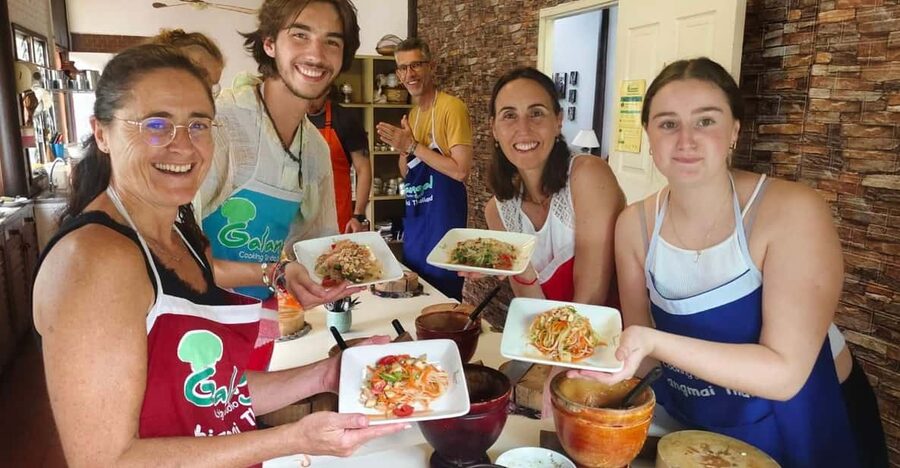
One of the sneaky-smart parts of this class is that you don’t just make finished dishes—you also learn how the flavor structure is built. Curry paste is the backbone, and it teaches you how Thai cooking layers aromatics, herbs, and seasoning into something that behaves consistently in a hot pan.
Soups reinforce that idea too. Hot and sour soups teach you balance and timing. Coconut-based soups teach you how richness changes the way spice and aroma land on your tongue.
Even if you’ve cooked Thai once before, you’ll likely notice that the class focuses on order and technique. That’s why this feels like a skill-builder, not a meal you happened to assemble.
Dessert Choices: Mango Sticky Rice with Ice Cream or Fried Banana
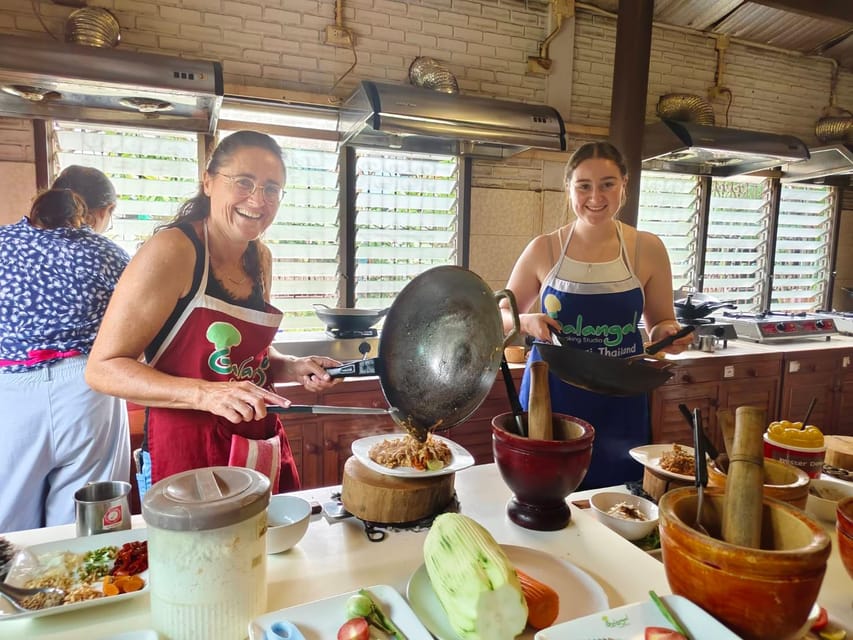
After the main dishes, you’ll make dessert in the indoor, air-conditioned dining area. You’ll eat everything you cook, which is a simple but important detail: you get instant feedback on what worked.
Your dessert choices:
- Mango sticky rice with ice cream
- Kuay Tod (fried banana)
If you want that classic Thai sweet-and-fruity payoff, mango sticky rice is the obvious winner. If you like warm, crisp, and syrupy comfort, fried banana brings a different texture experience—great after spicy food.
The PDF Recipe Book: Taking Thai Cooking Home
At the end, you eat your dishes and receive a PDF recipe book. For me, this is where the value really sticks.
A printed guide helps, but a PDF is flexible: you can save it, zoom in while cooking, and search later when you forget the exact ingredient order. It’s also useful if you want to cook just one dish again instead of repeating the whole class menu.
If you’re the kind of person who loves recreating meals you’ve had abroad, this gives you a practical system instead of a vague memory of flavors.
Dietary Needs and the Real-Life Convenience Factor
The class explicitly states availability for vegan, vegetarian, Halal, and gluten-free needs, plus options for allergies. That’s a big deal because Thai cooking can include common ingredients that vary by dish.
I’d still be smart about it: if you have an allergy, make sure it’s clearly communicated ahead of time. But the fact that the class offers these options means you’re not stuck choosing only from a narrow list.
This is also one reason the class works well for mixed groups—people can pick different mains and soups without the experience turning into a one-person custom workaround.
Price and What You Actually Get for $41
At $41 per person for about 5 hours, the biggest value isn’t just the cooking. It’s the combination of:
- hotel pickup and drop-off
- market visit and ingredient selection
- organic garden/herb picking
- all ingredients and equipment
- water, tea, and coffee
- PDF recipe book
Then there’s the small catch: the activity lists a visitor fee of 500 baht per adult and 350 baht per child (6–12 years) that isn’t included in the $41. That doesn’t make the class a bad deal—it just means you should budget for it so the final cost matches your plan.
If you add up the time, instruction, and included transportation, $41 can feel fair—especially in a city where market food alone can cost surprising amounts once you’re sampling. You’re paying for guided learning and a full meal, not just for cooking one dish.
Who Should Book This Chiang Mai Morning Class
This is a strong pick if you want more than a cooking show. You’ll do better if you like:
- eating with a plan (choosing starters, mains, soups, and curry)
- learning ingredients in context at a real market
- cooking again at home with a guide in hand
- spending a morning outdoors and then working in a comfortable indoor kitchen
I’d also suggest it for families and multi-skill groups, since the instruction style is designed to be clear and followable, and at least one experience included a young child participating.
If you hate early starts, or you’re the type who panics about being on time, you’ll want to set up your pickup plan carefully the night before.
Should You Book This Cooking Class in Chiang Mai?
If you want a Thai cooking experience that feels grounded in real ingredients, I think this class is worth booking. The market plus organic herb picking gives your meals a storyline, and the hands-on cooking format means you leave with dishes you can actually reproduce.
Book it if:
- you want multiple dishes in one session
- you value English instruction
- you like the idea of a PDF recipe book to keep cooking after the trip
- you need dietary flexibility (vegan, vegetarian, Halal, gluten-free, allergies)
Skip it or re-check your plan if:
- your hotel is outside the pickup route and you’d rather not manage your own transport to the market/studio
- you struggle with early morning timing, since the market stop depends on you arriving on time
- you’re not interested in cooking beyond tasting
FAQ
What’s the duration of the Chiang Mai morning cooking class?
It runs for about 5 hours.
What’s included in the price?
The class includes hotel pickup and drop-off, a market tour (depending on interest), PDF versions of the recipe book, instruction from expert staff, water/tea/coffee, and all ingredients and equipment for the class.
What dishes will I cook?
You cook six dishes total. You can choose options such as Som Tam or spring rolls for a starter, dishes like Pad Thai or Pad See Ew for the main, Tom Yum Kung or Tom Kha for soup, curry types like green/red/yellow/Massaman/Panang, and dessert like mango sticky rice with ice cream or fried banana.
Can the class handle dietary restrictions?
Yes. It states availability for vegan, vegetarian, Halal, and gluten-free needs, and it can accommodate people with allergies.
Where do we start and end?
It starts with hotel pickup in Chiang Mai and ends with a drop-off back to your hotel. If you don’t want transfer, you can come directly to the cooking studio.
Do I need to bring anything?
They note you should bring personal medication. You should also come with an empty stomach. Alcohol and drugs are not allowed.
More Shopping Tours in Chiang Mai
- Chiang Mai: Cooking Class, Market & Thai Herbs Garden Tour★ 4.9 · 4,824 reviews
- Chiang Mai: Authentic Cooking Class with Market & Farm Visit★ 4.9 · 4,546 reviews
- Chiang Mai: Cooking Class with Market and Pickup★ 4.9 · 1,365 reviews
- Chiang Mai: Evening Cooking Class and Local Market Visit★ 4.9 · 648 reviews
- Chiang Mai: Evening Local Street Food Market Tour★ 4.8 · 604 reviews
More Tour Reviews in Chiang Mai
- Half-Day Thai Cooking Class at Organic Farm in Chiang Mai★ 5.0 · 19,087 reviews
- Chiang Mai: Elephant Sanctuary, Waterfall & Bamboo Rafting★ 4.9 · 9,160 reviews
- Chiang Mai: Doi Inthanon National Park Eco-Friendly Tour★ 4.6 · 6,667 reviews
- Chiang Mai: Elephant Sanctuary & Waterfall Group Tour★ 4.9 · 5,780 reviews
- Chiang Mai: Chiang Rai Temples, Karen Tribe and Hot Springs★ 4.7 · 5,401 reviews
More Chiang Mai Cooking Classes
- Half-Day Thai Cooking Class at Organic Farm in Chiang Mai★ 5.0 · 19,087 reviews
- Chiang Mai: Cooking Class, Market & Thai Herbs Garden Tour★ 4.9 · 4,824 reviews
- Chiang Mai: Authentic Cooking Class with Market & Farm Visit★ 4.9 · 4,546 reviews
- Thai and Akha Cooking Class in Chiang Mai★ 5.0 · 4,358 reviews
- Chiang Mai: Cooking Class with Market and Pickup★ 4.9 · 1,365 reviews
Fresh off the pile: Chiang Mai tours we have just written up

Chiang Mai Cooking Classes, compared.
 ★ 5.0Half-Day Thai Cooking Class at Organic Farm in Chiang MaiFrom $2919,087 reviews
 ★ 4.9Cooking Class, Market & Thai Herbs Garden TourFrom $314,824 reviews
 ★ 4.9Authentic Cooking Class with Market & Farm VisitFrom $344,546 reviews
 ★ 5.0Thai and Akha Cooking Class in Chiang MaiFrom $424,358 reviews
 ★ 4.9Cooking Class with Market and PickupFrom $251,365 reviews
 ★ 4.9Cooking Class with Organic Farm at Mama NoiFrom $321,151 reviews
 ★ 5.0Full Day Thai Cooking at Farm (Chiang Mai)From $391,127 reviews
 ★ 4.9HALF-DAY COOKING COURSE at a Thai Cooking FarmFrom $28705 reviews
Browse the lists this tour appears in