
Reviewed · HILL TRIBE VILLAGES
Chiang Mai: Traditional Thai-Akha Cooking Class& Market Tour
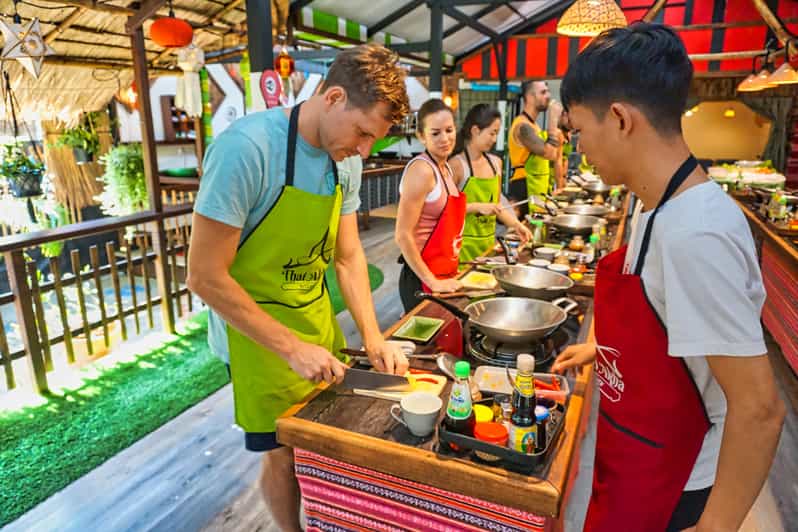
One market stop can change your whole dinner. This Chiang Mai class links a local market tour with hands-on cooking of Akha-influenced Thai dishes, so you learn the why, not just the how. I love how much food you end up making, and I love the way the chefs steer the flavors toward freshness and balance; the only real drawback is you’ll want to come hungry and ready to stand at the prep table for a few hours.
The vibe is friendly and practical. In one day I’ve seen described as “a long, fun evening,” the teachers adjust spice levels to what you can handle, and names like An and the chefs Xuan and Evelyn show up in the standout feedback. Hotel pickup keeps things simple if you don’t want to figure out transportation on your own.
In This Review
- What This Akha Thai Class Really Feels Like (5 to 6 Hours)
- The Hotel Pickup and Your 5–6 Hour Day Plan
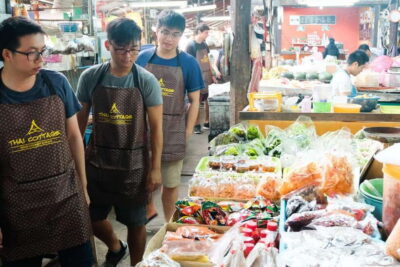
- Market Tour: Where the Flavor Starts
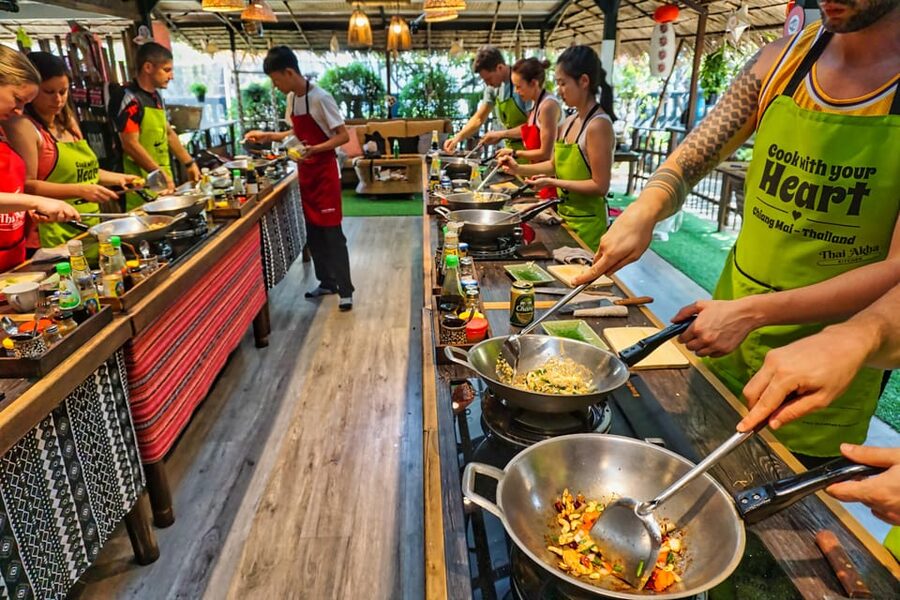
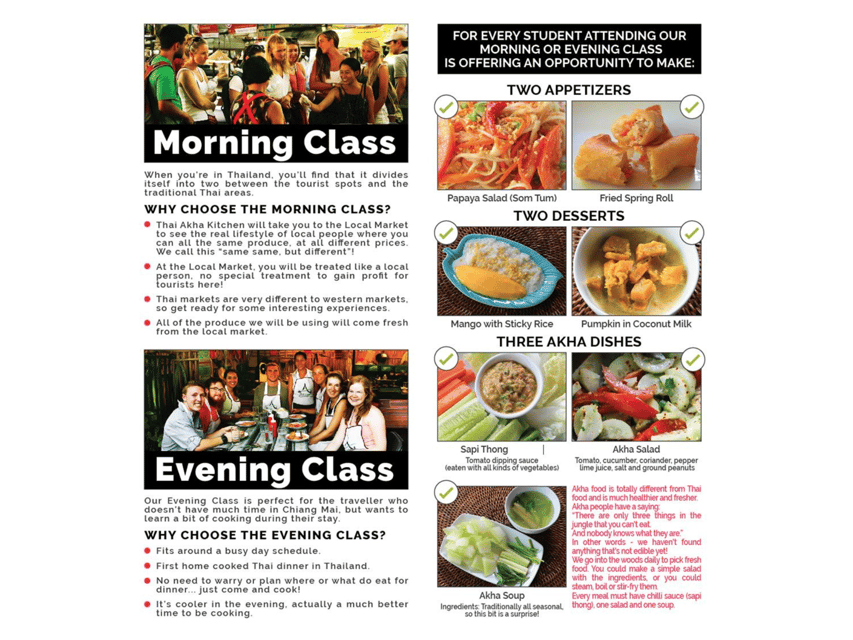
- Thai Akha Kitchen Menu: What You’ll Actually Cook
- Appetizers (2)
- Desserts (2)
- Akha Dishes (3)
- Curry and Paste (Choose 1 of 4)
- Thai Soup (Choose 1 of 3)
- Stir-Fried Dish (Choose 1 of 4)
- How many dishes is that, really?
- The Akha Influence: Freshness, Health, and What You Learn to Taste
- Teaching Style: Step-by-Step, and Adjusted for Real People
- What You Get to Take Home
- Price and Value: Why $41 Can Make Sense
- Who Should Book This (and Who Might Want Something Else)
- Small Tips That Make Your Day Smoother
- Should You Book Chiang Mai Traditional Thai-Akha Cooking Class and Market Tour?
- FAQ
- How long is the Chiang Mai Traditional Thai-Akha Cooking Class and Market Tour?
- Does the tour include hotel pickup in Chiang Mai?
- What language will the instructor use?
- What does the class include?
- What if I have food allergies?
- Is there free cancellation?
What This Akha Thai Class Really Feels Like (5 to 6 Hours)
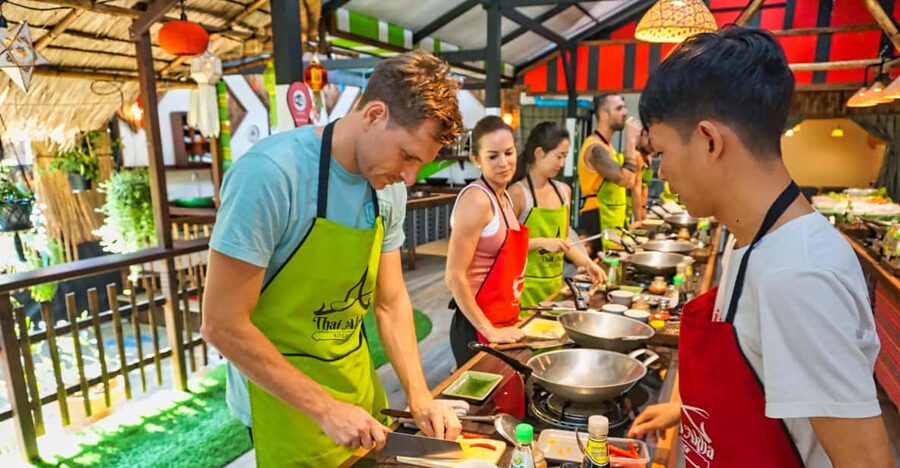
This isn’t a quick demo. It’s a structured meal-making experience that runs about 5–6 hours, usually starting with a market visit and then moving into the kitchen for a long cooking session.
That time matters. Market-first means you can actually connect what you see—fresh produce, herbs, and ingredients—to what lands on your plate later. Then the kitchen time gives you repeatable skills: cutting, mixing, tasting, and adjusting. By the end, you’re not just eating Thai food. You’re building a mental map of how northern flavors and Akha influences fit into everyday Thai cooking.
A nice detail: the class is taught in English and Thai, so you’re not stuck decoding cooking gestures. And if you have allergies, you can (and should) flag them in advance so the team can plan with you.
Visits to the Karen, Hmong and Akha villages in the hills
- Chiang Mai: Chiang Rai Temples, Karen Tribe and Hot Springs
★ 4.7 · 5,401 reviews - Thai and Akha Cooking Class in Chiang Mai
★ 5.0 · 4,358 reviews - Chiang Mai: Elephant Sanctuary, Long Neck & Sticky Waterfall
★ 4.9 · 2,262 reviews - 4-Hour Doi Suthep & Hmong Hill Tribe Village from Chiang Mai
★ 4.7 · 696 reviews
The Hotel Pickup and Your 5–6 Hour Day Plan

You’ll get pickup from your Chiang Mai hotel, which is a big deal for this kind of cooking outing. It keeps your day focused: you’re not spending time negotiating taxis or timing your return.
A typical flow looks like this:
- Local market tour to pick ingredients
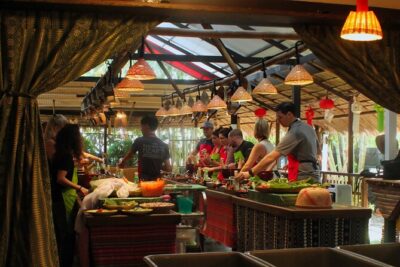
- Return to Thai Akha Kitchen
- Cook through a set menu that includes appetizers, Akha dishes, curry/paste, soup, stir-fry, and desserts
- Eat what you make
- Leave with recipe materials and a cookbook, plus extra help like spices in the feedback you’ll find
Even if your group pace varies by the day, the menu structure stays consistent: you’re guided step-by-step through a lot of dishes, not just one signature item.
Market Tour: Where the Flavor Starts
The market part is where the whole day gets real. You’re not just buying ingredients—you’re learning what makes them taste different.
Here’s what that market experience is set up to do:
- Help you understand why ingredients matter in Thai-Akha fusion cooking
- Give you a chance to handpick fresh items before you cook
- Show you local versions of ingredients that explain the final taste in ways a cookbook never will
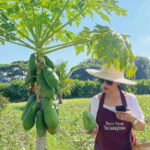
You’ll also be exposed to the idea of hill tribe flavors from northern Thailand, because Akha cooking traditions emphasize freshness and a practical, health-minded approach to eating. Even if you don’t remember every ingredient name, you’ll remember the logic: bright herbs, balanced sauces, and careful use of seasoning.
If you’re picky about produce quality (I am), this part is worth it. It makes the later cooking feel like it’s based on decisions, not just instructions.
Thai Akha Kitchen Menu: What You’ll Actually Cook
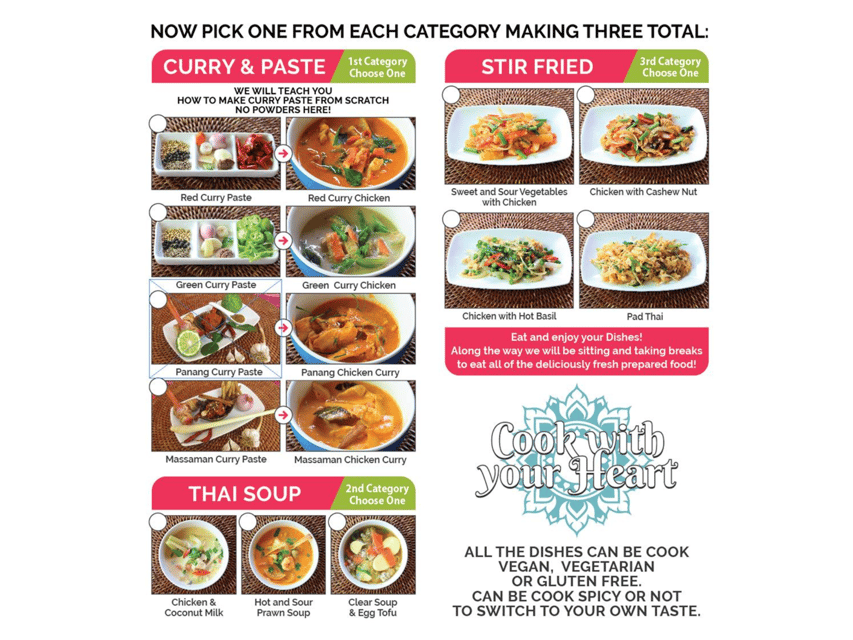
The day is built around a set menu with some choice. That matters because it keeps the experience both structured and flexible.
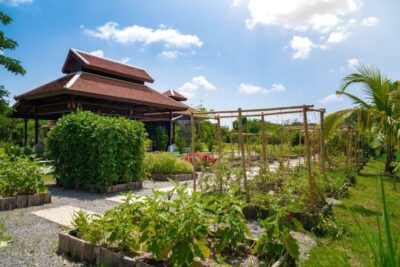
Pick your Thai cooking class: farm kitchens and market runs
Appetizers (2)
You can expect two from:
- Papaya Salad
- Fried Spring Roll
This is a smart start. Papaya salad teaches the basics of balancing sour, salty, and fresh herb flavors. Spring rolls add texture and show you how fillings are assembled and seasoned.
Desserts (2)
You’ll also make two desserts:
- Mango with Sticky Rice
- Pumpkin in Coconut Milk
These desserts are classic in feel but also reinforce how Thai cooking manages sweetness with coconut richness and fruit freshness.
Akha Dishes (3)
This is the core Akha piece, with three items:
- Sapi Thong (Tomato Dipping Sauce)
- Akha Salad (tomato, cucumber, coriander, pepper, lime juice, salt, ground peanuts)
- Akha Soup
This trio is where you learn that “Akha style” isn’t a single sauce. It’s an approach: fresh components, tangy lime, herbs, and nutty depth from peanuts. The dipping sauce also gives you an easy take-home benchmark for recreating the taste later.
Curry and Paste (Choose 1 of 4)
You’ll pick one:
- Red Curry Chicken
- Green Curry Chicken
- Panang Chicken Curry
- Massaman Chicken Curry
You’ll likely notice how the family of curries still changes in mood: each one comes with its own mix of sweetness, heat, and aroma. Having a choice also means your heat tolerance can be respected more easily.
Thai Soup (Choose 1 of 3)
You’ll pick one:
- Chicken and Coconut Milk
- Hot and Sour Prawn Soup
- Clear Soup with Egg Tofu
Soups in Thai cooking are more than a side. They teach how to carry flavor without heaviness—especially when you have coconut milk or clear-broth options in the mix.
Stir-Fried Dish (Choose 1 of 4)
You’ll pick one:
- Sweet and Sour Vegetables and Chicken
- Chicken with Hot Basil
- Chicken with Cashew Nut
- Pad Thai
This final savory stage is where you get to compare Thai textures: crunchy cashews, basil’s sharp aroma, pad thai’s chew-and-sauce balance, or sweet-and-sour’s quick hit.
How many dishes is that, really?
On paper, the menu adds up to a lot: 2 appetizers + 2 desserts + 3 Akha dishes + 1 curry + 1 soup + 1 stir-fry. That’s typically 10 dishes based on the categories. In the feedback you’ll see, some people report cooking around 11 dishes in a session, which suggests the day’s flow can add a little extra depending on timing and how the class is run.
Either way: plan on leaving with a full stomach.
The Akha Influence: Freshness, Health, and What You Learn to Taste
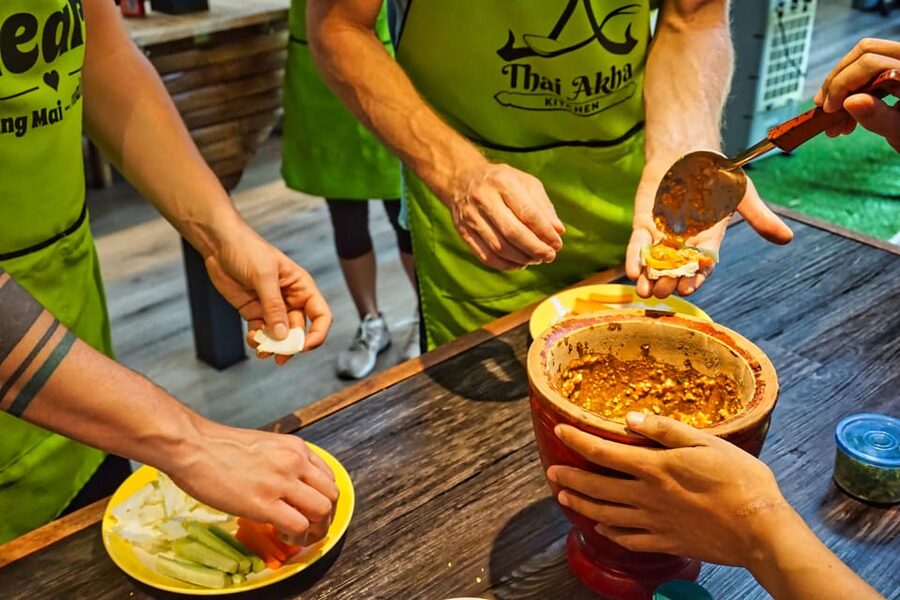
The pitch here is Thai-Akha fusion, and the heart of it is the Akha food approach. Akha communities developed distinctive cooking traditions in the mountains of northern Thailand, with a strong emphasis on:
- Fresh ingredients
- Health-minded flavor balance
- Sustainability and practical sourcing
You feel that most in the Akha salad and the dipping sauce. The Akha salad uses lime juice, herbs, pepper, and ground peanuts—so you get sour brightness, fresh green notes, heat, and nutty depth in one bowl. That’s not just flavor. It teaches you a template: citrus + herbs + crunch + salt.
And yes, spice matters here. One key theme in the feedback is that teachers offer guidance while also adapting to your spice comfort. So if you’re cautious, you’ll have a path that keeps the food tasty without turning the experience into a fire drill.
Teaching Style: Step-by-Step, and Adjusted for Real People

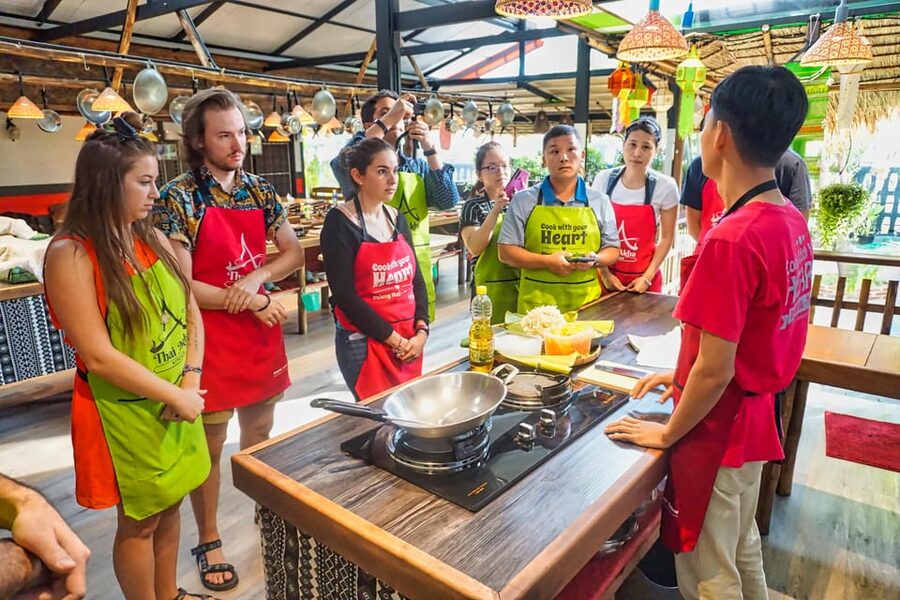
This class is taught by English/Thai instructors, and the human factor is part of the value. You can see names like An and chefs Xuan and Evelyn showing up in high praise, and the recurring pattern is that the teachers are fun, friendly, and genuinely invested in your success.
What that typically means in practice:
- You get clear steps, not vague directions
- You taste as you go, so you can fix seasoning midstream
- You’re encouraged to adjust, especially for heat level
That’s the difference between a cooking class you remember and one you try once and forget. When the teacher helps you land the flavor you want, you’re more likely to cook again later.
What You Get to Take Home
The class includes the “paper part” that turns today into future meals:
- Recipe
- Cook book
On top of that, the feedback also points to people receiving spices along with the materials. That’s a practical souvenir: something you can actually use rather than a decorative item.
If you’re the kind of person who likes to recreate meals at home, this is where the value grows. You’re not just paying for one meal in Chiang Mai. You’re paying to leave with tools.
Price and Value: Why $41 Can Make Sense
At $41 per person for 5–6 hours, this sits in the “good value” zone if you look at what’s included.
You’re getting:
- Hotel pickup
- A market tour
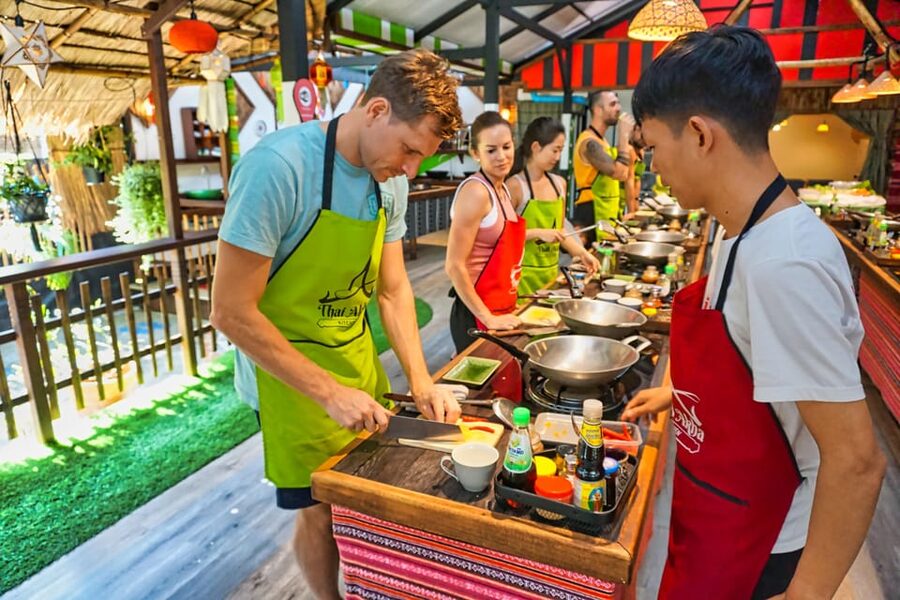
- A full cooking session with multiple dishes
- Organic ingredients (included)
- Recipe materials and a cook book
Cooking classes without market time often cost similarly, but you miss the ingredient context. Classes with market time can cost more. Here, the package is designed so the market and kitchen feed each other, which makes it easier to learn and enjoy.
The big value lever is volume and guidance. When you’re cooking a long menu with step-by-step instruction, you’re paying for more than food. You’re paying for time with someone showing you the method.
Who Should Book This (and Who Might Want Something Else)
This is a great fit if you:
- Like cooking and want a structured day, not a chaotic “try random stalls” outing
- Want northern Thailand flavors with an Akha angle
- Prefer a guide who helps you understand ingredients and seasoning
- Are okay with being busy for several hours and eating what you cook
You might think twice if you:
- Want a short, low-effort activity (this isn’t that)
- Have strict dietary needs beyond general allergies (you’ll need to communicate those in advance)
If you’re traveling with friends, this is also a solid choice because the work stays engaging, and everyone gets to eat a shared meal they created.
Small Tips That Make Your Day Smoother
Based on how these sessions play out and what’s highlighted in the experience info, a few practical tips can help:
- Tell the team about food allergies in advance (email or WhatsApp). Don’t wait until you arrive.
- Wear comfortable shoes. You’ll be in a working kitchen environment.
- Don’t overpack your schedule. A 5–6 hour cooking day is a full event.
Also, bring curiosity. A lot of the Akha style is about balance—sour, salty, herb brightness, and nutty texture. If you pay attention to those shifts during tasting, you’ll learn faster.
Should You Book Chiang Mai Traditional Thai-Akha Cooking Class and Market Tour?
If you want a cooking class that feels tied to real ingredients, this one is easy to recommend. The mix of a market tour, a long hands-on menu, and a teaching approach that helps with spice comfort gives you real skills and a meal you’ll remember.
I’d book it when you’re in Chiang Mai and want to turn one day into a practical “how to cook this” memory. If you’re only looking for a quick snack tour, skip it. But if you want to cook, eat, and take home recipe guidance, this is a strong choice for your time and money.
FAQ
How long is the Chiang Mai Traditional Thai-Akha Cooking Class and Market Tour?
It runs for about 5–6 hours, depending on the starting time available.
Does the tour include hotel pickup in Chiang Mai?
Yes. Pickup from your Chiang Mai hotel is included.
What language will the instructor use?
The instructor teaches in English and Thai.
What does the class include?
It includes the cooking session, a local market tour session, recipe materials, a cook book, organic ingredients, and pickup service.
What if I have food allergies?
You should inform the provider in advance via email or WhatsApp so they can prepare for your needs.
Is there free cancellation?
Yes. You can cancel up to 24 hours in advance for a full refund.
More Tour Reviews in Chiang Mai
- Half-Day Thai Cooking Class at Organic Farm in Chiang Mai★ 5.0 · 19,087 reviews
- Chiang Mai: Elephant Sanctuary, Waterfall & Bamboo Rafting★ 4.9 · 9,160 reviews
- Chiang Mai: Doi Inthanon National Park Eco-Friendly Tour★ 4.6 · 6,667 reviews
- Chiang Mai: Elephant Sanctuary & Waterfall Group Tour★ 4.9 · 5,780 reviews
- Chiang Mai: Chiang Rai Temples, Karen Tribe and Hot Springs★ 4.7 · 5,401 reviews
More Chiang Mai Cooking Classes
- Half-Day Thai Cooking Class at Organic Farm in Chiang Mai★ 5.0 · 19,087 reviews
- Chiang Mai: Cooking Class, Market & Thai Herbs Garden Tour★ 4.9 · 4,824 reviews
- Chiang Mai: Authentic Cooking Class with Market & Farm Visit★ 4.9 · 4,546 reviews
- Thai and Akha Cooking Class in Chiang Mai★ 5.0 · 4,358 reviews
- Chiang Mai: Cooking Class with Market and Pickup★ 4.9 · 1,365 reviews
More Hill Tribe Village Visits
- Chiang Mai: Chiang Rai Temples, Karen Tribe and Hot Springs★ 4.7 · 5,401 reviews
- Thai and Akha Cooking Class in Chiang Mai★ 5.0 · 4,358 reviews
- Chiang Mai: Elephant Sanctuary, Long Neck & Sticky Waterfall★ 4.9 · 2,262 reviews
- 4-Hour Doi Suthep & Hmong Hill Tribe Village from Chiang Mai★ 4.7 · 696 reviews
- Chiang Mai: Long Neck Village & Chiang Rai’s Iconic Temples★ 4.3 · 338 reviews
Fresh off the pile: Chiang Mai tours we have just written up

Hill Tribe Villages, compared.
 ★ 4.7Chiang Rai Temples, Karen Tribe and Hot SpringsFrom $355,401 reviews
 ★ 5.0Thai and Akha Cooking Class in Chiang MaiFrom $424,358 reviews
 ★ 4.9Elephant Sanctuary, Long Neck & Sticky WaterfallFrom $632,262 reviews
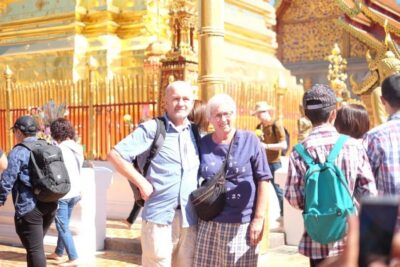 ★ 4.74-Hour Doi Suthep & Hmong Hill Tribe Village from Chiang MaiFrom $36696 reviews
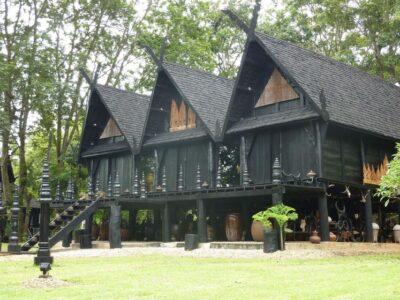 ★ 4.3Long Neck Village & Chiang Rai’s Iconic TemplesFrom $55338 reviews
 ★ 5.0Chiang Dao Cave & 5 Hill Tribe villagesFrom $52181 reviews
 ★ 5.04 in 1 Elephants Long Neck Rafting and Sticky Waterfall TourFrom $88126 reviews
 ★ 4.0Chiang Rai Full Day Tour with Boat Trip and Longneck VillageFrom $55112 reviews
Browse the lists this tour appears in