
Reviewed · CHIANG MAI COOKING CLASSES
Cooking Evening Class Chiang Mai Visit Organic Garden and Market
Chiang Mai is better with dinner you cooked. This evening class mixes a local market with an organic garden, then turns fresh ingredients into hands-on Thai favorites. I like the full flow from market shopping to making your own curry paste, and I love that you get to eat what you cook (or take it home). A fair heads-up: the class is built for speed and shared instruction, so some prep may feel like it was done ahead of time and you might not get deep knife-skill coaching.
You start in the afternoon and finish before late evening, which works nicely when you still want a night out after dinner. The kitchen setup is structured (one person per wok, and you’ll make six menu choices across appetizers, curry, stir-fry, soup, and dessert), so it stays friendly even if you’ve never cooked Thai food before. The big watch-out for food nerds is that the approach aims for results and taste over slow, technique-heavy teaching.
If you want an efficient, fun way to understand Thai ingredients, learn a few core dishes, and leave with an online recipe book, this is a strong pick for Chiang Mai.
In This Review
- Key highlights at a glance
- The big picture: what this evening class is really about
- Your Chiang Mai timeline: pickup, market, garden, then the cooking marathon
- Pickup from Old Town hotels (14:30–15:00)
- Local market visit (around 15:30)
- Cooking school arrival + organic garden (around 16:00–16:30)
- Cooking and eating (around 16:30–19:30)
- What you actually cook: 6 dishes and real choices
- Curry paste: the hands-on moment
- Learning sticky rice for mango
- Spice level: mild or spicy
- Market and garden: why those stops are more useful than they sound
- The market is where Thai ingredients stop being confusing
- The organic garden makes herb talk practical
- The classroom experience: group size, pacing, and how it feels
- Dining setup: AC comfort or garden air
- Dietary needs and substitutions: what’s available, and what to plan
- Price and value: what $13.04 buys you in real terms
- Who this works best for (and who might prefer something else)
- Small practical tips so you enjoy it more
- Should you book this Chiang Mai cooking class?
- FAQ
- What time does the evening class start?
- How long is the cooking class?
- Do they offer hotel pickup in Chiang Mai?
- Where do you go first during the tour?
- What dishes will I cook?
- Can I choose my menu?
- Are vegetarian, vegan, or gluten-free menus available?
- Can I choose how spicy my food is?
- What happens after cooking—do I eat the food?
- Are alcoholic drinks included?
Key highlights at a glance
- Market first, so ingredients make sense: you shop and learn what you’re buying before the stove work starts
- Organic garden stop: you’ll connect herbs and plants to the dishes you’ll cook
- Make curry paste with your own mortar and pestle: not just instruction, real prep time
- Choose your own menu for 6 dishes: one appetizer, curry paste, curry, stir-fried dish, soup, and dessert
- Eat inside or outside: air-conditioned dining room or an open-air pavilion by the garden
- Great value for 4.5 hours: hotel transport (Old Town) plus ingredients, cooking, and dining are included
Pick your Thai cooking class: farm kitchens and market runs
- Half-Day Thai Cooking Class at Organic Farm in Chiang Mai
★ 5.0 · 19,087 reviews - Chiang Mai: Cooking Class, Market & Thai Herbs Garden Tour
★ 4.9 · 4,824 reviews - Chiang Mai: Authentic Cooking Class with Market & Farm Visit
★ 4.9 · 4,546 reviews - Thai and Akha Cooking Class in Chiang Mai
★ 5.0 · 4,358 reviews
The big picture: what this evening class is really about
This isn’t just a hands-on cooking show where someone explains and you watch. The point is to help you go from ingredient to dish, in a short 4.5-hour window, without leaving hungry. You’ll shop at a local market, learn about Thai ingredients at a garden, then cook a set of dishes that covers several Thai flavor lanes: sour, spicy, fragrant herbs, coconut richness, and sweet dessert comfort.
For many people, the market-and-garden combo is the magic part. When you know what galangal, lemongrass, chilies, or herbs smell like, the recipes stop feeling like a mystery box. Even if you don’t become the next Thai chef, you leave with a mental map of how Thai kitchens build flavor.
It’s also budget-friendly for what you get. At $13.04 per person, you’re paying for transport (from and back to Chiang Mai Old Town), ingredients, an English-speaking instructor, cooking equipment support (including one person per wok), and meals. That’s a lot bundled into one evening.
Your Chiang Mai timeline: pickup, market, garden, then the cooking marathon
Pickup from Old Town hotels (14:30–15:00)
The evening course starts with pickup from your hotel in Chiang Mai Old Town. The timing is designed to get you to the market and cooking school before things get too hectic. If your hotel is outside the pickup zone, you might not get door-to-door pickup and may be directed to a central spot instead.
This matters because Chiang Mai traffic can shift your timing. Getting the pickup right helps you feel relaxed when the market and garden stops begin.
Nothing jumping out yet? More Chiang Mai trips are just down the page

Local market visit (around 15:30)
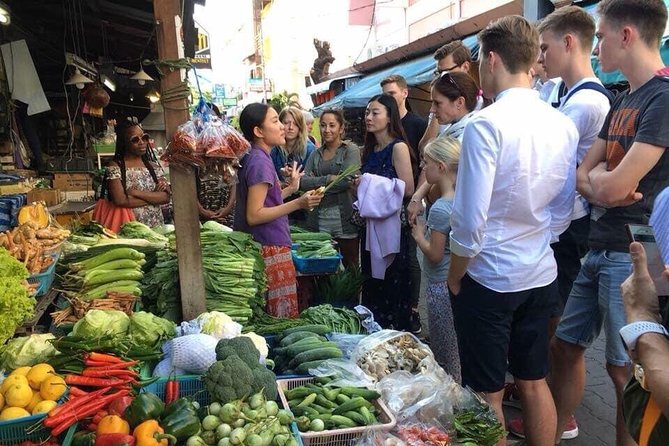
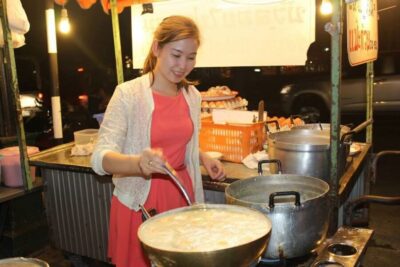
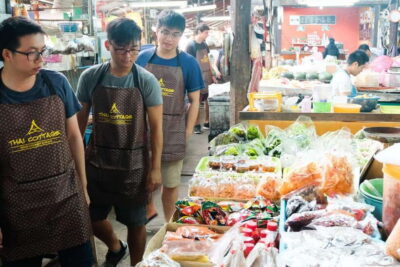
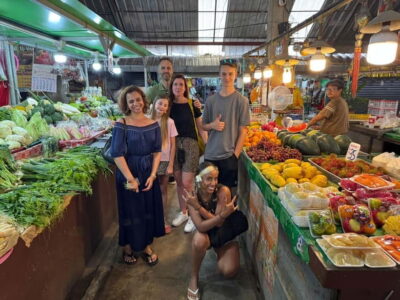
Next comes the market, where you’ll see and learn about ingredients used in Thai cooking—fruits, rice, herbs, and the basics behind curry flavor. The market stop is your early education: it sets the stage so the recipes aren’t just a list of steps.
Practically, this is also when you can ask questions. If you’re picky about spice or want vegetarian/vegan options, this is the moment to connect your preferences to what the kitchen can support later.
Cooking school arrival + organic garden (around 16:00–16:30)
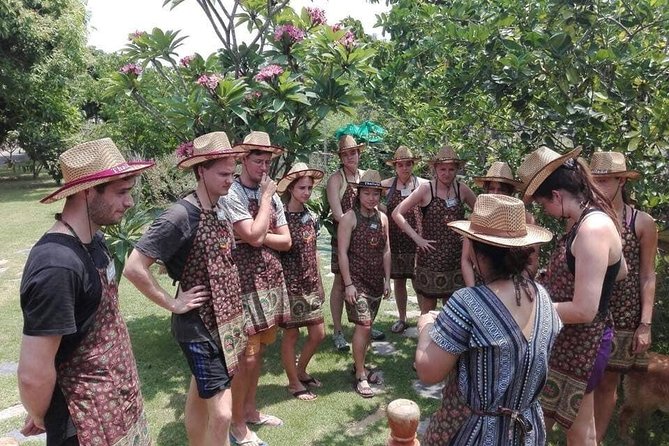
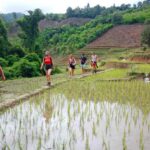
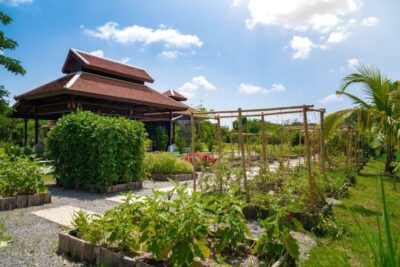
You arrive at the cooking school and then visit the organic garden. The purpose is pretty clear: you’re not just eating Thai food—you’re learning what Thai herbs and plants look like where they’re grown.
This stop is a nice break from the market’s busyness. You slow down, and the information sticks better when you can see the plants tied to their flavor roles.
Cooking and eating (around 16:30–19:30)
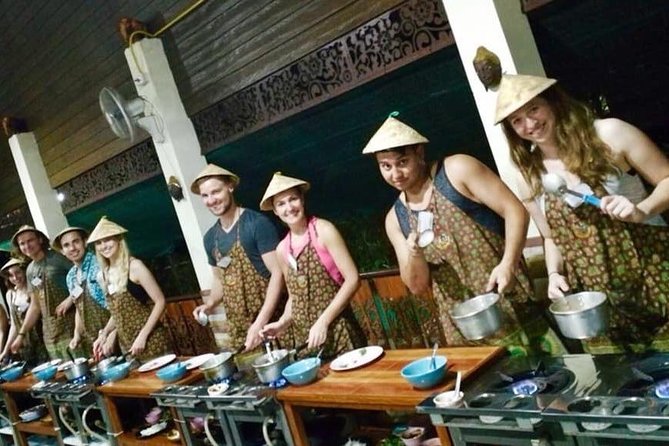
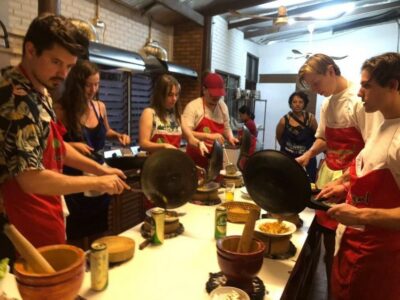
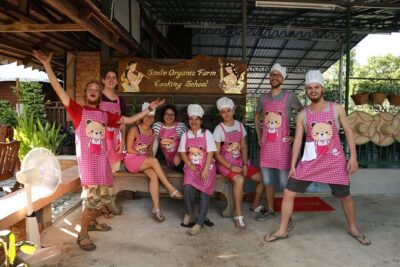
Then the class becomes full hands-on work. You’ll cook multiple dishes, and you’re set up to eat everything you make. The format is efficient: one person per wok, plus hands-on mortar work for curry paste.
At the end, you get two dining environment options:
- an air-conditioned Chiang Mai-styled dining room, or
- an open-air Thai pavilion in the garden
On a warm Chiang Mai afternoon, the AC room is a relief, but the garden pavilion can feel special if the weather cooperates.
What you actually cook: 6 dishes and real choices
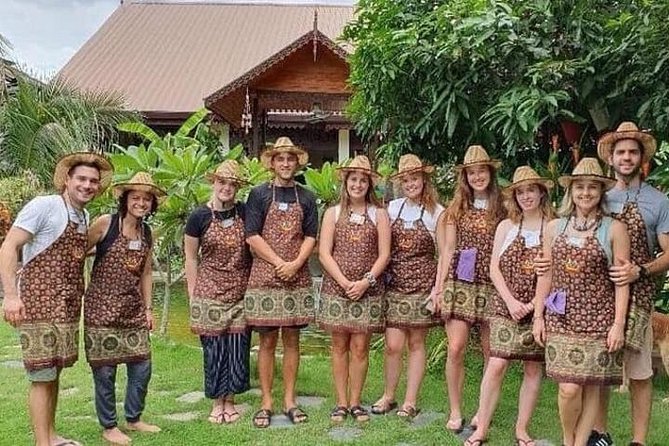
This class follows a structured menu system with 6 dishes, and you get to choose what you’ll cook within each category:
- One appetizer
- One curry paste (you’ll make it)
- One curry
- One stir-fried dish
- One soup
- One dessert
That choice system is a big deal. You’re not stuck cooking a single fixed set of recipes, and you can steer toward your tastes. If your group members are different levels or different spice tolerance, the menu selection helps keep everyone engaged.
Curry paste: the hands-on moment
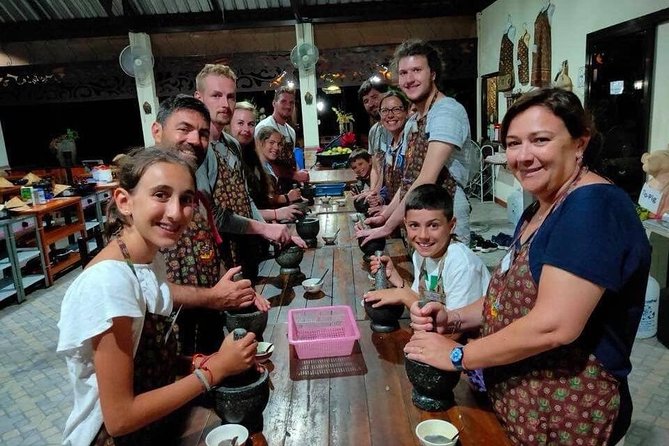
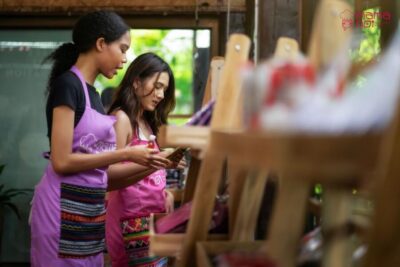
Curry paste is the signature skill here. You’ll make your own curry paste using a mortar and pestle—one person per mortar. That’s the kind of step that makes the final curry taste more alive, because you’re actively building the spice/herb base rather than relying on pre-made paste.
Learning sticky rice for mango
One of the recipes includes learning how to make glutinous rice for sticky mango rice. It’s a classic pairing in Thailand, and it’s often the dessert people remember because it’s not hard once you know the process.
Spice level: mild or spicy
You can adjust your spicy level. If you’re coming to Thailand from a place where Thai spice scares you, this is one of those thoughtful details that can make the whole class feel safe and fun.
Market and garden: why those stops are more useful than they sound
The market is where Thai ingredients stop being confusing
A lot of cooking classes teach recipes but not sourcing. Here, the market visit helps you learn what ingredients look like and what they generally do. Even when you can’t pronounce every herb, you’ll recognize it later at your grocery store—or at a Thai shop back home.
The value isn’t “shopping for the sake of shopping.” It’s understanding what flavor building blocks look like in real life.
The organic garden makes herb talk practical
At the organic garden, you can connect plant names to dish outcomes. That makes you more likely to actually cook the recipes later, because you’ll have a reference point.
If you love the idea of food as part of culture (not just as entertainment), this part is where the lesson becomes personal.
The classroom experience: group size, pacing, and how it feels

The class has a maximum of 15 travelers. In practice, that usually means you’re not standing in a giant crowd with zero attention. You should still be able to ask questions and get guidance while moving through multiple stations.
Pacing is where you’ll feel the biggest trade-off. Some participants felt the class is very efficient and that some items may be pre-made to keep the process moving. If you’re a serious cook who loves technique, you might want more time cutting and prepping from scratch.
Here’s the balanced way to think about it:
- If you want a fun, outcome-focused cooking evening with many dishes, this format works.
- If you want slow, hands-on knife work and deep technique instruction, you might wish for a longer class or more prep time.
Either way, it stays friendly. The tone in the class seems built around laughter and easy instruction, and staff support shows up often—especially around spice and substitutions.
Dining setup: AC comfort or garden air
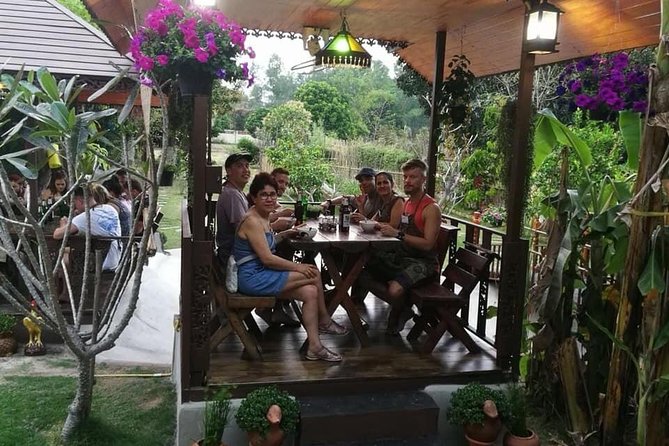
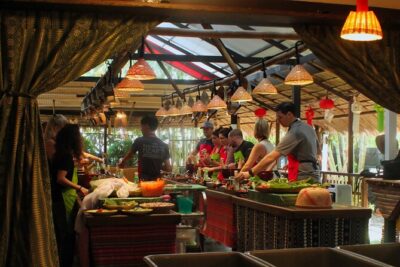
You eat what you cook, and you get an environment choice. The air-conditioned Thai-styled dining room is great if you’re heat-sensitive or you arrive feeling tired. The open-air pavilion by the garden can feel like a reward after the market and cooking work—especially if the weather is cooperative.
Either setting helps you enjoy the food instead of rushing through it. That’s important because you’re not just collecting recipes—you’re actually tasting the results in a calm setting.
Dietary needs and substitutions: what’s available, and what to plan
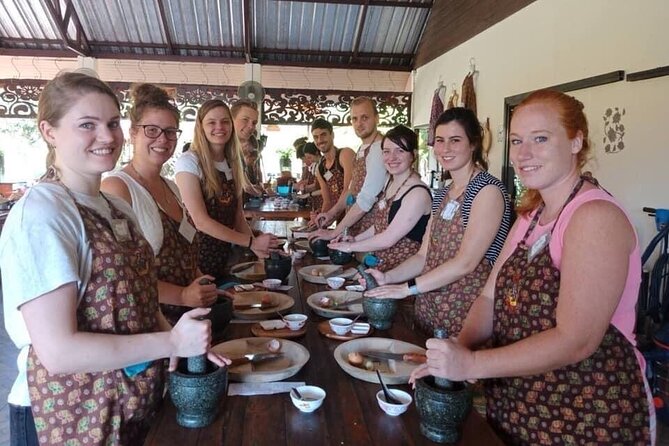
The class offers selectable menus with options for meat, vegetarian, vegan, and gluten-free, plus allergies you can flag. The key practical move is to inform the staff during menu selection on the day of the class.
If you’re bringing a specific allergy, you’ll want to be clear when choosing your dishes. The recipes will still follow the Thai flavor structure, but ingredient swaps can only work if you communicate early.
This class also isn’t for every age group and situation. The notes specify that a visitor and infant is not available, so you’ll want to check eligibility for children before you book.
Price and value: what $13.04 buys you in real terms
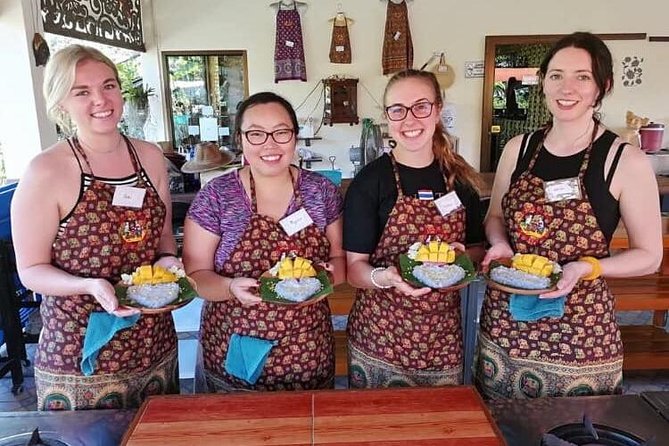
$13.04 per person is the headline number, but the real value comes from what’s included:
- market visit and organic garden
- all fresh ingredients
- one person per wok
- curry paste mortar/pestle hands-on prep
- English-speaking instructor
- tea, coffee, and water
- you eat everything you cook (or take it away)
- full-color online recipe book
- online photo albums and free Wi‑Fi
- hotel transport from/to Chiang Mai Old Town
When you put that together, it’s not just “a cooking class.” It’s an organized food-and-ingredient experience with transportation and meals built in. If you’re deciding between this and a simpler cooking class, the market + garden combination is where this one earns its value.
Who this works best for (and who might prefer something else)
This class fits well if you:
- want a hands-on Thai food lesson without prior experience
- like learning ingredients, not just following steps
- want to leave with an online recipe book you can actually use
- prefer a lively but structured evening activity
- want a date-night or family-friendly option that’s not too late
You might consider a different kind of class if you:
- want deep technique training and more time chopping and prepping from start to finish
- prefer a long, slow cooking course with fewer dishes
- need a very quiet, minimal-group setting
Small practical tips so you enjoy it more
- Eat lightly before pickup. You’ll be cooking and eating a lot in one evening window.
- If spice matters, be direct during menu selection and ask how the kitchen will adjust it.
- Wear comfortable clothes and closed-toe shoes. Kitchens can get warm and a bit active.
- If you’re hoping for maximum market time, ask early if there’s flexibility—timing can shape how much you can explore.
- Bring patience for efficiency. The class moves quickly on purpose so everyone gets dishes.
Should you book this Chiang Mai cooking class?
Book it if you want the best kind of cooking class: one where the ingredients make sense, the flavors click, and you eat your work in a pleasant setting. The combination of market learning, organic garden plant context, and cooking six dishes (including curry paste and mango sticky rice) makes it a strong value for the time.
I’d pass or choose carefully if you’re expecting a slow, technique-heavy class where you do all prep from scratch with lots of individual attention. This one is built to be efficient and fun, and that efficiency is exactly why it can deliver so much food in one evening.
If your goal is to learn Thai cooking in a practical way—so you can recreate it later—this is an easy yes for many visitors.
FAQ
What time does the evening class start?
The start time is 14:30, with pickup from your hotel. The class runs about 4 hours 30 minutes.
How long is the cooking class?
It lasts approximately 4 hours 30 minutes, ending around 19:30.
Do they offer hotel pickup in Chiang Mai?
Yes. Transport from and to the hotel in Chiang Mai Old Town is included. If your hotel is outside the range, you may be picked up at a general city-center spot.
Where do you go first during the tour?
You start with pickup, then you visit the local market, followed by the cooking school and an organic garden visit.
What dishes will I cook?
You will cook 6 dishes: one appetizer, one curry paste, one curry, one stir-fried dish, one soup, and one dessert.
Can I choose my menu?
Yes. Each guest can choose options for the 6 dishes from the available selections.
Are vegetarian, vegan, or gluten-free menus available?
Yes. The class offers meat, vegetarian, vegan, and gluten-free options, and you can also request allergy accommodations by informing staff during menu selection.
Can I choose how spicy my food is?
Yes. You can make your food spicy or mild based on your preference.
What happens after cooking—do I eat the food?
Yes. You can eat everything you cook at the dining room or open-air pavilion, or take it away.
Are alcoholic drinks included?
No. Alcoholic beverages are available to purchase, but they’re not included.
More Shopping Tours in Chiang Mai
- Chiang Mai: Cooking Class, Market & Thai Herbs Garden Tour★ 4.9 · 4,824 reviews
- Chiang Mai: Authentic Cooking Class with Market & Farm Visit★ 4.9 · 4,546 reviews
- Chiang Mai: Cooking Class with Market and Pickup★ 4.9 · 1,365 reviews
- Chiang Mai: Evening Cooking Class and Local Market Visit★ 4.9 · 648 reviews
- Chiang Mai: Evening Local Street Food Market Tour★ 4.8 · 604 reviews
More Tour Reviews in Chiang Mai
- Half-Day Thai Cooking Class at Organic Farm in Chiang Mai★ 5.0 · 19,087 reviews
- Chiang Mai: Elephant Sanctuary, Waterfall & Bamboo Rafting★ 4.9 · 9,160 reviews
- Chiang Mai: Doi Inthanon National Park Eco-Friendly Tour★ 4.6 · 6,667 reviews
- Chiang Mai: Elephant Sanctuary & Waterfall Group Tour★ 4.9 · 5,780 reviews
- Chiang Mai: Chiang Rai Temples, Karen Tribe and Hot Springs★ 4.7 · 5,401 reviews
More Chiang Mai Cooking Classes
- Half-Day Thai Cooking Class at Organic Farm in Chiang Mai★ 5.0 · 19,087 reviews
- Chiang Mai: Cooking Class, Market & Thai Herbs Garden Tour★ 4.9 · 4,824 reviews
- Chiang Mai: Authentic Cooking Class with Market & Farm Visit★ 4.9 · 4,546 reviews
- Thai and Akha Cooking Class in Chiang Mai★ 5.0 · 4,358 reviews
- Chiang Mai: Cooking Class with Market and Pickup★ 4.9 · 1,365 reviews
Fresh off the pile: Chiang Mai tours we have just written up

Chiang Mai Cooking Classes, compared.
 ★ 5.0Half-Day Thai Cooking Class at Organic Farm in Chiang MaiFrom $2919,087 reviews
 ★ 4.9Cooking Class, Market & Thai Herbs Garden TourFrom $314,824 reviews
 ★ 4.9Authentic Cooking Class with Market & Farm VisitFrom $344,546 reviews
 ★ 5.0Thai and Akha Cooking Class in Chiang MaiFrom $424,358 reviews
 ★ 4.9Cooking Class with Market and PickupFrom $251,365 reviews
 ★ 4.9Cooking Class with Organic Farm at Mama NoiFrom $321,151 reviews
 ★ 5.0Full Day Thai Cooking at Farm (Chiang Mai)From $391,127 reviews
 ★ 4.9HALF-DAY COOKING COURSE at a Thai Cooking FarmFrom $28705 reviews
Browse the lists this tour appears in