
Reviewed · WALKING TOURS
Old Town History and Culture Walking Tour at Chiang Mai
Three temples, one story, two hours of walking. This is a $15 Chiang Mai Old Town History and Culture walk that links the city to the 13th-century Lanna Kingdom, starting at the Three Kings Monument. I like that it keeps the focus tight: King Mangrai gets explained up front, then you move through two major temple stops and end at Wat Chedi Luang.
My other favorite part is the “you’re here, not just looking” rhythm. You’ll spend real time inside Wat Phra Singh’s Lai Kam assembly hall and pagoda area, then continue to Wat Chedi Luang’s restored ruins, with chances to hear monk talks along the way. One caution: English clarity and how much the guide talks at the start can vary, and one past group struggled to follow an extended early explanation.
The Basics (What You’re Really Paying For)
This tour runs about 2 hours 30 minutes and is capped at a small group size (max 8). At a low price point, the value is in the structure: entrance fees are included, bottled water is included, and you get an English-speaking guide plus travel insurance. Since there’s no hotel pickup, you’ll need to make your own way to the meeting point at Three Kings Monument.
Key points that matter for your day:
- Start time and end location are fixed: it begins at Three Kings Monument and finishes at Wat Chedi Luang.
- You’ll be walking between temple complexes, so plan on uneven ground and lots of stairs.
- You’re mostly outside early on, so hot afternoons can feel long.
In This Review
- Key Highlights I’d Prioritize
- Starting at the Three Kings Monument for King Mangrai Context
- Wat Phra Singh: Lanna Architecture and the Lai Kam Assembly Hall
- Wat Chedi Luang Varavihara: UNESCO Restoration and 14th-Century Ruins
- How the 2.5-Hour Route Feels on Your Feet
- Value Check: Why $15 Can Actually Make Sense Here
- Monk Talks and Optional Blessings: Respectful, But Your Call
- Ending at Wat Chedi Luang: Keep the Momentum in Old Town
- Who This Tour Is Best For (And Who Should Skip It)
- Should You Book This Old Town History and Culture Walking Tour?
- FAQ
- How long is the Old Town History and Culture Walking Tour?
- Where does the tour start?
- Where does the tour end?
- How much does the tour cost?
- What’s included in the price?
- Is hotel pickup or drop-off included?
- How big is the group?
- Do I need to print anything, or do I get a ticket on my phone?
- Do I get confirmation right away?
Key Highlights I’d Prioritize
- King Mangrai context at the Three Kings Monument so Chiang Mai doesn’t feel like random temple hopping
- Wat Phra Singh (since 1346) with a close look at Lanna architecture and Lai Kam details
- Lai Kam assembly hall pagoda significance for Dragon-born explained during the visit
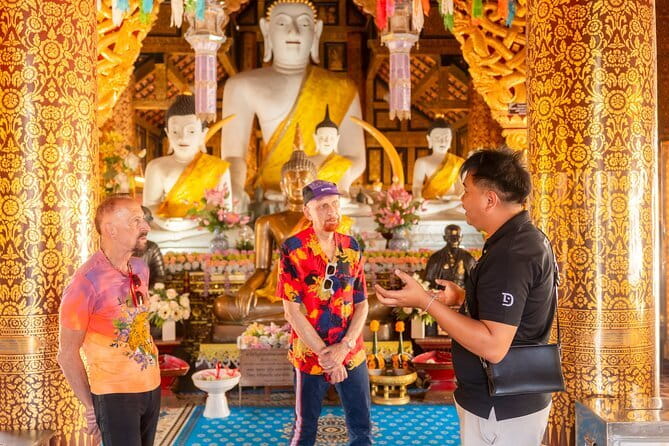
- Wat Chedi Luang restored by UNESCO in the 1990s and full of 14th-century atmosphere
- Monk talks plus optional blessing for luck handled with sensitivity
Nothing jumping out yet? More Chiang Mai trips are just down the page
- Chiang Mai: 3 Hour Old City and Temples Guided Walking Tour
★ 4.6 · 1,568 reviews - Chiang Mai: Historic Temples and City Guided Walking Tour
★ 4.7 · 650 reviews - Chiang Mai: Temple And City Walking Tour Part I
★ 4.7 · 244 reviews - Chiang Mai: Local Food and Markets Guided Walking Tour
★ 4.3 · 175 reviews
Starting at the Three Kings Monument for King Mangrai Context
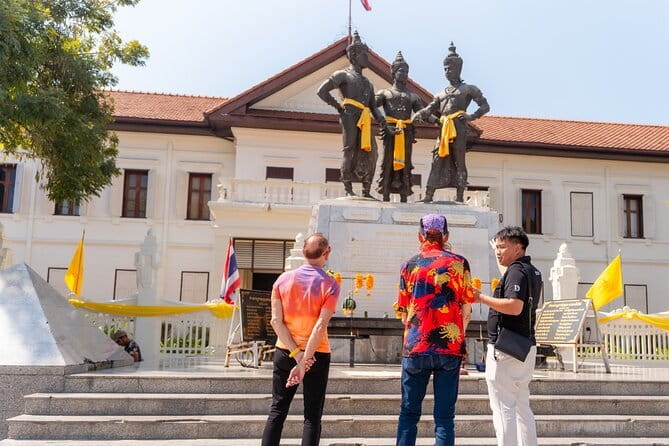
You start at the Three Kings Monument, on Prapokklao Road, and the guide does a quick safety briefing before history talk begins. The monument itself is part of the lesson: King Mangrai is featured in the middle, with the other kings arranged around him. It’s a smart move, because it frames what you’ll see later in a Lanna Kingdom timeline—not just temple names and dates.
Why I think this matters: Chiang Mai’s old town can feel like a museum route. This opening turns it into a story. You’re not only learning what the temples are; you’re learning why they’re here and how the city’s identity formed. If you’re the type who likes to know what you’re looking at before you look, this beginning helps you keep everything connected.
Practical note: the guide may spend a bit of time at the start talking, including language-related explanations. If you prefer a more hands-on start, be ready to ask a question early, or just keep your expectations for a short intro rather than an immediate walk.
Wat Phra Singh: Lanna Architecture and the Lai Kam Assembly Hall
Wat Phra Singh is your first major temple stop, and it’s described as the second most revered temple in Chiang Mai. The year 1346 gets mentioned as part of the temple’s background, which gives you a fixed historical anchor instead of vague “old and important.”
What you’ll focus on here:
- The Lanna architecture style, which makes the buildings feel distinct from other Thai temple designs
- The Lai Kam assembly hall and its pagoda area, with attention to the significance for people born in the Year of the Dragon
That last point is the kind of detail that makes temple visits more personal. You’re not just reading about Buddhism in general—you’re hearing how Thai religious culture can link calendar meanings, symbolism, and temple spaces.
A drawback to consider: temple interiors and sacred areas often come with rules about posture, behavior, and dress. The tour doesn’t spell out a dress code, so I’d still play it safe—cover shoulders and knees, and keep your phone use respectful where you’re meant to be quiet.
Also, expect a bit of guided commentary inside. On days when a guide is especially thorough at the beginning of the tour, the temple pacing can feel like more talking and less wandering on your own. If you like long independent time inside monuments, you may wish you had a bit more flexibility here.
Wat Chedi Luang Varavihara: UNESCO Restoration and 14th-Century Ruins
Next you move to Wat Chedi Luang Varavihara, a site that’s often described as centuries old and is known for its restored ruins. The tour highlights that it was restored by UNESCO in the 1990s, which matters because it explains why the area looks cared for rather than purely “ancient and broken.”
At Wat Chedi Luang, you’ll spend about an hour, and the tour framing is clear: this isn’t only a photo stop. You’ll get orientation on what you’re seeing among the ruins and structures, plus additional context about the significance of the temple complex. The information you get includes the fact that it’s a 14th-century temple and that it’s known for housing the remains of a revered figure (the tour description cuts off mid-word, but the point is that it’s a burial/lingering-relic site, not just empty stone).
The other big value here is the talk component. The tour notes that there’s an opportunity to listen to monk talks. In practice, this can turn the final stretch into a calmer, more reflective moment than a fast sightseeing loop.
A consideration: Wat Chedi Luang can involve looking around on uneven ground and staying attentive while explanations are happening. If you’re traveling with mobility limits, wear shoes with grip and plan to move slowly through the area.
Nothing jumping out yet? More Chiang Mai trips are just down the page
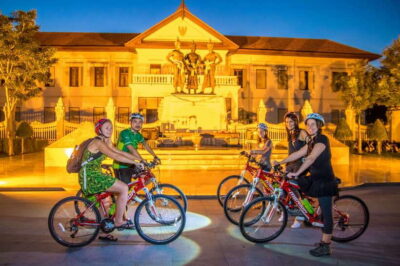
How the 2.5-Hour Route Feels on Your Feet
This is a walking tour, about 2 hours 30 minutes, and it keeps you on your feet just long enough to feel like you covered the essentials without turning it into a full-day march. The group size is limited to 8, which is one reason the pacing can work well: you’re less likely to get swallowed by a large crowd.
What I’d take seriously for your comfort:
- Wear comfortable shoes. Temple grounds can include stones, steps, and changes in elevation.
- Carry your own water if you tend to drink more than average, even though bottled water is included.
- Expect a mix of outdoor and indoor time, plus time for explanations.
For a lot of people, this tour hits a sweet spot: enough history and context to understand what you’re seeing, but not so much lecture time that you feel trapped.
Still, one thing to watch for is the guide’s delivery style. Some guides can be very crisp and easy to follow. Others may spend longer in the first part of the tour. Either way, if you’re the kind of person who learns by asking, this format gives you moments to do that.
Value Check: Why $15 Can Actually Make Sense Here
At $15 per person, this tour is priced low for a reason: you’re not paying for private transport or hotel pickup. You’re paying for a guide, English interpretation, and the included entry tickets.
Here’s what’s included:
- Entrance ticket fees for the stops on the route
- English-speaking guide
- Bottled water
- Travel insurance
What’s not included:
- Hotel pickup and drop-off
So why do I think it’s good value? Because three temple complexes with guided interpretation often cost more once you add up entry fees and the time cost of finding everything alone. Here, the tour bundles that into one predictable block of time. It’s also good value if you’re trying to get your bearings in Old Town without spending energy on route planning.
But don’t ignore the trade-off: there’s no pickup. If you’re staying far from the meeting point area, the “cheap” price can get offset by your own transit time. If you can reach Three Kings Monument easily, though, this is the kind of deal that feels hard to beat.
Monk Talks and Optional Blessings: Respectful, But Your Call
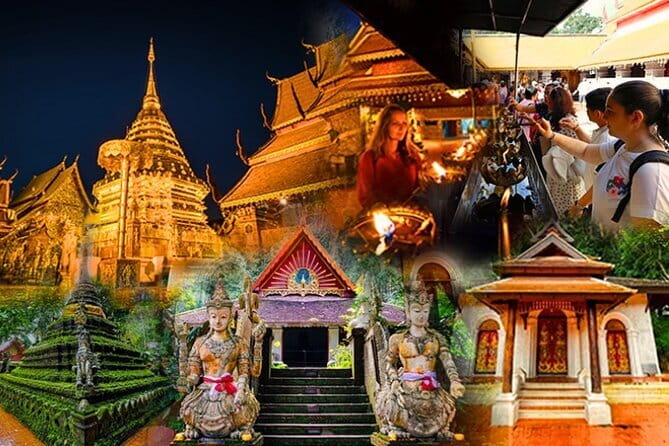
One of the most memorable parts of a temple tour is when it shifts from buildings to lived practice. The tour description mentions the chance to listen to monk talks. That’s the spiritual center of Theravada Buddhist practice in everyday public settings: teaching, reflection, and a calm atmosphere that’s different from temple sightseeing.
In some cases, you may also be asked if you want a blessing from a monk for luck. That’s optional in the sense that it’s a question, not a demand. If you’re not interested, you can politely pass. If you are curious, it can be a meaningful, culturally respectful moment to experience—without turning the tour into a conversion pitch.
The key is how the guide handles it. The tour notes that monk talks happen, and the best versions of this experience keep the tone respectful and give you room to participate or observe.
Ending at Wat Chedi Luang: Keep the Momentum in Old Town
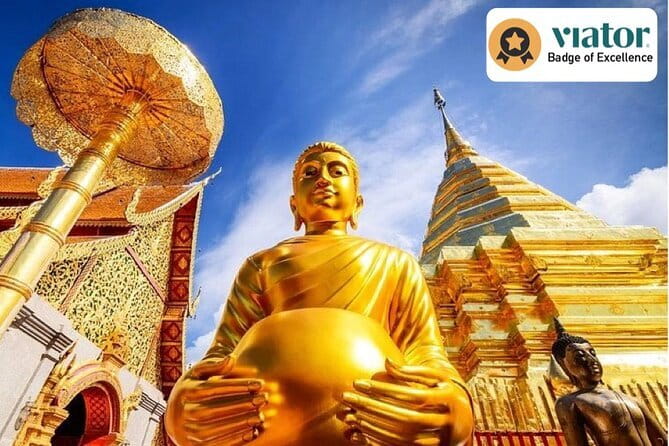
The tour finishes at Wat Chedi Luang, on Prapokklao Road. That’s convenient because you’re not dropped back at some random spot—you end in the same Old Town temple area where you can keep walking and exploring if you want.
If you’ve got energy afterward, plan a slower follow-up:
- If you want more temple time, stay in the area and return later when it feels less hectic.
- If you’re hungry, look for food around the old town grid rather than jumping across town immediately.
Ending here also helps you mentally. By the time you reach Wat Chedi Luang, you already understand the “Lanna origin + major temples” logic from the start.
Who This Tour Is Best For (And Who Should Skip It)
This is a great choice if:
- You’re new to Chiang Mai and want a clean introduction to Old Town temple highlights
- You like guided context, especially when it connects a city to its founding story (King Mangrai and the Lanna Kingdom)
- You want a short group tour with included tickets rather than a self-guided scramble
You might want another option if:
- You hate structured explanations and prefer to wander on your own
- You’re sensitive to English pacing issues early in the tour
- You want a lot of free time inside each temple without a group moving you along
The small group size helps, and the 2.5-hour duration usually fits well into an arrival day or a half-day schedule.
Should You Book This Old Town History and Culture Walking Tour?
I’d book it if you can get to Three Kings Monument easily and you want a simple, budget-friendly way to learn what you’re seeing in Chiang Mai’s old town. The combination of included entrance fees, an English guide, and the specific temple sequence makes the price feel practical, not “too good to be true.”
Book it with a smart expectation: you’re getting guidance and context, not a silent museum tour. If you’re ready to listen, ask questions, and walk steadily between stops, this is one of the better ways to spend a morning or afternoon in Chiang Mai.
One last tip: if you’re concerned about English clarity, arrive a few minutes early at the meeting point and take a moment to confirm you can hear and understand your guide before you get moving. That tiny step can make the difference between enjoying a tour and feeling lost in it.
FAQ
How long is the Old Town History and Culture Walking Tour?
It lasts about 2 hours 30 minutes.
Where does the tour start?
The meeting point is Three Kings Monument (Prapokklao Road, Tambon Si Phum, Amphoe Mueang Chiang Mai).
Where does the tour end?
The tour finishes at Wat Chedi Luang Varaviharn (Watchediluang Varaviharn, 103 Prapokklao Road).
How much does the tour cost?
The price is $15.00 per person.
What’s included in the price?
Entrance ticket fees, an English-speaking guide, bottled water, and travel insurance are included.
Is hotel pickup or drop-off included?
No. Hotel pickup and drop-off are not included.
How big is the group?
The tour has a maximum of 8 travelers.
Do I need to print anything, or do I get a ticket on my phone?
It uses a mobile ticket.
Do I get confirmation right away?
You receive confirmation at the time of booking.
More Walking Tours in Chiang Mai
- Chiang Mai: 3 Hour Old City and Temples Guided Walking Tour★ 4.6 · 1,568 reviews
- Chiang Mai: Historic Temples and City Guided Walking Tour★ 4.7 · 650 reviews
- Chiang Mai: Temple And City Walking Tour Part I★ 4.7 · 244 reviews
- Chiang Mai: Local Food and Markets Guided Walking Tour★ 4.3 · 175 reviews
- Chiang Mai Untouched Elephant: Nature Walk & Waterfall Trek★ 4.7 · 77 reviews
More Tours in Chiang Mai
- Chiang Mai: Doi Inthanon National Park Eco-Friendly Tour★ 4.6 · 6,667 reviews
- Chiang Mai: Elephant Sanctuary & Waterfall Group Tour★ 4.9 · 5,780 reviews
- Chiang Mai: Cooking Class, Market & Thai Herbs Garden Tour★ 4.9 · 4,824 reviews
- Chiang Mai: Elephant Sanctuary Feeding Program Half-Day Tour★ 4.8 · 4,527 reviews
- Chiang Rai White Temple and Blue Temple Day Tour★ 4.6 · 3,366 reviews
More Tour Reviews in Chiang Mai
- Half-Day Thai Cooking Class at Organic Farm in Chiang Mai★ 5.0 · 19,087 reviews
- Chiang Mai: Elephant Sanctuary, Waterfall & Bamboo Rafting★ 4.9 · 9,160 reviews
- Chiang Mai: Doi Inthanon National Park Eco-Friendly Tour★ 4.6 · 6,667 reviews
- Chiang Mai: Elephant Sanctuary & Waterfall Group Tour★ 4.9 · 5,780 reviews
- Chiang Mai: Chiang Rai Temples, Karen Tribe and Hot Springs★ 4.7 · 5,401 reviews
Fresh off the pile: Chiang Mai tours we have just written up


Walking Tours, compared.
 ★ 4.63 Hour Old City and Temples Guided Walking TourFrom $161,568 reviews
 ★ 4.7Historic Temples and City Guided Walking TourFrom $21650 reviews
 ★ 4.7Temple And City Walking Tour Part IFrom $15244 reviews
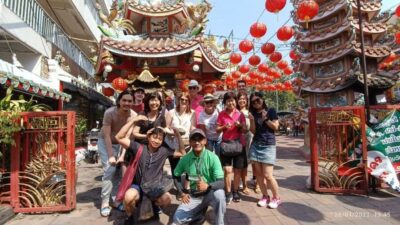 ★ 4.3Local Food and Markets Guided Walking TourFrom $48175 reviews
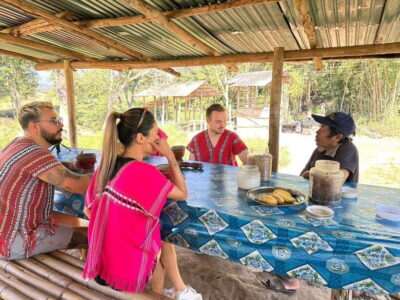 ★ 4.7Chiang Mai Untouched Elephant: Nature Walk & Waterfall TrekFrom $5177 reviews
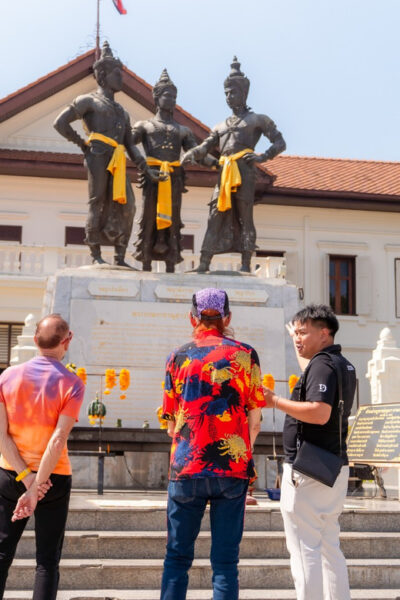 ★ 4.6Historical and Culture Exploration Walking TourFrom $1540 reviews
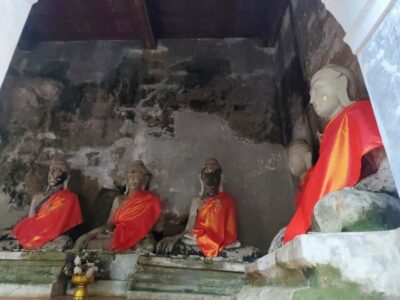 ★ 4.8Ex-monk city & temples walking tour: (3.5 hours / 1.7 km.)From $2035 reviews
 ★ 4.5Chiang Mai Old City & Temples Guided Walking Tour – 3 HrsFrom $1634 reviews
Browse the lists this tour appears in