
Reviewed · HILL TRIBE VILLAGES
Chiang Mai: 3-Day Karen Hill Tribe Immersion with Trekking
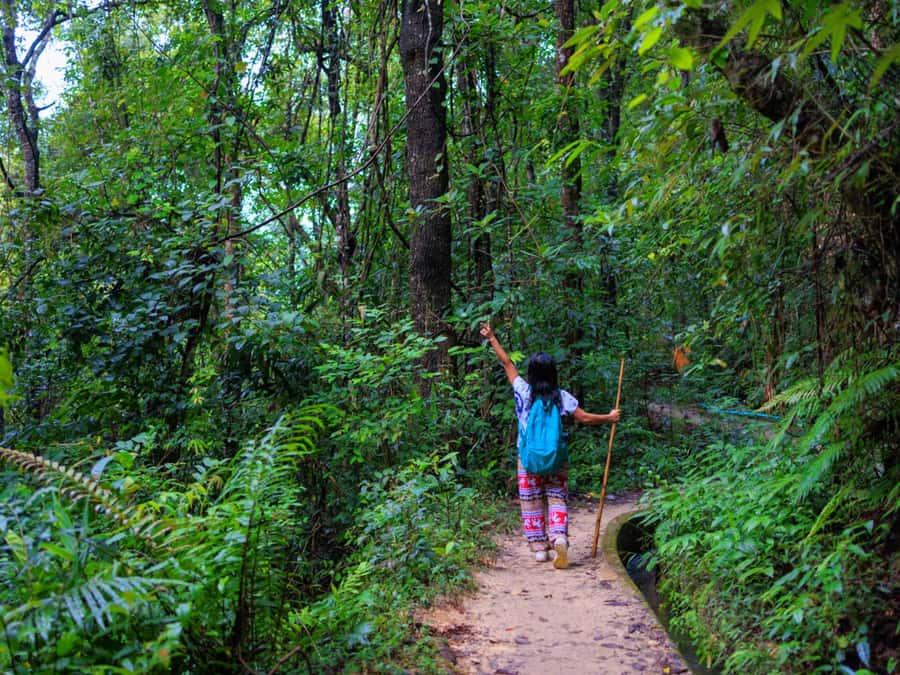
Cold water, warm stories, and real jungle trails. This 3-day Karen hill tribe trekking trip in Doi Inthanon pairs waterfall swims with hands-on cooking in village homes and guided forest walks.
One consideration: the hiking is no joke. Expect 5–7 hours per day on uneven jungle terrain, basic village camps, and the very real possibility of cold showers.
In This Review
- Key things to know before you go
- Why this Doi Inthanon Karen trek feels different
- Getting from Chiang Mai to the trailhead
- Day 1: Forest paths, banana-leaf lunch, and a firelight camp
- Day 2: Village life, animal-rich forest, and a night with your hosts
- Day 3: Cloud forest trails and up to five waterfall swims
- Guides make or break the experience
- Camps, showers, and the off-grid reality
- What you’ll eat (and how simple food becomes a highlight)
- Fitness: how hard is it really?
- Packing list that actually helps on the trail
- Price and value: is $158 fair for 3 days?
- Who should book this Karen hill tribe trekking experience?
- Should you book this trek?
- FAQ
- FAQ
- How long is the Karen hill tribe trekking trip?
- What’s included in the $158 price?
- What meals are provided?
- Is there swimming during the trek?
- How physically demanding is the trek?
- What should I bring?
Key things to know before you go
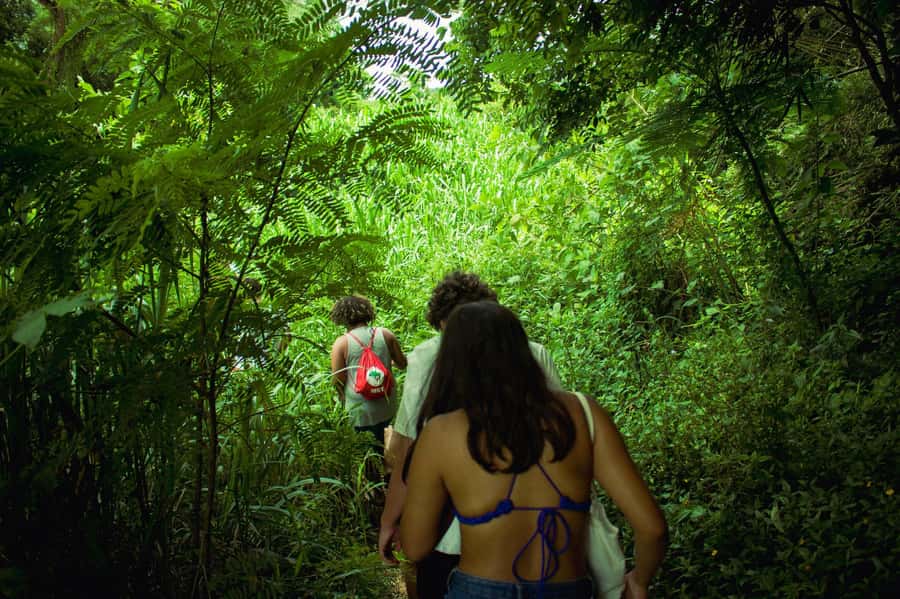
- Community-owned paths, camps, and waterfalls mean you’re treading on village land rather than a packaged tourist route.
- Two different village overnights give you more than a quick cultural stop; you’ll see daily routines up close.
- Waterfall time is built in (and you can swim at several stops), not just stand-and-photo moments.
- Guides do the forest interpreting: native plant knowledge, animal spotting, and small jungle details you’ll miss on your own.
- Small group size (up to 15) helps keep the pace manageable on narrow trails.
- Bring cash and pack light-smart: there’s no time or place to shop for essentials once you start trekking.
Visits to the Karen, Hmong and Akha villages in the hills
- Chiang Mai: Chiang Rai Temples, Karen Tribe and Hot Springs
★ 4.7 · 5,401 reviews - Thai and Akha Cooking Class in Chiang Mai
★ 5.0 · 4,358 reviews - Chiang Mai: Elephant Sanctuary, Long Neck & Sticky Waterfall
★ 4.9 · 2,262 reviews - 4-Hour Doi Suthep & Hmong Hill Tribe Village from Chiang Mai
★ 4.7 · 696 reviews
Why this Doi Inthanon Karen trek feels different
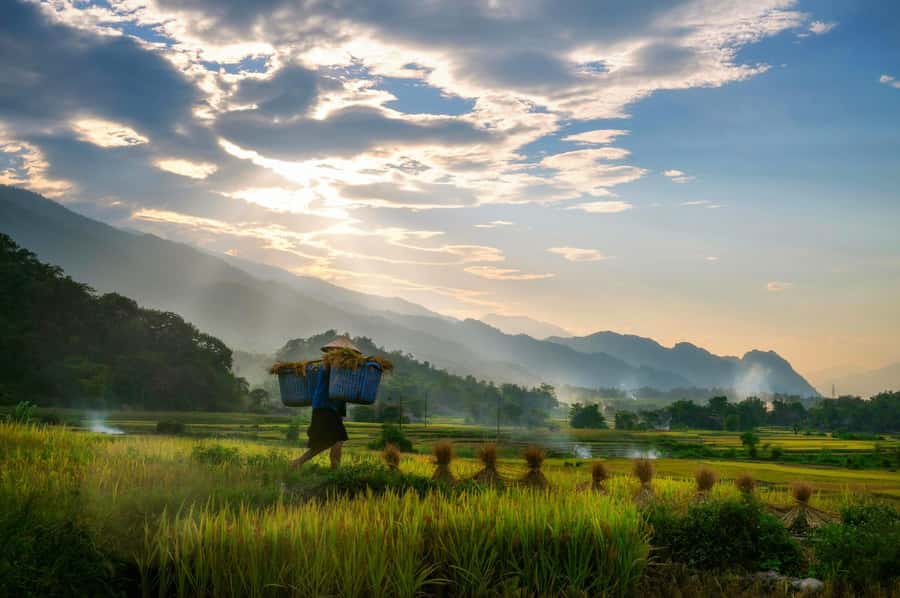
This isn’t a day tour to see a hill tribe from a distance. You’re walking through Doi Inthanon’s forest, farmland, and cloudier hill country, then sharing meals and stories inside Karen community spaces. The biggest value for me is how the experience stays practical: you learn what people actually do day to day—how they cook, what plants they use, and how they live with the land.
Another highlight is the balance of nature and people. You get proper trekking time (not a stroll), plus genuine cultural moments that aren’t just a performance. One guide name you might hear on the trail is Jungle Boy, and other guides like Pepe and his brother Bobo are known for creating a friendly, safe-feeling vibe while still keeping you moving.
The only thing to keep your expectations realistic: this is active travel. You won’t be there for comfort. You’ll be there for stories, hiking, and jungle-water moments.
Getting from Chiang Mai to the trailhead
You’ll start with pickup in Chiang Mai city, and the schedule is tight enough that you should be ready in the lobby early. Pickup times run roughly from 7:00–7:10 AM for central areas, 7:00–7:30 AM for mid-range neighborhoods, and 7:30–8:00 AM for outer areas. Plan to be standing by 10 minutes before the window.
Before you climb into the hills, there’s a quick stop at a local market. It’s useful in a real way: it helps set the tone for local life and can be handy if you need small essentials before heading off-grid.
Then you drive into the Doi Inthanon region and meet your host family for the trek kickoff. This early transfer matters because the hikes are long. You want daylight, not a late start.
Day 1: Forest paths, banana-leaf lunch, and a firelight camp
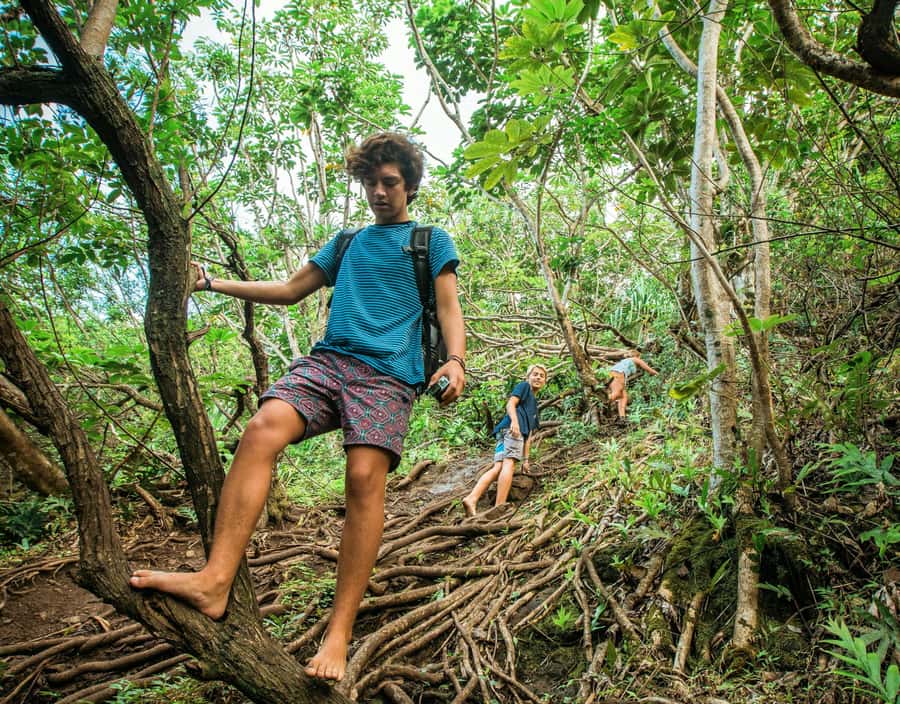
Day 1 starts with a drive up to a village area owned by your host family. From there, you begin hiking along private farmland trails and into dense forest.
This is where the jungle teaching begins. Your guide points out native plants and shares traditional stories tied to how Karen families live with the environment. You’ll pass bamboo groves and rice paddies, then keep moving toward a waterfall lunch.
Lunch is served by a waterfall and wrapped in banana leaves. That detail sounds small, but it’s exactly the point: the day is built around using what’s around you, not re-creating a restaurant experience in the woods.
After lunch, you hike onward to a forest camp near a remote waterfall. You’ll help with dinner prep with hand-picked herbs, then settle by a campfire for a sky full of stars. It’s simple, quiet, and very much off-grid. You’ll come away feeling like you actually traveled into the hills—not just into a new viewpoint.
Practical note: Day 1 is often the hardest. One guest measured the pace and described Day 1 as a steep climb, so if your fitness is borderline, go easy the first couple hours.
More jungle treks and hill trails out of Chiang Mai

Day 2: Village life, animal-rich forest, and a night with your hosts
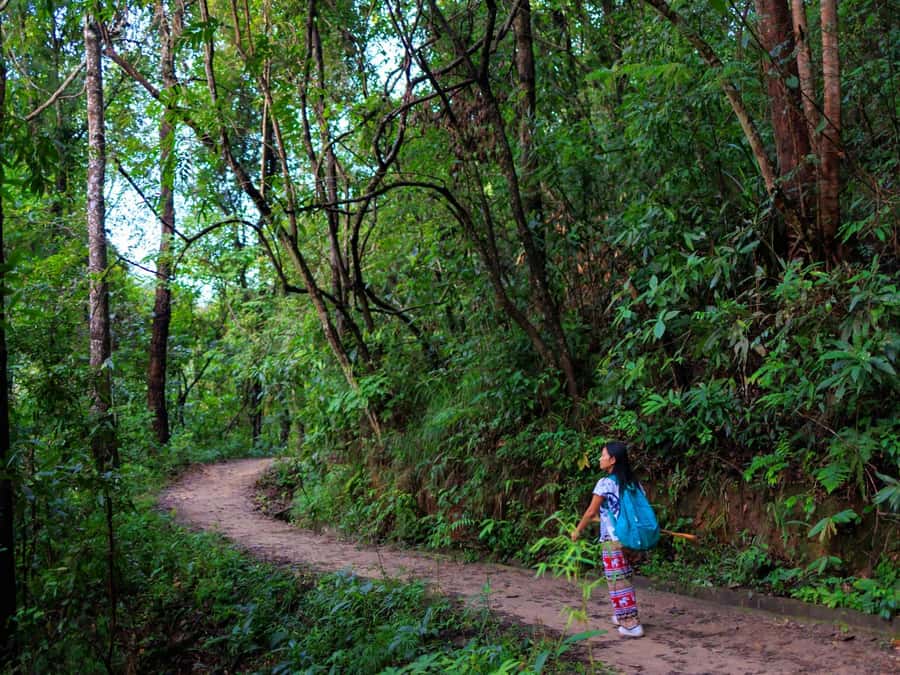
Day 2 begins after breakfast and heads through wildlife-rich forest where gibbons, macaques, and Asiatic black bears are known to live. You’re not guaranteed to see wildlife, but the setting is right for animal-spotting, and the guide’s job is to help you notice what you might otherwise miss.
You hike about 3 hours to reach the first Karen village. Lunch and cultural exchange happen there. This part matters because it shifts the rhythm from trekking mode to people mode. You’ll learn about daily life and traditions rather than only seeing clothing or artifacts.
After that, you go deeper into the hills for a second village trek—around 4 hours—and it sets up the full overnight cultural experience. Here, you might meet your hosts’ family members directly (sometimes the guide’s relatives are involved in welcoming you). You’ll learn traditional clothing and cooking techniques, and you’ll spend the night inside a village camp environment rather than a separate “tour cabin.”
The evening is built for conversations—stories over dinner, time to ask questions, and a slower pace than trekking always allows. One strong theme from guide-led groups is that they do a good job keeping things friendly and organized, which helps when you’re in a setting that feels unfamiliar.
Day 3: Cloud forest trails and up to five waterfall swims
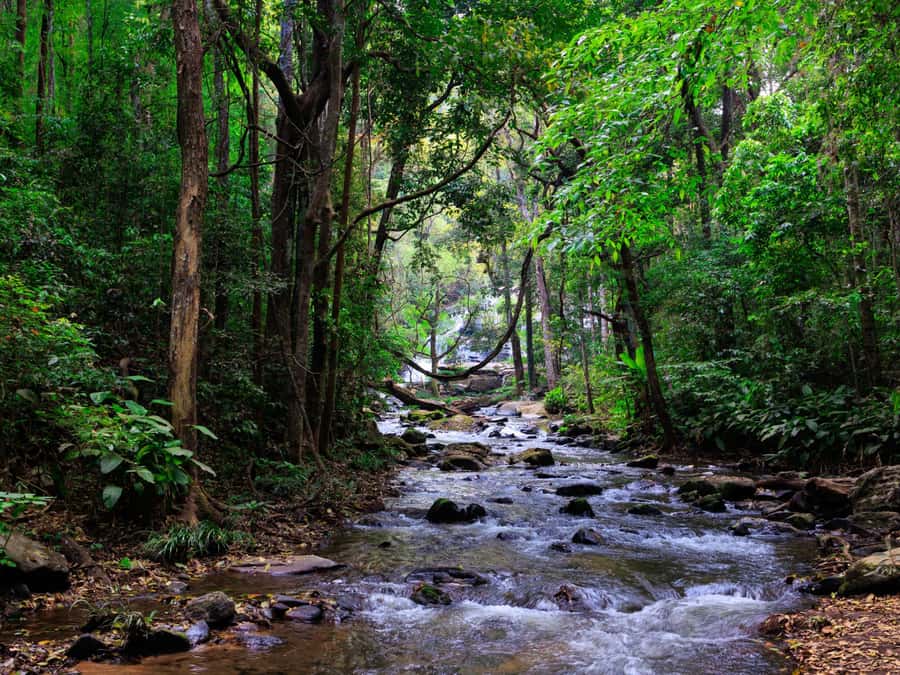
The final day is long in a good way. Expect roughly 6–7 hours of trekking across gentle farmland and rugged paths, with sections through cloud forest and local farms.
You’ll visit up to five natural waterfalls along the route, and several are suitable for swimming. That’s one of the most practical reasons to choose this trek: you’re not just hearing about waterfalls—you’re planning swim time into the itinerary.
Between waterfall stops, you’ll keep moving along farmland edges and hill paths. It’s a mix of softer walking and rougher stretches, so bring shoes you trust. When you need a break, you’ll also have the excuse of another waterfall.
The day ends with a peaceful final meal by the water before pickup returns you to Chiang Mai. It’s a nice landing. You get a calm moment after three active days, which helps your body reset for normal city life.
Guides make or break the experience
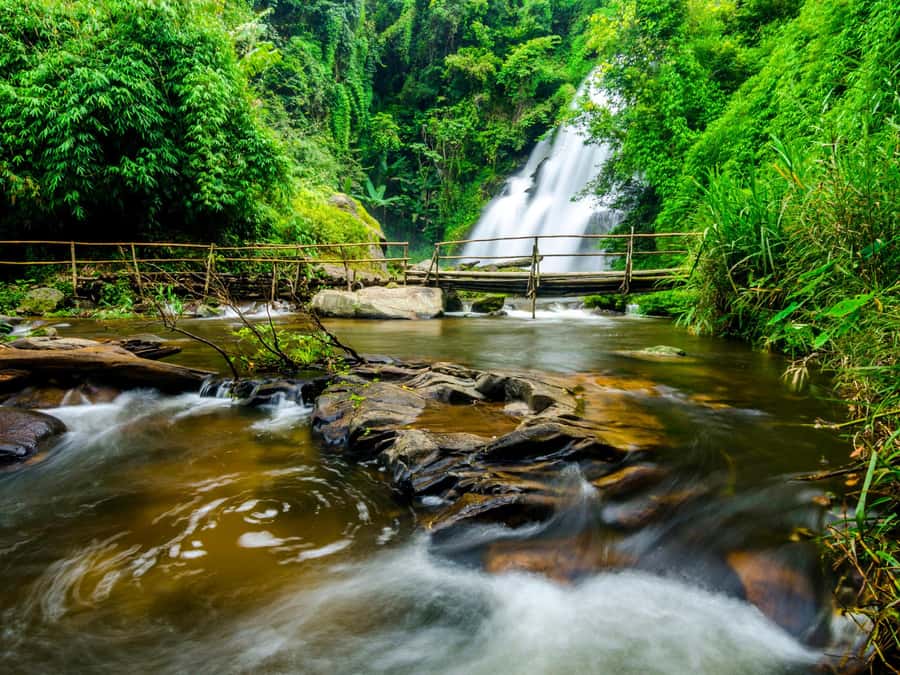
In a trek like this, the guide is your translator, teacher, and safety layer all at once. This tour uses an English/Thai local Karen guide, and the roles show in the details: short stops to point out fruits and herbs, explanations about plants you can’t name from a distance, and animal spotting that’s based on local knowledge.
Names you may hear include Jungle Boy, and guides like Pepe and Bobo are mentioned for being engaging and for making sure everyone feels safe in an unfamiliar environment. That matters because jungle travel comes with small uncertainties—getting turned around in dense forest, not knowing which plants are useful, or feeling unsure when paths get muddy.
A good guide also helps you handle cultural rules without awkwardness. You’ll be encouraged to dress modestly in villages, avoid disrespectful behavior, and ask permission before taking photos of people.
If you prefer tours where the human connection is real, choose this one for the guide-first approach.
Camps, showers, and the off-grid reality
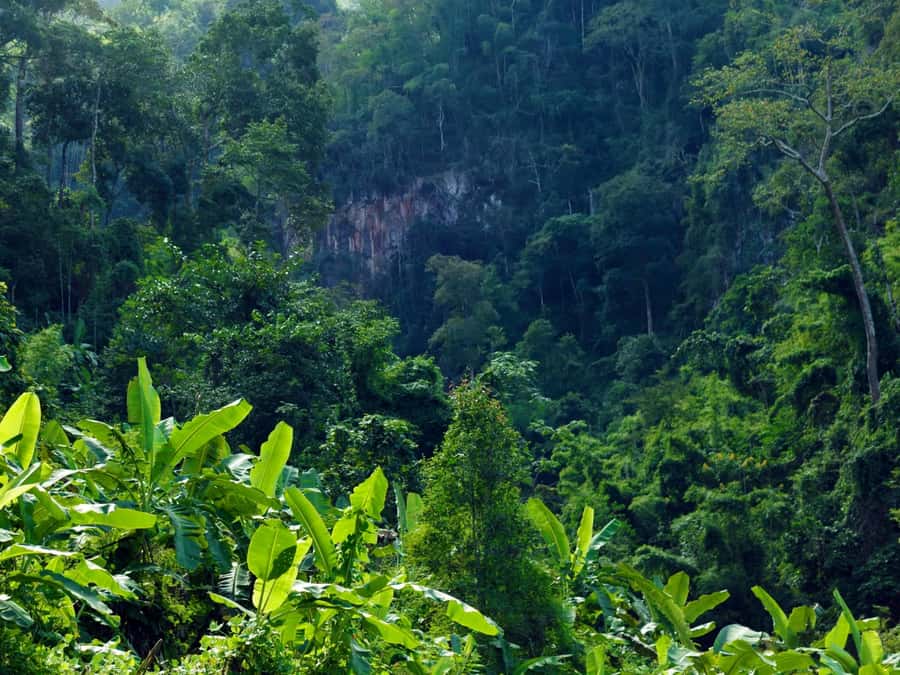
Village camps are described as basic but comfortable, with bedding provided. There’s no internet, and mobile signal can be limited—so treat this as a phone-light experience.
Electricity is listed as not available, but there’s a conflicting detail from a past guest who said electricity existed at both village stays. The safest way to plan is this: assume you won’t have reliable power, and pack like you won’t be charging your devices every night.
What you should not ignore is shower temperature. Cold showers are a real possibility, and if you’re sensitive to temperature changes, bring your patience and a towel you don’t mind getting wet and sandy.
Also pack for insects. Insect repellent is part of the recommended kit, and mosquito nets are mentioned by guests in at least one camp type. It’s still smart to come prepared.
What you’ll eat (and how simple food becomes a highlight)
Meals on this trek are included: 7 freshly prepared meals across Day 1 lunch through Day 3 lunch. You’re not stuck eating mystery snacks for three days. Food is made from fresh, local ingredients, and dietary preferences can be accommodated if you give advance notice.
You’ll eat by waterfalls, cook-and-help style dinners, and village meals with the rhythm of the community. Banana-leaf lunch is one of the signature touches. Dinner days include herb use picked on site, and that turns the cooking into part of the learning.
Food isn’t fancy here, but it’s dependable. One guest summed it up as simple but delicious, with plenty of it. That matters when you’re hiking 5–7 hours daily—under-fueled trekking turns everything harder.
Practical add-on: you might want toilet paper and extra small basics. A guest specifically called out packing toilet paper and a towel, and it’s one of those “you’ll be glad you did” items out on the trails.
Fitness: how hard is it really?
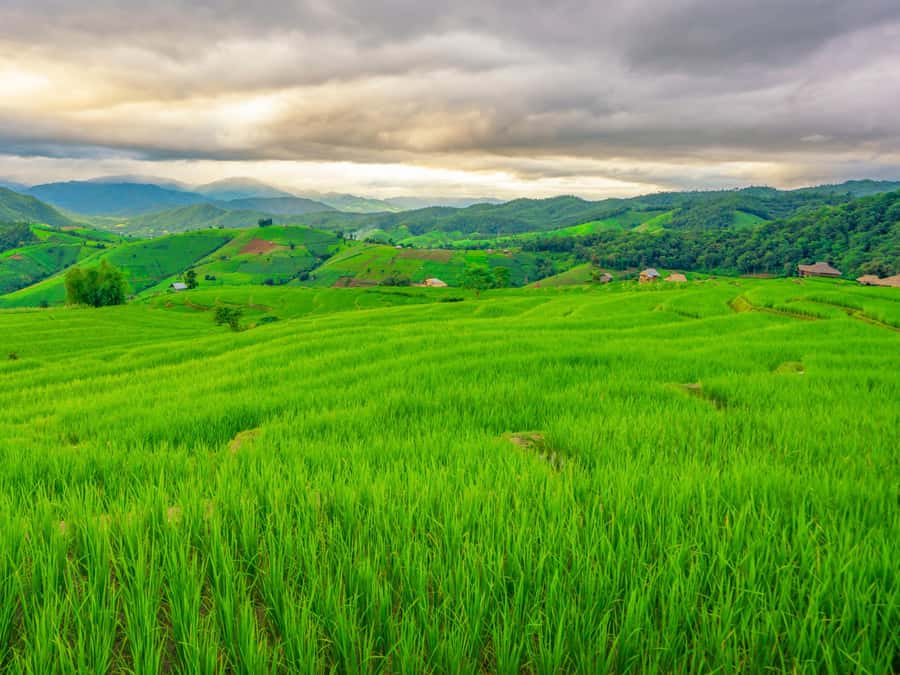
The stated requirement is moderate fitness. You’ll do 5–7 hours of trekking daily over uneven jungle terrain.
If you’re trying to judge the effort, here’s a useful on-the-ground metric from a guest: they averaged about 11 km per day. Day 1 was described as mostly steep climbing, Day 2 as half up and half down, and Day 3 as mostly downhill. That pattern fits the Doi Inthanon terrain described for the route.
You also need to be comfortable with jungle basics: slippery roots, mud in wet seasons, and long stretches with limited chances to rest.
This trek is not suitable for children under 12, people with back problems, people with mobility impairments, or people with heart problems. If any of those are you, it’s better to choose a gentler alternative.
Packing list that actually helps on the trail
Bring a mix of hiking comfort and waterfall readiness. The tour-recommended kit is solid, and a couple extra items from real guest experience make it even better.
Core items to pack:
- Swimwear, towel, and sandals (for waterfall time)
- Hiking shoes and a daypack
- Hat, sunglasses, sunscreen, insect repellent
- Long pants and a long-sleeved shirt for trail and village areas
- A jacket (and rain gear if you’re in wet season)
- Water and a few snacks (you’ll hike hard)
A couple “don’t forget” tips from guests:
- Bring toilet paper
- Use a proper backpack (you’ll be carrying your stuff through the day)
One more practical thing: cash. Drinks aren’t included, and a guest noted that villagers only accept cash for items like water. You don’t need a fortune, but bring small bills in case you want to buy extras.
Also remember the rules: smoking is not allowed, and intoxication or alcohol/drugs aren’t allowed.
Price and value: is $158 fair for 3 days?
At $158 per person for a 3-day, 2-night trek, you’re paying for more than a guide. The price covers pickup and drop-off in Chiang Mai, a Karen local guide, two overnight stays in different village camps, and 7 freshly prepared meals. You also get accident insurance during the trek.
So what are you really buying?
- Access to community-owned trails and village land, not a viewpoint loop
- Multiple meals prepared along the way, including waterfall lunch and village cooking moments
- Real cultural exchange with families, not a quick meet-and-greet
- Enough trekking time to feel like you traveled, not just toured
The one cost not included is drinks, and that’s where cash can matter. If you come ready with a water plan and a little extra money, the overall value looks strong for the time in the hills.
Who should book this Karen hill tribe trekking experience?
Book it if you want:
- A nature-forward Chiang Mai trek with real hiking hours
- Cultural learning that happens inside villages and kitchens
- Waterfall swims and off-grid quiet
- A small group pace (max 15)
You might skip it if:
- You need full comfort, hot showers, or predictable power
- You’re dealing with mobility limits or medical constraints mentioned above
- You hate cold hands, mud underfoot, and living without internet for a few days
This is also a great fit for couples or solo travelers who enjoy meeting people from different countries while still keeping the focus on the land and the community.
Should you book this trek?
If you’re the type who likes walking, learning, and sharing meals rather than rushing through photos, this 3-day Karen hill tribe trek in the Doi Inthanon area is a strong choice. The price feels fair once you factor in meals, guide time, village overnights, and community-based access.
If you want comfort and low effort, look for something easier. But if your idea of a great trip includes jungle trails, waterfall swims, and a respectful look at how people live with the forest, this is the kind of experience that sticks.
FAQ
FAQ
How long is the Karen hill tribe trekking trip?
It’s 3 days with 2 nights in village camps, trekking through the Doi Inthanon area.
What’s included in the $158 price?
Pickup and drop-off in Chiang Mai city, a guided 3-day/2-night trekking experience, two overnight stays in different Karen hill tribe village camps, 7 freshly prepared meals, an English-speaking local Karen guide, cultural activities and hands-on cooking, and accident insurance during the trek.
What meals are provided?
You’ll get 7 meals total, starting with Day 1 lunch and ending with Day 3 lunch. Drinks are not included.
Is there swimming during the trek?
Yes. The route includes up to five natural waterfalls, and they’re suitable for swimming. You should bring swimwear and a towel.
How physically demanding is the trek?
Moderate fitness is required. Expect about 5–7 hours of trekking per day on uneven jungle terrain.
What should I bring?
Bring items like hiking shoes, a daypack, hat, sunscreen, insect repellent, long pants and a long-sleeved shirt, water, a jacket (and rain gear if needed), swimwear and a towel, and personal toiletries. You should also pack toiletries and personal medication.
More Overnight Treks and Homestays
- Chiang Mai: 2-Day Jungle Trek with Elephant Farm & Raft Ride★ 4.7 · 881 reviews
- Chiang Mai 2-Day: Good Morning Elephant & Overnight Homestay★ 4.9 · 224 reviews
- Chiang Mai: 2-Days Jungle Trek, Waterfalls and Karen Village★ 4.8 · 103 reviews
- Chiang Mai 2-Day: Trekking, Tubing & Elephant Observation★ 4.9 · 95 reviews
- Private Tour: 2-Day Authentic Hill Tribe Villages and Karen Hill Tribe Homestay★ 5.0 · 40 reviews
More Jungle Treks and Trails
- 3-in-1: Doi Inthanon Tour, Elephant Sanctuary, and Trekking Trail★ 5.0 · 1,087 reviews
- Chiang Mai: Doi Inthanon Trip with Pha Dok Siew Guided Trek★ 4.6 · 910 reviews
- Chiang Mai: 2-Day Jungle Trek with Elephant Farm & Raft Ride★ 4.7 · 881 reviews
- Chiang Mai: Doi Inthanon Park with Kew Mae Pan Hike Day Trip★ 4.7 · 841 reviews
- Chiang Mai: Doi Inthanon Park and Pha Dok Siew Trail Trek★ 4.6 · 752 reviews
More Hill Tribe Village Visits
- Chiang Mai: Chiang Rai Temples, Karen Tribe and Hot Springs★ 4.7 · 5,401 reviews
- Thai and Akha Cooking Class in Chiang Mai★ 5.0 · 4,358 reviews
- Chiang Mai: Elephant Sanctuary, Long Neck & Sticky Waterfall★ 4.9 · 2,262 reviews
- 4-Hour Doi Suthep & Hmong Hill Tribe Village from Chiang Mai★ 4.7 · 696 reviews
- Chiang Mai: Long Neck Village & Chiang Rai’s Iconic Temples★ 4.3 · 338 reviews
Fresh off the pile: Chiang Mai tours we have just written up

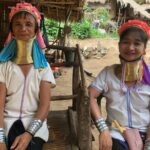

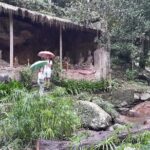
Hill Tribe Villages, compared.
 ★ 4.7Chiang Rai Temples, Karen Tribe and Hot SpringsFrom $355,401 reviews
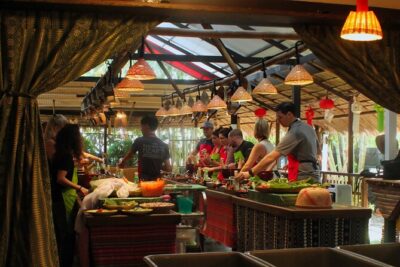 ★ 5.0Thai and Akha Cooking Class in Chiang MaiFrom $424,358 reviews
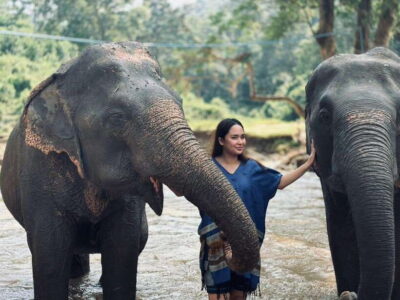 ★ 4.9Elephant Sanctuary, Long Neck & Sticky WaterfallFrom $632,262 reviews
 ★ 4.74-Hour Doi Suthep & Hmong Hill Tribe Village from Chiang MaiFrom $36696 reviews
 ★ 4.3Long Neck Village & Chiang Rai’s Iconic TemplesFrom $55338 reviews
 ★ 5.0Chiang Dao Cave & 5 Hill Tribe villagesFrom $52181 reviews
 ★ 5.04 in 1 Elephants Long Neck Rafting and Sticky Waterfall TourFrom $88126 reviews
 ★ 4.0Chiang Rai Full Day Tour with Boat Trip and Longneck VillageFrom $55112 reviews
Browse the lists this tour appears in